

Disclaimer
This content is intended for general informational and lifestyle purposes only. It does not replace professional advice or serve as a medical or therapeutic recommendation.
Sleep is a natural process where your body and mind shift into a state of rest. During this time, your body cycles through different stages, each linked to relaxation, dreaming, and mental reset. Many people use calming routines, like light and sound experiences, to support a smoother transition into sleep.
Why Sleep Matters for Daily Life
Sleep plays a key role in how you feel, think, and function throughout the day. It is often associated with:
-
Feeling more refreshed in the morning
-
Supporting focus and clarity
-
Encouraging a sense of balance
-
Helping you unwind after a busy day
Rather than being “inactive,” your body remains engaged in structured rest cycles.
The Different Stages of Sleep
Sleep happens in repeating cycles, each with its own characteristics.
Stage 1 – Light Rest
This is the transition phase between being awake and asleep.
-
Your body begins to relax
-
Thoughts may drift
-
You may still be aware of your surroundings
Stage 2 – Deeper Relaxation
At this stage, your body settles further into rest.
-
Breathing becomes more steady
-
Awareness of surroundings fades
-
The body prepares for deeper sleep
Stage 3 – Deep Sleep
This stage is often linked to the most restful part of sleep.
-
The body is fully relaxed
-
External disturbances are less noticeable
-
Many people wake up feeling refreshed after this stage
REM Sleep – Dream Phase
REM (Rapid Eye Movement) sleep is commonly associated with vivid dreams.
-
Brain activity becomes more active
-
Dreams are more likely to occur
-
This stage is often linked to mental processing
What Happens to Your Mind During Sleep?
While your body rests, your mind continues to process the day.
Many people experience:
-
Dreaming or visual thoughts
-
Emotional processing
-
A sense of mental “reset”
This is why a good night’s sleep often feels refreshing mentally.
Creating a Better Sleep Experience
Your sleep environment and routine can influence how easily you fall asleep.
Many people use:
-
Consistent bedtime routines
-
Low-light environments
-
Reduced screen exposure
-
Rhythmic light and sound patterns for relaxation
These approaches are designed to support moments of calm before sleep.
The Role of Sensory Relaxation Experiences
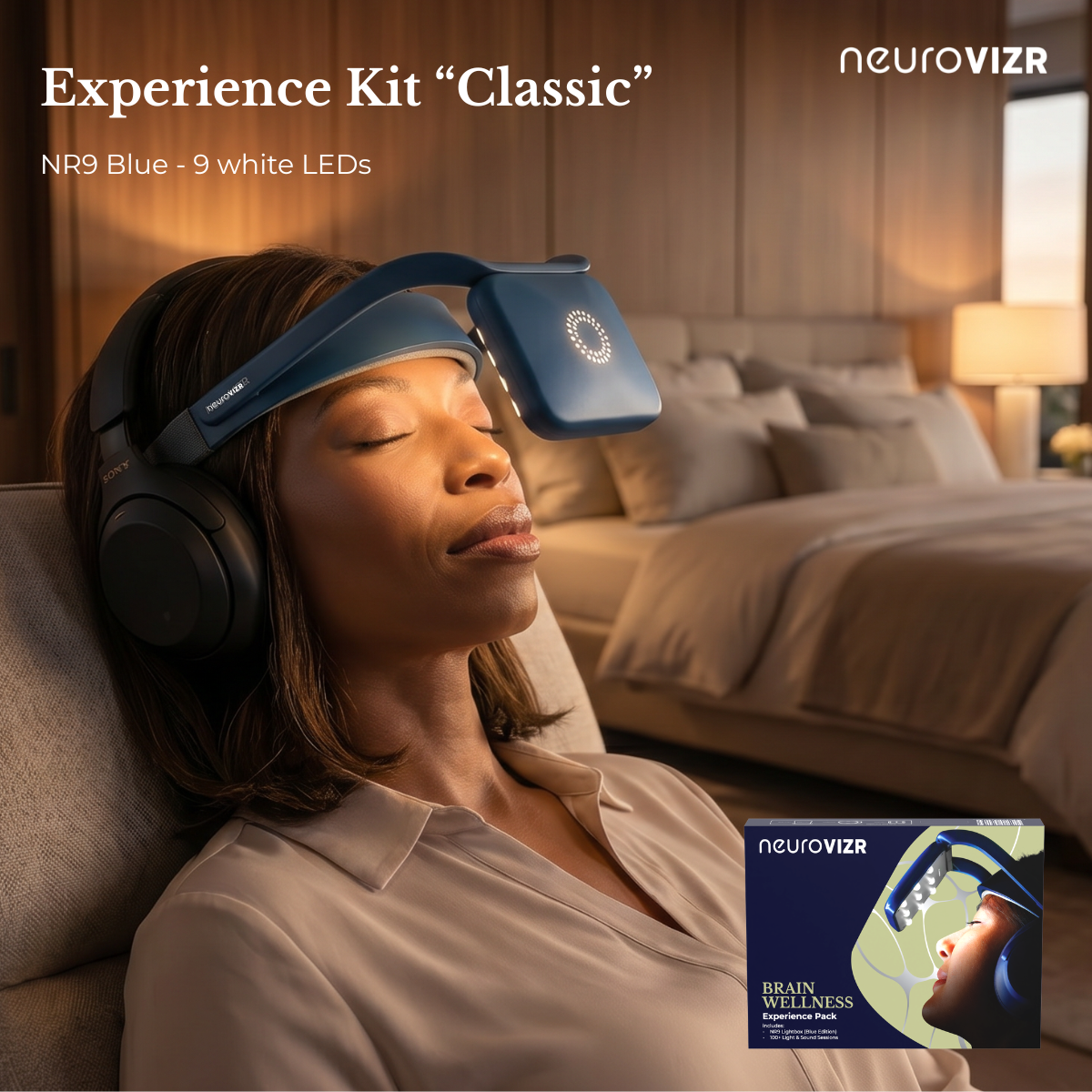
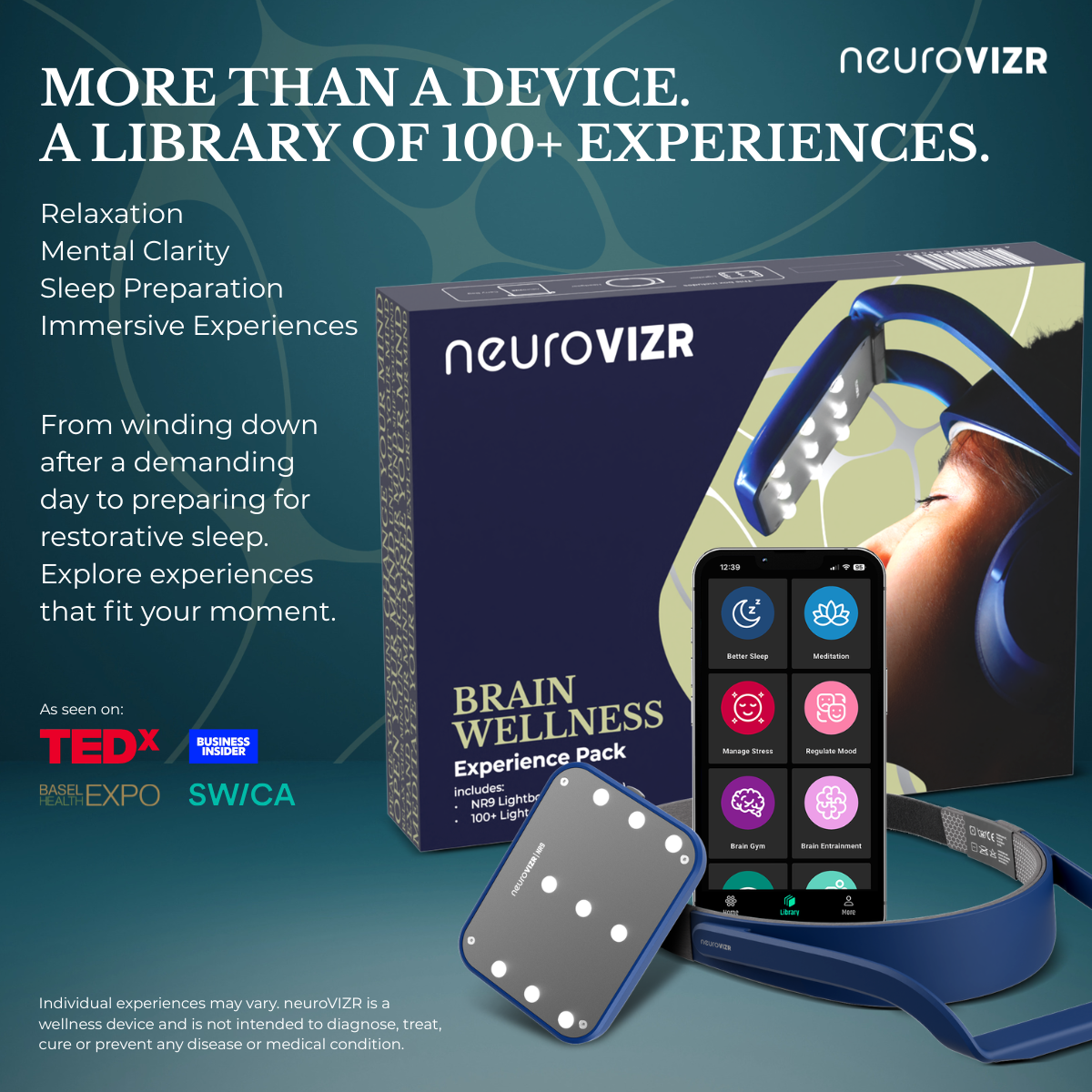
Modern relaxation tools often focus on immersive environments using light and sound.
These are:
-
Designed to create a calming atmosphere
-
Often used as part of evening routines
-
Focused on helping you unwind
Many users report that these experiences make it easier to transition into rest.
How Long Does a Sleep Cycle Last?
A full sleep cycle typically lasts around 90 minutes, and most people go through multiple cycles each night.
A balanced sleep pattern includes a mix of:
-
Light sleep
-
Deep rest
-
Dream phases
Signs You May Need Better Sleep Habits
You might consider improving your routine if you often:
-
Feel tired after waking up
-
Struggle to fall asleep
-
Wake up frequently at night
-
Find it hard to relax before bed
Simple changes to your routine can make a noticeable difference.
Simple Tips to Wind Down Before Sleep
To support a smoother transition into sleep:
-
Set a consistent bedtime
-
Avoid heavy meals late at night
-
Create a calm, dimly lit environment
-
Try mindfulness or relaxation sessions
-
Use immersive sensory tools for a calming experience
Final Thoughts
Sleep is a natural rhythm that supports both body and mind. By understanding how it works and creating a calming routine, you can improve your overall sleep experience.
FAQs
What is the Science of Sleep?
The science of sleep is the study of what happens in the brain and body while we sleep. It explains how sleep cycles work, how the brain processes memories and emotions at night, how the nervous system resets, and why sleep is essential for mental clarity, physical recovery, and emotional balance. Rather than being a passive state, sleep is an active biological process that supports brain health, immunity, learning, and stress regulation.
Is the Science of Sleep worth watching?
Yes, it can be worth watching depending on what you are looking for. If you enjoy content that explores the mind, dreams, and how the brain works beneath the surface, it can be engaging. It is not a clinical or instructional guide to improving sleep, but it offers insight into the emotional and psychological side of sleep and dreaming, which many people find thought-provoking.
What is the Science of Sleep called?
If you mean the movie, The Science of Sleep dives into dreams, imagination, and that fuzzy space where sleep and real life mix. But if you’re talking about the scientific field, people usually call it sleep science or sleep research. That covers neuroscience, psychology, and physiology.
What is the 3:2:1 rule for sleeping?
The 3:2:1 rule makes it easier to wind down at night and actually get good sleep. Here’s how it works:
Three hours before you hit the sack, put the brakes on heavy meals. Two hours out, shut down work and anything that makes your brain race. When you’re an hour away from bedtime, ditch the screens and bright lights.
Doing this really helps your body relax, lets your brain start producing melatonin, and sets you up for deeper, better sleep.







Share:
Sleep Corner: Syncing Your Routine with Your Natural Body Clock
How Much Deep Sleep Should You Need?