
Why Does Sleep Feel So Good
  • Written by Gourav Rathore

Disclaimer

This content is for general wellness and lifestyle purposes only. It is not intended as a medical treatment or to replace professional advice.

Sleep feels good because it gives your mind and body a chance to unwind, reset, and recharge after daily activity. Many people experience a sense of calm, comfort, and mental clarity after restful sleep, making it an essential part of overall well-being.

The Experience of Deep Rest

Sleep is more than just “switching off.” It’s a natural process where your body slows down, and your mind gets a break from constant stimulation.

When you wake up after a good night’s sleep, you may notice:

  • A refreshed and lighter feeling

  • Improved focus and clarity

  • A more balanced mood

  • A sense of calm and ease

These experiences are why sleep is often associated with feeling “good.”

Why Your Body Craves Sleep

Throughout the day, your mind processes information, decisions, and sensory input. Sleep provides a pause from this activity.

Instead of thinking in terms of biological mechanisms, it’s helpful to understand sleep as:

  • A natural recovery period

  • A mental reset experience

  • A time for deep relaxation

Many people notice that consistent sleep routines help them feel more balanced and grounded in daily life.

The Role of Relaxation in Better Sleep

The way you prepare for sleep plays a big role in how restful it feels.

Relaxation-focused habits may include:

  • Reducing screen time before bed

  • Creating a calm, low-light environment

  • Practicing mindfulness or breathing exercises

  • Engaging in sensory light & sound experiences

These approaches are designed to support moments of calm and help transition from a busy day into a more relaxed state.

How Light & Sound Experiences Fit In

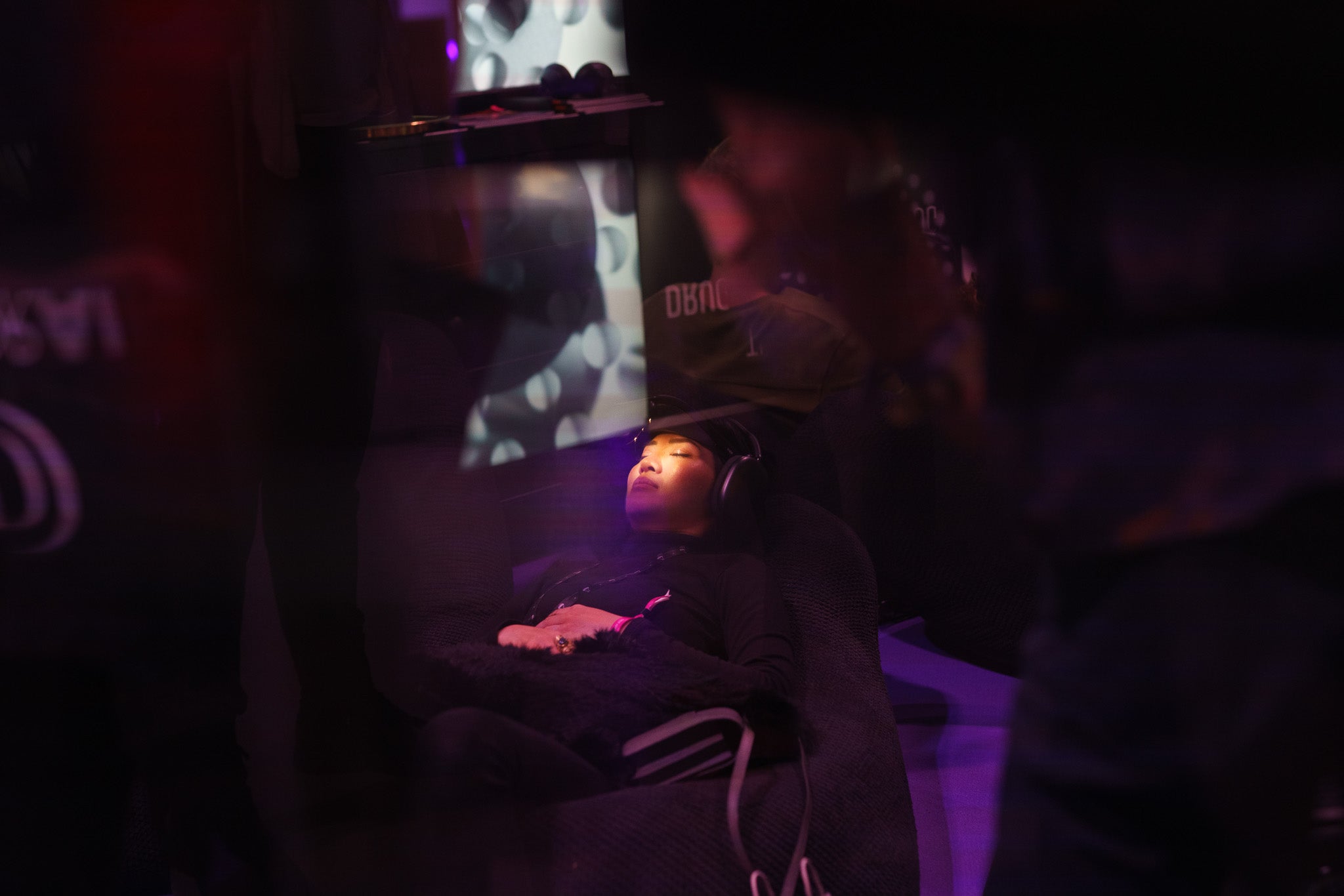
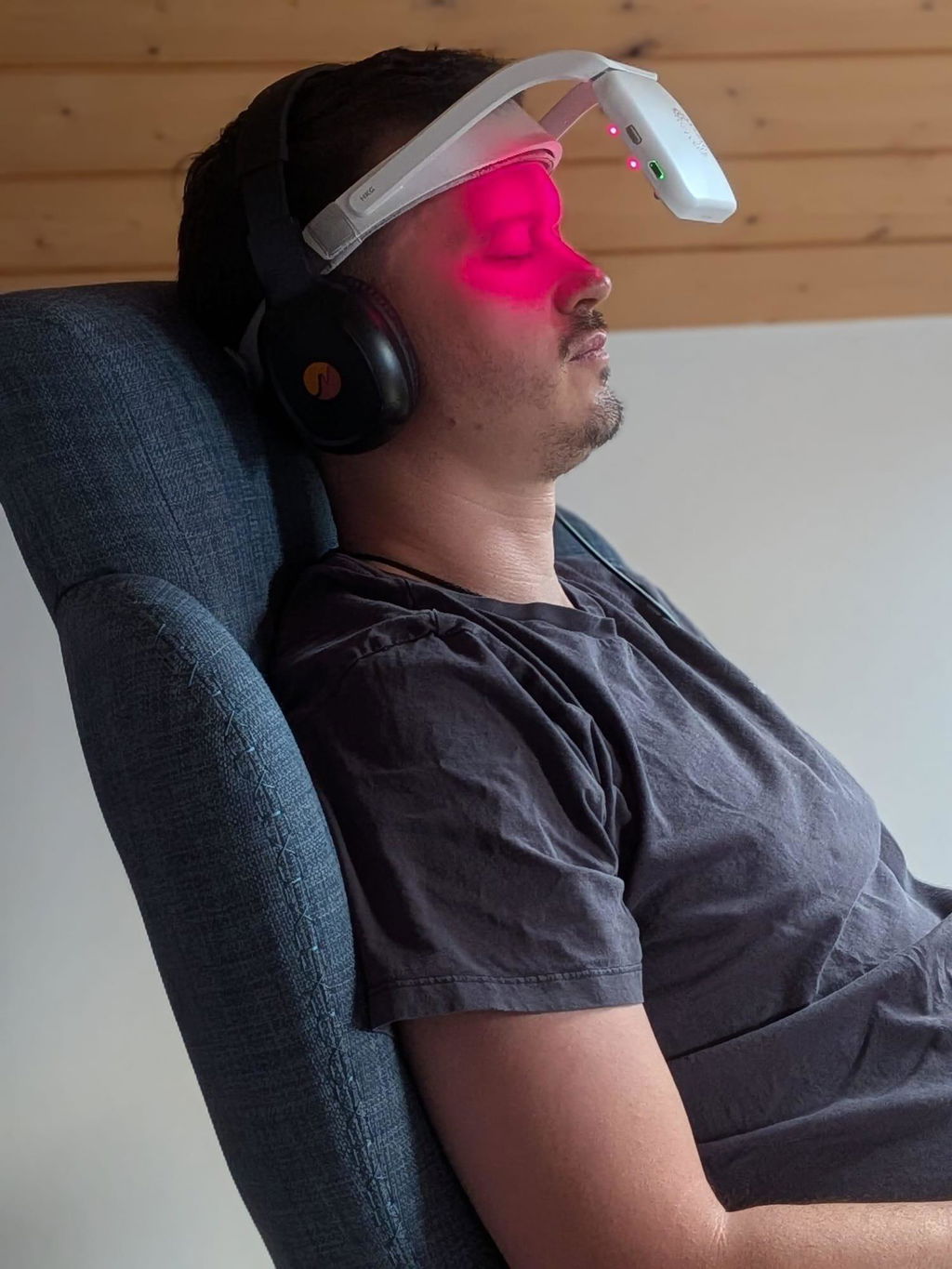
Some people use rhythmic light and sound patterns as part of their evening routine.

These immersive sensory environments are:

  • Designed to encourage relaxation

  • Often used to create a peaceful atmosphere

  • Helpful for building consistent wind-down habits

Many users report that incorporating these experiences into their routine helps them disconnect from daily stress and prepare for sleep more comfortably.

Why Good Sleep Feels Rewarding

Sleep often feels good because it contrasts with the effort and activity of the day.

After rest, people commonly experience:

  • A sense of renewal

  • Increased motivation

  • Better emotional balance

  • Greater overall comfort

This “rewarding” feeling is what makes sleep something your body naturally looks forward to.

Simple Ways to Make Sleep Feel Even Better

If you want to enhance your sleep experience, consider:

  • Keeping a consistent sleep schedule

  • Creating a calming bedtime routine

  • Using soft lighting in the evening

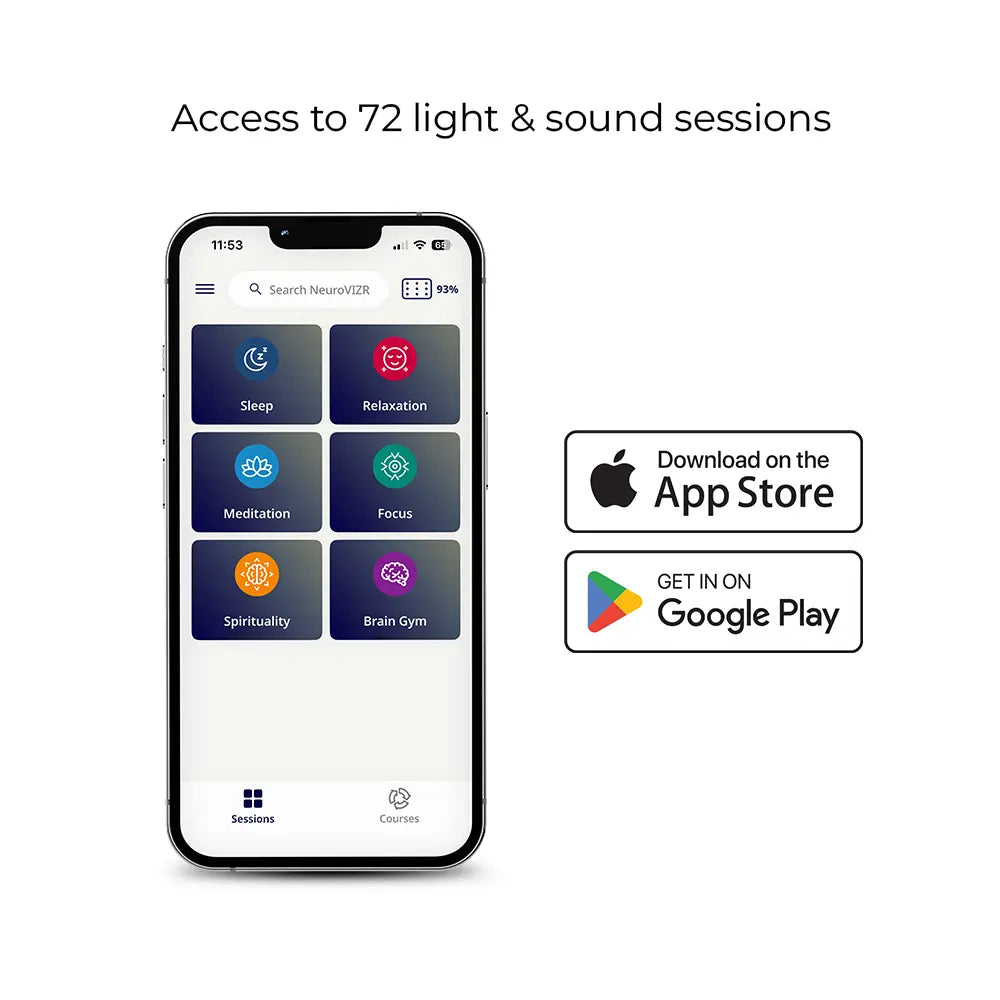
  • Exploring relaxation routines that include sound or guided sessions

Small changes can make a noticeable difference in how restful your nights feel.

Final Thoughts

Sleep feels good because it gives you space to pause, reset, and reconnect with a calmer state. By focusing on relaxation, environment, and consistent routines, you can make sleep not just necessary but deeply enjoyable.

FAQs

1. Why does sleep feel so relaxing for the body and mind?

Because during deep sleep, your brain and nervous system finally shift into “rest and restore” mode. Heart rate, breathing, and stress hormones slow down while the brain clears waste through the glymphatic system. This biological reset leaves both mind and body lighter, balanced, and calm.

2. What happens in the brain that makes sleep feel good?

Sleep activates several restorative processes neurotransmitters like serotonin and GABA rebalance, the amygdala (emotion center) softens stress responses, and neural networks reorganize memory. Together, these changes create a natural sense of clarity and emotional ease upon waking.

3. Why do I feel happy or refreshed after a good night’s sleep?

That feeling comes from the restoration of dopamine and serotonin levels, which influence mood and motivation. Your brain also processes unresolved emotions during REM sleep, so you wake up with less tension and more emotional space.

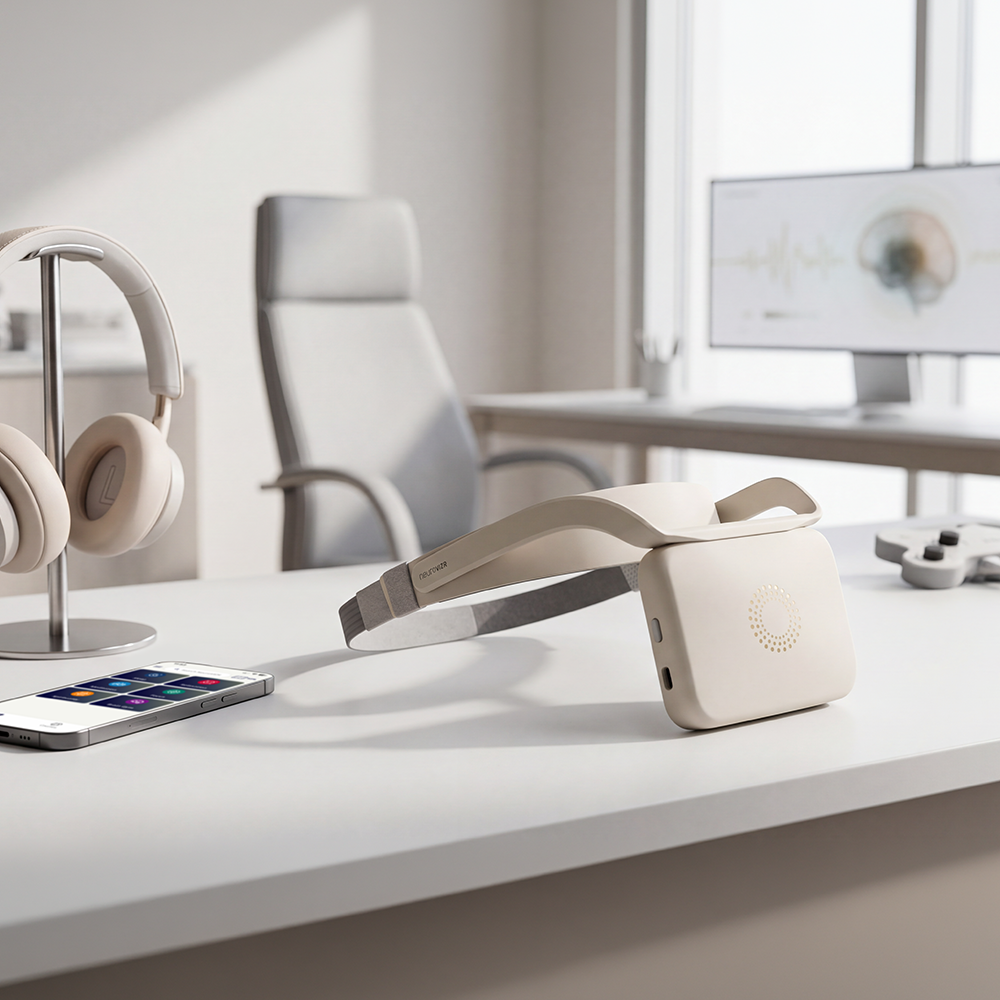
4. Can neuroVIZR help me sleep better?

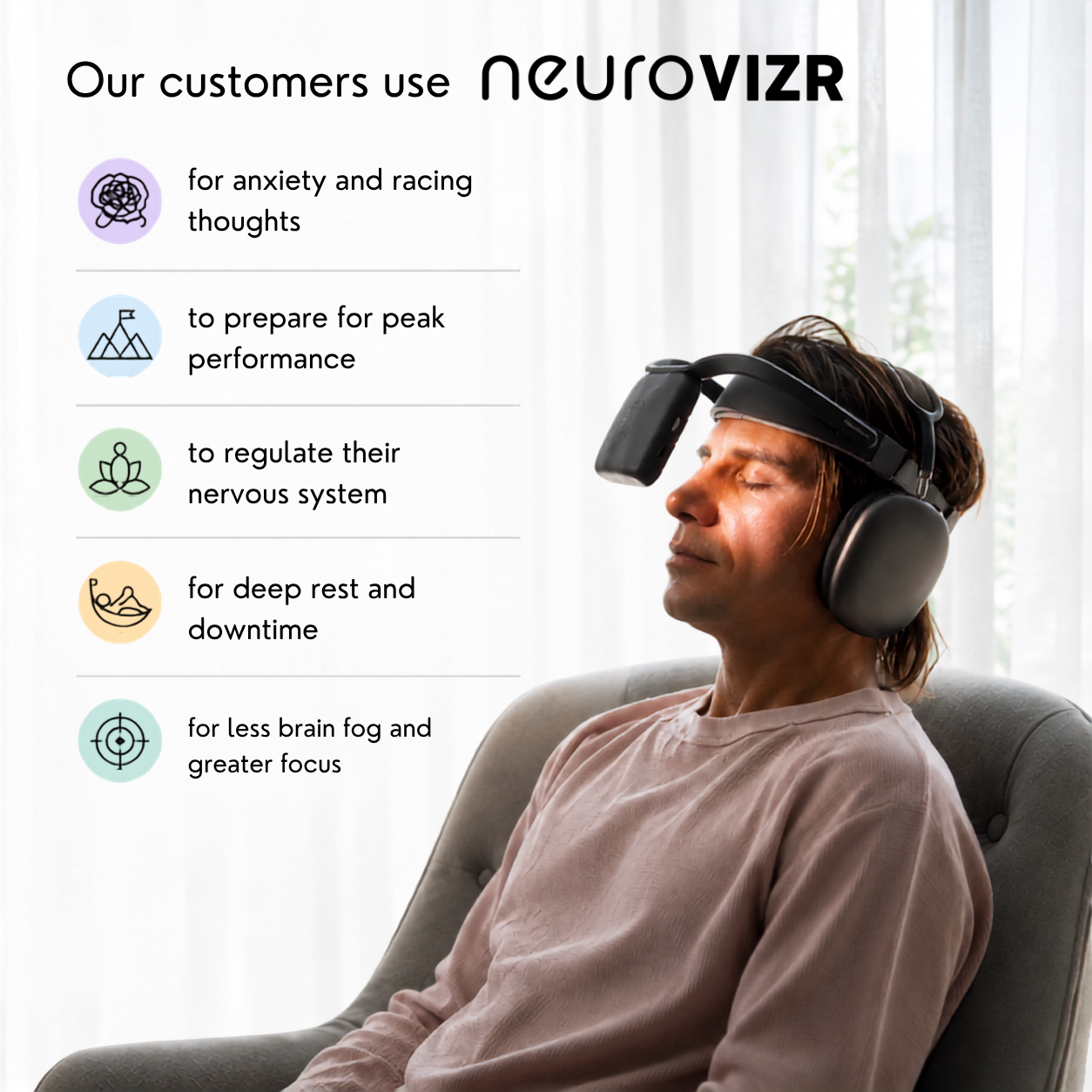
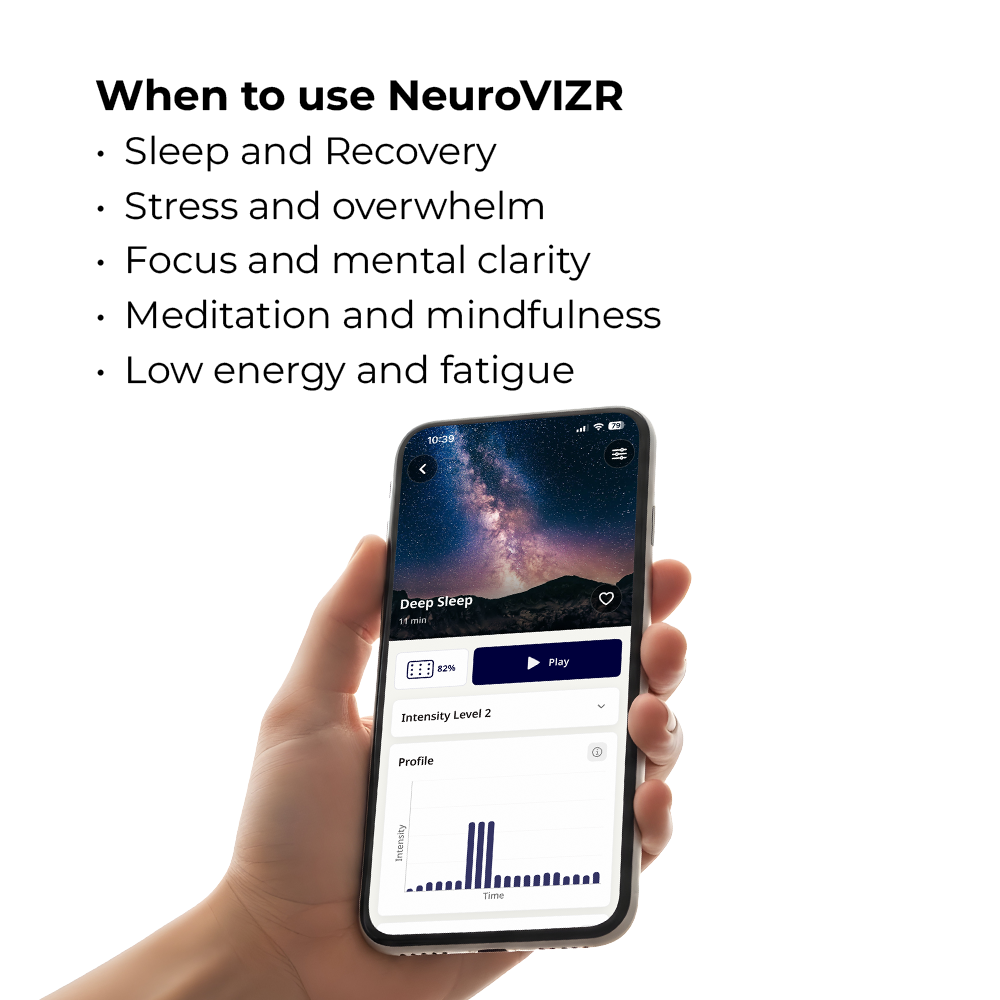
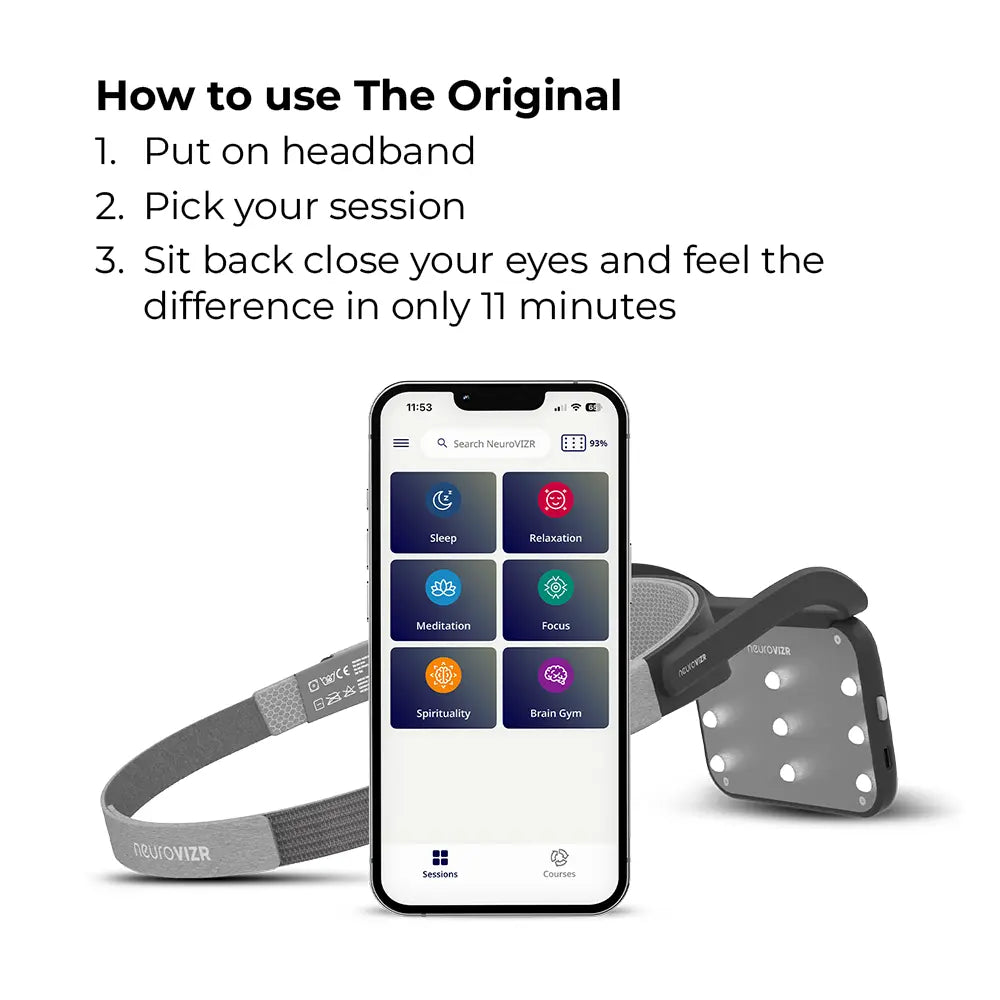
Yes. neuroVIZR uses patterned light and sound to guide your brain toward balanced, restorative states. Its sessions are designed to encourage relaxation and help the nervous system transition out of high-alert patterns into the calm rhythms that support natural sleep.

Content References:

  • National Institutes of Health (NIH) – Research on the glymphatic system and brain waste clearance

  • Sleep Foundation – Insights on sleep stages and nervous system regulation

  • National Library of Medicine – Studies on neurotransmitter balance during sleep

  • American Psychological Association – Findings on REM sleep and emotional processing

  • Harvard Medical School – Research on the parasympathetic nervous system and rest states

Disclaimer

This content is for general wellness and lifestyle purposes only. It is not intended as a medical treatment or to replace professional advice.

Sleep feels good because it gives your mind and body a chance to unwind, reset, and recharge after daily activity. Many people experience a sense of calm, comfort, and mental clarity after restful sleep, making it an essential part of overall well-being.

The Experience of Deep Rest

Sleep is more than just “switching off.” It’s a natural process where your body slows down, and your mind gets a break from constant stimulation.

When you wake up after a good night’s sleep, you may notice:

  • A refreshed and lighter feeling

  • Improved focus and clarity

  • A more balanced mood

  • A sense of calm and ease

These experiences are why sleep is often associated with feeling “good.”

Why Your Body Craves Sleep

Throughout the day, your mind processes information, decisions, and sensory input. Sleep provides a pause from this activity.

Instead of thinking in terms of biological mechanisms, it’s helpful to understand sleep as:

  • A natural recovery period

  • A mental reset experience

  • A time for deep relaxation

Many people notice that consistent sleep routines help them feel more balanced and grounded in daily life.

The Role of Relaxation in Better Sleep

The way you prepare for sleep plays a big role in how restful it feels.

Relaxation-focused habits may include:

  • Reducing screen time before bed

  • Creating a calm, low-light environment

  • Practicing mindfulness or breathing exercises

  • Engaging in sensory light & sound experiences

These approaches are designed to support moments of calm and help transition from a busy day into a more relaxed state.

How Light & Sound Experiences Fit In

Some people use rhythmic light and sound patterns as part of their evening routine.

These immersive sensory environments are:

  • Designed to encourage relaxation

  • Often used to create a peaceful atmosphere

  • Helpful for building consistent wind-down habits

Many users report that incorporating these experiences into their routine helps them disconnect from daily stress and prepare for sleep more comfortably.

Why Good Sleep Feels Rewarding

Sleep often feels good because it contrasts with the effort and activity of the day.

After rest, people commonly experience:

  • A sense of renewal

  • Increased motivation

  • Better emotional balance

  • Greater overall comfort

This “rewarding” feeling is what makes sleep something your body naturally looks forward to.

Simple Ways to Make Sleep Feel Even Better

If you want to enhance your sleep experience, consider:

  • Keeping a consistent sleep schedule

  • Creating a calming bedtime routine

  • Using soft lighting in the evening

  • Exploring relaxation routines that include sound or guided sessions

Small changes can make a noticeable difference in how restful your nights feel.

Final Thoughts

Sleep feels good because it gives you space to pause, reset, and reconnect with a calmer state. By focusing on relaxation, environment, and consistent routines, you can make sleep not just necessary but deeply enjoyable.

FAQs

1. Why does sleep feel so relaxing for the body and mind?

Because during deep sleep, your brain and nervous system finally shift into “rest and restore” mode. Heart rate, breathing, and stress hormones slow down while the brain clears waste through the glymphatic system. This biological reset leaves both mind and body lighter, balanced, and calm.

2. What happens in the brain that makes sleep feel good?

Sleep activates several restorative processes neurotransmitters like serotonin and GABA rebalance, the amygdala (emotion center) softens stress responses, and neural networks reorganize memory. Together, these changes create a natural sense of clarity and emotional ease upon waking.

3. Why do I feel happy or refreshed after a good night’s sleep?

That feeling comes from the restoration of dopamine and serotonin levels, which influence mood and motivation. Your brain also processes unresolved emotions during REM sleep, so you wake up with less tension and more emotional space.

4. Can neuroVIZR help me sleep better?

Yes. neuroVIZR uses patterned light and sound to guide your brain toward balanced, restorative states. Its sessions are designed to encourage relaxation and help the nervous system transition out of high-alert patterns into the calm rhythms that support natural sleep.

Content References:

  • National Institutes of Health (NIH) – Research on the glymphatic system and brain waste clearance

  • Sleep Foundation – Insights on sleep stages and nervous system regulation

  • National Library of Medicine – Studies on neurotransmitter balance during sleep

  • American Psychological Association – Findings on REM sleep and emotional processing

  • Harvard Medical School – Research on the parasympathetic nervous system and rest states
Enhance Your Mental Clarity With neuroVIZR