

Disclaimer
This content is intended for general wellness and lifestyle purposes only. It is not designed as a medical or therapeutic solution.
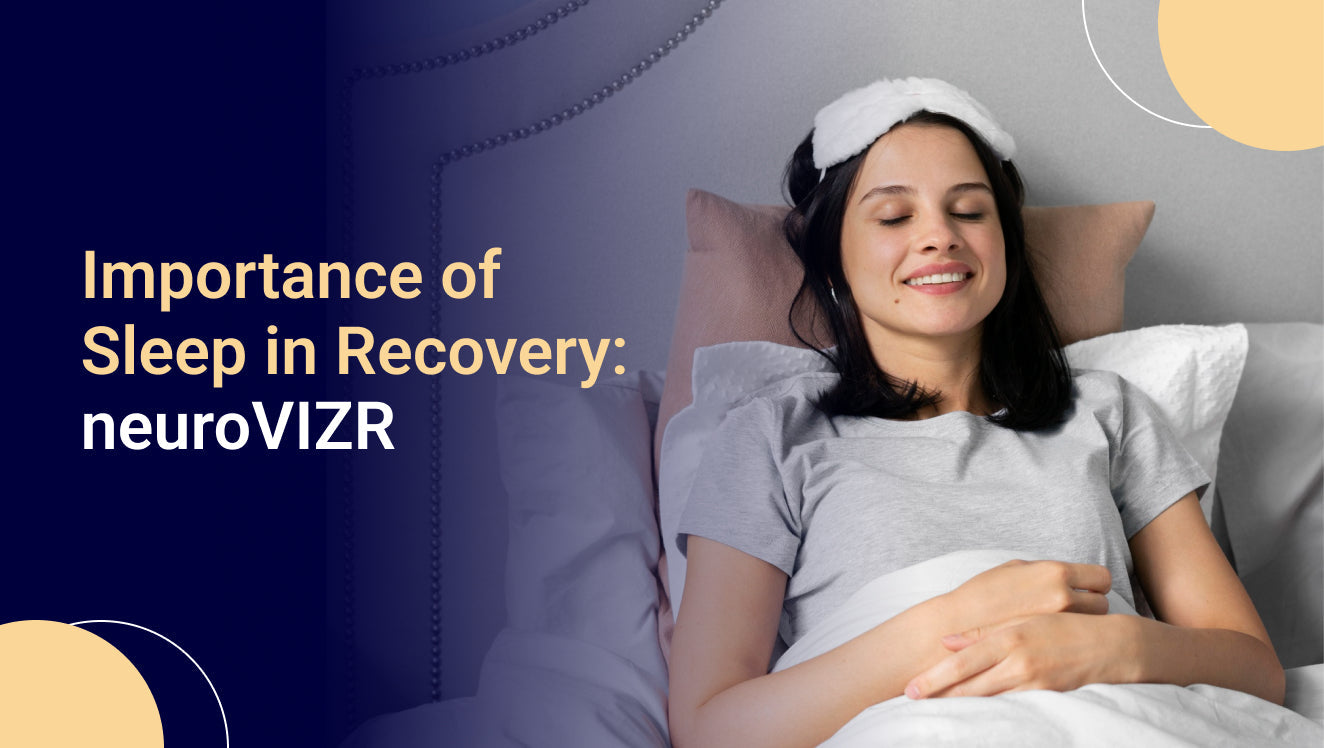
Sleep is essential for helping the body and mind reset after daily activities. It supports energy levels, focus, and overall well-being. Consistent, quality sleep is often linked to better mood, improved performance, and a greater sense of balance throughout the day.
Why Sleep Is Important for Recovery
Sleep is more than just rest, it’s a daily reset for your body and mind.
During sleep, your body shifts into a state where it can recharge, while your mind gets a break from constant stimulation. This process is commonly associated with:
-
Feeling refreshed in the morning
-
Improved focus during the day
-
Better emotional balance
-
Sustained energy levels
Many people notice that when sleep is consistent and uninterrupted, daily tasks feel easier and more manageable.
How Sleep Impacts Daily Performance
Quality sleep plays a major role in how you show up each day.
When you sleep well, you may experience:
-
Clearer thinking and decision-making
-
Better concentration
-
More stable mood
-
Increased productivity
On the other hand, irregular sleep routines can leave you feeling low on energy or unfocused.
Common Challenges That Affect Sleep
Modern lifestyles often make it harder to maintain a consistent sleep routine.
Some common factors include:
-
Excess screen time before bed
-
Irregular sleep schedules
-
High mental activity late at night
-
Environmental distractions
These factors can make it difficult to unwind and transition into restful sleep.
Creating a Better Sleep Routine
Improving sleep doesn’t require drastic changes small, consistent habits can make a difference.
Simple ways to support better sleep:
-
Maintain a regular sleep schedule
-
Reduce screen exposure before bedtime
-
Create a calm, comfortable sleep environment
-
Practice relaxing evening routines
Many people also explore sensory-based relaxation experiences, such as rhythmic light and sound patterns, to help create moments of calm before sleep.
The Role of Relaxation in Sleep Preparation
Relaxation plays a key role in preparing your mind and body for sleep.
Tools and routines designed around immersive sensory environments are often used to:
-
Help you unwind after a long day
-
Create a transition from activity to rest
-
Support a calming bedtime routine
These experiences are designed to encourage a sense of ease, making it easier to settle into sleep naturally.
Building a Consistent Sleep Habit
Consistency is one of the most important factors for better sleep.
To build a sustainable sleep habit:
-
Go to bed and wake up at the same time daily
-
Avoid overstimulation late at night
-
Create a predictable wind-down routine
Over time, these habits can help your body adapt to a more natural rhythm.
Final Thoughts
Sleep is a foundational part of your daily routine. When prioritized, it can support how you feel, think, and perform.
By making small adjustments and incorporating calming practices, you can create a sleep routine that fits your lifestyle and helps you feel more balanced each day.
FAQs
1. Does sleeping help the brain recover?
Yes - sleep is when the brain finally feels safe enough to repair itself. During deep rest, neural pathways strengthen, toxins clear out, and balance returns. It’s not just rest, it’s the rhythm through which the brain remembers how to heal.
2. How does sleep support the brain after a demanding day?
Sleep gives the brain the calm it needs to reset.
It supports neuroplasticity, the process behind memory, focus, and emotional balance.
Each night of deep sleep is a small step toward feeling more settled and restored.
3. How important is sleep for recovery?
Sleep is the foundation of all recovery physical, emotional, and cognitive. It’s when your body releases healing hormones, regulates stress, and integrates daily experiences. Without it, the brain stays in survival mode; with it, repair becomes possible.
4. What are the benefits of sleeping in the recovery position?
Sleeping in the recovery position helps the body breathe freely and the brain rest deeply. It supports oxygen flow, reduces strain, and signals safety to the nervous system.
5. How does neuroVIZR help with sleep and recovery?
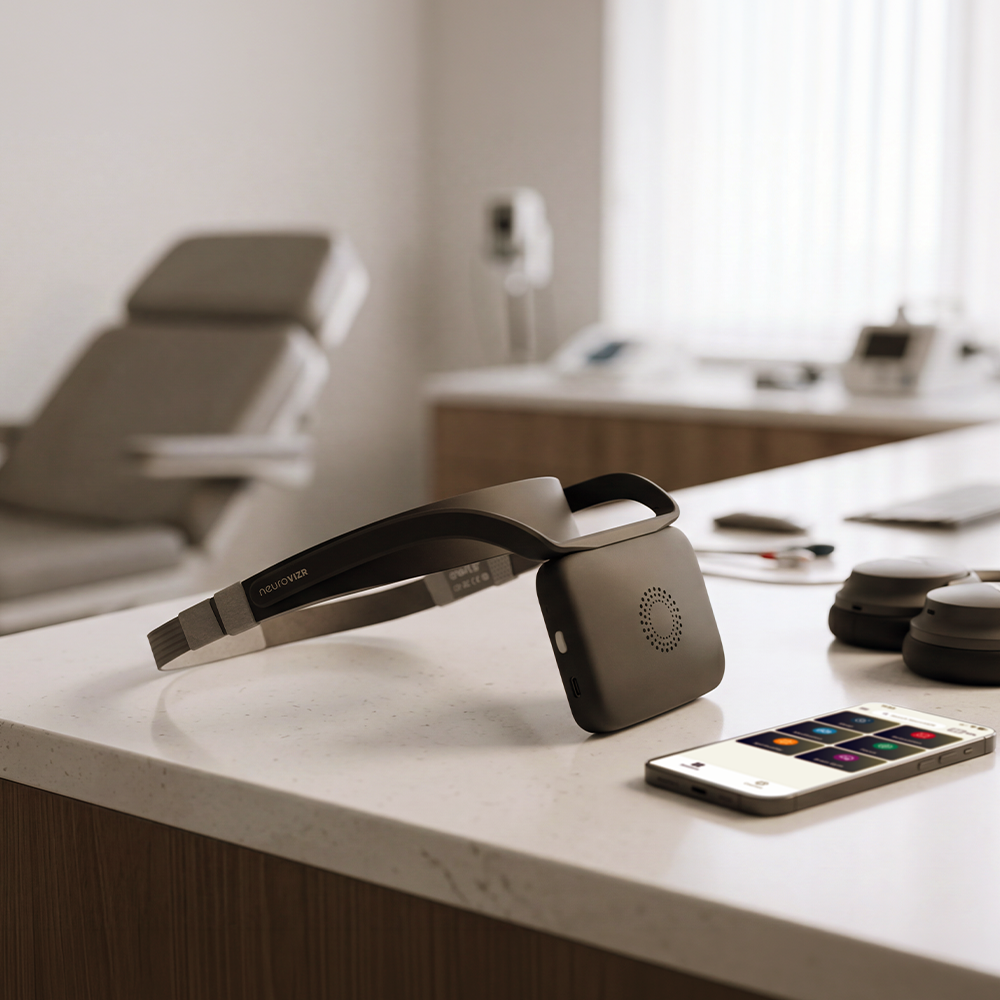
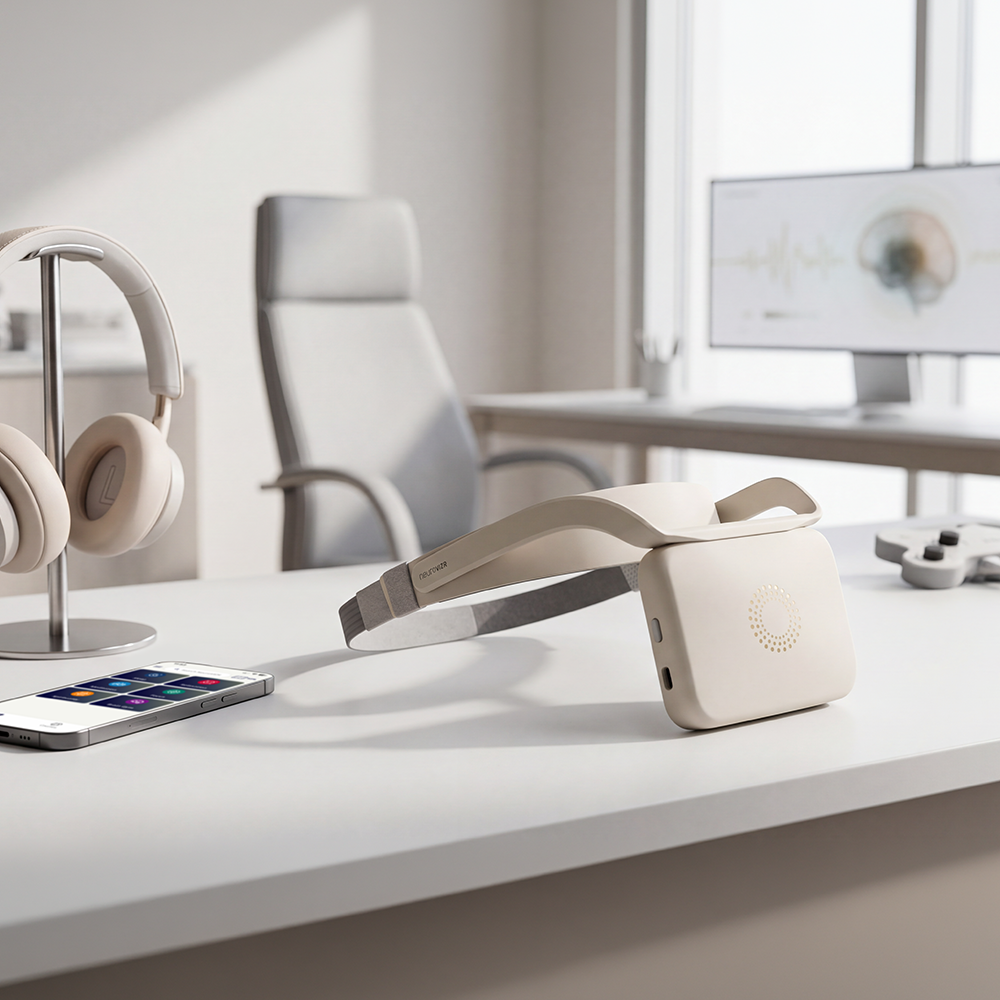
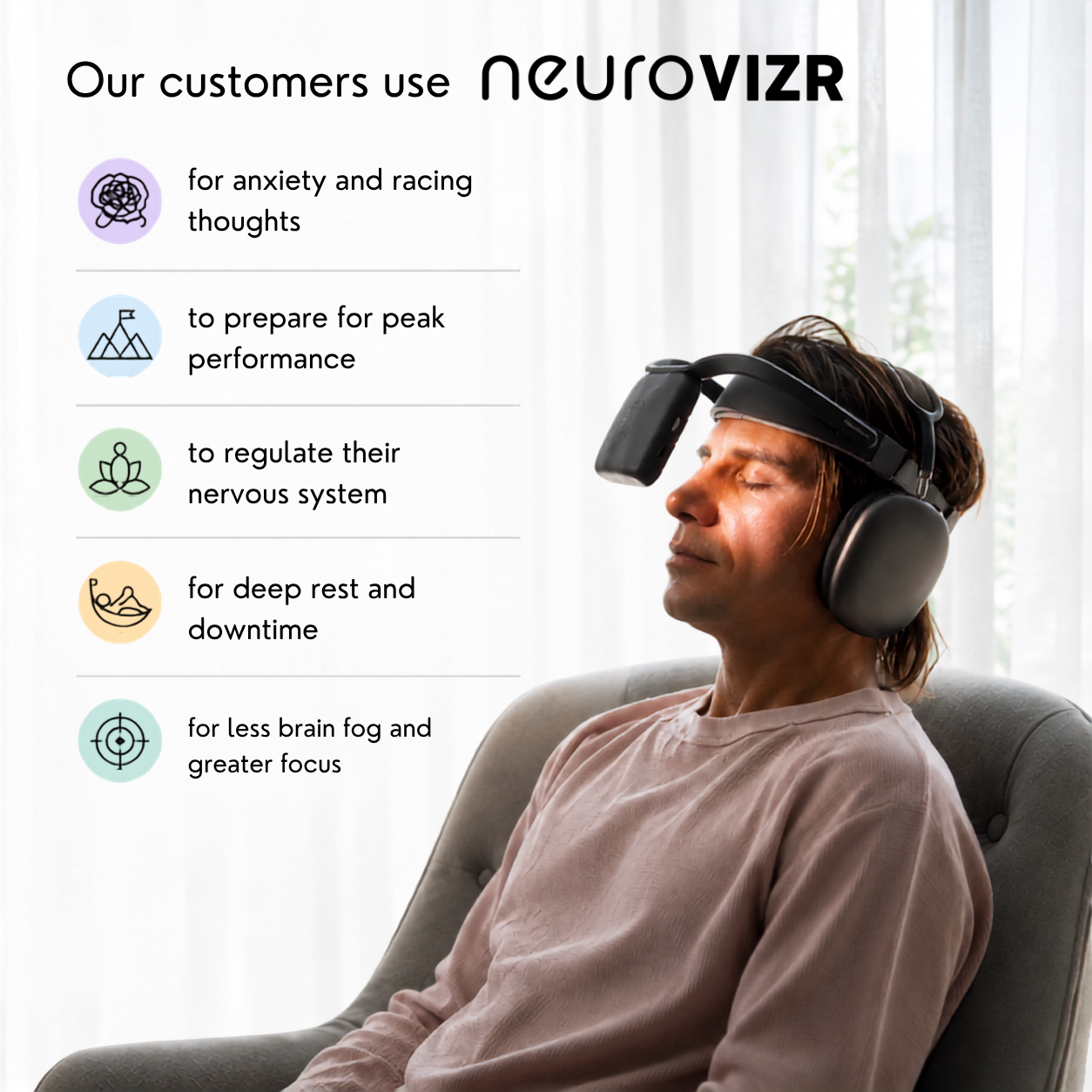
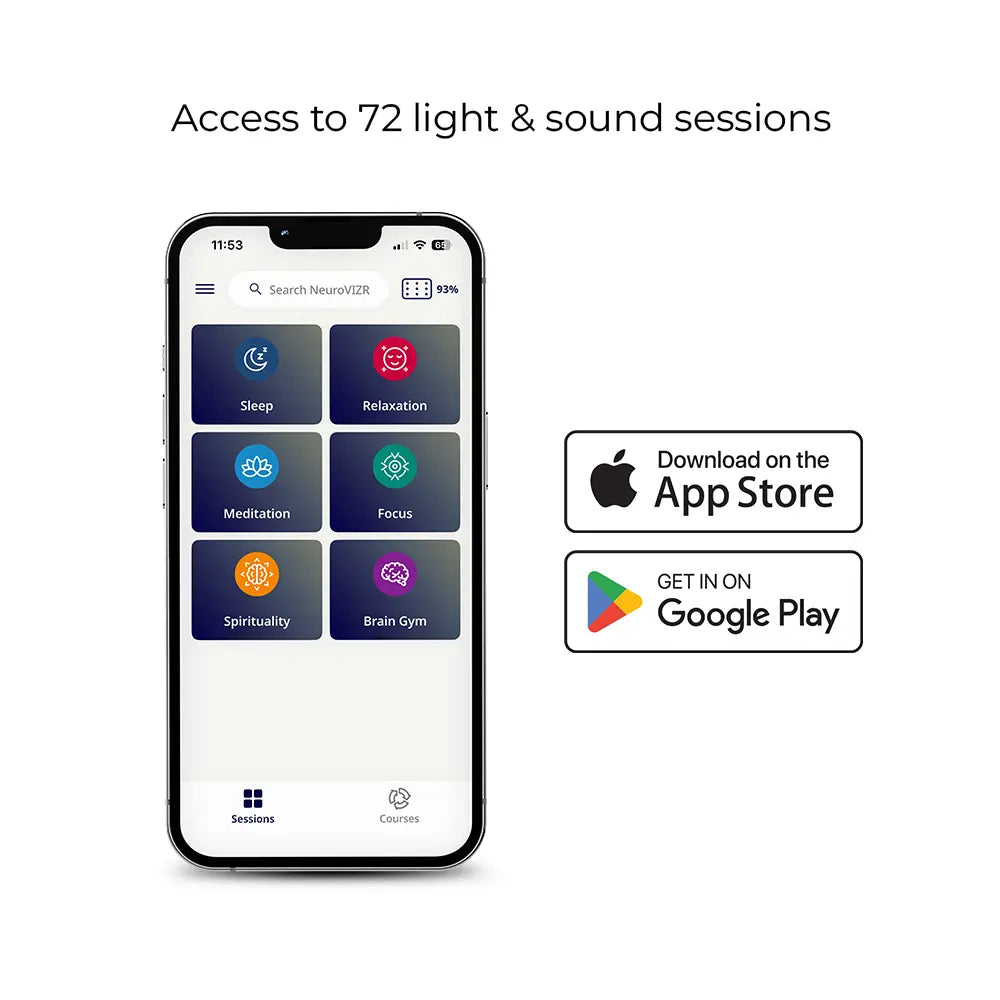
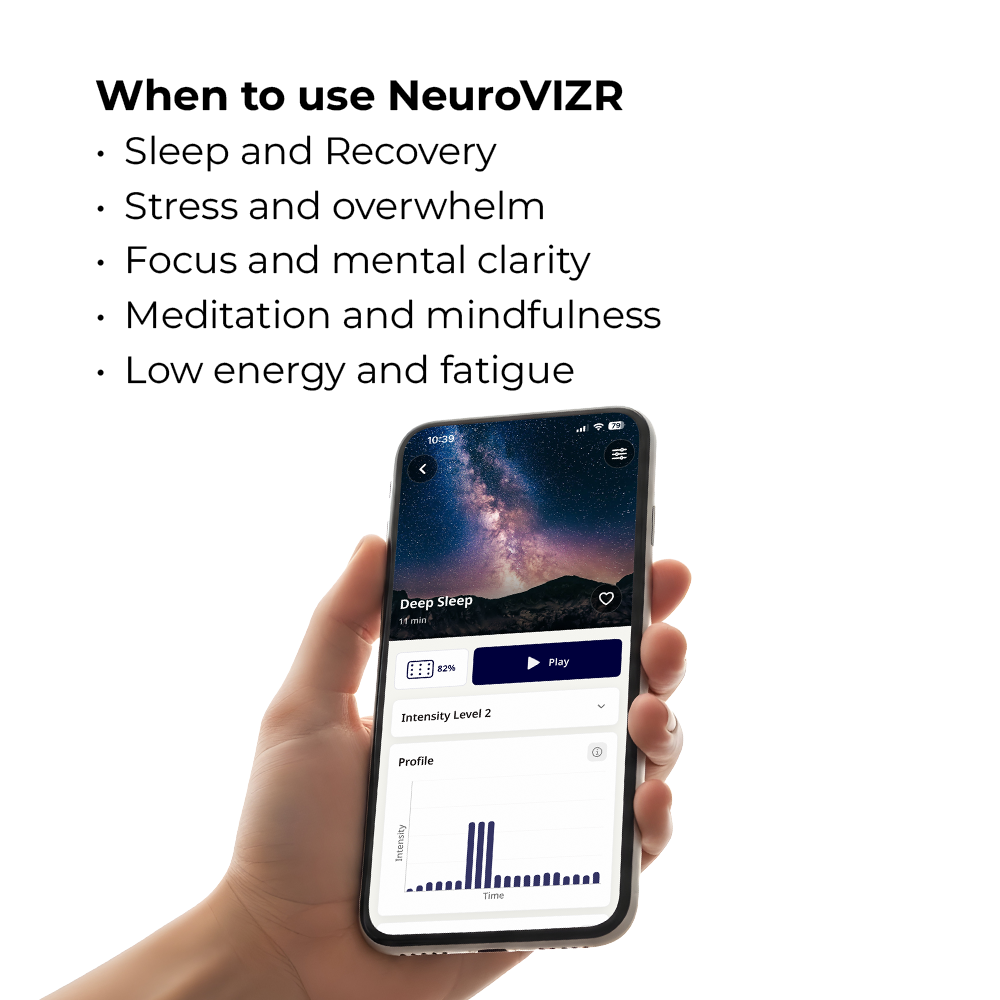
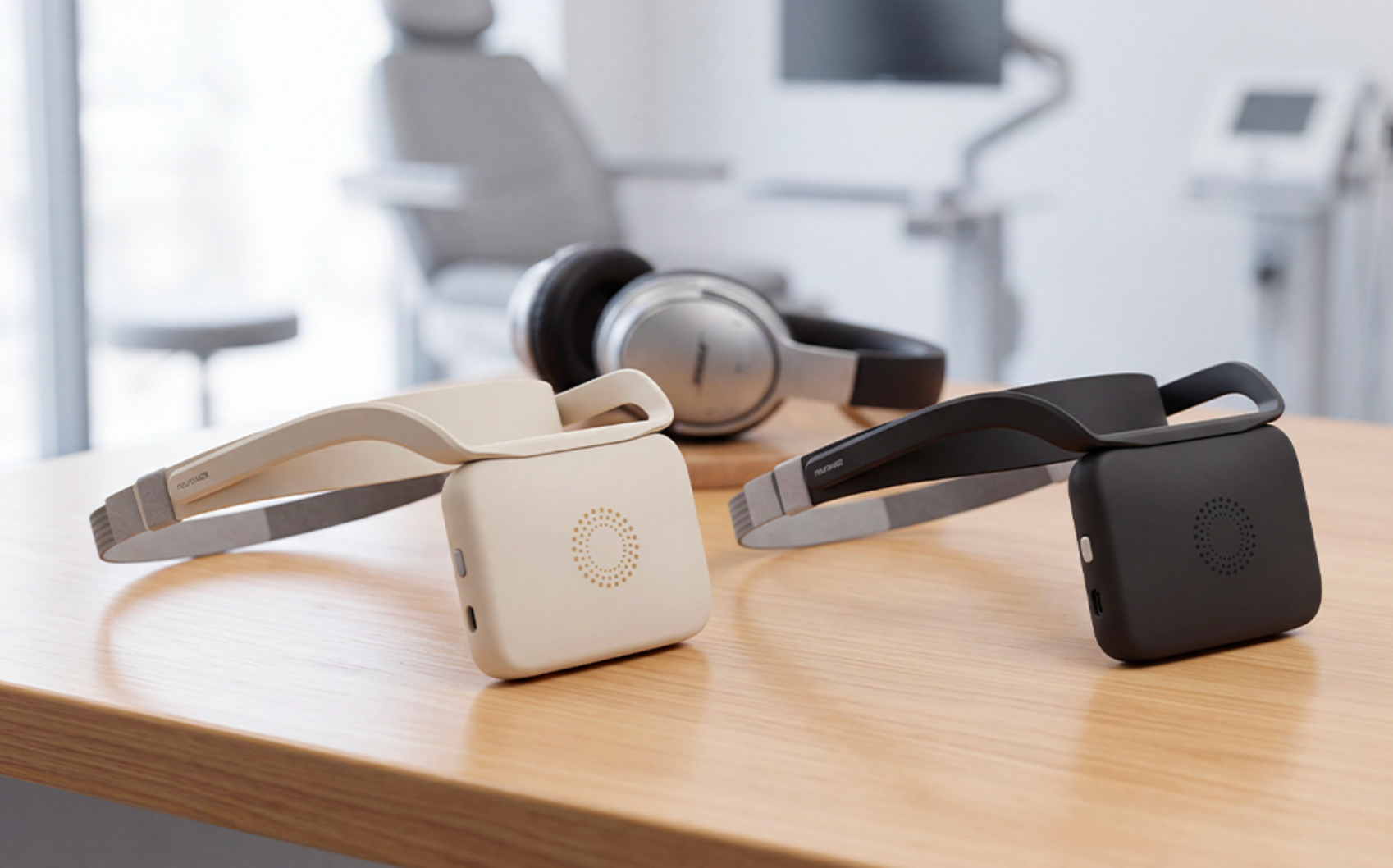
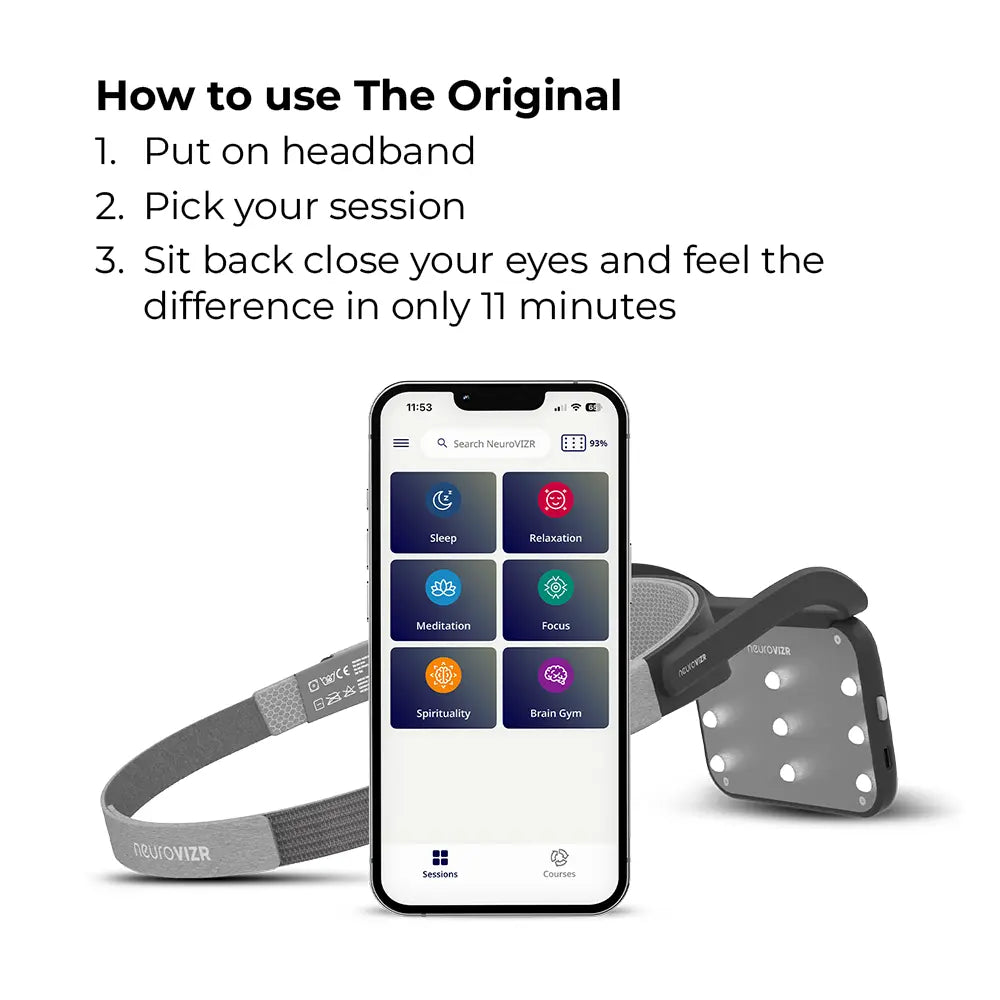
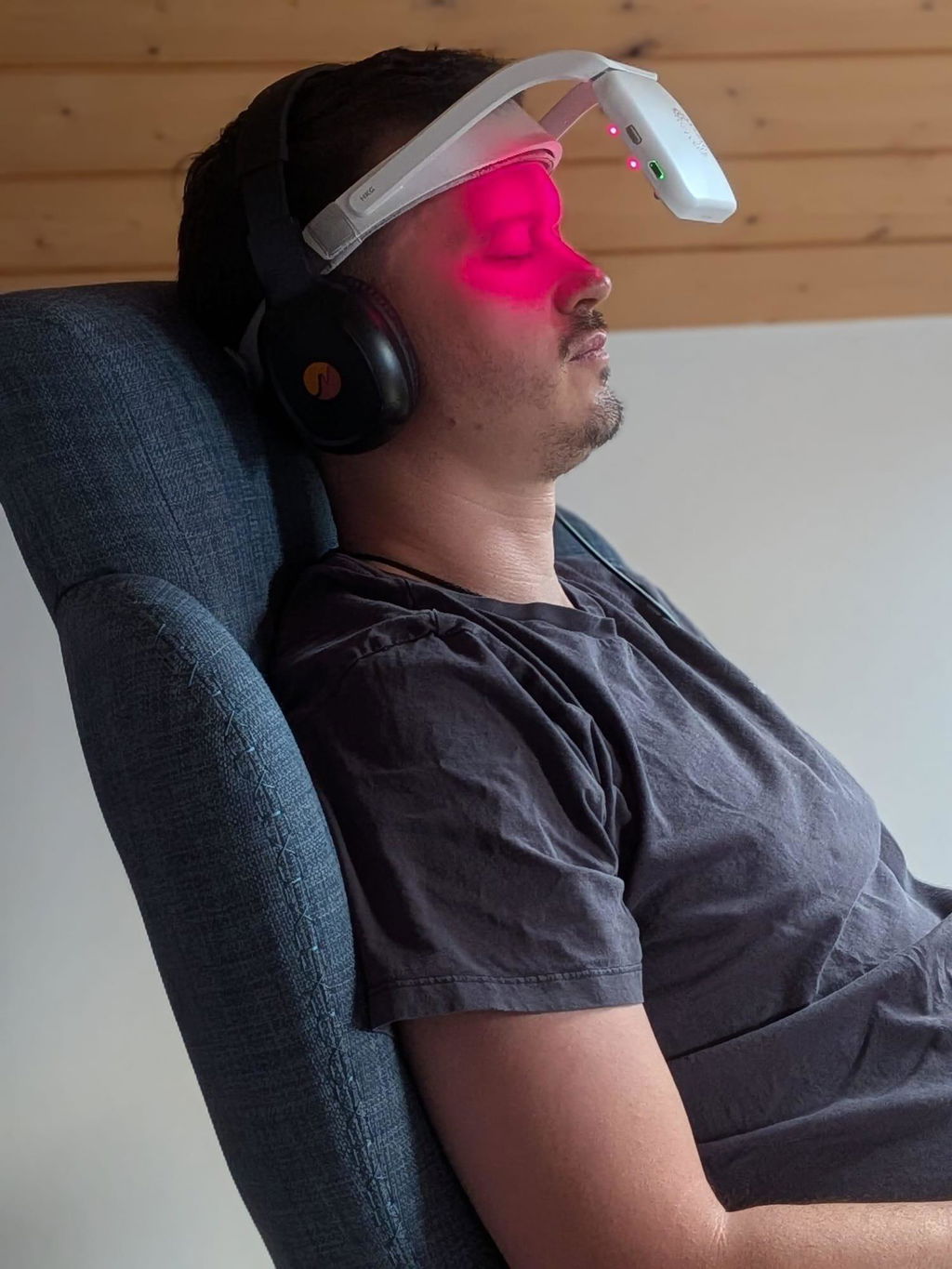
neuroVIZR uses light-based neurotechnology to help the brain regulate its internal rhythms. By guiding neural activity into calmer frequencies, it supports relaxation, focus, and the natural transition into restorative sleep the foundation of all recovery.






Share:
Why Does Sleep Feel So Good?
Migraine Improved Sleep Habits for Relief & Better Posture