

Disclaimer
This content is for informational purposes only and does not constitute medical advice. If you experience sudden or severe neurological or mental symptoms, please consult a qualified healthcare professional.
Sometimes, mental clarity can shift suddenly.
One day, everything feels focused and manageable. The next, thoughts may feel scattered, overwhelming, or distant. These experiences can feel unfamiliar—not just for the individual, but also for those around them.
Understanding these moments through a wellness and awareness perspective can make them feel less overwhelming and more manageable.
What Are Sudden Changes in Mental Clarity?
Sudden shifts in mental clarity refer to short-term experiences where thinking, focus, or emotional balance feels different from usual.
These changes can happen due to a variety of everyday factors, such as:
-
Periods of high stress or mental overload
-
Changes in routine, sleep, or environment
-
Emotional strain or overwhelm
-
Sensory overstimulation (light, noise, digital exposure)
-
General fatigue or lack of rest
Rather than viewing this as a failure, it can be helpful to see it as the mind responding to pressure and seeking balance.
How These Experiences May Feel
These moments are often described as a temporary disconnect from normal thinking patterns.
Common experiences may include:
-
Difficulty focusing or organizing thoughts
-
A sense of mental “fog” or slowness
-
Emotional sensitivity or feeling overwhelmed
-
Sensory overload or the need for quiet
-
Temporary forgetfulness or lack of clarity
-
Increased uneasiness without a clear reason
These are often signs that the mind may benefit from rest, calm, and reduced stimulation.
What’s Happening Internally?
During periods of overwhelm, the mind may shift into a more protective and simplified mode.
In simple terms:
-
Focus and clarity may feel reduced
-
Attention may shift toward immediate concerns
-
Thoughts may feel less structured or slower
-
Emotional responses may feel stronger
This is often part of the mind’s natural way of adapting to stress or overstimulation not something that needs to be forced or rushed.
Why Understanding the Difference Matters
It can be helpful to recognize the difference between temporary experiences and longer-term patterns.
Temporary Mental Overload
-
Sudden onset
-
Often linked to stress or environment
-
May improve with rest and routine
-
Can feel intense but short-lived
Long-Term Patterns
-
Develop gradually
-
May require ongoing support
-
Often linked to deeper lifestyle or health factors
Understanding this distinction can help reduce unnecessary worry and encourage a more balanced response.
Supporting Moments of Mental Overload
When clarity feels reduced, doing less not more can often be helpful.
Simple, supportive approaches include:
Create a Calmer Environment
-
Reduce bright lights and loud sounds
-
Take breaks from screens and constant input
Reconnect with Basic Routines
-
Prioritize rest and sleep
-
Stay hydrated and nourished
Gentle Relaxation Practices
-
Try mindfulness or breathing exercises
-
Engage in quiet, low-effort activities
Sensory-Based Relaxation
-
Some people find comfort in rhythmic light and sound patterns or calming sensory experiences that support relaxation routines
Seek Support When Needed
-
If symptoms feel intense or persistent, professional guidance is important
A Shift in Perspective
Instead of seeing these moments as something “wrong,” it can be helpful to view them as signals.
When approached with awareness:
-
Fear can shift into understanding
-
Pressure can be replaced with patience
-
Resistance can become acceptance
This creates space for recovery and balance.
A Grounded Takeaway
Sudden changes in mental clarity can feel unsettling, but they often reflect the mind’s response to stress, environment, and daily demands.
By focusing on:
-
Calm environments
-
Supportive routines
-
Gentle awareness
…it becomes easier to reconnect with a sense of balance over time.
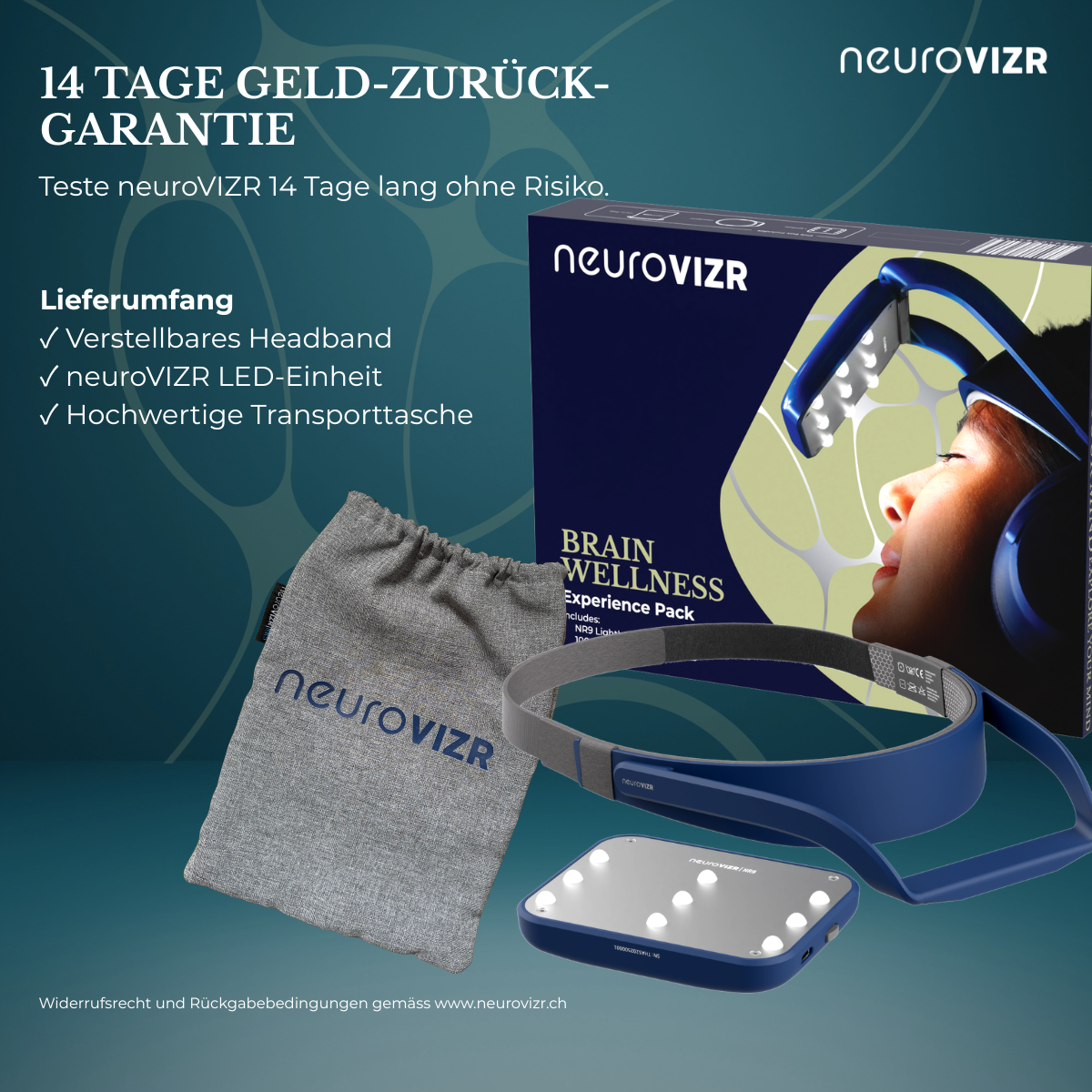
At neuroVIZR, the focus is on creating immersive sensory experiences that may help individuals step away from overstimulation and explore moments of calm through light and sound-based relaxation routines.
FAQs
What causes sudden changes in mental clarity?
Sudden changes in mental clarity may be linked to stress, lack of sleep, sensory overload, or emotional strain. These experiences are often temporary and may improve with rest and supportive routines.
Can stress affect focus and thinking?
Yes, periods of high stress can make it harder to concentrate, organize thoughts, or feel mentally clear. This is often a natural response to overwhelm.
Are these experiences temporary?
In many cases, changes in mental clarity are short-term and may improve once balance, rest, and calm are restored.
How can I support my mind during these moments?
You can support your mind by reducing stimulation, resting, maintaining simple routines, and engaging in relaxation or mindfulness practices.
When should I seek professional help?
If changes in mental clarity are sudden, severe, or persistent, it is important to consult a qualified healthcare professional.















Share:
Anxiety and Brain Fog: Understanding the Experience
When Bipolar Disorder Makes Thinking Feel Heavy