

Anxiety and Brain Fog: Understanding the Experience
  • Written by Gourav Rathore

Disclaimer

This content is for informational purposes only and does not constitute medical advice. For any health-related concerns, please consult a qualified professional.

Brain fog can feel like carrying an invisible weight especially during periods of ongoing stress or anxiety.

You may try to stay focused, think clearly, or remember simple things, but your mind feels slow, scattered, or distant. Even everyday decisions can feel harder than usual.

This experience is more common than many people realize and it is not a personal failure.

How Anxiety Can Affect Mental Clarity

When the mind is under continuous stress, it naturally shifts into a more alert state. In this mode, the body focuses on staying aware of its surroundings rather than supporting deeper thinking or reflection.

As a result, everyday mental functions may feel less accessible, including:

  • Focus and attention

  • Memory recall

  • Creative thinking

  • Emotional awareness

Instead of supporting these functions, the mind prioritizes staying alert. This shift can lead to the feeling often described as “brain fog.”

Why Brain Fog Can Continue Over Time

Even when stress levels begin to improve, mental clarity may take time to return.

One common reason is disrupted daily rhythms, especially sleep. When sleep patterns become irregular or less restorative, it can affect:

  • Mental sharpness

  • Emotional balance

  • Overall energy levels

Over time, this can create a cycle where rest feels incomplete, and mental fatigue continues.

A Different Perspective: Brain Fog as a Protective Response

It can help to view brain fog not as a problem, but as a response.

When the mind feels overloaded, it may naturally slow things down. This can look like:

  • Reduced mental processing

  • Lower emotional intensity

  • A need for more rest and quiet

Rather than working against you, this response may be a way of conserving energy during demanding periods.

Supporting Mental Clarity in a Gentle Way

Trying to “force” focus often makes the experience feel more frustrating. Instead, small, consistent adjustments can be more effective.

Here are some simple approaches that may support clarity:

  • Creating regular relaxation routines

  • Maintaining a consistent sleep–wake schedule

  • Reducing multitasking and mental overload

  • Spending time in calm, low-stimulation environments

  • Engaging in sensory experiences like light and sound-based relaxation sessions

These practices can help create moments of calm, which may gradually support improved focus and balance.

Creating Space for Relaxation

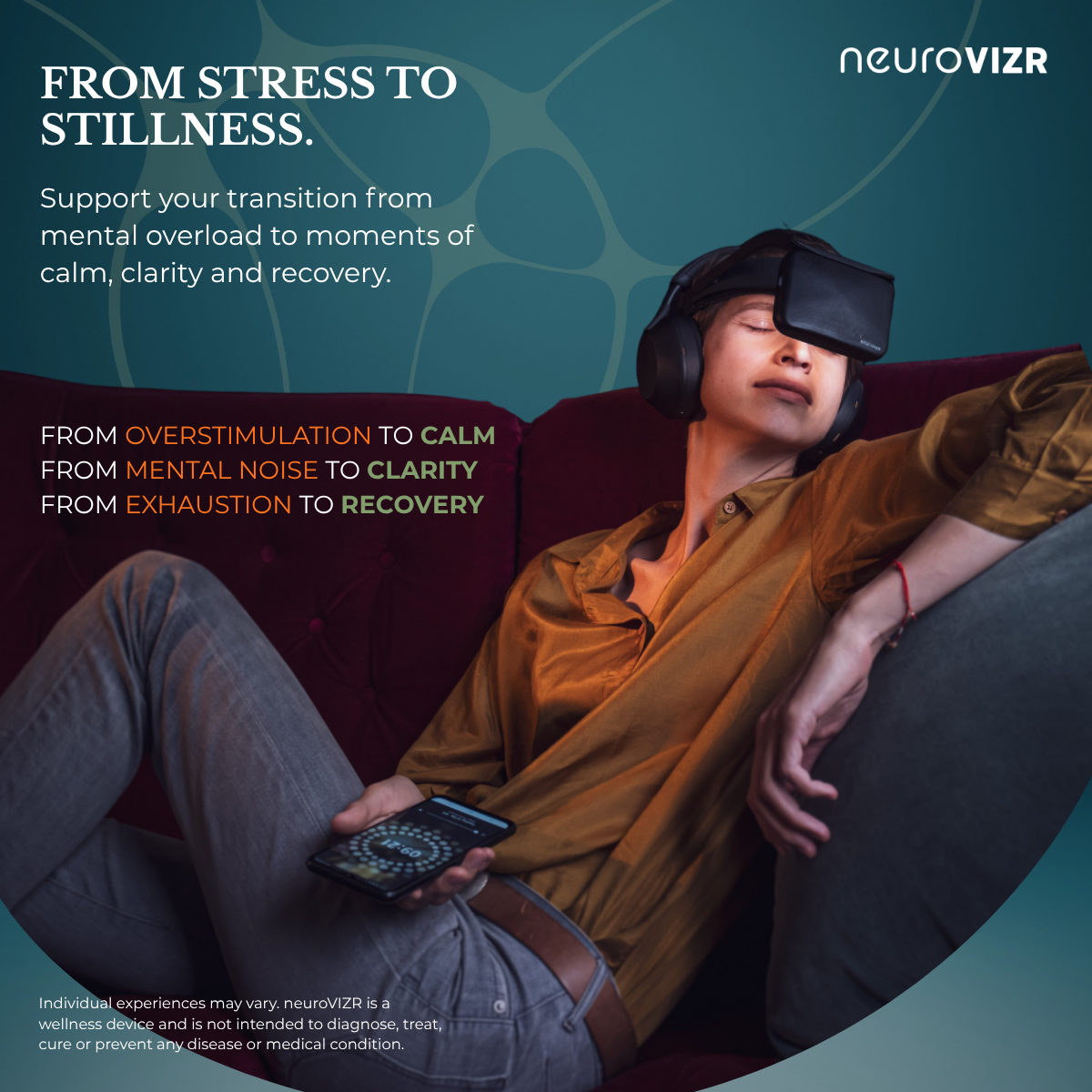
Some wellness tools are designed to support relaxation through rhythmic light and sound patterns, offering immersive sensory environments.

These experiences are often used as part of mindfulness or relaxation routines, helping individuals step away from daily overstimulation and reconnect with a calmer state.

The goal is not to push the mind, but to create space for it to slow down naturally.

A Balanced Closing Thought

Mental fog during stressful periods is a shared human experience.

Rather than trying to fight it, allowing space for rest, calm, and gentle routines can often feel more supportive. Over time, as balance returns, clarity may begin to feel more natural again.

FAQs

Can anxiety affect mental clarity?

Yes, ongoing stress can make it harder to focus, think clearly, or stay present. Many people describe this experience as brain fog.

Why does my mind feel slow even when I feel calmer?

Even after stress reduces, the body and mind may take time to return to a more balanced rhythm, especially if sleep or daily routines were affected.

Is brain fog permanent?

In most cases, brain fog is temporary and related to lifestyle, stress, or rest patterns. With supportive routines, clarity often improves over time.

How does sleep influence brain fog?

Consistent and restful sleep plays an important role in mental clarity. When sleep is disrupted, it can make focus and memory feel more difficult.

What can help create more mental clarity?

Simple steps like relaxation routines, reduced multitasking, and calm sensory experiences may help support a clearer and more balanced state of mind.


Disclaimer

This content is for informational purposes only and does not constitute medical advice. For any health-related concerns, please consult a qualified professional.

Brain fog can feel like carrying an invisible weight especially during periods of ongoing stress or anxiety.

You may try to stay focused, think clearly, or remember simple things, but your mind feels slow, scattered, or distant. Even everyday decisions can feel harder than usual.

This experience is more common than many people realize and it is not a personal failure.

How Anxiety Can Affect Mental Clarity

When the mind is under continuous stress, it naturally shifts into a more alert state. In this mode, the body focuses on staying aware of its surroundings rather than supporting deeper thinking or reflection.

As a result, everyday mental functions may feel less accessible, including:

  • Focus and attention

  • Memory recall

  • Creative thinking

  • Emotional awareness

Instead of supporting these functions, the mind prioritizes staying alert. This shift can lead to the feeling often described as “brain fog.”

Why Brain Fog Can Continue Over Time

Even when stress levels begin to improve, mental clarity may take time to return.

One common reason is disrupted daily rhythms, especially sleep. When sleep patterns become irregular or less restorative, it can affect:

  • Mental sharpness

  • Emotional balance

  • Overall energy levels

Over time, this can create a cycle where rest feels incomplete, and mental fatigue continues.

A Different Perspective: Brain Fog as a Protective Response

It can help to view brain fog not as a problem, but as a response.

When the mind feels overloaded, it may naturally slow things down. This can look like:

  • Reduced mental processing

  • Lower emotional intensity

  • A need for more rest and quiet

Rather than working against you, this response may be a way of conserving energy during demanding periods.

Supporting Mental Clarity in a Gentle Way

Trying to “force” focus often makes the experience feel more frustrating. Instead, small, consistent adjustments can be more effective.

Here are some simple approaches that may support clarity:

  • Creating regular relaxation routines

  • Maintaining a consistent sleep–wake schedule

  • Reducing multitasking and mental overload

  • Spending time in calm, low-stimulation environments

  • Engaging in sensory experiences like light and sound-based relaxation sessions

These practices can help create moments of calm, which may gradually support improved focus and balance.

Creating Space for Relaxation

Some wellness tools are designed to support relaxation through rhythmic light and sound patterns, offering immersive sensory environments.

These experiences are often used as part of mindfulness or relaxation routines, helping individuals step away from daily overstimulation and reconnect with a calmer state.

The goal is not to push the mind, but to create space for it to slow down naturally.

A Balanced Closing Thought

Mental fog during stressful periods is a shared human experience.

Rather than trying to fight it, allowing space for rest, calm, and gentle routines can often feel more supportive. Over time, as balance returns, clarity may begin to feel more natural again.

FAQs

Can anxiety affect mental clarity?

Yes, ongoing stress can make it harder to focus, think clearly, or stay present. Many people describe this experience as brain fog.

Why does my mind feel slow even when I feel calmer?

Even after stress reduces, the body and mind may take time to return to a more balanced rhythm, especially if sleep or daily routines were affected.

Is brain fog permanent?

In most cases, brain fog is temporary and related to lifestyle, stress, or rest patterns. With supportive routines, clarity often improves over time.

How does sleep influence brain fog?

Consistent and restful sleep plays an important role in mental clarity. When sleep is disrupted, it can make focus and memory feel more difficult.

What can help create more mental clarity?

Simple steps like relaxation routines, reduced multitasking, and calm sensory experiences may help support a clearer and more balanced state of mind.
Enhance Your Mental Clarity With neuroVIZR