

Disclaimer
This content is for informational purposes only and does not constitute medical advice. Always consult a qualified healthcare professional for any health-related concerns.
Introduction
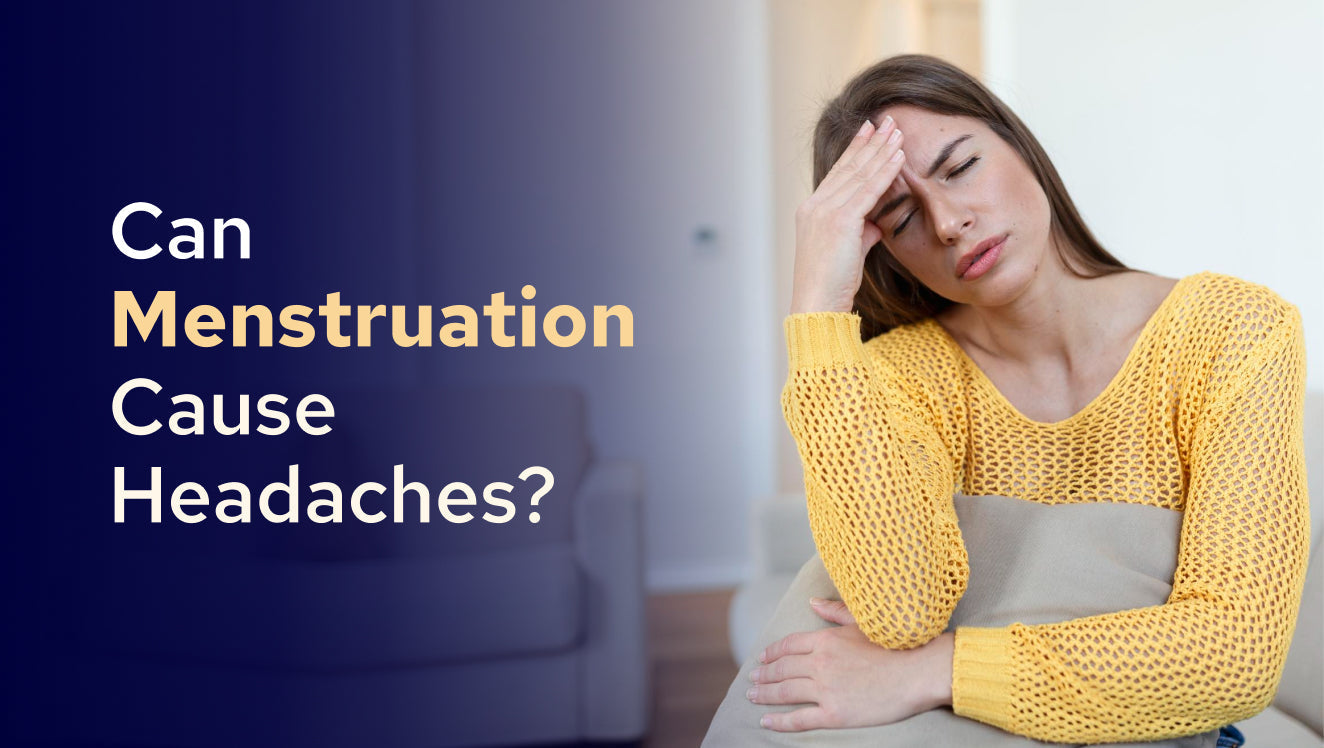
Many people experience headaches around the time of their menstrual cycle. These sensations can range from mild discomfort to more intense pressure that may affect daily routines like work, rest, or focus.
If this happens to you, it’s important to know that you’re not alone. These experiences are commonly reported and are often linked to natural changes in the body during the menstrual cycle.
Understanding these patterns can help you approach them with more awareness and supportive self-care strategies.
Why Do Headaches Occur Around Menstruation?
During the menstrual cycle, the body goes through natural hormonal fluctuations. These changes can influence how the body perceives discomfort and sensitivity.
Some common contributing factors include:
-
Changes in hormone levels during the cycle
-
Increased sensitivity to physical or environmental triggers
-
Temporary shifts in energy levels and mood
-
Lifestyle factors such as sleep, hydration, and nutrition
These combined factors may contribute to headache experiences before, during, or shortly after menstruation.
When Do These Headaches Usually Happen?
Headaches related to menstruation often occur:
-
A few days before the period begins
-
During the early days of the cycle
-
Occasionally after the cycle as the body readjusts
Being aware of this timing can help you prepare and adjust your routine accordingly.
Common Experiences
People may describe these headaches in different ways, such as:
-
A throbbing or steady pressure in the head
-
Discomfort around the temples or behind the eyes
-
Sensitivity to light or sound
-
Feelings of fatigue or low energy
-
Occasional dizziness or difficulty focusing
Each person’s experience may vary, and symptoms can differ from cycle to cycle.
Simple Ways to Support Comfort During This Time
Instead of trying to “push through,” focusing on supportive daily habits can make a difference.
1. Stay Consistent with Daily Routines
Maintaining regular sleep, hydration, and meals can help support overall balance.
2. Create Moments of Calm
Gentle activities such as:
-
Light stretching
-
Deep breathing
-
Quiet time away from screens
…can help create a more relaxed environment.
3. Be Mindful of Triggers
Certain habits may increase discomfort, such as:
-
Irregular sleep
-
Skipping meals
-
Dehydration
-
Excess caffeine
Reducing these may help improve overall comfort.
4. Track Your Patterns
Keeping track of when headaches occur can help you better understand your body’s rhythm and prepare in advance.
5. Seek Professional Guidance When Needed
If headaches feel overwhelming or interfere with daily life, speaking with a qualified professional can help you explore supportive options.
How neuroVIZR Fits into a Relaxation Routine
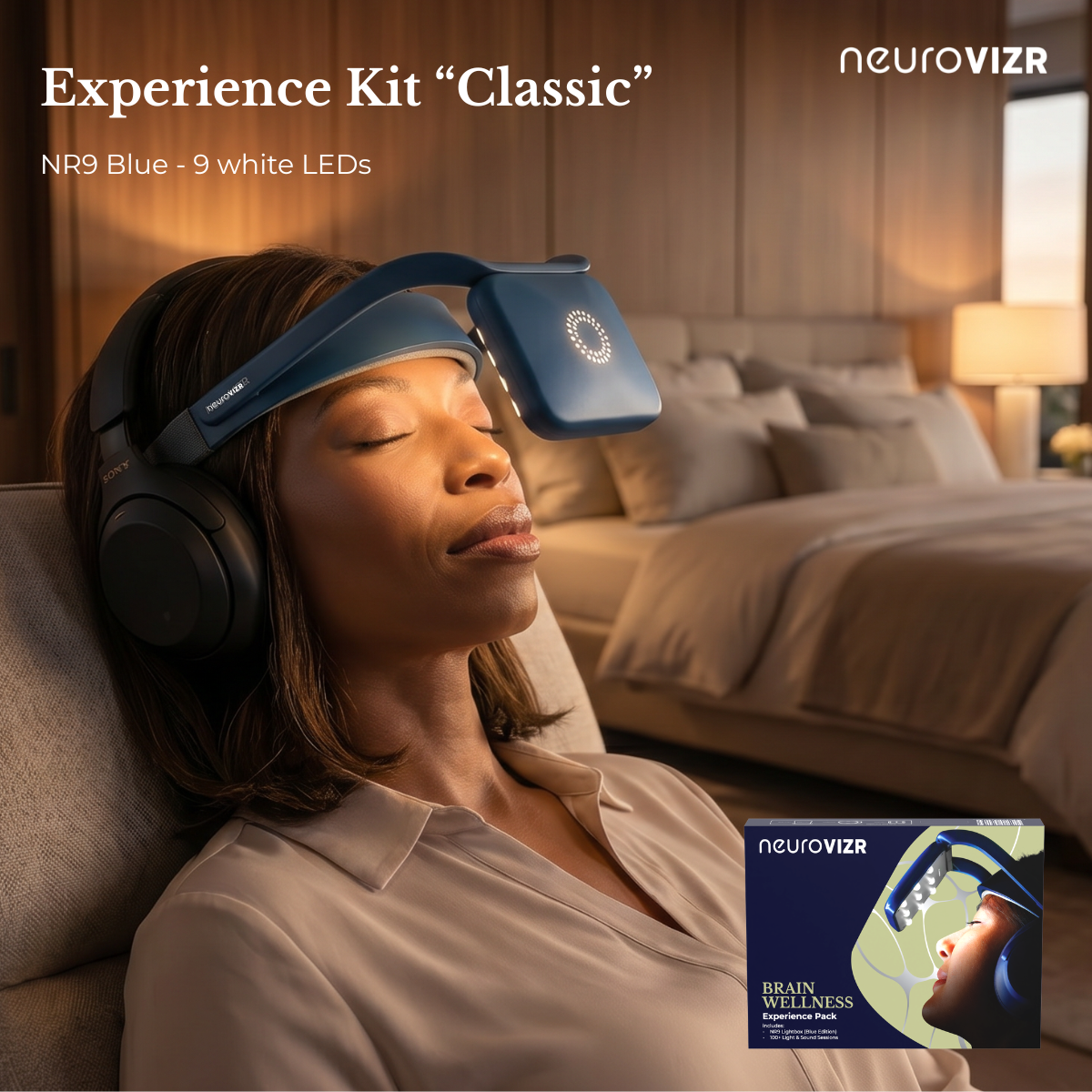
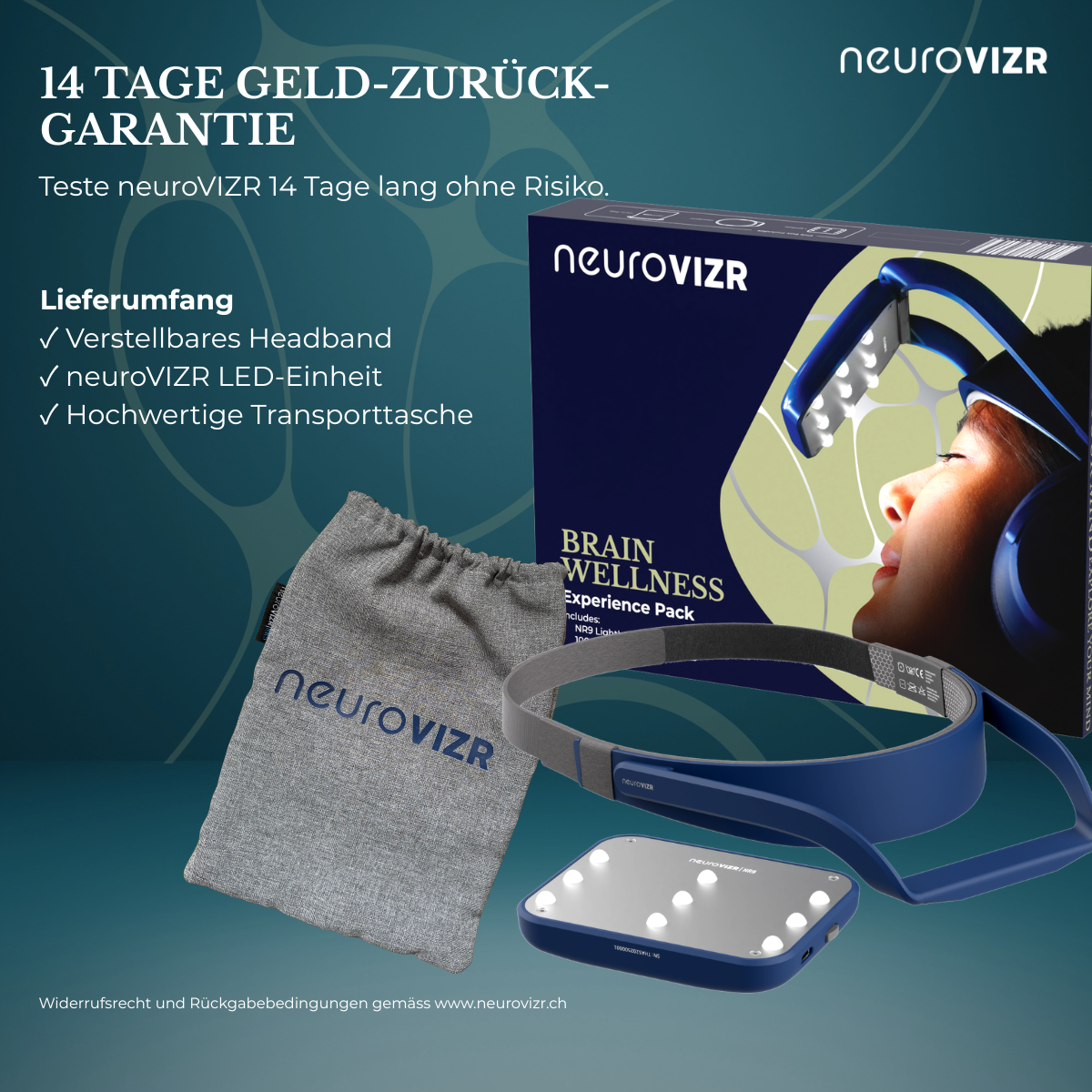
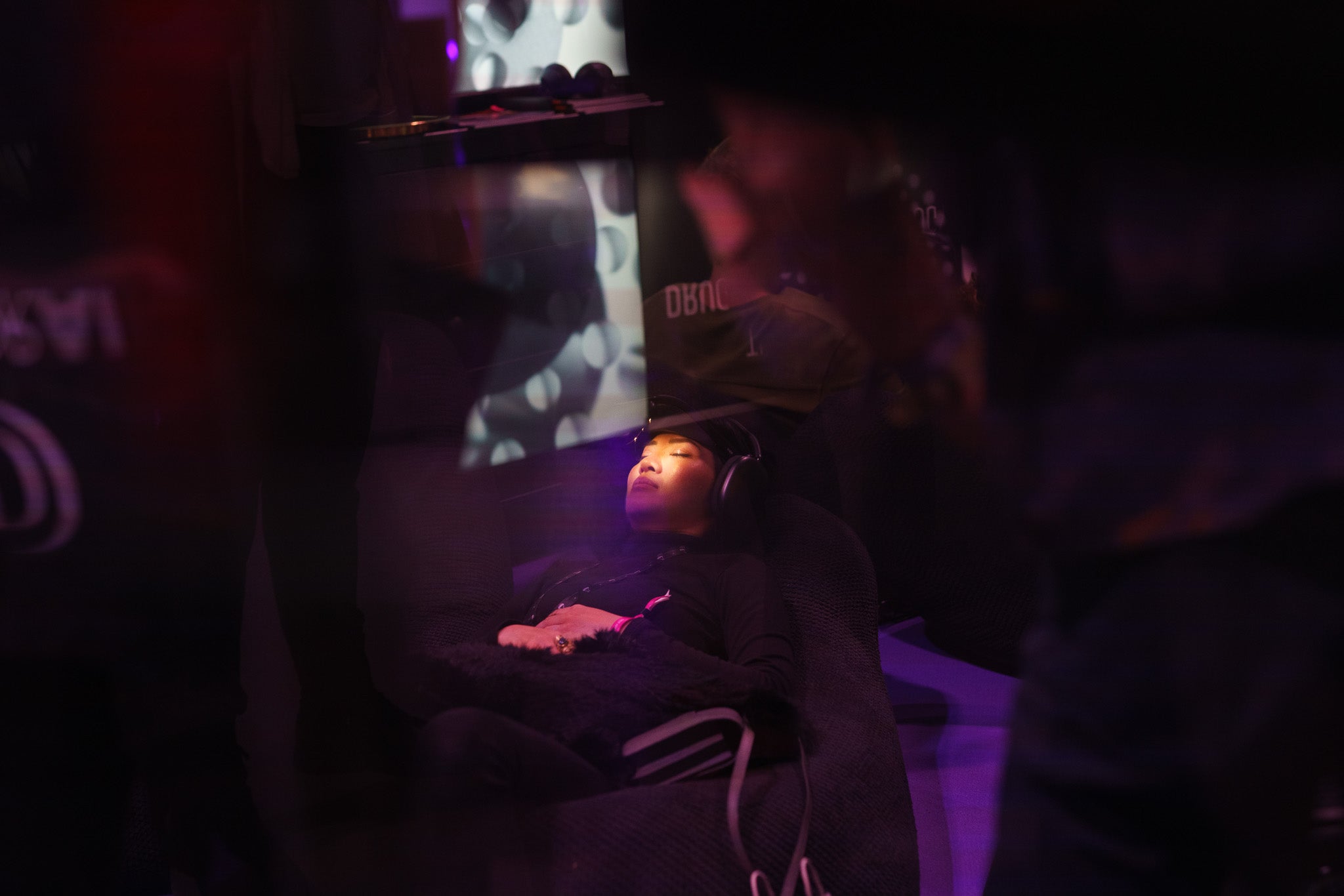
Devices that use structured light and sound patterns, such as neuroVIZR, create immersive sensory experiences often associated with relaxation and focused attention.
These tools are designed to:
-
Support moments of calm in daily routines
-
Provide a structured way to unwind
-
Help create a sensory environment that feels soothing
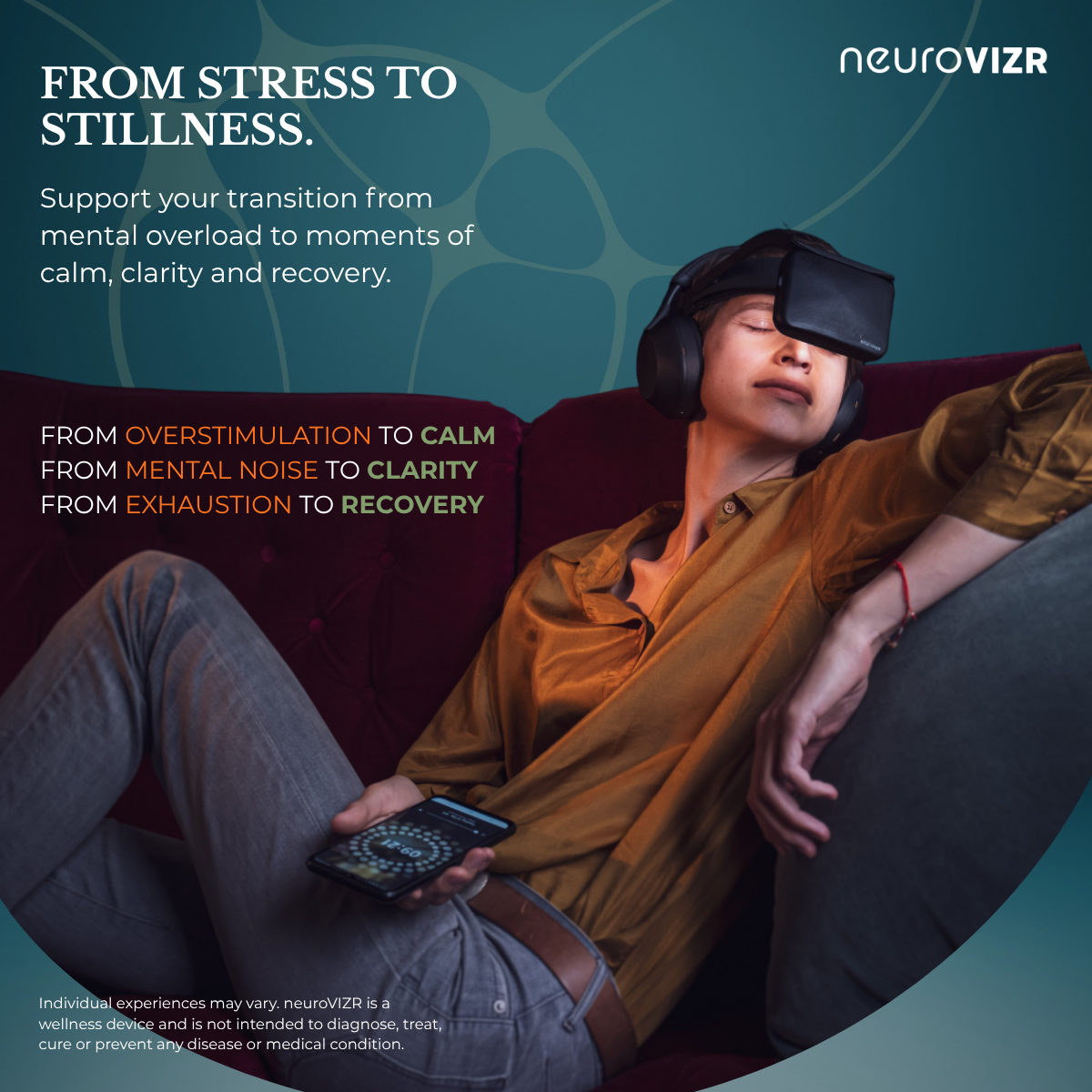
For some individuals, incorporating such experiences into their routine may offer a helpful way to step back from overstimulation and focus on relaxation during more sensitive periods.
Key Takeaways
-
Headaches can occur around menstruation as part of natural body changes
-
These experiences vary from person to person
-
Lifestyle habits and daily routines can influence overall comfort
-
Creating moments of calm may help support relaxation
-
Awareness and preparation can make these patterns easier to manage
Conclusion
Headaches during menstruation are a common experience and part of the body’s natural rhythm. Rather than viewing them as something to ignore, understanding these patterns can help you respond with more awareness and care.
By focusing on simple routines, relaxation practices, and supportive habits, it becomes easier to create a sense of balance during this time. Small, consistent steps can make a meaningful difference in how you experience your cycle.
FAQs
1. What do period headaches feel like?
They are often described as a steady or throbbing sensation in the head, sometimes accompanied by sensitivity to light, sound, or general fatigue
2. Why do headaches happen during menstruation?
They are commonly associated with natural hormonal changes and lifestyle factors such as sleep, hydration, and daily routines.
3. How can I manage headaches during my period?
Simple steps like staying hydrated, maintaining regular sleep, creating calm moments, and tracking patterns may help support comfort.
4. How long do menstrual headaches last?
They can last from a few hours to a couple of days, depending on individual patterns and daily habits.











Share:
How to Calm an Overactive Mind (Without Fighting Your Thoughts)
Perimenopause Anxiety: Causes, Symptoms & Ways to Support Relaxation