

Disclaimer
This content is for informational purposes only and does not constitute medical advice. It is not intended to diagnose, treat, cure, or prevent any medical or psychological condition. Always consult a qualified healthcare professional for personal guidance. neuroVIZR is a wellness device designed for relaxation experiences and is not a medical device.
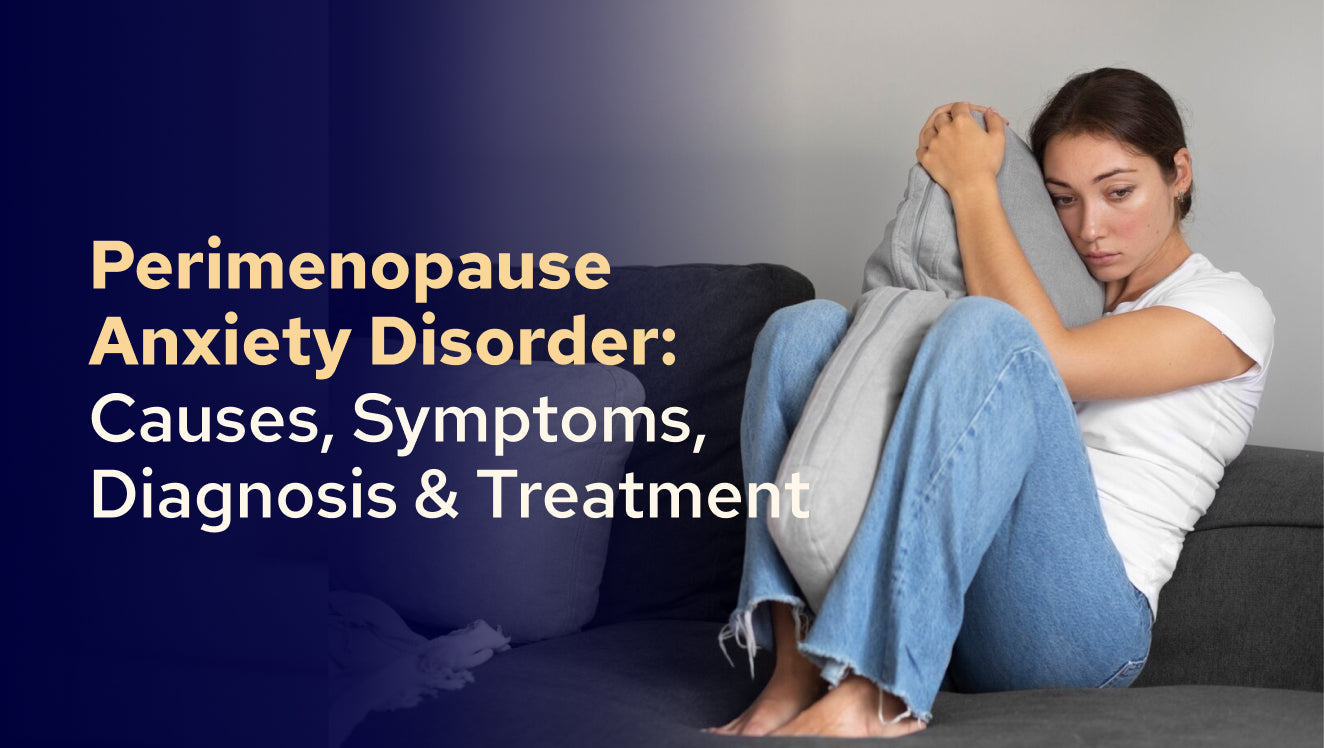
Perimenopause is a natural life transition that many women experience before menopause. During this phase, hormonal changes can influence mood, energy levels, and overall wellbeing.
For some women, this period may also be associated with increased feelings of worry, restlessness, or emotional sensitivity. While these experiences can feel overwhelming, they are relatively common and often temporary.
Understanding these changes can help you build supportive daily routines and find moments of calm.
What Is Perimenopause-Related Anxiety?
Perimenopause-related anxiety refers to heightened feelings of stress, nervousness, or emotional fluctuation that may occur during this transitional stage.
Rather than being constant, these feelings can come and go, sometimes appearing more intense than usual daily stress.
These experiences are often linked to a combination of physical changes, lifestyle factors, and emotional shifts.
Who May Notice These Changes?
Many women report emotional changes during perimenopause. These may feel similar to premenstrual mood shifts but can appear at different times and vary in intensity.
You may be more likely to notice these experiences if you:
-
Have previously experienced periods of stress or anxiety
-
Are going through major life changes
-
Are managing multiple responsibilities at once
-
Have experienced strong premenstrual symptoms in the past
What Contributes to Anxiety During Perimenopause?
There is usually no single cause. Instead, several factors may contribute to how you feel during this phase.
Hormonal Changes
Fluctuations in hormones such as estrogen and progesterone can influence mood and emotional balance. These shifts may make everyday stress feel more noticeable.
Sleep and Daily Rhythm
Changes in sleep patterns, including difficulty falling or staying asleep, can affect how you feel during the day.
Physical Experiences
Common experiences such as:
-
Warm sensations or hot flashes
-
Night-time discomfort
-
Low energy or fatigue
can sometimes add to feelings of restlessness or unease.
Common Signs You May Notice
These experiences can vary from person to person and may change over time.
Emotional Experiences
-
Feeling more easily overwhelmed
-
Occasional nervousness or worry
-
Mood fluctuations
-
Increased sensitivity to stress
Physical Experiences
-
Faster heartbeat during stressful moments
-
Light sweating
-
Restlessness
-
Changes in sleep quality
Mental Focus
-
Difficulty concentrating
-
Occasional forgetfulness
-
Feeling mentally fatigued
If these experiences feel intense or begin to affect your daily routine, it may be helpful to speak with a qualified professional.
How Can You Support Relaxation During This Time?
Creating simple, supportive routines can make a meaningful difference in how you feel day to day.
Daily Lifestyle Habits
-
Gentle physical activity such as walking or stretching
-
Balanced meals with regular eating patterns
-
Consistent sleep schedule
-
Taking short breaks during busy days
Relaxation & Mindfulness Practices
-
Breathing exercises
-
Guided relaxation sessions
-
Quiet time away from screens
-
Journaling or reflection
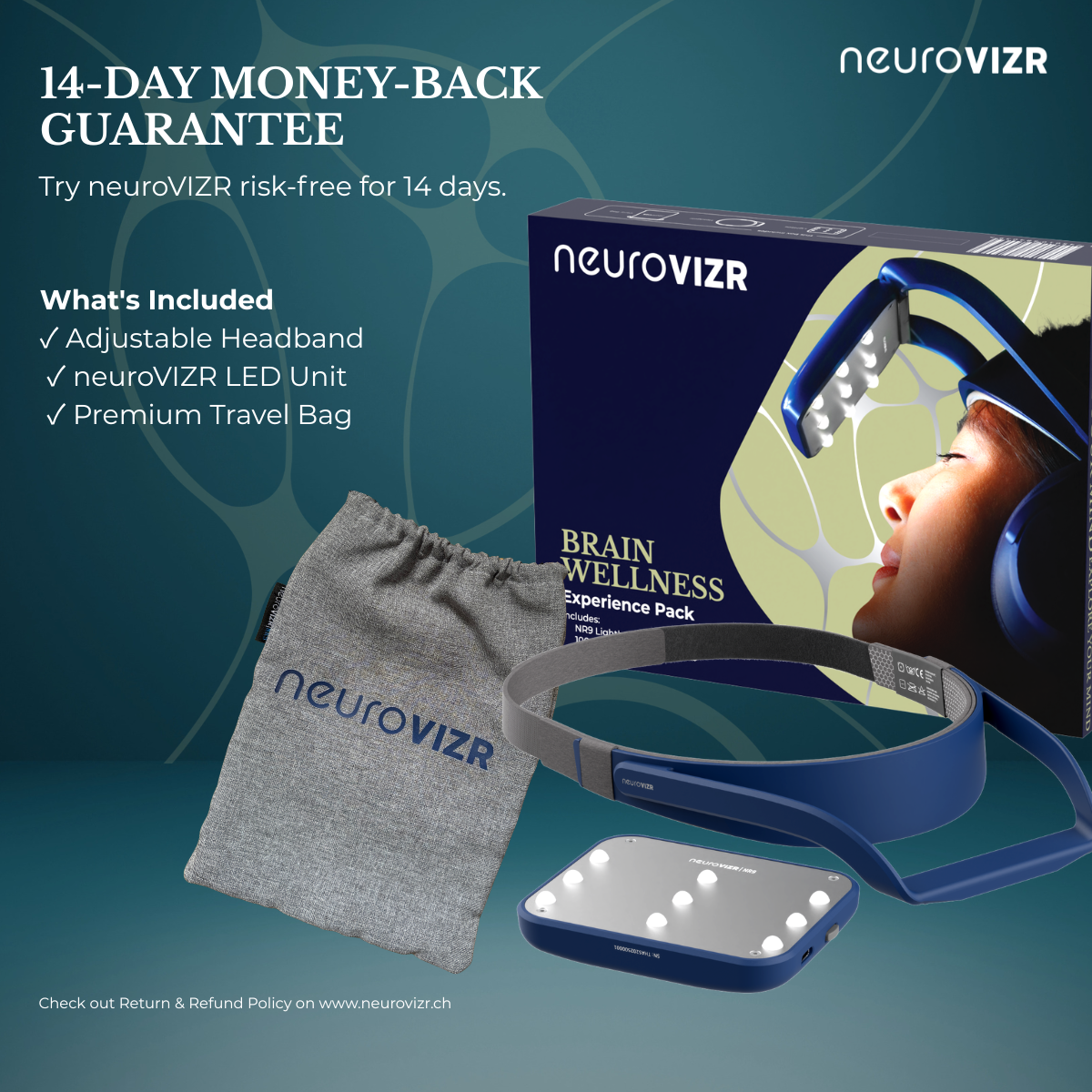
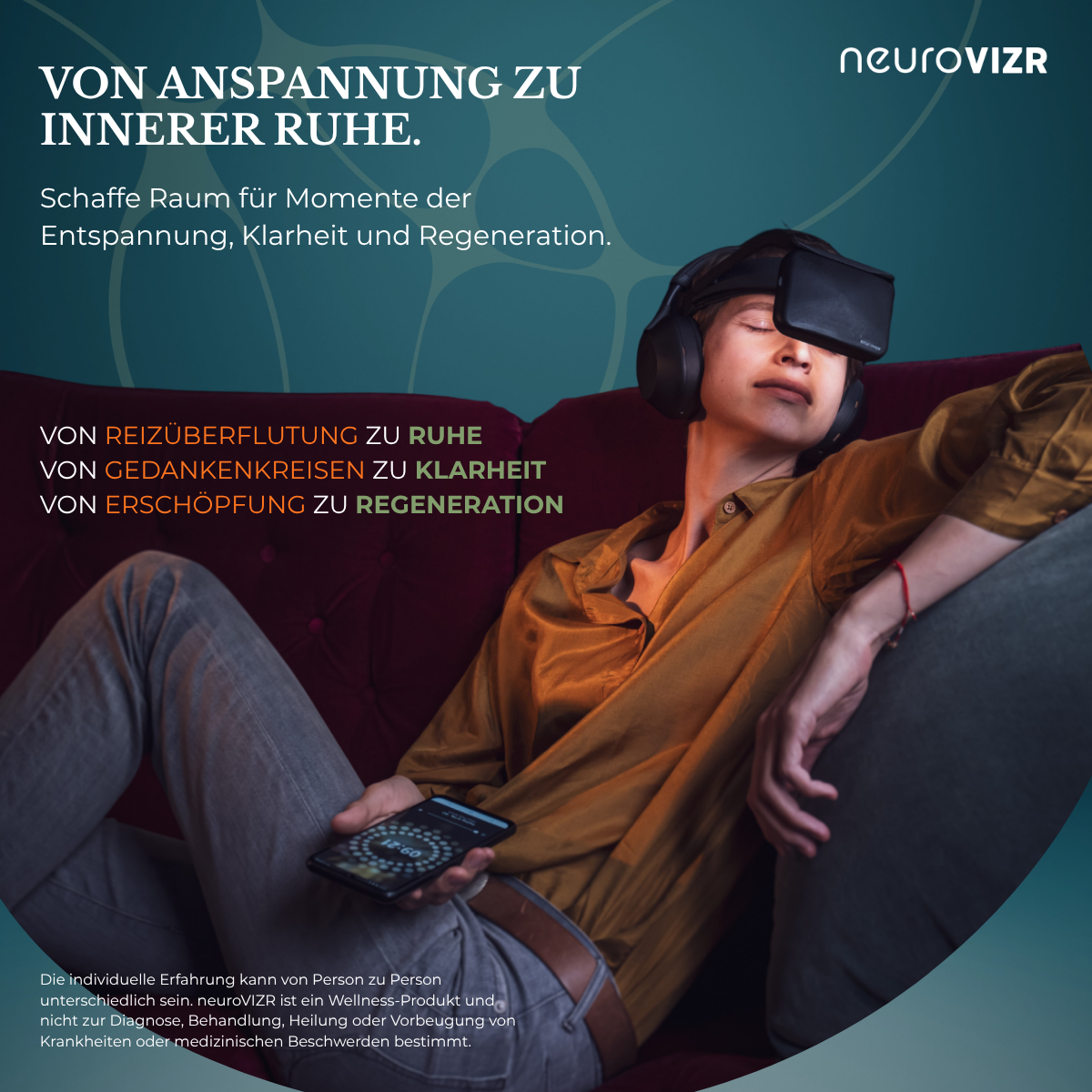
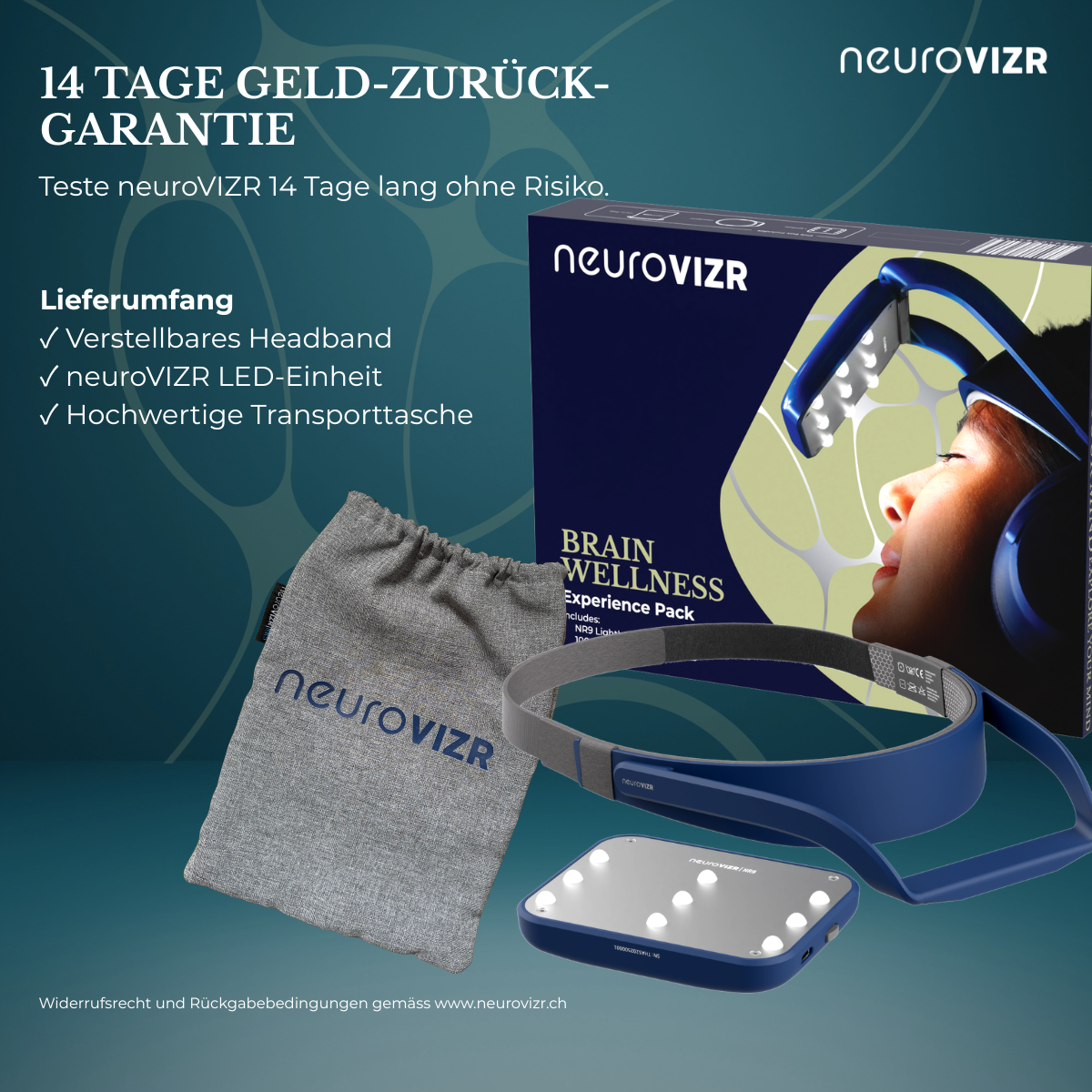
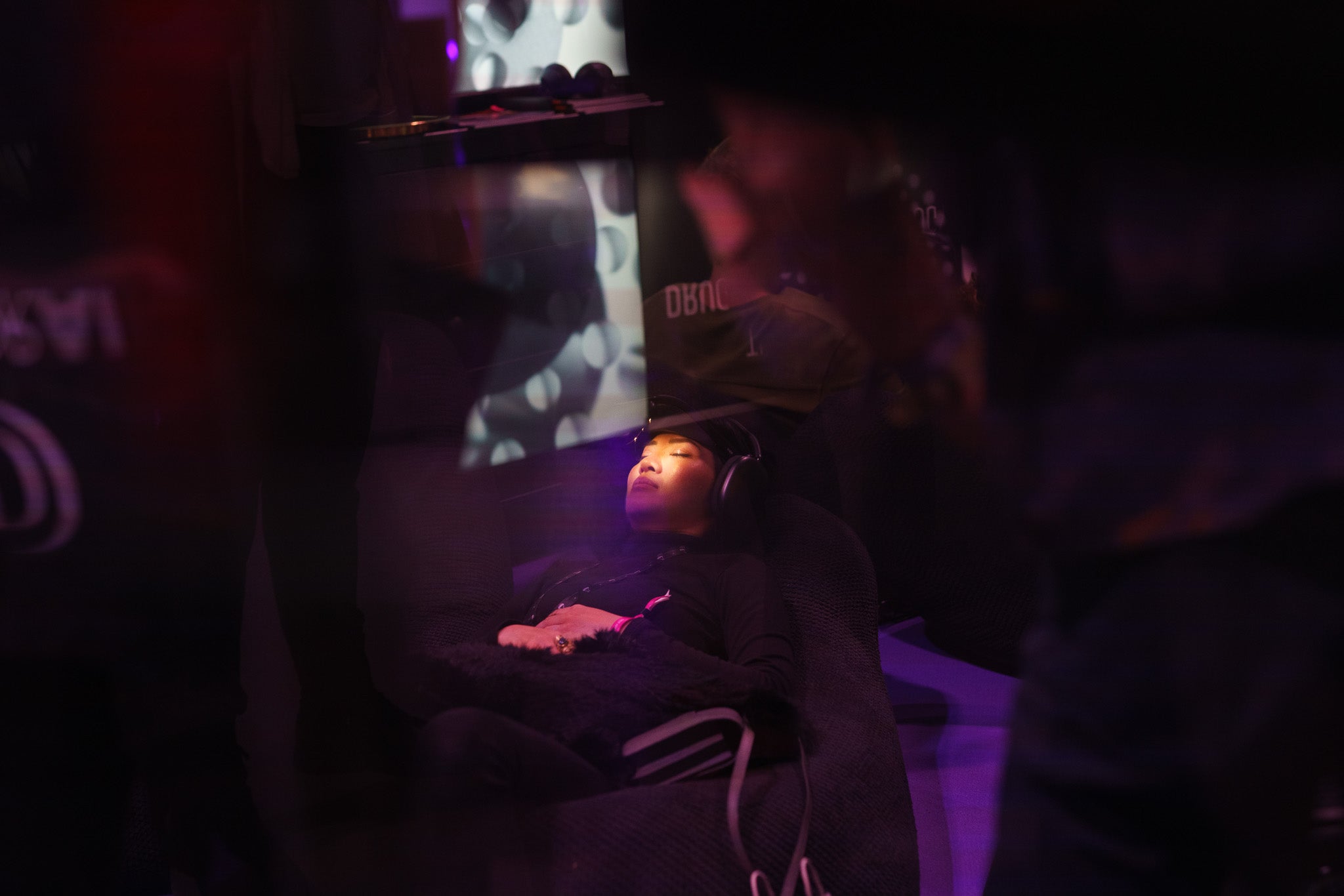
Some people also explore sensory light & sound experiences, which use rhythmic light and sound patterns to create immersive environments often associated with relaxation and calm focus.
Talking to Someone
Sharing your experiences with a trusted person or professional can provide clarity and reassurance. Structured conversations, such as talk-based approaches, can also help you build coping strategies.
When Should You Seek Professional Guidance?
Consider reaching out to a qualified professional if:
-
Feelings begin to interfere with daily routines
-
Sleep disruption becomes frequent
-
Emotional overwhelm feels difficult to manage
Support is available, and guidance can help you better understand your experience.
Moving Forward with Confidence
Perimenopause is a temporary transition, and many women find that emotional balance improves over time.
By focusing on supportive routines, relaxation practices, and self-awareness, you can navigate this phase with greater ease and confidence.
Frequently Asked Questions
Is it normal to feel anxious during perimenopause?
Yes, many women notice changes in mood and emotional sensitivity during this stage. These experiences are often linked to natural hormonal and lifestyle changes.
Can these feelings happen even without past anxiety?
Yes, some women may notice these experiences for the first time during perimenopause, even without a previous history.
How long can these feelings last?
The duration varies from person to person. For many, these experiences improve as the body adjusts over time.
What can help support relaxation during this phase?
Simple daily habits such as consistent sleep, gentle movement, mindfulness practices, and calming routines may help support overall wellbeing.











Share:
How to Calm an Overactive Mind (Without Fighting Your Thoughts)
Can Menstruation Cause Headaches?