

When Your Mind Feels Slow, Heavy, or Disconnected
  • Written by Gourav Rathore

Disclaimer

This content is for informational purposes only and does not constitute medical advice. If you are experiencing ongoing cognitive or health concerns, please consult a qualified healthcare professional.

You sit down to work, but your thoughts feel scattered.
You reread the same sentence multiple times and still can’t process it.
Even small decisions feel mentally exhausting.

Many people describe this experience as brain fog—a state where mental clarity feels reduced and everyday tasks require more effort than usual.

If this feeling becomes frequent, it can be frustrating. However, instead of seeing it as something “wrong,” it can be helpful to view it as a signal that your mind and body may need rest, balance, or a different rhythm.

What Is Brain Fog?

Brain fog is not a medical diagnosis. It is a general term used to describe experiences such as:

  • Difficulty concentrating

  • Slower thinking

  • Forgetfulness

  • Mental fatigue

  • Low motivation

  • Feeling disconnected from thoughts

These experiences are often connected to how your mind responds to daily demands, rest patterns, and overall lifestyle balance.

Why Does Brain Fog Happen?

Your mind is constantly balancing two key functions:

  • Staying focused and productive

  • Responding to stress and conserving energy

When daily demands, fatigue, or overstimulation build up, your system may shift toward rest and recovery mode, which can feel like reduced clarity.

This is not a failure it may simply reflect a need for pause, reset, or support.

Common Factors That May Contribute to Brain Fog

Brain fog often develops from a combination of lifestyle patterns rather than a single cause.

Some common contributing factors include:

  • Ongoing stress or burnout

  • Irregular or poor-quality sleep

  • Extended screen time or information overload

  • Hormonal changes

  • Sedentary routines

  • Emotional fatigue

  • Nutritional imbalance

Your mind responds to patterns over time, not just one moment.

How to Support Mental Clarity (Gently)

Trying to “push through” brain fog often makes it feel worse.
Instead, a more supportive approach focuses on balance, rhythm, and gentle reset.

1. Reset Before You Focus

Clarity often follows moments of calm.

You can try:

  • Slow, steady breathing

  • Light stretching or movement

  • Stepping outside for fresh air

  • Taking short breaks during work

These small actions may help create a sense of ease before returning to tasks.

2. Work With Natural Rhythms

Sustained focus is easier when balanced with rest.

Try simple patterns like:

  • Working in short focus sessions (25–50 minutes)

  • Taking regular breaks

  • Avoiding constant multitasking

Creating a predictable rhythm may help support clearer thinking.

3. Use Gentle Sensory Experiences

The mind often responds well to structured, calming sensory input.

Examples include:

  • Rhythmic music

  • Guided relaxation sessions

  • Breath-based practices

  • Sensory light & sound experiences

These approaches can create immersive environments often associated with calm and focus, helping you step away from overstimulation.

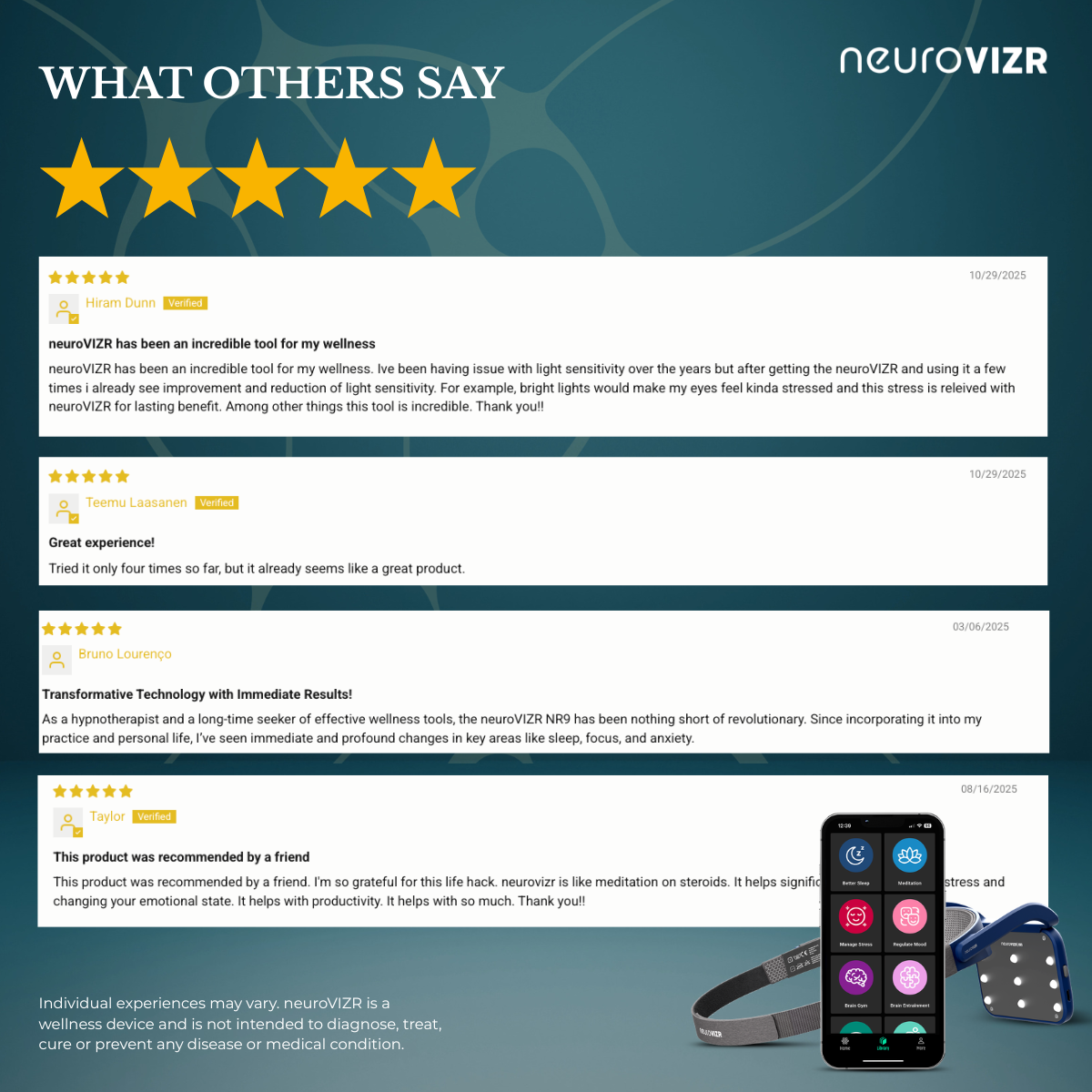
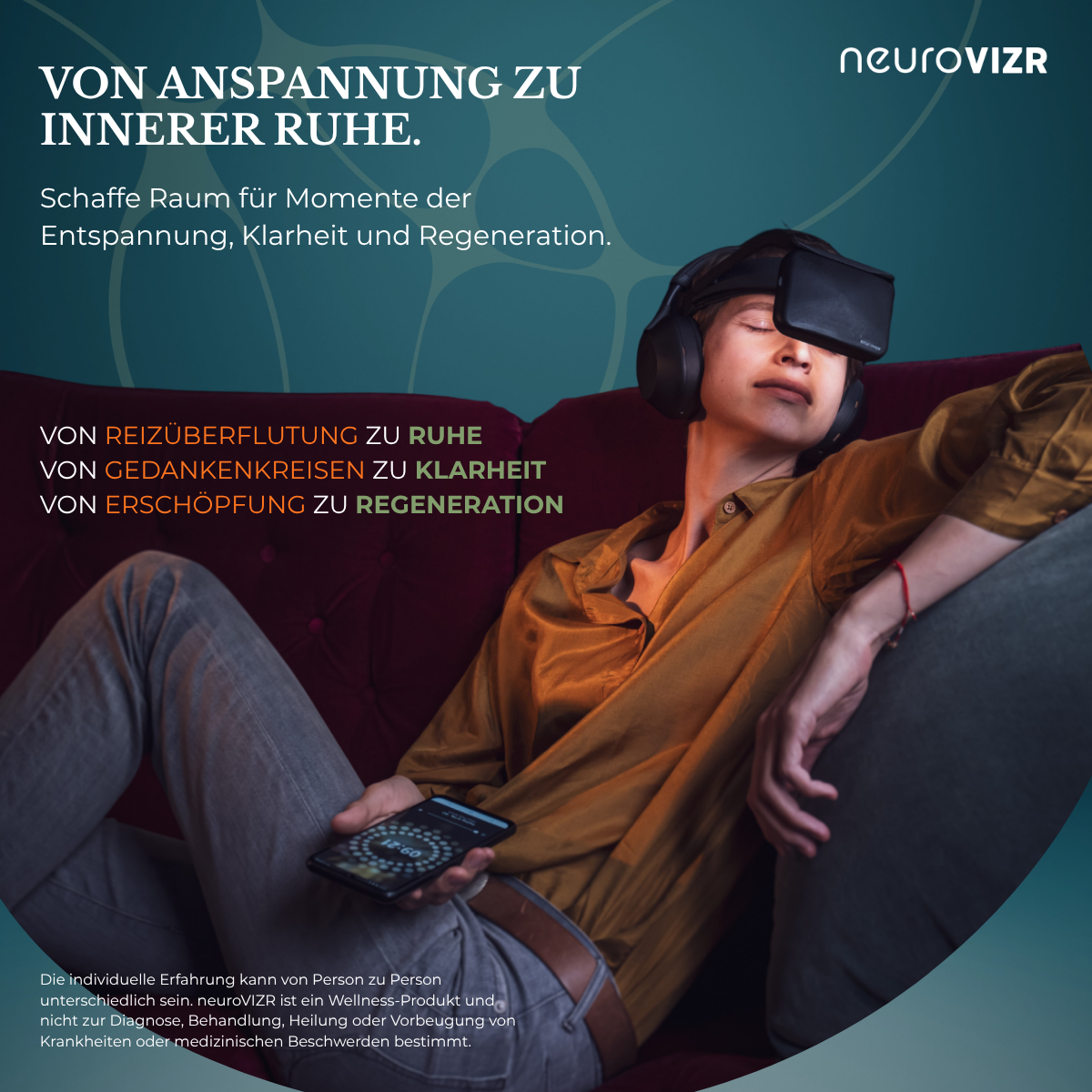
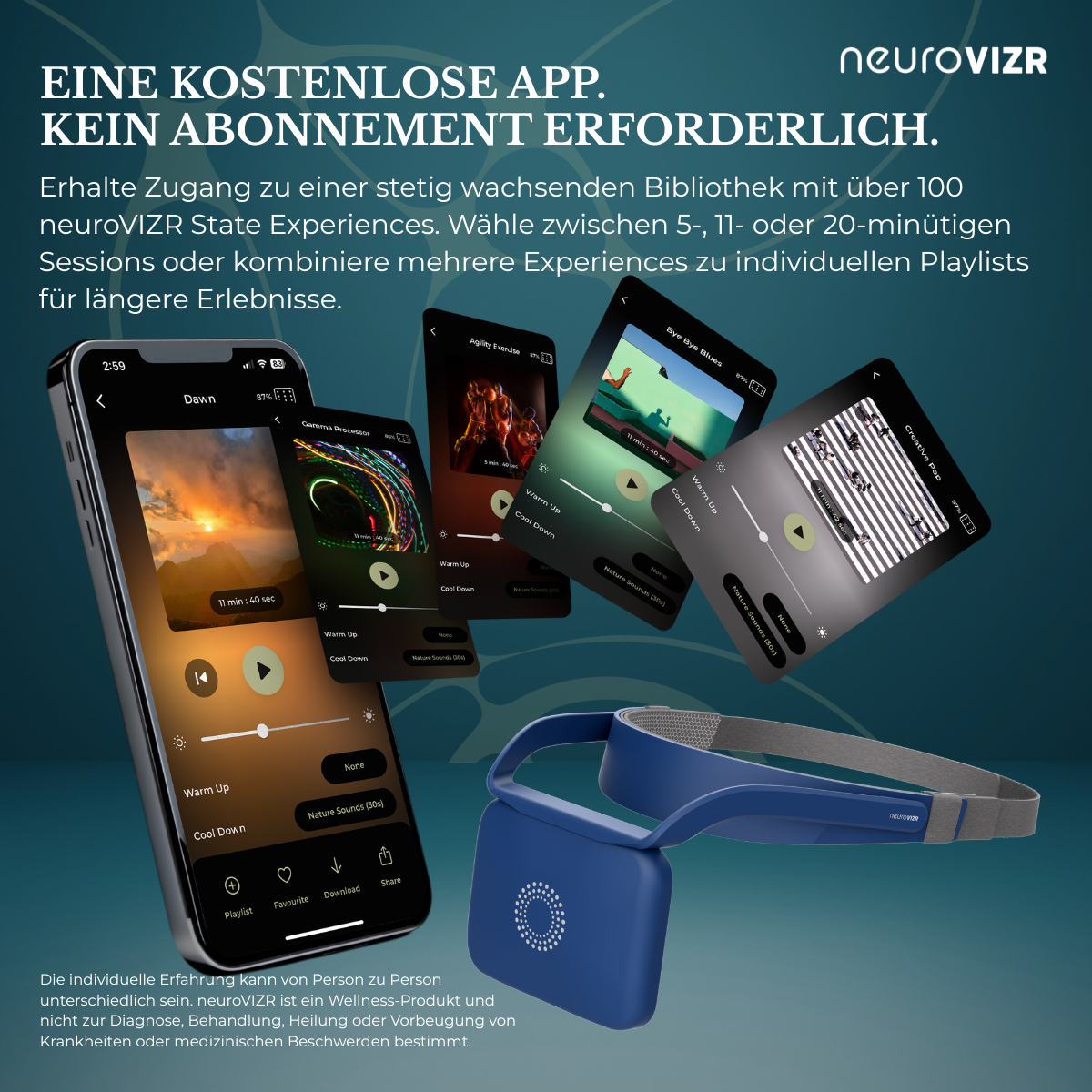
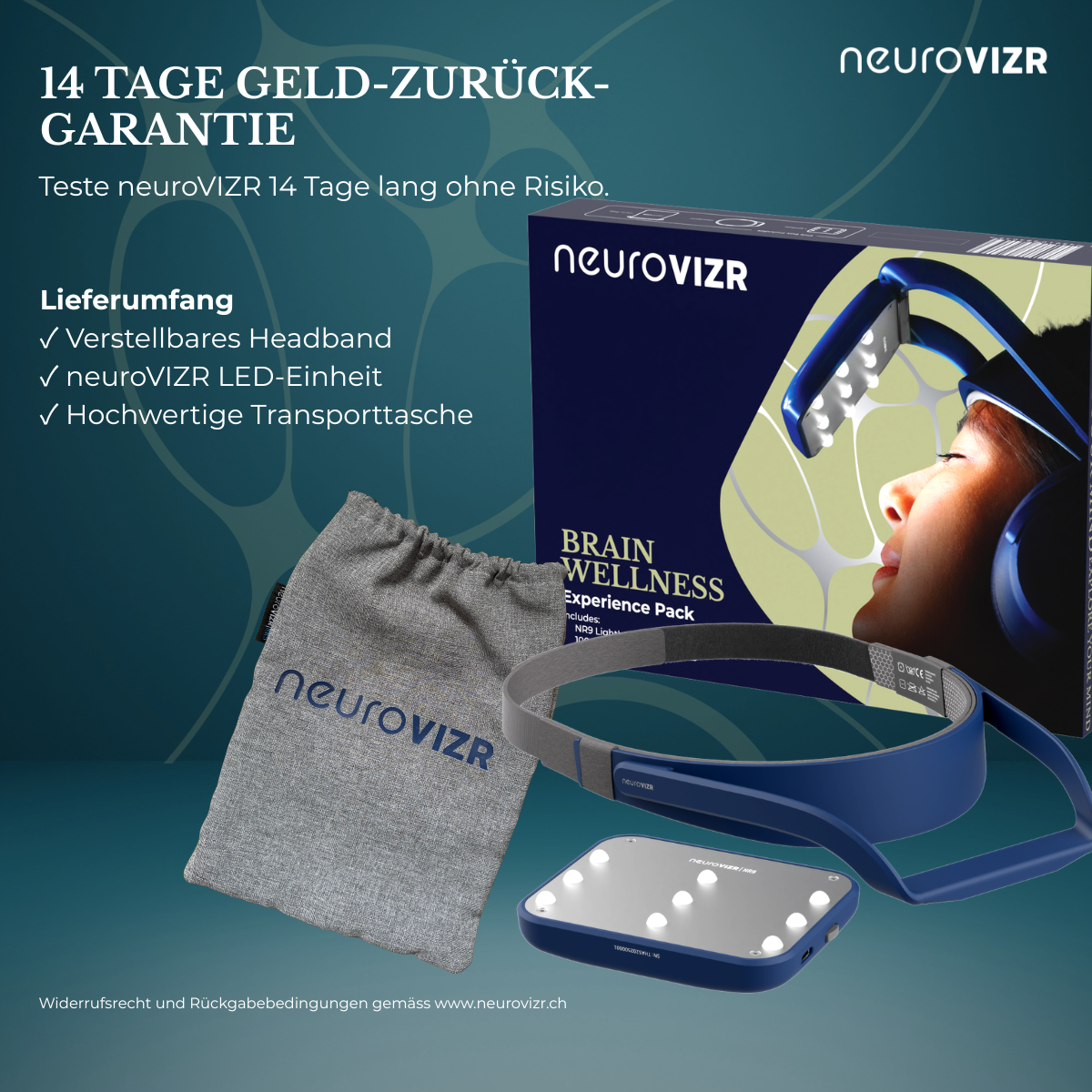
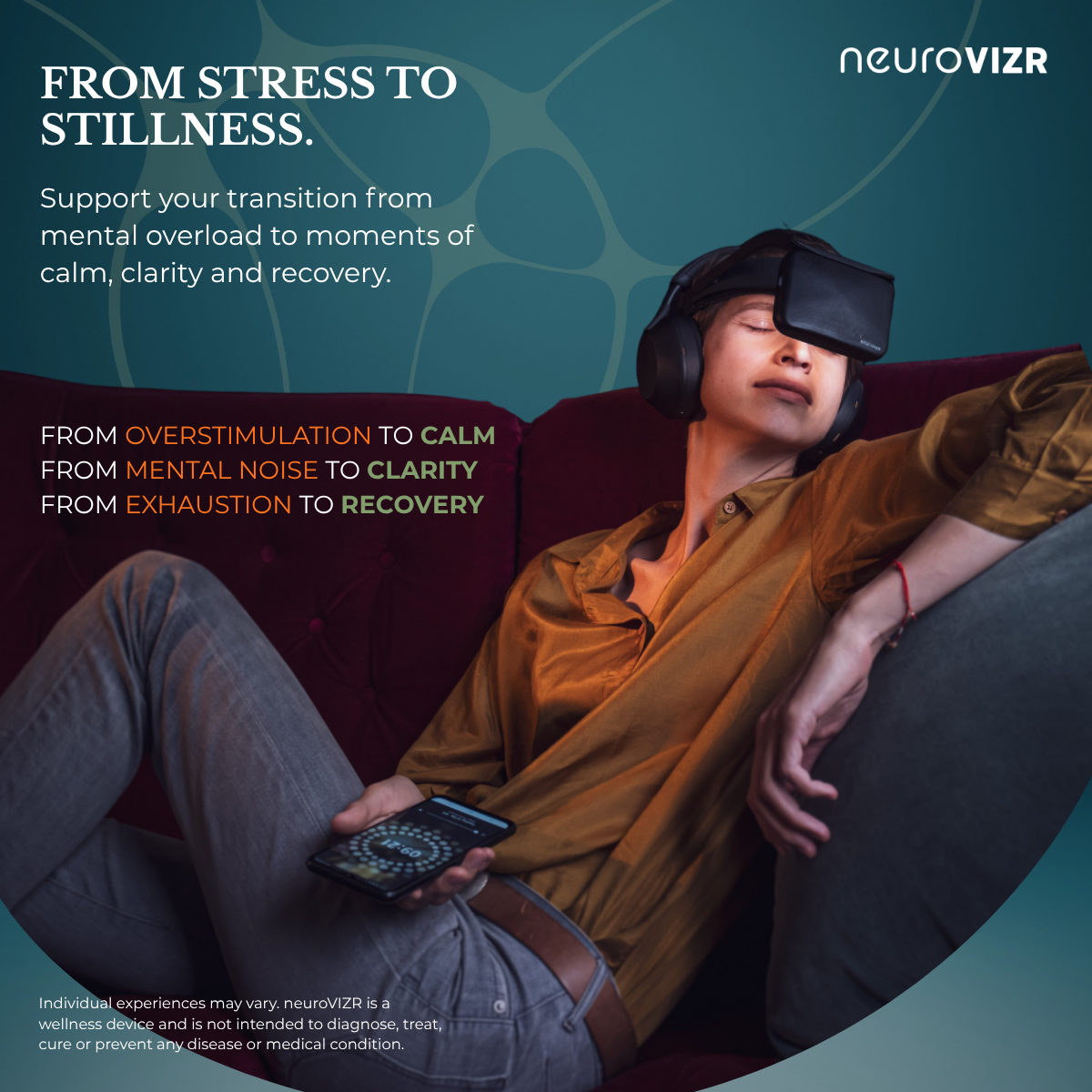
Devices that use structured light and sound patterns, such as neuroVIZR, are designed to create immersive sensory experiences often linked with relaxation and focused attention. They may help support moments of calm as part of a personal wellness routine.

A Different Way to Look at Brain Fog

When you shift your perspective, your response can change.

Instead of asking:
“Why can’t I focus?”

You might ask:
“What kind of support or reset do I need right now?”

This small change can reduce pressure and help you respond more gently to your own needs.

Key Takeaways

  • Brain fog is a common experience, not a personal flaw

  • It may reflect a need for rest, balance, or routine changes

  • Gentle habits and structured breaks can support clarity

  • Sensory and relaxation-based practices may help create calmer mental states over time

FAQs

1. What is chronic brain fog?

Chronic brain fog refers to ongoing feelings of mental fatigue, reduced clarity, or difficulty focusing. It is not a medical condition but a general experience often linked to lifestyle patterns and daily stress.

2. Is brain fog serious?

Brain fog itself is not a disease. However, if it persists or affects daily life, it is a good idea to seek guidance from a qualified professional.

3. How long can brain fog last?

It can vary. For some, it may last a few hours, while for others it may continue longer depending on lifestyle and daily routines.

4. Can brain fog improve over time?

In many cases, yes. When you introduce supportive habits such as better rest, balanced routines, and relaxation practices, clarity may gradually improve.


Disclaimer

This content is for informational purposes only and does not constitute medical advice. If you are experiencing ongoing cognitive or health concerns, please consult a qualified healthcare professional.

You sit down to work, but your thoughts feel scattered.
You reread the same sentence multiple times and still can’t process it.
Even small decisions feel mentally exhausting.

Many people describe this experience as brain fog—a state where mental clarity feels reduced and everyday tasks require more effort than usual.

If this feeling becomes frequent, it can be frustrating. However, instead of seeing it as something “wrong,” it can be helpful to view it as a signal that your mind and body may need rest, balance, or a different rhythm.

What Is Brain Fog?

Brain fog is not a medical diagnosis. It is a general term used to describe experiences such as:

  • Difficulty concentrating

  • Slower thinking

  • Forgetfulness

  • Mental fatigue

  • Low motivation

  • Feeling disconnected from thoughts

These experiences are often connected to how your mind responds to daily demands, rest patterns, and overall lifestyle balance.

Why Does Brain Fog Happen?

Your mind is constantly balancing two key functions:

  • Staying focused and productive

  • Responding to stress and conserving energy

When daily demands, fatigue, or overstimulation build up, your system may shift toward rest and recovery mode, which can feel like reduced clarity.

This is not a failure it may simply reflect a need for pause, reset, or support.

Common Factors That May Contribute to Brain Fog

Brain fog often develops from a combination of lifestyle patterns rather than a single cause.

Some common contributing factors include:

  • Ongoing stress or burnout

  • Irregular or poor-quality sleep

  • Extended screen time or information overload

  • Hormonal changes

  • Sedentary routines

  • Emotional fatigue

  • Nutritional imbalance

Your mind responds to patterns over time, not just one moment.

How to Support Mental Clarity (Gently)

Trying to “push through” brain fog often makes it feel worse.
Instead, a more supportive approach focuses on balance, rhythm, and gentle reset.

1. Reset Before You Focus

Clarity often follows moments of calm.

You can try:

  • Slow, steady breathing

  • Light stretching or movement

  • Stepping outside for fresh air

  • Taking short breaks during work

These small actions may help create a sense of ease before returning to tasks.

2. Work With Natural Rhythms

Sustained focus is easier when balanced with rest.

Try simple patterns like:

  • Working in short focus sessions (25–50 minutes)

  • Taking regular breaks

  • Avoiding constant multitasking

Creating a predictable rhythm may help support clearer thinking.

3. Use Gentle Sensory Experiences

The mind often responds well to structured, calming sensory input.

Examples include:

  • Rhythmic music

  • Guided relaxation sessions

  • Breath-based practices

  • Sensory light & sound experiences

These approaches can create immersive environments often associated with calm and focus, helping you step away from overstimulation.

Devices that use structured light and sound patterns, such as neuroVIZR, are designed to create immersive sensory experiences often linked with relaxation and focused attention. They may help support moments of calm as part of a personal wellness routine.

A Different Way to Look at Brain Fog

When you shift your perspective, your response can change.

Instead of asking:
“Why can’t I focus?”

You might ask:
“What kind of support or reset do I need right now?”

This small change can reduce pressure and help you respond more gently to your own needs.

Key Takeaways

  • Brain fog is a common experience, not a personal flaw

  • It may reflect a need for rest, balance, or routine changes

  • Gentle habits and structured breaks can support clarity

  • Sensory and relaxation-based practices may help create calmer mental states over time

FAQs

1. What is chronic brain fog?

Chronic brain fog refers to ongoing feelings of mental fatigue, reduced clarity, or difficulty focusing. It is not a medical condition but a general experience often linked to lifestyle patterns and daily stress.

2. Is brain fog serious?

Brain fog itself is not a disease. However, if it persists or affects daily life, it is a good idea to seek guidance from a qualified professional.

3. How long can brain fog last?

It can vary. For some, it may last a few hours, while for others it may continue longer depending on lifestyle and daily routines.

4. Can brain fog improve over time?

In many cases, yes. When you introduce supportive habits such as better rest, balanced routines, and relaxation practices, clarity may gradually improve.
Enhance Your Mental Clarity With neuroVIZR