
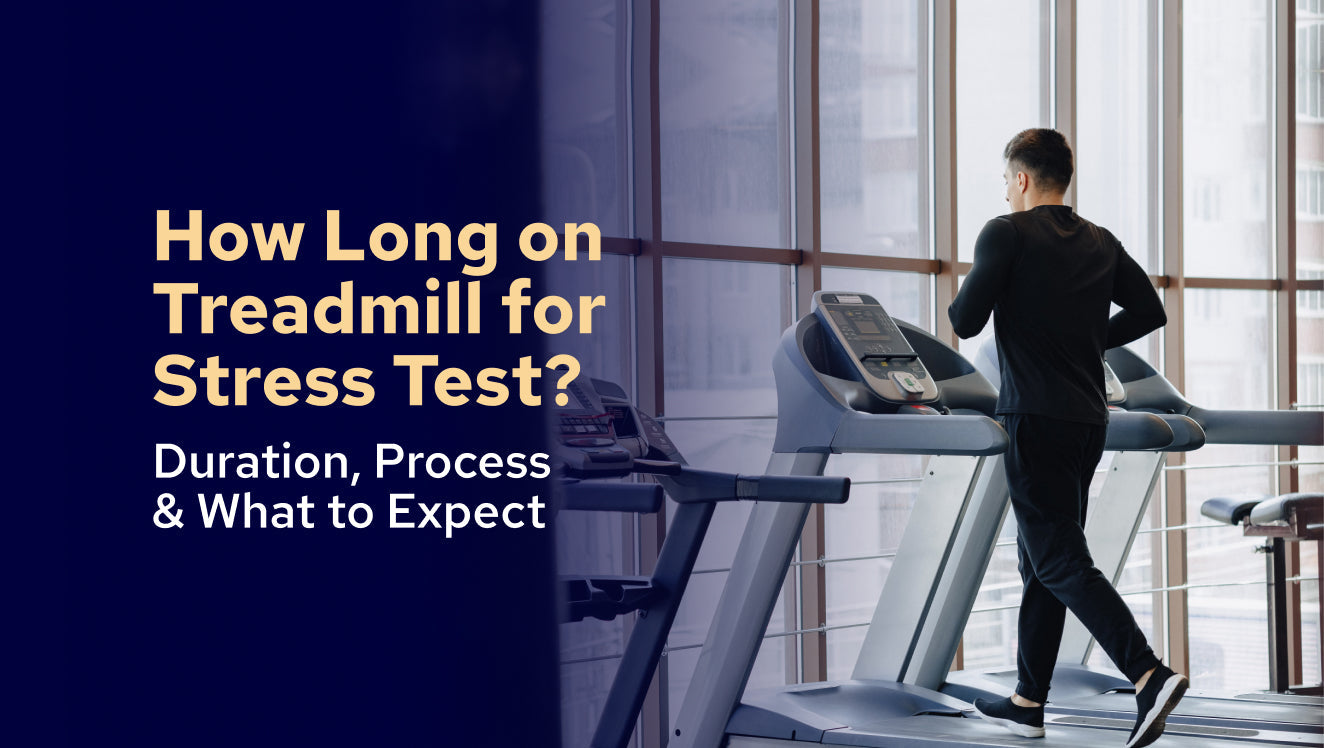
How Long on Treadmill for Stress Test? Duration, Process & What to Expect
  • Written by Gourav Rathore

Disclaimer

This content is for informational purposes only and does not constitute medical advice. neuroVIZR is a wellness device designed to support relaxation, focus, and overall well-being. It is not intended to diagnose, treat, cure, or prevent any medical condition. Experiences may vary from person to person.

When a treadmill stress test is recommended, one of the most common questions is: How long will I need to walk on the treadmill?

Understanding the timeline and process can help you feel more prepared and at ease before your appointment.

What Is a Treadmill Stress Test?

A treadmill stress test, also known as an exercise stress test, is used to observe how your heart responds during physical activity. It is typically conducted in a controlled medical setting with monitoring equipment.

Doctors may use this test to:

  • Observe heart activity during movement

  • Understand exercise tolerance

  • Identify patterns that may require further evaluation

  • Assess overall cardiovascular response to exertion

How Long Does a Treadmill Stress Test Take?

Total Duration: 45–60 Minutes

The full process usually takes around 45 to 60 minutes, including preparation and recovery.

Treadmill Time: 10–20 Minutes

The actual walking phase on the treadmill is shorter, typically lasting 10 to 20 minutes, depending on individual factors.

Breakdown of the Stress Test Phases

1. Preparation (10–15 Minutes)

  • ECG electrodes are placed on your chest

  • Resting heart rate and blood pressure are recorded

  • Basic health information is reviewed

2. Treadmill Phase (10–20 Minutes)

  • You begin walking at a slow pace

  • Speed and incline gradually increase

  • Monitoring continues throughout the session

3. Recovery (10–15 Minutes)

  • Heart rate and blood pressure are observed

  • You rest until your body returns to baseline levels

What Happens During the Treadmill Phase?

During this stage:

  • You are connected to monitoring equipment

  • Your heart activity is observed continuously

  • The treadmill gradually becomes more challenging

  • The session may stop once a target heart rate is reached or if you feel discomfort

This phase focuses on controlled and safe progression, not endurance.

What Protocol Is Commonly Used?

Many tests follow a structured approach where the treadmill increases in intensity at regular intervals.

Each stage typically lasts a few minutes and gradually increases:

  • Walking speed

  • Incline level

Most individuals complete 3 to 5 stages, depending on comfort and fitness level.

Factors That Influence Test Duration

The length of your treadmill time may vary based on:

  • Fitness level – More active individuals may last longer

  • Age – Heart rate targets may be reached sooner

  • General health condition – Some tests may end earlier for safety

  • Medications – Certain medications can influence heart rate response

How to Prepare for a Treadmill Stress Test

To help ensure a smooth experience:

  • Avoid heavy meals, caffeine, or smoking a few hours before the test

  • Wear comfortable clothing and walking shoes

  • Bring a list of any medications you take

  • Inform your doctor about any existing health conditions

Are There Other Types of Stress Tests?

Yes, there are alternative approaches depending on individual needs:

  • Medication-based stress tests for those unable to exercise

  • Imaging-based tests that provide additional visuals

  • Ultrasound-based evaluations before and after activity

Your healthcare provider will guide you on the most suitable option.

Supporting Relaxation After the Test

After a medical appointment, it’s common to want some time to unwind and reset.

Simple relaxation practices may help you feel more at ease:

  • Gentle breathing exercises

  • Hydration and rest

  • Quiet time away from screens

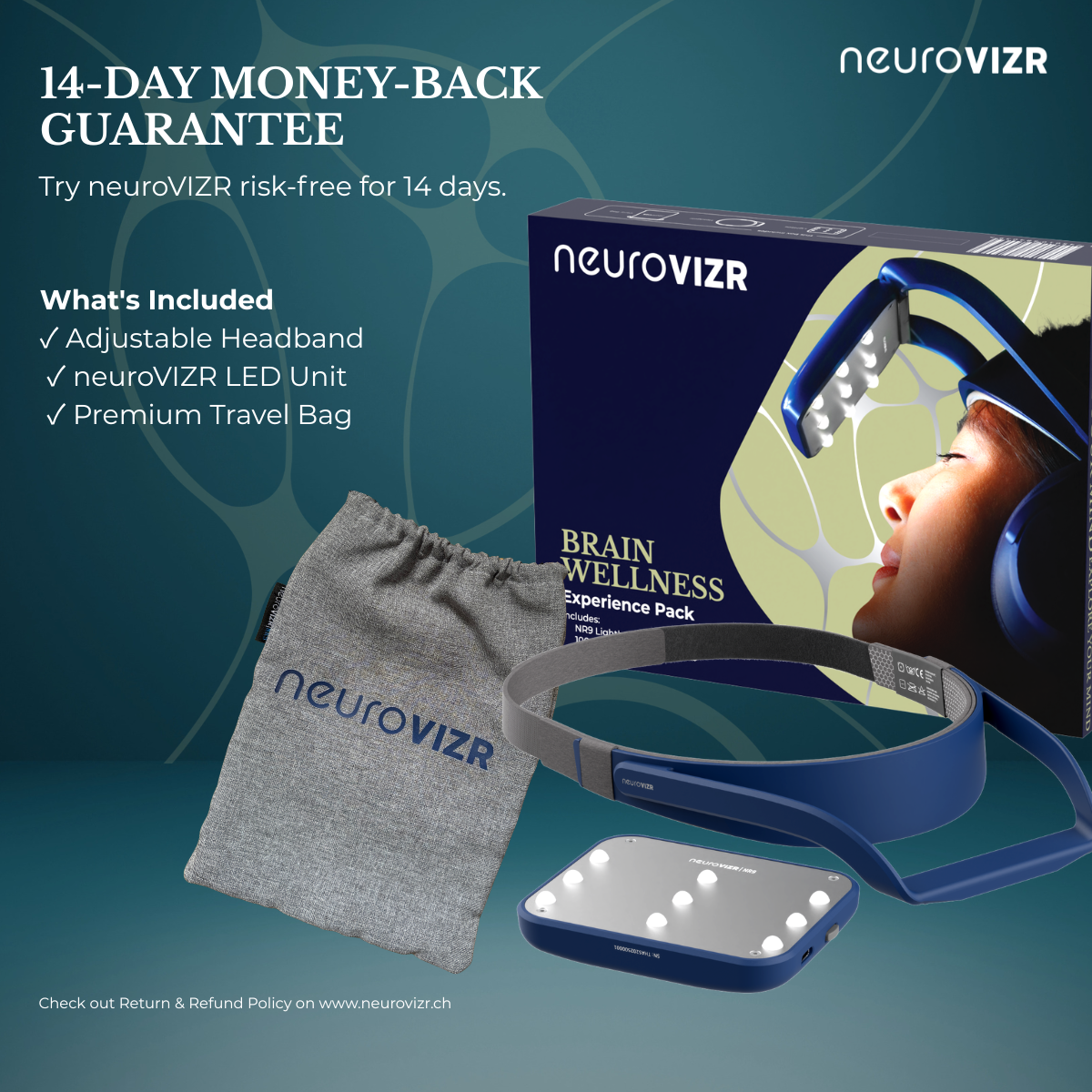
Some people also explore sensory light and sound experiences, such as those offered by neuroVIZR, as part of their relaxation routine. These tools create immersive environments that may help support moments of calm and mental clarity after a busy or demanding day.

Final Thoughts

A treadmill stress test is a structured and supervised procedure designed to observe how your body responds to physical activity.

While the treadmill portion is relatively short, the full process provides valuable insights for healthcare professionals. Knowing what to expect can help you approach the test with greater confidence and comfort.

Frequently Asked Questions

How long should I stay on the treadmill during a stress test?

Most individuals walk for 6 to 12 minutes, depending on fitness level and comfort.

Is 6 minutes enough for a stress test?

In many cases, reaching around 6 minutes is sufficient for basic evaluation, though this varies.

Can I hold the treadmill rails?

Yes, you may use the rails for balance, but relying heavily on them may affect the results.

Disclaimer

This content is for informational purposes only and does not constitute medical advice. neuroVIZR is a wellness device designed to support relaxation, focus, and overall well-being. It is not intended to diagnose, treat, cure, or prevent any medical condition. Experiences may vary from person to person.

When a treadmill stress test is recommended, one of the most common questions is: How long will I need to walk on the treadmill?

Understanding the timeline and process can help you feel more prepared and at ease before your appointment.

What Is a Treadmill Stress Test?

A treadmill stress test, also known as an exercise stress test, is used to observe how your heart responds during physical activity. It is typically conducted in a controlled medical setting with monitoring equipment.

Doctors may use this test to:

  • Observe heart activity during movement

  • Understand exercise tolerance

  • Identify patterns that may require further evaluation

  • Assess overall cardiovascular response to exertion

How Long Does a Treadmill Stress Test Take?

Total Duration: 45–60 Minutes

The full process usually takes around 45 to 60 minutes, including preparation and recovery.

Treadmill Time: 10–20 Minutes

The actual walking phase on the treadmill is shorter, typically lasting 10 to 20 minutes, depending on individual factors.

Breakdown of the Stress Test Phases

1. Preparation (10–15 Minutes)

  • ECG electrodes are placed on your chest

  • Resting heart rate and blood pressure are recorded

  • Basic health information is reviewed

2. Treadmill Phase (10–20 Minutes)

  • You begin walking at a slow pace

  • Speed and incline gradually increase

  • Monitoring continues throughout the session

3. Recovery (10–15 Minutes)

  • Heart rate and blood pressure are observed

  • You rest until your body returns to baseline levels

What Happens During the Treadmill Phase?

During this stage:

  • You are connected to monitoring equipment

  • Your heart activity is observed continuously

  • The treadmill gradually becomes more challenging

  • The session may stop once a target heart rate is reached or if you feel discomfort

This phase focuses on controlled and safe progression, not endurance.

What Protocol Is Commonly Used?

Many tests follow a structured approach where the treadmill increases in intensity at regular intervals.

Each stage typically lasts a few minutes and gradually increases:

  • Walking speed

  • Incline level

Most individuals complete 3 to 5 stages, depending on comfort and fitness level.

Factors That Influence Test Duration

The length of your treadmill time may vary based on:

  • Fitness level – More active individuals may last longer

  • Age – Heart rate targets may be reached sooner

  • General health condition – Some tests may end earlier for safety

  • Medications – Certain medications can influence heart rate response

How to Prepare for a Treadmill Stress Test

To help ensure a smooth experience:

  • Avoid heavy meals, caffeine, or smoking a few hours before the test

  • Wear comfortable clothing and walking shoes

  • Bring a list of any medications you take

  • Inform your doctor about any existing health conditions

Are There Other Types of Stress Tests?

Yes, there are alternative approaches depending on individual needs:

  • Medication-based stress tests for those unable to exercise

  • Imaging-based tests that provide additional visuals

  • Ultrasound-based evaluations before and after activity

Your healthcare provider will guide you on the most suitable option.

Supporting Relaxation After the Test

After a medical appointment, it’s common to want some time to unwind and reset.

Simple relaxation practices may help you feel more at ease:

  • Gentle breathing exercises

  • Hydration and rest

  • Quiet time away from screens

Some people also explore sensory light and sound experiences, such as those offered by neuroVIZR, as part of their relaxation routine. These tools create immersive environments that may help support moments of calm and mental clarity after a busy or demanding day.

Final Thoughts

A treadmill stress test is a structured and supervised procedure designed to observe how your body responds to physical activity.

While the treadmill portion is relatively short, the full process provides valuable insights for healthcare professionals. Knowing what to expect can help you approach the test with greater confidence and comfort.

Frequently Asked Questions

How long should I stay on the treadmill during a stress test?

Most individuals walk for 6 to 12 minutes, depending on fitness level and comfort.

Is 6 minutes enough for a stress test?

In many cases, reaching around 6 minutes is sufficient for basic evaluation, though this varies.

Can I hold the treadmill rails?

Yes, you may use the rails for balance, but relying heavily on them may affect the results.

Enhance Your Mental Clarity With neuroVIZR