

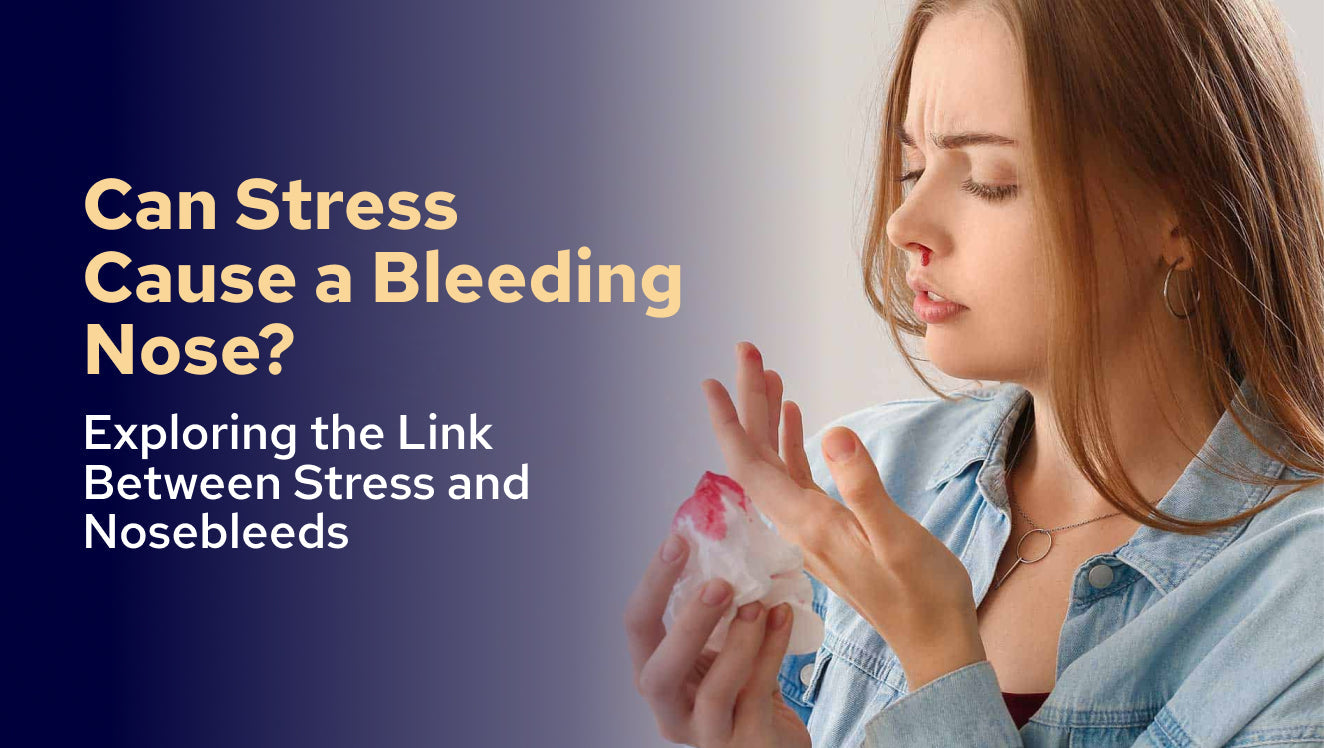
Can Stress Cause a Bleeding Nose? Exploring the Link Between Stress and Nosebleeds
  • Written by Gourav Rathore

Disclaimer

This content is for informational purposes only and does not constitute medical advice. neuroVIZR is a wellness device designed to support relaxation, focus, and overall well-being. It is not intended to diagnose, treat, cure, or prevent any medical condition. Individual experiences may vary.

In today’s fast-paced lifestyle, stress is something many people experience daily. It can influence your sleep, mood, and overall sense of well-being. But can it also be linked to nosebleeds?

The answer is not directly, but stress may contribute to certain conditions and habits that increase the likelihood of a nosebleed. Understanding this connection can help you take simple steps toward better daily comfort and relaxation.

What Is a Nosebleed?

A nosebleed occurs when tiny blood vessels inside the nose become irritated and start to bleed. The inner lining of the nose is delicate, which makes it more sensitive to dryness, irritation, and environmental changes.

There are two common types:

  • Anterior nosebleeds – Start from the front of the nose and are more common

  • Posterior nosebleeds – Less common and occur deeper inside the nasal passages

How Can Stress Be Linked to Nosebleeds?

Stress does not directly cause bleeding, but it can influence the body and daily habits in ways that may increase sensitivity in the nasal area.

1. Temporary Changes in Blood Pressure

During stressful moments, your body may experience temporary increases in pressure and tension. This can place extra strain on delicate nasal tissues.

2. Faster Breathing Patterns

Stress may lead to quicker or shallow breathing. This can sometimes dry out the nasal passages, making them more sensitive.

3. Dry Indoor Environments

Spending more time indoors during stressful periods especially in air-conditioned or heated spaces can reduce moisture in the air and contribute to dryness.

4. Habitual Touching or Rubbing

Stress and restlessness can sometimes lead to unconscious habits like touching or rubbing the nose, which may irritate the lining.

5. Lowered Comfort During Illness

Periods of stress may coincide with reduced overall well-being, which can make the body more sensitive to common issues like colds or irritation.

Other Common Causes of Nosebleeds

While stress may play an indirect role, there are several everyday factors that are often responsible:

  • Dry air or low humidity

  • Seasonal allergies

  • Frequent nose blowing

  • Minor irritation or injury

  • Use of certain nasal products

  • Environmental irritants

When Should You Seek Medical Advice?

Most nosebleeds are temporary and manageable. However, consider speaking with a healthcare professional if:

  • Bleeding lasts longer than 20 minutes

  • Nosebleeds occur frequently

  • There is a history of underlying conditions

  • The bleeding follows an injury

A Wellness-Based Approach to Managing Stress

Creating moments of calm in your daily routine can support overall well-being and may help reduce stress-related habits.

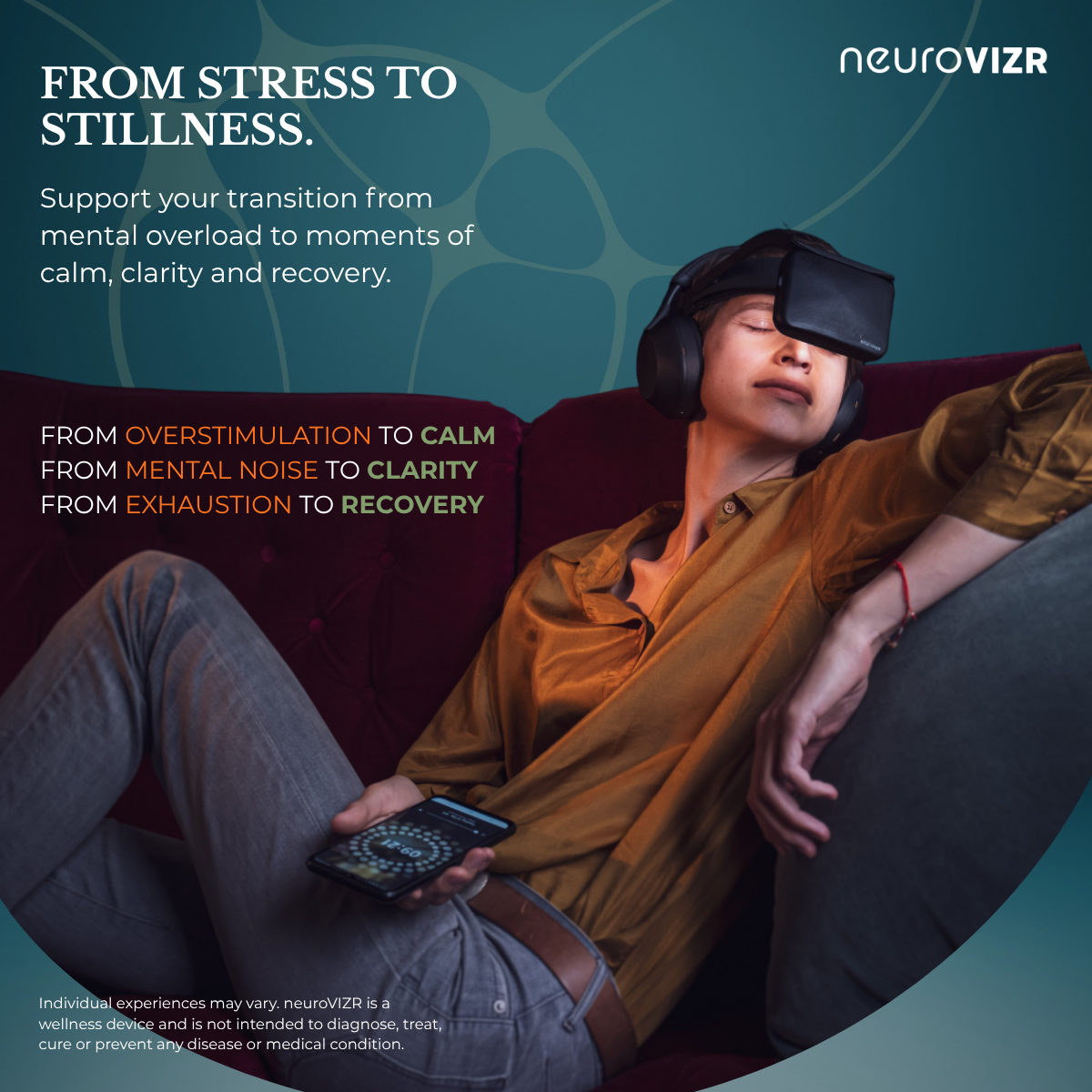
Devices that use structured light and sound patterns, such as neuroVIZR, create immersive sensory experiences often associated with relaxation and focused attention. They are designed as wellness tools that may help users step away from daily overstimulation and enjoy moments of calm.

Many people include relaxation sessions like these as part of a broader routine that may support:

  • A calmer state of mind

  • More balanced daily rhythms

  • Improved focus and relaxation time

Simple Ways to Support Nasal Comfort

1. Maintain Indoor Humidity

Using a humidifier can help keep the air comfortable and reduce dryness.

2. Stay Hydrated

Drinking enough water helps maintain moisture balance in the body.

3. Build Relaxation Routines

Incorporate calming practices into your day, such as:

  • Mindfulness sessions

  • Gentle breathing exercises

  • Light movement or stretching

4. Avoid Irritants

Limit exposure to smoke, dust, and strong fragrances where possible.

5. Gentle Nasal Care

Use simple hydration methods like saline sprays and avoid unnecessary irritation.

Final Thoughts

Stress may not directly cause a nosebleed, but it can influence everyday habits and environmental factors that affect nasal comfort. By focusing on relaxation, hydration, and simple daily care, you can support both your overall well-being and reduce the chances of irritation.

FAQs 

Q1. Can stress cause nosebleeds?

Stress does not directly cause nosebleeds, but it may contribute to factors like dryness, tension, and habits that can increase the likelihood.

Q2. What are common causes of nosebleeds?

Common causes include dry air, allergies, irritation, frequent nose blowing, and environmental factors.

Q3. Can stress affect nasal comfort?

Yes, stress may influence breathing patterns and daily habits, which can impact overall comfort in the nasal area.

Q4. How can I stop a nosebleed quickly?

Sit upright, lean slightly forward, and gently pinch the soft part of your nose for 10–15 minutes while breathing through your mouth.

Q5. How can I reduce stress in daily life?

Simple practices like relaxation routines, mindfulness sessions, and taking short breaks can help create moments of calm.

Explore More

If you found this helpful, explore more wellness-focused content designed to support relaxation, mindfulness, and balanced daily routines.


Disclaimer

This content is for informational purposes only and does not constitute medical advice. neuroVIZR is a wellness device designed to support relaxation, focus, and overall well-being. It is not intended to diagnose, treat, cure, or prevent any medical condition. Individual experiences may vary.

In today’s fast-paced lifestyle, stress is something many people experience daily. It can influence your sleep, mood, and overall sense of well-being. But can it also be linked to nosebleeds?

The answer is not directly, but stress may contribute to certain conditions and habits that increase the likelihood of a nosebleed. Understanding this connection can help you take simple steps toward better daily comfort and relaxation.

What Is a Nosebleed?

A nosebleed occurs when tiny blood vessels inside the nose become irritated and start to bleed. The inner lining of the nose is delicate, which makes it more sensitive to dryness, irritation, and environmental changes.

There are two common types:

  • Anterior nosebleeds – Start from the front of the nose and are more common

  • Posterior nosebleeds – Less common and occur deeper inside the nasal passages

How Can Stress Be Linked to Nosebleeds?

Stress does not directly cause bleeding, but it can influence the body and daily habits in ways that may increase sensitivity in the nasal area.

1. Temporary Changes in Blood Pressure

During stressful moments, your body may experience temporary increases in pressure and tension. This can place extra strain on delicate nasal tissues.

2. Faster Breathing Patterns

Stress may lead to quicker or shallow breathing. This can sometimes dry out the nasal passages, making them more sensitive.

3. Dry Indoor Environments

Spending more time indoors during stressful periods especially in air-conditioned or heated spaces can reduce moisture in the air and contribute to dryness.

4. Habitual Touching or Rubbing

Stress and restlessness can sometimes lead to unconscious habits like touching or rubbing the nose, which may irritate the lining.

5. Lowered Comfort During Illness

Periods of stress may coincide with reduced overall well-being, which can make the body more sensitive to common issues like colds or irritation.

Other Common Causes of Nosebleeds

While stress may play an indirect role, there are several everyday factors that are often responsible:

  • Dry air or low humidity

  • Seasonal allergies

  • Frequent nose blowing

  • Minor irritation or injury

  • Use of certain nasal products

  • Environmental irritants

When Should You Seek Medical Advice?

Most nosebleeds are temporary and manageable. However, consider speaking with a healthcare professional if:

  • Bleeding lasts longer than 20 minutes

  • Nosebleeds occur frequently

  • There is a history of underlying conditions

  • The bleeding follows an injury

A Wellness-Based Approach to Managing Stress

Creating moments of calm in your daily routine can support overall well-being and may help reduce stress-related habits.

Devices that use structured light and sound patterns, such as neuroVIZR, create immersive sensory experiences often associated with relaxation and focused attention. They are designed as wellness tools that may help users step away from daily overstimulation and enjoy moments of calm.

Many people include relaxation sessions like these as part of a broader routine that may support:

  • A calmer state of mind

  • More balanced daily rhythms

  • Improved focus and relaxation time

Simple Ways to Support Nasal Comfort

1. Maintain Indoor Humidity

Using a humidifier can help keep the air comfortable and reduce dryness.

2. Stay Hydrated

Drinking enough water helps maintain moisture balance in the body.

3. Build Relaxation Routines

Incorporate calming practices into your day, such as:

  • Mindfulness sessions

  • Gentle breathing exercises

  • Light movement or stretching

4. Avoid Irritants

Limit exposure to smoke, dust, and strong fragrances where possible.

5. Gentle Nasal Care

Use simple hydration methods like saline sprays and avoid unnecessary irritation.

Final Thoughts

Stress may not directly cause a nosebleed, but it can influence everyday habits and environmental factors that affect nasal comfort. By focusing on relaxation, hydration, and simple daily care, you can support both your overall well-being and reduce the chances of irritation.

FAQs 

Q1. Can stress cause nosebleeds?

Stress does not directly cause nosebleeds, but it may contribute to factors like dryness, tension, and habits that can increase the likelihood.

Q2. What are common causes of nosebleeds?

Common causes include dry air, allergies, irritation, frequent nose blowing, and environmental factors.

Q3. Can stress affect nasal comfort?

Yes, stress may influence breathing patterns and daily habits, which can impact overall comfort in the nasal area.

Q4. How can I stop a nosebleed quickly?

Sit upright, lean slightly forward, and gently pinch the soft part of your nose for 10–15 minutes while breathing through your mouth.

Q5. How can I reduce stress in daily life?

Simple practices like relaxation routines, mindfulness sessions, and taking short breaks can help create moments of calm.

Explore More

If you found this helpful, explore more wellness-focused content designed to support relaxation, mindfulness, and balanced daily routines.
Enhance Your Mental Clarity With neuroVIZR