

Disclaimer
This content is for informational purposes only and does not constitute medical advice. neuroVIZR is a non-invasive wellness tool, and individual experiences may vary. Please consult a qualified healthcare professional for diagnosis or treatment.
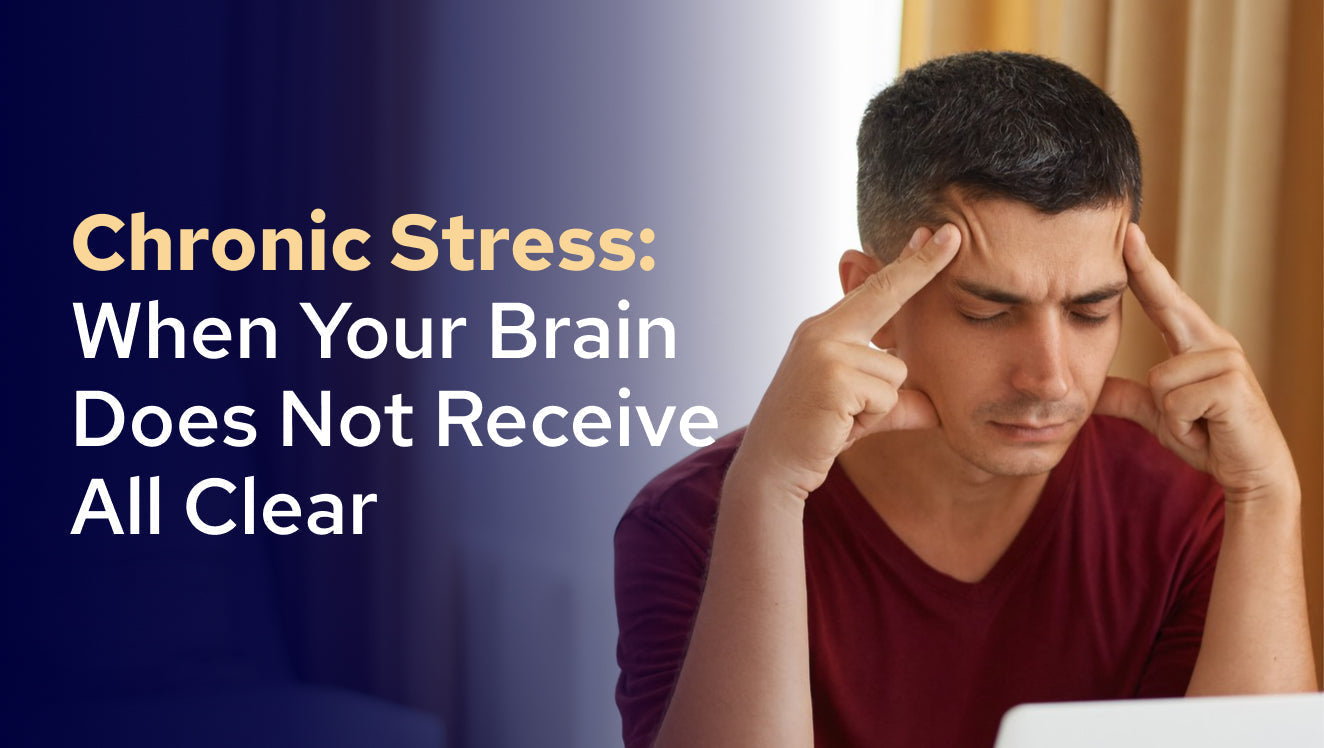
Chronic stress doesn’t always feel intense or obvious.
Sometimes, it quietly stays in the background even when everything seems fine on the surface.
You may go through your day normally, yet still feel unable to fully relax.
You sleep, but don’t feel refreshed.
Your mind slows down, but never completely switches off.
This experience is more common than many people realize. It often reflects a state where the body and mind remain in a pattern of ongoing alertness.
Understanding the Experience of Chronic Stress
Chronic stress is less about occasional pressure and more about prolonged patterns of tension and alertness.
Over time, this may look like:
-
Feeling constantly “on edge”
-
Difficulty switching off after a busy day
-
Reduced sense of mental clarity
-
A lingering feeling of restlessness
Instead of short-term stress responses, the body may stay in a repetitive cycle of readiness, even in calm situations.
This doesn’t mean something is wrong with you.
It simply reflects how the mind and body adapt to repeated demands over time.
Why Rest Alone May Not Feel Enough
A common suggestion for stress is to “just relax” or “get more rest.”
But many people find that rest doesn’t always bring relief.
You might notice:
-
Feeling physically tired but mentally active
-
Lying down without fully unwinding
-
Struggling to disconnect from ongoing thoughts
This is often described as a “tired but wired” state.
In these moments, it’s not just about rest it’s about creating conditions that support a shift into calm and balance.
A Different Perspective on Relaxation
Instead of forcing calm, modern wellness approaches often focus on supporting natural relaxation responses.
This includes:
-
Creating calming environments
-
Engaging the senses (light, sound, movement)
-
Allowing the mind to gently shift rather than forcing it
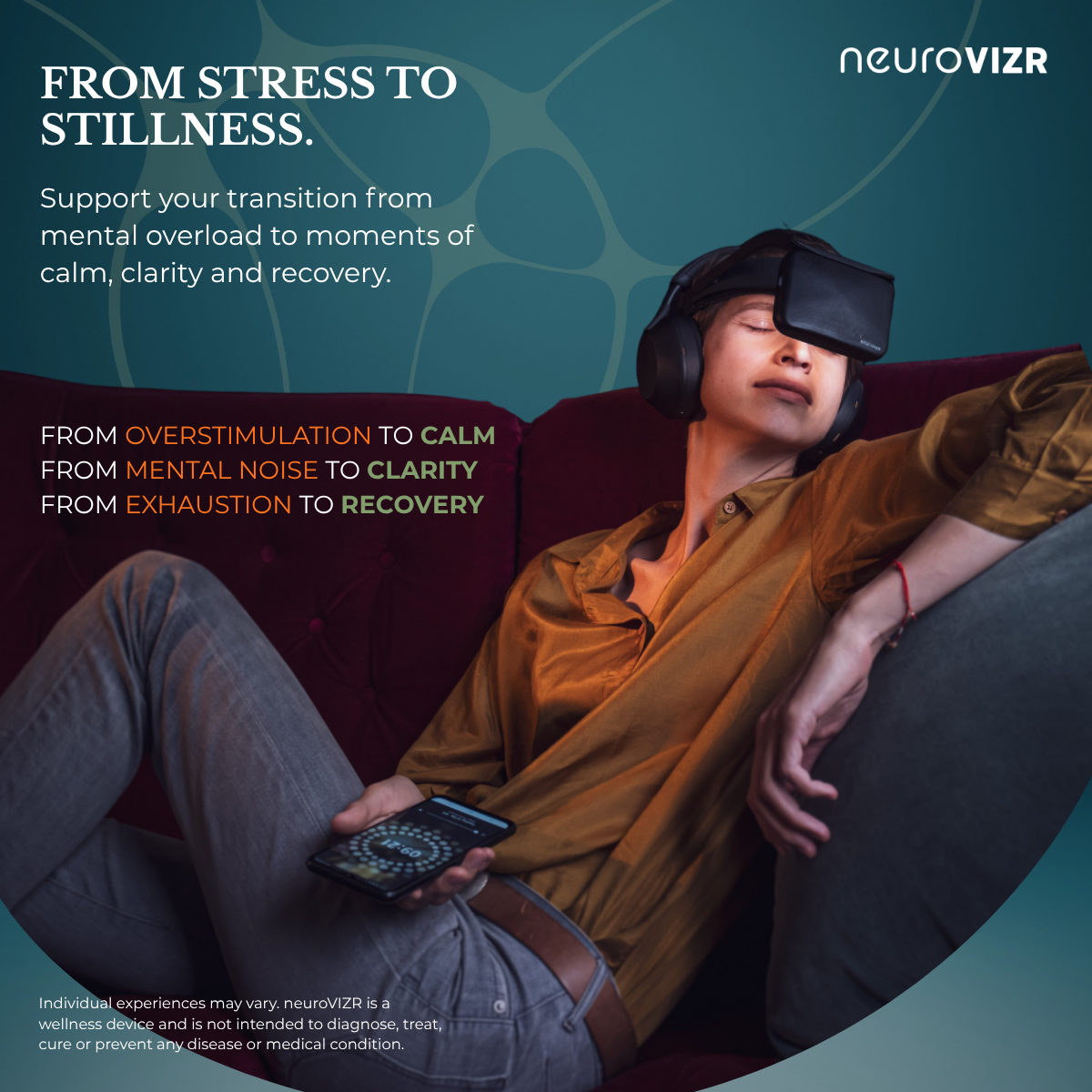
These approaches are designed to help individuals step away from daily overstimulation and reconnect with moments of calm.
How neuroVIZR Fits Into a Relaxation Routine
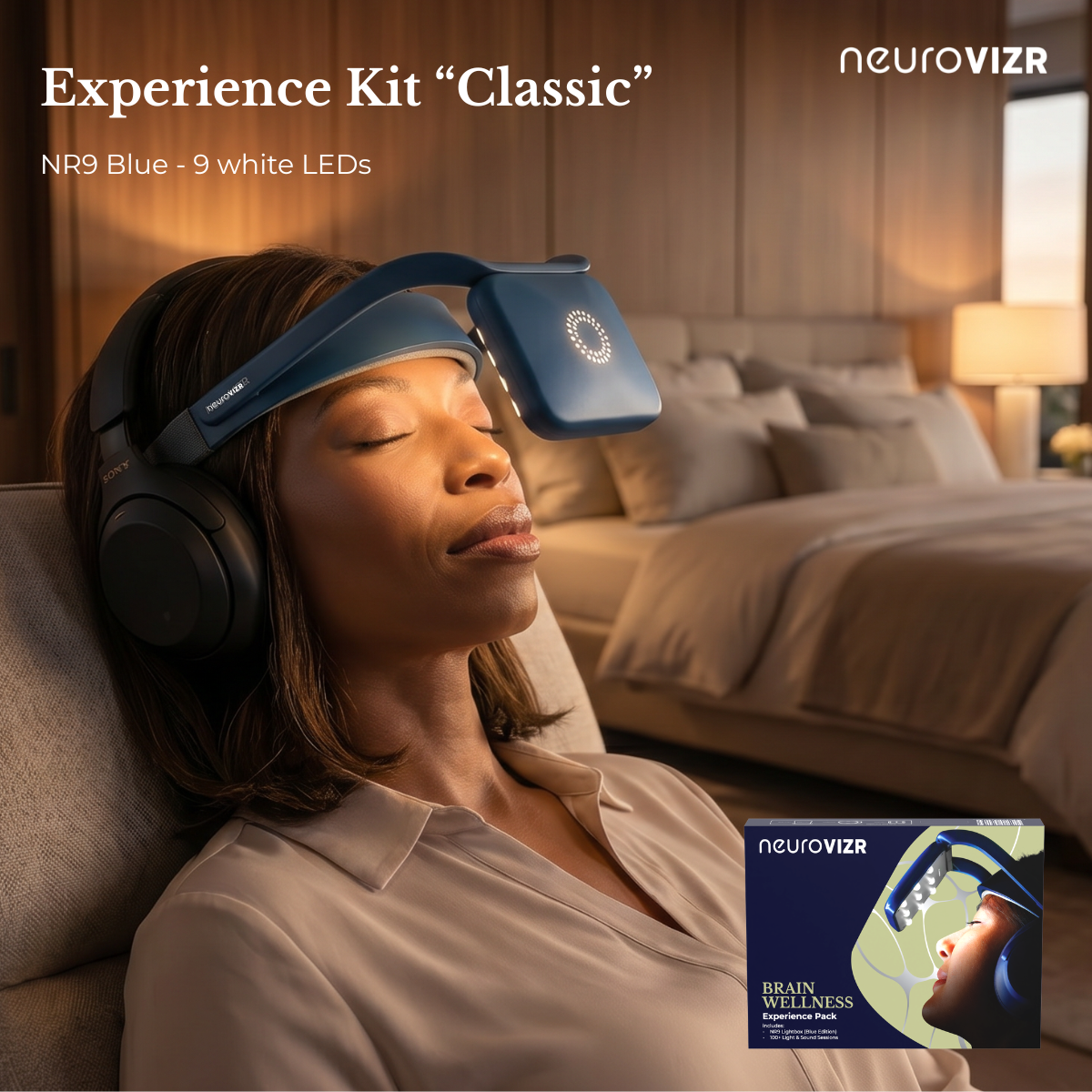
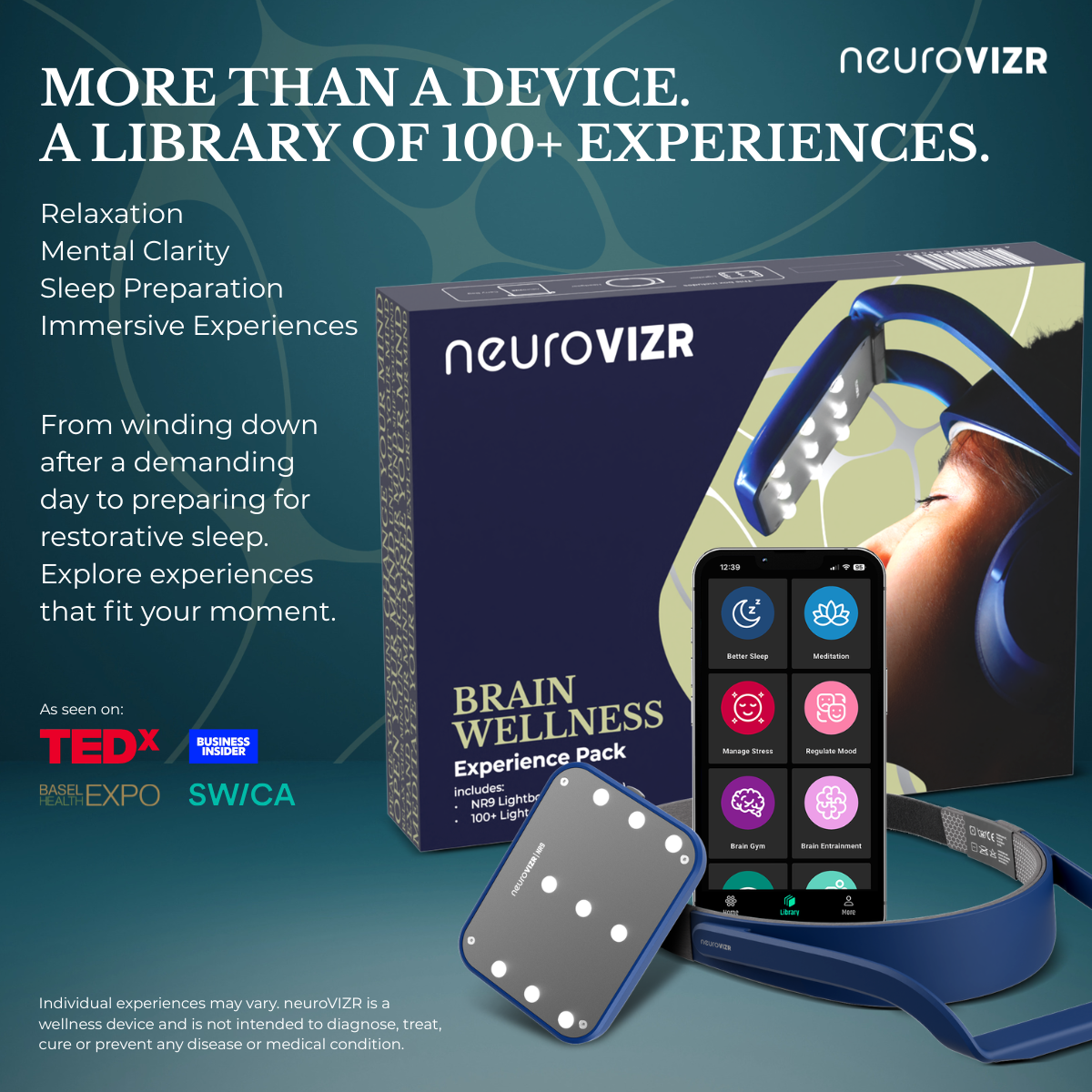
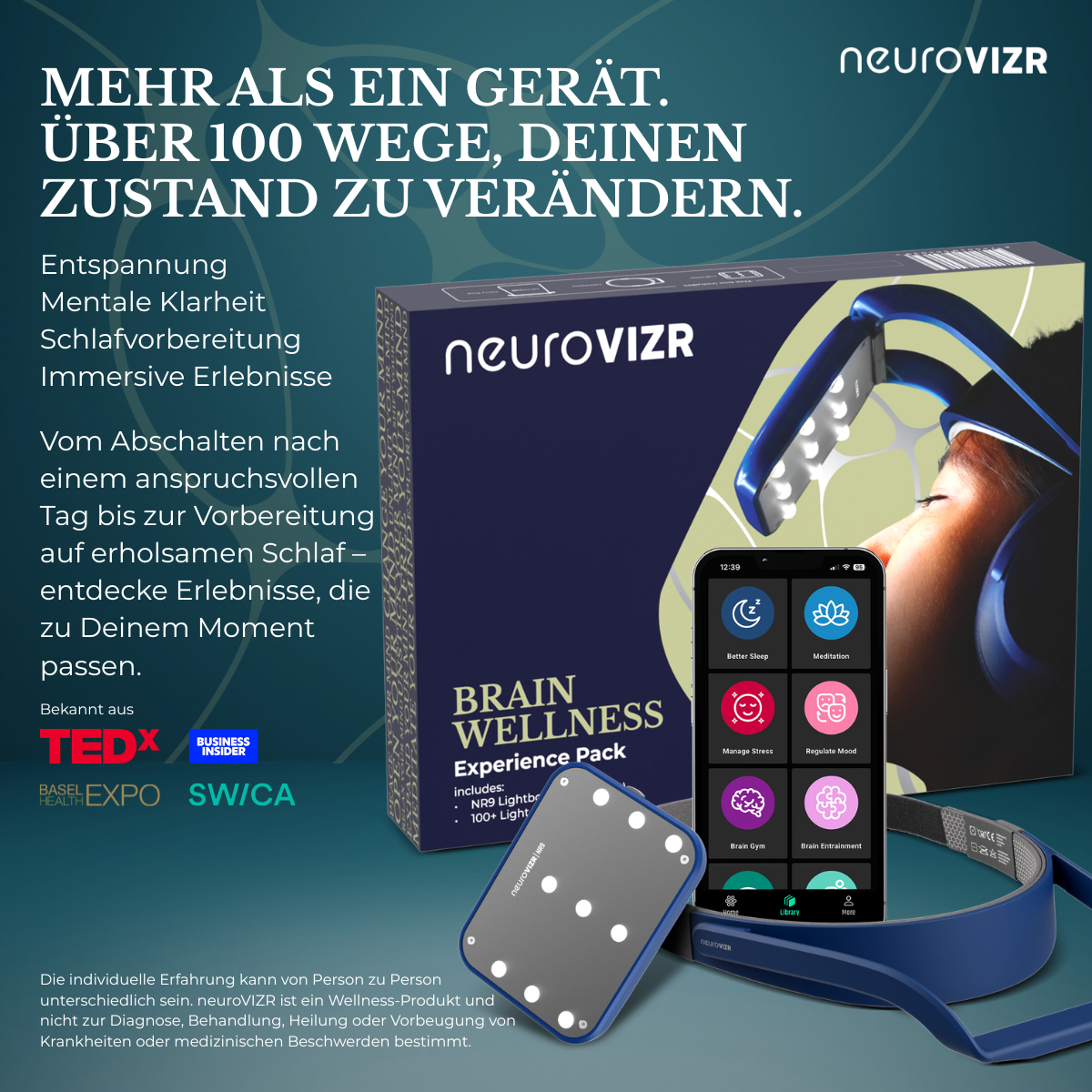
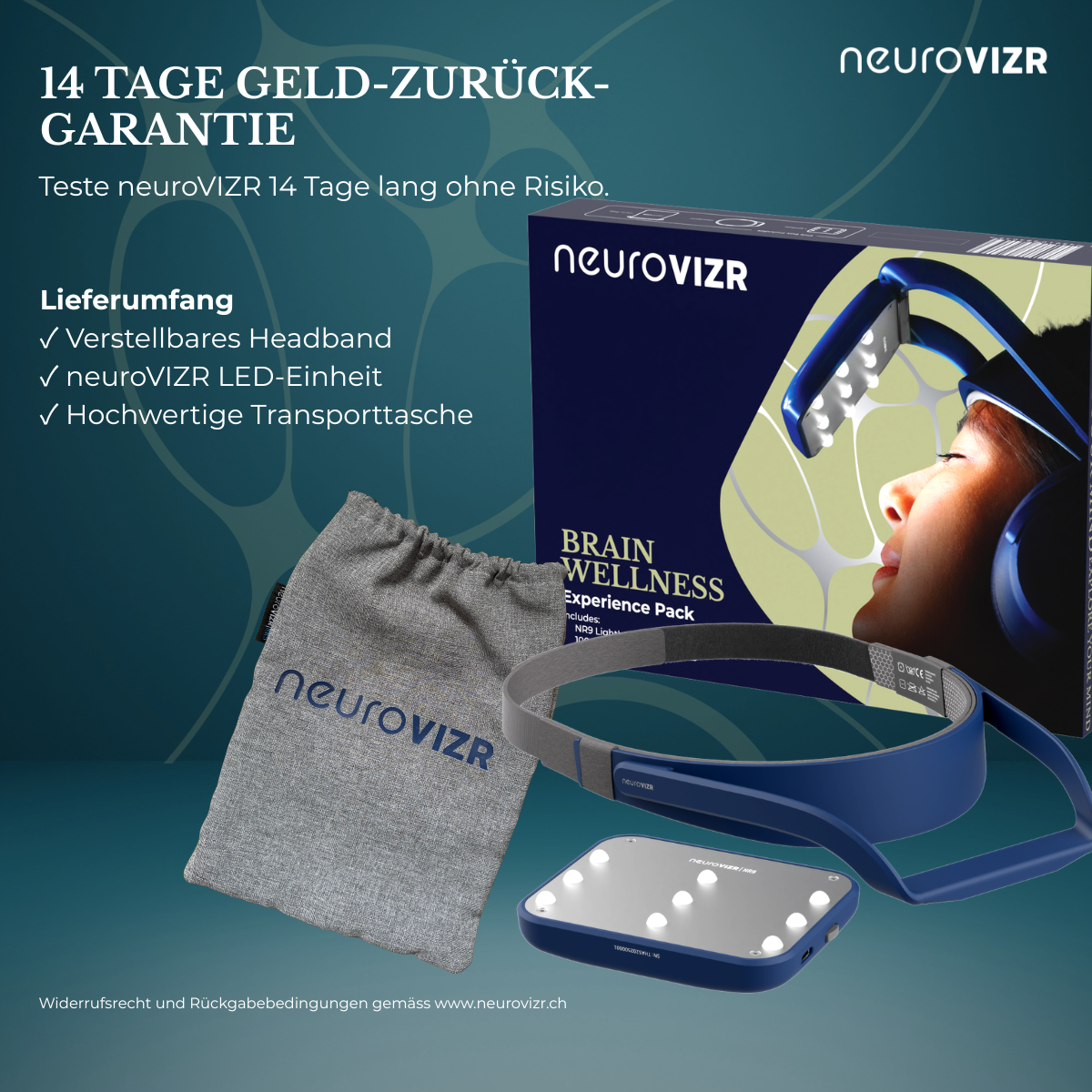
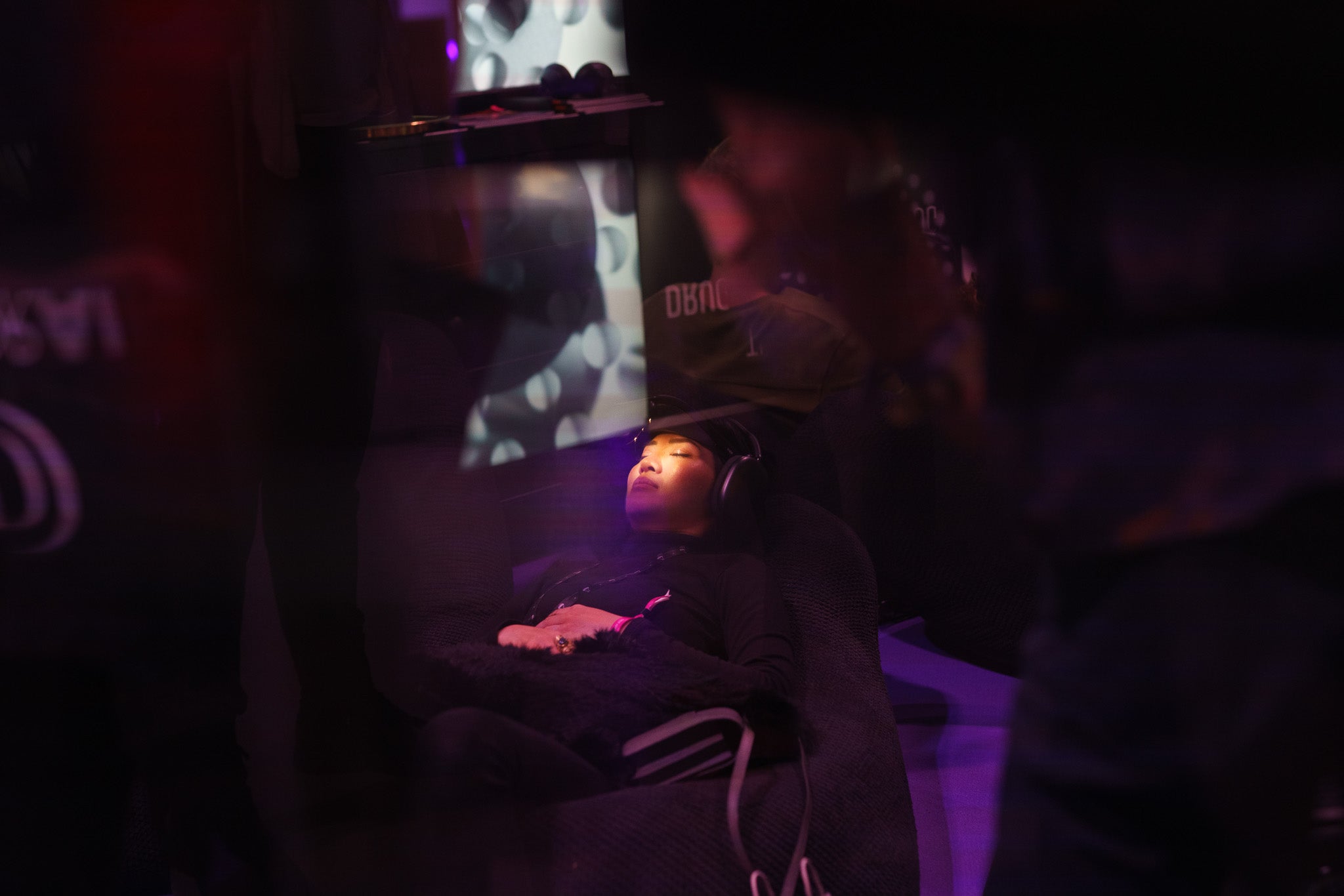
Devices like neuroVIZR use rhythmic light and sound patterns to create immersive sensory experiences.
Rather than aiming to control or change the mind directly, they are designed to:
-
Encourage moments of stillness
-
Support relaxation-focused routines
-
Provide structured sensory environments
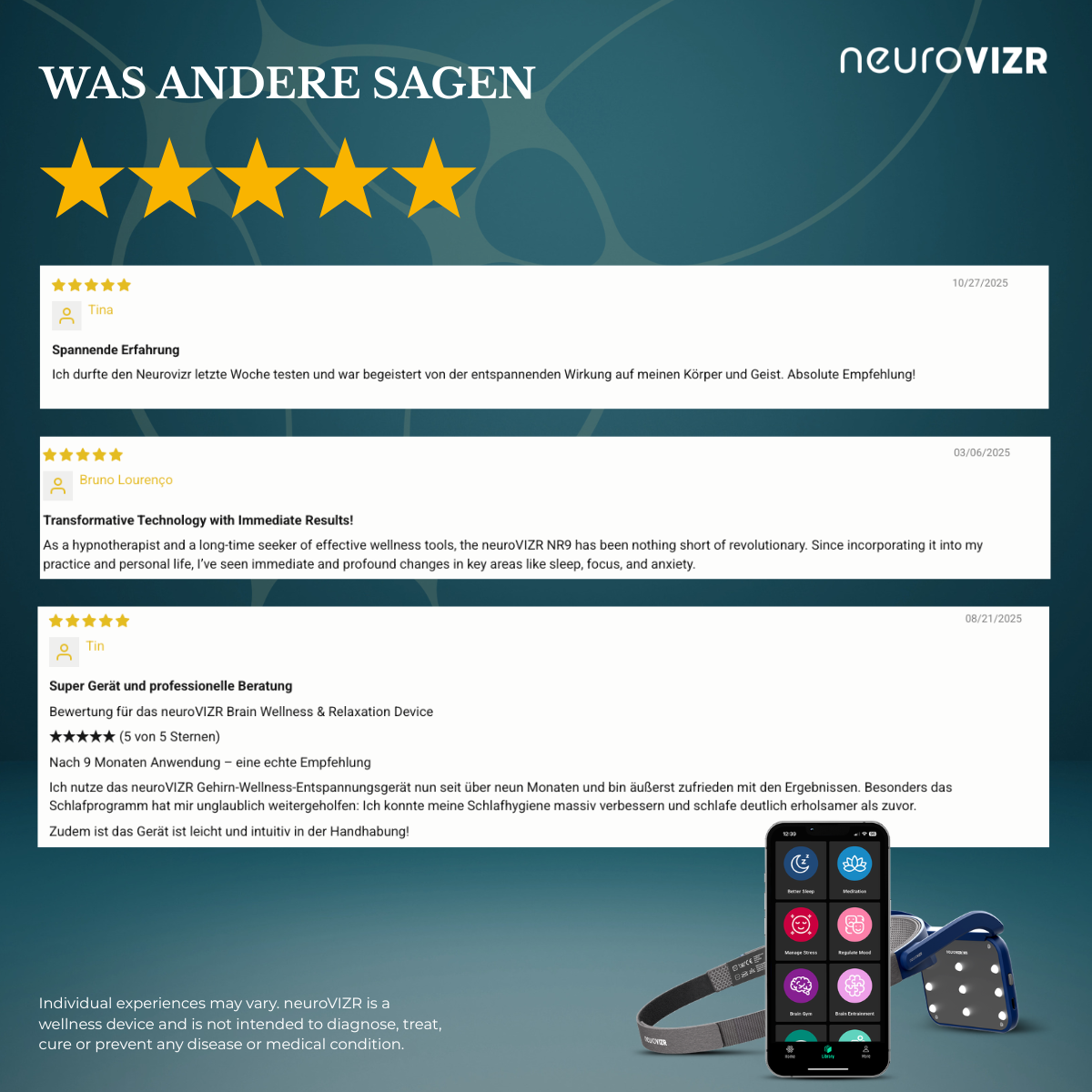
Many users describe experiences such as:
-
Reduced mental noise
-
A sense of quiet focus
-
Feeling more present and grounded
These sessions are not about forcing relaxation, but about creating space for it to happen naturally.
Building a More Balanced Daily Rhythm
Chronic stress often develops over time and so does recovery.
Simple practices that may support balance include:
-
Creating consistent relaxation routines
-
Spending time in calming sensory environments
-
Reducing pressure to “fix” stress instantly
-
Allowing moments of pause throughout the day
Small, consistent changes can help create a more supportive rhythm for overall wellbeing.
Shifting Your Relationship With Stress
When you begin to see stress as a pattern rather than a problem, something changes.
You may start to:
-
Let go of self-judgment
-
Focus more on supportive habits
-
Approach relaxation with patience
Stress becomes something you can respond to, rather than something that defines you.
A Grounded Takeaway
Chronic stress is a common part of modern life.
It often reflects how the mind and body adapt to ongoing demands.
The key is not to force calm but to create conditions where calm can emerge naturally.
Wellness tools, relaxation routines, and sensory experiences can all play a role in supporting this process helping you move toward greater clarity, balance, and ease over time.
FAQs
What is chronic stress in simple terms?
Chronic stress is a long-term state where the body and mind remain in a pattern of ongoing alertness. Even when things seem calm, it may feel difficult to fully relax or unwind.
How is chronic stress different from normal stress?
Normal stress is temporary and usually fades after a situation passes. Chronic stress tends to last longer, making it harder to return to a relaxed and balanced state.
Why do I feel tired but unable to relax?
This can happen when the body feels physically tired, but the mind remains active. It’s often described as a “tired but wired” feeling, where switching off becomes difficult.
Can relaxation routines help with chronic stress?
Yes, consistent relaxation routines such as mindfulness, sensory experiences, or calming environments may help support a greater sense of balance and calm over time.
How do light and sound experiences support relaxation?
Structured light and sound patterns can create immersive sensory environments that may help individuals step away from daily stimulation and experience moments of calm and focus.








Share:
Can Technology Support Stress Relief Naturally?
How Long on a Treadmill for a Stress Test? Duration, Process & What to Expect