

Disclaimer
This content is for informational purposes only and does not constitute medical advice. neuroVIZR is a wellness tool, not a medical device or treatment. For diagnosis or ongoing symptoms, please consult a qualified healthcare professional.
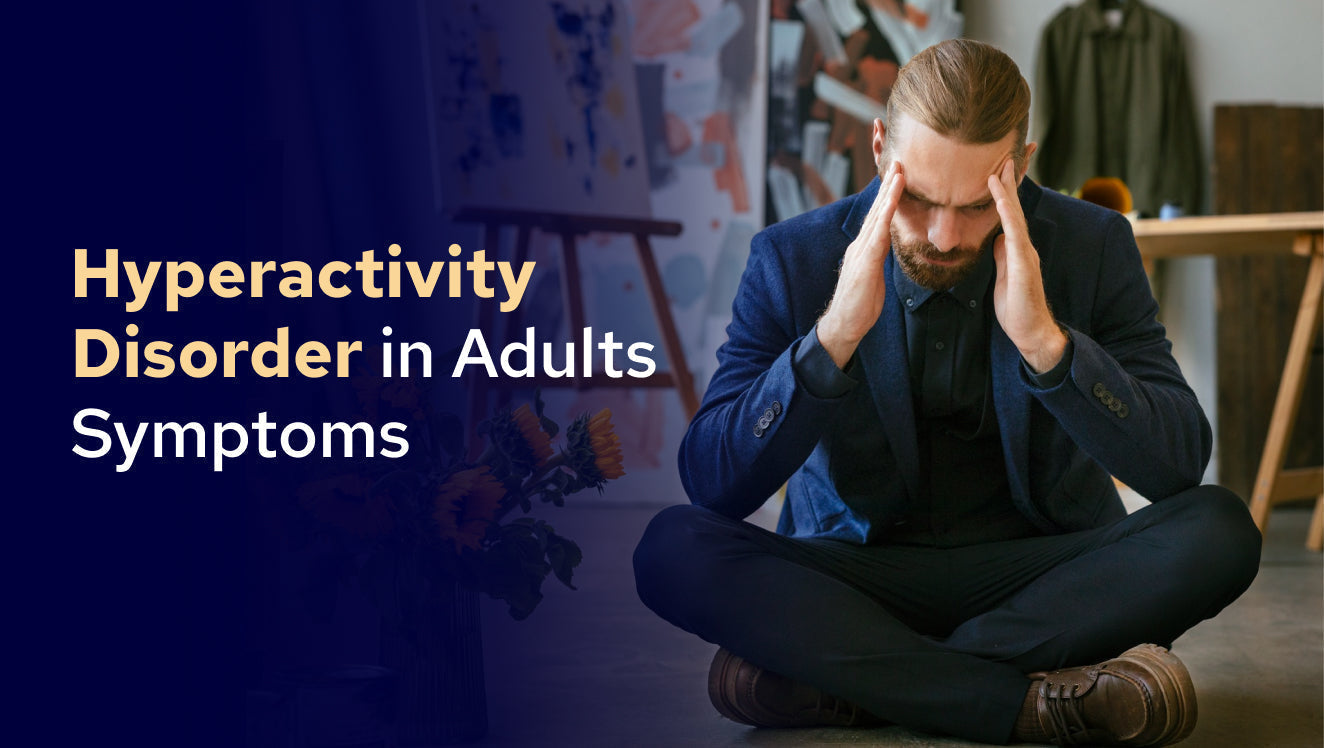
When your mind feels like it’s always “on” fast, busy, and hard to slow down—you might wonder what’s really going on. Is it stress, overthinking, or simply a busy lifestyle?
Many adults experience patterns like constant mental activity, difficulty focusing, or feeling overwhelmed. These experiences are often subtle and internal, making them easy to overlook or misunderstand.
What Does Hyperactivity Look Like in Adults?
Hyperactivity in adults is not always visible. Unlike childhood behaviors, it often shows up as mental restlessness rather than physical movement.
You may appear calm on the outside, while internally, your thoughts feel fast-paced and difficult to manage.
Common External Signs
Some observable patterns may include:
-
Difficulty completing tasks
-
Speaking quickly or interrupting conversations
-
Managing multiple thoughts or tasks at once
-
Making quick or impulsive decisions
-
Intense focus on certain interests
-
A general sense of restlessness
Common Internal Experiences
Many adults describe a more internal set of experiences:
-
A feeling of mental overload
-
Racing or repetitive thoughts
-
Difficulty organizing ideas or priorities
-
Emotional ups and downs
-
Avoiding tasks that feel overwhelming
-
Physical tension or restless energy
Beyond Labels: Understanding Attention and Emotions
Attention challenges are often more complex than a single label. They can be influenced by:
-
Daily stress levels
-
Emotional patterns
-
Lifestyle habits
-
Personal routines
Rather than being one-dimensional, these experiences are often connected to how individuals manage focus, emotions, and daily demands.
How Sensory Experiences May Support Relaxation
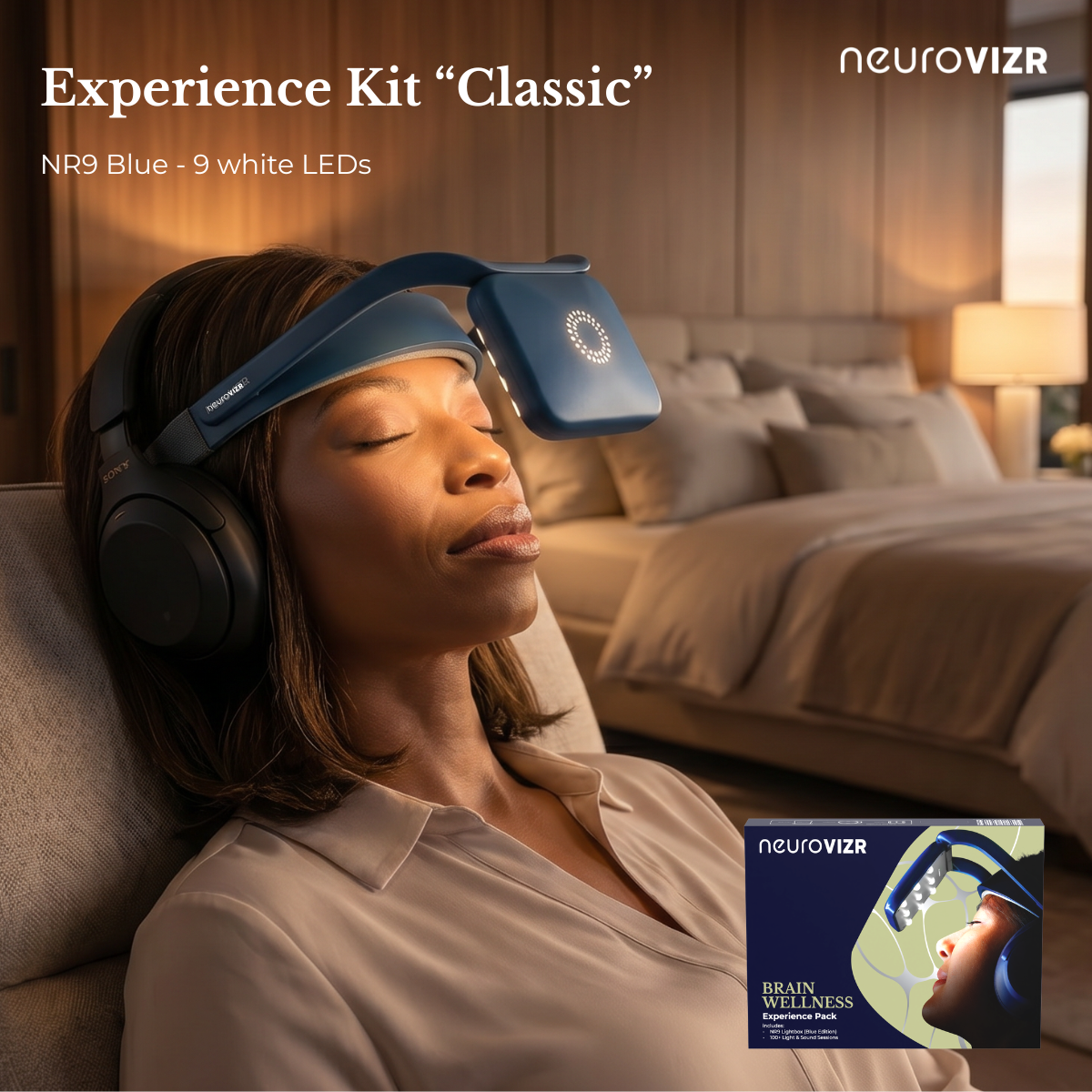
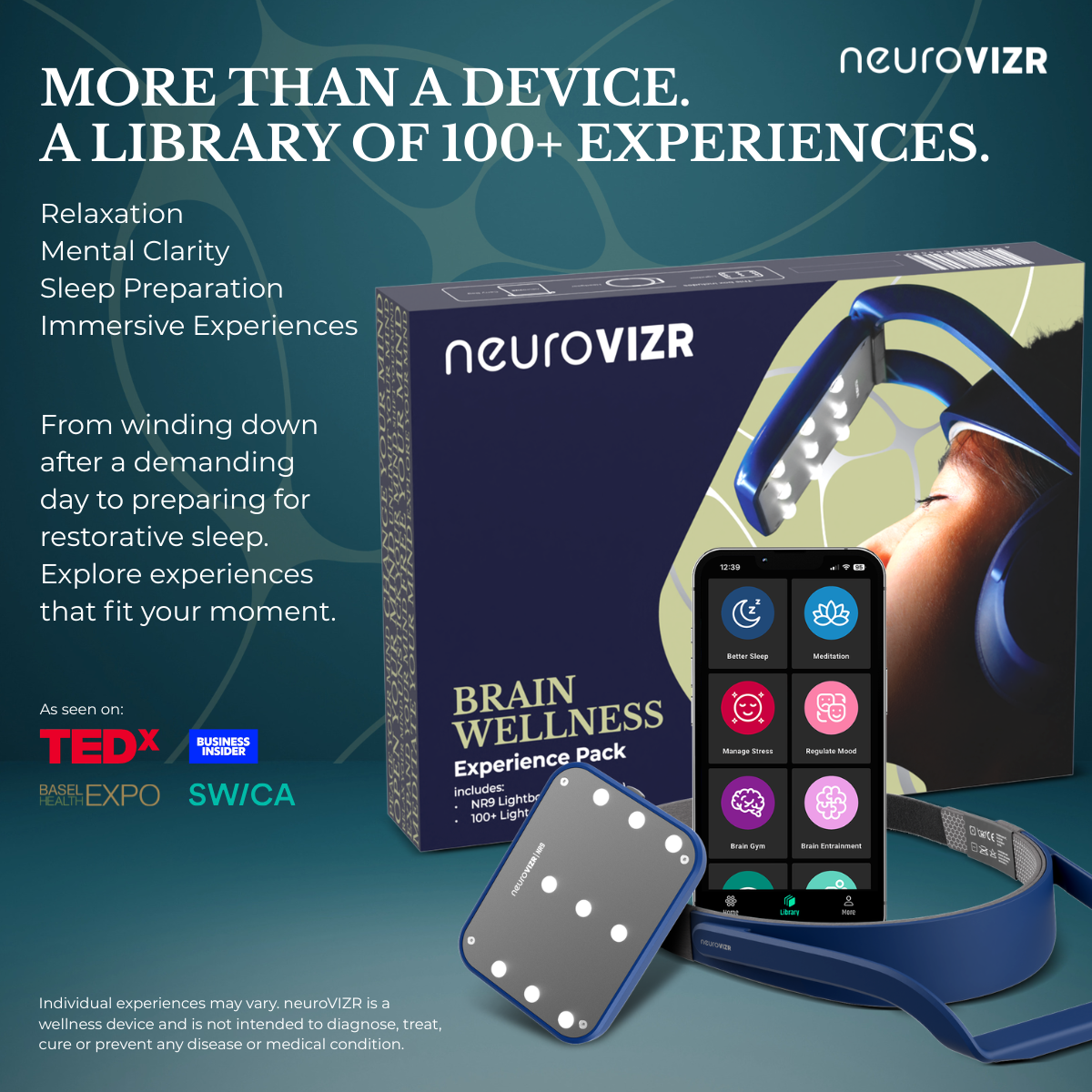
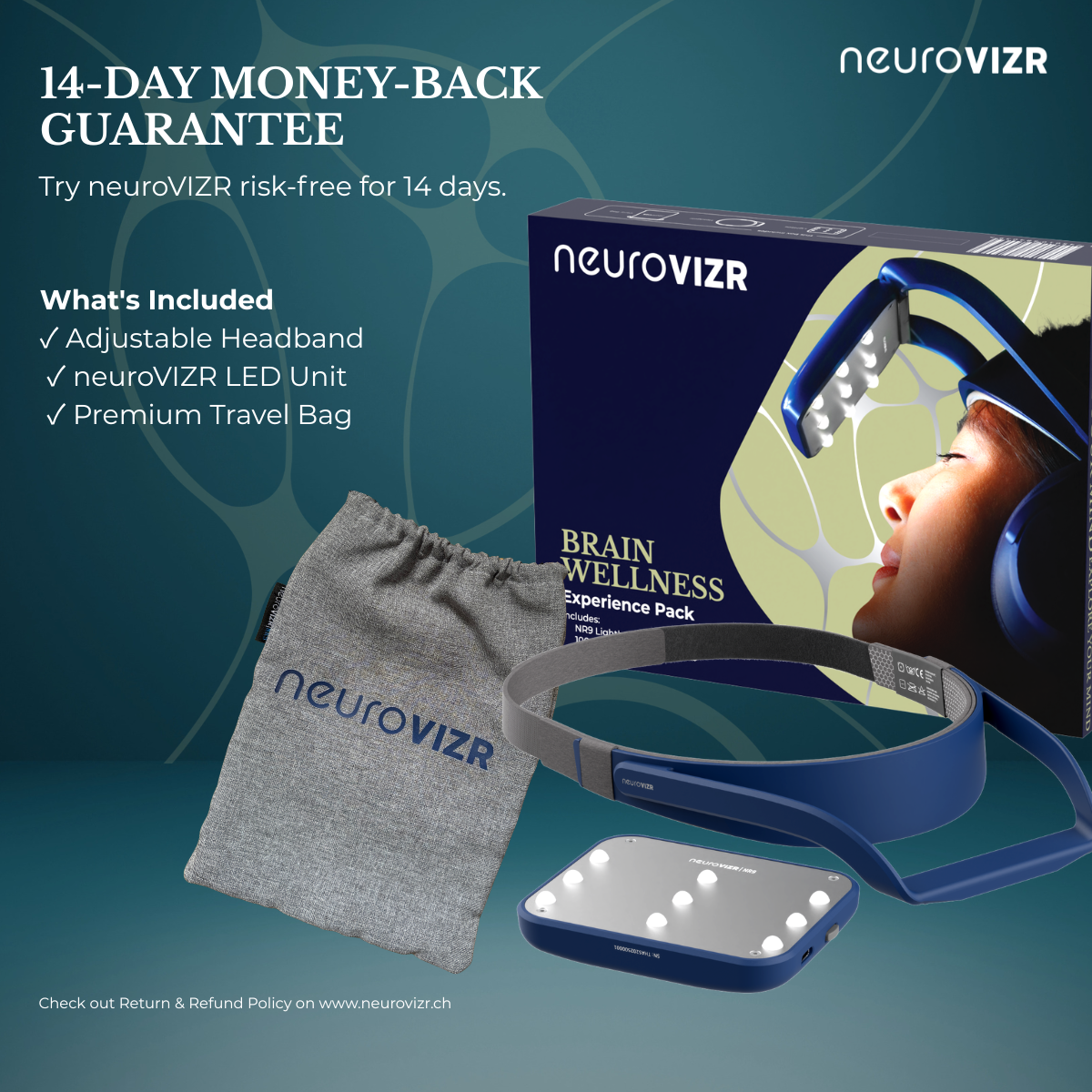
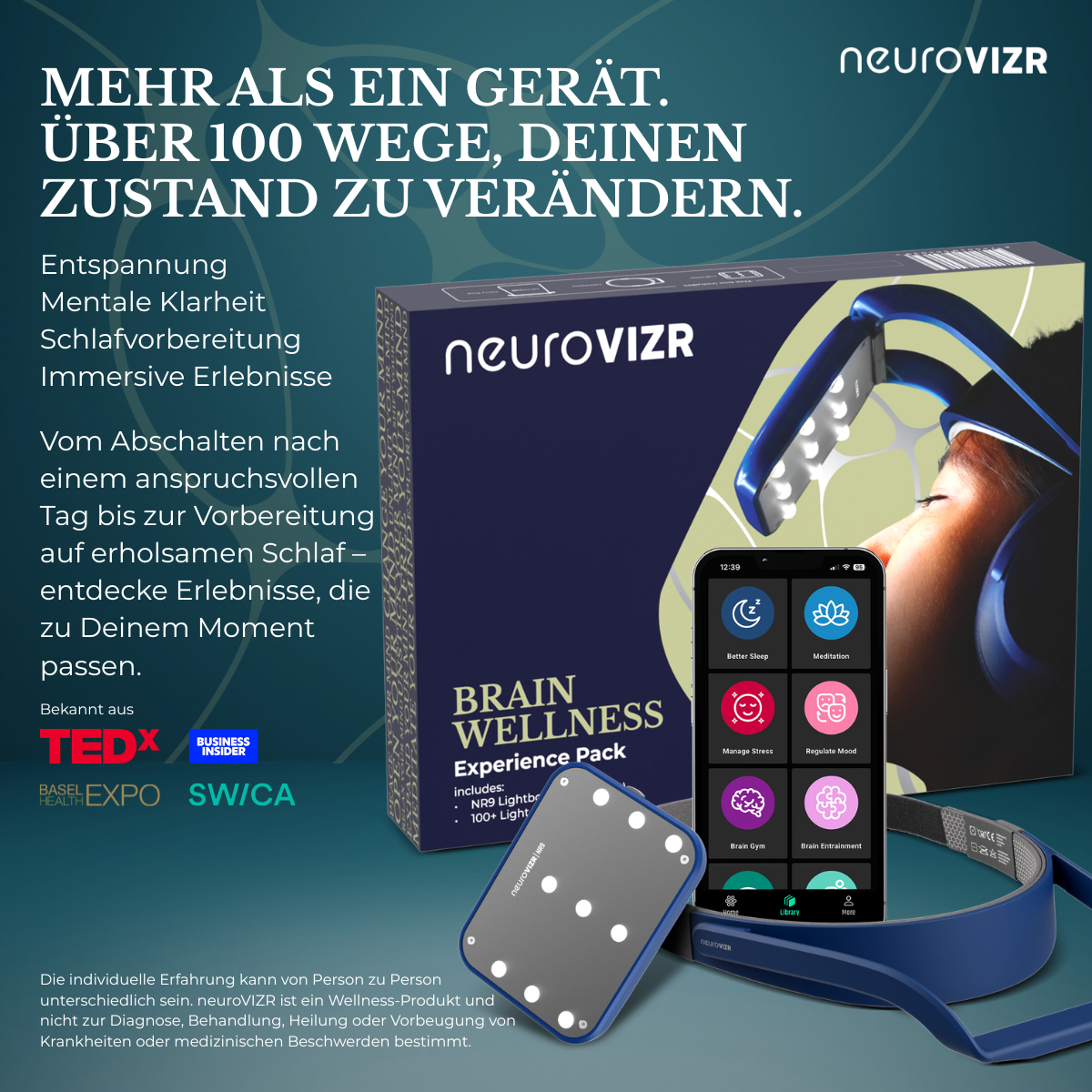
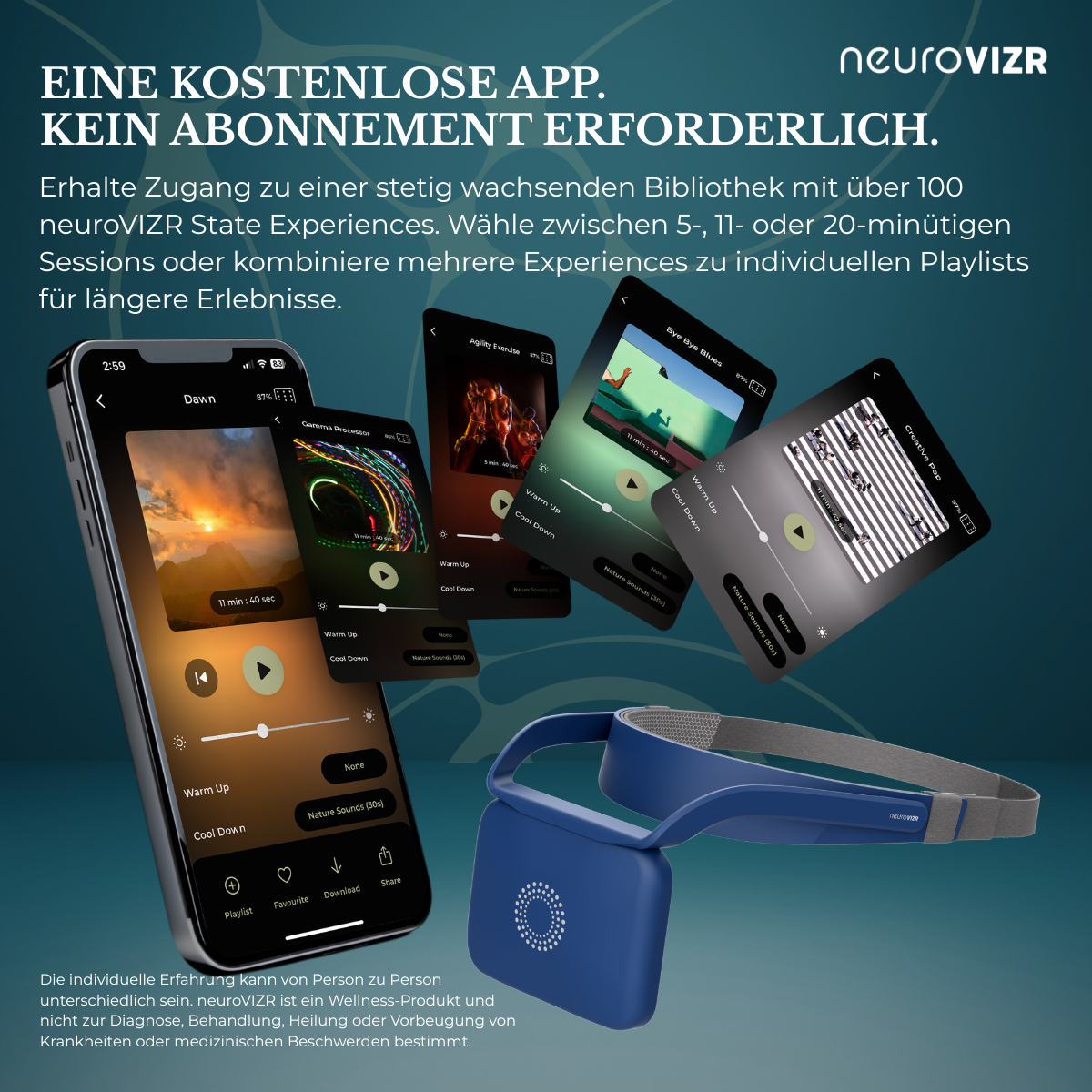
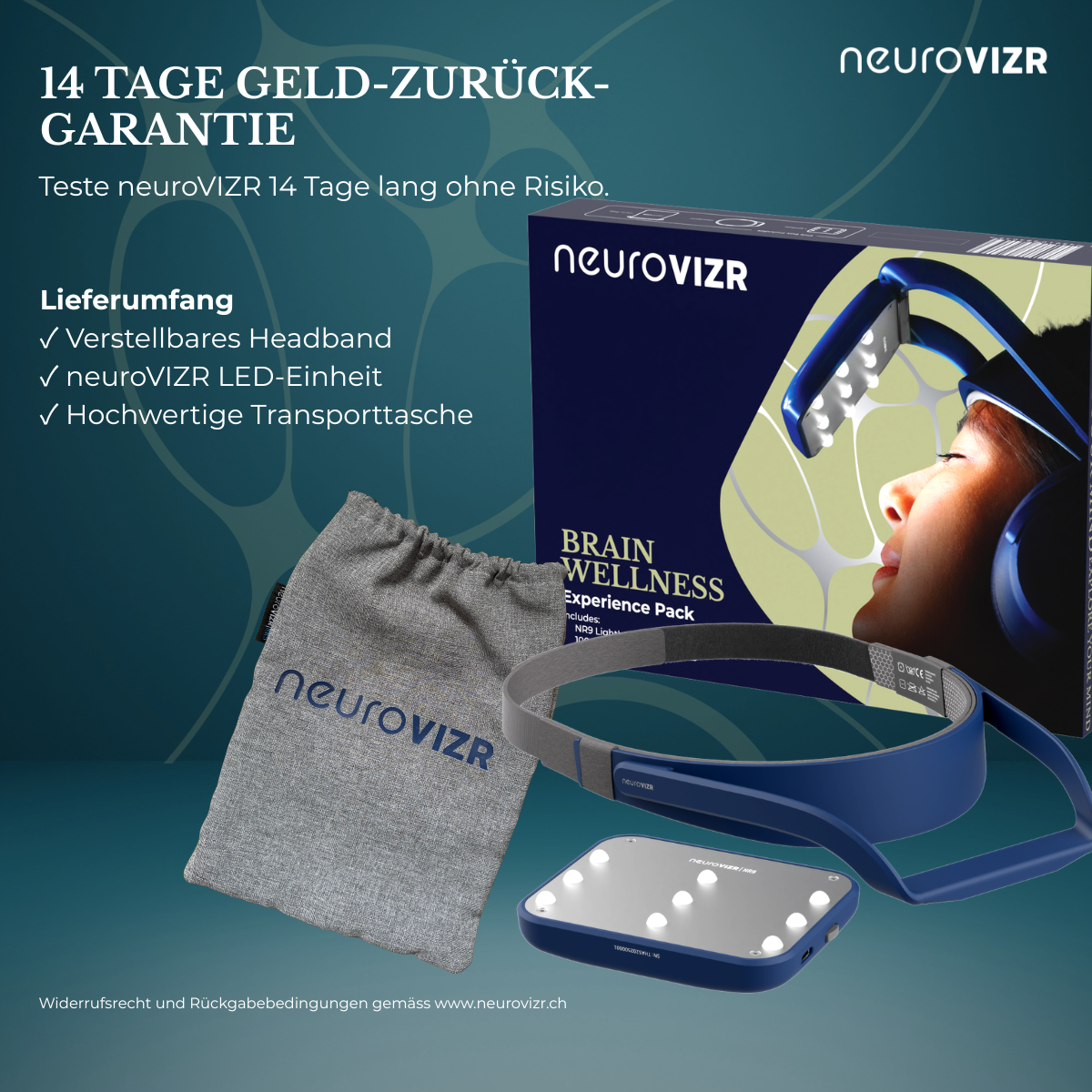
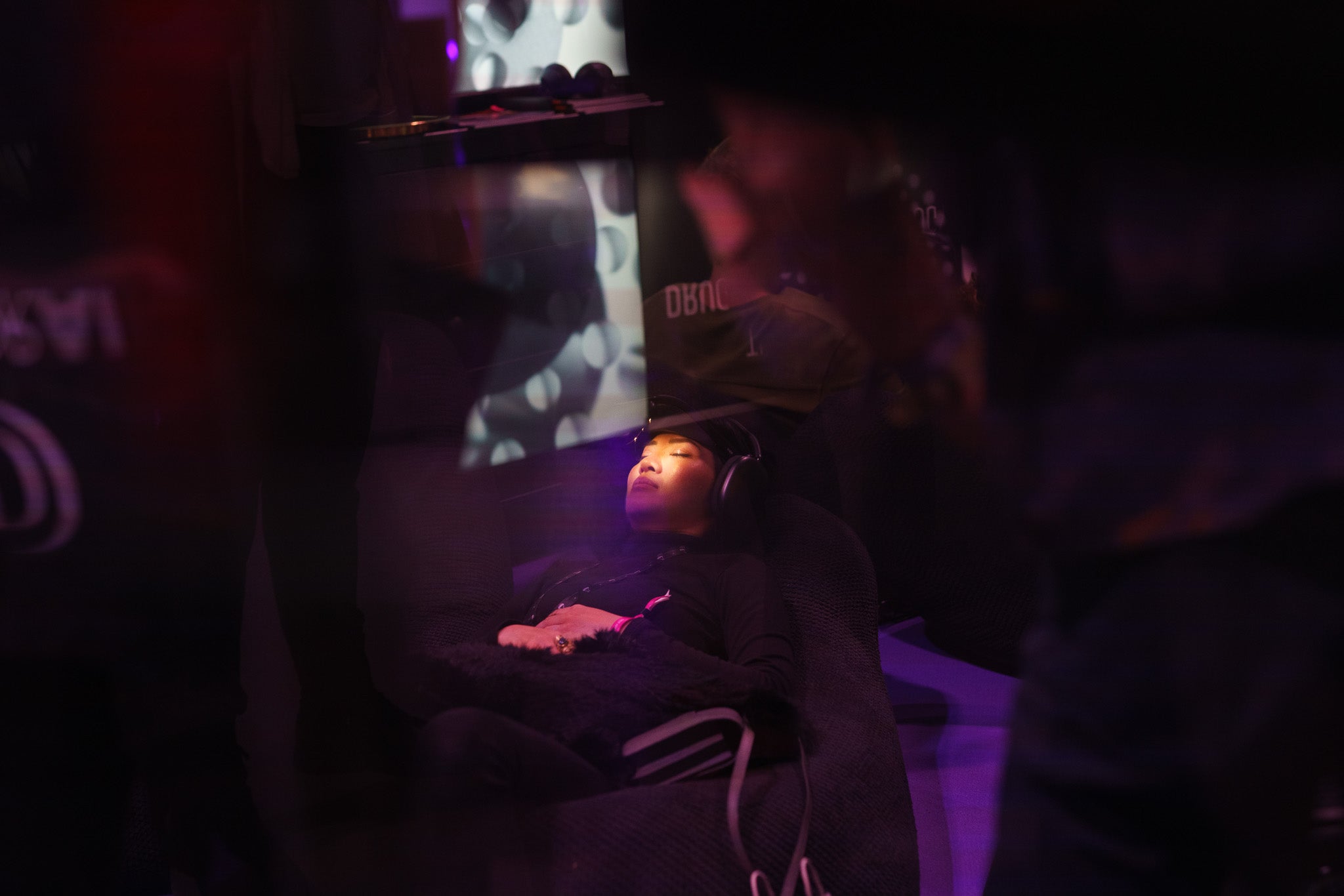
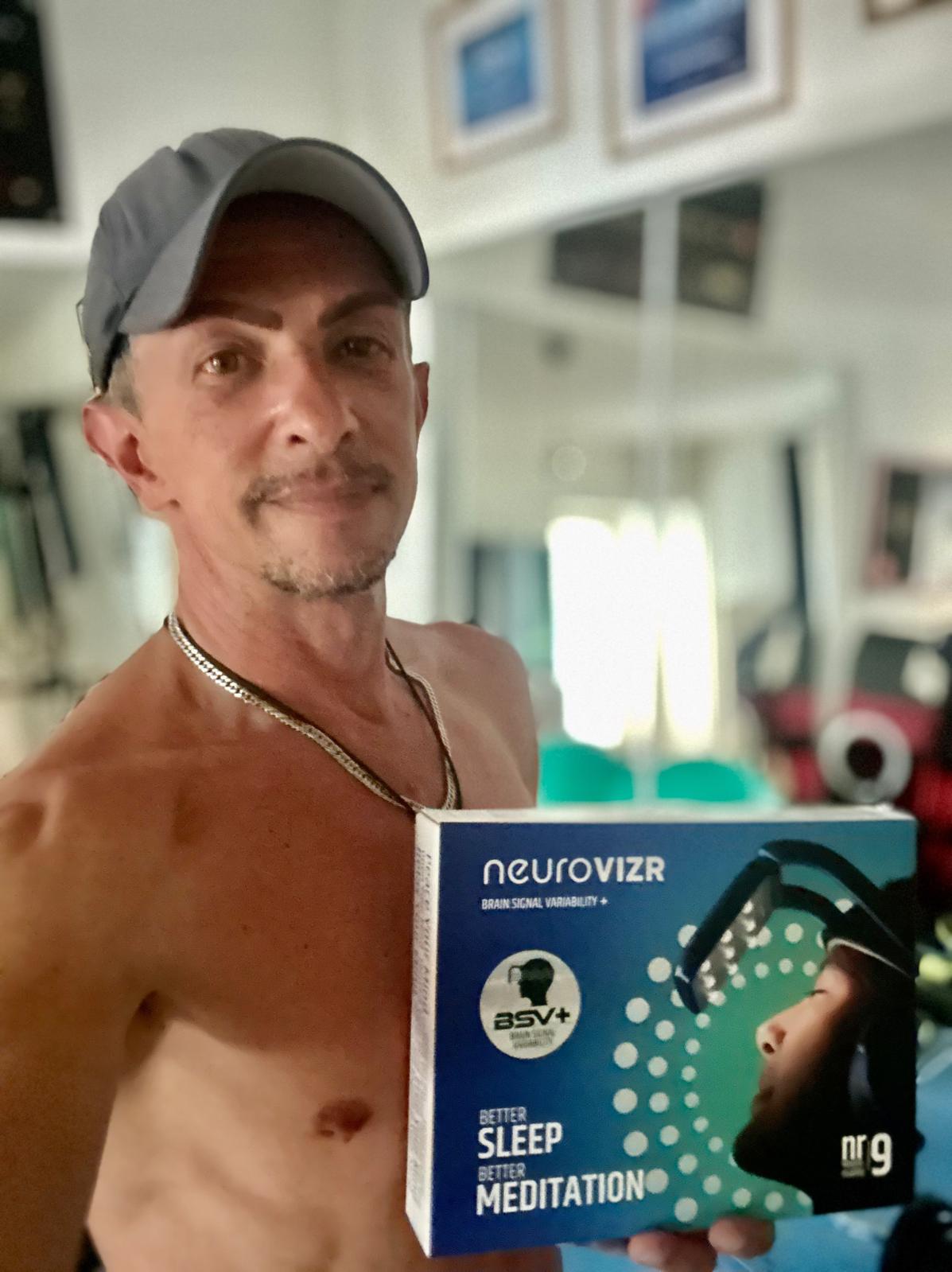
Wellness tools that use rhythmic light and sound patterns, such as neuroVIZR, are designed to create immersive sensory environments.
These experiences are often associated with:
-
Moments of calm
-
Relaxation routines
-
Focused attention
-
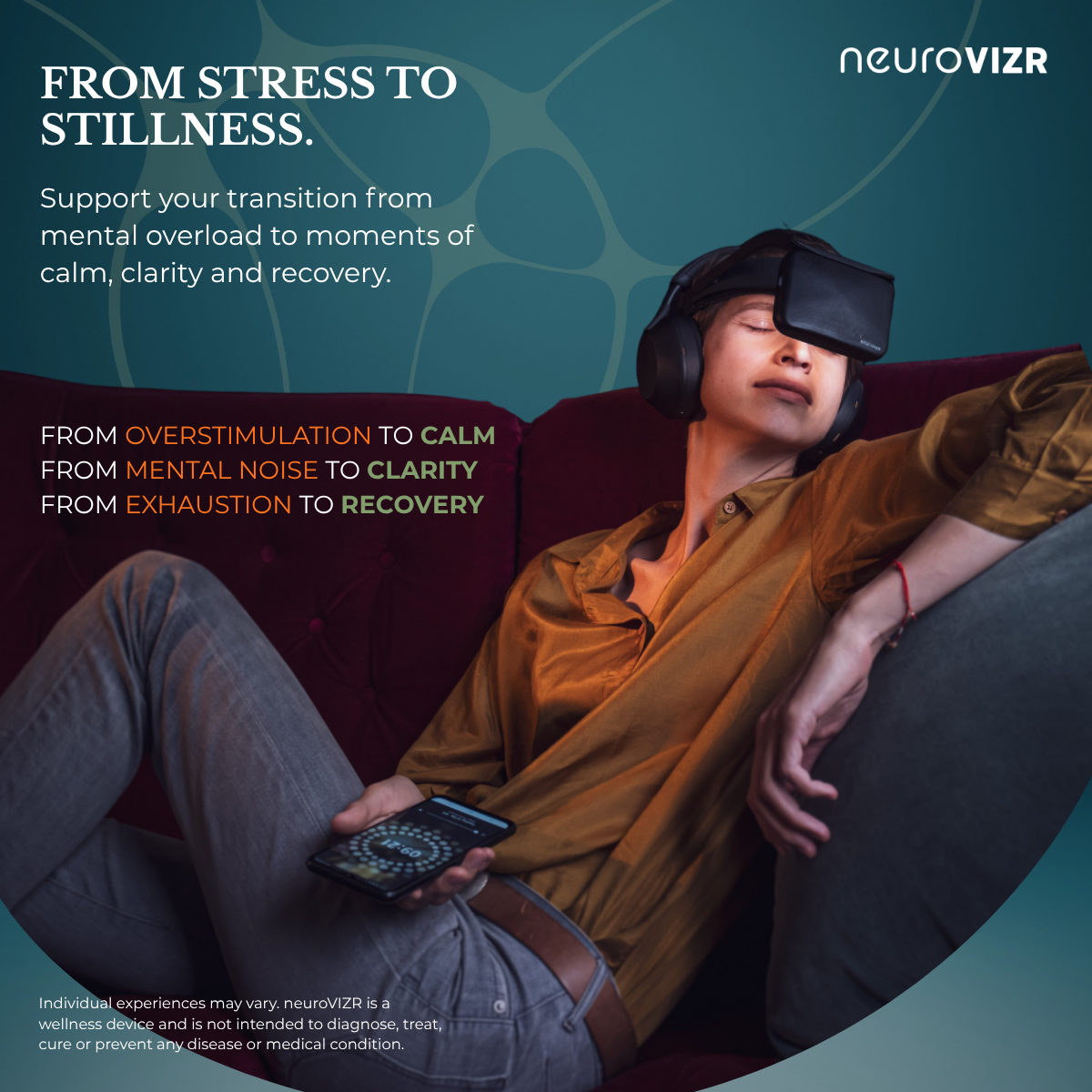
A break from daily overstimulation
Instead of directing the brain to act in a specific way, such tools are designed to support relaxation and mental clarity as part of a broader wellness routine.
They can be used alongside practices like:
-
Mindfulness sessions
-
Movement or exercise
-
Daily relaxation habits
-
Personal downtime
Key Takeaways
-
Hyperactivity in adults is often internal and not always visible
-
Mental restlessness can feel like constant thinking or overload
-
Attention and emotional patterns are closely connected
-
Relaxation routines and sensory experiences may support calm
-
Small daily habits can make a meaningful difference
Conclusion
Hyperactivity in adults is not always loud or easy to recognize. It often exists quietly as a fast-moving, busy mind. By understanding these patterns with awareness and balance, individuals can begin to build routines that support calm and clarity.
Wellness tools like neuroVIZR, along with mindful daily habits, may offer supportive ways to pause, reset, and reconnect with a more relaxed state of mind.
Frequently Asked Questions (FAQ)
What are the common symptoms of hyperactivity in adults?
Common symptoms include difficulty focusing, racing thoughts, restlessness, and challenges in completing tasks or organizing priorities.
Is hyperactivity in adults always visible?
No, it is often internal. Many adults experience fast-paced thinking and mental overload without showing physical signs.
Can lifestyle changes help manage these experiences?
Daily routines such as mindfulness, structured schedules, and relaxation practices may help create a greater sense of balance.
How can sensory experiences support relaxation?
Sensory light and sound experiences can create calming environments that may help individuals step away from overstimulation and enjoy moments of calm.







Share:
Can Technology Support Stress Relief Naturally?
How Long on a Treadmill for a Stress Test? Duration, Process & What to Expect