
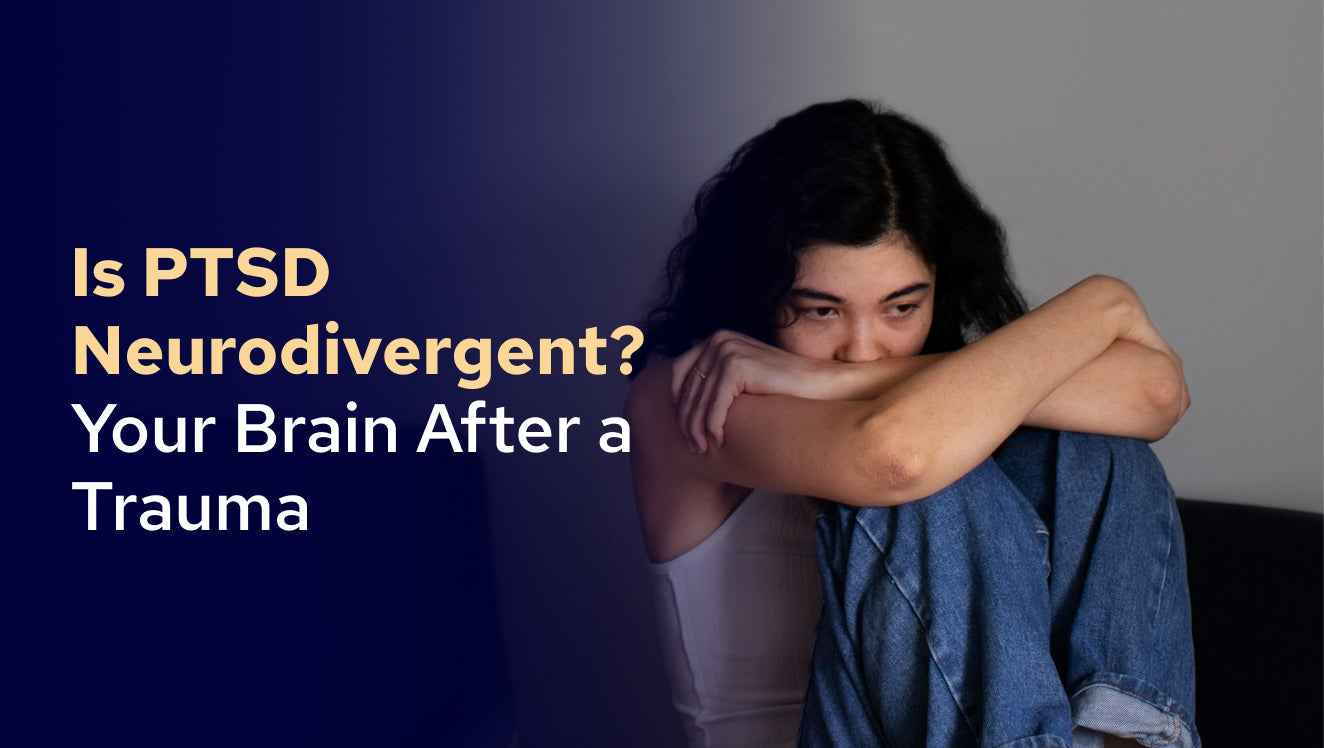
Is PTSD Neurodivergent Your Brain After a Trauma
  • Written by Gourav Rathore

Disclaimer

This content is for informational purposes only and does not constitute medical advice. If you are experiencing emotional distress or believe you may have symptoms related to trauma, please consult a qualified healthcare professional.

The way we describe our minds shapes how we understand our experiences.

In recent years, the term neurodivergent has gained attention as a way to describe natural differences in how people think, feel, and process the world. It often includes conditions such as autism, ADHD, or dyslexia—focusing on variation rather than limitation.

But where does trauma fit into this conversation?

Many people who have experienced trauma notice changes in how they respond to stress, memory, or emotions. This raises an important question: Is PTSD considered neurodivergent?

The answer is not straightforward but it can be understood with clarity and compassion.

Is PTSD a Form of Neurodivergence?

PTSD is generally understood as a response to overwhelming experiences, rather than a natural variation in brain development.

While neurodivergence typically refers to lifelong differences in how the brain is wired, trauma-related responses are often shaped by specific life events.

However, both involve changes in perception, emotional processing, and daily experiences so it’s natural to see some overlap in how they are discussed.

Understanding the Brain After Trauma

After a distressing experience, the brain may respond in ways that prioritize safety and awareness.

Some commonly discussed patterns include:

  • Heightened alertness
     A person may feel more aware of their surroundings, even in safe situations.

  • Changes in memory processing
     Certain memories may feel fragmented or difficult to place in context.

  • Difficulty relaxing or feeling at ease
     The mind and body may stay in a state of tension or readiness.

These responses are not signs of something being “broken.”
They are often understood as the brain’s way of adapting and protecting.

A Different Perspective: Adaptation, Not Damage

Instead of viewing trauma responses as dysfunction, many people find it helpful to see them as protective patterns.

The brain is constantly learning from experiences.
When it encounters overwhelming situations, it may develop ways to stay alert and prepared.

Over time, these patterns can feel exhausting but they also reflect the brain’s ability to adapt.

Moving Forward: Supporting Calm and Balance

Recovery is often described as a gradual process of reconnecting with a sense of safety and ease.

Rather than forcing change, many approaches focus on creating supportive and calming experiences.

Simple Practices That May Help

  • Grounding in the present moment
     Paying attention to breath, movement, or surroundings can support awareness.

  • Creating calming routines
     Gentle daily habits can help bring consistency and comfort.

  • Using sensory experiences
     Soft light, sound, or relaxing environments may help create moments of calm.

  • Practicing self-awareness
    Approaching your experiences with curiosity instead of judgment can support emotional balance.

The Role of Sensory Relaxation Tools

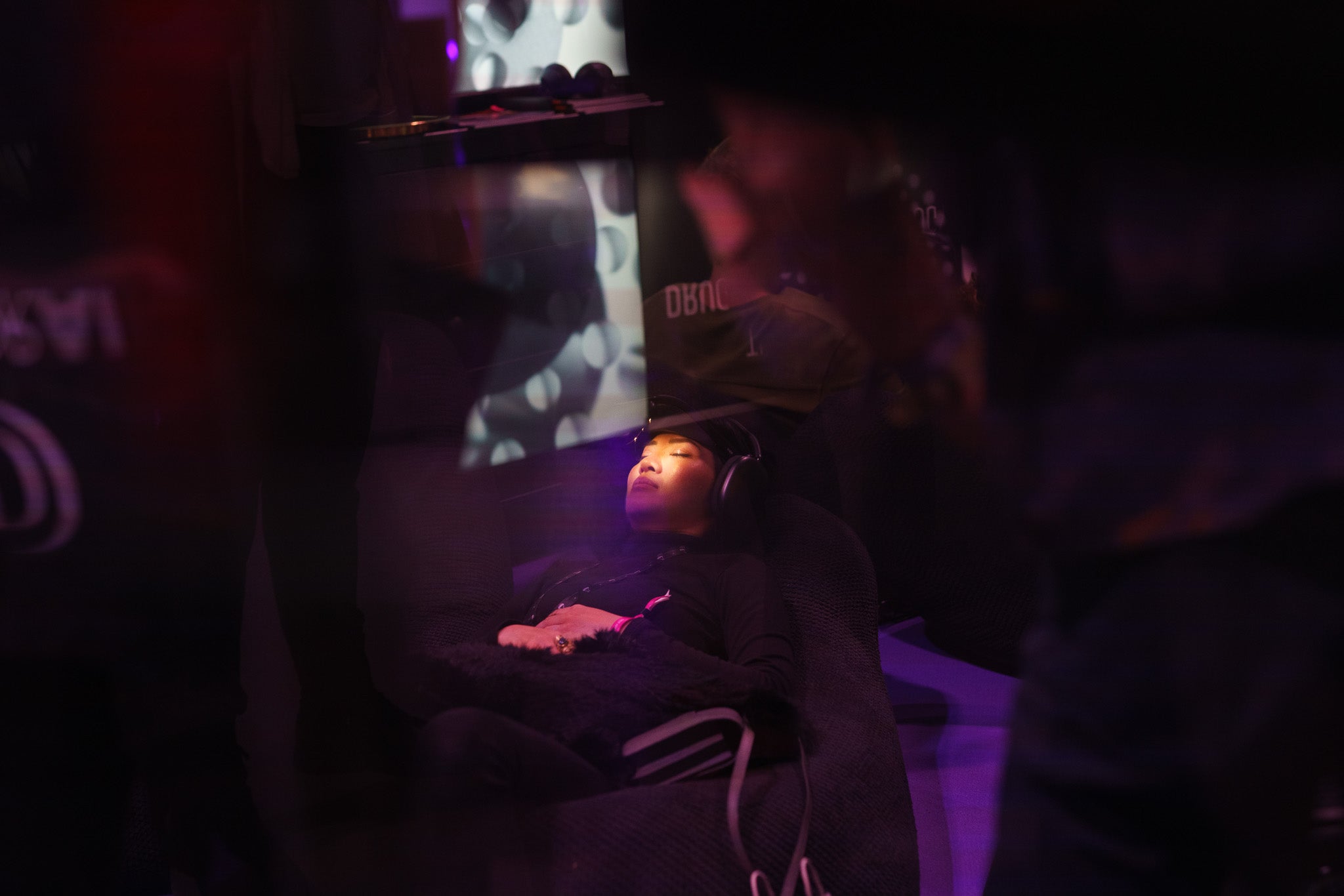
Some people explore sensory light and sound experiences as part of their relaxation routines.

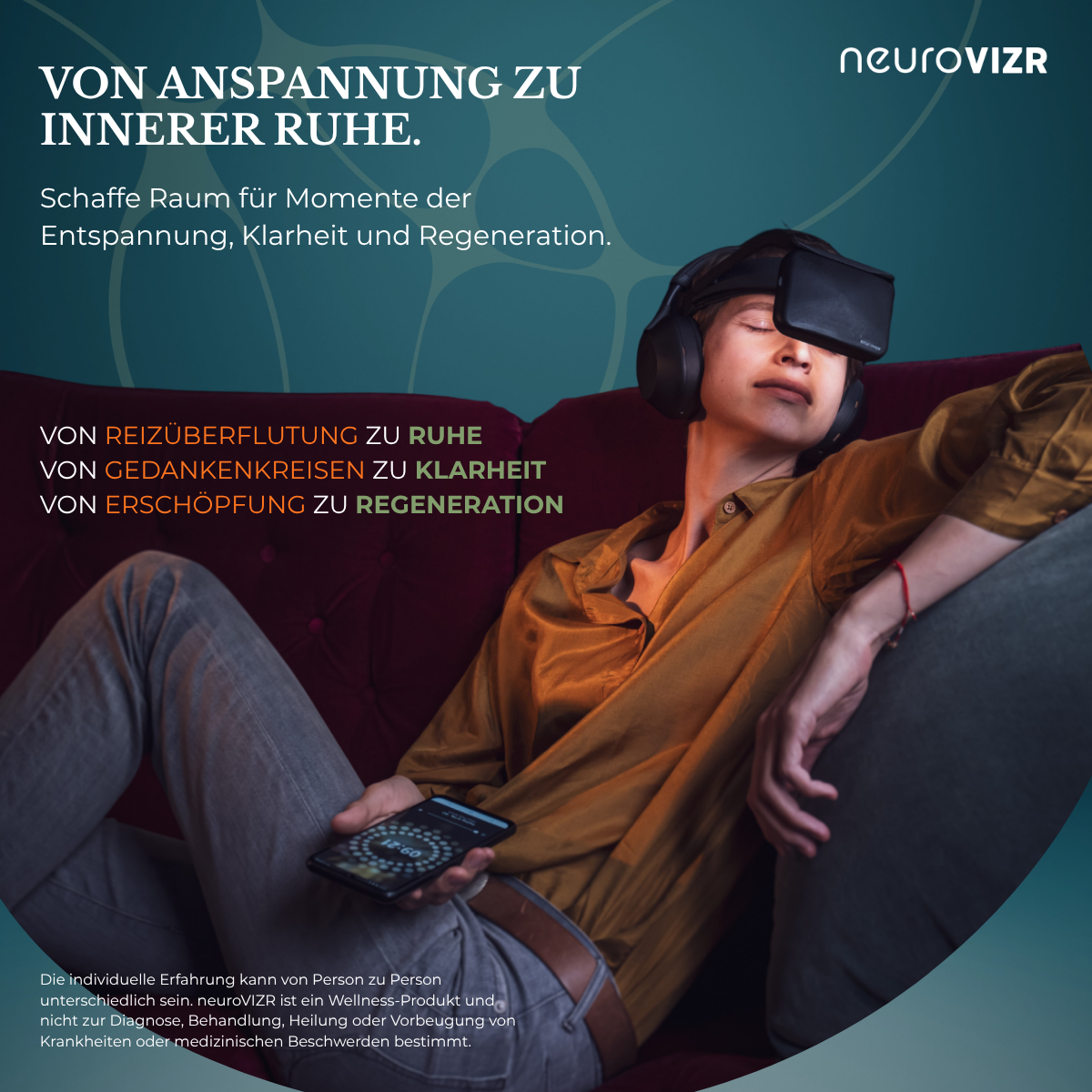
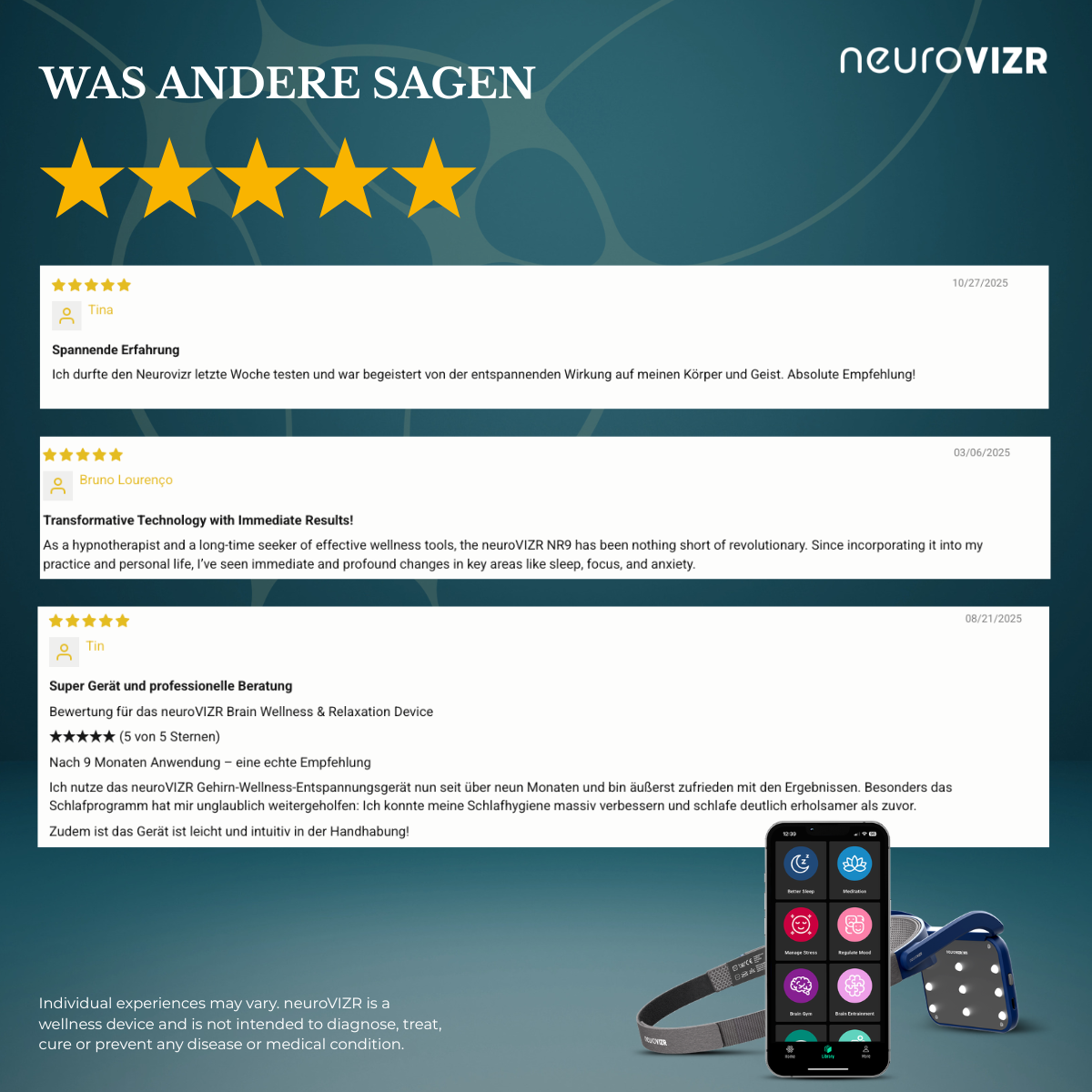
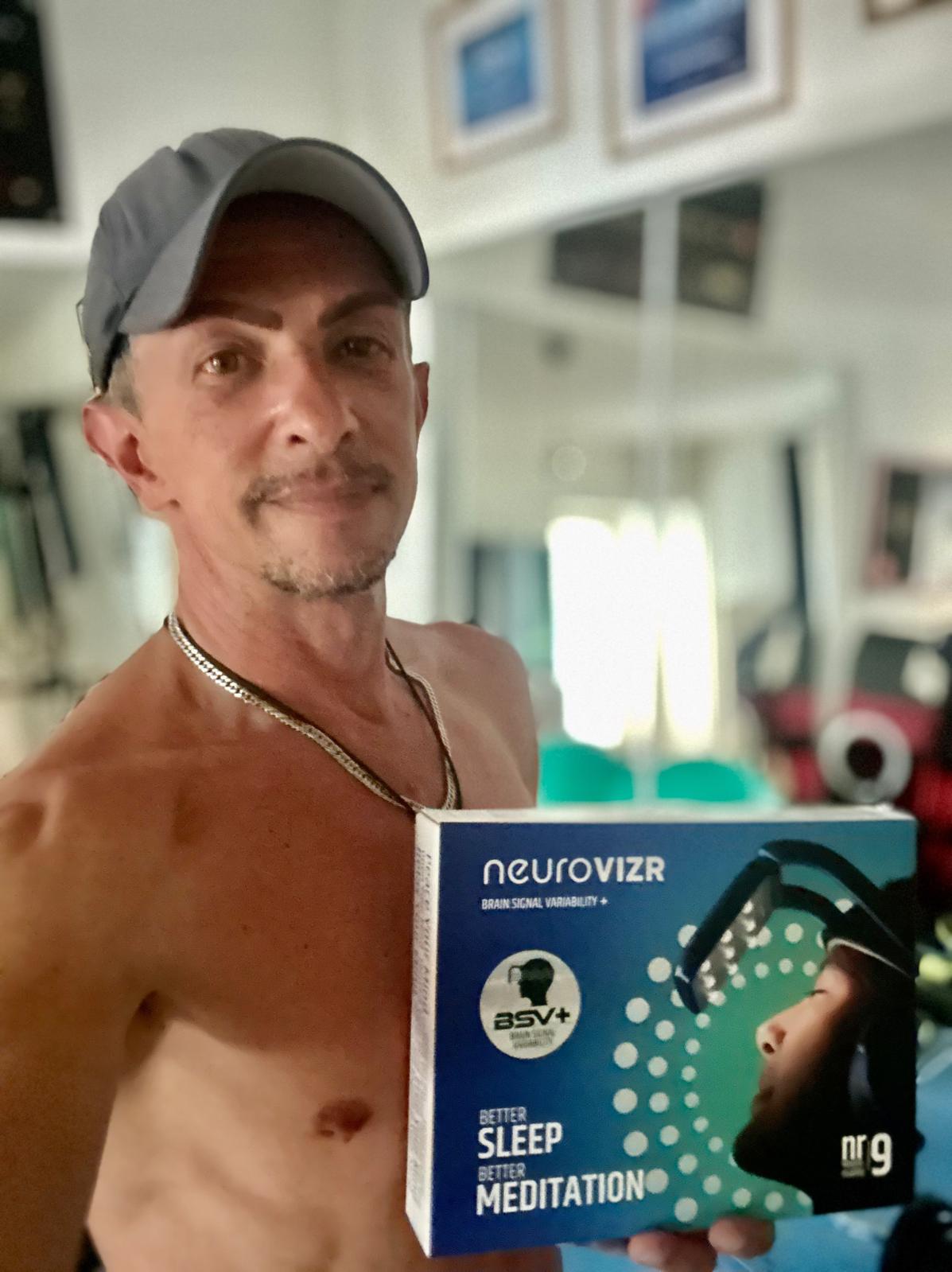
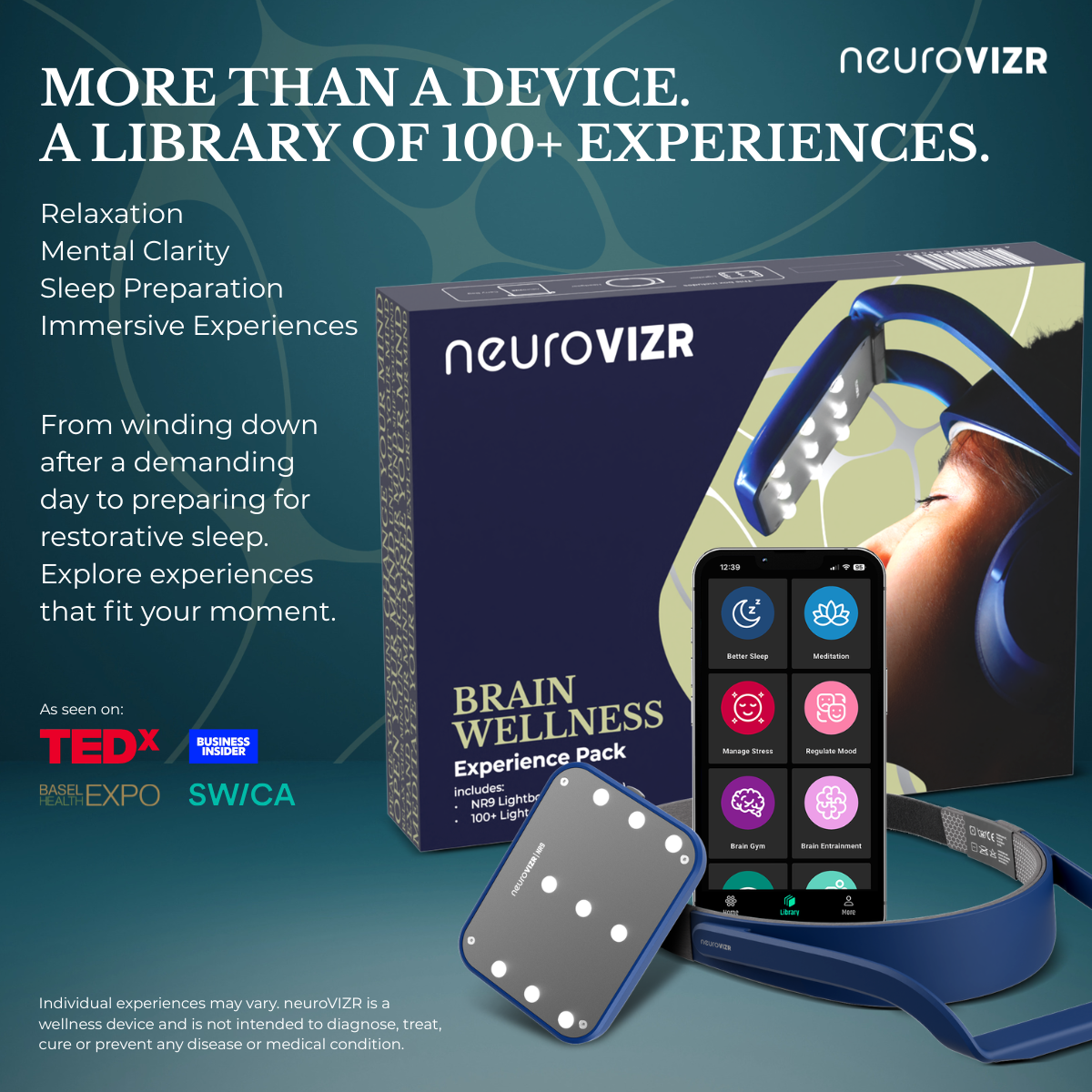
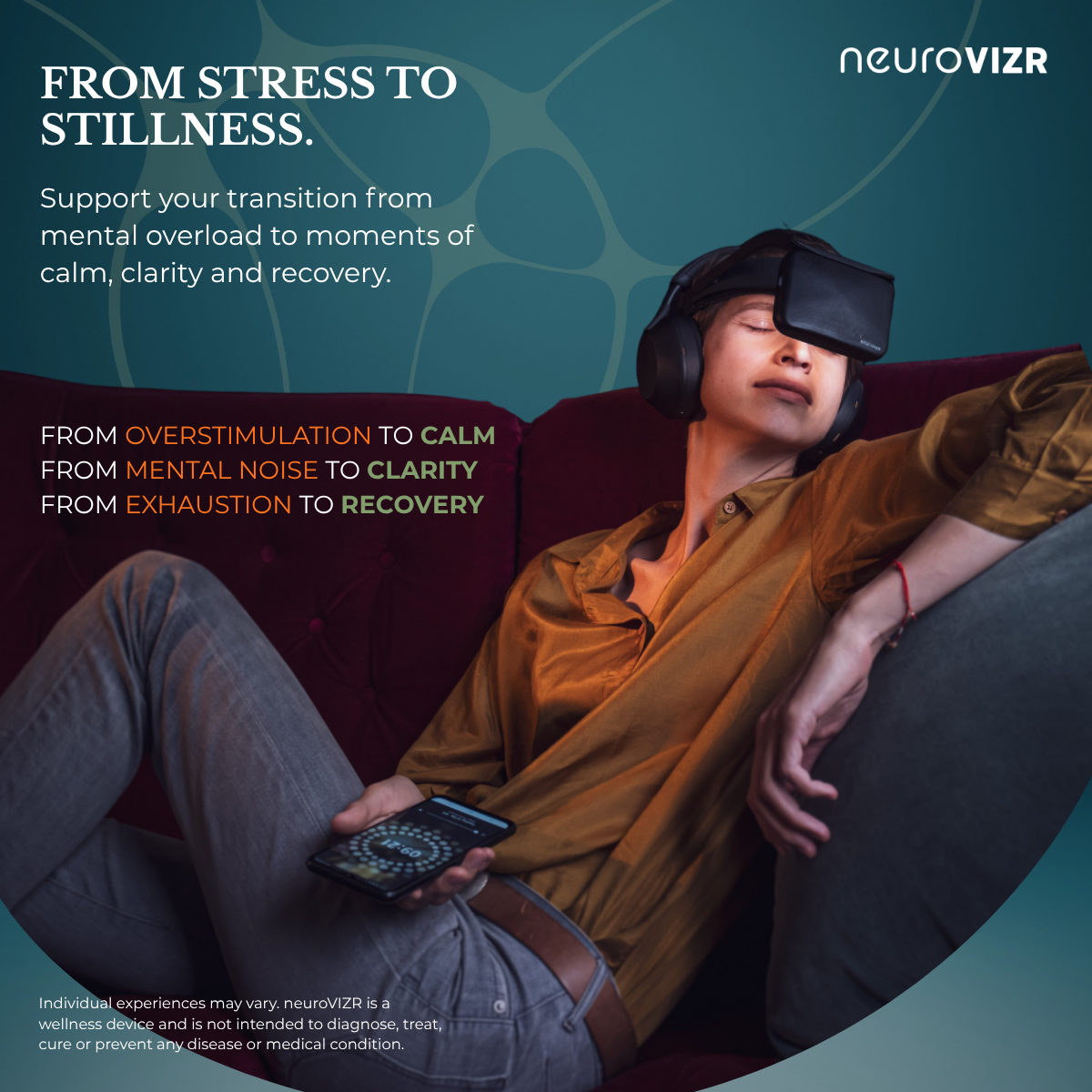
Devices such as neuroVIZR use rhythmic light and sound patterns to create immersive environments that are often associated with calm and focused attention.

These tools are designed for wellness and relaxation, helping users step away from daily overstimulation and enjoy structured moments of rest.

From Understanding to Awareness

Shifting how we view trauma can change how we respond to it.

When experiences are seen through the lens of adaptation rather than limitation, it becomes easier to approach healing with patience and understanding.

Over time, many people describe feeling more present, more connected, and more at ease in their daily lives.

Key Takeaways

  • PTSD is generally understood as a response to overwhelming experiences, not a form of neurodivergence

  • Trauma can influence how the mind processes stress, memory, and emotions

  • These changes are often viewed as adaptive and protective responses

  • Relaxation routines and sensory experiences may support moments of calm and balance

  • Healing is often a gradual process focused on awareness, consistency, and self-understanding

Conclusion

PTSD may not fall under neurodivergence, but it highlights how adaptable and responsive the human mind can be.

With time, awareness, and supportive practices, many people find ways to reconnect with a sense of calm and presence.

Healing is not about fixing the mindit’s about understanding it, supporting it, and allowing space for balance to return.

FAQs

1. Is PTSD considered a neurodivergent condition?

PTSD is typically viewed as a response to life experiences rather than a natural variation in brain development. However, it can influence how a person perceives and interacts with the world.

2. How can trauma affect daily experiences?

Trauma may influence how someone responds to stress, processes memories, or feels in certain environments. These responses are often linked to the brain’s protective patterns.

3. Can the brain adapt after trauma?

The brain is capable of change over time. Many people find that supportive routines and calming experiences can help them feel more balanced.

4. What role do sensory relaxation tools play?

Sensory tools that use light and sound patterns can create structured relaxation experiences. They are designed to support calm and mindfulness as part of a wellness routine.

Disclaimer

This content is for informational purposes only and does not constitute medical advice. If you are experiencing emotional distress or believe you may have symptoms related to trauma, please consult a qualified healthcare professional.

The way we describe our minds shapes how we understand our experiences.

In recent years, the term neurodivergent has gained attention as a way to describe natural differences in how people think, feel, and process the world. It often includes conditions such as autism, ADHD, or dyslexia—focusing on variation rather than limitation.

But where does trauma fit into this conversation?

Many people who have experienced trauma notice changes in how they respond to stress, memory, or emotions. This raises an important question: Is PTSD considered neurodivergent?

The answer is not straightforward but it can be understood with clarity and compassion.

Is PTSD a Form of Neurodivergence?

PTSD is generally understood as a response to overwhelming experiences, rather than a natural variation in brain development.

While neurodivergence typically refers to lifelong differences in how the brain is wired, trauma-related responses are often shaped by specific life events.

However, both involve changes in perception, emotional processing, and daily experiences so it’s natural to see some overlap in how they are discussed.

Understanding the Brain After Trauma

After a distressing experience, the brain may respond in ways that prioritize safety and awareness.

Some commonly discussed patterns include:

  • Heightened alertness
     A person may feel more aware of their surroundings, even in safe situations.

  • Changes in memory processing
     Certain memories may feel fragmented or difficult to place in context.

  • Difficulty relaxing or feeling at ease
     The mind and body may stay in a state of tension or readiness.

These responses are not signs of something being “broken.”
They are often understood as the brain’s way of adapting and protecting.

A Different Perspective: Adaptation, Not Damage

Instead of viewing trauma responses as dysfunction, many people find it helpful to see them as protective patterns.

The brain is constantly learning from experiences.
When it encounters overwhelming situations, it may develop ways to stay alert and prepared.

Over time, these patterns can feel exhausting but they also reflect the brain’s ability to adapt.

Moving Forward: Supporting Calm and Balance

Recovery is often described as a gradual process of reconnecting with a sense of safety and ease.

Rather than forcing change, many approaches focus on creating supportive and calming experiences.

Simple Practices That May Help

  • Grounding in the present moment
     Paying attention to breath, movement, or surroundings can support awareness.

  • Creating calming routines
     Gentle daily habits can help bring consistency and comfort.

  • Using sensory experiences
     Soft light, sound, or relaxing environments may help create moments of calm.

  • Practicing self-awareness
    Approaching your experiences with curiosity instead of judgment can support emotional balance.

The Role of Sensory Relaxation Tools

Some people explore sensory light and sound experiences as part of their relaxation routines.

Devices such as neuroVIZR use rhythmic light and sound patterns to create immersive environments that are often associated with calm and focused attention.

These tools are designed for wellness and relaxation, helping users step away from daily overstimulation and enjoy structured moments of rest.

From Understanding to Awareness

Shifting how we view trauma can change how we respond to it.

When experiences are seen through the lens of adaptation rather than limitation, it becomes easier to approach healing with patience and understanding.

Over time, many people describe feeling more present, more connected, and more at ease in their daily lives.

Key Takeaways

  • PTSD is generally understood as a response to overwhelming experiences, not a form of neurodivergence

  • Trauma can influence how the mind processes stress, memory, and emotions

  • These changes are often viewed as adaptive and protective responses

  • Relaxation routines and sensory experiences may support moments of calm and balance

  • Healing is often a gradual process focused on awareness, consistency, and self-understanding

Conclusion

PTSD may not fall under neurodivergence, but it highlights how adaptable and responsive the human mind can be.

With time, awareness, and supportive practices, many people find ways to reconnect with a sense of calm and presence.

Healing is not about fixing the mindit’s about understanding it, supporting it, and allowing space for balance to return.

FAQs

1. Is PTSD considered a neurodivergent condition?

PTSD is typically viewed as a response to life experiences rather than a natural variation in brain development. However, it can influence how a person perceives and interacts with the world.

2. How can trauma affect daily experiences?

Trauma may influence how someone responds to stress, processes memories, or feels in certain environments. These responses are often linked to the brain’s protective patterns.

3. Can the brain adapt after trauma?

The brain is capable of change over time. Many people find that supportive routines and calming experiences can help them feel more balanced.

4. What role do sensory relaxation tools play?

Sensory tools that use light and sound patterns can create structured relaxation experiences. They are designed to support calm and mindfulness as part of a wellness routine.
Enhance Your Mental Clarity With neuroVIZR