

Disclaimer
This content is for informational purposes only and does not constitute medical advice. Experiences vary from person to person. If you are experiencing ongoing emotional distress, please consult a qualified healthcare professional.
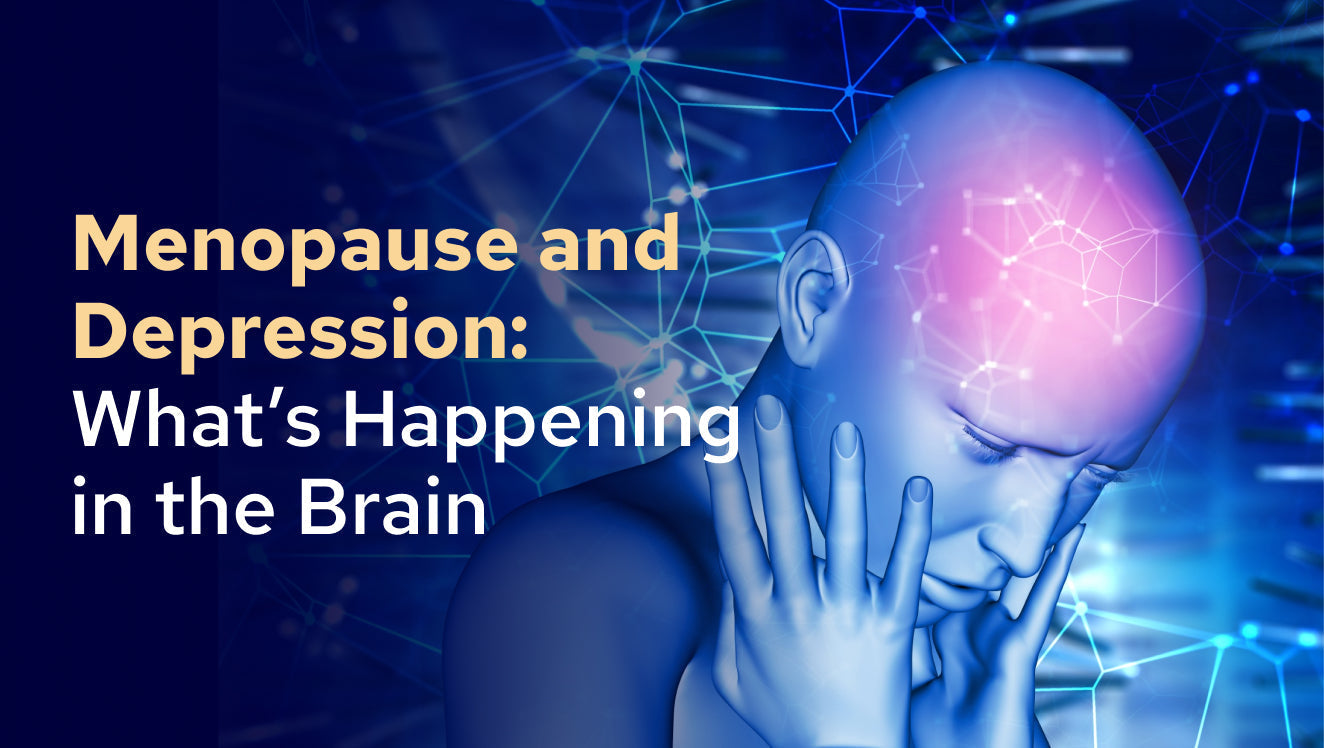
Menopause is not always a single momentit is often a gradual transition that can feel unfamiliar and, at times, overwhelming.
You may notice small shifts at first. Sleep patterns may change. Energy levels may fluctuate. Emotions may feel different than before.
It’s common to wonder:
-
Why do I feel low even when everything seems fine?
-
Why do my emotions feel harder to manage?
These experiences are not a personal failure. They are part of a broader phase of change that many people go through.
What Happens During Menopause?
Menopause is often described as a hormonal shift, but it is also closely connected to overall wellbeing and daily functioning.
As the body transitions, internal rhythms and patterns may change. This can influence:
-
Mood and emotional balance
-
Energy levels and motivation
-
Sleep quality and recovery
-
Stress sensitivity
These changes do not mean something is “wrong.” They reflect a period of adjustment where the body and mind are adapting.
Why Can Menopause Feel Emotionally Heavy?
Many people describe menopause-related emotional changes as:
-
A sense of emotional flatness or low mood
-
Reduced interest in things that once felt enjoyable
-
Increased sensitivity or irritability
-
Mental fatigue or “brain fog”
-
A general feeling of being out of sync
One of the most common experiences is feeling like you are “not quite yourself.”
This can feel confusing, but it is often part of a natural transition rather than something to fear.
Why Do Experiences Differ from Person to Person?
Not everyone experiences menopause in the same way.
Emotional changes may feel more noticeable if there is:
-
Ongoing stress or busy daily routines
-
Irregular or disrupted sleep
-
Past sensitivity to life changes or emotional shifts
-
A fast-paced or overstimulating lifestyle
These factors don’t define your experience; they simply highlight where additional support and care may be helpful.
Supporting Yourself During This Phase
Rather than pushing through or ignoring these changes, it can be helpful to focus on small, consistent ways to create balance.
Here are some supportive approaches:
1. Create Moments of Calm
Simple pauses during the day can help you reset and reconnect with yourself.
2. Build Relaxation Routines
Regular relaxation practices such as quiet time, breathing exercises, or mindfulness sessions can support a sense of stability.
3. Focus on Sleep Quality
Establishing a consistent evening routine can help improve rest and recovery.
4. Reduce Daily Overstimulation
Taking breaks from screens and busy environments can help create space for mental clarity.
5. Seek Support When Needed
Speaking with a professional or trusted support system can provide additional guidance during this transition.
Small, steady habits often make a bigger difference than drastic changes.
How Sensory Experiences May Help
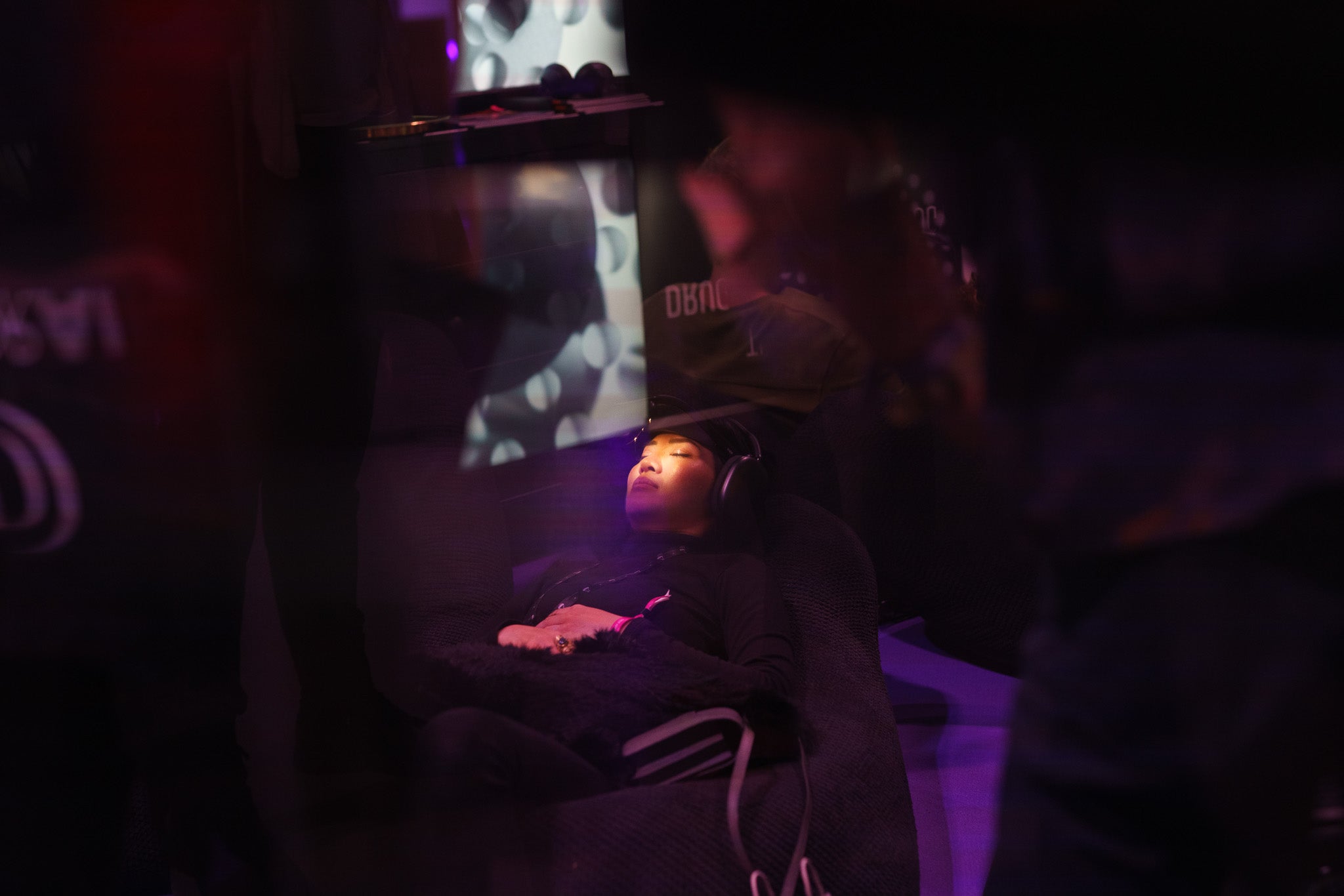
Some people explore sensory light and sound experiences as part of their relaxation routines.
These approaches use rhythmic light and sound patterns to create immersive environments that are often associated with calm, focus, and mindfulness.
They are not intended to treat or diagnose any condition, but they may offer:
-
A structured way to pause and unwind
-
A break from daily overstimulation
-
A calming environment for relaxation sessions
Where neuroVIZR Fits In
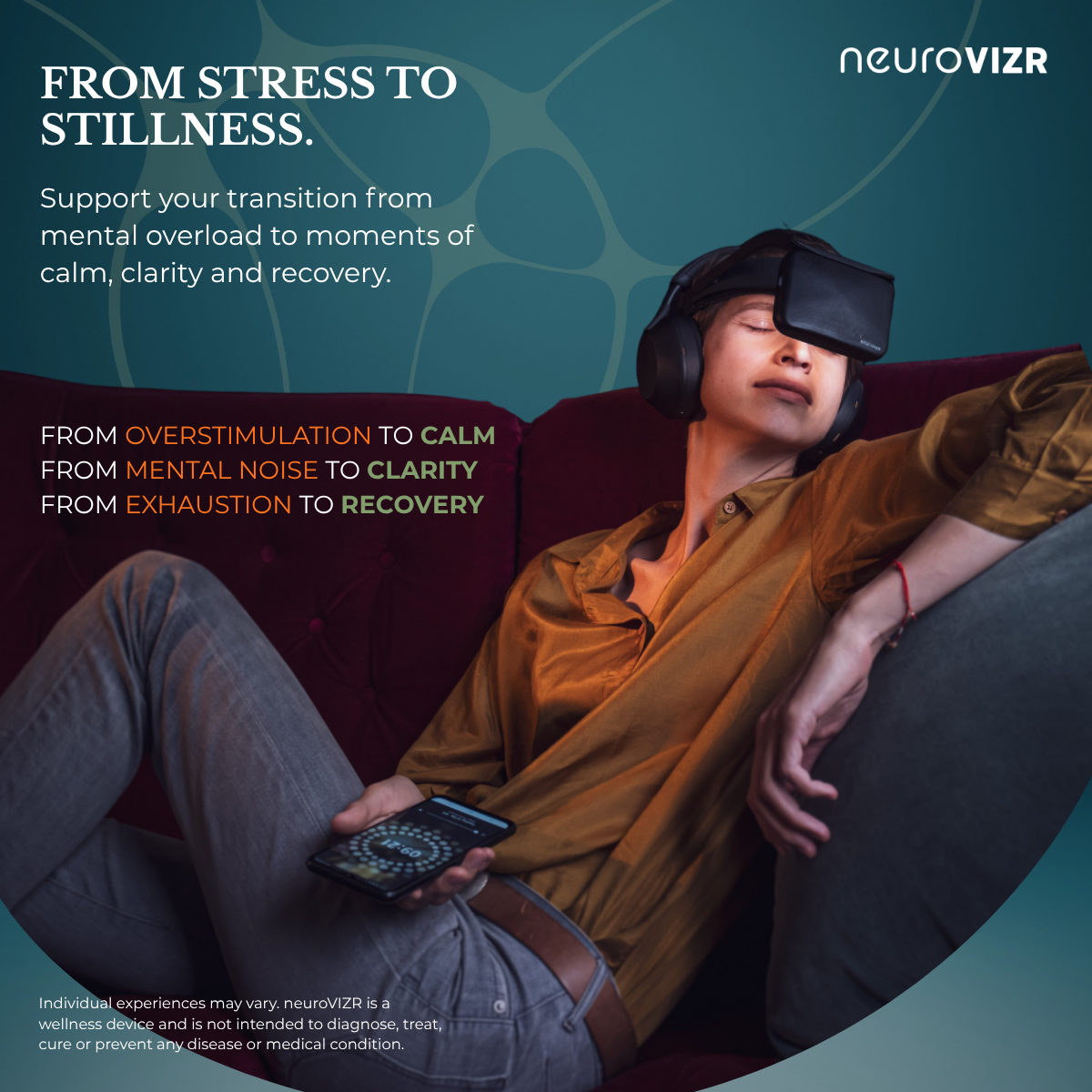
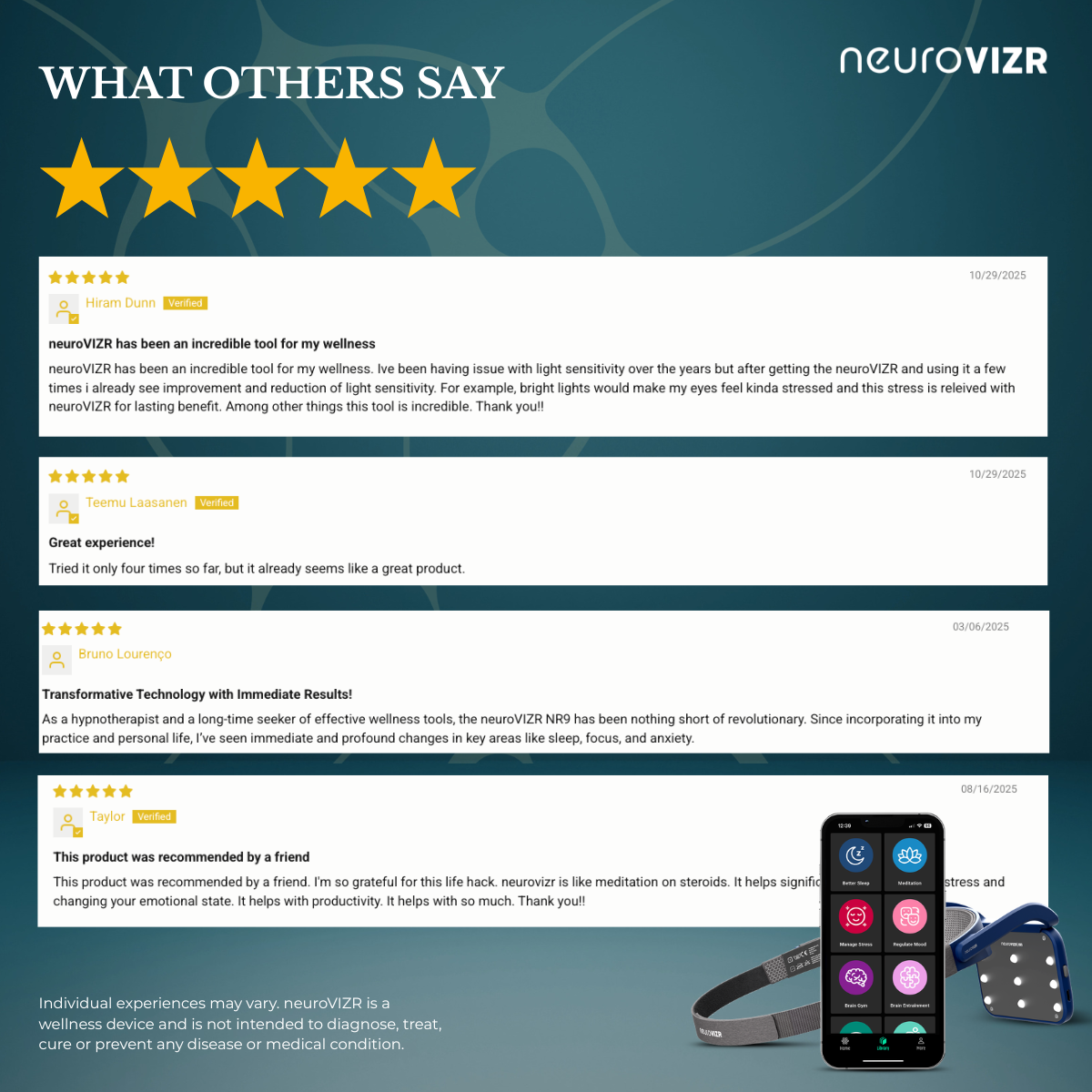
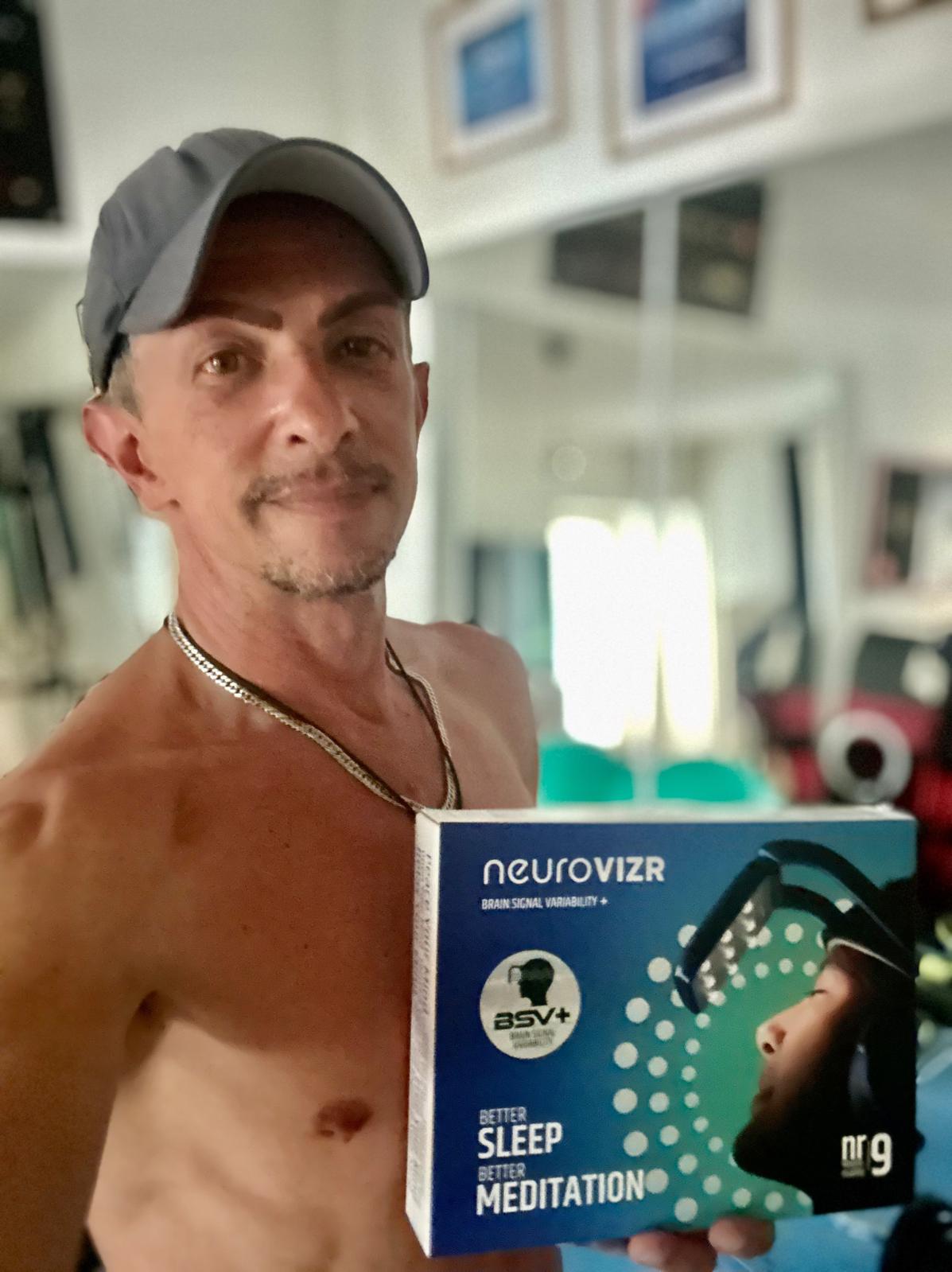
neuroVIZR is designed as a wellness-focused tool that supports moments of calm through immersive sensory experiences.
Rather than trying to control or override how you feel, it encourages:
-
Taking intentional breaks
-
Creating space for relaxation
-
Building consistent mindfulness routines
For many users, it becomes part of a broader approach to maintaining balance during periods of change.
Conclusion
Menopause is not a failure it is a transition.
When emotional changes are approached with understanding and patience, it becomes easier to adapt and find balance.
With the right support, this phase can shift from feeling overwhelming to becoming a time of reflection, adjustment, and renewed connection with yourself.
FAQs
What emotional changes can happen during menopause?
People may experience low mood, irritability, reduced motivation, or mental fatigue. These changes are part of a broader life transition and can vary from person to person.
Is it normal to feel different during menopause?
Yes, it is very common. Many individuals notice emotional and mental changes during this phase as their body adjusts.
Can perimenopause also affect emotions?
Yes, emotional changes can begin during perimenopause, which is the transitional phase before menopause.
How can I support my wellbeing during menopause?
Simple practices like relaxation routines, better sleep habits, reducing overstimulation, and seeking support when needed can help improve overall balance.
Are sensory relaxation tools helpful?
Some people find that sensory light and sound experiences create calming environments that support relaxation and mindfulness as part of their daily routine.















Share:
How to Calm an Overactive Mind (Without Fighting Your Thoughts)
Can Menstruation Cause Headaches?