
Menstrual Migraines: Understanding Sensitivity and Finding Moments of Calm
  • Written by Gourav Rathore

Disclaimer

This content is for informational purposes only and does not constitute medical advice. neuroVIZR is not intended to diagnose, treat, cure, or prevent migraines or any health condition. Individual experiences may vary. Always consult a qualified healthcare professional for medical concerns.

Introduction

If you notice migraines appearing around your menstrual cycle, you are not alone. Many individuals experience headaches during this time that feel more intense and more overwhelming than usual.

It’s not just discomfort. Light may feel brighter, sounds louder, and everyday environments harder to manage. These experiences can feel frustrating, especially when they seem difficult to control.

Rather than seeing this as something going wrong, it can help to understand it as a temporary shift in sensitivity. Your body and mind may simply be responding differently during this phase.

What May Be Happening During This Phase

Hormonal changes, particularly shifts in estrogen levels, are often associated with menstrual migraines. However, the experience is not only about hormones.

During this time, many people notice:

  • Increased sensitivity to light and sound

  • Changes in how sensory information is processed

  • A feeling of being more easily overwhelmed

In simple terms, your system may be less able to filter incoming stimulation, which can make everyday environments feel more intense than usual.

Why These Migraines Feel Different

Menstrual migraines can feel more persistent because they are connected to internal rhythms rather than external triggers alone.

This may lead to questions like:

  • “Why does this keep happening?”

  • “Why is it harder to manage during this time?”

It’s important to remember that this is not about willpower or coping ability. Instead, it reflects a phase where your system may benefit from more supportive and calming conditions.

Supporting Yourself During Sensitive Phases

Rather than trying to push through discomfort, it can be helpful to focus on reducing overall sensory load and creating a calmer environment.

1. Reduce Sensory Input

In the days leading up to your cycle:

  • Use softer lighting

  • Limit exposure to loud or busy environments

  • Reduce multitasking

These small changes can help create a more manageable environment.

2. Create Predictable Routines

Consistency can feel supportive during sensitive phases:

  • Maintain regular sleep patterns

  • Follow gentle daily routines

  • Avoid sudden changes in schedule

A predictable rhythm can help create a sense of stability.

3. Explore Gentle Sensory Experiences

Some people prefer calm, controlled environments that feel less overwhelming.

  • Quiet spaces

  • Soft lighting

  • Rhythmic light and sound patterns

These types of sensory experiences are often used in relaxation routines to support moments of calm without adding extra stimulation.

Shifting Your Perspective

Understanding these migraines as a temporary sensitivity phase can change how you respond to them.

Instead of asking:

“What’s wrong with me?”

You might ask:

“What would feel supportive right now?”

This shift can reduce internal pressure and help you respond with more awareness and care.

How neuroVIZR Fits Into a Relaxation Routine

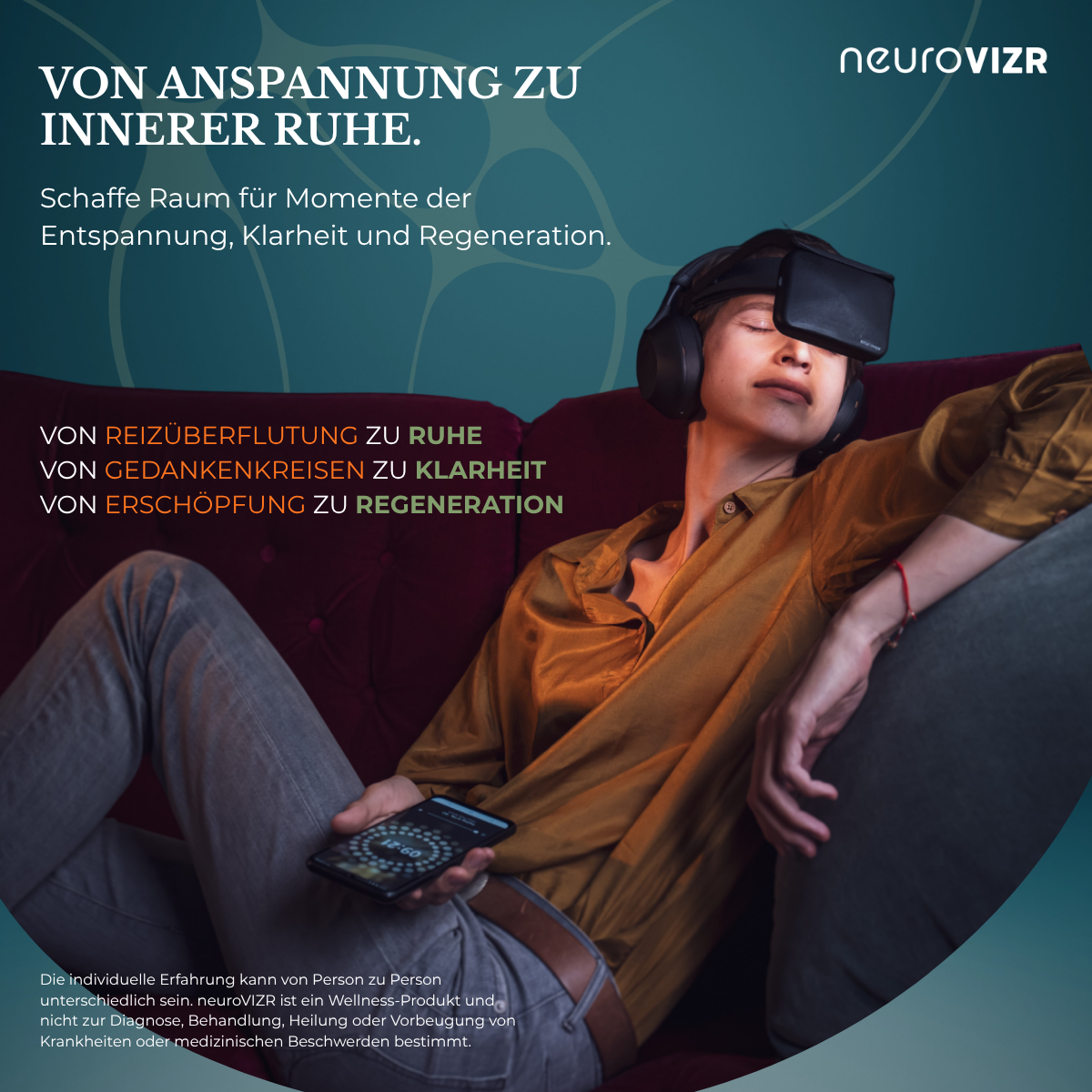
During times when sensitivity feels heightened, some people look for ways to create calmer, more predictable sensory environments.

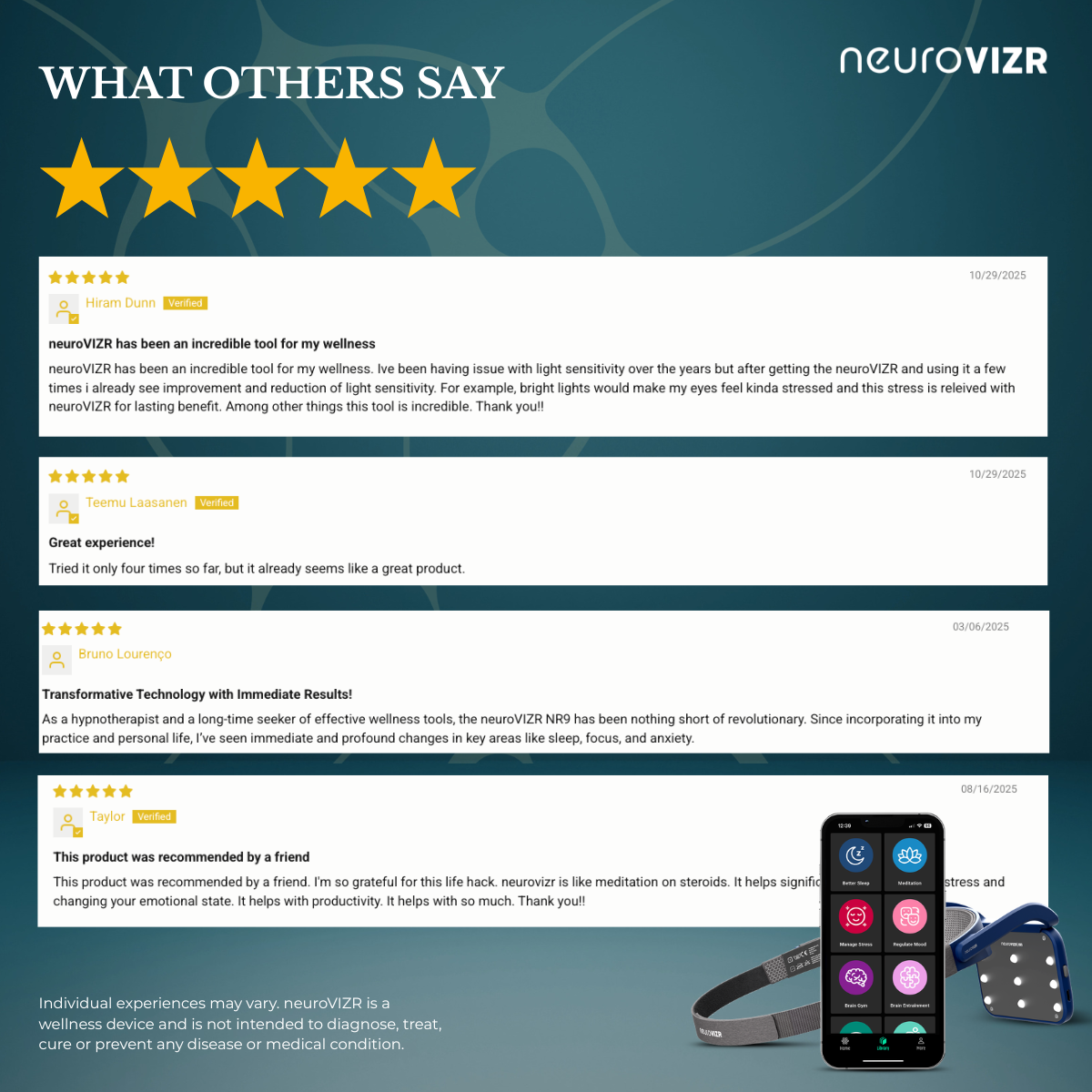
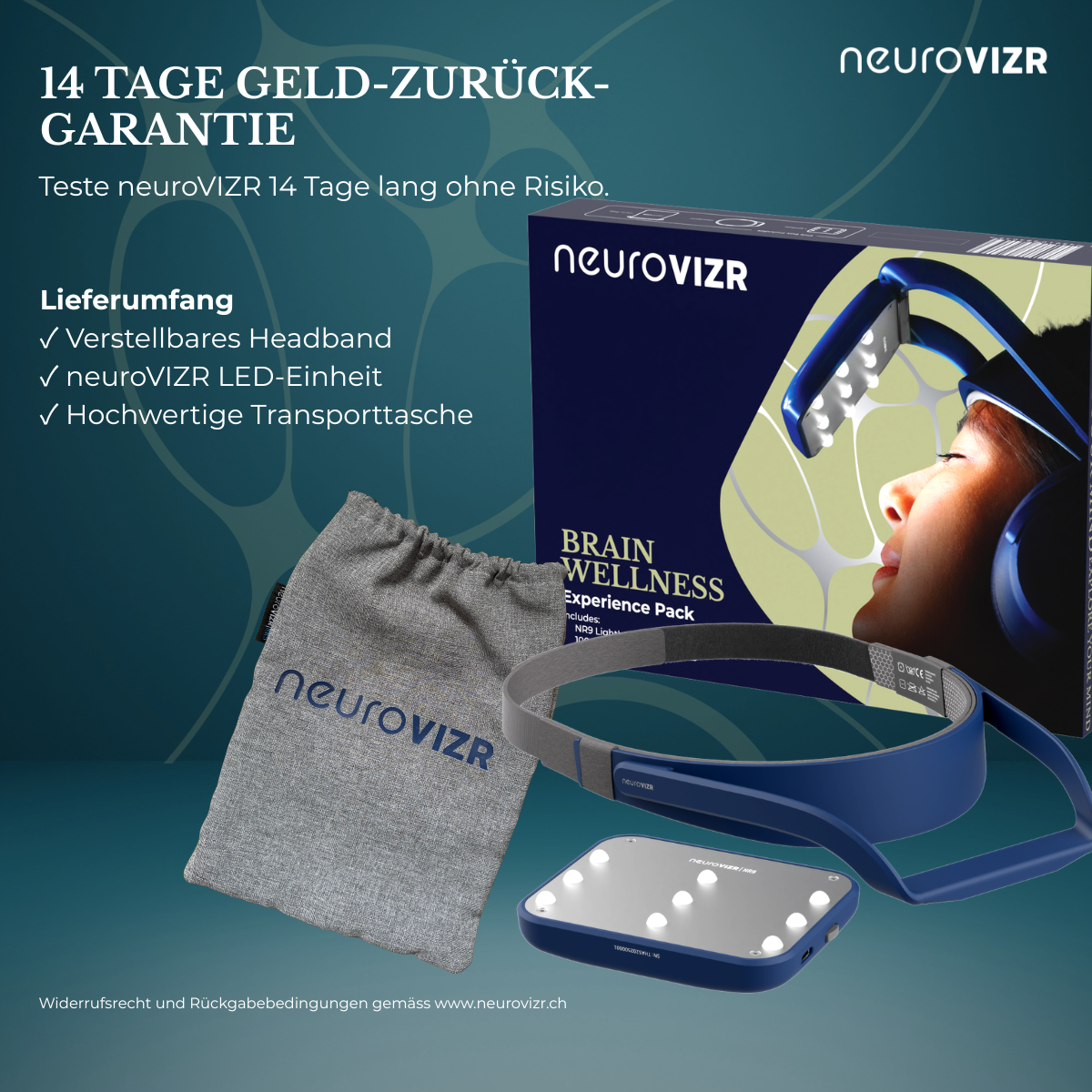
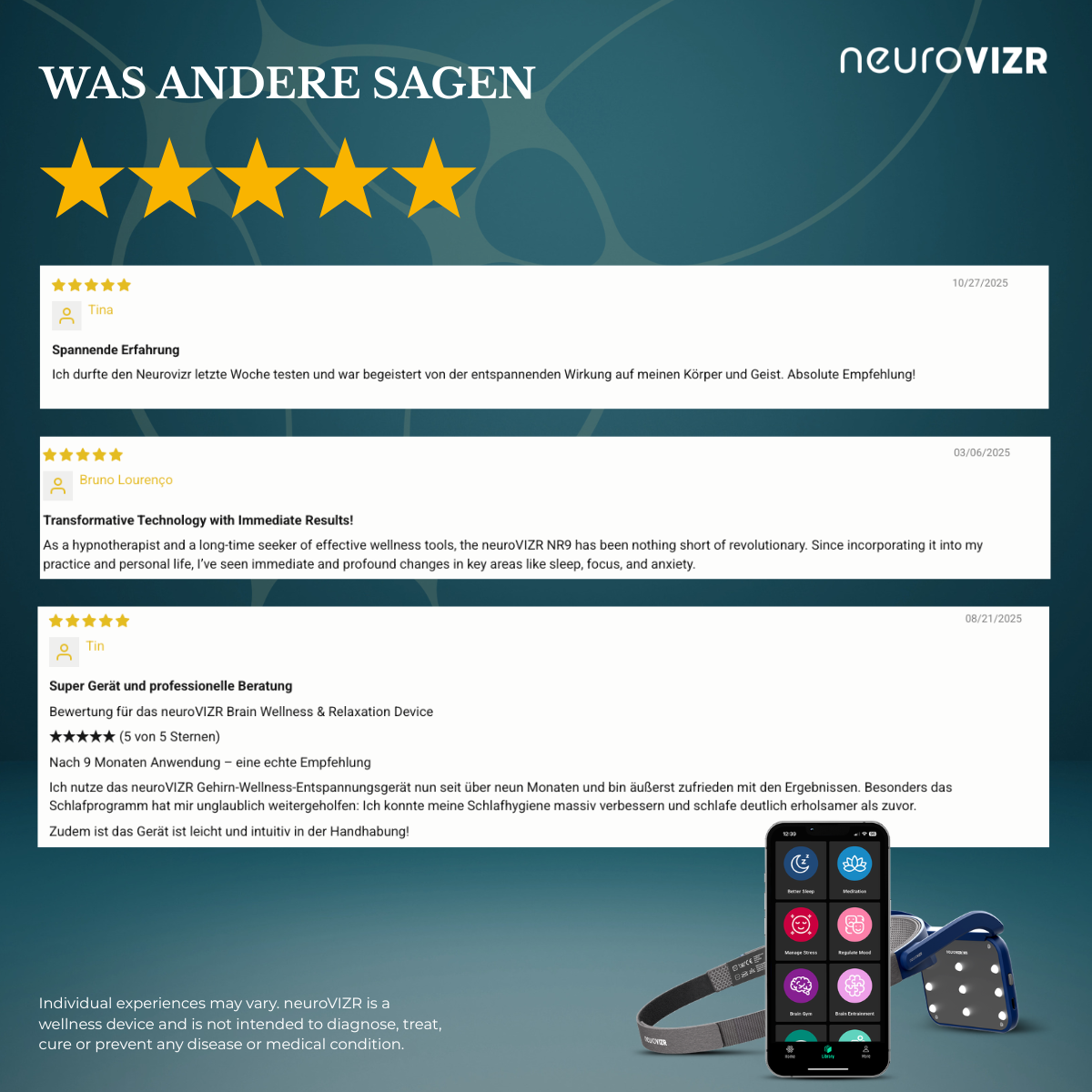
Devices that use structured light and sound patterns, such as neuroVIZR, create immersive sensory experiences often associated with relaxation and focused attention. They are designed as wellness tools that may help users step away from daily overstimulation and enjoy moments of calm.

Rather than targeting migraines directly, these tools are positioned as part of personal relaxation routines.

A Grounded Takeaway

Menstrual migraines do not mean your body is failing you. They can reflect a period where your system becomes more sensitive.

With awareness, gentle adjustments, and supportive routines, it may become easier to navigate these phases with less frustration and more understanding.

FAQs

Why do migraines happen around my period?

They are often associated with hormonal changes and shifts in how the body processes sensory information, which may increase sensitivity during this time.

Why do menstrual migraines feel more intense?

During this phase, many people experience reduced sensory filtering, which can make light, sound, and other inputs feel more overwhelming.

Are menstrual migraines only caused by hormones?

Hormones are one factor, but overall sensitivity, daily routines, and environmental influences can also play a role.

Can stress make menstrual migraines feel worse?

Stress may add to overall sensory load, which can make this already sensitive phase feel more intense.


Disclaimer

This content is for informational purposes only and does not constitute medical advice. neuroVIZR is not intended to diagnose, treat, cure, or prevent migraines or any health condition. Individual experiences may vary. Always consult a qualified healthcare professional for medical concerns.

Introduction

If you notice migraines appearing around your menstrual cycle, you are not alone. Many individuals experience headaches during this time that feel more intense and more overwhelming than usual.

It’s not just discomfort. Light may feel brighter, sounds louder, and everyday environments harder to manage. These experiences can feel frustrating, especially when they seem difficult to control.

Rather than seeing this as something going wrong, it can help to understand it as a temporary shift in sensitivity. Your body and mind may simply be responding differently during this phase.

What May Be Happening During This Phase

Hormonal changes, particularly shifts in estrogen levels, are often associated with menstrual migraines. However, the experience is not only about hormones.

During this time, many people notice:

  • Increased sensitivity to light and sound

  • Changes in how sensory information is processed

  • A feeling of being more easily overwhelmed

In simple terms, your system may be less able to filter incoming stimulation, which can make everyday environments feel more intense than usual.

Why These Migraines Feel Different

Menstrual migraines can feel more persistent because they are connected to internal rhythms rather than external triggers alone.

This may lead to questions like:

  • “Why does this keep happening?”

  • “Why is it harder to manage during this time?”

It’s important to remember that this is not about willpower or coping ability. Instead, it reflects a phase where your system may benefit from more supportive and calming conditions.

Supporting Yourself During Sensitive Phases

Rather than trying to push through discomfort, it can be helpful to focus on reducing overall sensory load and creating a calmer environment.

1. Reduce Sensory Input

In the days leading up to your cycle:

  • Use softer lighting

  • Limit exposure to loud or busy environments

  • Reduce multitasking

These small changes can help create a more manageable environment.

2. Create Predictable Routines

Consistency can feel supportive during sensitive phases:

  • Maintain regular sleep patterns

  • Follow gentle daily routines

  • Avoid sudden changes in schedule

A predictable rhythm can help create a sense of stability.

3. Explore Gentle Sensory Experiences

Some people prefer calm, controlled environments that feel less overwhelming.

  • Quiet spaces

  • Soft lighting

  • Rhythmic light and sound patterns

These types of sensory experiences are often used in relaxation routines to support moments of calm without adding extra stimulation.

Shifting Your Perspective

Understanding these migraines as a temporary sensitivity phase can change how you respond to them.

Instead of asking:

“What’s wrong with me?”

You might ask:

“What would feel supportive right now?”

This shift can reduce internal pressure and help you respond with more awareness and care.

How neuroVIZR Fits Into a Relaxation Routine

During times when sensitivity feels heightened, some people look for ways to create calmer, more predictable sensory environments.

Devices that use structured light and sound patterns, such as neuroVIZR, create immersive sensory experiences often associated with relaxation and focused attention. They are designed as wellness tools that may help users step away from daily overstimulation and enjoy moments of calm.

Rather than targeting migraines directly, these tools are positioned as part of personal relaxation routines.

A Grounded Takeaway

Menstrual migraines do not mean your body is failing you. They can reflect a period where your system becomes more sensitive.

With awareness, gentle adjustments, and supportive routines, it may become easier to navigate these phases with less frustration and more understanding.

FAQs

Why do migraines happen around my period?

They are often associated with hormonal changes and shifts in how the body processes sensory information, which may increase sensitivity during this time.

Why do menstrual migraines feel more intense?

During this phase, many people experience reduced sensory filtering, which can make light, sound, and other inputs feel more overwhelming.

Are menstrual migraines only caused by hormones?

Hormones are one factor, but overall sensitivity, daily routines, and environmental influences can also play a role.

Can stress make menstrual migraines feel worse?

Stress may add to overall sensory load, which can make this already sensitive phase feel more intense.
Enhance Your Mental Clarity With neuroVIZR