
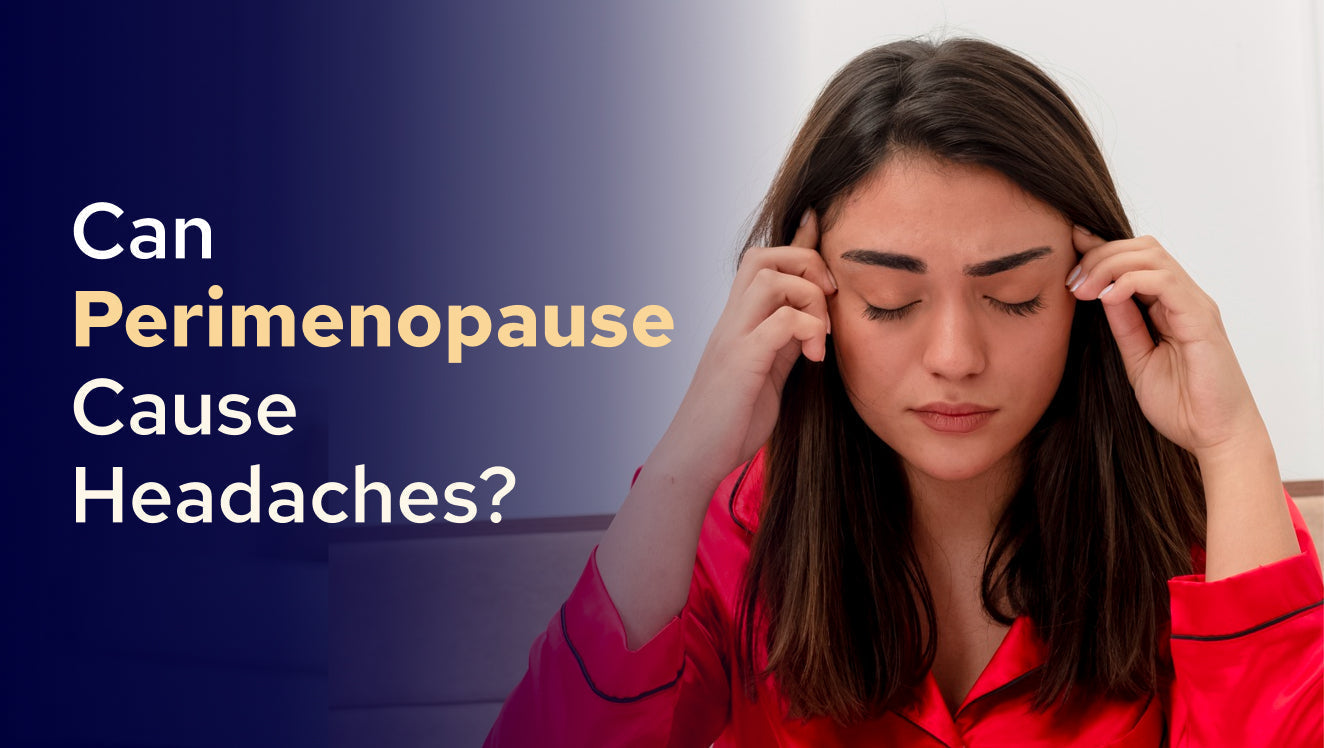
Can Perimenopause Cause Headaches?
  • Written by Gourav Rathore

Disclaimer

This content is for informational purposes only and does not constitute medical advice. neuroVIZR does not replace professional healthcare guidance. Always consult a qualified healthcare provider regarding any medical concerns or symptoms.

If you’ve been wondering whether headaches during this stage of life are real or just coincidence, you’re not alone. Many people notice changes in how their body feels during perimenopause, including the appearance or increase of headaches.

These experiences are often linked to natural internal changes and shifts in daily rhythms. Understanding what may be happening can help you approach these moments with more clarity and calm.

Why Headaches May Occur During Perimenopause

Perimenopause is a transitional phase where the body goes through natural hormonal changes. These shifts can influence sleep patterns, mood, and overall daily balance.

During this time, many people notice:

  • Changes in sleep quality

  • Increased sensitivity to stress

  • Variations in daily energy levels

These factors can contribute to moments of discomfort, including headaches. Rather than being random, they are often connected to how the body adapts to ongoing changes.

Common Types of Headaches During This Phase

1. Migraine-Like Headaches

Some individuals experience more intense headaches that may feel pulsating or are accompanied by sensitivity to light or sound. These can appear during periods of change in routine, sleep, or internal balance.

2. Tension-Type Headaches

These are often described as a tight or heavy feeling around the head.

They are commonly associated with:

  • Daily stress

  • Muscle tension in the neck or shoulders

  • Irregular sleep patterns

Everyday Triggers That May Make Headaches Feel Stronger

Headaches during perimenopause often don’t happen in isolation. Certain daily factors can make them feel more noticeable:

  • Sleep disruption → Irregular or interrupted sleep can affect overall comfort

  • Stress and mental load → Busy schedules and emotional strain can contribute to tension

  • Hydration and diet changes → Skipping meals or dehydration may impact how you feel

  • Routine shifts → Changes in daily habits can influence overall balance

At a broader level, these experiences reflect how the body responds to multiple small changes happening at once.

How to Support Relaxation and Daily Comfort

While there may not be a single solution, small and consistent lifestyle adjustments can help support a sense of balance.

1. Notice Patterns

Tracking when headaches occur can help you understand your personal rhythm.

You may observe connections with:

  • Sleep

  • Stress levels

  • Daily habits

2. Focus on Relaxation Practices

Gentle relaxation routines can support moments of calm, such as:

  • Deep breathing

  • Mindfulness sessions

  • Quiet rest periods

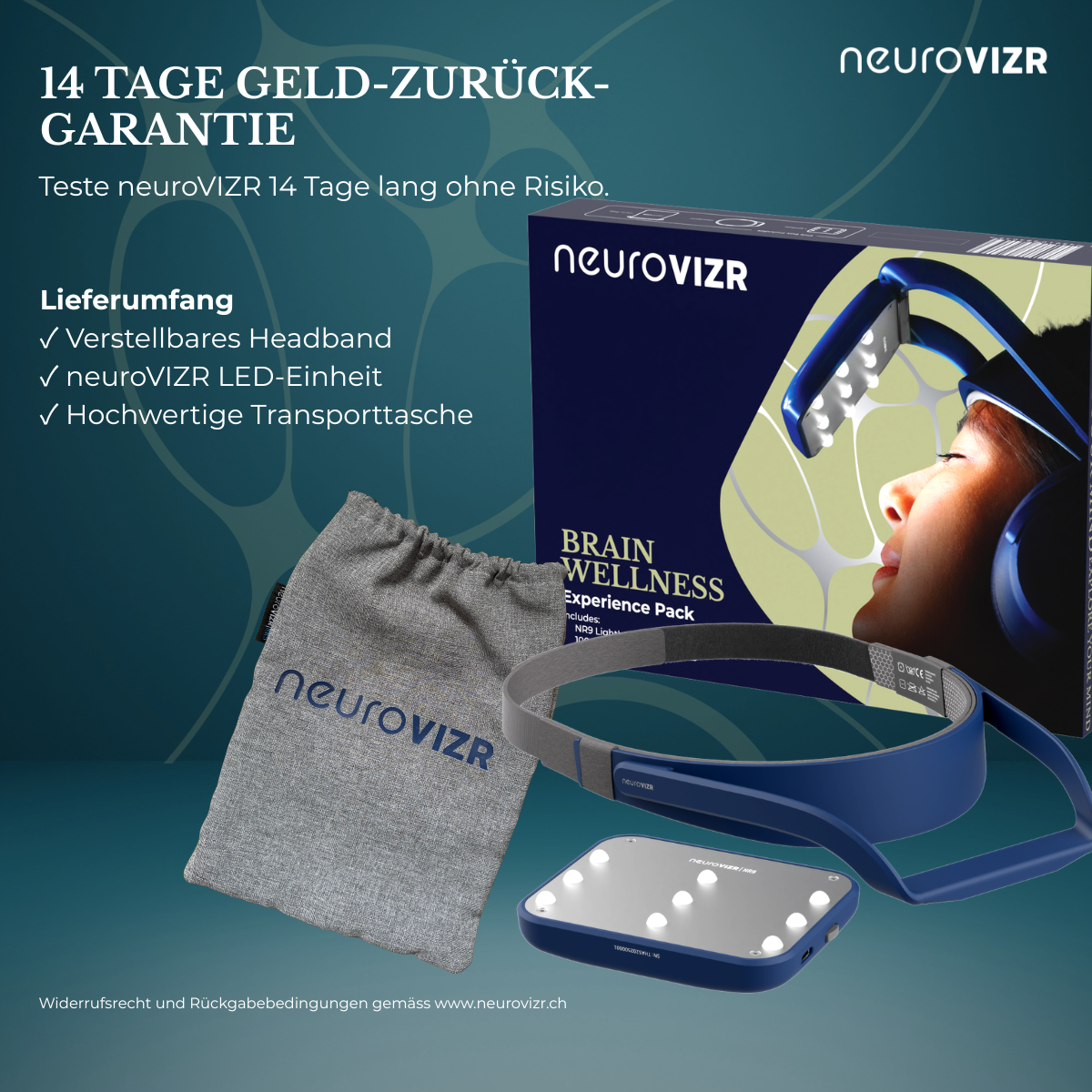
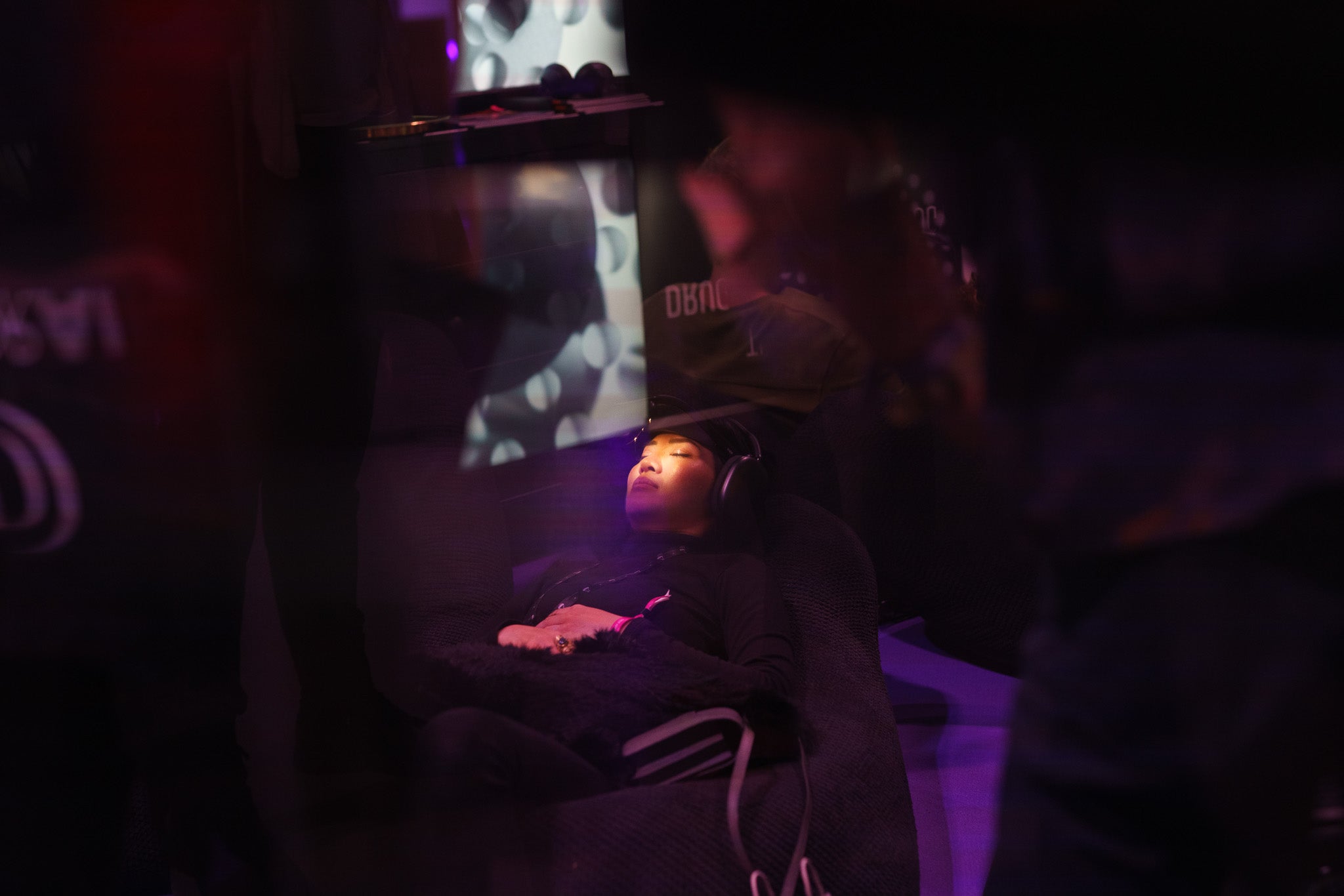
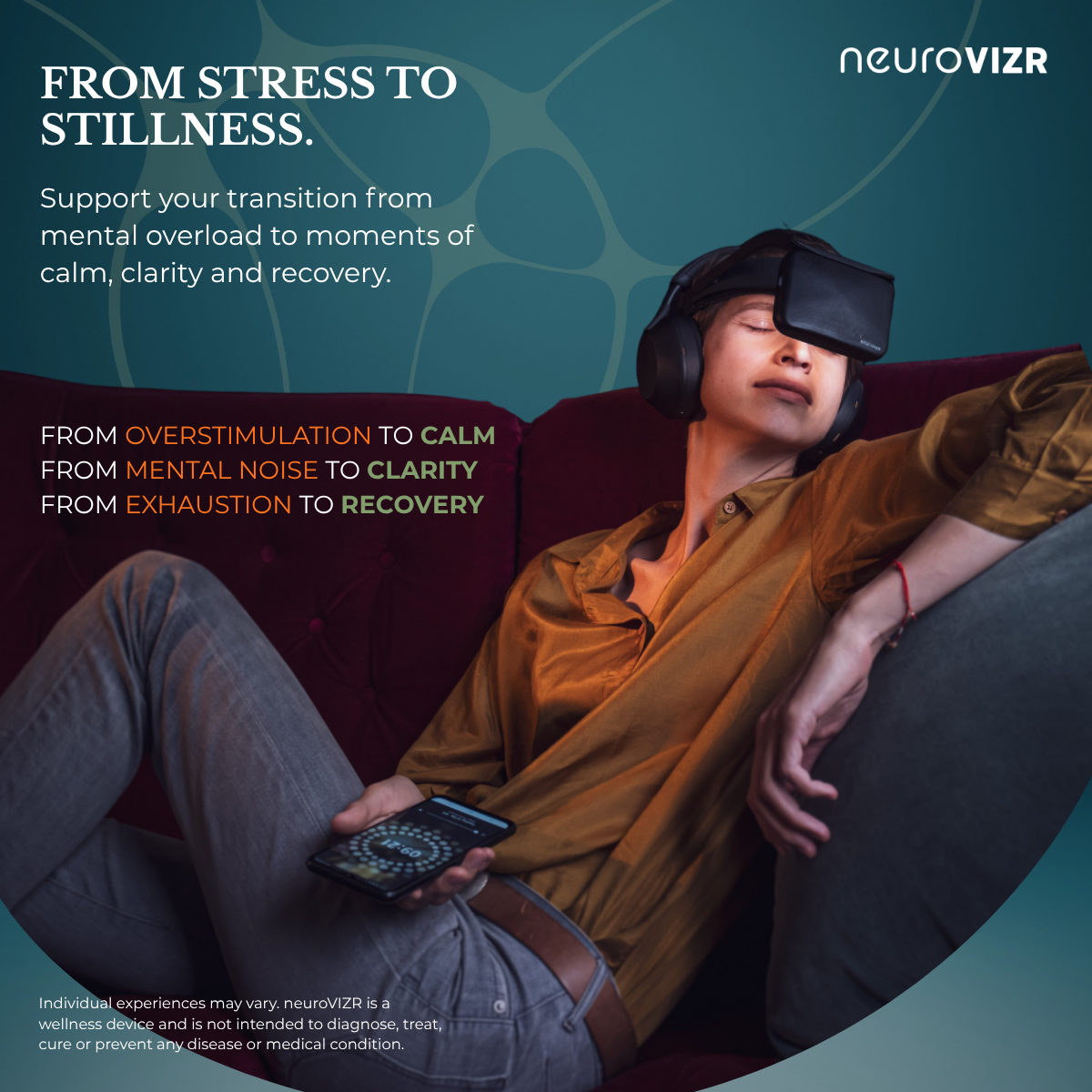
Some people also explore sensory light & sound experiences, such as those offered by neuroVIZR. These use rhythmic light and sound patterns to create immersive environments often associated with relaxation and focused attention, helping users step away from daily overstimulation.

3. Maintain Consistent Routines

Simple habits can make a difference:

  • Regular sleep schedule

  • Balanced daily structure

  • Taking breaks during busy days

4. Seek Professional Guidance When Needed

If headaches feel unusual, sudden, or disruptive to daily life, it’s important to speak with a qualified healthcare provider for proper guidance.

A Gentle Perspective

Headaches during perimenopause can feel frustrating, but they are often part of the body adjusting to change. With awareness, supportive routines, and a focus on relaxation, many people find ways to navigate this phase more comfortably.

FAQs

Can perimenopause cause headaches even if I never had them before?

Yes, some people notice headaches for the first time during this phase due to changes in daily rhythms, sleep, and overall sensitivity to stress.

Are these headaches always migraines?

Not necessarily. Some may feel like migraines, while others resemble tension-type headaches linked to lifestyle factors.

Do headaches occur at specific times?

They can appear during periods of disrupted sleep, increased stress, or changes in routine.

Can stress make headaches feel worse?

Yes, daily stress and mental load can contribute to muscle tension and overall discomfort.

What helps support relaxation during this time?

Practices such as mindfulness, consistent routines, and calming sensory experiences may help create moments of ease and balance.


Disclaimer

This content is for informational purposes only and does not constitute medical advice. neuroVIZR does not replace professional healthcare guidance. Always consult a qualified healthcare provider regarding any medical concerns or symptoms.

If you’ve been wondering whether headaches during this stage of life are real or just coincidence, you’re not alone. Many people notice changes in how their body feels during perimenopause, including the appearance or increase of headaches.

These experiences are often linked to natural internal changes and shifts in daily rhythms. Understanding what may be happening can help you approach these moments with more clarity and calm.

Why Headaches May Occur During Perimenopause

Perimenopause is a transitional phase where the body goes through natural hormonal changes. These shifts can influence sleep patterns, mood, and overall daily balance.

During this time, many people notice:

  • Changes in sleep quality

  • Increased sensitivity to stress

  • Variations in daily energy levels

These factors can contribute to moments of discomfort, including headaches. Rather than being random, they are often connected to how the body adapts to ongoing changes.

Common Types of Headaches During This Phase

1. Migraine-Like Headaches

Some individuals experience more intense headaches that may feel pulsating or are accompanied by sensitivity to light or sound. These can appear during periods of change in routine, sleep, or internal balance.

2. Tension-Type Headaches

These are often described as a tight or heavy feeling around the head.

They are commonly associated with:

  • Daily stress

  • Muscle tension in the neck or shoulders

  • Irregular sleep patterns

Everyday Triggers That May Make Headaches Feel Stronger

Headaches during perimenopause often don’t happen in isolation. Certain daily factors can make them feel more noticeable:

  • Sleep disruption → Irregular or interrupted sleep can affect overall comfort

  • Stress and mental load → Busy schedules and emotional strain can contribute to tension

  • Hydration and diet changes → Skipping meals or dehydration may impact how you feel

  • Routine shifts → Changes in daily habits can influence overall balance

At a broader level, these experiences reflect how the body responds to multiple small changes happening at once.

How to Support Relaxation and Daily Comfort

While there may not be a single solution, small and consistent lifestyle adjustments can help support a sense of balance.

1. Notice Patterns

Tracking when headaches occur can help you understand your personal rhythm.

You may observe connections with:

  • Sleep

  • Stress levels

  • Daily habits

2. Focus on Relaxation Practices

Gentle relaxation routines can support moments of calm, such as:

  • Deep breathing

  • Mindfulness sessions

  • Quiet rest periods

Some people also explore sensory light & sound experiences, such as those offered by neuroVIZR. These use rhythmic light and sound patterns to create immersive environments often associated with relaxation and focused attention, helping users step away from daily overstimulation.

3. Maintain Consistent Routines

Simple habits can make a difference:

  • Regular sleep schedule

  • Balanced daily structure

  • Taking breaks during busy days

4. Seek Professional Guidance When Needed

If headaches feel unusual, sudden, or disruptive to daily life, it’s important to speak with a qualified healthcare provider for proper guidance.

A Gentle Perspective

Headaches during perimenopause can feel frustrating, but they are often part of the body adjusting to change. With awareness, supportive routines, and a focus on relaxation, many people find ways to navigate this phase more comfortably.

FAQs

Can perimenopause cause headaches even if I never had them before?

Yes, some people notice headaches for the first time during this phase due to changes in daily rhythms, sleep, and overall sensitivity to stress.

Are these headaches always migraines?

Not necessarily. Some may feel like migraines, while others resemble tension-type headaches linked to lifestyle factors.

Do headaches occur at specific times?

They can appear during periods of disrupted sleep, increased stress, or changes in routine.

Can stress make headaches feel worse?

Yes, daily stress and mental load can contribute to muscle tension and overall discomfort.

What helps support relaxation during this time?

Practices such as mindfulness, consistent routines, and calming sensory experiences may help create moments of ease and balance.
Enhance Your Mental Clarity With neuroVIZR