


Disclaimer
This content is for informational purposes only and does not constitute medical advice. neuroVIZR is not a medical device. Please consult a qualified healthcare professional for any concerns related to medication, attention challenges, or mental health.
When people talk about attention challenges, they often imagine a restless mind or difficulty staying focused. However, for many individuals, the experience can feel very different.
Instead of hyperactivity, it may show up as:
-
Low motivation
-
Emotional heaviness
-
Mental fatigue
-
Difficulty staying engaged
In these cases, attention is not just about focus it is often connected to emotional state and daily experiences.
Understanding Attention Beyond Focus
Attention is not always a standalone function. It is often influenced by:
-
Mood
-
Stress levels
-
Environment
-
Daily routines
Many people notice that they feel more focused when they are calm, comfortable, and emotionally balanced. On the other hand, overwhelming situations or persistent stress can make it harder to stay engaged.
This perspective highlights that attention challenges can sometimes be linked to overall mental wellness and emotional balance, rather than focus alone.
What Is Prozac Commonly Used For?
Prozac is commonly associated with supporting:
-
Mood balance
-
Emotional stability
-
Stress-related experiences
-
Feelings of overwhelm
It is often discussed in the context of emotional well-being rather than attention specifically.
Attention and Emotional Balance
Attention and emotional state are closely connected.
For example:
-
When someone feels overwhelmed → focus may drop
-
When someone feels calm → attention may improve
-
When stress is high → mental clarity may feel reduced
This is why improving emotional balance can sometimes make it easier to stay engaged in tasks.
How Emotional States Influence Focus
Certain patterns can affect attention:
1. Low Energy States
-
Reduced motivation
-
Difficulty starting tasks
-
Feeling mentally drained
2. Heightened Sensitivity to Stress
-
Easily distracted by small concerns
-
Difficulty staying present
-
Mental overload
3. Fluctuating Focus
-
Periods of clarity followed by distraction
-
Inconsistent attention throughout the day
These experiences are often linked to daily stress, lifestyle, and emotional patterns.
A Wellness-Based Perspective on Focus
Instead of focusing only on attention itself, many people explore ways to support overall well-being, such as:
-
Creating calming daily routines
-
Taking breaks from overstimulation
-
Practicing mindfulness or relaxation sessions
-
Engaging in sensory experiences that promote calm
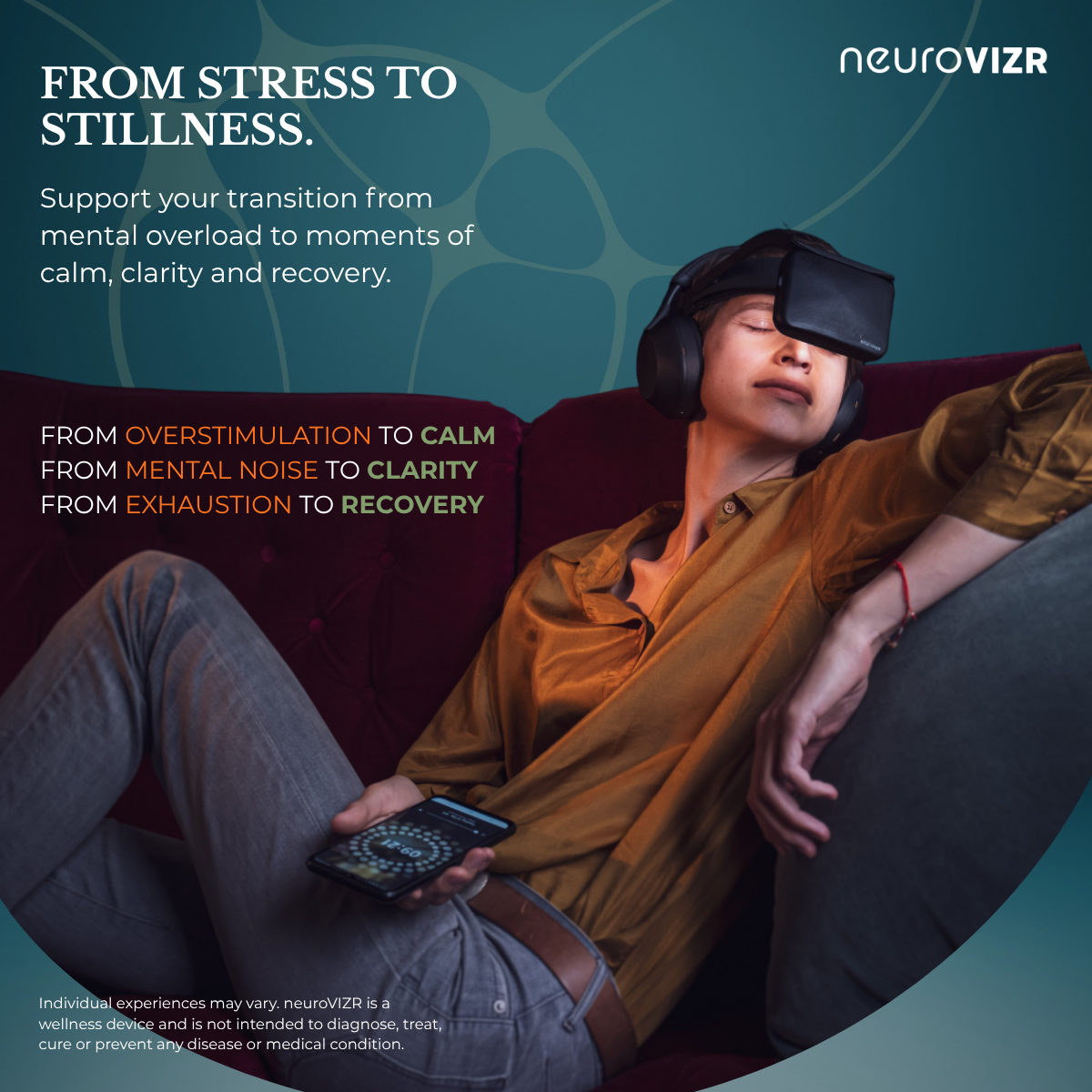
These approaches are designed to help individuals step away from constant stimulation and create moments of balance.
The Role of Sensory Experiences in Relaxation
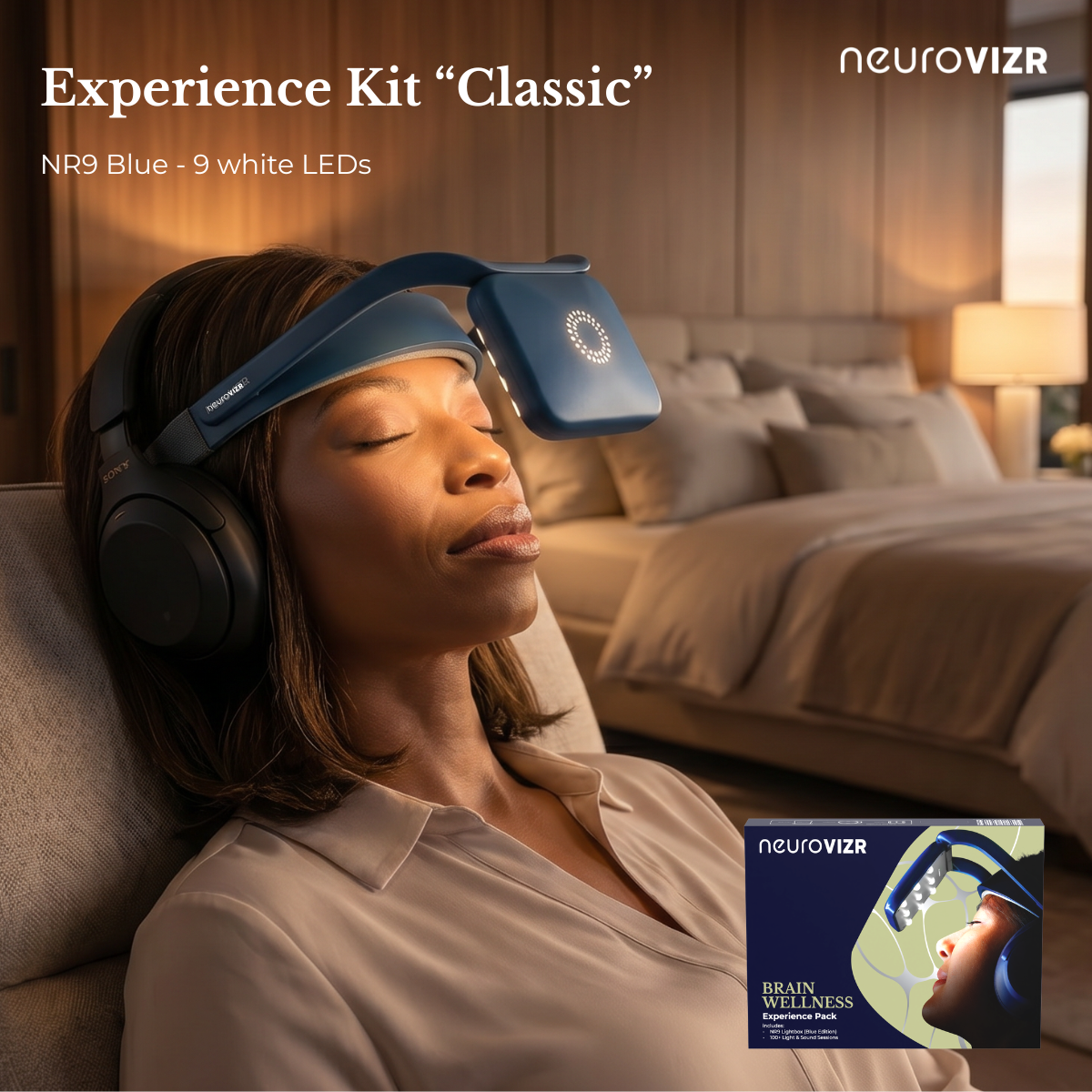
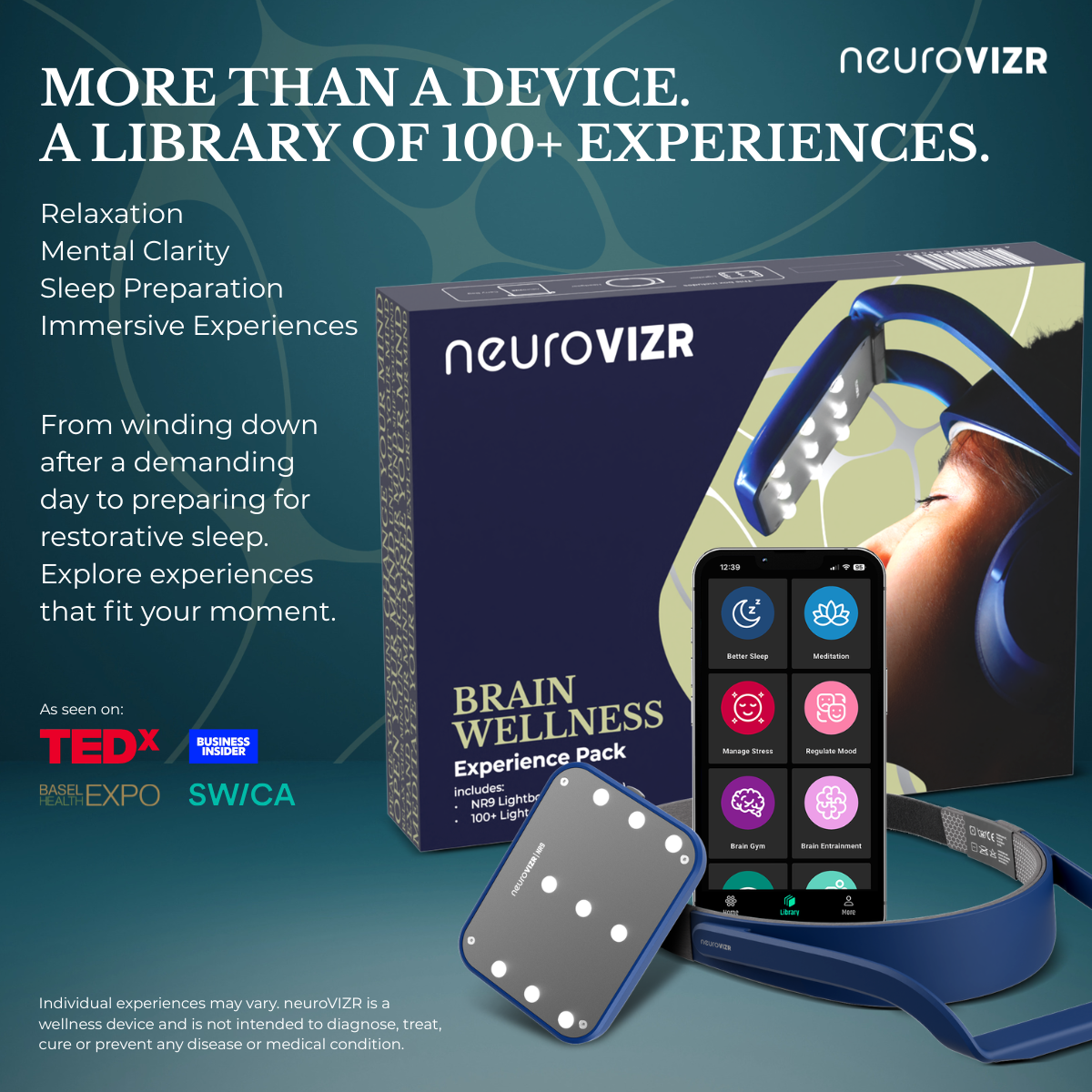
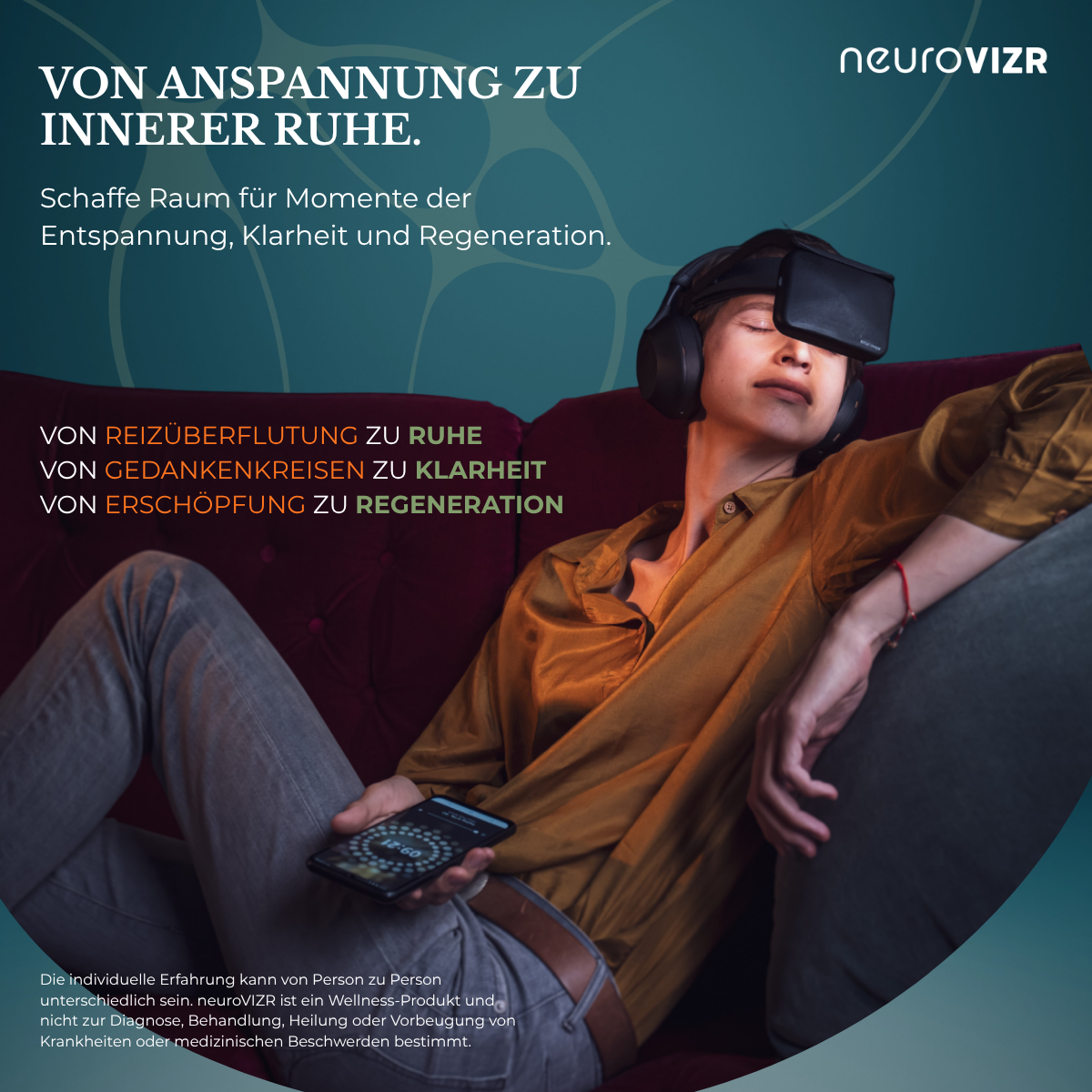
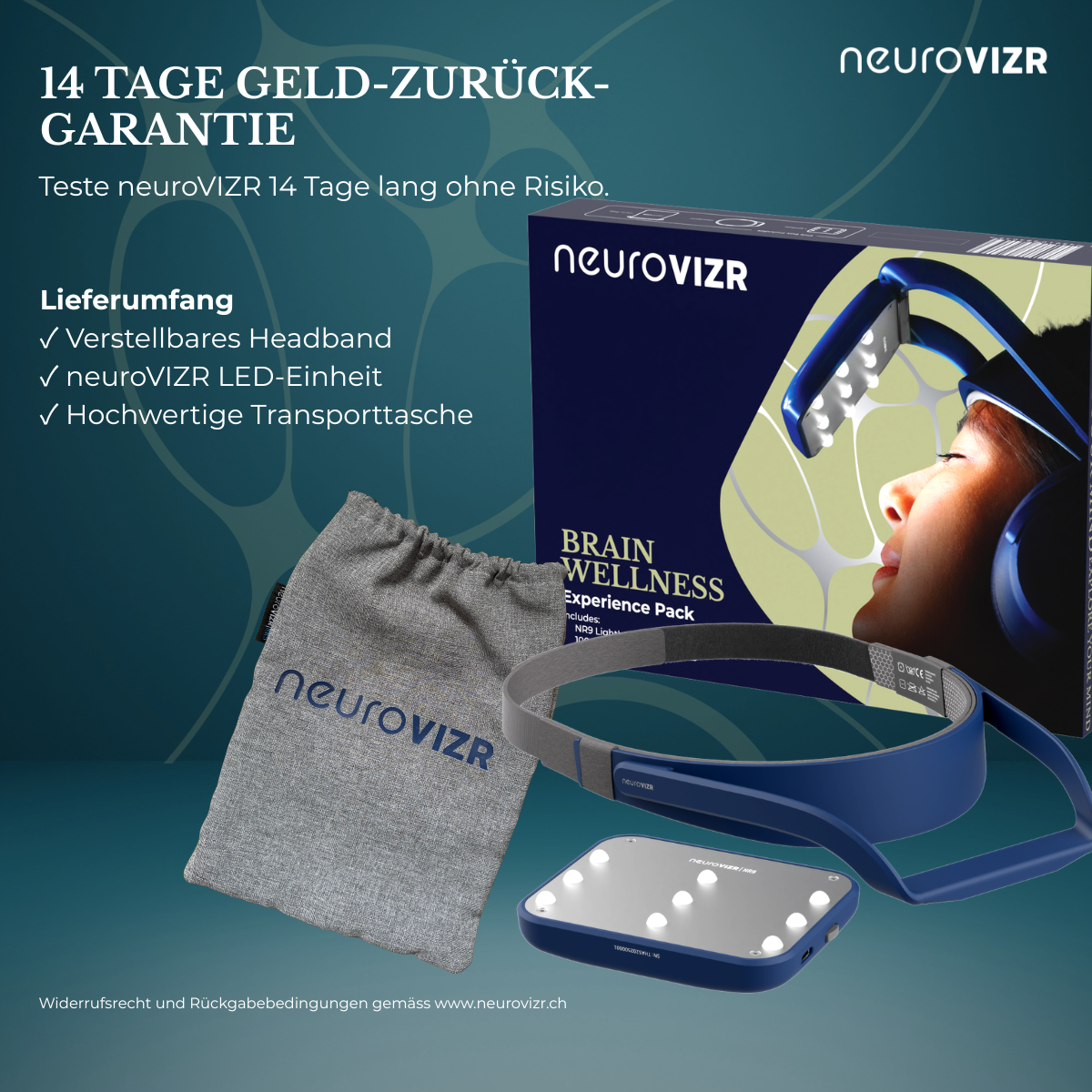
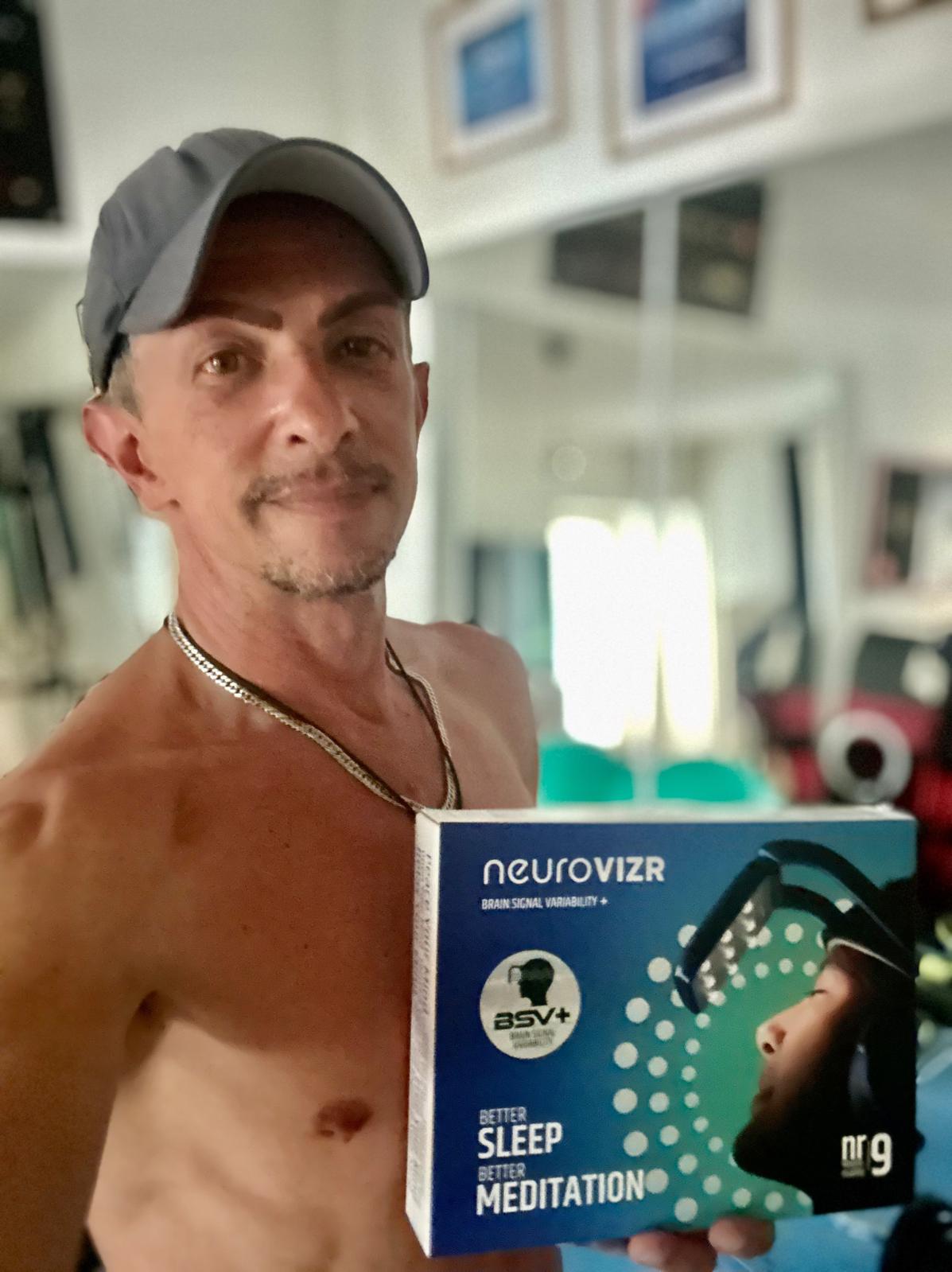
Tools that use rhythmic light and sound patterns are often explored as part of relaxation routines.
They are designed to:
-
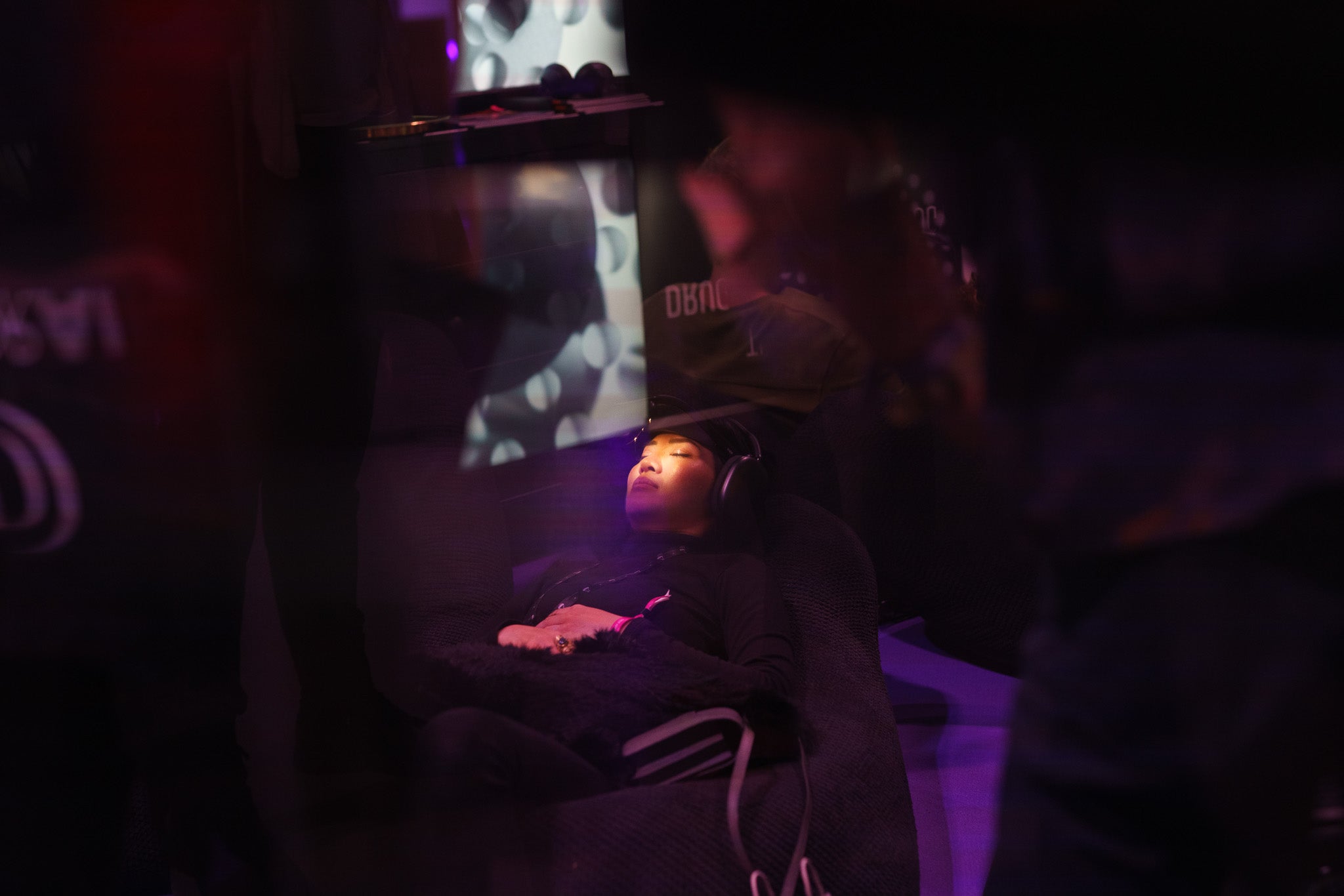
Create immersive sensory environments
-
Encourage moments of calm
-
Support relaxation-focused experiences
Such approaches are commonly used as part of personal wellness routines, especially for those looking to unwind after mentally demanding days.
When Mood and Focus Intersect
Some individuals notice that attention challenges become more manageable when:
-
Emotional stress is lower
-
Daily routines feel stable
-
There is time for relaxation
This highlights the importance of looking at attention through a broader lifestyle and wellness lens.
Conclusion
Attention challenges are not always just about focus. They are often connected to emotional balance, stress levels, and daily experiences.
From a wellness perspective:
-
Supporting calm and relaxation may help improve focus
-
Creating mindful routines can reduce mental overload
-
Sensory experiences can offer moments of reset
At neuroVIZR, this perspective emphasizes a simple idea:
when the mind feels calm and supported, staying focused can feel more natural.
FAQs
Is Prozac used for attention challenges?
Prozac is not typically associated with attention directly, but it is often discussed in relation to mood and emotional balance, which can influence focus.
Can mood affect concentration?
Yes, emotional states such as stress or low mood can impact how easily someone can stay focused or engaged in tasks.
Why does focus improve when I feel calm?
When the mind is relaxed, there are fewer distractions from stress or overwhelm, which may help improve attention naturally.
What are simple ways to support focus through relaxation?
Some common approaches include:
-
Mindfulness or relaxation sessions
-
Taking breaks from screens
-
Creating structured daily routines
-
Exploring calming sensory environments
Are sensory tools useful for relaxation routines?
Sensory tools that use light and sound patterns are often included in wellness routines to create calming, immersive experiences that may support relaxation.










Share:
Can Technology Support Stress Relief Naturally?
How Long on a Treadmill for a Stress Test? Duration, Process & What to Expect