


Disclaimer
This content is for informational purposes only and does not constitute medical advice. neuroVIZR is a wellness device designed to support relaxation and focus. It is not intended to diagnose, treat, cure, or prevent any medical condition. Individual experiences may vary.
Nursing is a deeply rewarding profession but it often comes with long shifts, emotional intensity, and constant demands. Over time, this can feel overwhelming.
The good news? Small, consistent habits can help you create moments of calm, even on your busiest days.
In this guide, we’ll explore 9 practical stress reduction techniques for nurses, designed to fit into real-life routines.
1. Recognize Early Signs of Stress
Before you can manage stress, it helps to notice how it shows up.
Common signs include:
-
Ongoing fatigue
-
Muscle tension or headaches
-
Feeling emotionally drained
-
Difficulty switching off after work
-
Trouble sleeping
Recognizing these signals early can help you take small steps toward balance.
2. Try Quick Micro-Practices During Your Shift
When time is limited, short resets can still make a difference.
A simple 2-minute method:
-
Name it: “I feel overwhelmed right now.”
-
Understand: Acknowledge the feeling
-
Reframe: “I can handle this step by step.”
-
Slow down: Take a few deep breaths
-
Empathize: Remind yourself you’re doing your best
These micro-moments can help you pause and reset during a busy shift.
3. Use Simple Breathing Techniques
Breathing exercises are easy to do anywhere and require no extra time.
Try box breathing:
-
Inhale for 4 seconds
-
Hold for 4 seconds
-
Exhale for 4 seconds
-
Hold for 4 seconds
Repeat a few cycles to create a sense of calm and focus.
4. Release Tension Through Movement
Even small movements can help you feel more refreshed.
Ideas include:
-
Taking the stairs
-
Stretching between tasks
-
Walking for a few minutes after your shift
Regular movement supports overall well-being and helps you unwind.
5. Explore Sensory Relaxation Tools
Some people find it helpful to use tools that create calming environments through light and sound.
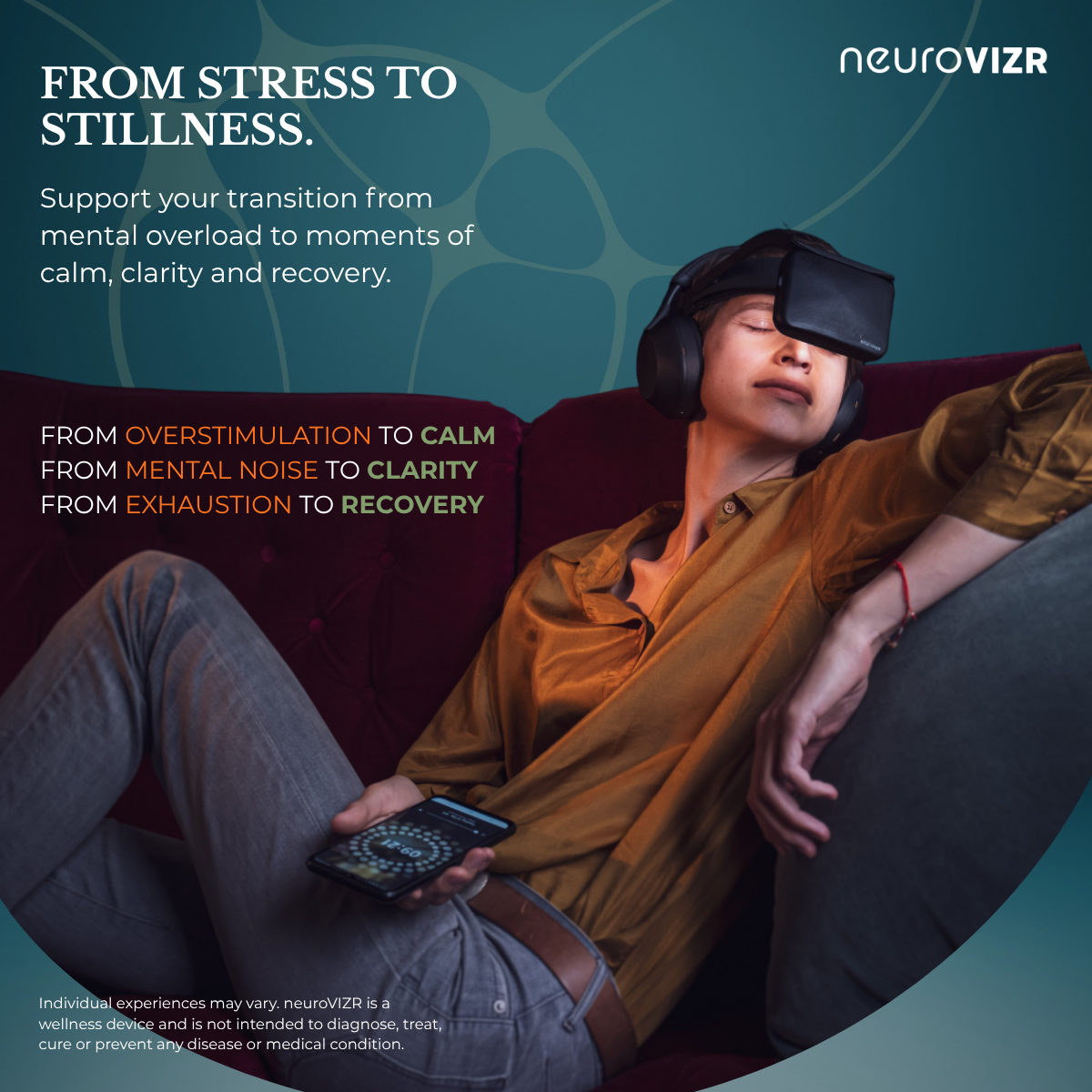
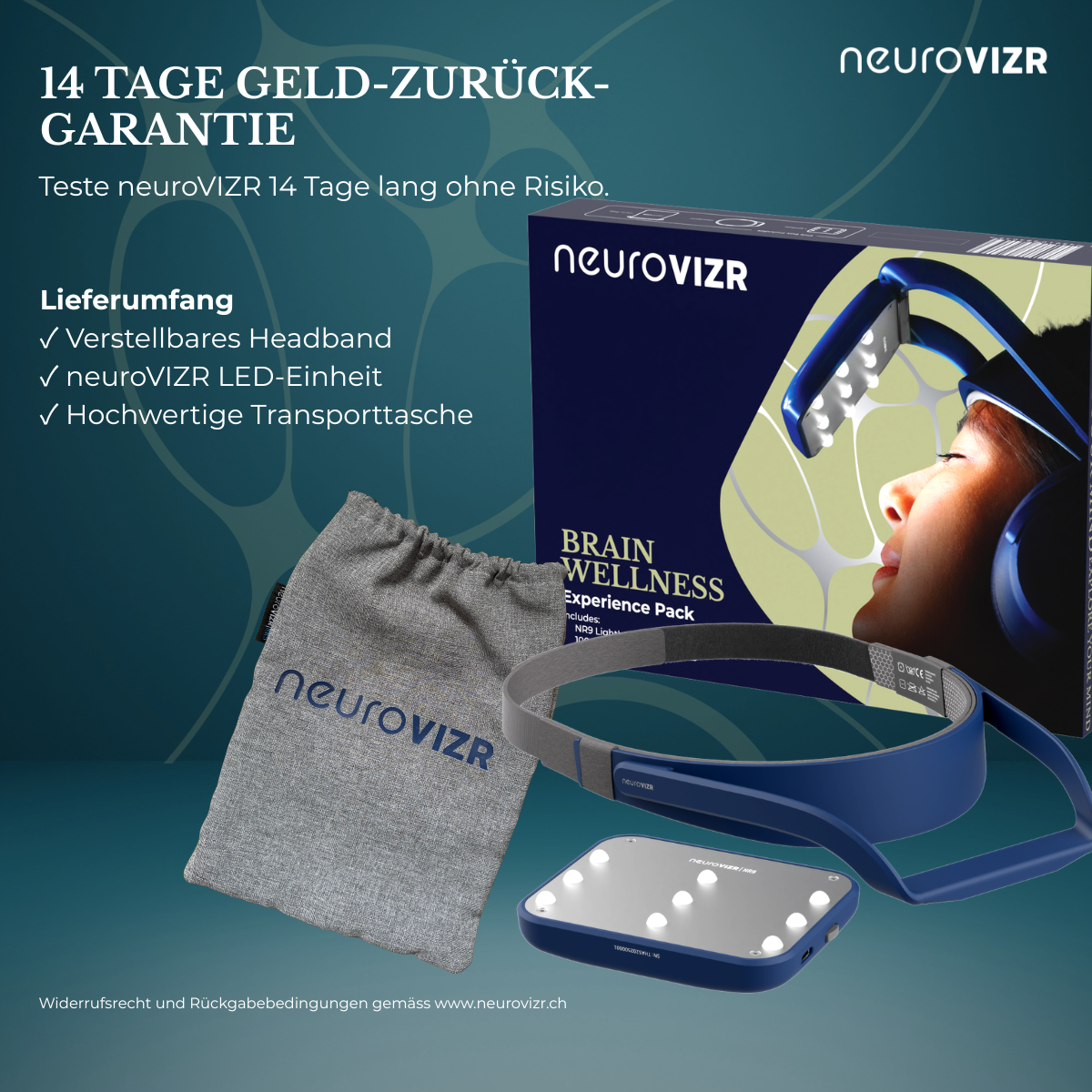
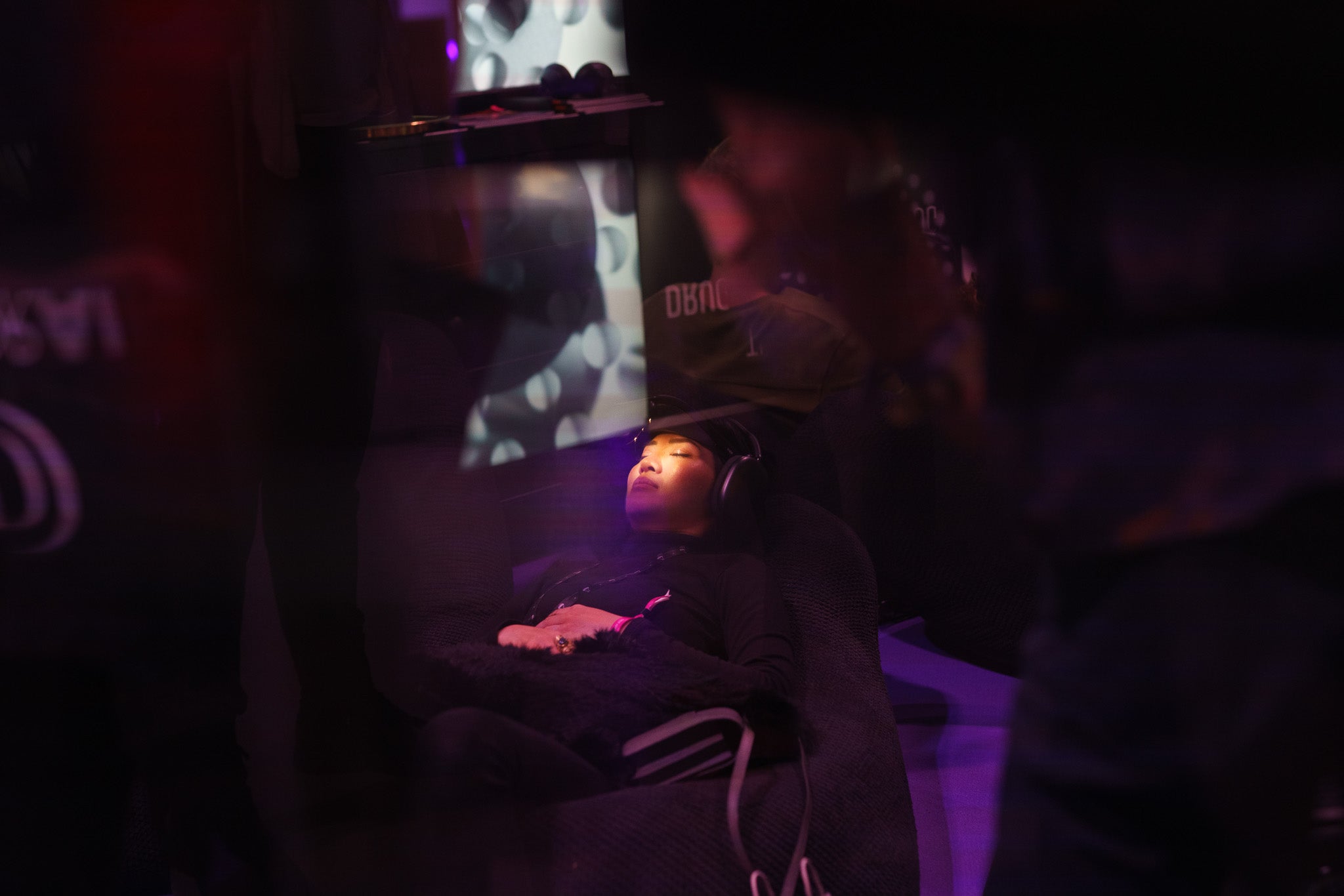
Devices like neuroVIZR use rhythmic light and sound patterns to create immersive sensory experiences often associated with relaxation and focused attention.
They can be used:
-
After a long shift
-
Before sleep
-
As part of a personal relaxation routine
These tools are designed to support moments of calm alongside other practices like breathing or mindfulness.
6. Nourish Your Body Consistently
Your daily habits play an important role in how you feel.
Simple tips:
-
Stay hydrated throughout your shift
-
Choose balanced meals when possible
-
Prepare quick, healthy snacks in advance
Consistent nourishment can help support energy and focus.
7. Practice Short Mindfulness Sessions
You don’t need long sessions to benefit from mindfulness.
You can try:
-
A 5-minute guided session
-
Quiet breathing with eyes closed
-
Visualizing a peaceful place
Even brief pauses can help you reset during the day.
8. Stay Connected with Others
Connection can make a big difference during demanding days.
Small ways to stay connected:
-
Share a light moment with a colleague
-
Send a quick message to a friend
-
Talk through a challenging shift
These moments can help you feel supported and less isolated.
9. Build a Simple Post-Shift Routine
A consistent routine after work can help you transition into rest.
Example:
-
Take a few deep breaths before leaving work
-
Listen to calming music on your commute
-
Stretch or take a warm shower at home
-
Spend a few minutes relaxing or unwinding
-
Reflect on one positive moment from your day
Consistency matters more than perfection.
Quick Summary
-
Small habits can support calm during busy shifts
-
Short practices like breathing or movement can help reset your day
-
Sensory tools, mindfulness, and routines can support relaxation
-
Staying consistent is key
Final Thoughts
Taking care of others is at the heart of nursing—but taking care of yourself matters just as much.
Even small moments of calm can make a difference over time. Whether it’s a deep breath, a short walk, or a quiet moment at the end of your shift, these practices can help you feel more balanced in your daily routine.
FAQs
How can nurses manage stress during long shifts?
Nurses can manage stress by using short techniques like deep breathing, quick stretches, and brief moments of mindfulness throughout their shift.
What are simple ways to relax after work?
Simple ways include listening to calming music, taking a warm shower, stretching, or spending a few quiet minutes unwinding.
Can light and sound experiences help with relaxation?
Structured light and sound patterns can create immersive sensory experiences that many people associate with relaxation and focused attention.
Why is a routine important for stress management?
A consistent routine helps create structure, making it easier to transition from work mode to rest and recovery.











Share:
Lexiscan Stress Test: What to Expect, Duration & Preparation
21 Powerful Affirmations for Anxiety to Support Calm and Balance