
Understanding Anxiety in Perimenopause
  • Written by Gourav Rathore

Disclaimer

This content is for informational purposes only and does not constitute medical advice. It is not intended to diagnose, treat, or replace professional healthcare guidance.

Introduction: When Anxiety Feels Unexpected

Perimenopause can bring emotional changes that may feel unfamiliar or difficult to understand. For many women, one of the most surprising experiences is a sense of unease or restlessness that doesn’t seem clearly linked to everyday stress.

It may feel a sudden racing mind, a tight chest, or a sense that something is off, even when nothing obvious is wrong.

If you’ve never considered yourself an anxious person, this experience can feel confusing. However, it’s important to remember that these changes are often part of a natural transition, not a personal failure or something “going wrong.”

Why Perimenopause May Feel Different

During perimenopause, the body goes through gradual internal changes that can influence how you experience emotions, sleep, and daily rhythms.

These shifts may affect how your body responds to stress and how easily you return to a calm state. As a result, you might notice:

  • Increased sensitivity to daily pressures

  • Changes in sleep patterns

  • A general feeling of restlessness or alertness

  • Moments of emotional fluctuation

Rather than being constant, these feelings often appear as a subtle, ongoing sense of unease that can be hard to describe.

Why These Feelings Can Be Disturbing

What makes this experience challenging is not just the feeling itself, but how unfamiliar it can seem.

You may find yourself thinking:

  • “Why am I feeling this way now?”

  • “Why does this feel different from before?”

  • “Why is it harder to relax?”

During times of change, the body and mind may feel less predictable. When things feel unpredictable, it’s natural to feel unsettled.

In this context, these sensations can be understood as part of the body adjusting to new rhythms rather than something to fear.

A Different Way to Look at It

Instead of viewing these feelings as a problem, it can help to see them as signals that your body is adapting.

This phase is often a transition rather than a fixed condition. Many women experience shifts in:

  • Emotional sensitivity

  • Daily energy patterns

  • Response to stress

Seen this way, these feelings may be a sign that your body is asking for more balance, consistency, and supportive routines.

Supporting Yourself During This Transition

During periods of change, gentle and consistent support can make a meaningful difference.

Helpful approaches may include:

1. Creating Simple Daily Routines

  • Maintain regular sleep and wake times

  • Build small, predictable habits into your day

2. Reducing Overload

  • Limit multitasking where possible

  • Allow space for rest between activities

3. Encouraging Moments of Calm

  • Take short breaks during the day

  • Spend time in quiet or low-stimulation environments

4. Engaging the Senses

Experiences involving light, sound, breath, or gentle movement can create calming moments and help you reconnect with a sense of steadiness.

These are not about forcing relaxation, but about creating space for it to happen naturally.

Shifting Your Relationship With These Feelings

One of the most helpful shifts is changing how you respond internally.

Instead of asking:

“How do I get rid of this?”

You might ask:

“What do I need right now?”

Sometimes the answer may be:

  • Rest

  • Quiet time

  • Reassurance

  • Simplicity

Approaching these moments with curiosity rather than resistance can often reduce their intensity over time.

A Gentle Perspective

Perimenopause is a period of adjustment. Your body is adapting to new internal patterns and learning a different sense of balance.

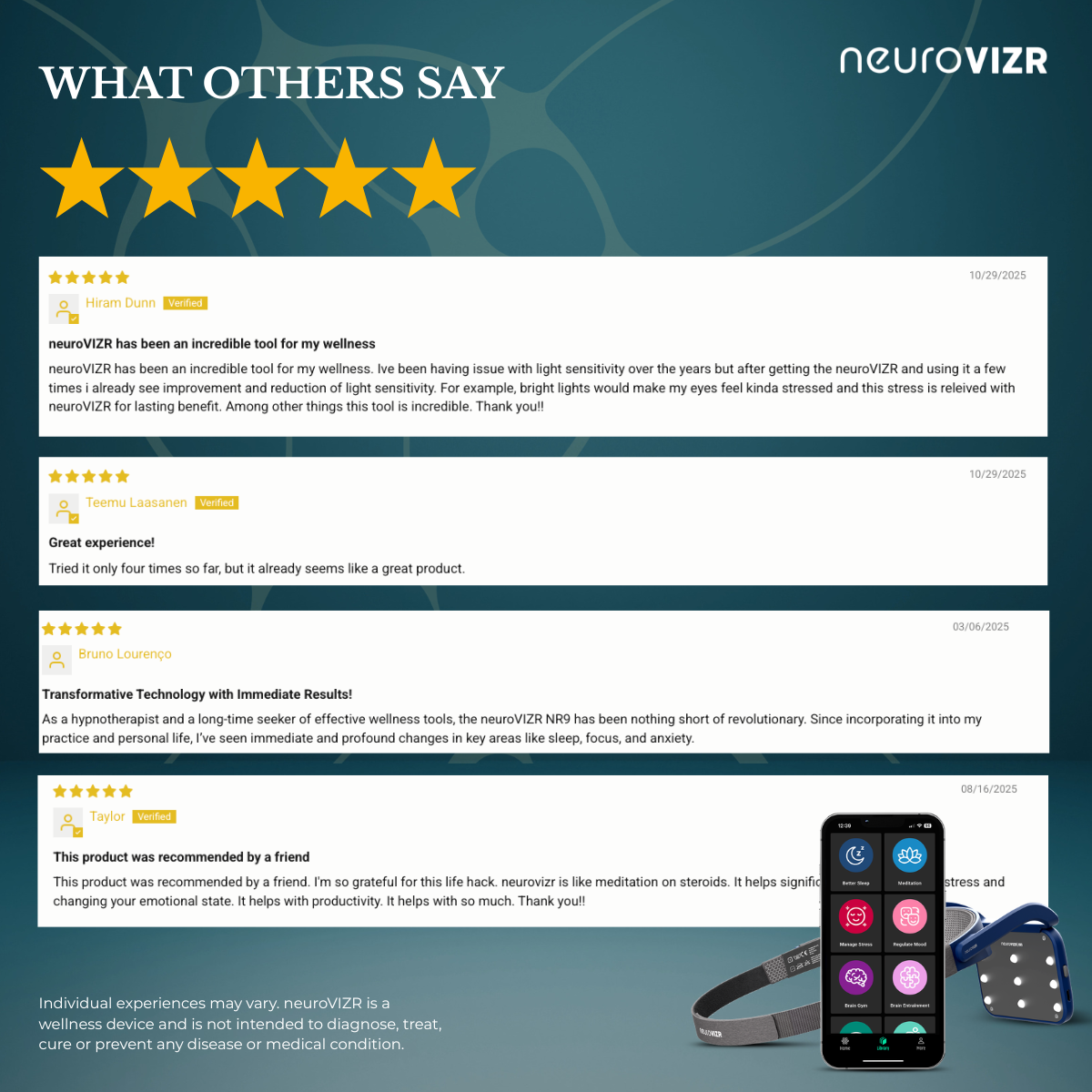
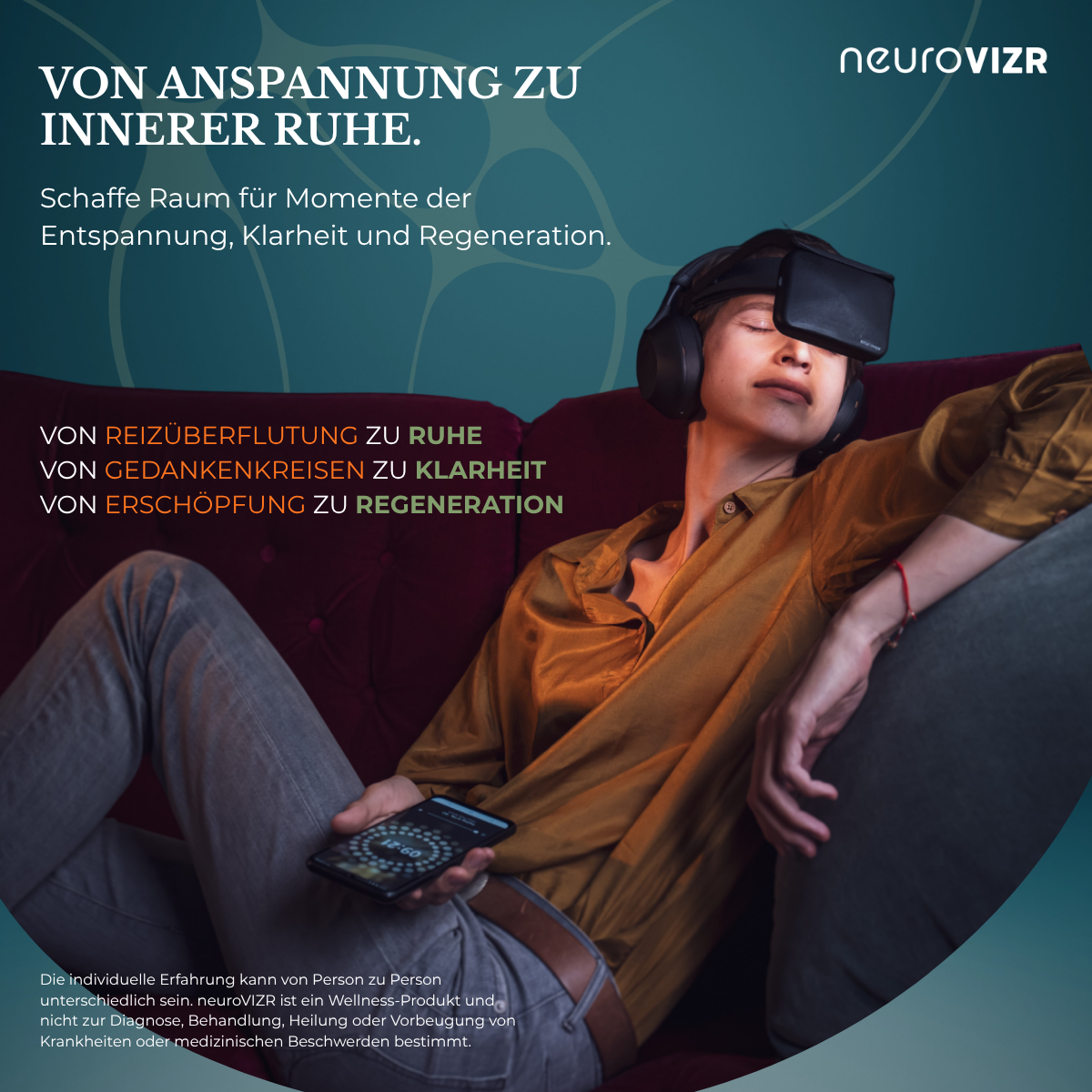
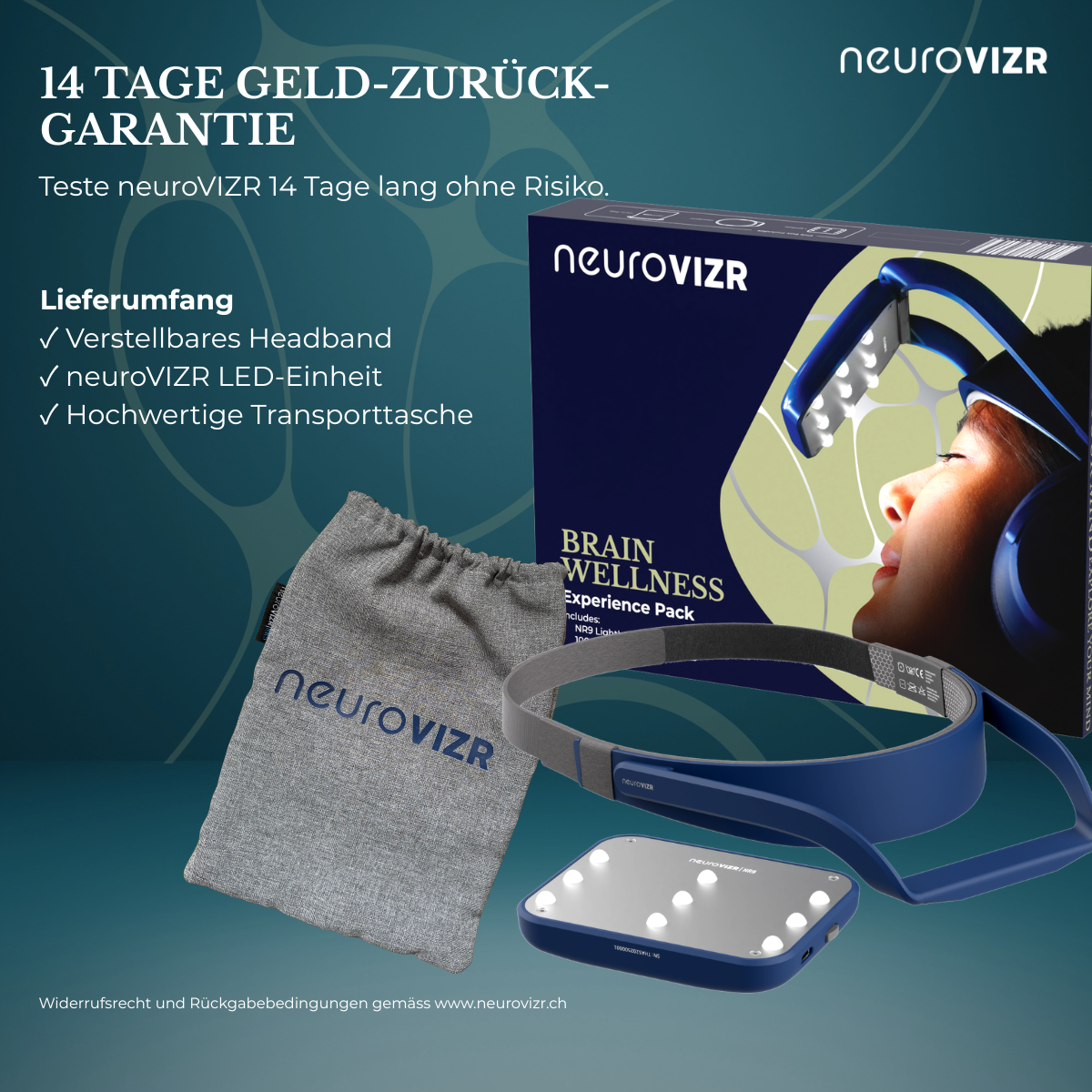
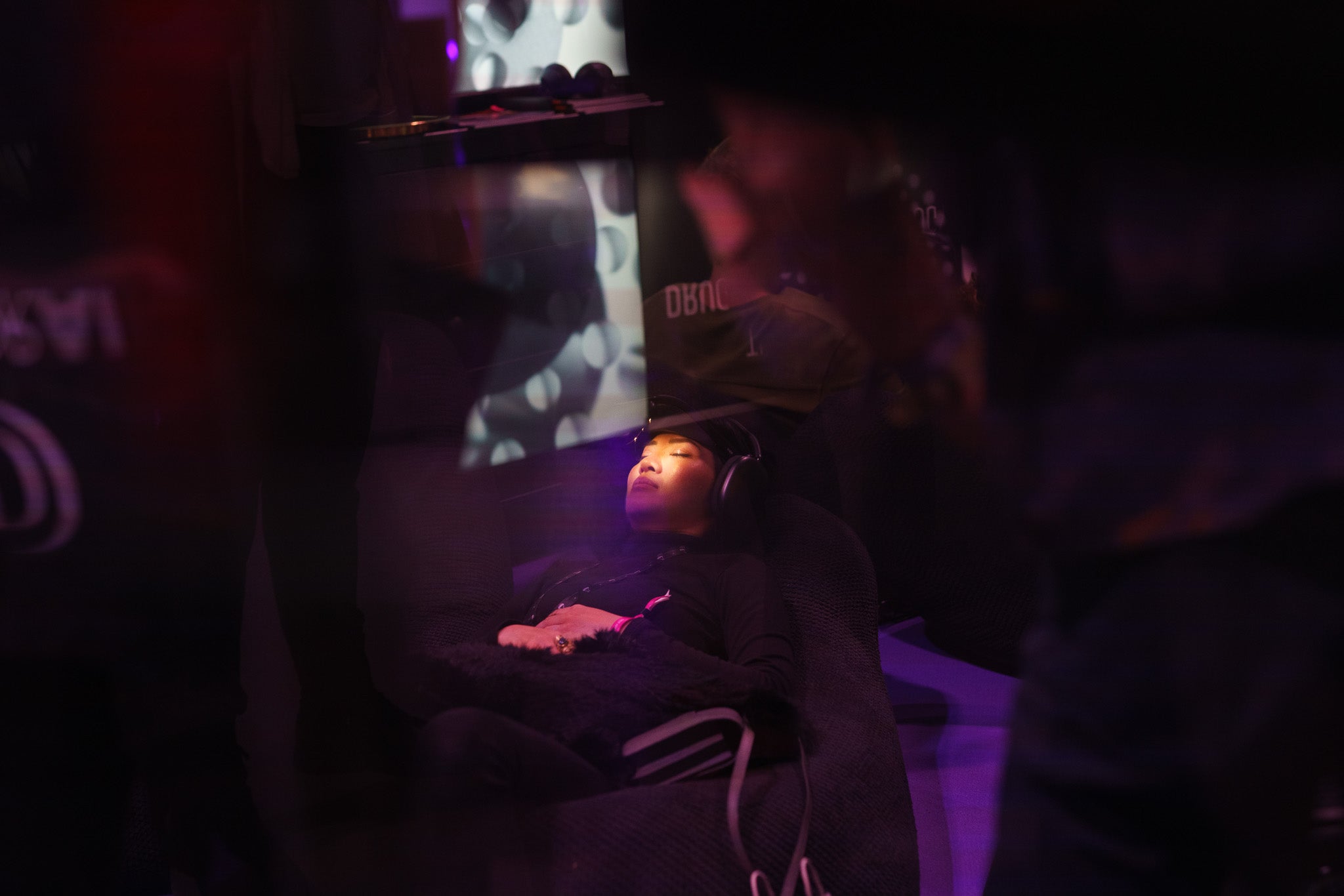
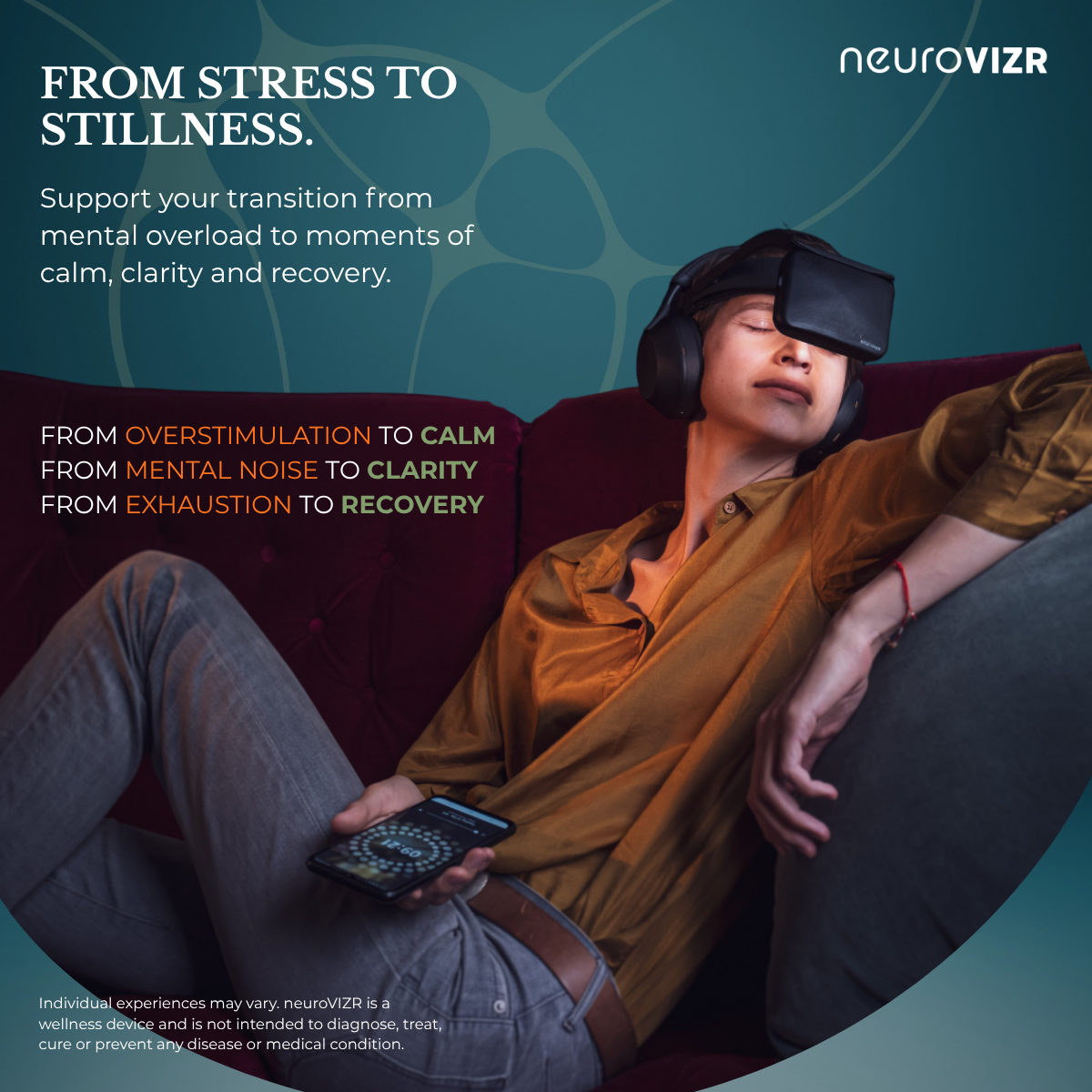
At neuroVIZR, we focus on creating sensory light and sound experiences that are designed to support moments of calm and relaxation. These experiences may help individuals step away from daily overstimulation and reconnect with a more settled state.

This is not about fixing something that is broken it’s about supporting yourself through change.

Frequently Asked Questions (FAQs)

1. Can perimenopause lead to new feelings of anxiety?

Yes, many women notice emotional changes during this time, even if they have not experienced them before. These shifts are often part of the body’s natural transition.

2. Why do these feelings sometimes appear suddenly?

Changes in daily rhythms and internal balance can make experiences feel less predictable, which may lead to sudden moments of unease.

3. Is this a long-term condition?

Not necessarily. For many people, this phase is temporary and evolves over time as the body adjusts.

4. Why does it feel physical as well as emotional?

These experiences often involve both body and mind, which is why sensations can appear before you fully process them.


Disclaimer

This content is for informational purposes only and does not constitute medical advice. It is not intended to diagnose, treat, or replace professional healthcare guidance.

Introduction: When Anxiety Feels Unexpected

Perimenopause can bring emotional changes that may feel unfamiliar or difficult to understand. For many women, one of the most surprising experiences is a sense of unease or restlessness that doesn’t seem clearly linked to everyday stress.

It may feel a sudden racing mind, a tight chest, or a sense that something is off, even when nothing obvious is wrong.

If you’ve never considered yourself an anxious person, this experience can feel confusing. However, it’s important to remember that these changes are often part of a natural transition, not a personal failure or something “going wrong.”

Why Perimenopause May Feel Different

During perimenopause, the body goes through gradual internal changes that can influence how you experience emotions, sleep, and daily rhythms.

These shifts may affect how your body responds to stress and how easily you return to a calm state. As a result, you might notice:

  • Increased sensitivity to daily pressures

  • Changes in sleep patterns

  • A general feeling of restlessness or alertness

  • Moments of emotional fluctuation

Rather than being constant, these feelings often appear as a subtle, ongoing sense of unease that can be hard to describe.

Why These Feelings Can Be Disturbing

What makes this experience challenging is not just the feeling itself, but how unfamiliar it can seem.

You may find yourself thinking:

  • “Why am I feeling this way now?”

  • “Why does this feel different from before?”

  • “Why is it harder to relax?”

During times of change, the body and mind may feel less predictable. When things feel unpredictable, it’s natural to feel unsettled.

In this context, these sensations can be understood as part of the body adjusting to new rhythms rather than something to fear.

A Different Way to Look at It

Instead of viewing these feelings as a problem, it can help to see them as signals that your body is adapting.

This phase is often a transition rather than a fixed condition. Many women experience shifts in:

  • Emotional sensitivity

  • Daily energy patterns

  • Response to stress

Seen this way, these feelings may be a sign that your body is asking for more balance, consistency, and supportive routines.

Supporting Yourself During This Transition

During periods of change, gentle and consistent support can make a meaningful difference.

Helpful approaches may include:

1. Creating Simple Daily Routines

  • Maintain regular sleep and wake times

  • Build small, predictable habits into your day

2. Reducing Overload

  • Limit multitasking where possible

  • Allow space for rest between activities

3. Encouraging Moments of Calm

  • Take short breaks during the day

  • Spend time in quiet or low-stimulation environments

4. Engaging the Senses

Experiences involving light, sound, breath, or gentle movement can create calming moments and help you reconnect with a sense of steadiness.

These are not about forcing relaxation, but about creating space for it to happen naturally.

Shifting Your Relationship With These Feelings

One of the most helpful shifts is changing how you respond internally.

Instead of asking:

“How do I get rid of this?”

You might ask:

“What do I need right now?”

Sometimes the answer may be:

  • Rest

  • Quiet time

  • Reassurance

  • Simplicity

Approaching these moments with curiosity rather than resistance can often reduce their intensity over time.

A Gentle Perspective

Perimenopause is a period of adjustment. Your body is adapting to new internal patterns and learning a different sense of balance.

At neuroVIZR, we focus on creating sensory light and sound experiences that are designed to support moments of calm and relaxation. These experiences may help individuals step away from daily overstimulation and reconnect with a more settled state.

This is not about fixing something that is broken it’s about supporting yourself through change.

Frequently Asked Questions (FAQs)

1. Can perimenopause lead to new feelings of anxiety?

Yes, many women notice emotional changes during this time, even if they have not experienced them before. These shifts are often part of the body’s natural transition.

2. Why do these feelings sometimes appear suddenly?

Changes in daily rhythms and internal balance can make experiences feel less predictable, which may lead to sudden moments of unease.

3. Is this a long-term condition?

Not necessarily. For many people, this phase is temporary and evolves over time as the body adjusts.

4. Why does it feel physical as well as emotional?

These experiences often involve both body and mind, which is why sensations can appear before you fully process them.
Enhance Your Mental Clarity With neuroVIZR