

Disclaimer
This content is for informational purposes only and does not constitute medical advice. Individual experiences may vary. If you have concerns about your mental or physical health, please consult a qualified healthcare professional.
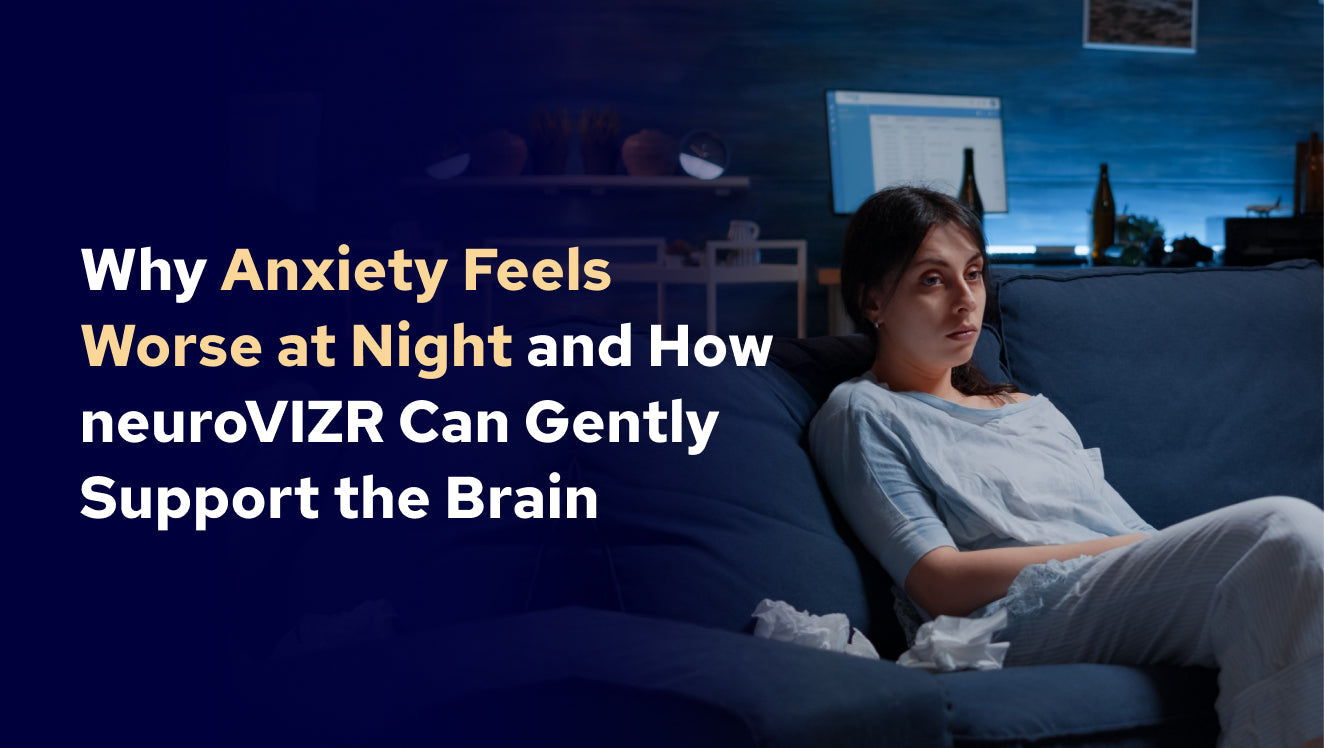
For many people, anxiety doesn’t peak during the busiest hours of the day—it shows up at night.
As the environment becomes quieter and distractions fade, thoughts may feel louder. The body may feel tense, and falling asleep can become more difficult.
If you’ve experienced this, you’re not alone. Nighttime anxiety is common and often linked to how the mind and body transition from activity to rest.
Why Does Anxiety Feel Stronger at Night?
During the day, your attention is focused outward on work, conversations, and daily tasks.
At night, this shifts.
The mind naturally becomes more reflective, turning inward toward thoughts, memories, and planning. Without external distractions, worries may feel more noticeable.
At the same time:
-
Mental fatigue can make it harder to manage thoughts
-
Quiet surroundings can amplify internal experiences
-
The transition from activity to rest may feel abrupt
This doesn’t mean something is wrong, it's simply how the mind processes the day when given space.
The Shift from Activity to Rest
Sleep is not an instant switch. It’s a gradual transition.
Sometimes, even when the body feels tired, the mind may still feel alert. This can create a mismatch:
-
You’re physically ready for rest
-
But mentally still active or aware
In many cases, nighttime anxiety is less about specific thoughts and more about this internal imbalance.
How Sensory Experiences May Support Relaxation
Throughout the day, your mind responds to different sensory inputs—light, sound, movement, and environment.
In the evening, introducing gentle and predictable sensory experiences may help signal that it’s time to slow down.
Instead of forcing relaxation, the goal is to:
-
Create a calm and stable environment
-
Reduce overstimulation
-
Support a smoother transition into rest
Examples of calming sensory routines include:
-
Soft lighting
-
Gentle audio or ambient sounds
-
Breathing or mindfulness practices
-
Screen-free time before bed
The Role of neuroVIZR in Evening Routines
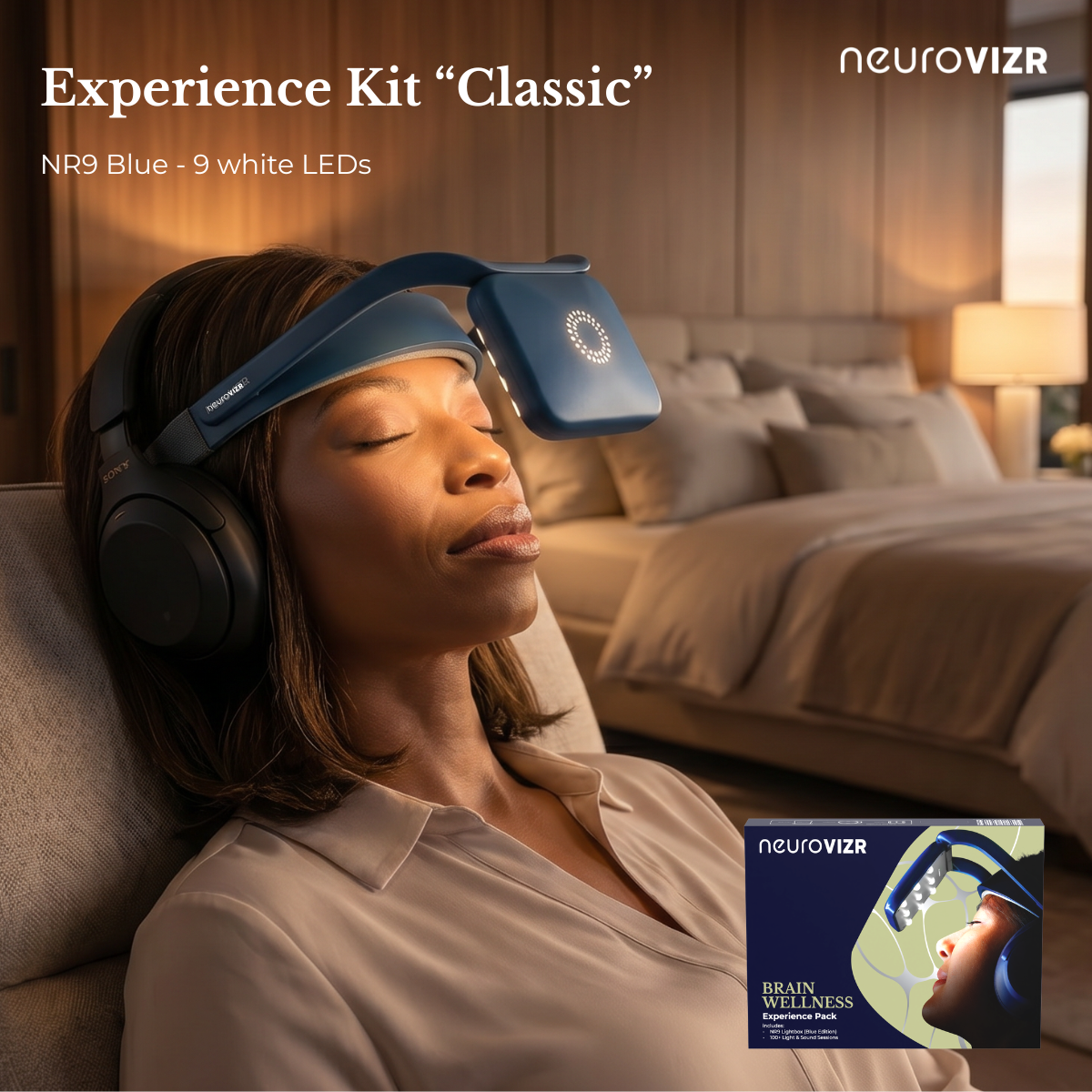
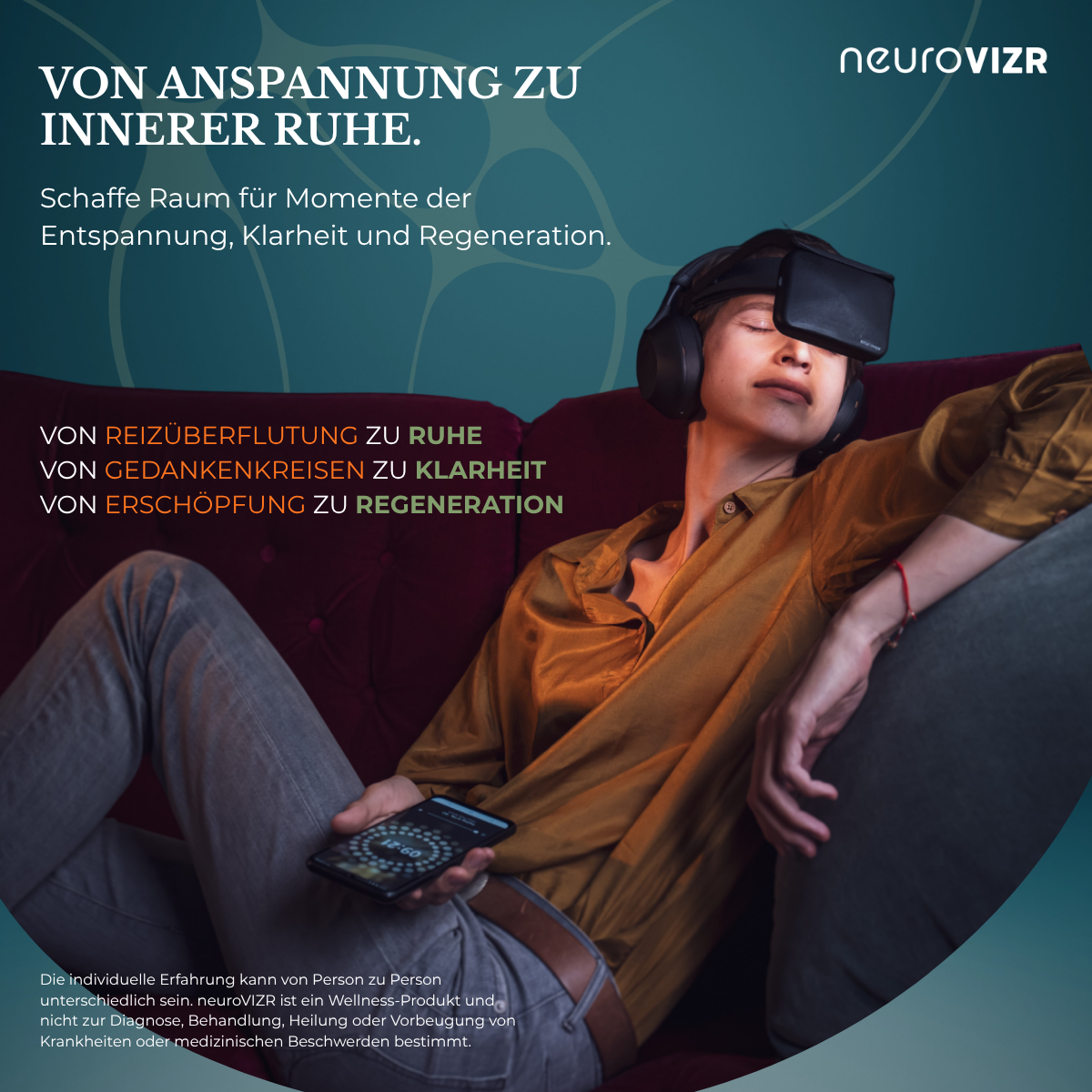
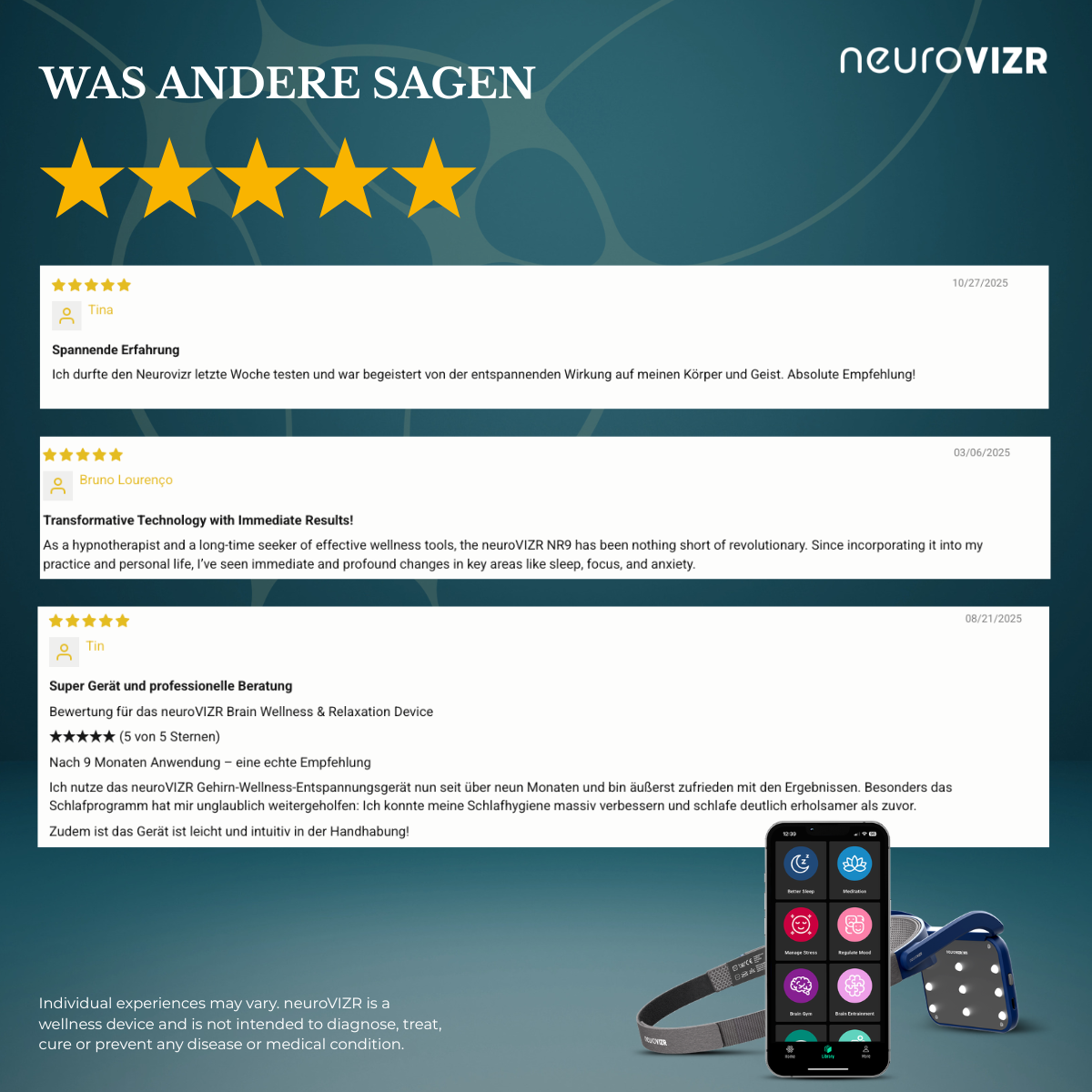
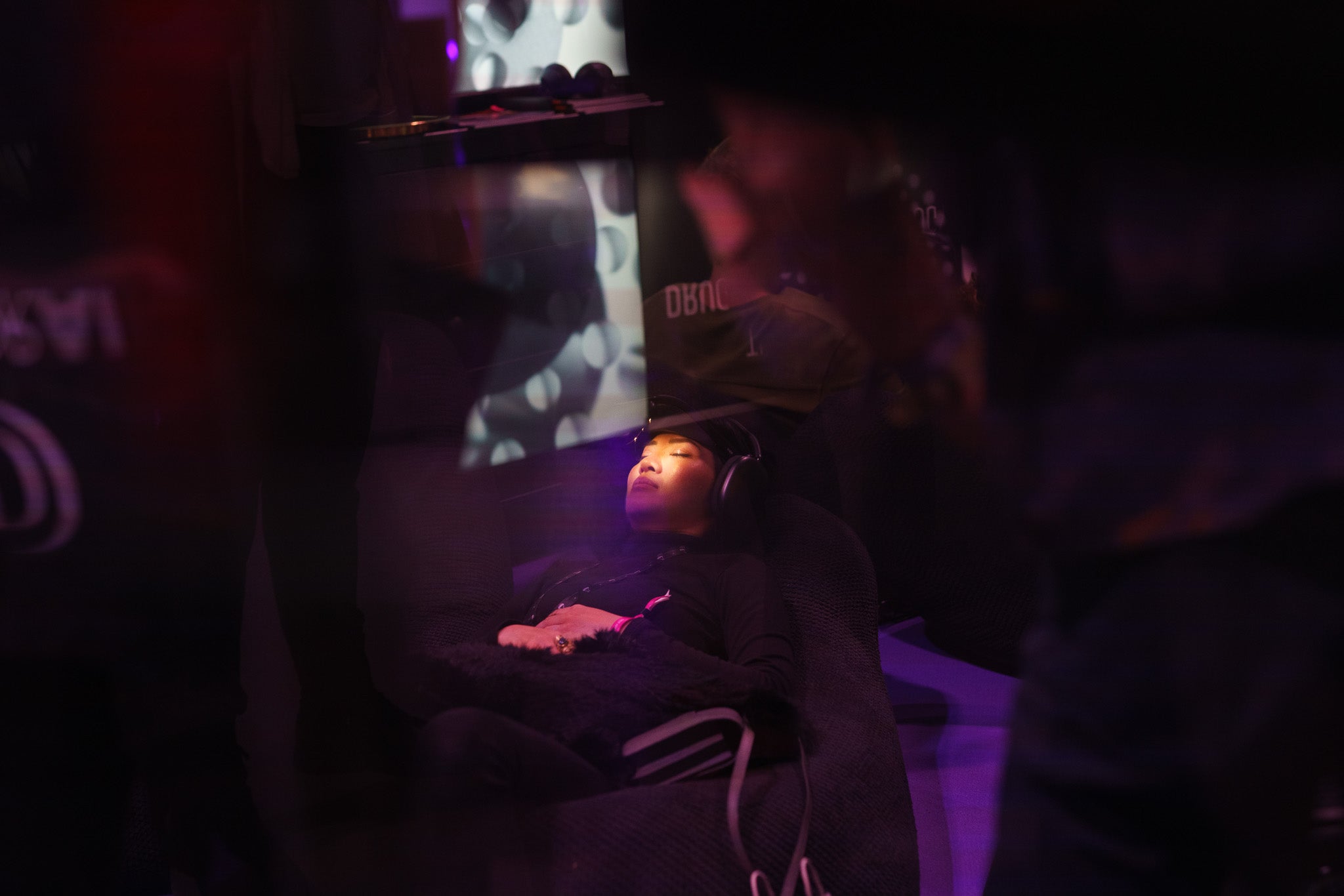
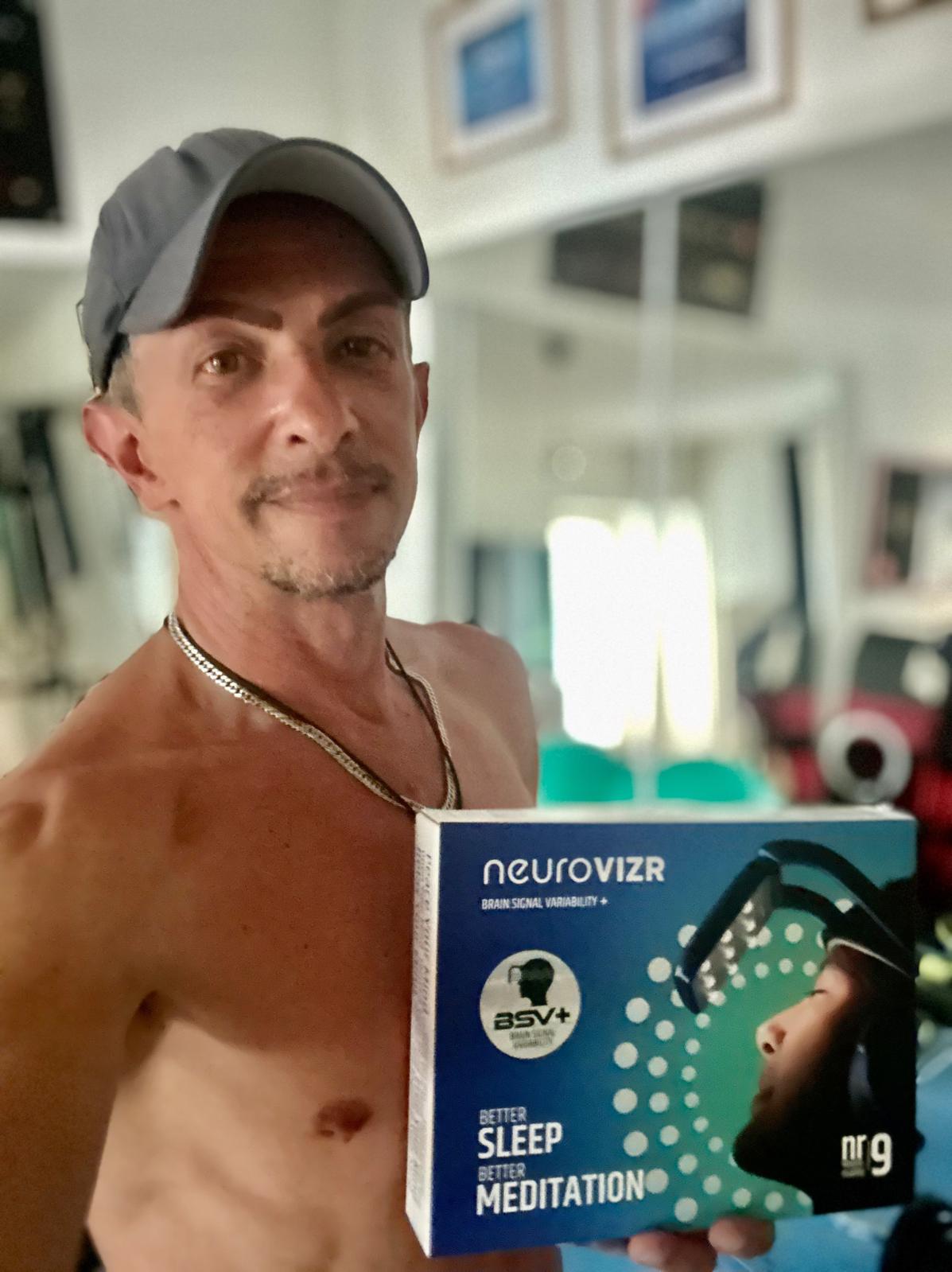
Devices like neuroVIZR use structured light and sound patterns to create immersive sensory experiences often associated with relaxation and focused attention.
They are designed as wellness tools that may help:
-
Support a consistent wind-down routine
-
Provide rhythmic sensory input
-
Encourage moments of calm before sleep
Rather than acting as a quick fix, these experiences are often used as part of a broader evening routine.
A Simple Nighttime Relaxation Routine
If nighttime anxiety is something you experience regularly, a simple and repeatable routine may help:
-
Dim lights about an hour before sleep
-
Write down lingering thoughts or tasks
-
Spend 10–20 minutes in a calming sensory activity
-
Breathwork
-
Soft audio
-
Light and sound experiences
-
Reduce screen exposure
-
Transition into a quiet, comfortable sleep environment
Over time, this consistency may help your mind associate evenings with calm and rest.
Key Takeaways
-
Nighttime anxiety often appears when the mind becomes more reflective
-
Mental fatigue and quiet environments can make thoughts feel stronger
-
Gentle sensory routines may support relaxation
-
Tools like neuroVIZR can be part of a calming evening ritual
-
Consistency is more important than quick solutions
A Different Perspective on Nighttime Anxiety
Nighttime anxiety is not always something to fight.
Sometimes, it’s a signal that your mind needs space, rhythm, and a sense of calm.
By creating a predictable and supportive environment, many people find it easier to unwind naturally.
FAQs
Why does anxiety get worse at night?
Anxiety may feel stronger at night because the mind shifts from external activity to internal reflection. With fewer distractions, thoughts and emotions can become more noticeable.
How can I relax before bed?
You can support relaxation by creating a consistent evening routine. This may include dim lighting, reducing screen time, journaling, and engaging in calming sensory experiences.
Why do I overthink when lying down?
When you lie down, your mind often enters a reflective state focused on thoughts, memories, and planning. This can sometimes lead to overthinking, especially after a busy day.
Can routines help with nighttime anxiety?
Yes, consistent and calming routines may help signal to your mind that it’s time to rest, making it easier to unwind over time.
Is nighttime anxiety common?
Yes, many people experience increased mental activity at night. If it becomes persistent or disruptive, it may be helpful to seek guidance from a qualified professional.












Share:
Can Technology Support Stress Relief Naturally?
How Long on a Treadmill for a Stress Test? Duration, Process & What to Expect