

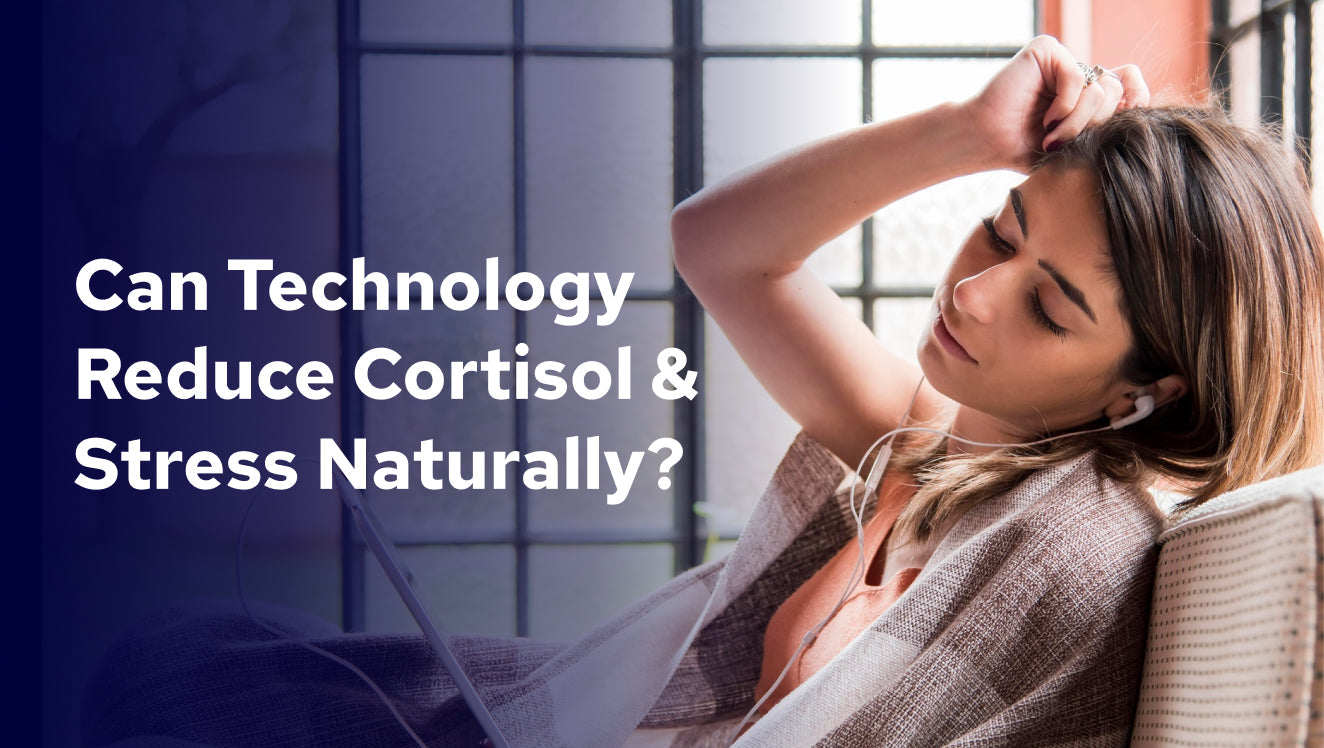
Cortisol is your body's main stress hormone. In short bursts it's helpful, it wakes you up and sharpens focus. But when stress stays high for weeks, cortisol can remain elevated and leave you feeling wired, tired and unable to switch off.
The good news: everyday habits can support a healthier cortisol rhythm. Here are ten natural, science-backed ways to lower cortisol and feel calmer.
What is cortisol and why does it matter?
Cortisol follows a daily curve: naturally higher in the morning to get you going, lower at night so you can rest. Chronic stress can flatten or raise that curve, which is why supporting it matters for sleep, energy and mood.
Signs your cortisol may be running high
- Feeling "tired but wired," especially at night
- Trouble falling or staying asleep
- Cravings, low energy dips, or tension you can't shake
- Racing thoughts and difficulty relaxing
10 natural ways to lower cortisol
1. Prioritise sleep
Consistent, sufficient sleep is the single strongest lever for a balanced cortisol rhythm.
2. Breathe slowly
Slow breathing with a longer exhale shifts you toward the parasympathetic "rest" state within minutes.
3. Move, but don't overtrain
Gentle to moderate movement helps; very intense training late in the day can push cortisol up.
4. Get morning daylight
Light early in the day supports a healthy cortisol curve and better sleep at night.
5. Watch caffeine timing
Caffeine late in the day can keep cortisol and alertness elevated when you want to wind down.
6. Practise mindfulness
Regular meditation or focused-attention practices are linked with a calmer stress response.
7. Connect with people
Positive social contact and laughter support relaxation and a steadier mood.
8. Eat regularly and steadily
Balanced meals and staying hydrated help avoid the energy crashes that add to stress.
9. Spend time in nature
Time outdoors is consistently associated with lower perceived stress.
10. Use calming light and sound routines
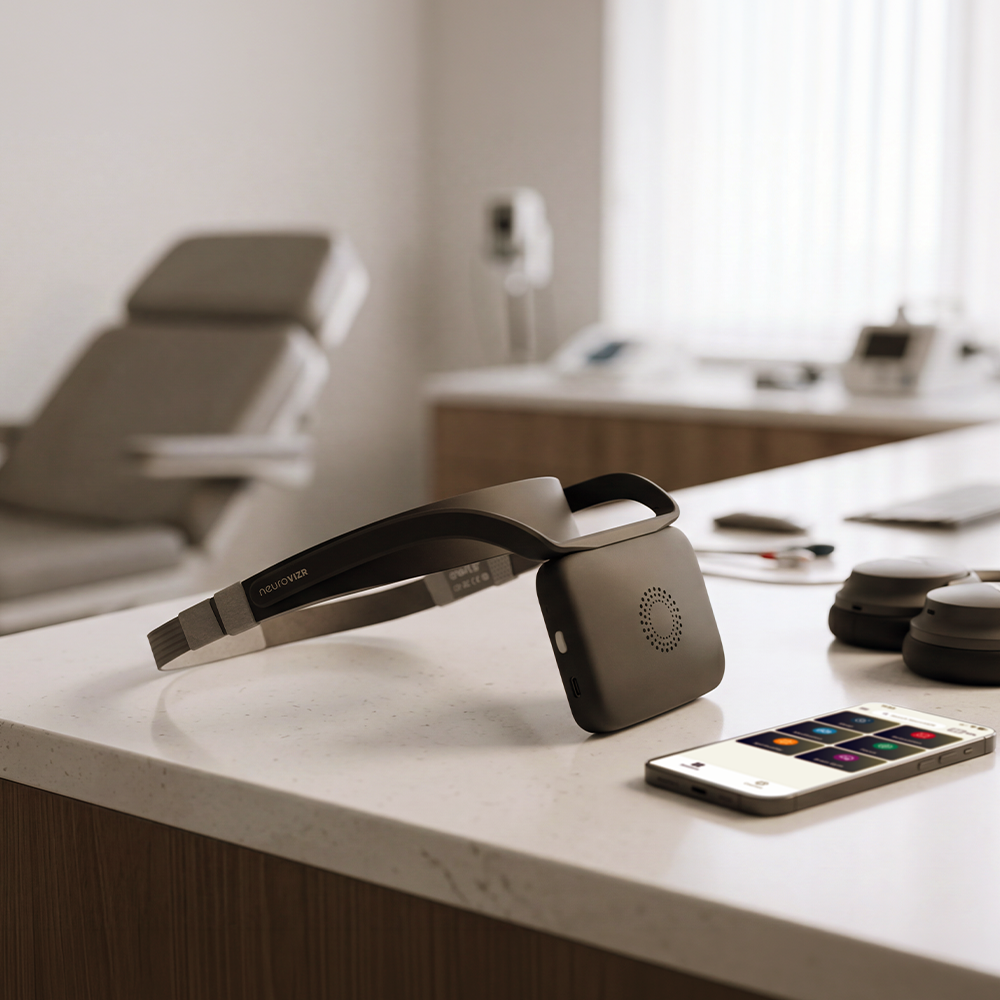
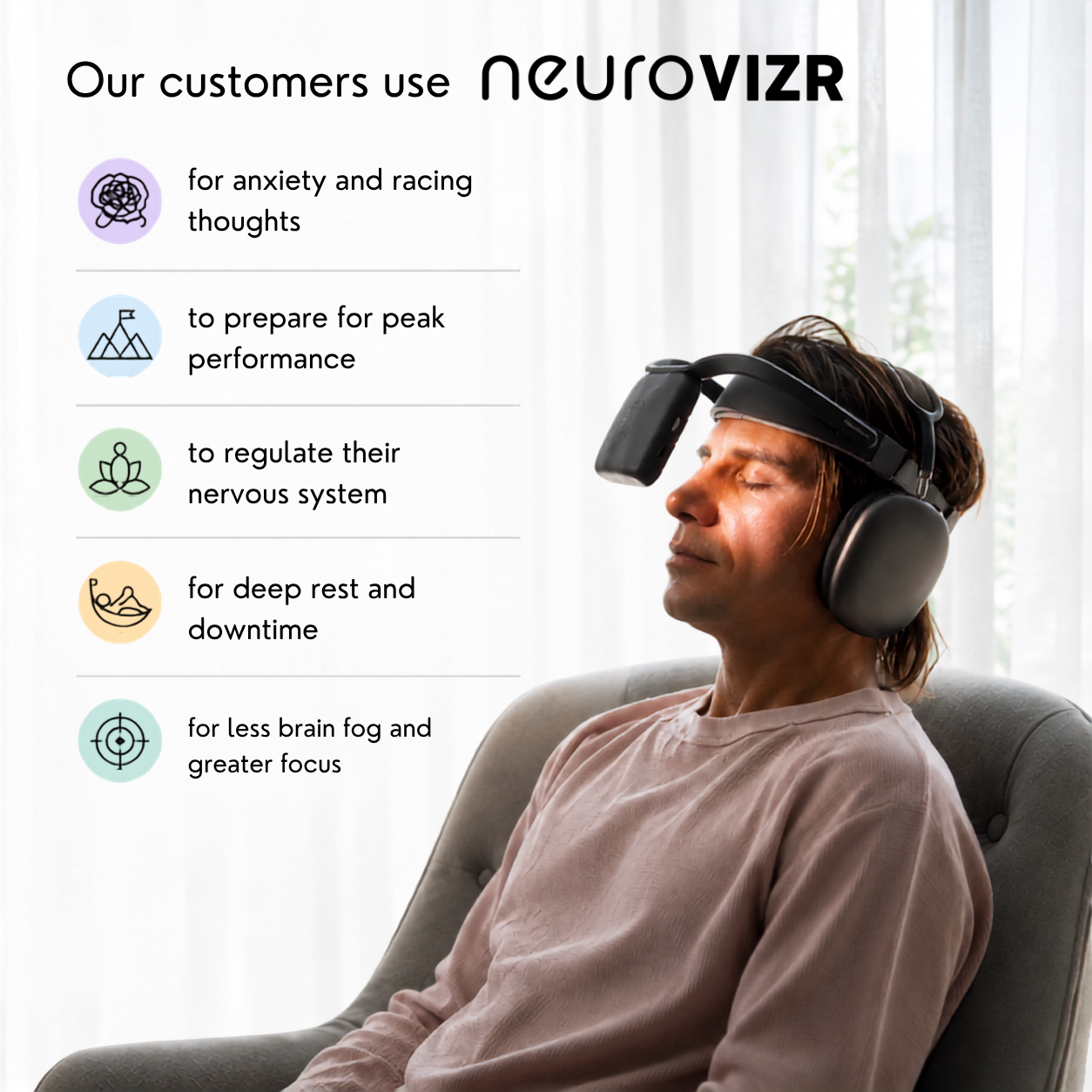
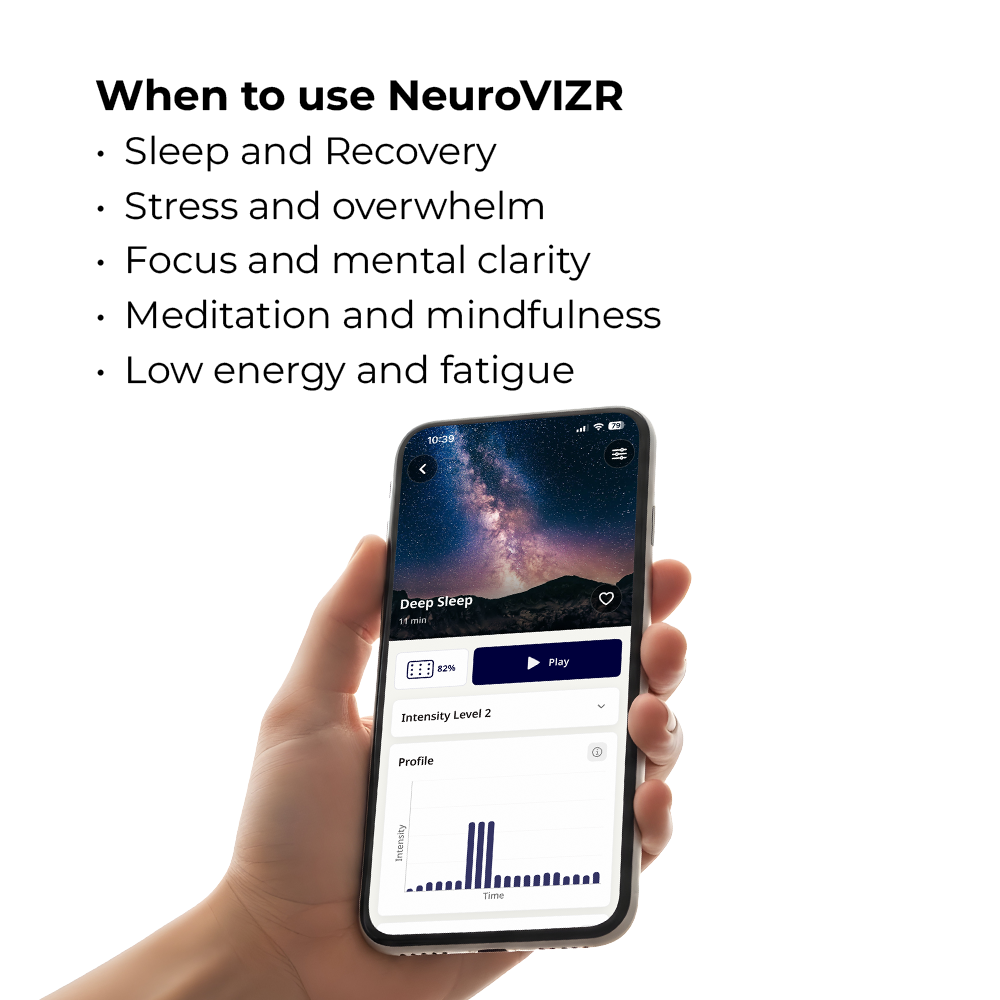
Structured light and sound cues, for example with a wellness device like neuroVIZR, create an immersive wind-down setting that many people find deeply relaxing.
Can technology help you relax?
Wellness tools that use structured light and sound, such as neuroVIZR, are designed to encourage moments of calm and focused attention as part of a broader routine. They don't replace sleep, movement or professional support, they make it easier to build a consistent relaxation habit.
Frequently asked questions
How can I lower cortisol quickly?
Slow breathing, a short walk in daylight and stepping away from screens can help calm the stress response in the moment.
What is the fastest natural way to reduce stress?
A few minutes of slow breathing with a long exhale is one of the quickest ways to shift toward calm.
Does poor sleep raise cortisol?
Yes, insufficient or irregular sleep is one of the most common contributors to an elevated cortisol pattern.








Share:
Brain Fog: 8 Simple Ways to Clear a Cloudy Mind
Brain Fog: 8 Simple Ways to Clear a Cloudy Mind