

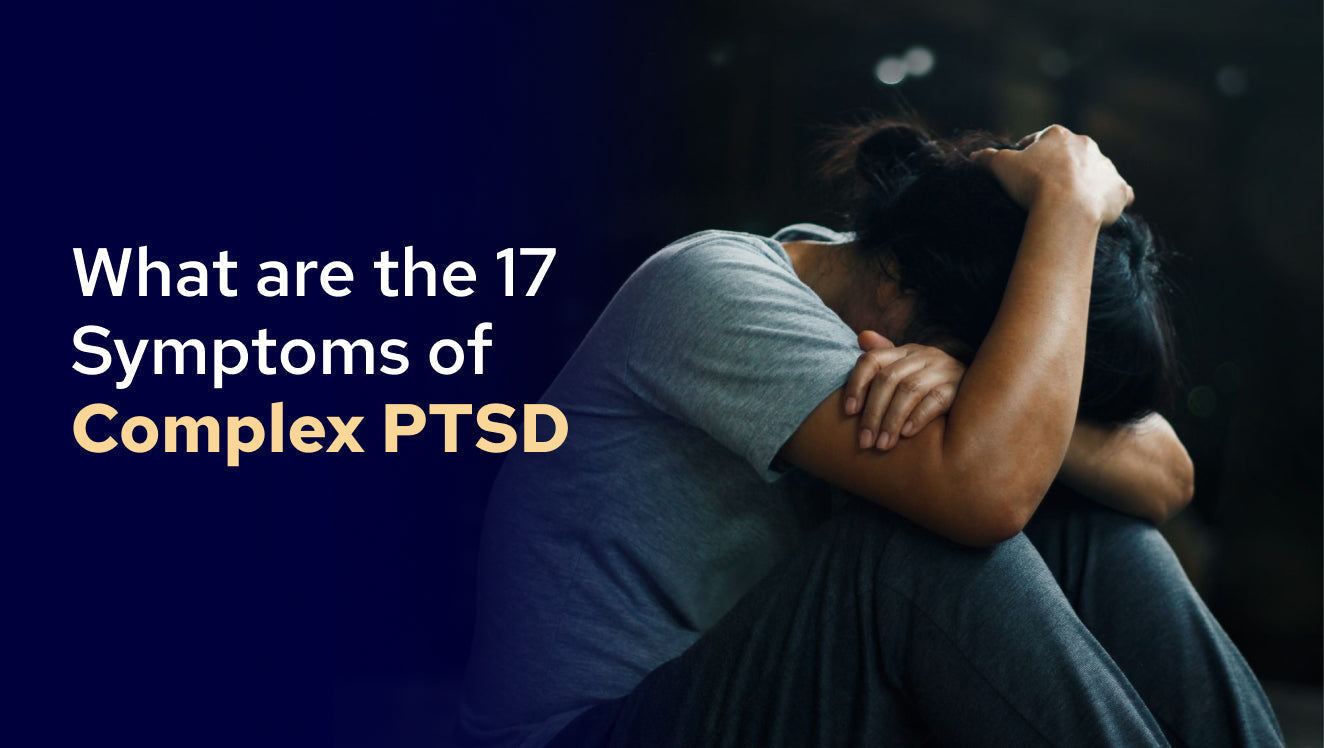
Complex PTSD (C-PTSD) is linked to repeated or long-term difficult experiences, often where a person felt unable to escape. Understanding it isn't about fear, it's about awareness, self-compassion and knowing support is possible.
What complex PTSD is
C-PTSD is associated with prolonged exposure to overwhelming situations. It can shape how a person manages emotions, sees themselves and relates to others, but with the right support, healing and stability are possible.
Common experiences
- Difficulty managing intense emotions
- Negative self-perception
- Challenges in relationships and trust
- Feeling on high alert, or emotionally exhausted
Gentle ways to support recovery
1. Professional support
Trauma-informed professionals can help you process experiences safely, this is the most important step.
2. Calming routines
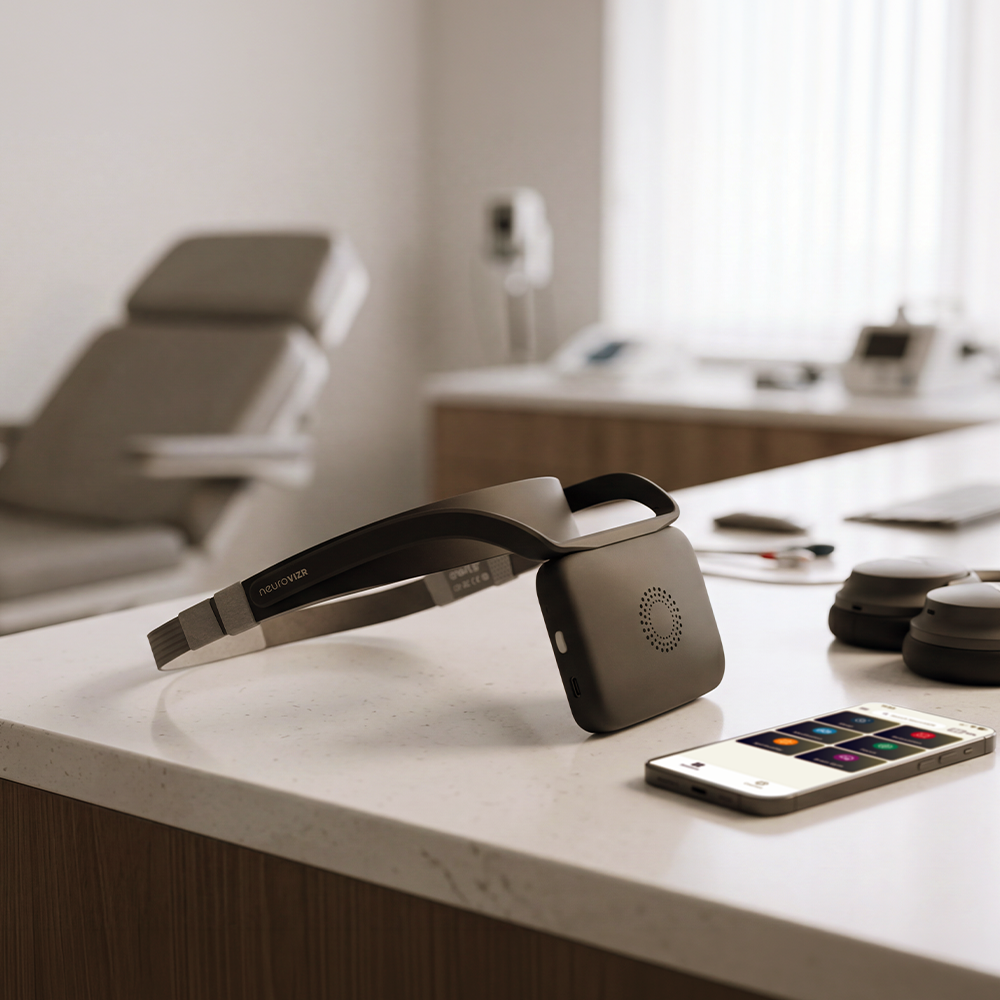
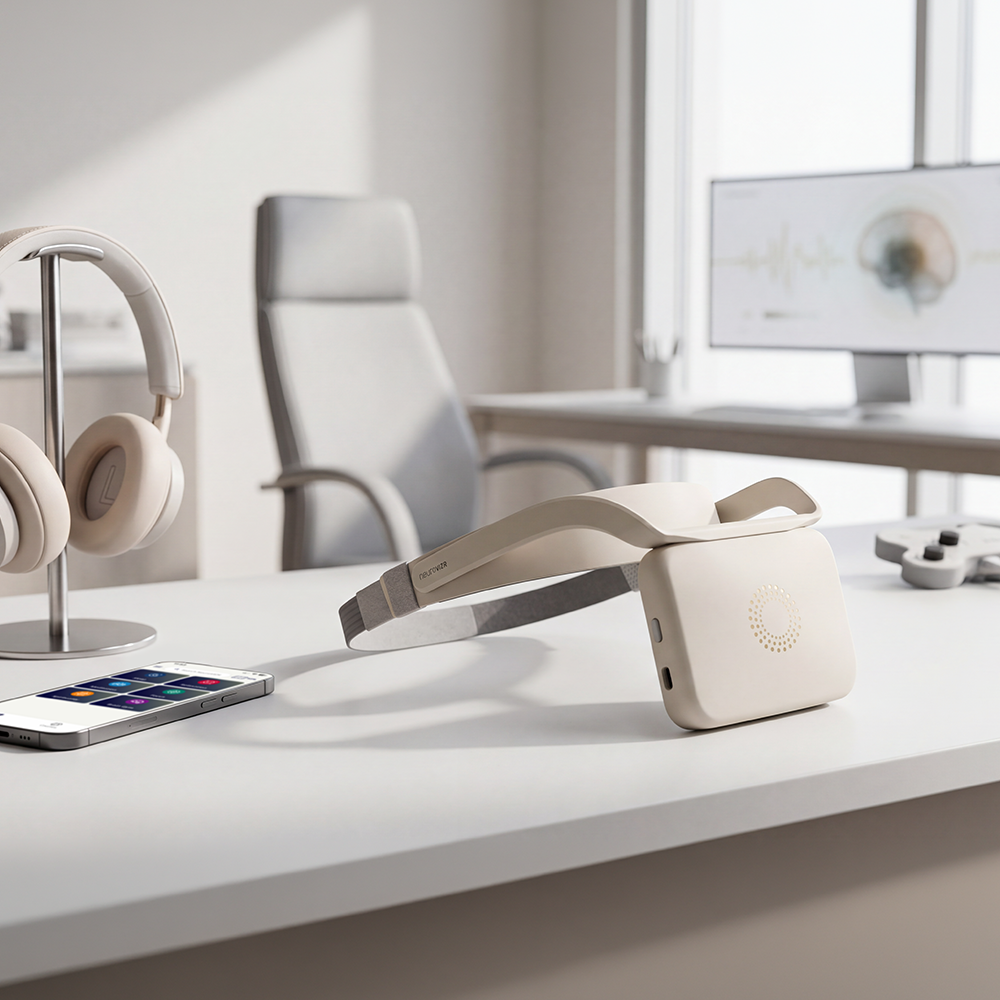
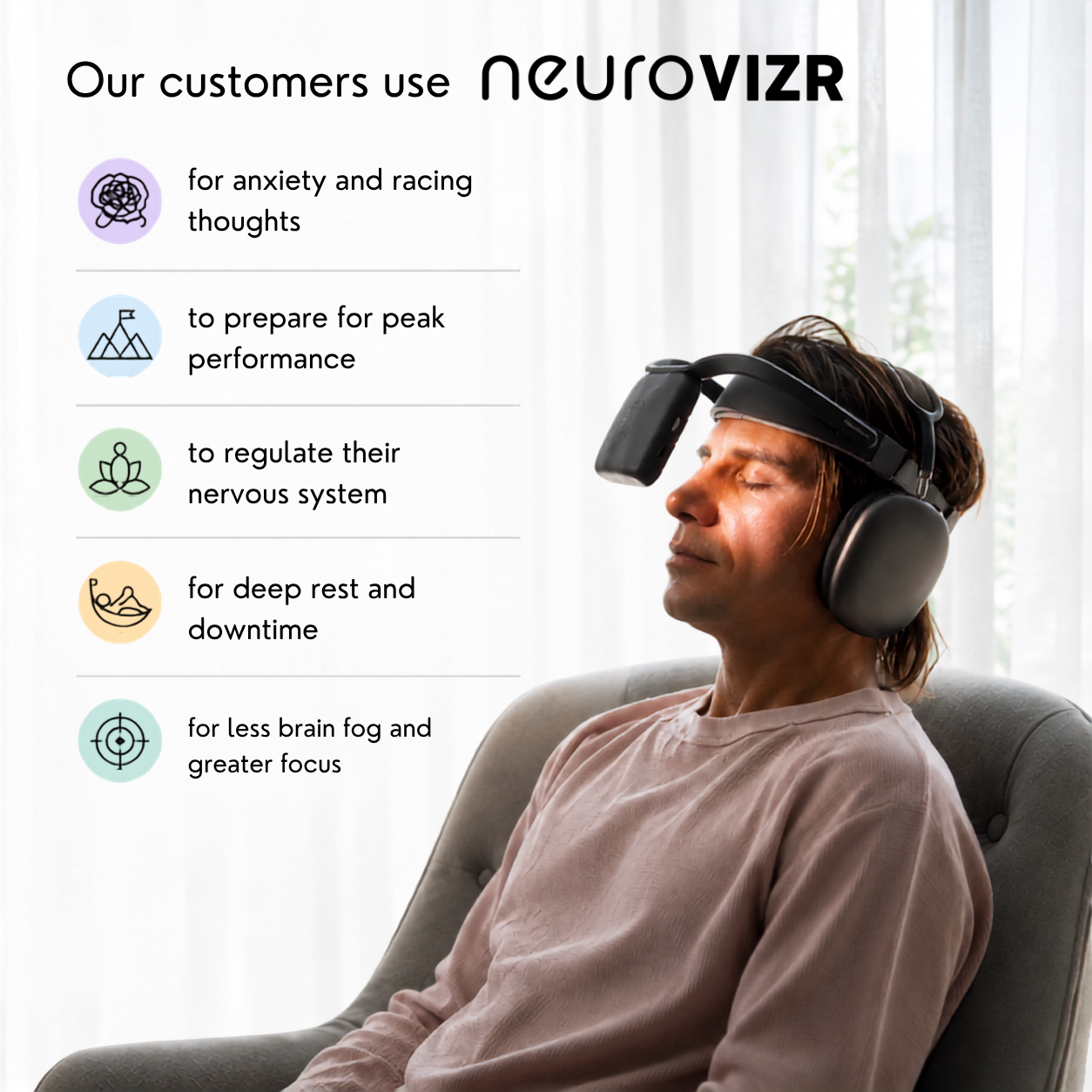
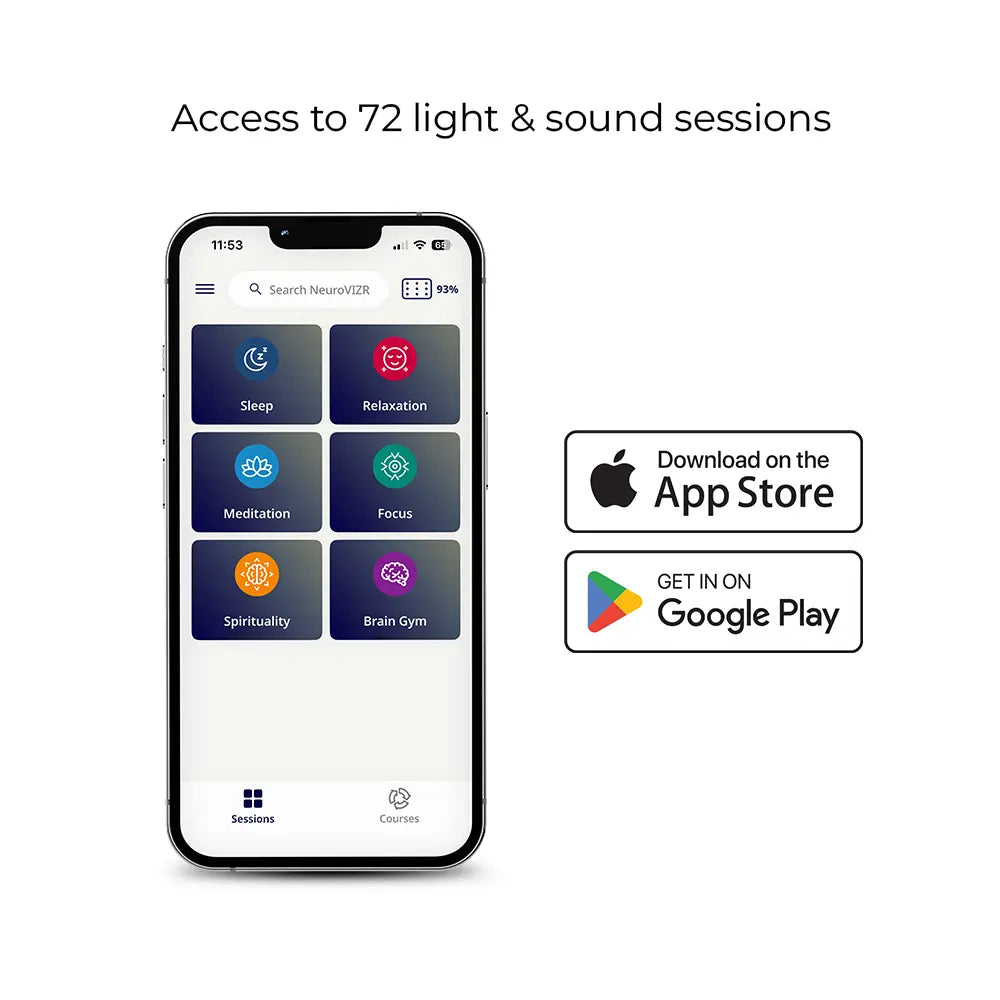
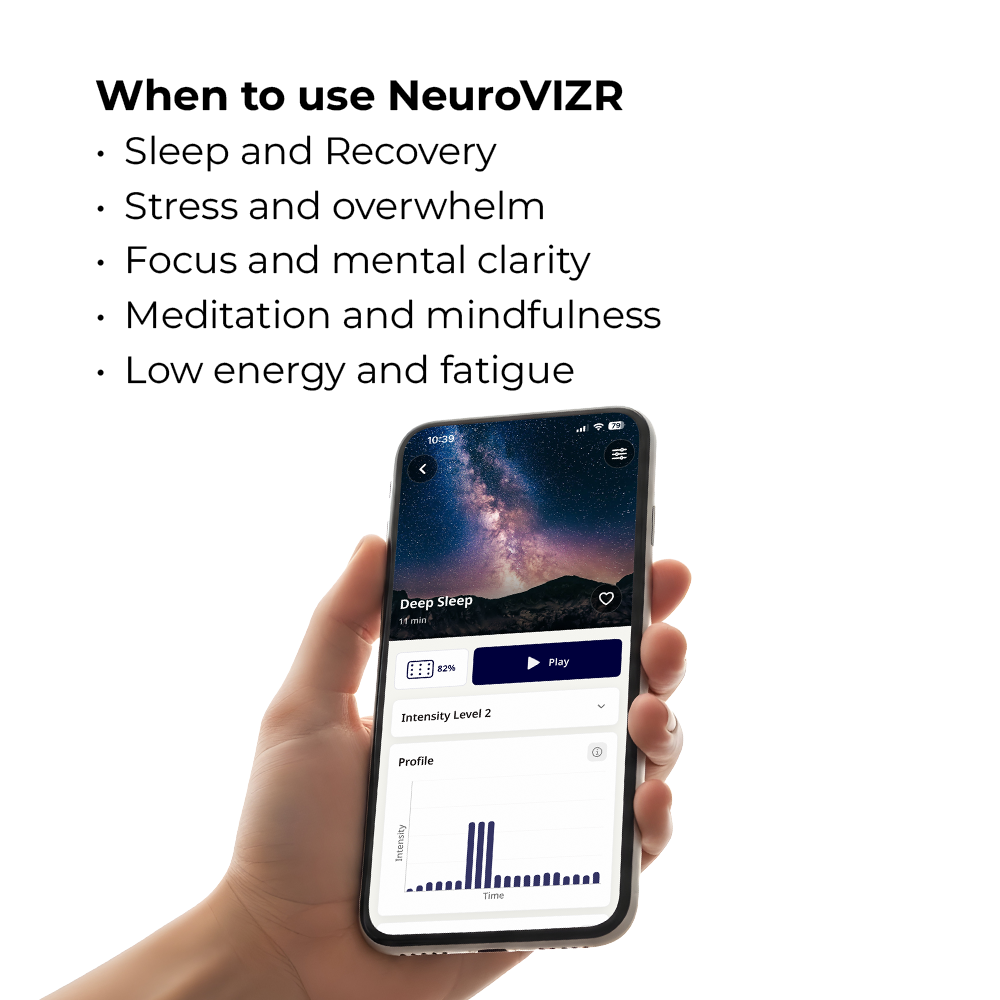
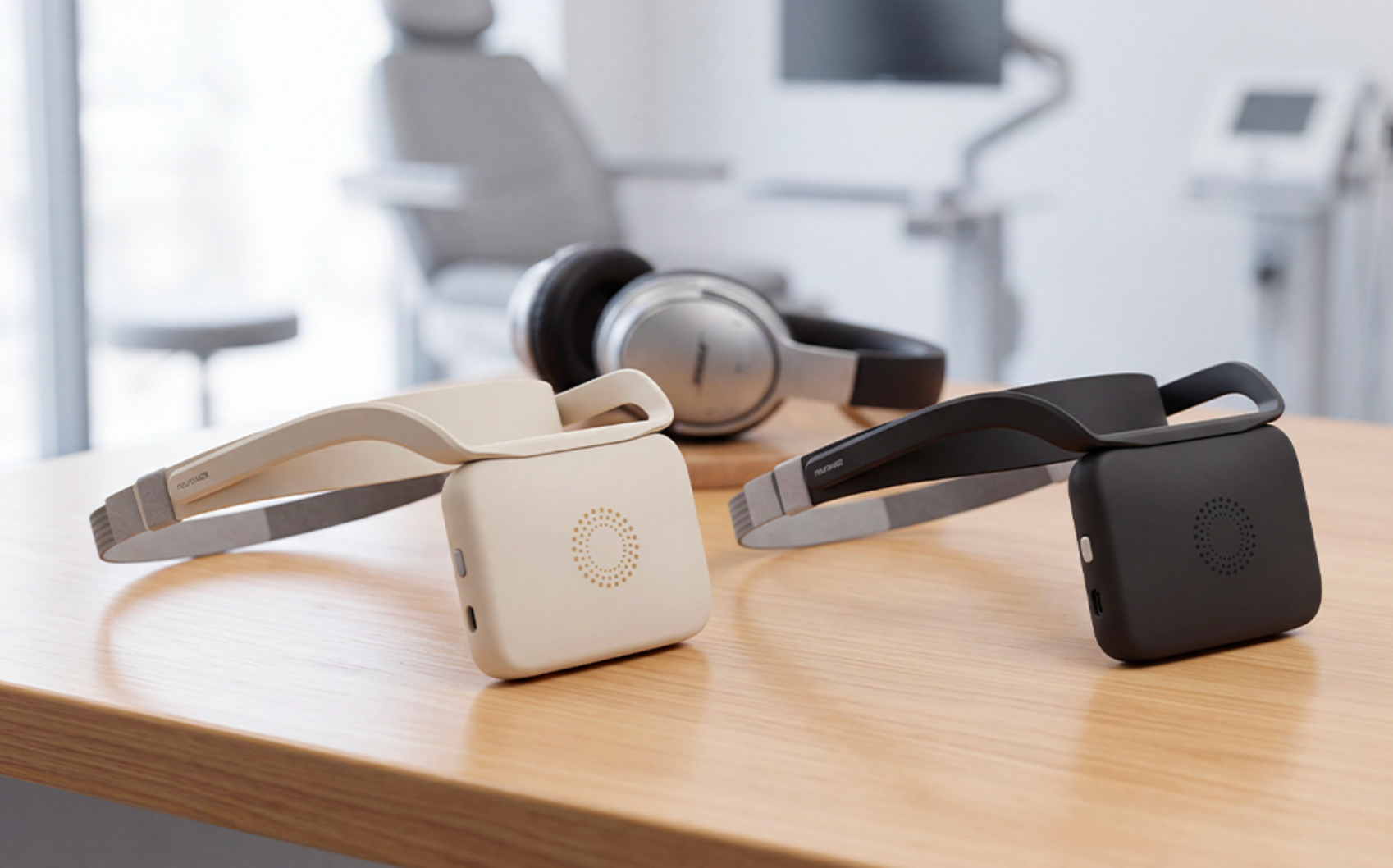
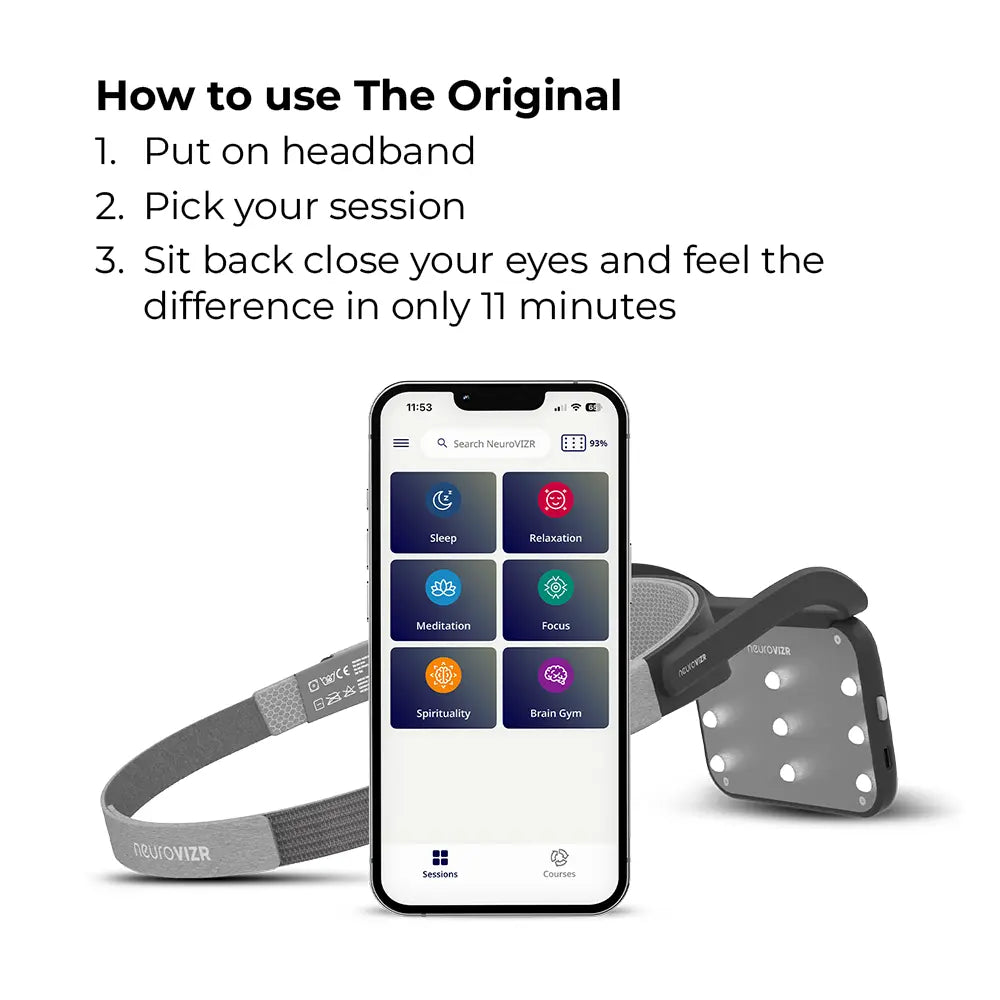
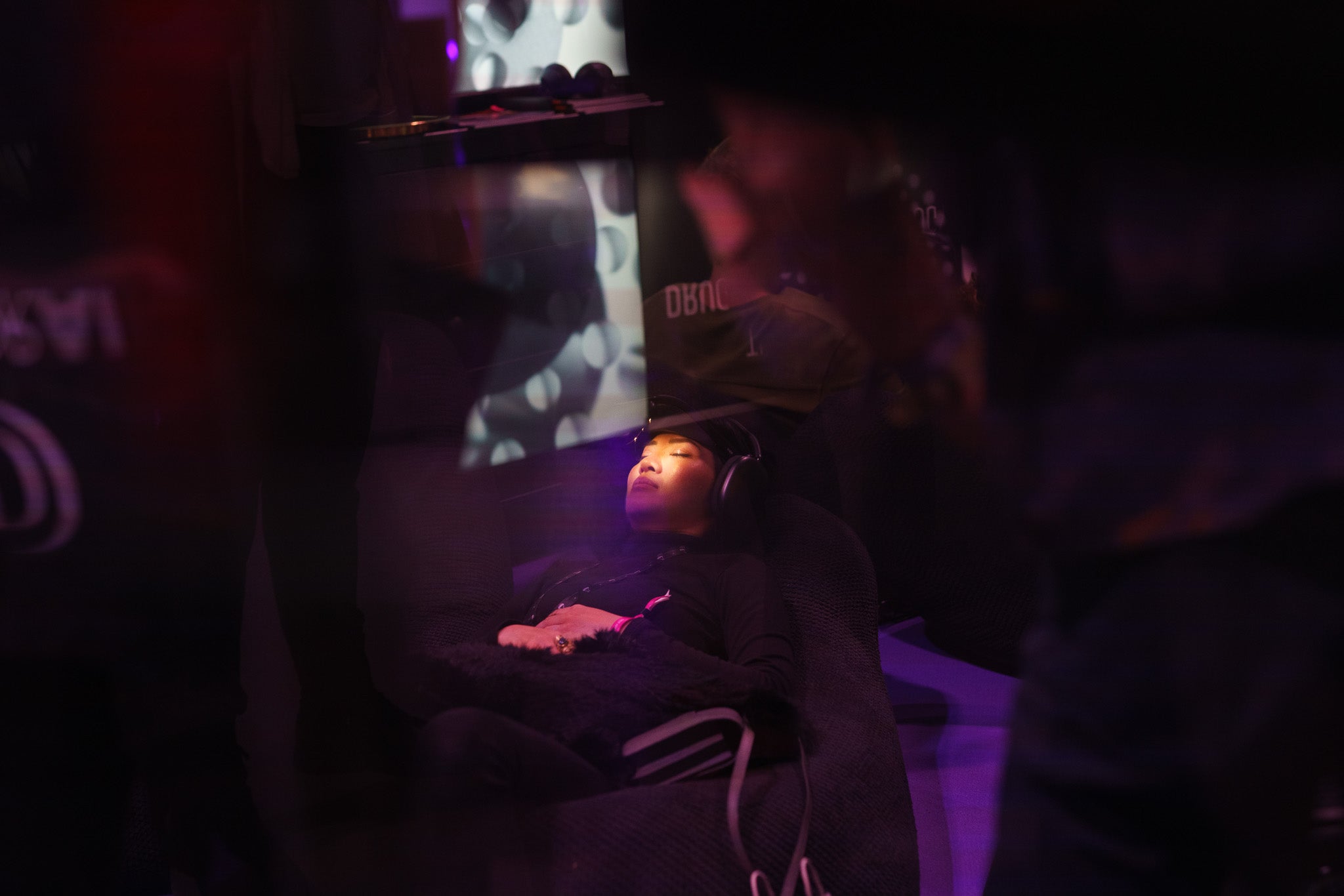
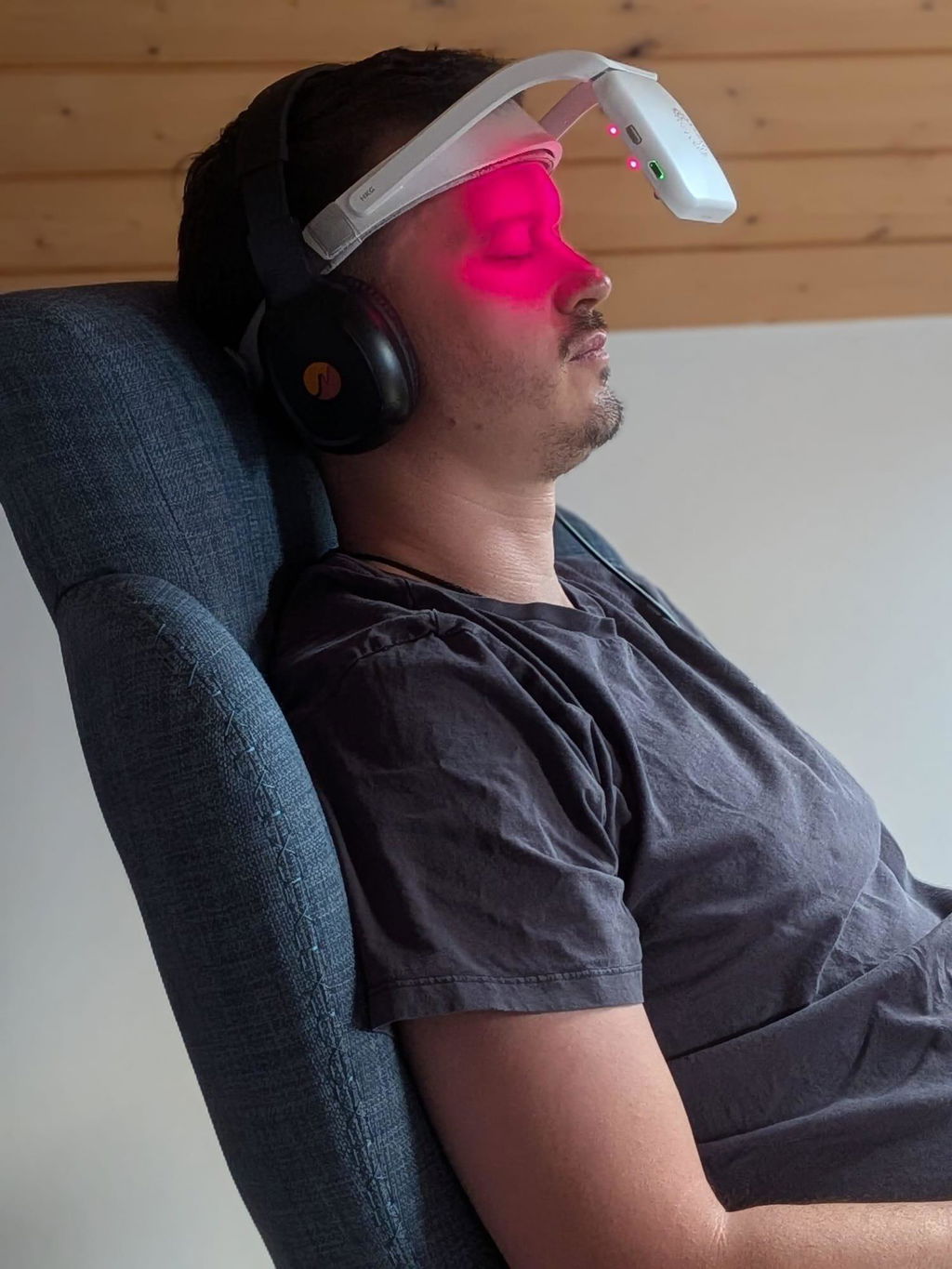
Breathing, grounding and relaxation, including light-and-sound wind-downs with a wellness device like neuroVIZR, can create moments of calm alongside professional care.
3. Steady basics
Sleep, gentle movement and nourishing food support a steadier baseline.
4. Safe connection
Supportive people help rebuild a sense of safety over time.
An important note
Complex PTSD is a serious condition. These wellness tools are meant to complement, not replace, professional support.
FAQ
What is complex PTSD in simple terms?
It's linked to long-term or repeated overwhelming experiences and can affect emotions, self-view and relationships.
Can complex PTSD get better?
With the right professional support and steady routines, healing and more stability are possible.




Share:
Headaches Around Your Period and Menopause: Why They Happen
Headaches Around Your Period and Menopause: Why They Happen