

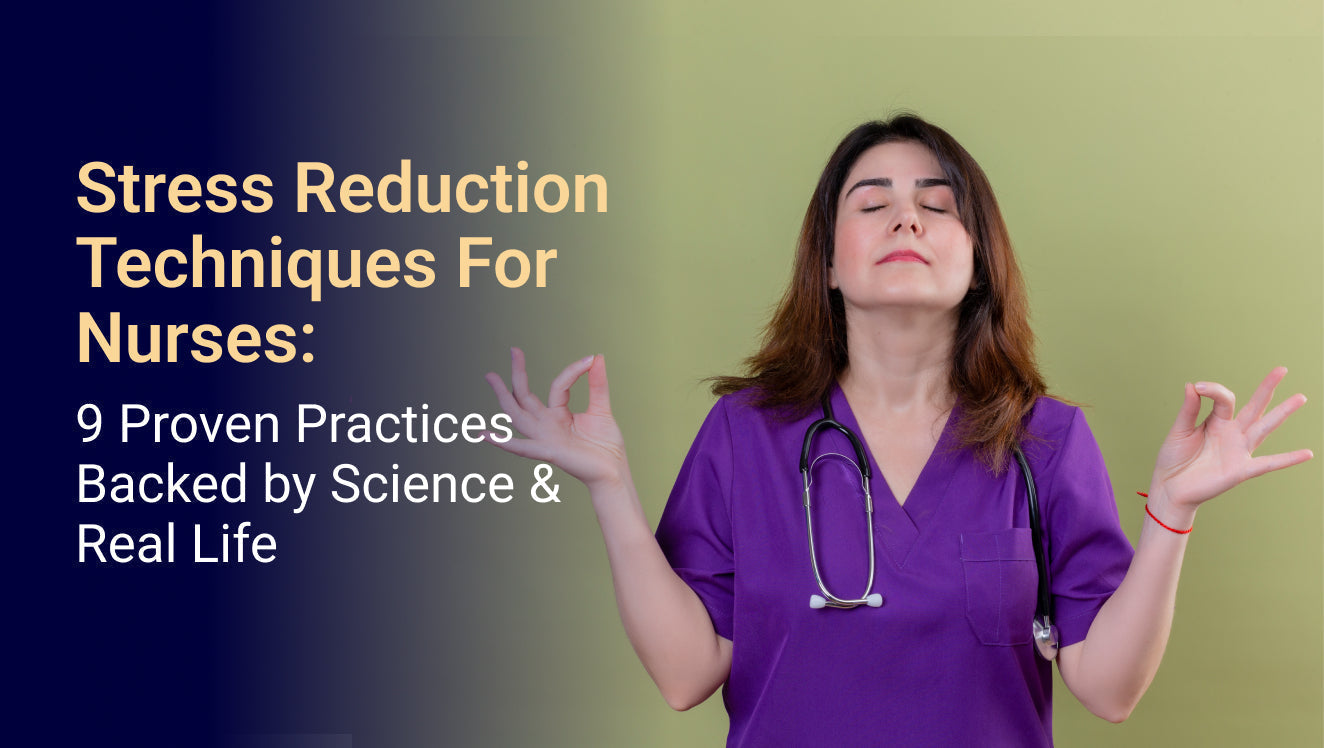
Nursing is one of the most demanding jobs there is: long shifts, high stakes and little downtime. These stress-reduction techniques are built for real, busy days, no hour-long routines required.
Why nurses need quick tools
When breaks are short and pressure is high, the best techniques are the ones you can do in seconds, between patients, in a corridor, on a break.
9 practical stress-relief techniques
1. One long exhale
A single slow out-breath can reset your system between tasks.
2. Micro-breaks
30 seconds of stillness counts. Take it where you can.
3. Hydrate and eat
Skipped fluids and meals amplify stress. Keep a bottle close.
4. Ground your feet
Feel your feet on the floor to steady yourself fast.
5. Shake it off
Loosen your shoulders and hands to release tension between rooms.
6. Protect your sleep
A consistent wind-down helps shift work recovery.
7. Debrief hard moments
A quick word with a colleague lightens the load.
8. Move after shift
A short walk discharges the day's tension.
9. Build a recovery ritual
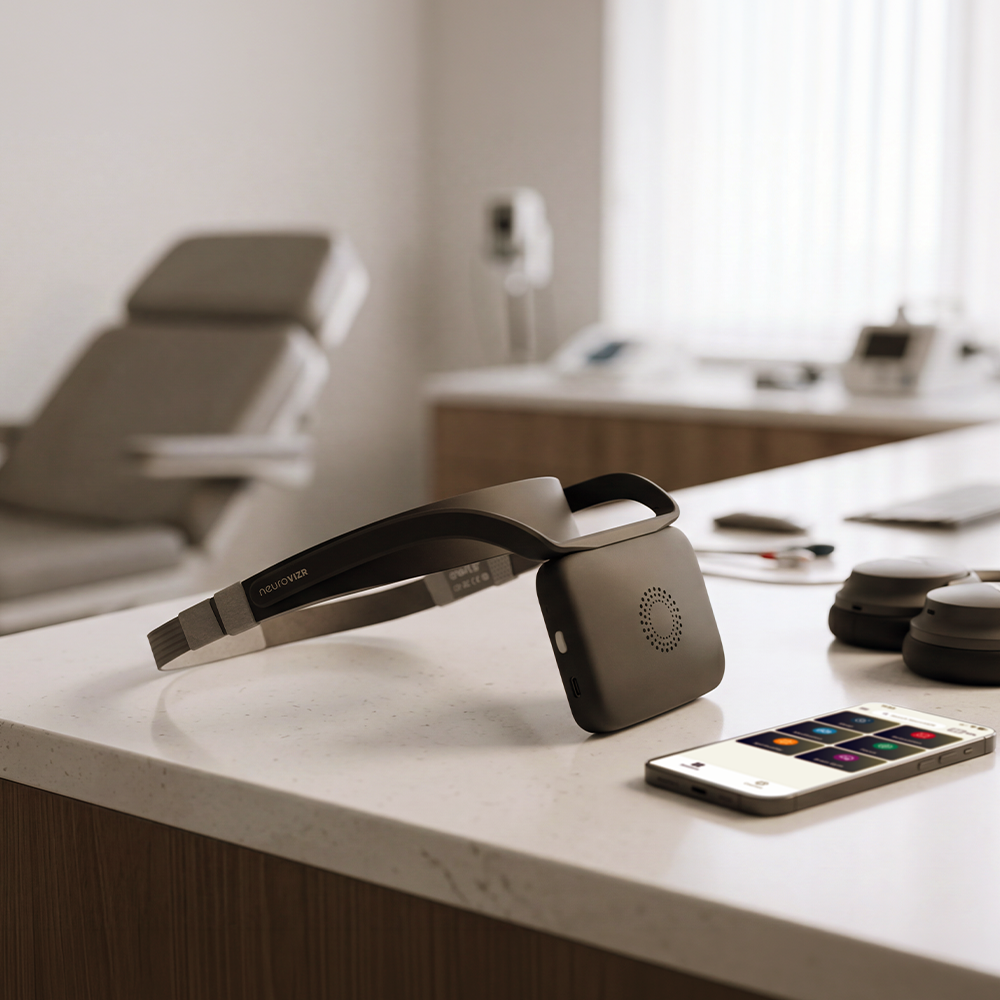
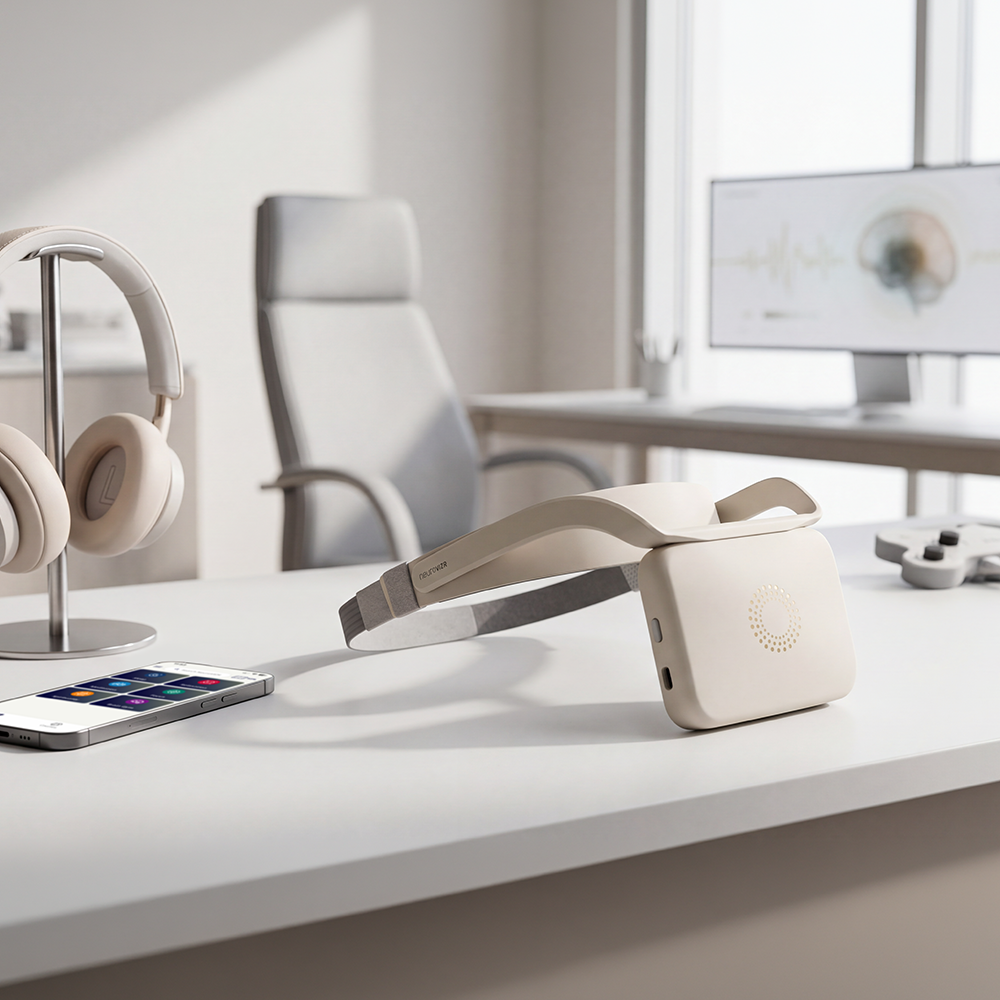
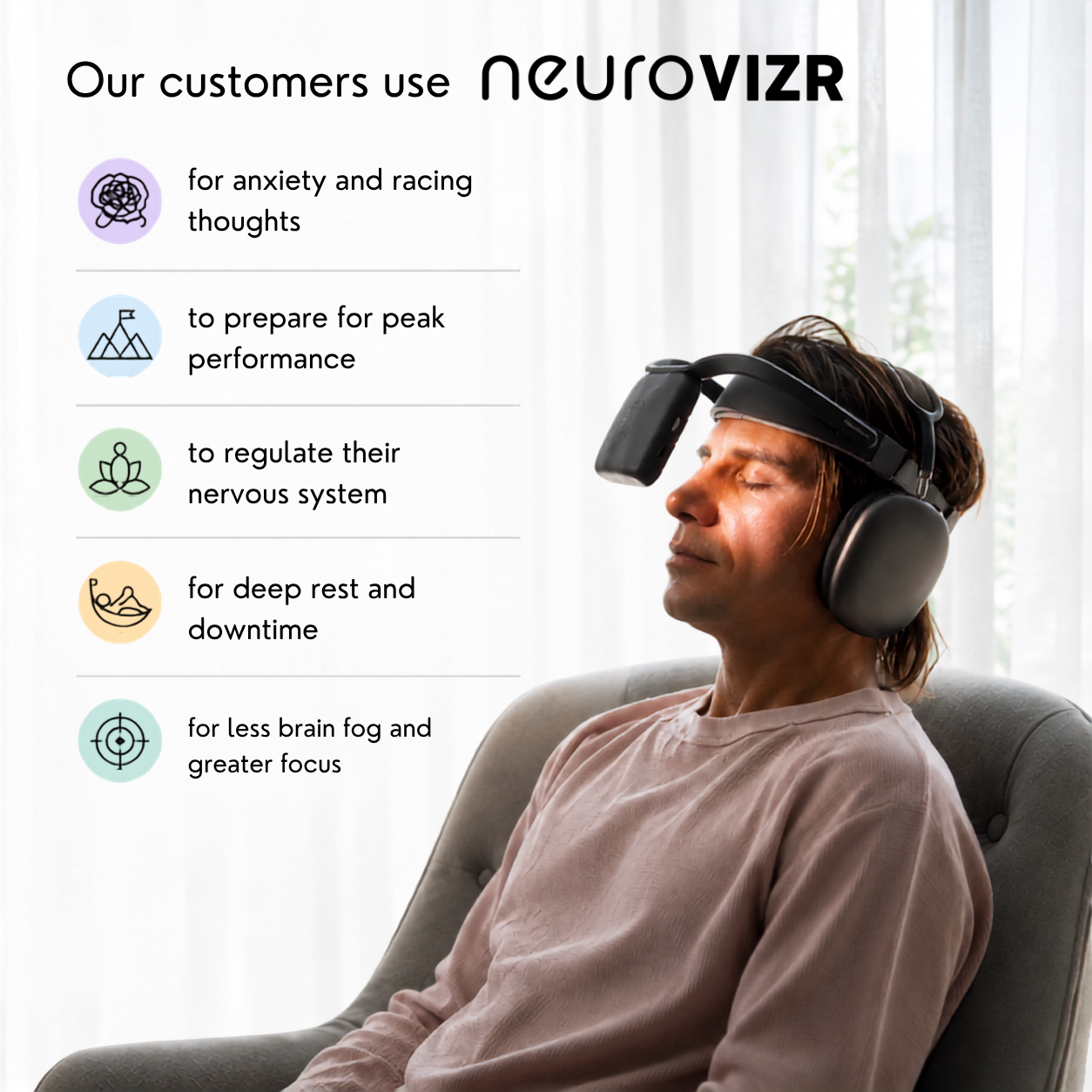
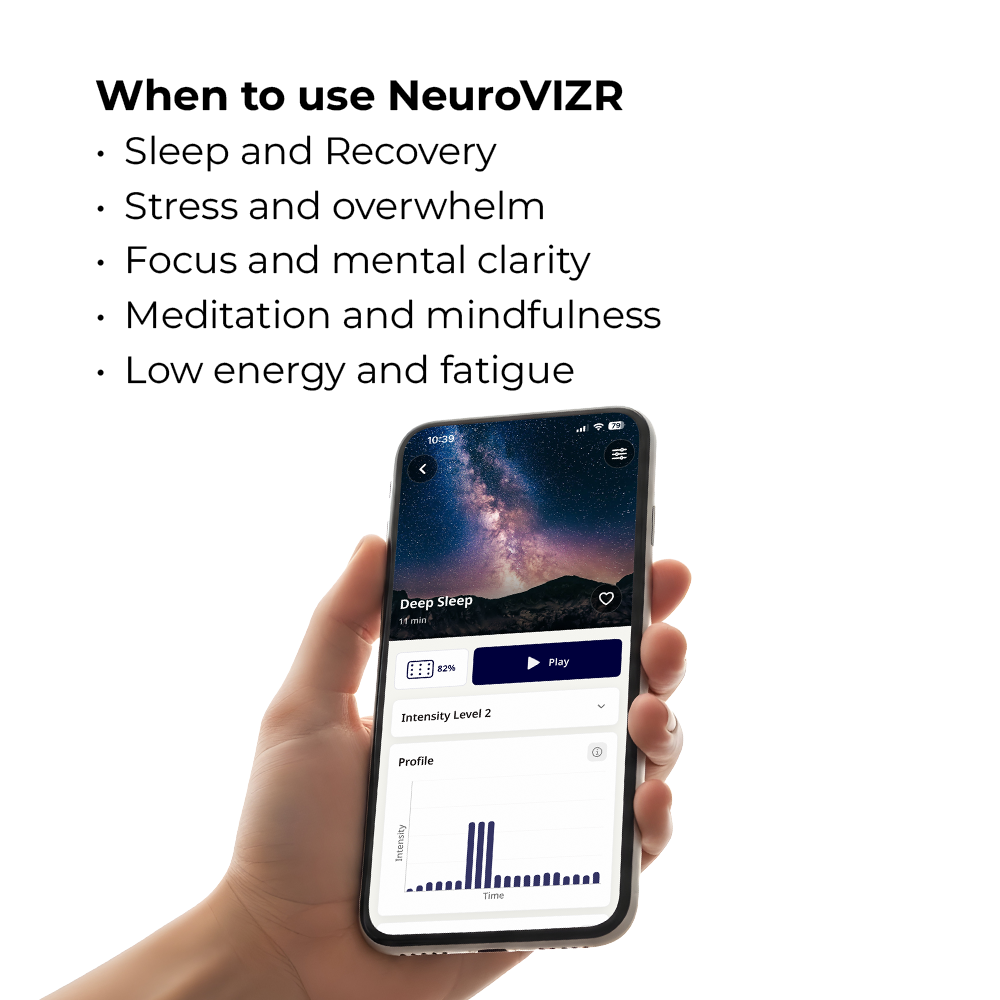
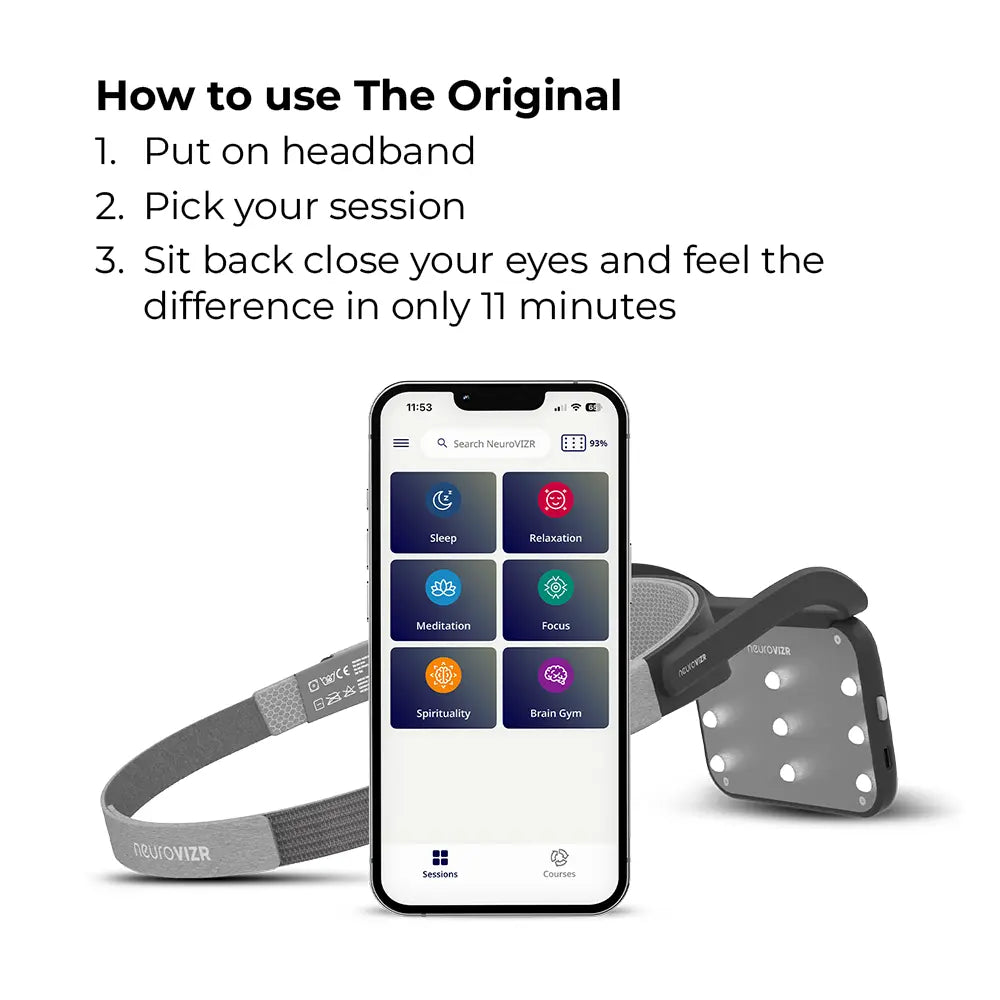
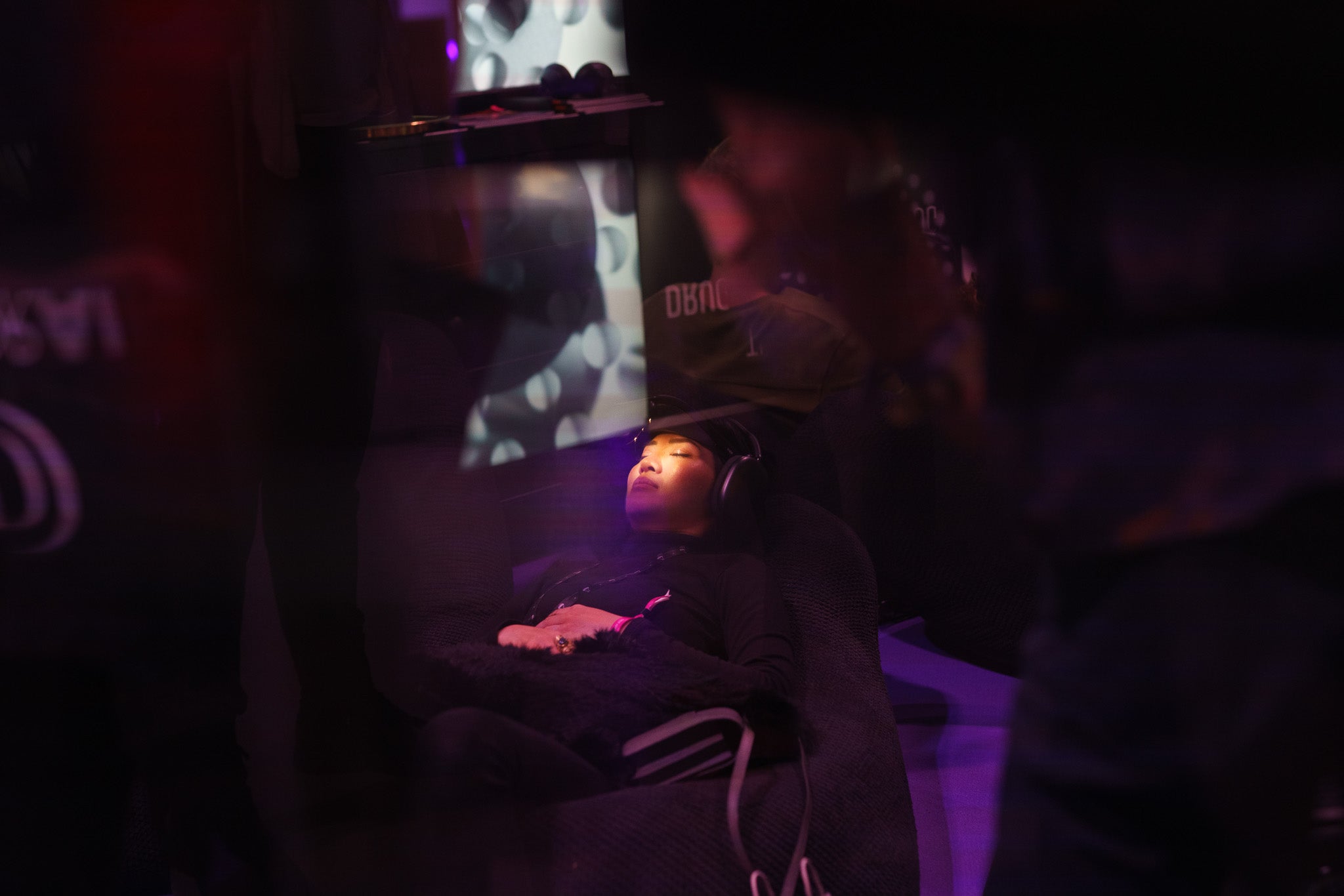
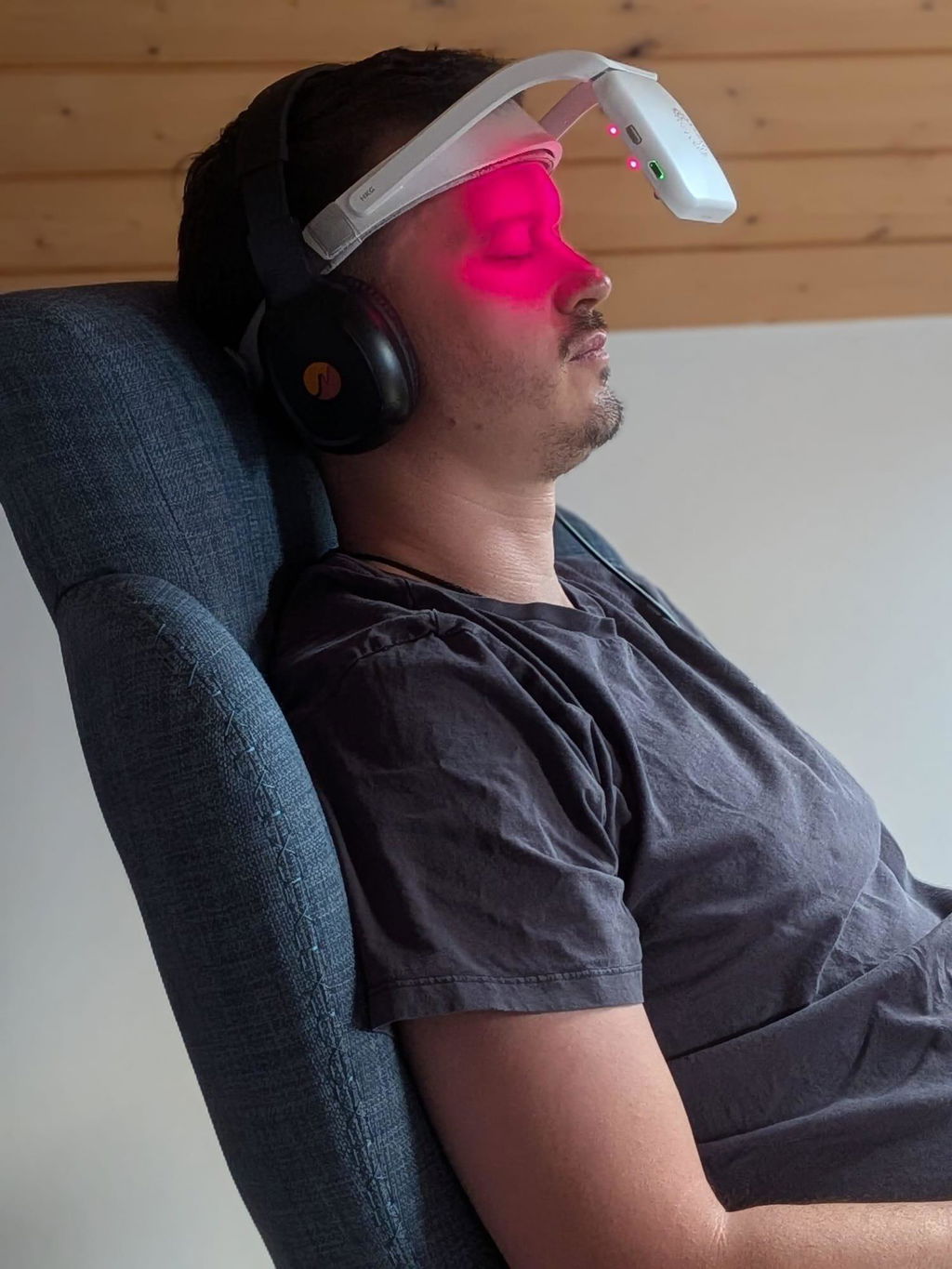
A calming light-and-sound routine with a wellness device like neuroVIZR can help you switch off after intense shifts.
FAQ
How can nurses reduce stress quickly?
Long exhales, micro-breaks and grounding your feet work in seconds.
How do I recover after a hard shift?
Movement, a wind-down ritual and protected sleep help most.







Share:
Handling Anxiety in a Relationship: A Practical Guide
Perimenopause and Menopause: Mood, Anxiety and Finding Calm