


Perimenopause and menopause aren't only about physical changes. Many people notice shifts in mood, more anxiety, irritability or a sense of overwhelm. If that's you, you're not imagining it, and there's a lot that can help.
Why mood changes in perimenopause
As hormone levels shift across perimenopause and menopause, the brain's stress and mood systems adjust too. Add disrupted sleep and daily pressure, and emotions can feel more intense than usual.
Common experiences
- Mood swings, irritability or tearfulness
- More anxiety or a shorter fuse
- Disrupted sleep and fatigue
- Feeling less like yourself
Gentle ways to support balance
1. Protect sleep
Steady sleep softens mood swings more than almost anything else.
2. Move regularly
Gentle movement supports mood and sleep.
3. Calm the nervous system
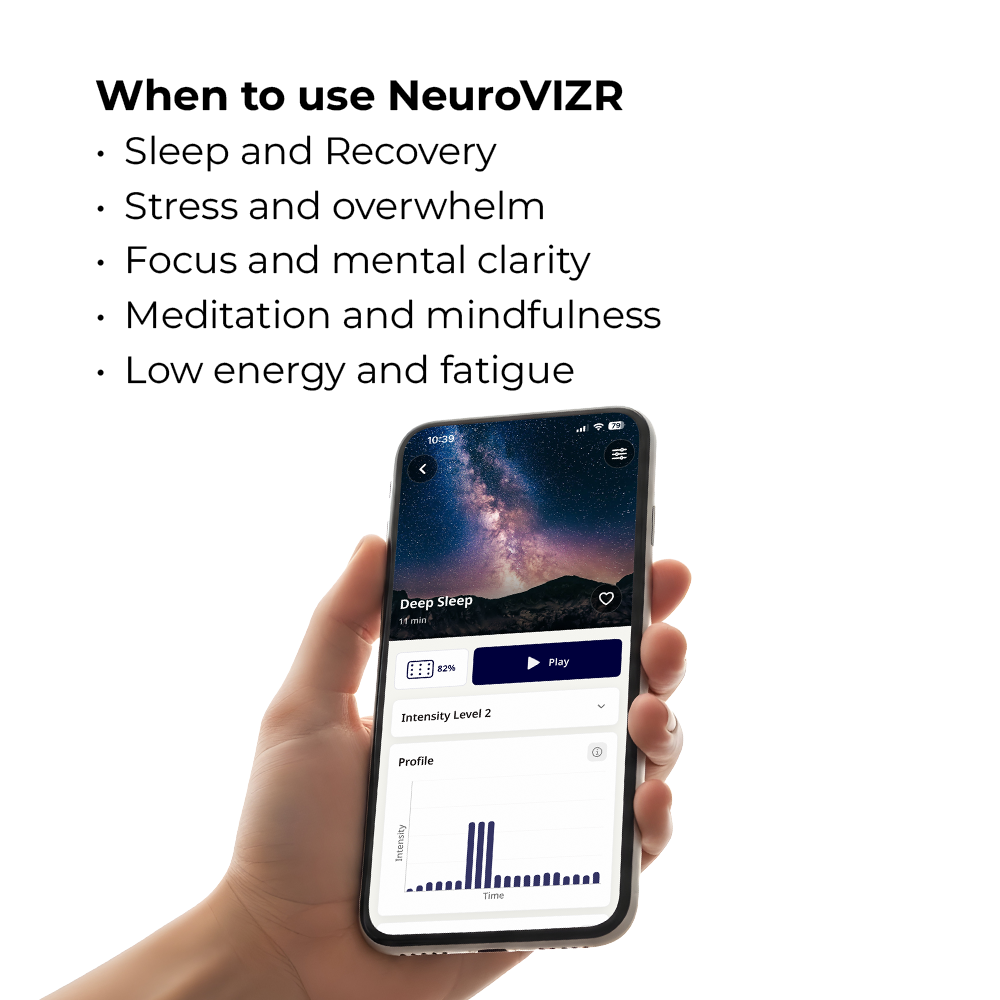
Slow breathing and relaxation routines, including light-and-sound wind-downs with a wellness device like neuroVIZR, create moments of calm on harder days.
4. Eat and hydrate steadily
Balanced meals help level out energy and mood.
5. Lean on support
Talking with people you trust, or a qualified professional, lightens the load.
When to seek support
If mood or anxiety strongly affect daily life, a qualified professional can help with tailored options.
FAQ
Can perimenopause cause anxiety?
Yes, hormonal shifts, poor sleep and stress can all increase anxiety during this time.
What helps perimenopause mood swings naturally?
Steady sleep, movement, balanced meals and calming routines all support more balance.













Share:
Stress Reduction Techniques for Nurses: 9 Practical Ways
Understanding Complex PTSD: A Clear and Compassionate Guide