


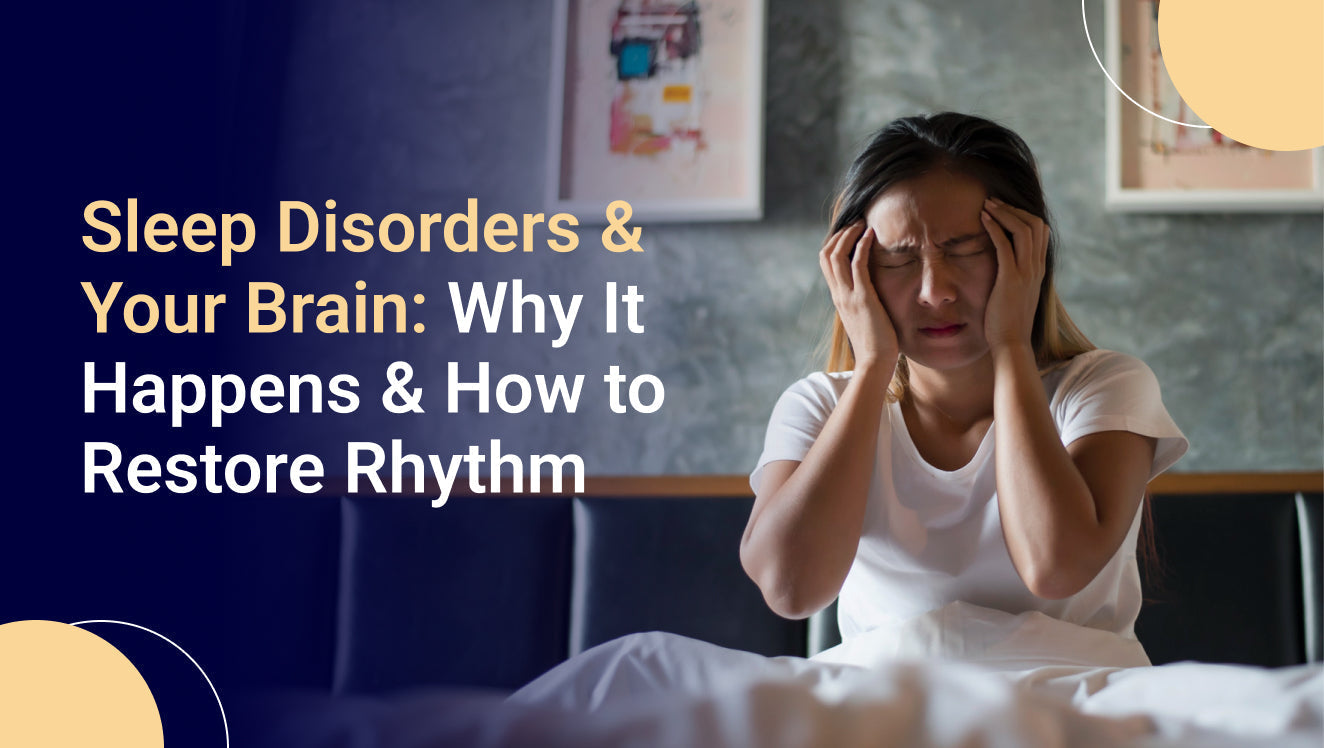
There is nothing that is more unpleasant than getting up with tiredness even after spending hours in bed. In the case of a significant portion of individuals with sleeping disorders, the difficulty does not lie in their willingness or the amount of time they spend asleep but rather in the fact that their brain cannot be able to get into the deep, restful states that sleep demands. We live in a state of high-vigilance in the modern world where our mind is in a frenzied state and our nervous system is electrified, thus the rhythms that our brain requires to relax are not accessible. It is not your fault, this is a disruption of the biological pattern.
Sleep isn’t passive. It is a process of the brainwave change- dynamic, which goes through relaxed and calm (alpha) to deep and restorative (delta), and when the cascade is stopped, it affects quality. And that is why a sleepless night might be so annoying, disorienting or even frightening. When the sleeplessness continues, it may impact expression, concentration, equilibrium, and even how your body controls its fundamental functions.
To get down to the root of sleep disorders is to know what is going on in your brain -and know how to steer it also back into balance.
Read more - how do i fix my sleep schedule
Brain Processes during Sleep Disorders.
Sleep disorders are not bad nights. They show discrepancies in rhythmic states of your brain that complicate the process of transitioning to sleep. In a normal state of affairs, your brain goes through:
- Alpha waves- calm pre-sleep.
- Theta waves- light sleep and relaxation of the mind.
- Deep, restful sleep- Delta waves.
Your brain is stuck on the higher frequency patterns and it cannot release them when it is stressed, overstimulated, screens or even anxious when you are dominating your day. That is why you are likely to be fatigued but excited, and wake up many times, or sleep and yet feel exhausted because the neural rhythm did not achieve deeper healing phases.
This imbalance does not only impact rest, it also impacts cognitive clarity, emotional balance and autonomic stability (system that regulates heart rate, blood pressure and breathing). This dysregulation may go as far in extreme sleeping deprivation as dizziness or fainting, which is an indicator that your brain is not getting the rest it requires.
Your nervous system is talking to you by getting tired; it is not a breakdown, it is an indicator.

How to Sleep Better by Working With Your Brain.
The trick is to get your brain back to its natural sleep pattern, and there are a number of ways to do it in a science-compatible way:
1. Soothing Brainwave Entrainment.
Brainwave entrainment involves the utilization of rhythmic light and sound to assist your brain to move frequencies in a natural manner. Rather than pushing your sleep, this technique will assist your nervous system into the relaxed states where sleep will occur without any difficulty.
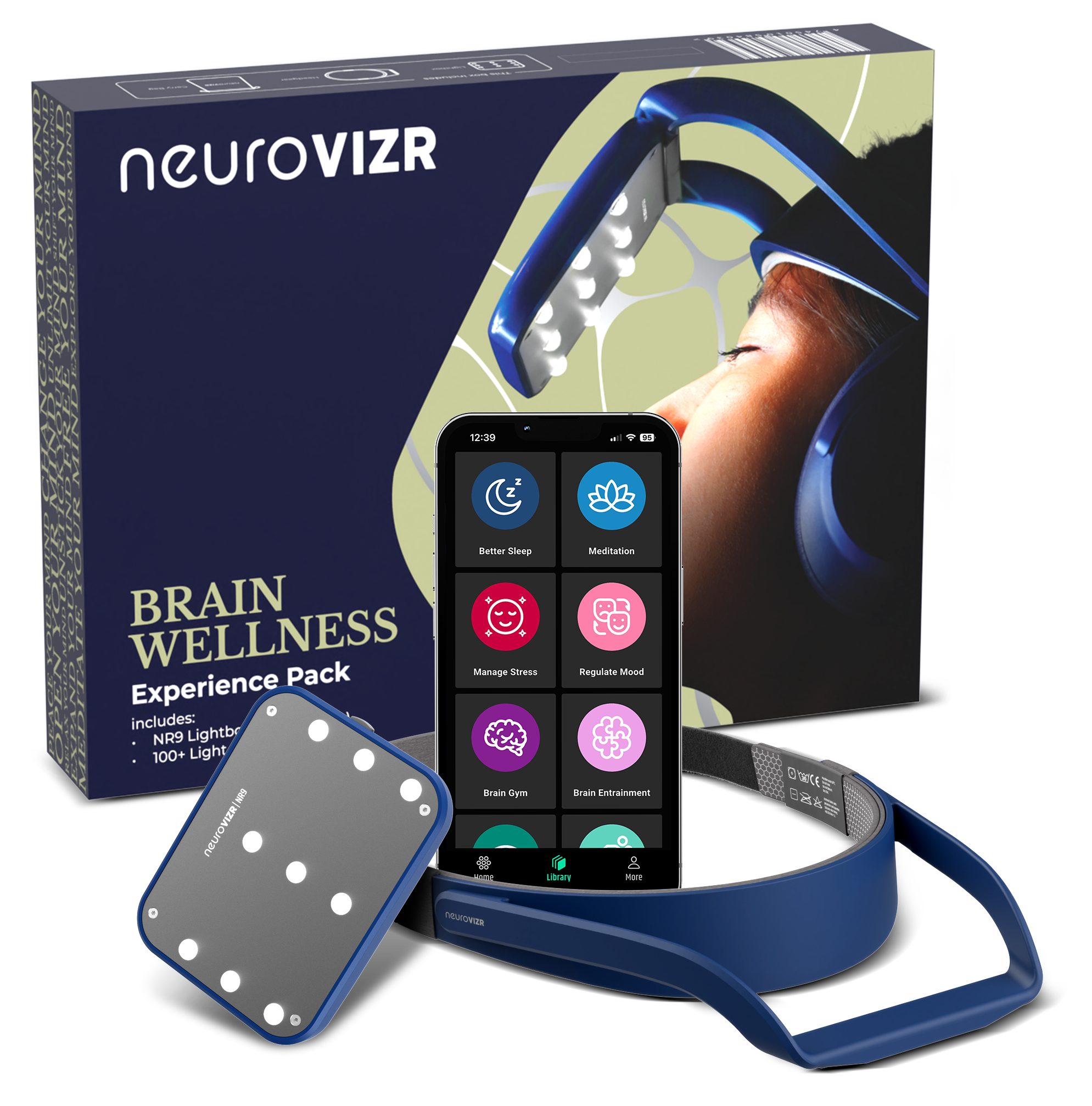
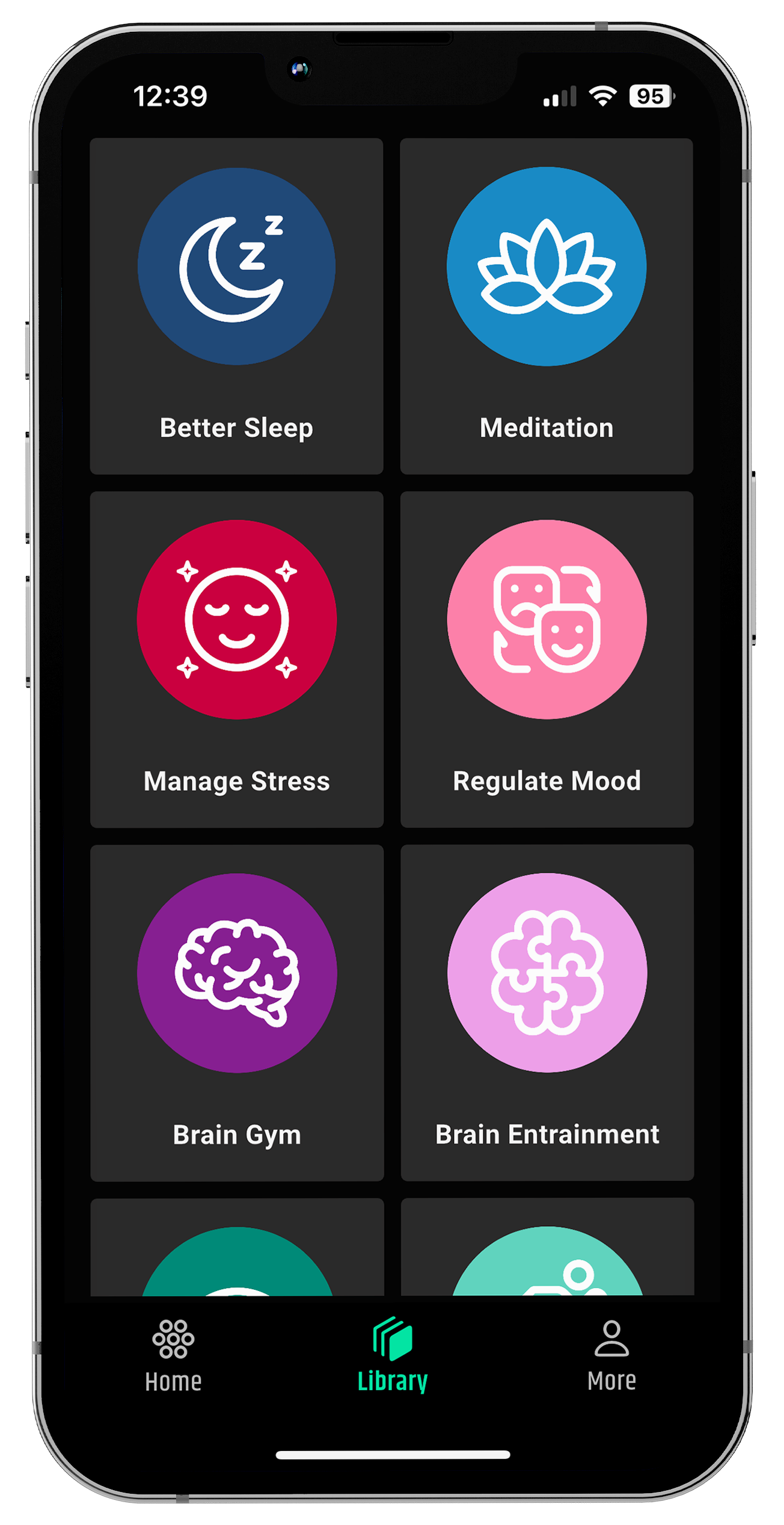
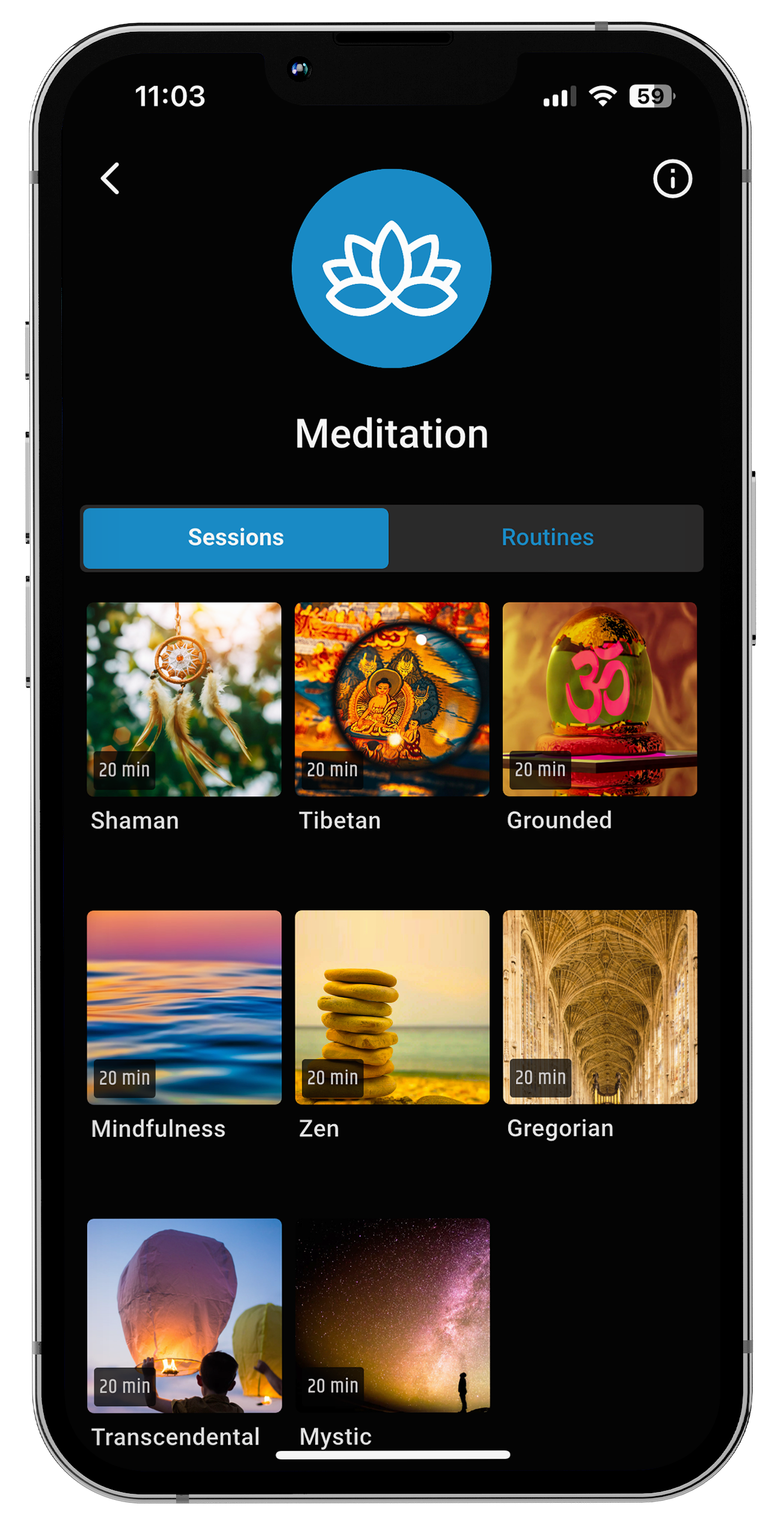
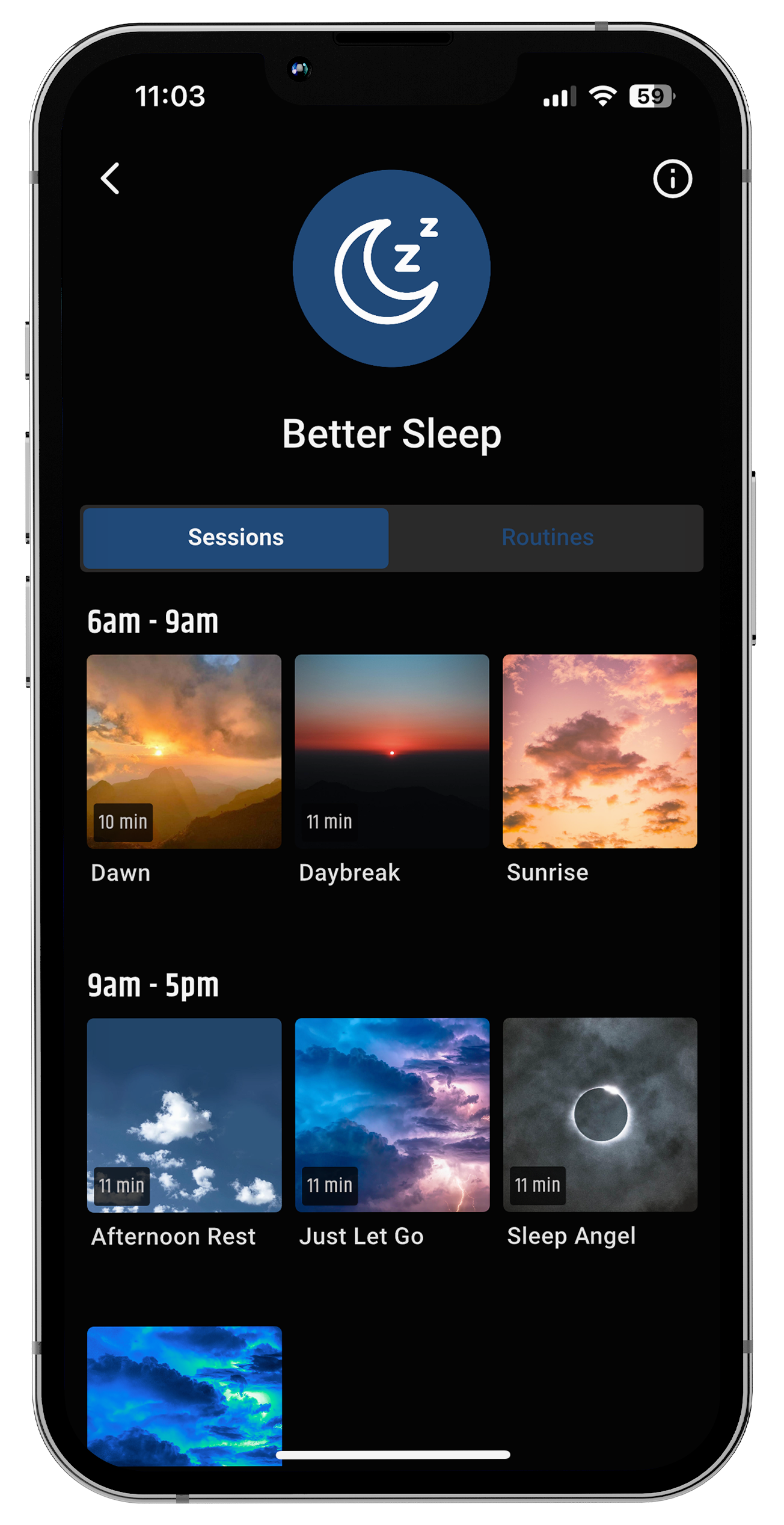
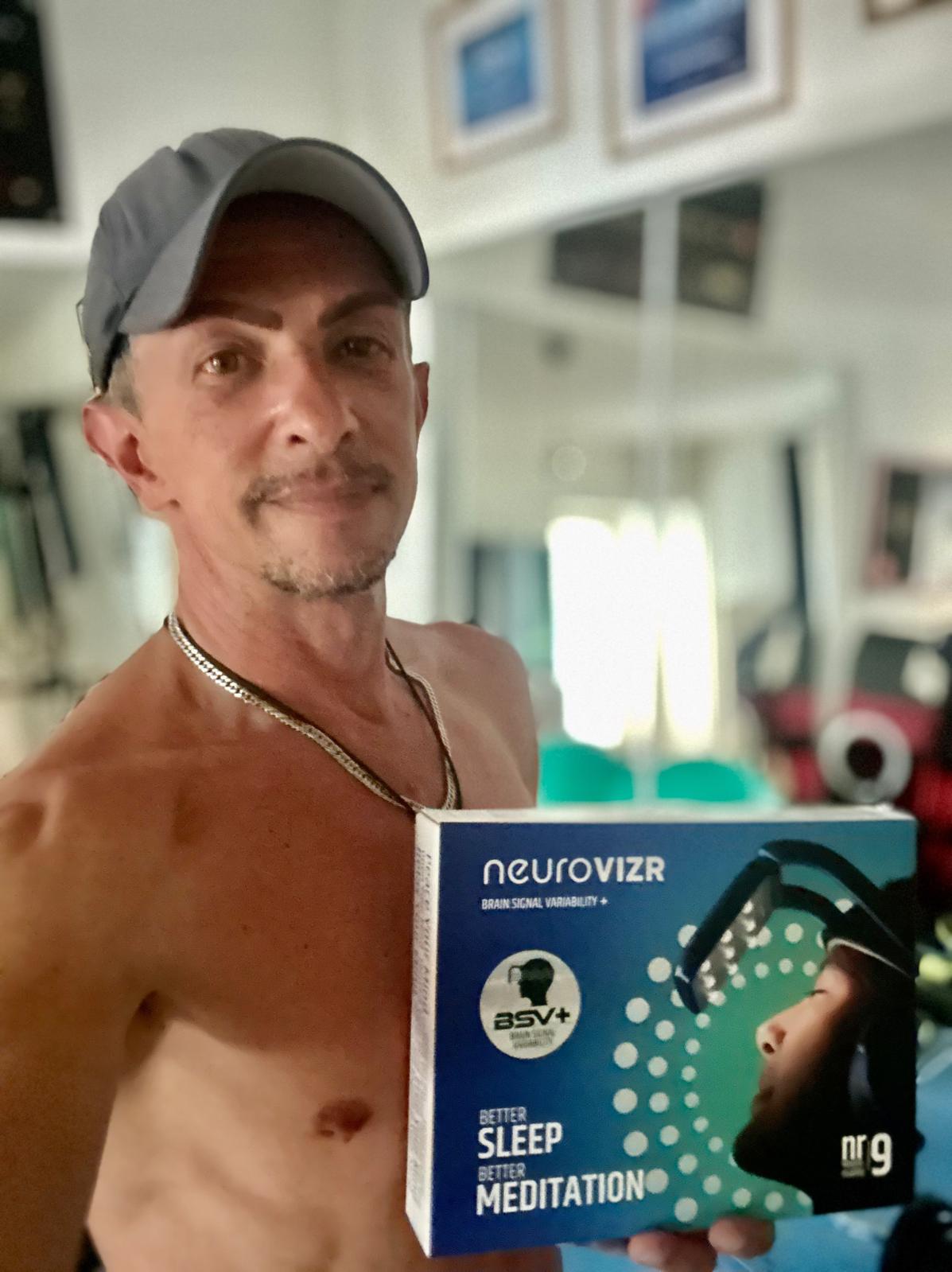
As an example, the light and sound sessions of neuroVIZR are aimed at assisting the evolution of the brain in alpha → theta → delta waves - to reduce the time of falling asleep, increase the level of deep sleep, and enhance the quality of sleep.
2. Regulation Practices of the Nervous System.
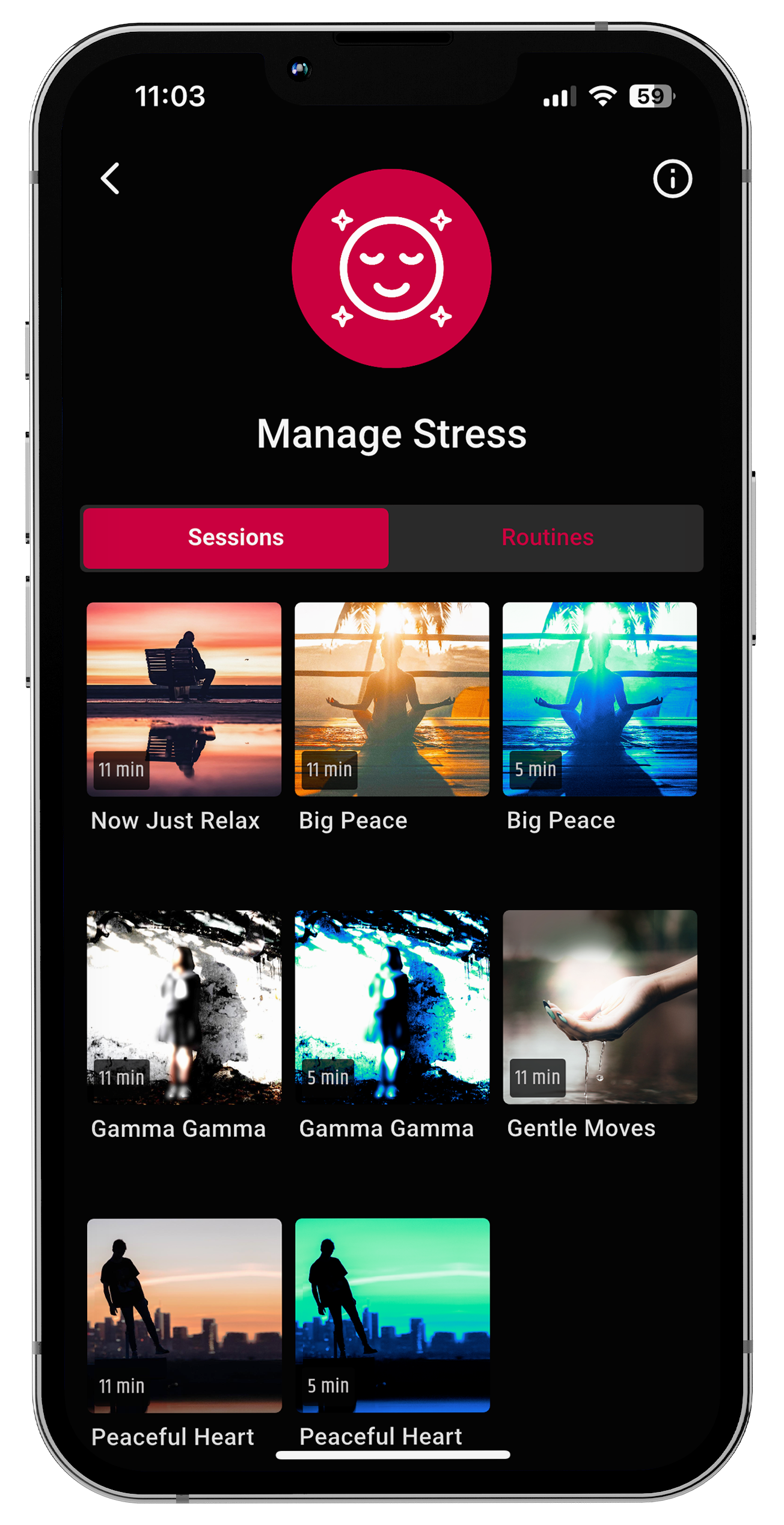
Breathwork, easy movement, and mindfulness are some of the activities that relax high alert neural patterns. They are not sleep distractions, but they get the brain ready to relax by reducing the stress levels that have you hanging in the waking states.
3. Regular Sleeping Patterns & Surroundings.
Habitual sleeping routines, less exposure to blue light at night, and sleeping in areas that are comfortable to you facilitate the natural rhythms of your brain. These fundamentals are not old-fashioned information because they prepare your brain to transition in neural states that boost refreshful sleep.
When you have ever wondered how sleep is when your nervous system is really in the right state, this can relate to the science behind why rest is so rejuvenating, as documented in posts on why sleep feels so good, and the far reaching consequences of prolonged sleep deprivation on balance, focus and body regulation.
What Changes When Your Brain Finds Its Rhythm.
Once your brain is able to flow in its sleeping states, a number of things are altered:
-
You fall asleep more easily
-
Peaceful, replenishing sleep gets deeper.
-
Emotional and stress regulation are enhanced.
-
There is an improvement in mental focus and recollection.
-
The autonomic systems in your body relax and make you less fatigued and emotionally unstable.
That is why it is crucial to aim at changing rhythmic activity in the brain instead of merely getting more sleep, which transforms everything. It transforms sleep into something that is a passive activity that you wish you could have to something that can be trained by your brain.
Sleep is not only something that happens to you, but something your brain can learn and work on.
Conclusion
Sleep disorders do not mean that one is weak, and none show a misalignment of the timing. You can engineer the chances of rest that completely rework your nights and your days, by learning about the neuroscience of sleep cycles and assisting your brain in entraining, thereby making the most out of the chance to rest.
This is not by coercing yourself to sleep or using pills but rather, it is just a way of reinstating your nervous system to shift and heal. When you have more concentrated and peaceful days, more profound and invigorating nights, the whole rhythm of your life will have changed. And that is what the love of sleep is all about.
FAQ’s
What are the most common sleep disorders?
Common sleep disorders include insomnia, sleep apnea, restless legs syndrome, circadian rhythm disorders, and fragmented or non-restorative sleep. Many people experience symptoms without a formal diagnosis such as difficulty falling asleep, frequent night awakenings, or waking up tired despite enough time in bed.
Why does my brain feel tired but unable to sleep?
This “tired but wired” feeling often happens when the nervous system stays in a high-alert state. Stress hormones and fast brainwave activity can prevent the brain from transitioning into slower, sleep-supportive rhythms like theta and delta waves even when the body feels exhausted.
Are sleep disorders psychological or neurological?
Sleep disorders are both neurological and physiological, and often influenced by psychological stress. They reflect how the brain regulates rhythms, hormones, and nervous-system balance not just thoughts or habits. This is why understanding brain activity is key to improving sleep quality.
How do brainwaves affect sleep quality?
Healthy sleep depends on smooth transitions through specific brainwave states from relaxed alpha waves to deeper theta and delta waves. When these transitions are disrupted, sleep may feel light, fragmented, or unrefreshing, even if total sleep time seems adequate.
Disclaimer
The information provided in this article is for educational and informational purposes only and is not intended to diagnose, treat, cure, or prevent any medical condition. Sleep disorders can vary widely in cause and severity, and individual responses to wellness practices or neurotechnology may differ.
















Partager:
How To Get More Deep Sleep?
Does Your Body Heal Faster When You Sleep?