
The Science

Behind neuroVIZR
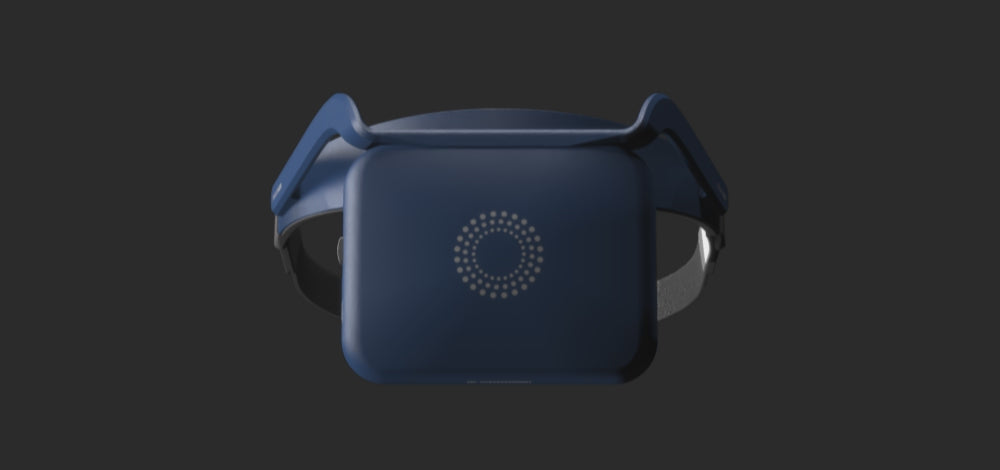
Guided by the science
By digesting & testing the data for ourselves, we've been able to develop a device that bridges the gap between light & sound stimulation as a tool for overall brain wellness.
The neuroVIZR device is inspired by science and real user feedback, leading a new wave of technology designed to help, not harm.
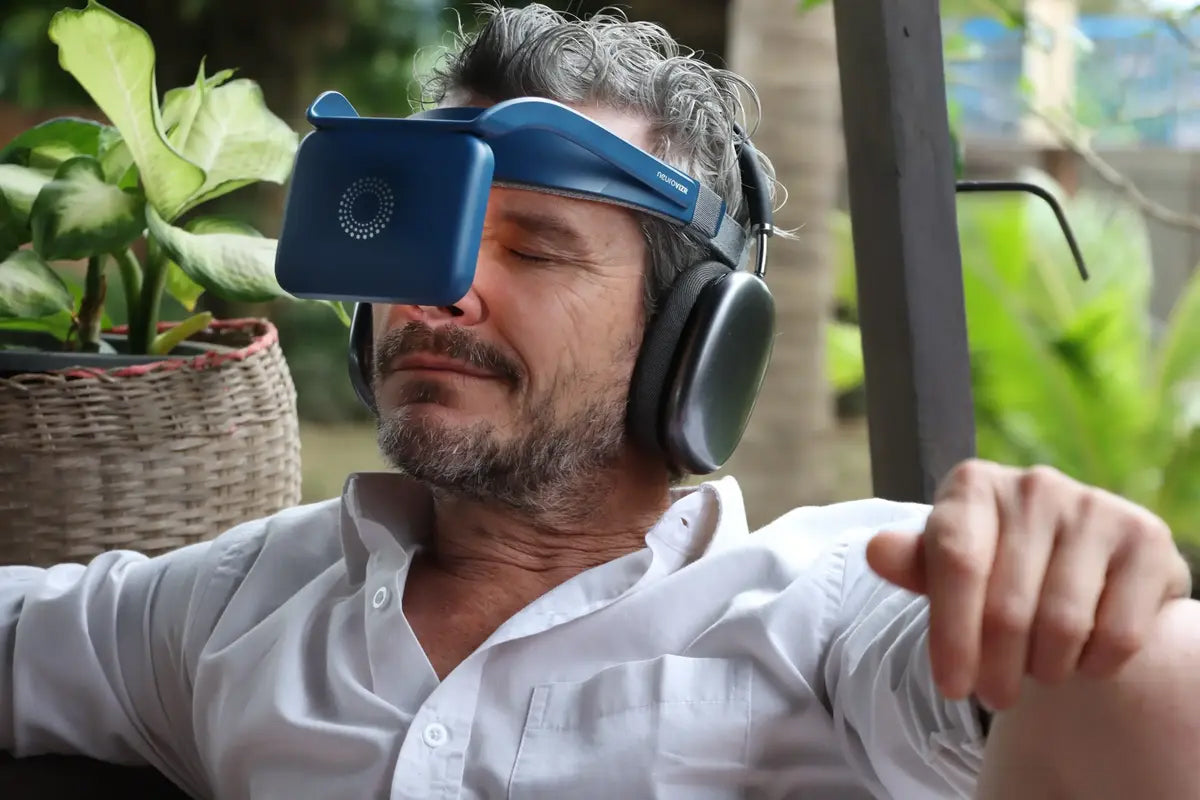
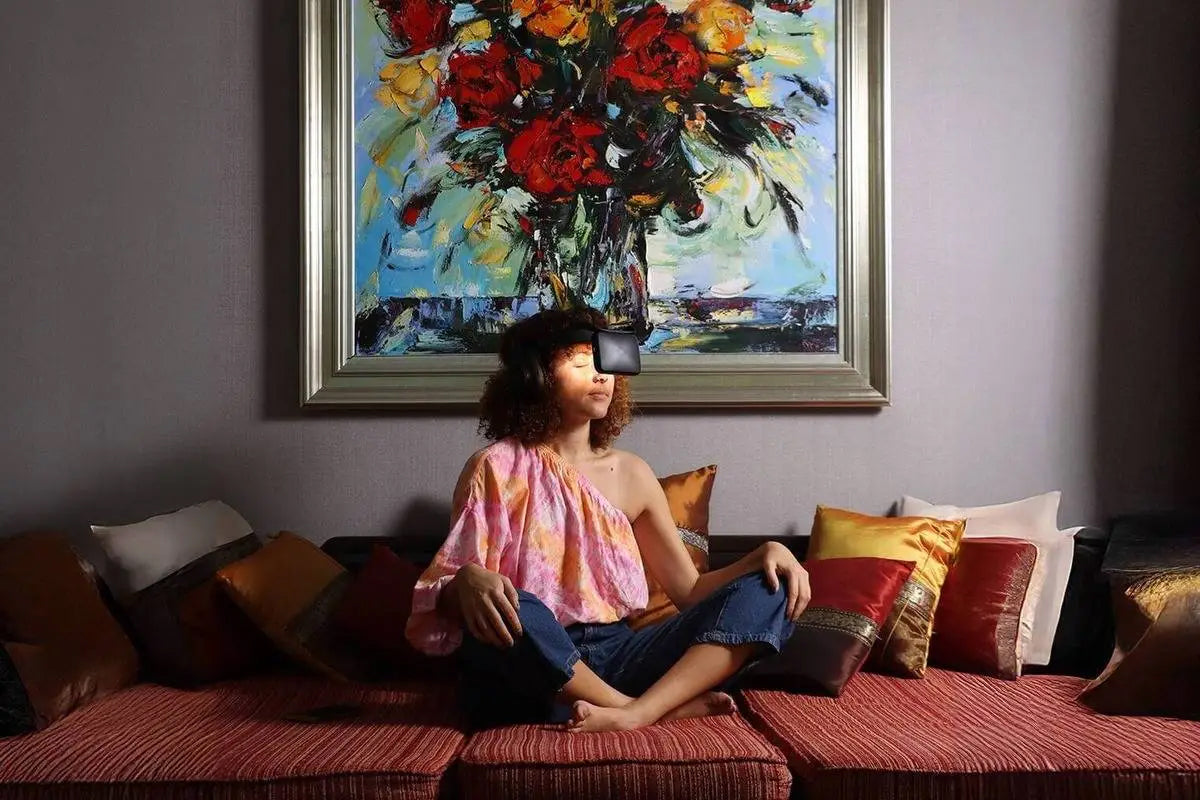
Feel First. Science Second.
The concept behind neuroVIZR is inspired by long-standing traditions exploring the relationship between light, sound, and human perception.
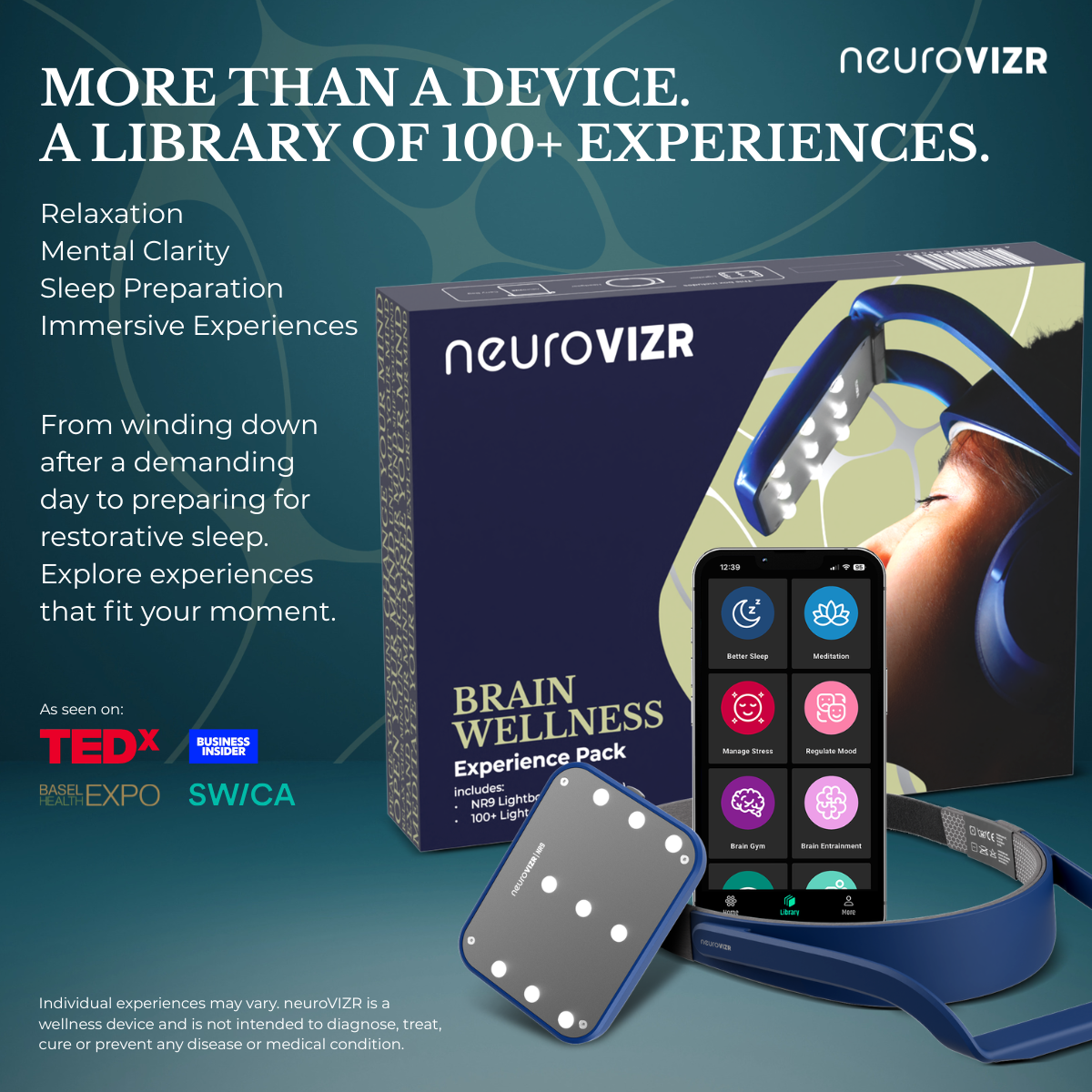
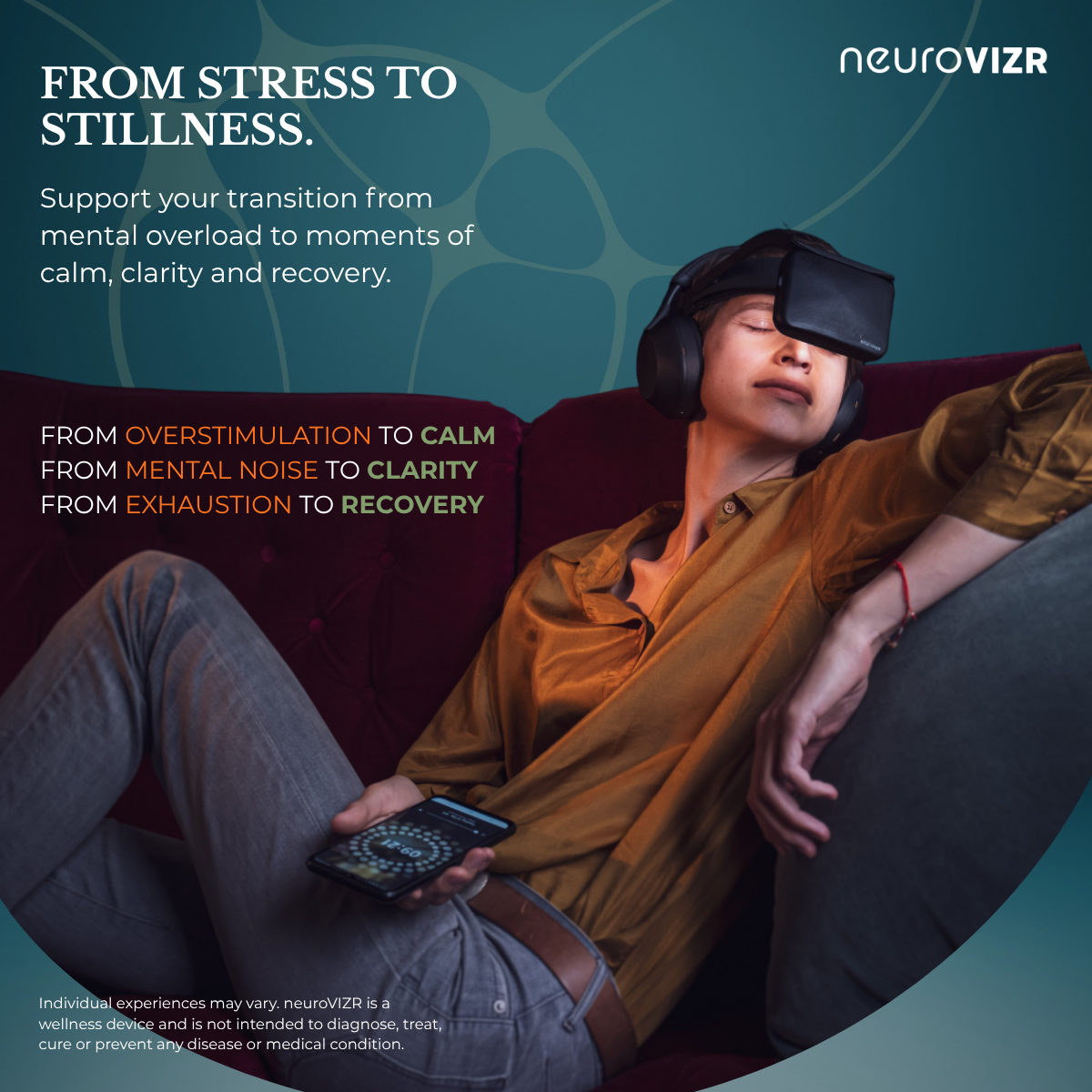
neuroVIZR uses synchronized light and sound experiences designed to help guide the brain into different states associated with relaxation, focus, creativity or sleep preparation.
Many users describe the experience as:
- deeply relaxing
- meditative
- immersive
- surprisingly calming
Over the past decades, researchers in neuroscience and sensory science have studied how rhythmic light and sound environments may influence attention, perception, and experiences of relaxation.
Scientific interest in the interaction between light, sound, and the human mind dates back many decades and continues to evolve as new studies explore these topics.
Below you can discover a selection of research and publications related to light, sound, and sensory experiences.
You can read about some of these supporting studies below.
Scientific Background
Research in the field of audio-visual stimulation (AVE) has explored for decades how rhythmic light and sound patterns can influence perception and mental states.
These sensory techniques are commonly studied in contexts related to relaxation, meditation, mental training and cognitive performance.
AVE systems are designed to present rhythmic visual and auditory stimuli that may help the brain synchronize with external patterns. Many users report experiences such as:
• deep relaxation
• enhanced focus
• improved mental clarity
• a sense of mental reset after demanding days
In addition to subjective user experiences, AVE technologies have been explored in a variety of scientific and experimental settings investigating how sensory stimulation interacts with attention, perception and states of consciousness.
neuroVIZR builds on these principles by combining carefully calibrated light frequencies with immersive soundscapes to create a guided relaxation experience.

Supports relaxation in just a few minutes.
The neuroVIZR observational study published in 2023 showed remarkable results. Users experienced reduced stress, improved focus, and enhanced relaxation after just 11 minutes of light and sound sessions. Please read the study paper to learn more about the results.
The neuroVIZR observational study published in 2023 showed remarkable results. Users experienced reduced stress, improved focus, and enhanced relaxation after just 11 minutes of light and sound sessions. Please read the study paper to learn more about the results.

Cognitive Performance & Brain Research
Researchers at MIT have explored how rhythmic sensory stimulation at 40Hz gamma frequencies may interact with brain activity related to attention and memory.
This line of research highlights the growing scientific interest in non-invasive sensory stimulation using light and sound and how rhythmic patterns may influence perception and mental states.
Technologies like neuroVIZR draw inspiration from these emerging areas of neuroscience by creating immersive light and sound experiences designed to support focus, relaxation, and mindful awareness.
Explore the breakthrough from MIT
Researchers at MIT have explored how rhythmic sensory stimulation at 40Hz gamma frequencies may interact with brain activity related to attention and memory.
This line of research highlights the growing scientific interest in non-invasive sensory stimulation using light and sound and how rhythmic patterns may influence perception and mental states.
Technologies like neuroVIZR draw inspiration from these emerging areas of neuroscience by creating immersive light and sound experiences designed to support focus, relaxation, and mindful awareness.
Explore the breakthrough from MIT

Emerging Research on Brain Rhythms
Researchers at MIT have investigated how rhythmic sensory stimulation at 40Hz gamma frequencies may interact with natural brain rhythms.
In laboratory research, scientists observed that specific light and sound patterns can influence brain activity and may interact with processes involved in the brain’s natural maintenance systems.
This emerging field of neuroscience explores how rhythmic sensory stimulation may affect perception, attention, and states of awareness.
Technologies such as neuroVIZR draw inspiration from these areas of research by creating immersive light and sound experiences designed to support relaxation, focus, and mindful awareness.
See how the brain clears itself - study here
Researchers at MIT have investigated how rhythmic sensory stimulation at 40Hz gamma frequencies may interact with natural brain rhythms.
In laboratory research, scientists observed that specific light and sound patterns can influence brain activity and may interact with processes involved in the brain’s natural maintenance systems.
This emerging field of neuroscience explores how rhythmic sensory stimulation may affect perception, attention, and states of awareness.
Technologies such as neuroVIZR draw inspiration from these areas of research by creating immersive light and sound experiences designed to support relaxation, focus, and mindful awareness.
See how the brain clears itself - study here
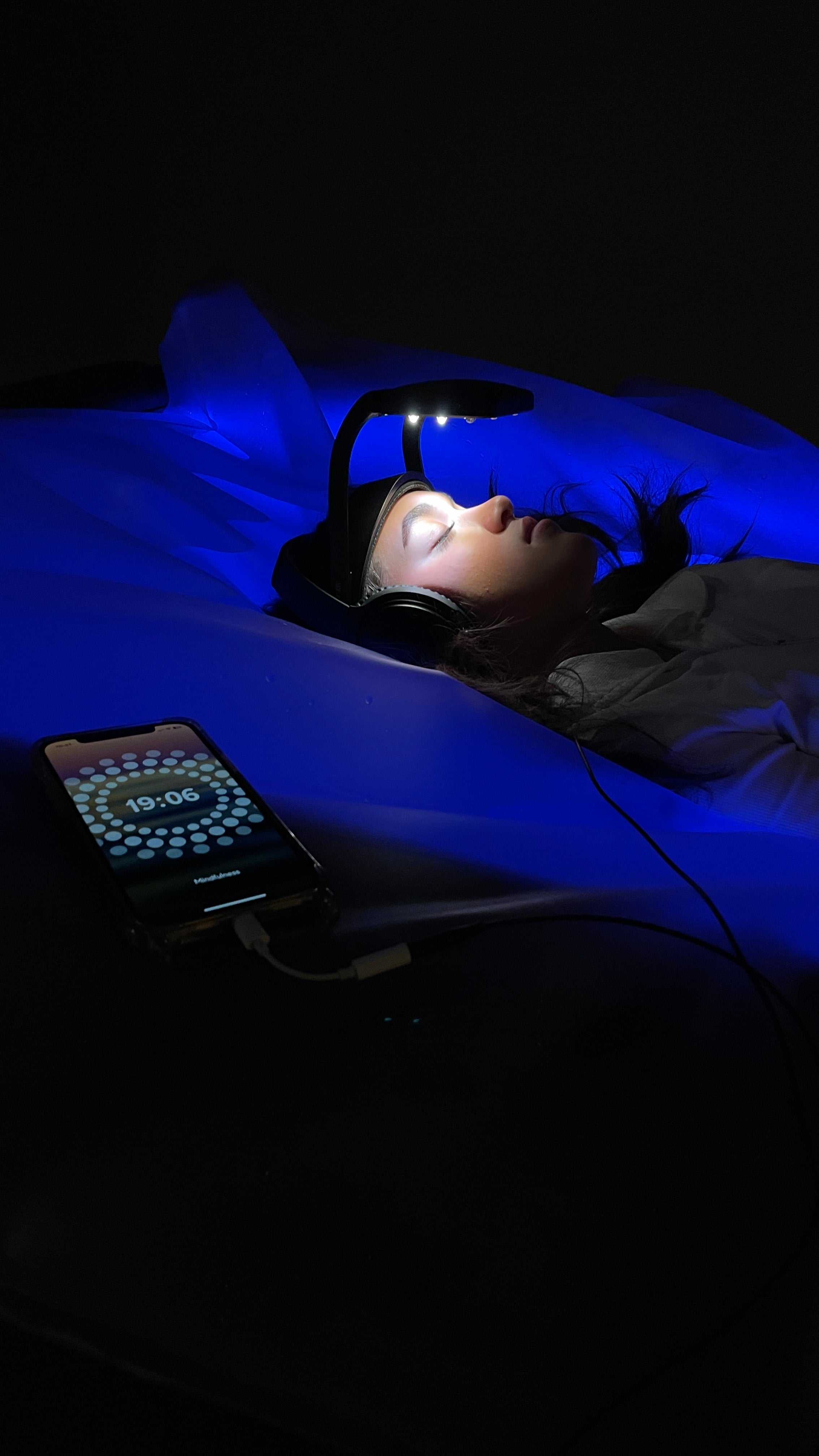
Research on Brain Synchrony
In a 2024 EEG study conducted at the Latvian Academy of Music, researchers explored how structured audiovisual stimulation may influence patterns of brain activity during creative collaboration.
The study observed changes in the complexity of brain signals and moments of synchrony between participants while engaging in shared creative tasks.
These findings contribute to a growing body of research examining how rhythmic light and sound stimulation may interact with attention, perception, and states of creative engagement.
Technologies such as neuroVIZR are inspired by these areas of research, creating immersive light and sound experiences designed to support relaxation, focus, and mindful awareness.
See how shared rhythm shapes brain connection
In a 2024 EEG study conducted at the Latvian Academy of Music, researchers explored how structured audiovisual stimulation may influence patterns of brain activity during creative collaboration.
The study observed changes in the complexity of brain signals and moments of synchrony between participants while engaging in shared creative tasks.
These findings contribute to a growing body of research examining how rhythmic light and sound stimulation may interact with attention, perception, and states of creative engagement.
Technologies such as neuroVIZR are inspired by these areas of research, creating immersive light and sound experiences designed to support relaxation, focus, and mindful awareness.
See how shared rhythm shapes brain connection
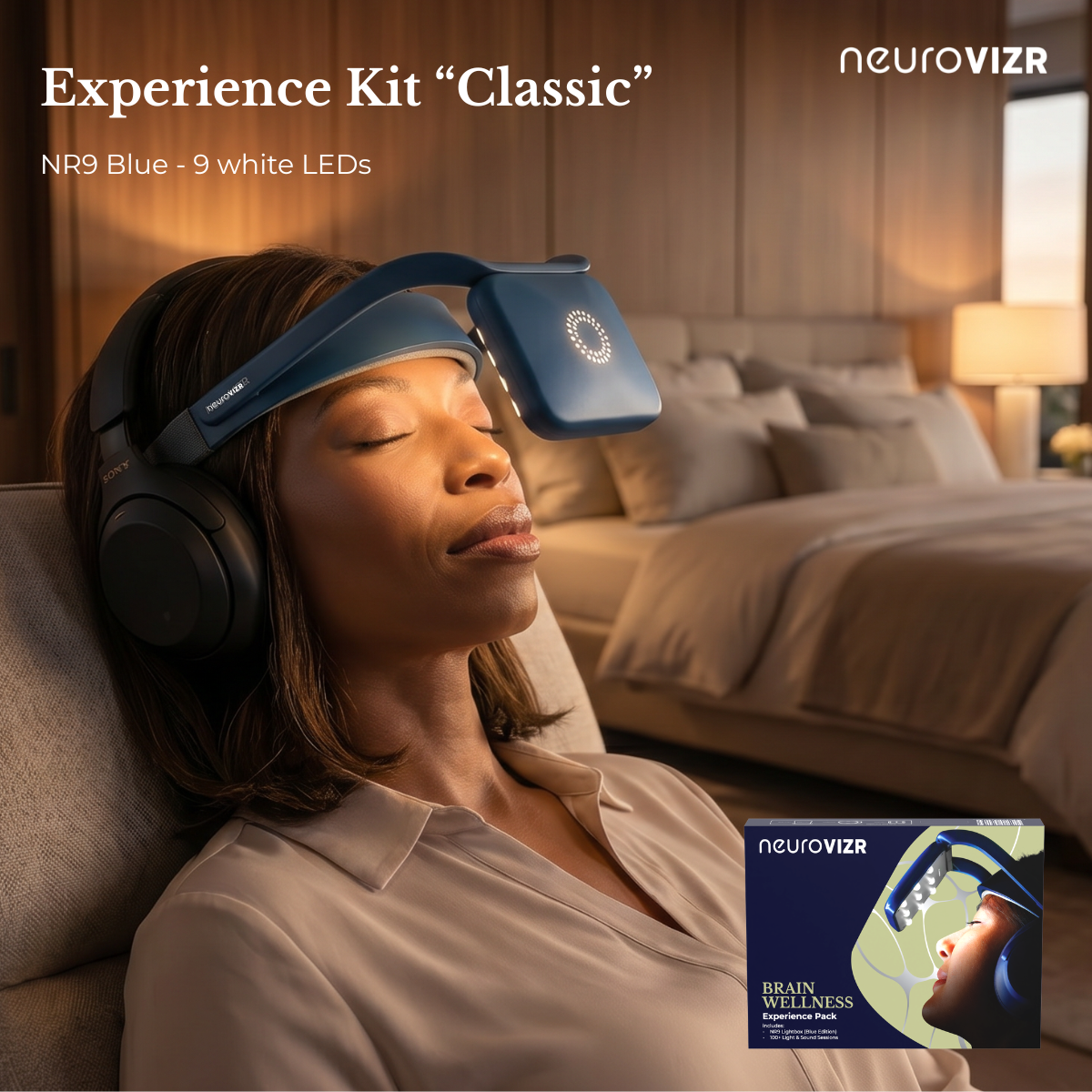
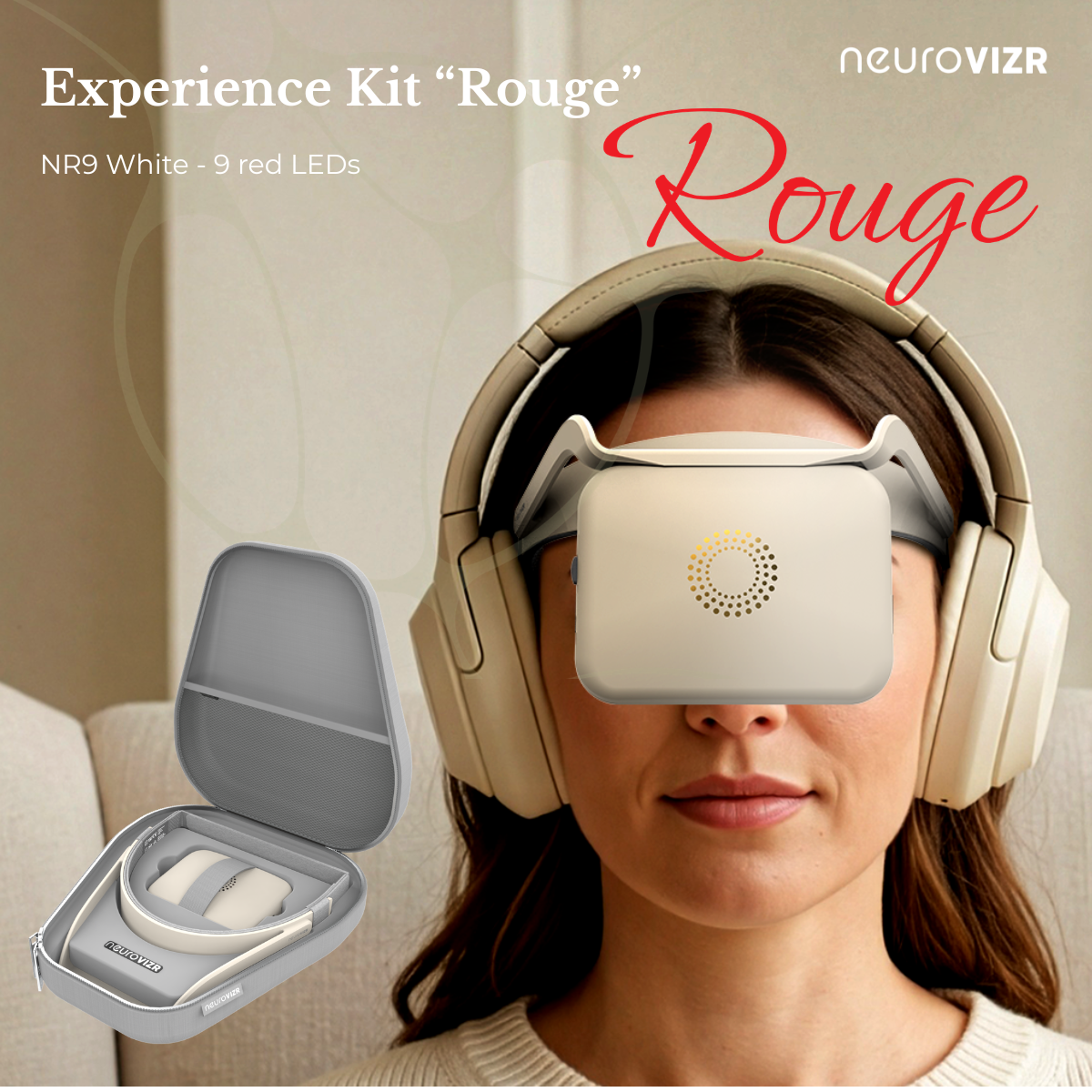
Choose the neuroVIZR experience that fits you best.
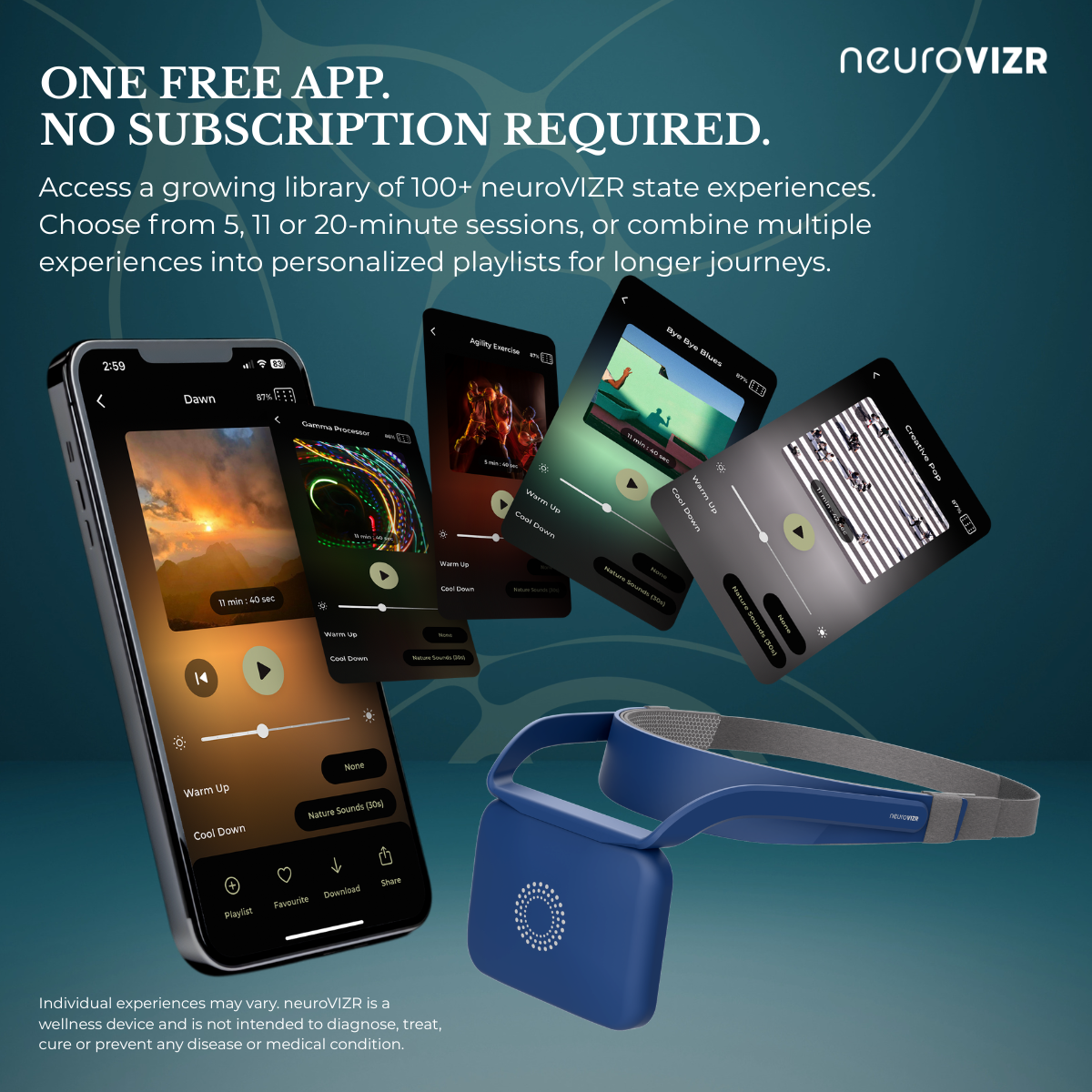
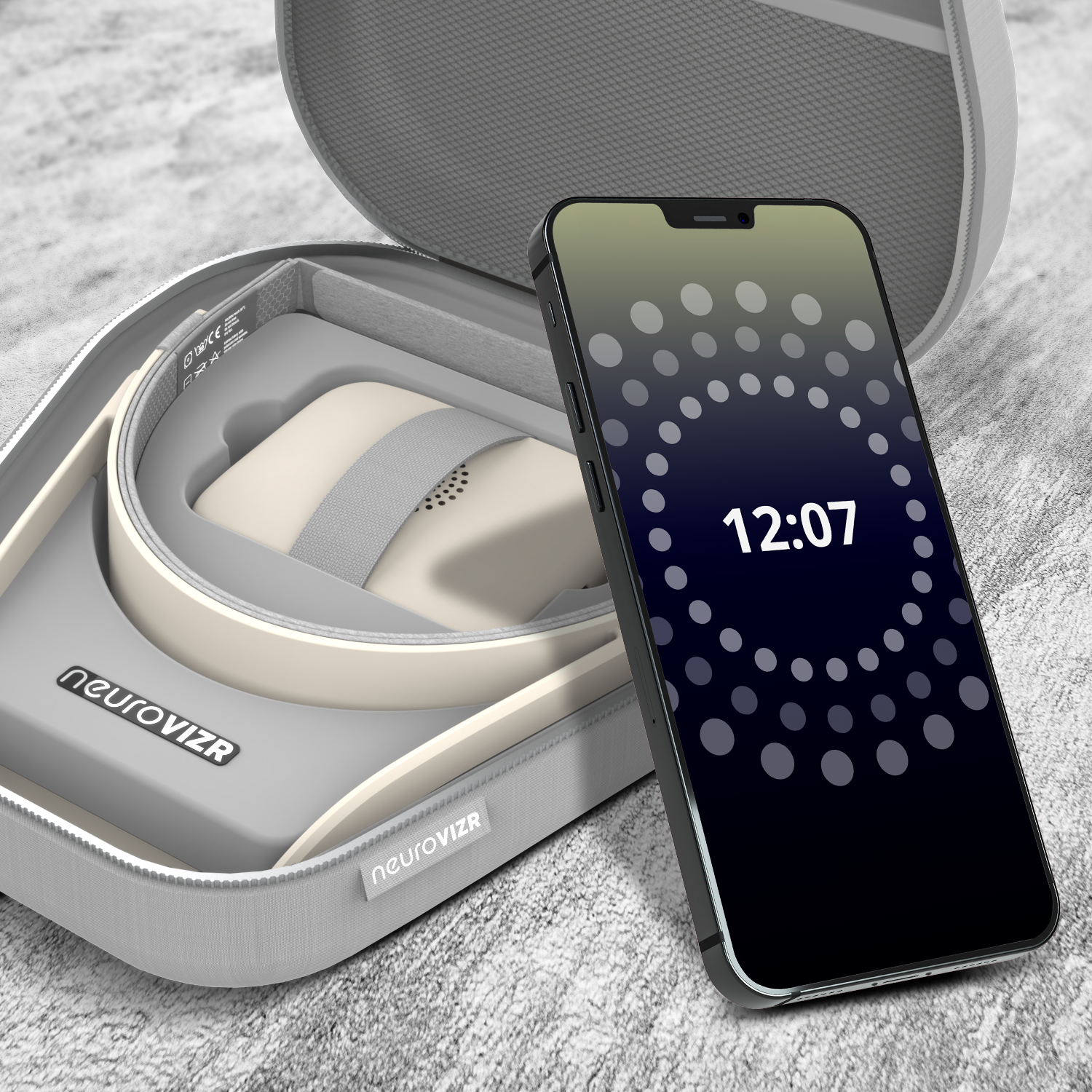
We offer neuroVIZR in two versions - with white LEDs or red LEDs: Both versions provide access to the same neuroVIZR app and session library.