

Functional Neurological Disorder (FND)
  • Written by Gourav Rathore

Functional Neurological Disorder (FND)

Functional Neurological Disorder (FND) is a condition where the brain struggles to send and receive signals properly, even though there is no structural damage to the nervous system.
The symptoms are real, often distressing, and can affect movement, sensation, speech, vision, or awareness but they don’t show up on standard scans like MRIs or CTs.

For many people, this creates confusion and fear:
“If nothing is ‘wrong’ on the scan, why does my body feel so out of control?”

FND sits at the intersection of neuroscience, stress physiology, and lived experience and understanding it requires more than labels. It requires listening to how the brain adapts under pressure.

What’s Actually Happening in the Brain?

In FND, the issue isn’t damage to its function.

The brain’s communication networks (especially those involved in movement, attention, and emotion regulation) become dysregulated. Signals may be interrupted, misrouted, or amplified, often during periods of prolonged stress, trauma, exhaustion, or nervous system overload.

Key brain systems involved often include:

  • The amygdala, which detects threat

  • The motor and sensory networks, responsible for movement and perception

  • The autonomic nervous system, which manages alertness, safety, and rest

When the brain remains in a state of high alert for too long, it can begin to prioritize protection over precision. This can look like weakness, tremors, seizures (non-epileptic), or dissociation not because the body is broken, but because the brain is trying to cope.

The Role of Fatigue and Sleep Deprivation

Sleep plays a central role in how the brain regulates itself. When rest is disrupted, the nervous system loses one of its most powerful stabilising tools.

Many people with FND notice symptoms intensifying during periods of:

  • Chronic sleep deprivation

  • Irregular sleep cycles

  • Mental or emotional exhaustion

This is not surprising when we consider how deeply sleep affects consciousness, balance, and signal integration. Severe lack of sleep can even cause the body to shut down.

Why Rest Feels So Restorative to the Nervous System

Sleep isn’t just about recovery, it's about recalibration.

During deep rest, the brain:

  • Resets emotional processing

  • Rebalances neurotransmitters

  • Strengthens neural pathways involved in coordination and awareness

This may explain why sleep often feels deeply relieving, especially when the nervous system has been under strain. The brain finally gets permission to let go of constant monitoring and contro

Moving Away From “It’s All in Your Head”

One of the most harmful misconceptions about FND is the idea that symptoms are imagined or exaggerated. They are not.

FND symptoms are real experiences generated by real brain activity. The challenge lies in how the brain processes information, not in a lack of effort or willpower.

Many people find relief when the focus shifts from:

  • “What’s wrong with me?”
     to

  • “What is my nervous system trying to protect me from?”

This reframing alone can reduce fear, which is often a key driver of symptom persistence.

Supporting the Brain Through Regulation, Not Control

Healing in FND is less about forcing the body to behave and more about restoring trust between brain and body.

Supportive approaches often include:

  • Gentle nervous system regulation practices

  • Improving sleep quality and consistency

  • Reducing sensory and cognitive overload

  • Building awareness of stress patterns without judgment

The brain is highly adaptable. With the right conditions, it can relearn safer, more efficient signaling patterns over time, a process rooted in neuroplasticity.

A Closing Thought

Functional Neurological Disorder reminds us that the brain doesn’t just respond to injury it responds to experience.

When the nervous system is overwhelmed, it speaks through the body. Listening with curiosity instead of fear can be the first step toward change.

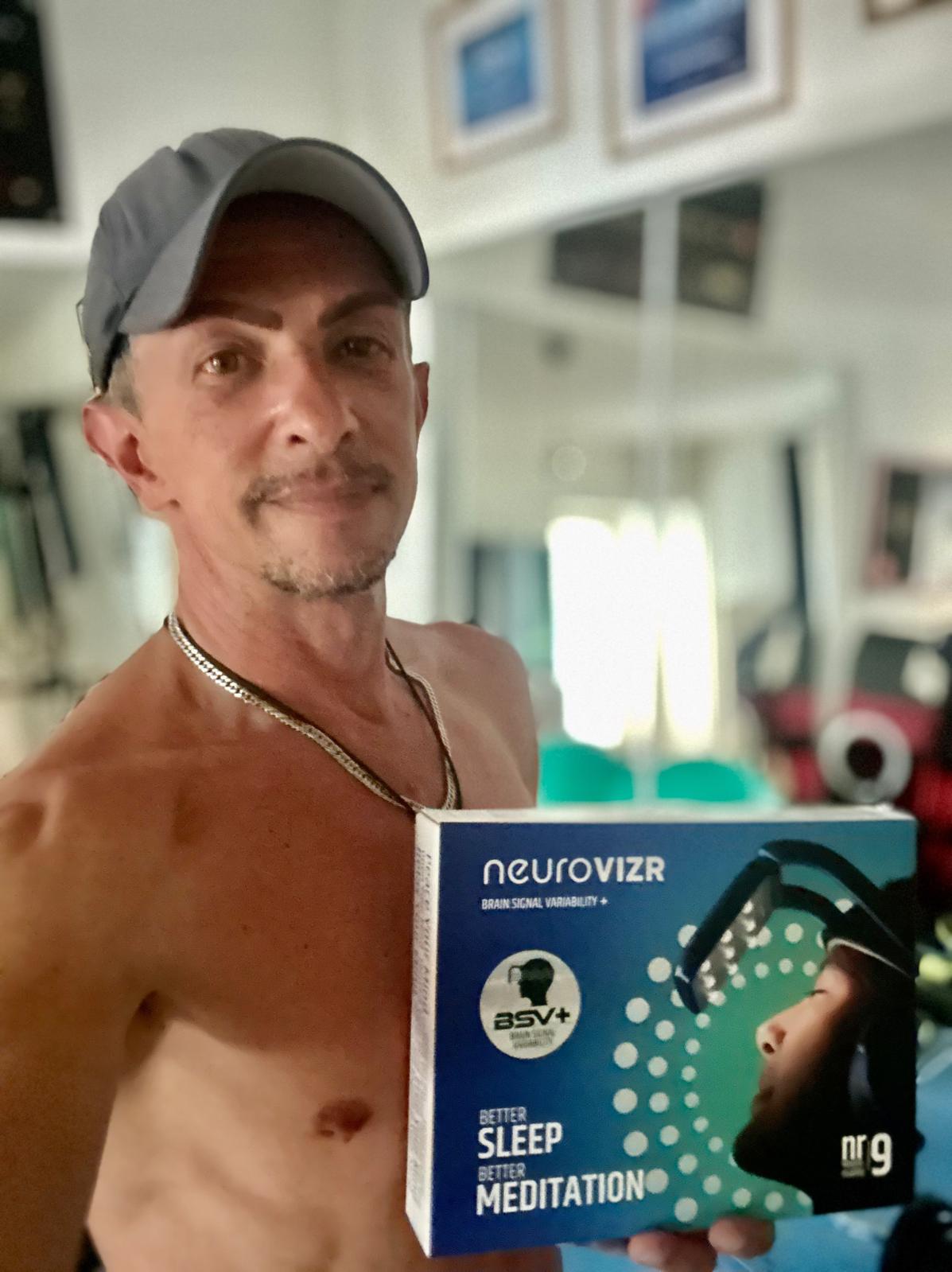
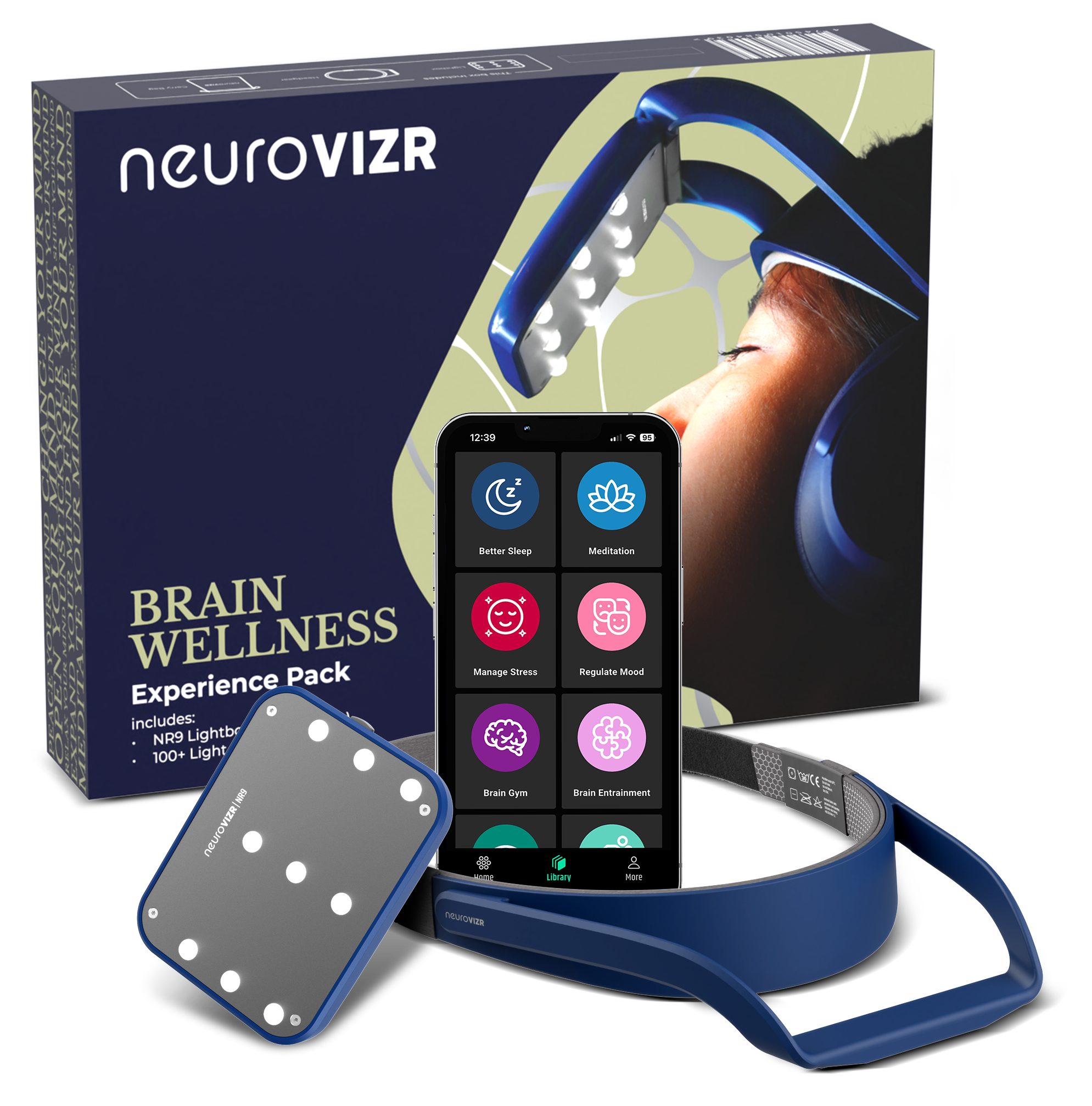
At neuroVIZR, the focus remains on helping the brain return to balance not by overriding it, but by supporting the rhythms that allow it to function with clarity and ease.

FAQs

Is Functional Neurological Disorder a real condition?

Yes. Functional Neurological Disorder is a real and recognised condition where the brain’s signalling systems don’t function as they should. The symptoms are genuine, even though scans may not show structural damage. The issue lies in how the brain communicates, not whether the symptoms are “real.”

What causes Functional Neurological Disorder?

There is no single cause. FND often develops when the nervous system becomes overwhelmed due to stress, trauma, illness, exhaustion, or prolonged emotional strain. In many cases, the brain shifts into a protective mode that disrupts normal movement or sensation.

Can lack of sleep make FND symptoms worse?

Yes. Sleep is essential for nervous system regulation. When sleep is disrupted, the brain has fewer resources to manage stress and coordination. This is why fatigue or severe sleep deprivation can intensify neurological symptoms and in extreme cases, even lead to fainting or shutdown responses.

Is FND the same as anxiety or depression?

No but they can coexist. FND is a neurological condition involving brain function, while anxiety and depression relate more to emotional processing. However, ongoing stress or emotional overload can influence how the nervous system behaves, which may affect FND symptoms.

Content References

  • National Institute of Neurological Disorders and Stroke (NINDS)

  • Functional Neurological Disorder Society

  • Cleveland Clinic

  • Mayo Clinic

  • Harvard Medical School – Division of Sleep Medicine

  • National Sleep Foundation

  • Neuroscience of Stress and Neuroplasticity Research (general consensus literature)

Disclaimer

This content is for informational purposes only and is not a substitute for professional medical advice. Always consult a qualified healthcare provider regarding neurological symptoms.

 

Functional Neurological Disorder (FND) is a condition where the brain struggles to send and receive signals properly, even though there is no structural damage to the nervous system.
The symptoms are real, often distressing, and can affect movement, sensation, speech, vision, or awareness but they don’t show up on standard scans like MRIs or CTs.

For many people, this creates confusion and fear:
“If nothing is ‘wrong’ on the scan, why does my body feel so out of control?”

FND sits at the intersection of neuroscience, stress physiology, and lived experience and understanding it requires more than labels. It requires listening to how the brain adapts under pressure.

What’s Actually Happening in the Brain?

In FND, the issue isn’t damage to its function.

The brain’s communication networks (especially those involved in movement, attention, and emotion regulation) become dysregulated. Signals may be interrupted, misrouted, or amplified, often during periods of prolonged stress, trauma, exhaustion, or nervous system overload.

Key brain systems involved often include:

  • The amygdala, which detects threat

  • The motor and sensory networks, responsible for movement and perception

  • The autonomic nervous system, which manages alertness, safety, and rest

When the brain remains in a state of high alert for too long, it can begin to prioritize protection over precision. This can look like weakness, tremors, seizures (non-epileptic), or dissociation not because the body is broken, but because the brain is trying to cope.

The Role of Fatigue and Sleep Deprivation

Sleep plays a central role in how the brain regulates itself. When rest is disrupted, the nervous system loses one of its most powerful stabilising tools.

Many people with FND notice symptoms intensifying during periods of:

  • Chronic sleep deprivation

  • Irregular sleep cycles

  • Mental or emotional exhaustion

This is not surprising when we consider how deeply sleep affects consciousness, balance, and signal integration. Severe lack of sleep can even cause the body to shut down.

Why Rest Feels So Restorative to the Nervous System

Sleep isn’t just about recovery, it's about recalibration.

During deep rest, the brain:

  • Resets emotional processing

  • Rebalances neurotransmitters

  • Strengthens neural pathways involved in coordination and awareness

This may explain why sleep often feels deeply relieving, especially when the nervous system has been under strain. The brain finally gets permission to let go of constant monitoring and contro

Moving Away From “It’s All in Your Head”

One of the most harmful misconceptions about FND is the idea that symptoms are imagined or exaggerated. They are not.

FND symptoms are real experiences generated by real brain activity. The challenge lies in how the brain processes information, not in a lack of effort or willpower.

Many people find relief when the focus shifts from:

  • “What’s wrong with me?”
     to

  • “What is my nervous system trying to protect me from?”

This reframing alone can reduce fear, which is often a key driver of symptom persistence.

Supporting the Brain Through Regulation, Not Control

Healing in FND is less about forcing the body to behave and more about restoring trust between brain and body.

Supportive approaches often include:

  • Gentle nervous system regulation practices

  • Improving sleep quality and consistency

  • Reducing sensory and cognitive overload

  • Building awareness of stress patterns without judgment

The brain is highly adaptable. With the right conditions, it can relearn safer, more efficient signaling patterns over time, a process rooted in neuroplasticity.

A Closing Thought

Functional Neurological Disorder reminds us that the brain doesn’t just respond to injury it responds to experience.

When the nervous system is overwhelmed, it speaks through the body. Listening with curiosity instead of fear can be the first step toward change.

At neuroVIZR, the focus remains on helping the brain return to balance not by overriding it, but by supporting the rhythms that allow it to function with clarity and ease.

FAQs

Is Functional Neurological Disorder a real condition?

Yes. Functional Neurological Disorder is a real and recognised condition where the brain’s signalling systems don’t function as they should. The symptoms are genuine, even though scans may not show structural damage. The issue lies in how the brain communicates, not whether the symptoms are “real.”

What causes Functional Neurological Disorder?

There is no single cause. FND often develops when the nervous system becomes overwhelmed due to stress, trauma, illness, exhaustion, or prolonged emotional strain. In many cases, the brain shifts into a protective mode that disrupts normal movement or sensation.

Can lack of sleep make FND symptoms worse?

Yes. Sleep is essential for nervous system regulation. When sleep is disrupted, the brain has fewer resources to manage stress and coordination. This is why fatigue or severe sleep deprivation can intensify neurological symptoms and in extreme cases, even lead to fainting or shutdown responses.

Is FND the same as anxiety or depression?

No but they can coexist. FND is a neurological condition involving brain function, while anxiety and depression relate more to emotional processing. However, ongoing stress or emotional overload can influence how the nervous system behaves, which may affect FND symptoms.

Content References

  • National Institute of Neurological Disorders and Stroke (NINDS)

  • Functional Neurological Disorder Society

  • Cleveland Clinic

  • Mayo Clinic

  • Harvard Medical School – Division of Sleep Medicine

  • National Sleep Foundation

  • Neuroscience of Stress and Neuroplasticity Research (general consensus literature)

Disclaimer

This content is for informational purposes only and is not a substitute for professional medical advice. Always consult a qualified healthcare provider regarding neurological symptoms.


Enhance Your Mental Clarity With neuroVIZR