
Brainwave Stimulation: Working With Your Brain, Not Controlling It
  • Written by Gourav Rathore

Brainwave Stimulation: Working With Your Brain, Not Controlling It

When you ever felt mentally tired and could not sleep...or cold on the surface and your mind running round and round..

When you ever felt mentally tired and could not sleep...or cold on the surface and your mind running round and round...

you’re not alone.

A great number of individuals nowadays are in a perpetual state of psychological hyperactivity. We attempt to pay more attention, we relax quicker, we sleep better but the more we strain the brain the more we seem to be opposing us.

This is where the concept of brainwave stimulation usually comes into the limelight. But that is where you get confused.

And is it about brain modification?

Forcing calm?

Or hacking your brain to a superior place?

And the response is milder and much more humane than that.

What Are Brainwaves  ?

Your brain is always active. Even when you’re resting, it’s communicating through rhythmic electrical patterns known as brainwaves.

These rhythms aren’t good or bad. They simply reflect state.

  • Some states support alert focus

  • Others support creativity, rest, or emotional processing

  • Some dominate when we’re stressed, overwhelmed, or hyper-vigilant

The key thing to understand is this:
your brain naturally shifts between these states all day long.

Problems arise not because a certain brainwave is “wrong,” but because the brain gets stuck often due to chronic stress, overstimulation, or lack of recovery.

What Is Brainwave Stimulation?

Brainwave stimulation is not about controlling the brain.
It’s about offering the brain a cue.

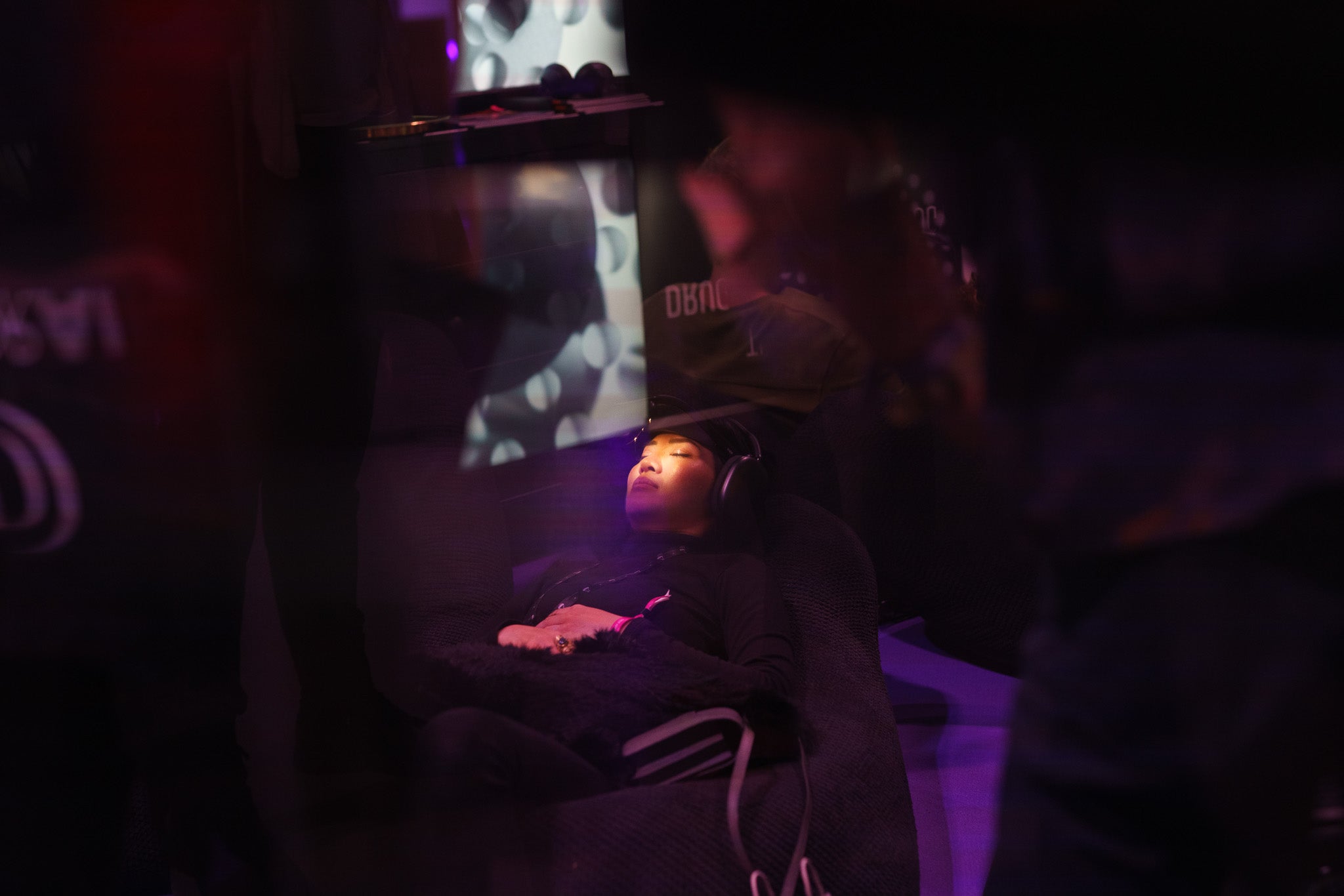
Using gentle sensory inputs  often light, sound, or rhythm the brain is invited to synchronise with an external pattern. This process is sometimes called neural entrainment, but at its core, it’s something the brain already knows how to do.

Think of it like this:

When you listen to calming music, your breathing often slows.
When you sit by the ocean, your thoughts soften.
When you walk in rhythm, your body settles.

Brainwave stimulation works on a similar principle supporting the brain’s natural ability to shift states, rather than forcing it into one.

Read more -  sensory stimulation

How People Often Experience Brainwave Support

Everyone’s brain is different, but people commonly report experiences such as:

  • A sense of mental spaciousness

  • Easier transitions into calm or focus

  • Reduced internal noise

  • Feeling more “settled” without feeling sedated

  • Improved ability to shift between effort and rest

Not because something was imposed  but because something softened.

Importantly, these experiences are state-based, not identity-changing. You’re not becoming someone else. You’re reconnecting with rhythms your brain already understands.

Where neuroVIZR Fits Into This Conversation

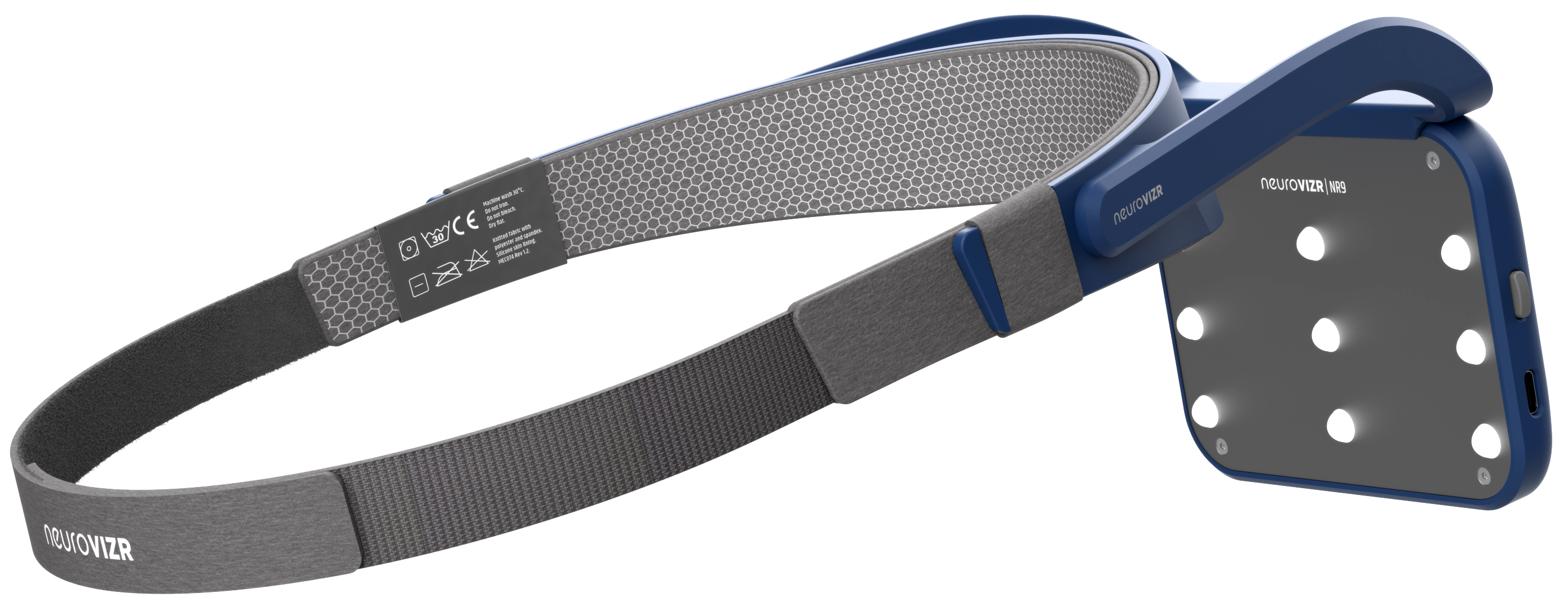
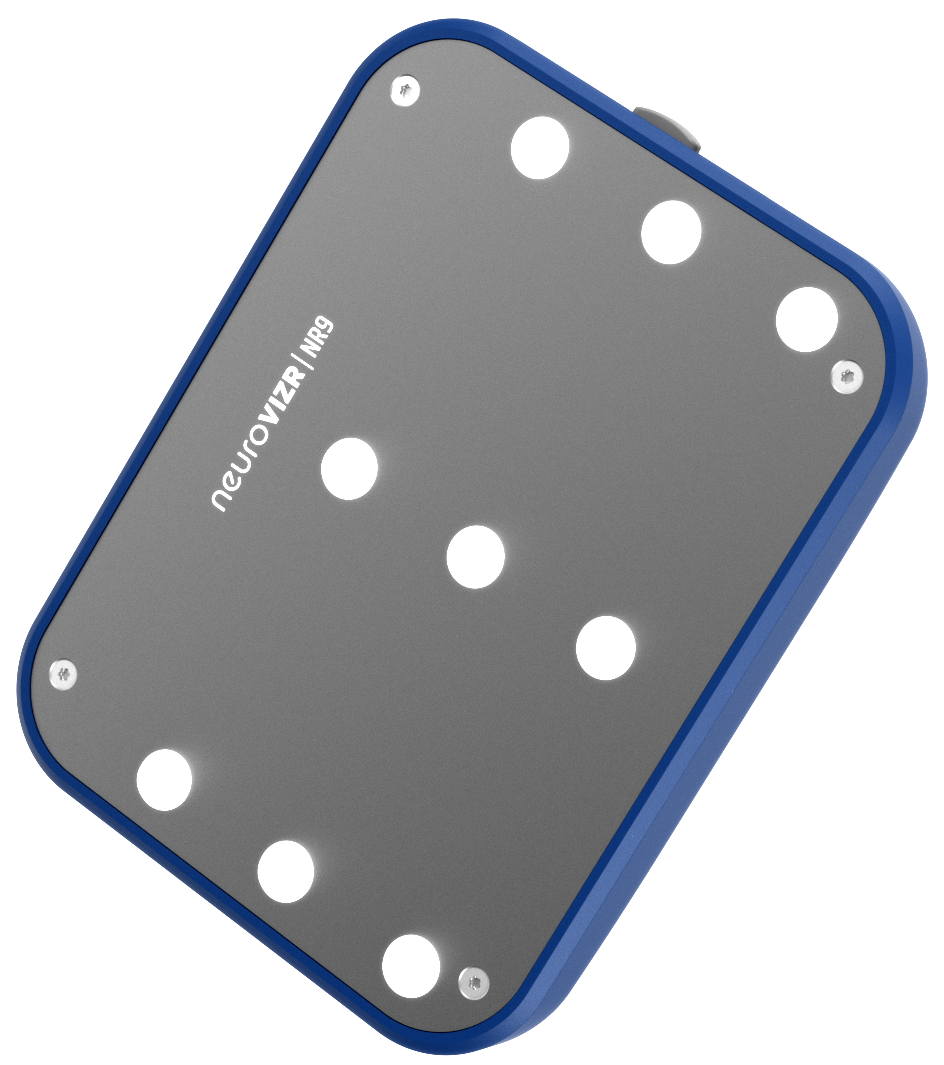
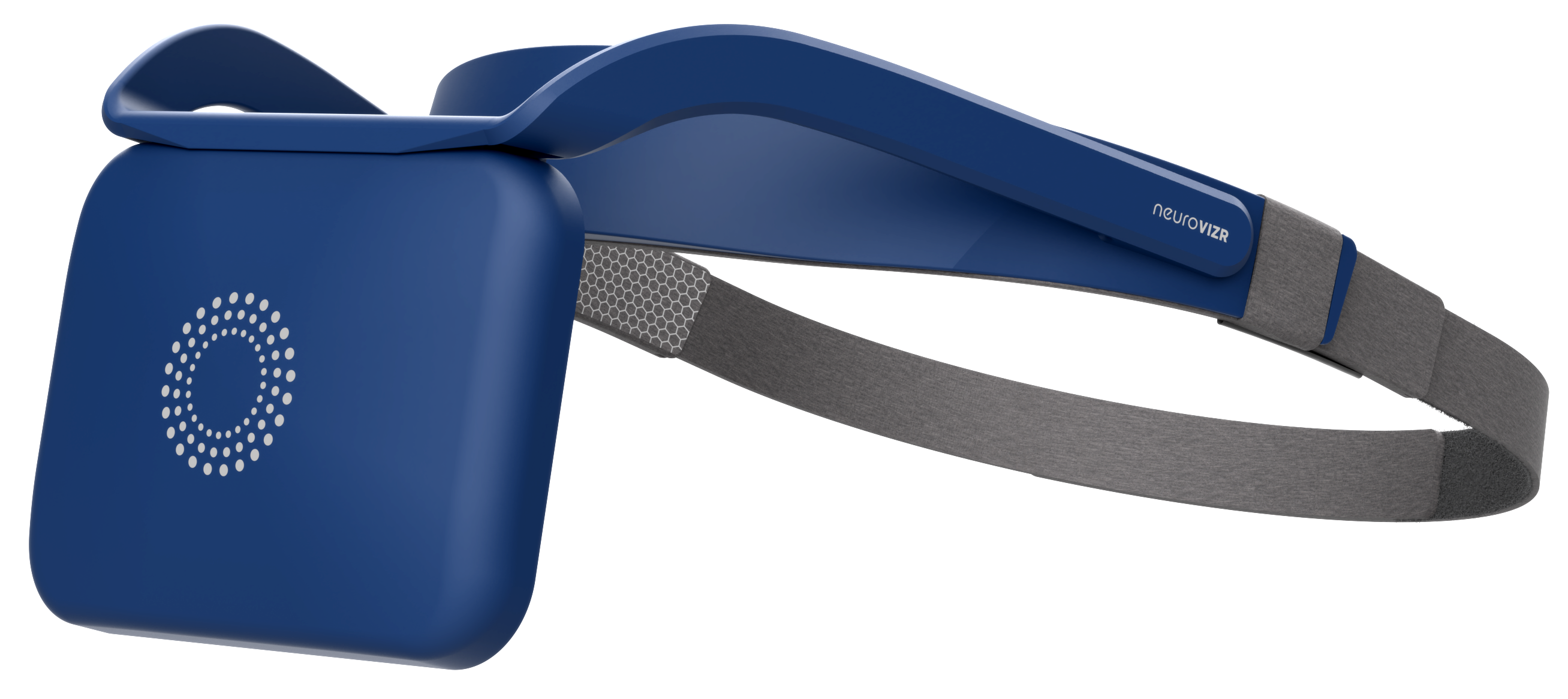
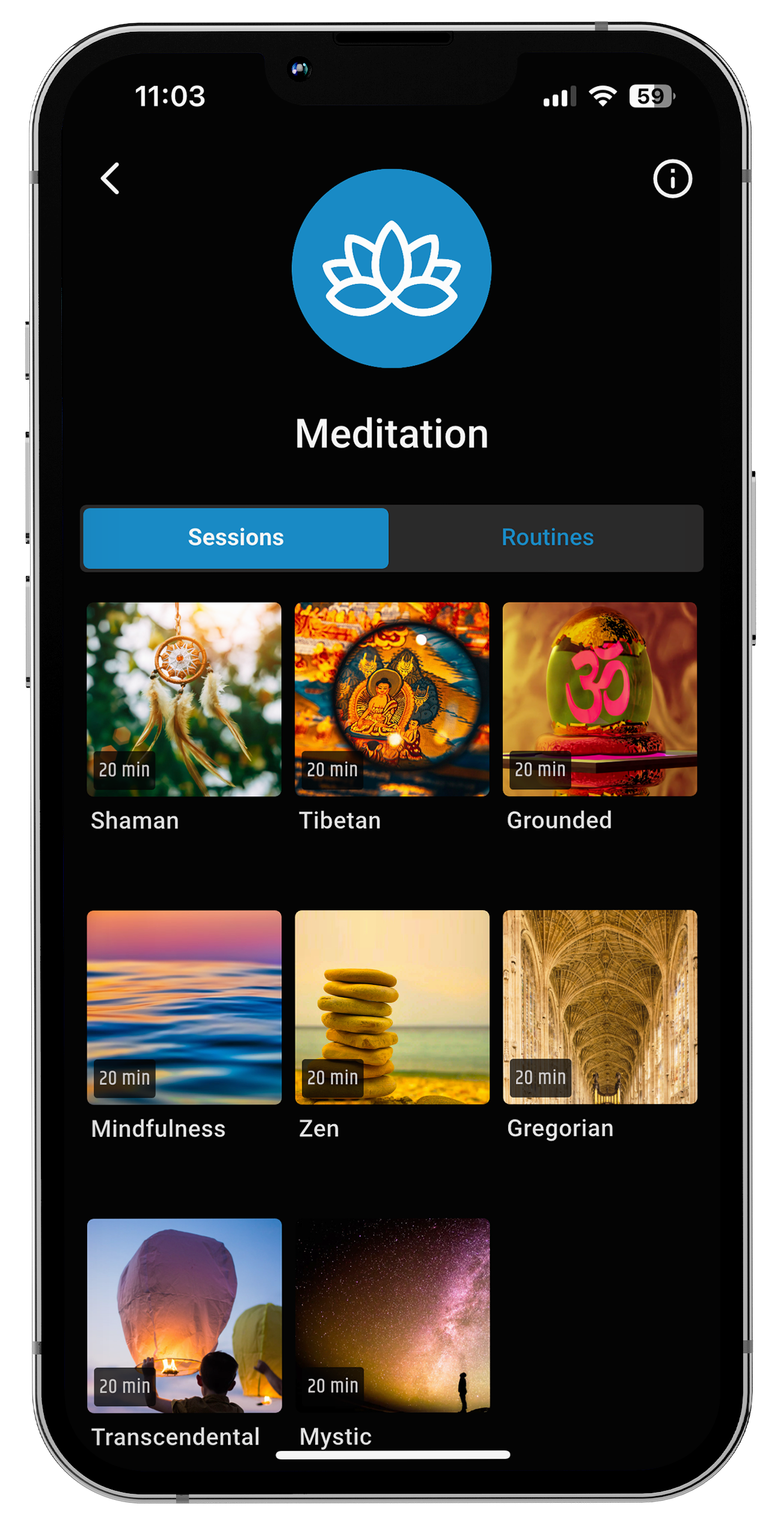
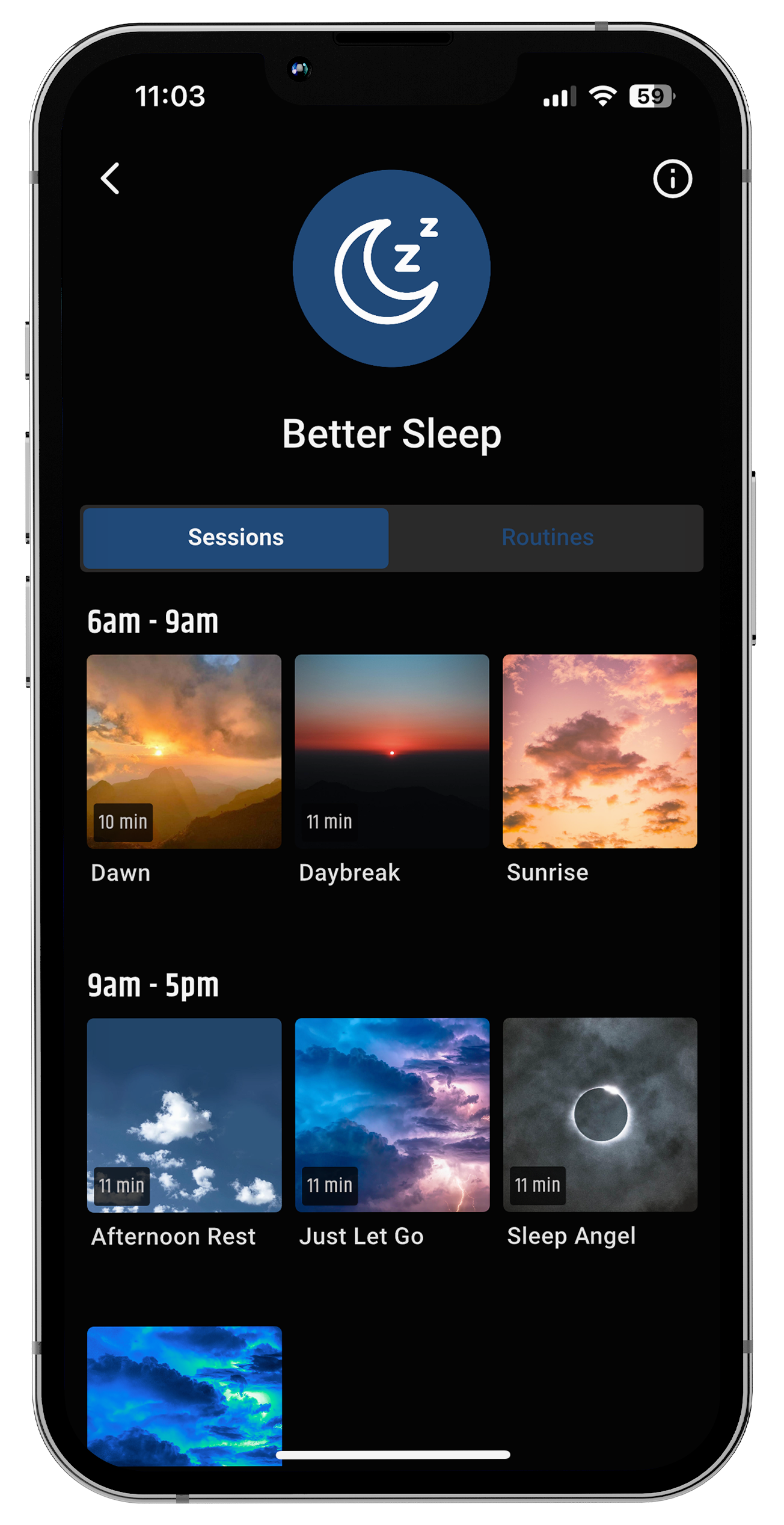
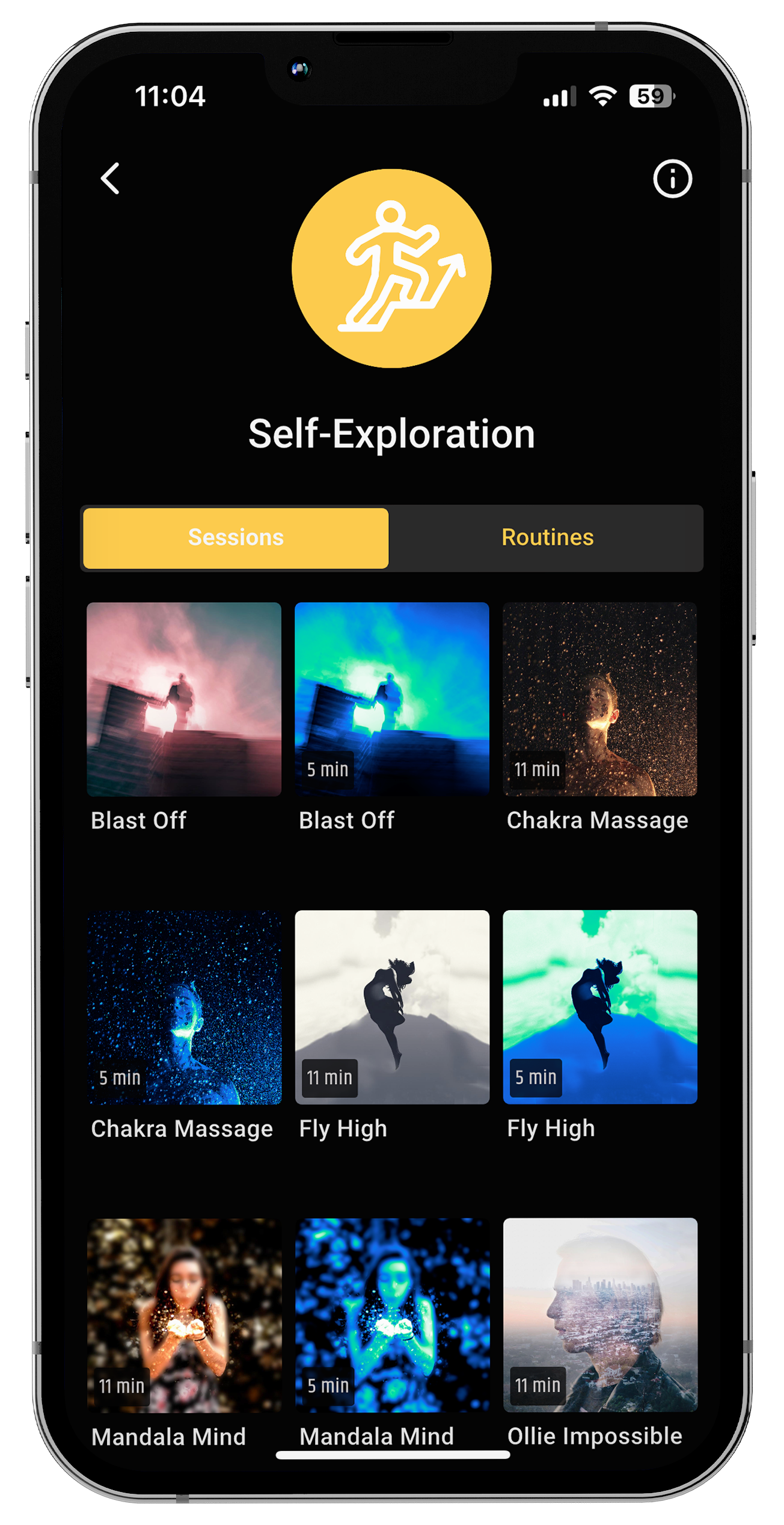
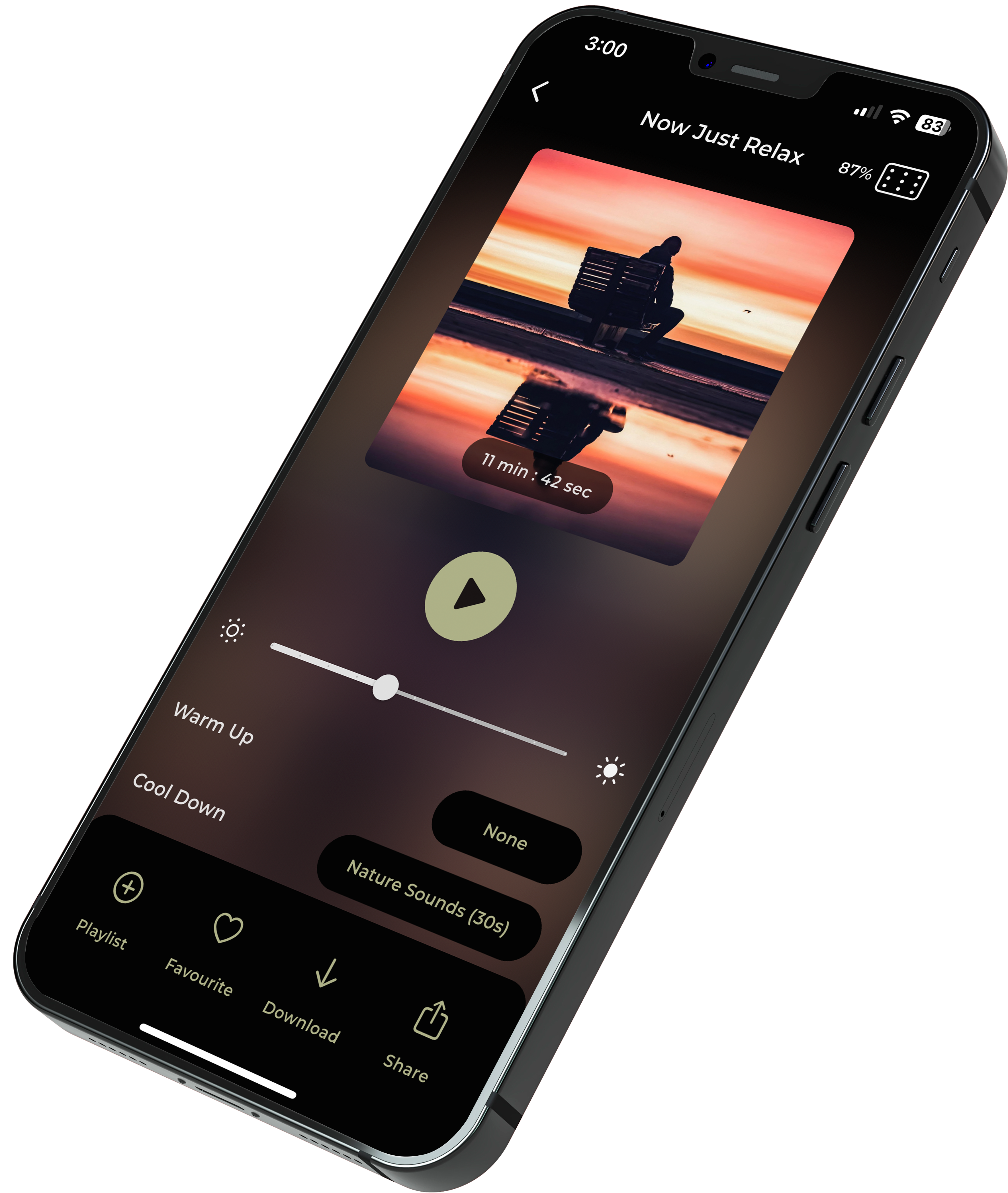
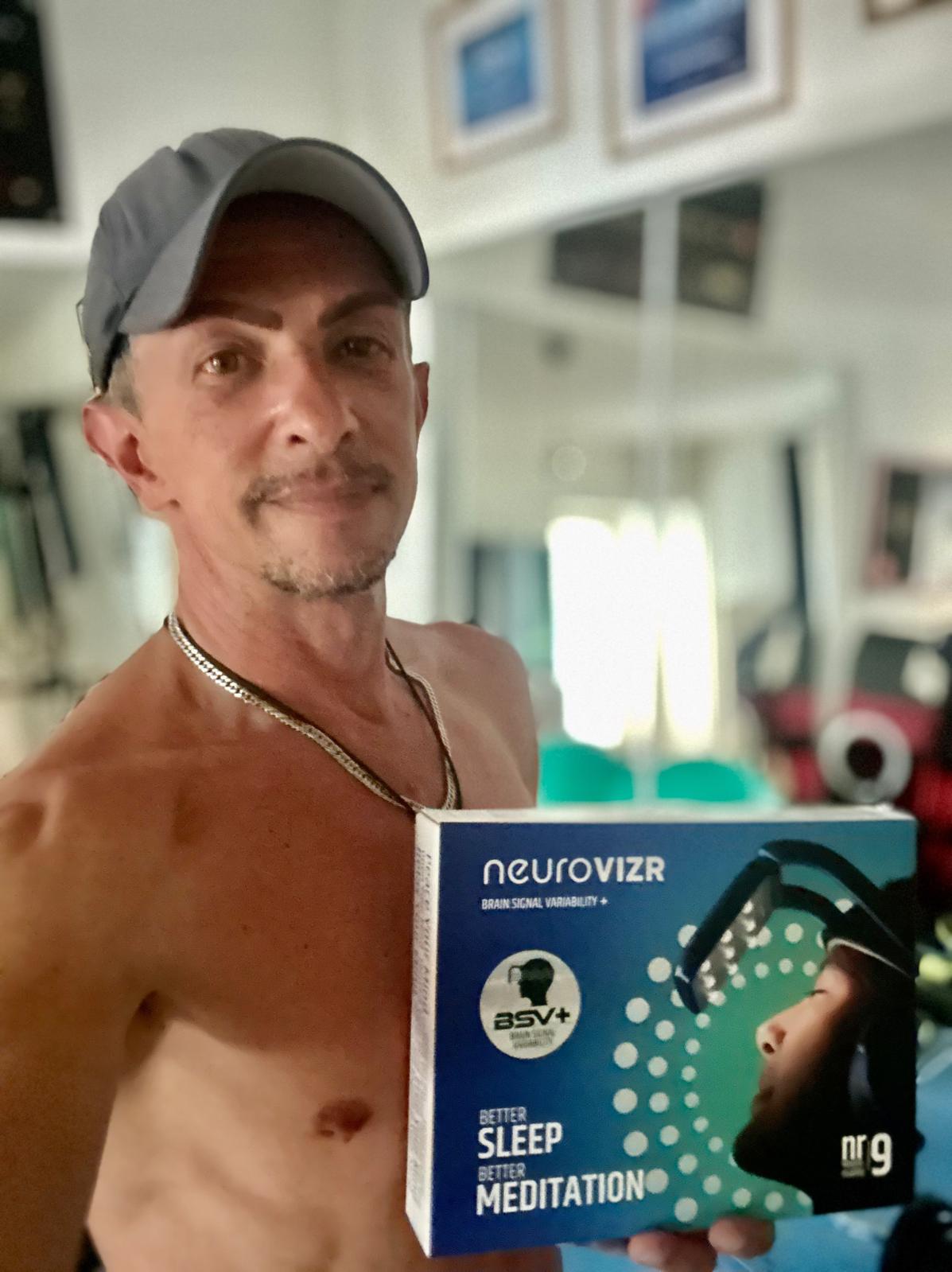
At neuroVIZR, brainwave stimulation is approached as a supportive experience, not a medical intervention or performance demand.

The intention is simple:
to help people feel more at home in their own minds.

By combining neuroscience with respect for individual experience, the focus stays on safety, agency, and gentle guidance, never on claims, diagnoses, or promises.

Conclusion

From a neuroscience perspective, the brain is constantly adapting. From a human perspective, it’s often overwhelming. Brainwave stimulation sits at the intersection of these truths offering gentle sensory input that supports the brain’s natural ability to regulate itself.

When science is applied with empathy, the result isn’t optimisation.
It’s relief, trust, and a renewed sense of internal safety.

FAQs

How do you stimulate brain waves?

Brainwaves are supported through rhythmic sensory cues like sound or light, which the brain may naturally synchronise with to shift states.

Is neurowave therapy real or fake?

It’s a non-medical term. Some methods are real and science-based, but exaggerated healing claims are not supported.

What does 10,000 Hz do to your brain?

Nothing directly. The brain doesn’t operate at that frequency; it responds to rhythmic patterns, not high-frequency sounds.

Disclaimer:

This content is provided for educational and informational purposes only. It is not intended to diagnose, treat, cure, or prevent any medical or psychological condition. Brainwave stimulation experiences can vary between individuals. If you have a neurological condition, are pregnant, or are sensitive to light or sound, please consult a qualified healthcare professional before use.

 

When you ever felt mentally tired and could not sleep...or cold on the surface and your mind running round and round..

When you ever felt mentally tired and could not sleep...or cold on the surface and your mind running round and round...

you’re not alone.

A great number of individuals nowadays are in a perpetual state of psychological hyperactivity. We attempt to pay more attention, we relax quicker, we sleep better but the more we strain the brain the more we seem to be opposing us.

This is where the concept of brainwave stimulation usually comes into the limelight. But that is where you get confused.

And is it about brain modification?

Forcing calm?

Or hacking your brain to a superior place?

And the response is milder and much more humane than that.

What Are Brainwaves  ?

Your brain is always active. Even when you’re resting, it’s communicating through rhythmic electrical patterns known as brainwaves.

These rhythms aren’t good or bad. They simply reflect state.

  • Some states support alert focus

  • Others support creativity, rest, or emotional processing

  • Some dominate when we’re stressed, overwhelmed, or hyper-vigilant

The key thing to understand is this:
your brain naturally shifts between these states all day long.

Problems arise not because a certain brainwave is “wrong,” but because the brain gets stuck often due to chronic stress, overstimulation, or lack of recovery.

What Is Brainwave Stimulation?

Brainwave stimulation is not about controlling the brain.
It’s about offering the brain a cue.

Using gentle sensory inputs  often light, sound, or rhythm the brain is invited to synchronise with an external pattern. This process is sometimes called neural entrainment, but at its core, it’s something the brain already knows how to do.

Think of it like this:

When you listen to calming music, your breathing often slows.
When you sit by the ocean, your thoughts soften.
When you walk in rhythm, your body settles.

Brainwave stimulation works on a similar principle supporting the brain’s natural ability to shift states, rather than forcing it into one.

Read more -  sensory stimulation

How People Often Experience Brainwave Support

Everyone’s brain is different, but people commonly report experiences such as:

  • A sense of mental spaciousness

  • Easier transitions into calm or focus

  • Reduced internal noise

  • Feeling more “settled” without feeling sedated

  • Improved ability to shift between effort and rest

Not because something was imposed  but because something softened.

Importantly, these experiences are state-based, not identity-changing. You’re not becoming someone else. You’re reconnecting with rhythms your brain already understands.

Where neuroVIZR Fits Into This Conversation

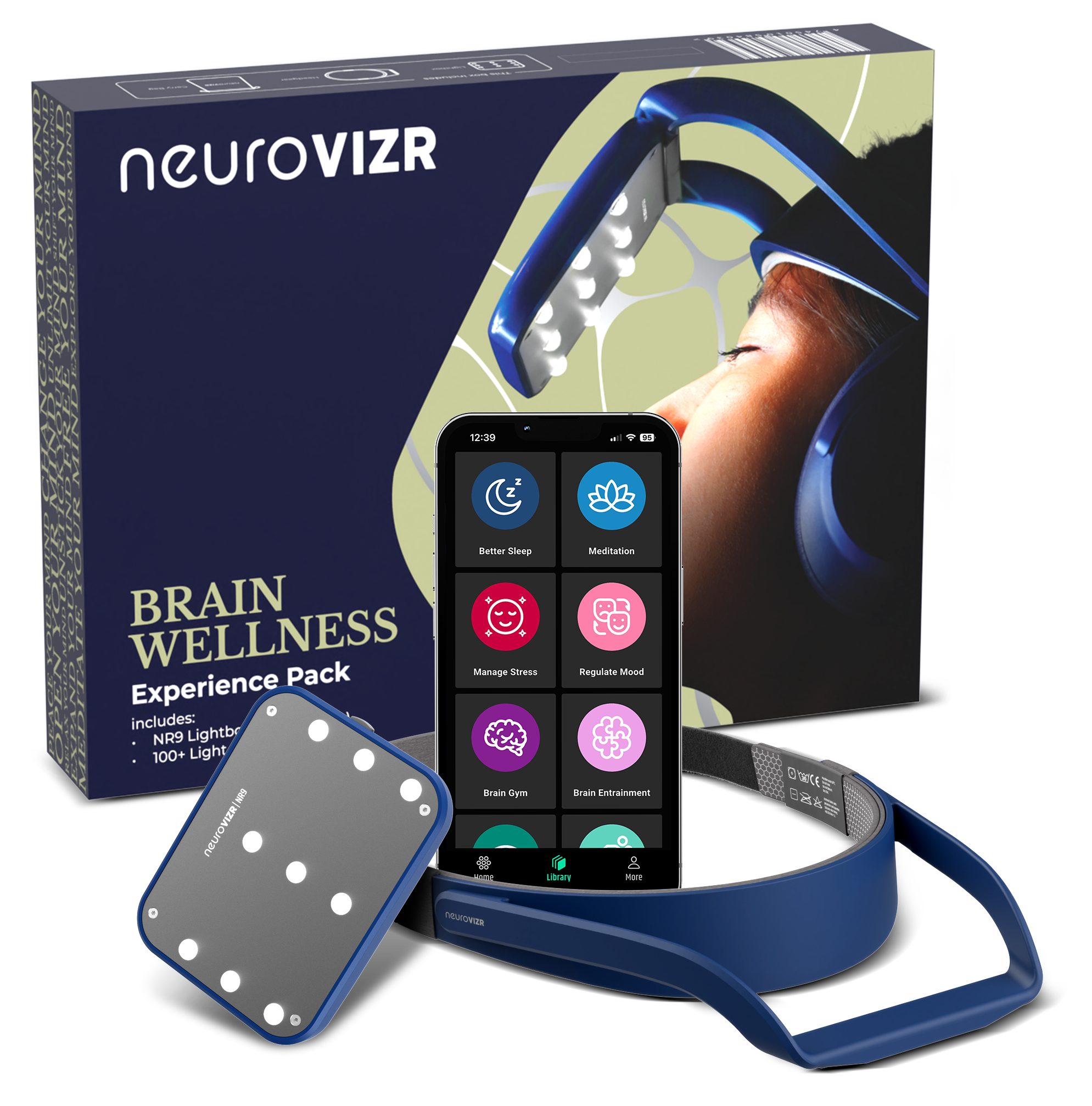
At neuroVIZR, brainwave stimulation is approached as a supportive experience, not a medical intervention or performance demand.

The intention is simple:
to help people feel more at home in their own minds.

By combining neuroscience with respect for individual experience, the focus stays on safety, agency, and gentle guidance, never on claims, diagnoses, or promises.

Conclusion

From a neuroscience perspective, the brain is constantly adapting. From a human perspective, it’s often overwhelming. Brainwave stimulation sits at the intersection of these truths offering gentle sensory input that supports the brain’s natural ability to regulate itself.

When science is applied with empathy, the result isn’t optimisation.
It’s relief, trust, and a renewed sense of internal safety.

FAQs

How do you stimulate brain waves?

Brainwaves are supported through rhythmic sensory cues like sound or light, which the brain may naturally synchronise with to shift states.

Is neurowave therapy real or fake?

It’s a non-medical term. Some methods are real and science-based, but exaggerated healing claims are not supported.

What does 10,000 Hz do to your brain?

Nothing directly. The brain doesn’t operate at that frequency; it responds to rhythmic patterns, not high-frequency sounds.

Disclaimer:

This content is provided for educational and informational purposes only. It is not intended to diagnose, treat, cure, or prevent any medical or psychological condition. Brainwave stimulation experiences can vary between individuals. If you have a neurological condition, are pregnant, or are sensitive to light or sound, please consult a qualified healthcare professional before use.


Enhance Your Mental Clarity With neuroVIZR