



In a world buzzing with distractions, many people are discovering an unlikely ally for focus and calm: white noise. Often mistaken for the hum of an air conditioner or the murmur of distant traffic, white noise is much more than background sound. It’s increasingly recognised as a tool that can sharpen focus, ease stress, and even improve sleep quality.
But what exactly does white noise do to your brain and why are so many people turning to it? Let’s explore the science, benefits, and the surprising ways it can impact your cognitive health.
What Is White Noise?
White noise is a consistent sound that combines all audible frequencies the human ear can detect (roughly 20 to 20,000 hertz). Imagine the layered hum of a bustling café: every voice, clink of dishes, and whirr of machines blending into a single, steady sound. That’s essentially how white noise works multiple sound frequencies merged into one stream, creating a smooth background that masks distractions.
The term “white noise” comes from white light, which is a combination of all visible colours of light. Similarly, white noise blends all sound frequencies into a balanced, constant hum.
What Does White Noise Do to Your Brain?
Your brain is constantly filtering information. Every sound in your environment competes for attention, activating different regions and pulling you away from focus. White noise creates a steady sound environment that reduces this competition, freeing up mental resources for tasks that matter.
Here are some of the key ways it impacts the brain:
1. Enhances Focus
By masking unpredictable sounds (like car horns or voices in the next room), white noise reduces distraction and helps your brain stay in a steady, task-focused state.
2. Supports Neuroplasticity
Research suggests that consistent auditory input like white noise can promote the brain’s adaptability helping it form new connections more efficiently.
3. Reduces Stress
A stable sound environment calms the nervous system by lowering the brain’s response to sudden auditory changes.
4. Improves Sleep Quality
White noise helps people fall asleep faster and stay asleep longer by masking environmental disturbances.
The Brainwave Connection
Every thought, emotion, and action is linked to brainwaves rhythmic patterns of neuronal activity. When you’re alert and focused, your brain produces beta waves. When relaxed, alpha waves dominate.
White noise helps your brain maintain balance between these states. For example:
-
It encourages beta wave activity during tasks that require sustained attention.
-
It supports alpha states at bedtime, allowing the brain to downshift into relaxation.
By stabilising your brain’s rhythm, white noise acts as a buffer, helping you move smoothly between states of focus and rest.
You may like - Light and sound brainwaves
Different “Colours” of Noise and Their Effects
While white noise gets most of the attention, researchers recognise other “colours” of noise, each with unique properties:
-
Pink noise: Softer than white noise, with more low-frequency energy like rustling leaves or rainfall. Linked to improved deep sleep and memory.
-
Brown (red) noise: Deeper, rumbling tones like a waterfall or thunder, often soothing for sleep.
-
Blue and violet noise: Higher-frequency sounds, sometimes used in sound therapy or tinnitus relief.
-
Green noise: Natural mid-frequency sounds resembling ocean waves.
Exploring these different soundscapes can help you find the most supportive background noise for your needs whether for focus, creativity, or sleep.
Benefits of White Noise on Cognitive Health
Research continues to uncover fascinating ways white noise may influence the brain:
-
Boosts Memory and Learning: Studies show it can help with information retention and speed up learning by reducing interference.
-
Enhances Creativity: By lowering environmental distractions, white noise frees up brainpower for innovative thinking.
-
Improves Auditory Processing: Especially for children or adults with attention difficulties, steady noise can enhance speech discrimination and listening skills.
Promotes Emotional Regulation: A consistent auditory environment helps soothe the brain’s stress response system, supporting emotional balance.
How to Create the Right White Noise Environment
It’s not just about turning on any machine or app. To get the full benefits, you want an environment tuned to your brain’s needs:
-
Experiment with different noise colours to see which supports your focus or sleep best.
-
Avoid overly loud settings, as volume matters just as much as frequency.
-
Pair noise with intention for work, choose steady sound; for sleep, explore softer pink or brown noise.
For those wanting a science-backed approach, advanced neurotech devices now combine EEG brainwave monitoring with curated soundscapes, allowing the noise to adapt in real time to your brain’s state.
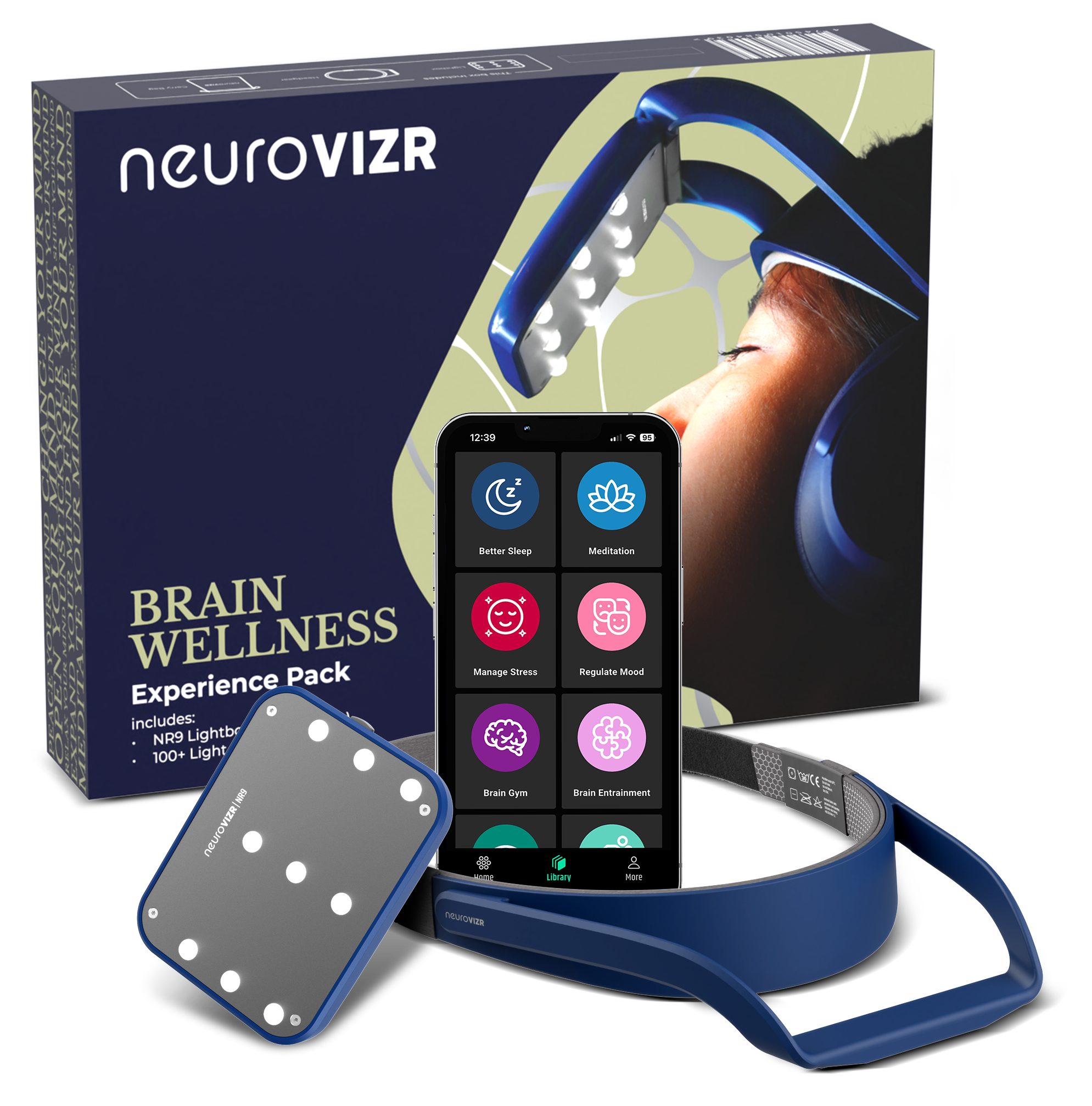
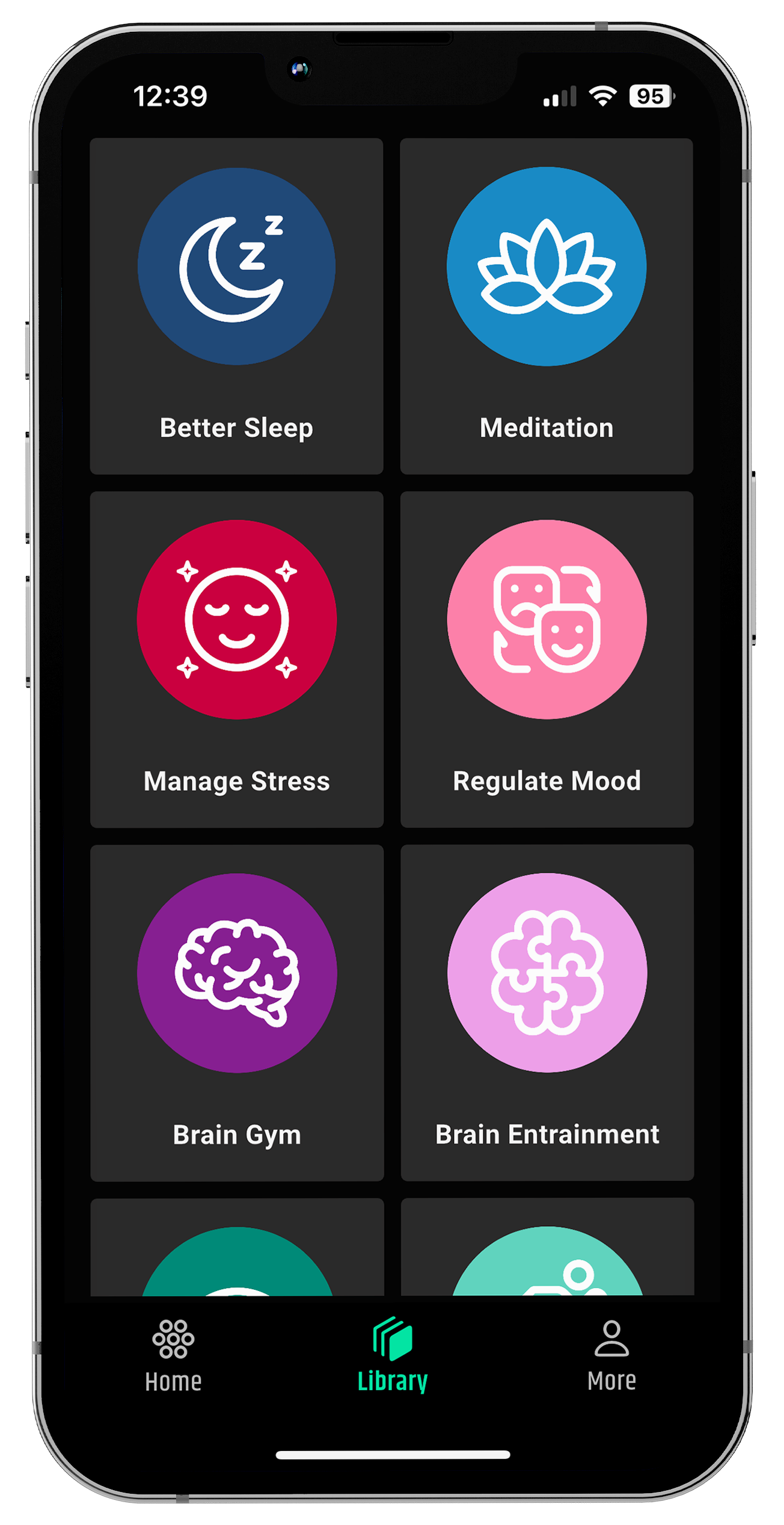
 Tools like neuroVIZR brain training devices take this one step further by blending neuroscience with personalised light-and-sound stimulation, designed to optimise brain states for clarity and balance. For those curious about harnessing sound and light together, neuroVIZR offers a gentle, science-backed way to experience how your environment can influence your mental performance.
Final Takeaway
So, what does white noise do to your brain? At its core, it creates stability in an unstable world quieting distractions, enhancing focus, improving sleep, and even supporting neuroplasticity. While preferences vary, experimenting with white noise and other sound “colours” can help you design an environment that boosts both cognitive performance and emotional well-being.
In a world full of noise, the right kind of sound doesn’t just block things out it tunes your brain to function at its best.
Exploring how sound shapes the brain is not just about blocking out distractions it’s about tuning into rhythms that support focus, creativity, and rest.
FAQ's
Is it bad to listen to white noise every night?
For most people, listening to white noise every night is not harmful. In fact, research shows it can improve sleep quality by masking disruptive sounds. However, prolonged use at high volumes could strain your ears. Experts recommend keeping the sound at a comfortable, low level similar to a fan and using devices designed for sleep safety.
What are the negative effects of white noise?
While white noise offers many benefits, potential downsides include:
-
Hearing strain if played too loudly or too close to the ears.
-
Dependency on noise, making it harder to fall asleep without it.
-
Interference with deep sleep for some individuals, as continuous sound may prevent the brain from fully resting.
Most risks can be avoided by keeping the volume moderate and ensuring the source is safe.
Is it better to sleep with white noise or silence?
It depends on your environment and personal preference. Silence is naturally restorative, but not always possible if you live in a noisy city or have irregular disturbances at night. White noise can be better in such cases because it masks sudden sounds (like traffic or barking dogs) that might wake you. For people who sleep in quiet, calm spaces, silence may be just as effective.
Does white noise affect mental health?
Yes white noise can positively affect mental health by reducing stress, improving focus, and supporting emotional regulation through better sleep. Some studies suggest it helps children with attention difficulties concentrate and process information. However, if overused or played at high volume, it may cause irritability or reliance. Using white noise mindfully ensures the benefits outweigh the risks.
















Share:
Blinking Light, Sound Effects, and Stroboscopic Light Stimulation: How They Influence the Brain
Alpha Brainwaves Are Not the Only Gateway Into Meditation