

Haftungsausschluss
Dieser Inhalt dient nur zu Informationszwecken und stellt keine medizinische Beratung dar. neuroVIZR ist ein Wellness-Gerät zur Unterstützung von Entspannung, Konzentration und allgemeinem Wohlbefinden. Es ist nicht dazu bestimmt, Krankheiten zu diagnostizieren, zu behandeln, zu heilen oder zu verhindern. Die Erfahrungen können von Person zu Person variieren.
In der heutigen schnelllebigen Welt kann es eine Herausforderung sein, Momente der Ruhe zu finden. Meditation bietet eine einfache und flexible Möglichkeit, sich wieder mit sich selbst zu verbinden, die Konzentration zu verbessern und Raum für Entspannung zu schaffen.
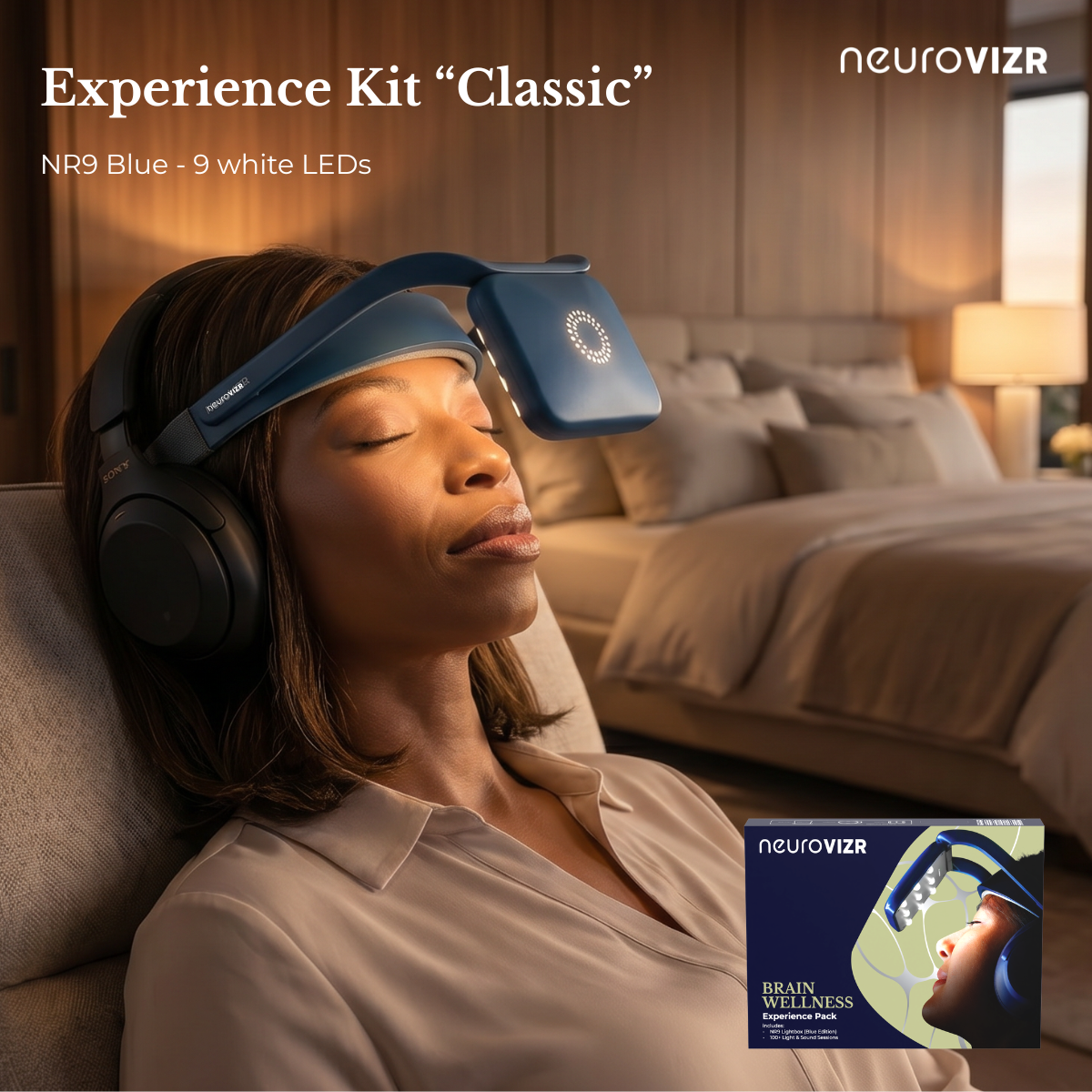
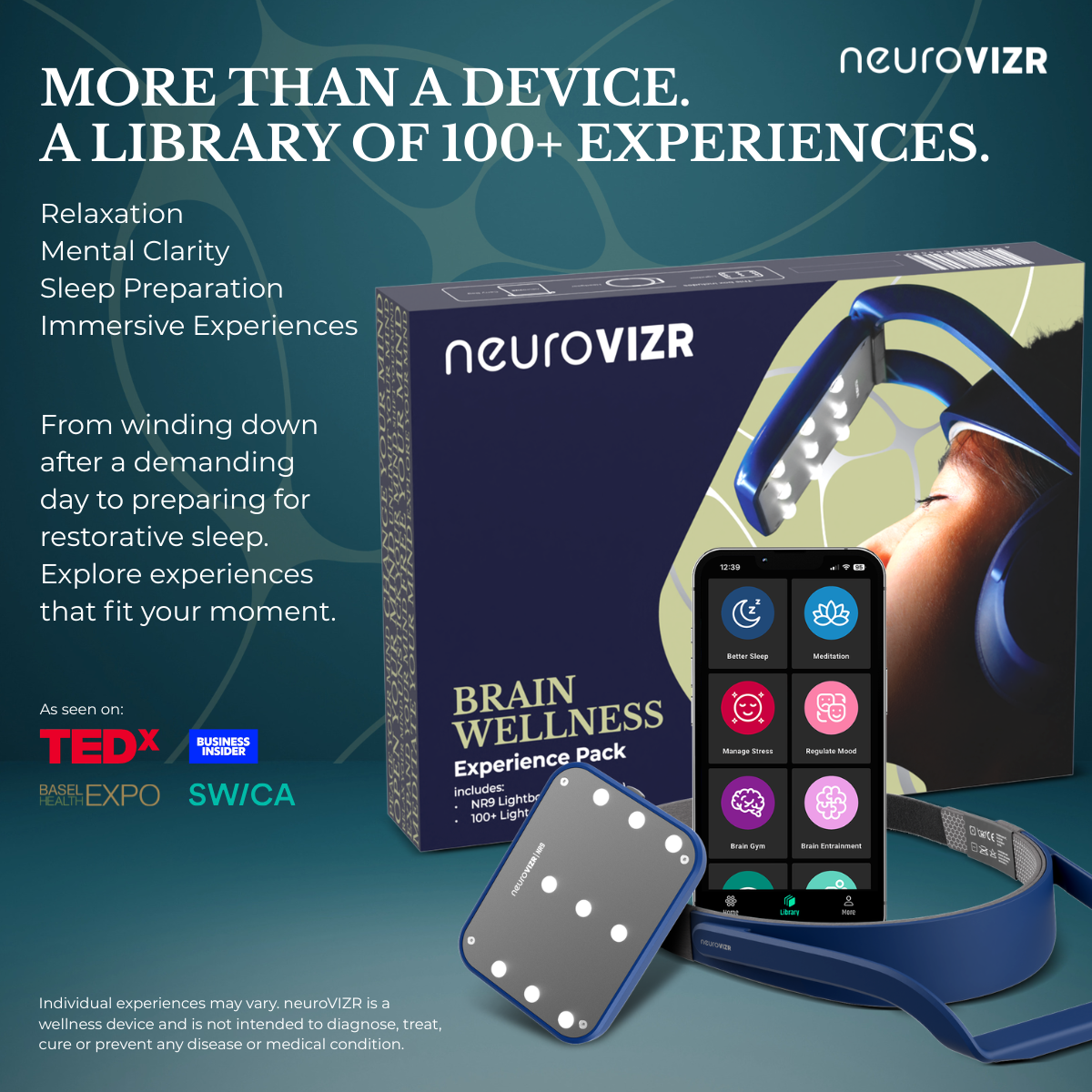
Egal, ob Sie gerade erst anfangen oder bereits regelmäßig praktizieren, verschiedene Arten von Meditationen können Ihnen helfen herauszufinden, was am besten zu Ihrem Lebensstil passt. Neben diesen Praktiken nutzen Hilfsmittel wie neuroVIZR rhythmische Licht- und Klangmuster, um immersive sensorische Erfahrungen zu schaffen, die Entspannung und Achtsamkeit unterstützen können.
In diesem Leitfaden werden wir 12 beliebte Meditationsarten erkunden und wie Licht- und Klangerlebnisse diese ergänzen können.
So wählen Sie die richtige Meditation für sich aus
Meditation ist keine Einheitslösung. Der richtige Ansatz hängt von Ihren persönlichen Vorlieben und Ihrem Tagesablauf ab.
-
Für bessere Konzentration und Klarheit: Probieren Sie fokussierte Aufmerksamkeit oder Mantra-Meditation
-
Für emotionales Gleichgewicht und Mitgefühl: Erforschen Sie Loving-Kindness- oder Chakra-Meditation
-
Zur Entspannung und Erholung: Körperscan-, Transzendentale oder Vipassana-Praktiken können helfen
-
Für einen aktiven Lebensstil: Bewegungsbasierte Meditationen wie Yoga oder Gehmeditation
-
Für sensorische und kreative Erfahrungen: Visualisierungs- oder klangbasierte Meditation
1. Achtsamkeitsmeditation
Was es ist:
Eine Praxis, bei der Gedanken, Emotionen und Empfindungen im gegenwärtigen Moment ohne Wertung beobachtet werden.
Vorteile:
-
Größeres Bewusstsein
-
Verbesserter Fokus
-
Emotionales Gleichgewicht
Wie Licht & Klang sie unterstützen können: Rhythmische Licht- und Klangmuster können eine Umgebung schaffen, die die Achtsamkeit im gegenwärtigen Moment und die ruhige Beobachtung fördert.
2. Meditation der fokussierten Aufmerksamkeit
Was es ist: Konzentration auf einen einzigen Punkt wie Atem, Klang oder ein Objekt.
Vorteile:
-
Verbesserte Konzentration
-
Mentale Klarheit
-
Reduzierte Ablenkungen
Unterstützung durch sensorische Erfahrungen: Strukturierte Licht- und Klangsitzungen können helfen, die Aufmerksamkeit aufrechtzuerhalten, indem sie einen konsistenten sensorischen Rhythmus erzeugen.
3. Loving-Kindness-Meditation
Was es ist: Eine Praxis, bei der positive Sätze sich selbst und anderen gegenüber wiederholt werden.
Vorteile:
-
Erhöhte Empathie
-
Positive Denkweise
-
Emotionale Wärme
Wie es verbessert werden kann: Immersive sensorische Umgebungen können helfen, einen ruhigen und offenen mentalen Raum für die Ausübung von Mitgefühl zu schaffen.
4. Transzendentale Meditation
Was es ist: Eine Mantra-basierte Praxis, die es dem Geist ermöglicht, in einen ruhigen Zustand zu gelangen.
Vorteile:
-
Tiefe Entspannung
-
Mentale Klarheit
-
Kreatives Denken
Unterstützende Erfahrung: Licht- und Klangsitzungen können eine friedliche Umgebung schaffen, die die Mantra-Wiederholung ergänzt.
5. Bewegungsmeditation (Yoga, Gehen)
Was es ist: Kombination von körperlicher Bewegung mit achtsamer Wahrnehmung.
Vorteile:
-
Körperbewusstsein
-
Balance
-
Geist-Körper-Verbindung
Wie sensorische Tools passen:
Vor oder nach der Bewegung eingesetzt, können sie helfen, in einen ruhigen und fokussierten Zustand überzugehen.
6. Mantra-Meditation
Was es ist: Wiederholung eines Wortes oder Klangs, um den Geist zu fokussieren.
Vorteile:
-
Mentale Stabilität
-
Fokus
-
Innere Ruhe
Ansatz zur Verbesserung: Rhythmische sensorische Muster können ein gleichmäßiges Tempo während der Wiederholung unterstützen.
7. Körperscan-Meditation
Was es ist: Ein schrittweises Bewusstsein für körperliche Empfindungen im gesamten Körper.
Vorteile:
-
Entspannung
-
Bewusstsein
-
Bessere Schlafgewohnheiten
Unterstützung durch Licht & Klang: Immersive Sitzungen können helfen, die Entspannung und das Körperbewusstsein zu vertiefen.
8. Chakra-Meditation
Was es ist: Eine visualisierungsbasierte Praxis, die sich auf Energiezentren konzentriert.
Vorteile:
-
Emotionales Gleichgewicht
-
Innere Ausrichtung
-
Achtsames Bewusstsein
Komplementäre Erfahrung: Wechselnde Lichtmuster können die Visualisierung und den Fokus während der Praxis unterstützen.
9. Zen-Meditation (Zazen)
Was es ist: Eine sitzende Meditation, die sich auf Haltung, Atmung und Beobachtung konzentriert.
Vorteile:
-
Stille
-
Disziplin
-
Klarheit
Wie es unterstützt werden kann: Minimale sensorische Umgebungen können helfen, eine ruhige und stabile Aufmerksamkeit aufrechtzuerhalten.
10. Vipassana-Meditation
Was es ist: Eine traditionelle Praxis, die sich auf die Beobachtung von Empfindungen und Gedanken konzentriert.
Vorteile:
-
Selbstwahrnehmung
-
Einsicht
-
Klarheit
Unterstützende Rolle sensorischer Tools: Sie können helfen, eine ruhige und ablenkungsfreie Erfahrung für eine tiefere Beobachtung zu schaffen.
11. Klangbasierte Meditation
Was es ist: Verwendung von Klangelementen wie Tönen oder Musik, um eine beruhigende Atmosphäre zu schaffen.
Vorteile:
-
Entspannung
-
Mentaler Raum
-
Emotionales Gleichgewicht
Verbesserte Erfahrung: Audiovisuelle Sitzungen können immersive Umgebungen schaffen, die klangbasierten Praktiken ähneln.
12. Visualisierungsmeditation
Was es ist: Vorstellung beruhigender Szenen oder Szenarien.
Vorteile:
-
Kreativität
-
Motivation
-
Emotionales Wohlbefinden
Wie Licht & Klang helfen: Visuelle und auditive Muster können die Vorstellungskraft ansprechender und immersiver machen.
Abschließende Gedanken
Meditation ist eine persönliche Reise, und es gibt keine einzelne „beste“ Methode. Das Erforschen verschiedener Stile kann Ihnen helfen, herauszufinden, was für Sie natürlich funktioniert.
Durch die Kombination traditioneller Praktiken mit sensorischen Licht- und Klangerlebnissen können Sie eine ansprechendere und angenehmere Entspannungsroutine schaffen. Diese Tools sind darauf ausgelegt, Momente der Ruhe zu unterstützen und Ihnen zu helfen, sich von täglichen Ablenkungen zu lösen und sich wieder mit sich selbst zu verbinden.
Häufig gestellte Fragen (FAQ)
Was ist die einfachste Meditation für Anfänger?
Achtsamkeitsmeditation ist oft ein einfacher Ausgangspunkt, da sie sich auf die Beobachtung von Gedanken und Atem konzentriert.
Können Licht- und Klangerlebnisse Meditation ersetzen?
Sie sind kein Ersatz, können aber die Meditation ergänzen, indem sie eine immersivere und beruhigendere Umgebung schaffen.
Wie oft sollte ich meditieren?
Schon wenige Minuten täglich können helfen, eine konsistente Entspannungsroutine aufzubauen.
Welche Meditation ist am besten zur Entspannung geeignet?
Körperscan, Achtsamkeit und klangbasierte Meditation werden häufig zur Entspannung eingesetzt.









Teilen:
10 Meditations-Handhaltungen und ihre Rolle bei Entspannung und Fokus
Wie man das Glücksrad als Gefühl im täglichen Leben nutzt