



When you are mentally mixed up, or emotionally overburdened or even just weary of working your brain even harder simply to be able to operate, you are not alone.
Brain-training machines have now become a reality in living rooms rather than in labs, promising focused minds, deeper relaxation, better sleep and greater creativity. But behind the pledges, there is much to make many people wonder:
Do these devices train the brain- or merely distract the brain?
To be honest about that, we must look behind the hype and into the actual manner of brain learning, adaptation and self-regulation.

What are brain training devices?
Brain training devices mean machines that are used to help with the process of cognitive and emotional control by communicating with the natural rhythms of the brain. In contrast to the more traditional brain games where individuals primarily use their brains as the main input, the modern-day devices tend to use sensory data as their input in an attempt to affect the brain conditions because of light, sound, or feedback stimuli.
Common categories include:
-
Brain-responsive neurofeedback machines.
-
Stimulation devices of light and sound.
-
Smartwatches to concentrate, relax or sleep.
-
Online cognitive training.
The fundamentals are easy but effective:
The brain evolves by experience, not coercion.
How Brain Training Really Works
You do not have a machine of the brain. It is a dynamic system, which is influenced by the repetition, safety and rhythm.
Effective brain training at the neuroscience level is dependent on neuroplasticity - ability of the brain to restructure itself depending on the input and experience. The brain learns to reach the supportive states with less effort as time goes by in case those supportive states are repeatedly entered (calm focus, relaxed alertness, creative flow).
This is the reason why methods which operate with the nervous system - not requiring one to strain the entire body - is the one that is likely to feel more sustainable.
We have observed that brain change is not achieved through control or pressure.
It is caused by reliably empowering signals to the brain: you are safe, relax, you can explore.
Why Light- and Sound-Driven Devices Are Becoming More Trusted
Light and sound stimulation are one of the most promising directions of brain training.
Why? Since the brain is intrinsically coupled with periodic sensory stimulation - a process commonly referred to as neural entrainment. Some light and sound frequencies are gentle triggers of the brainwave patterns related to:
-
Reduction of stress and relaxation.
-
Attentiveness and persistent concentration.
-
Creative insight
-
Pre-sleep calm
Notably, this is not the process of entrapping the brain. It is all about welcoming regulation.
Sensory based brain training may not be perceived as training, but as guided self-regulation when it is done in a responsible and scientific manner.
Are Brain Training Devices Really Effective?
The fair commentary: some do -some don’t.
Devices would work best when they:
- Not based on gimmicks, neuroscience.
- Being in balance and concentration (support state regulation) instead of pursuing IQ scores.
- Used regularly, without coercion or excess.
Belong to a wider way of life with emphasis on rest, security, and consciousness.
Probably what does not always work is the notion that a machine will correct the brain. Technology enhances the brain because it helps the brain to adjust to the human rhythms rather than swamping over them.
The right way to select a brain training device.
It is a good question to consider before implementing any brain training technology:
Does this device make my nervous system feel relaxed or at ease?
Does it not invade the brain in a natural way?
Is it intent to create awareness and control, and not dependency?
Does it explain the science intelligibly -without fear or exaggeration?
A nice device must provide you with increased connectedness with yourself rather than increased surveillance or evaluation.
Where neuroVIZR Fits In
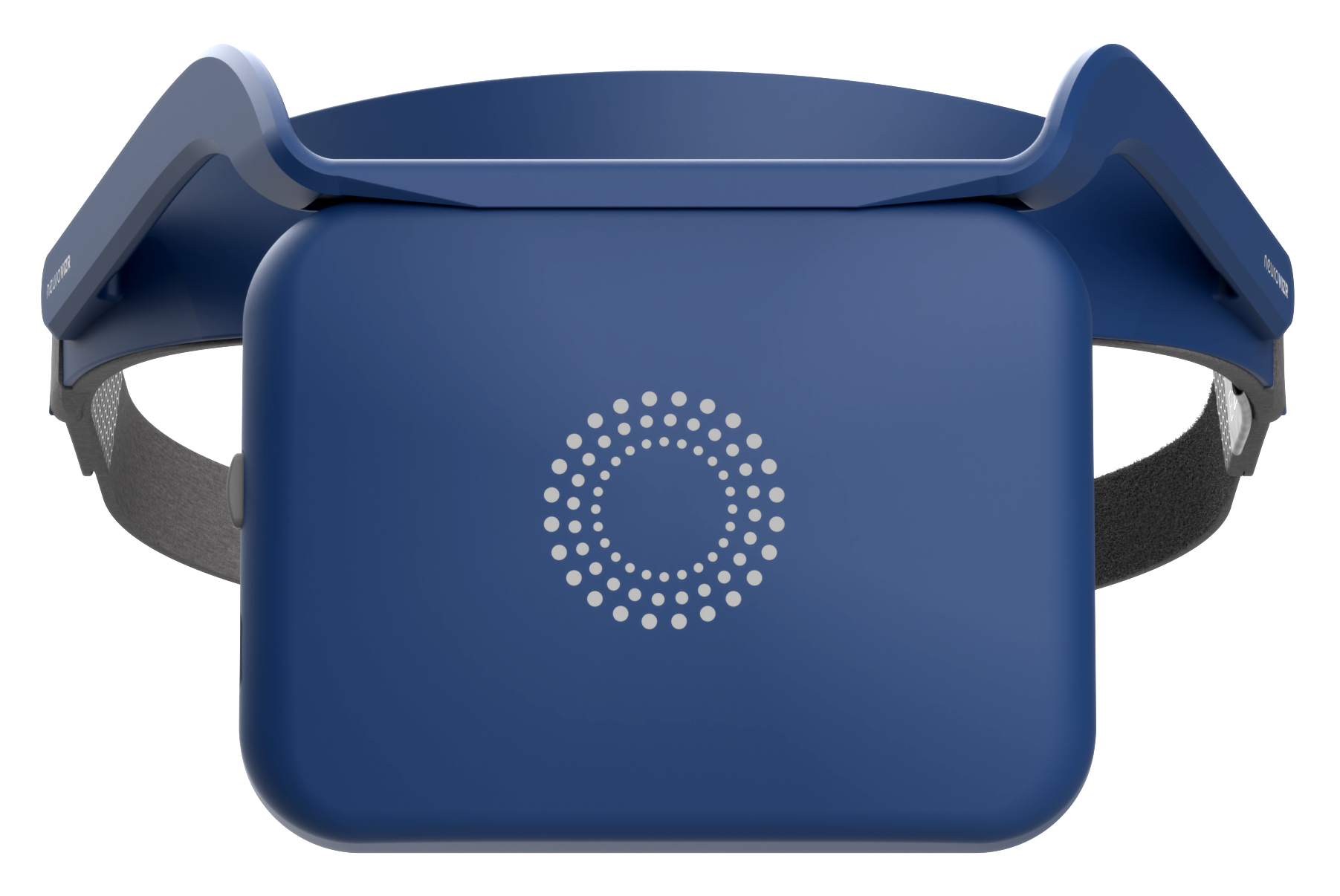
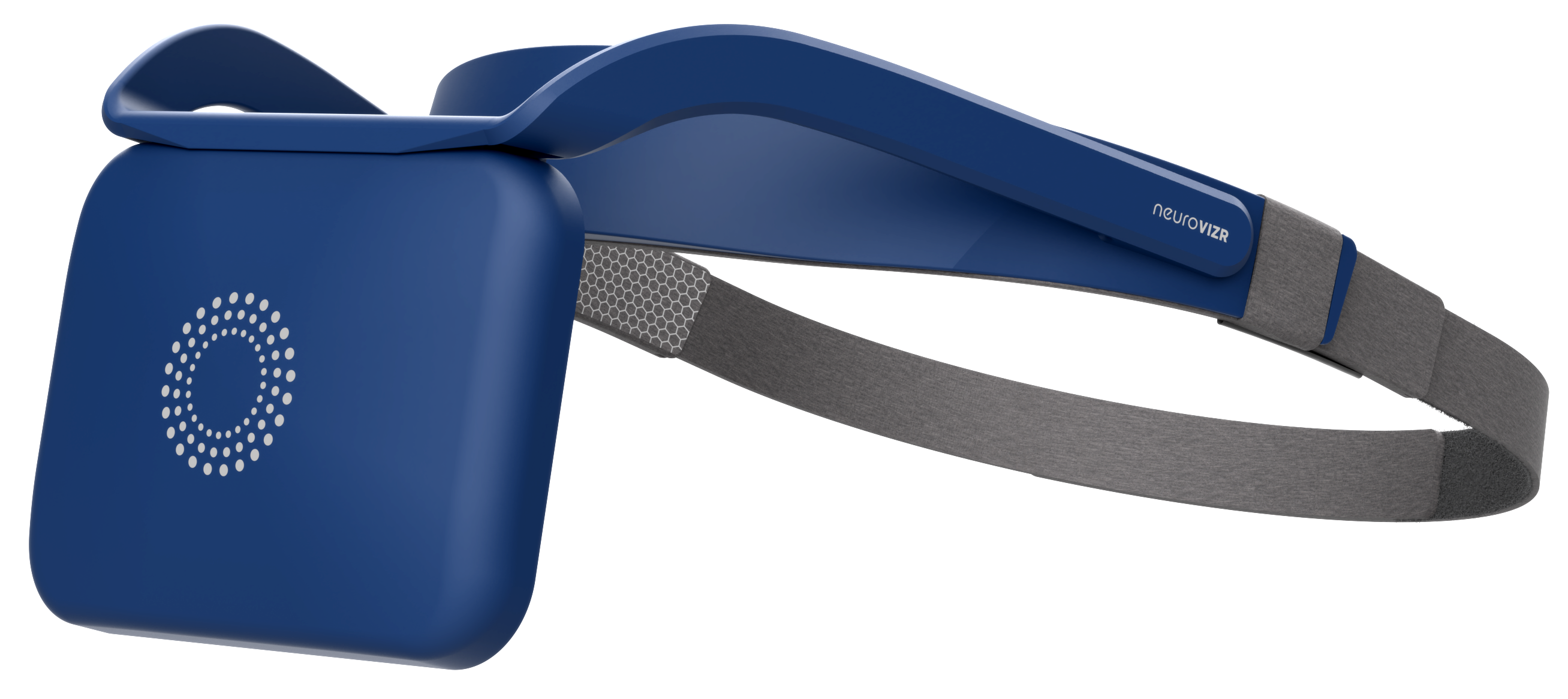
In neuroVIZR brain training is considered to be a befriending of the brain rather than controlling the brain.
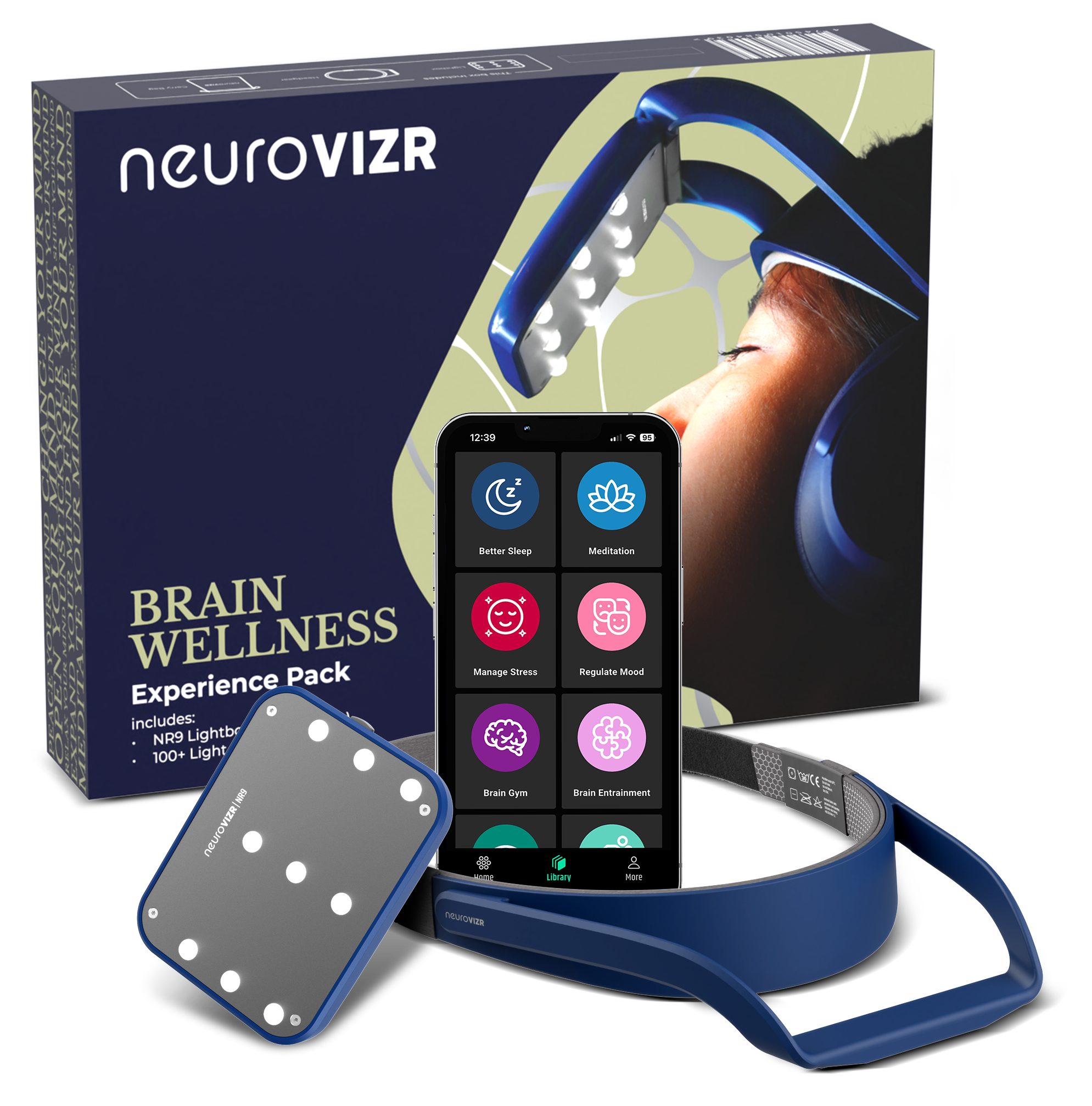
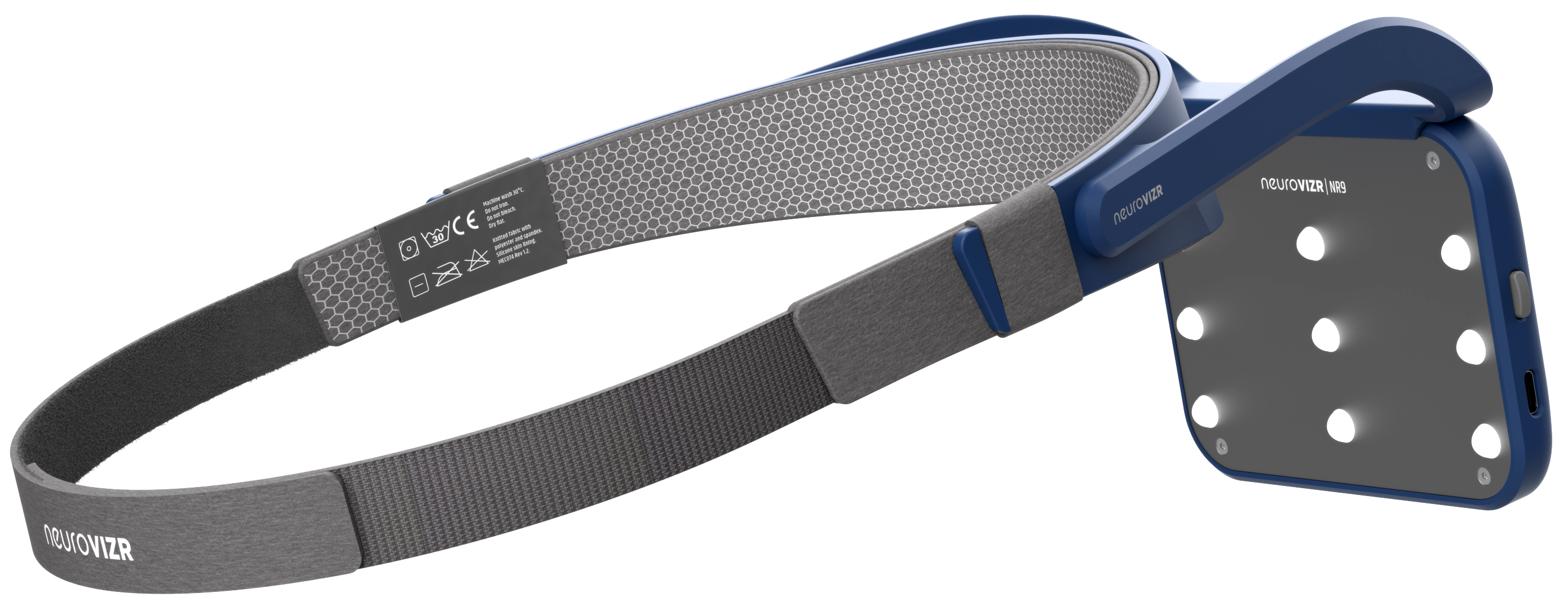
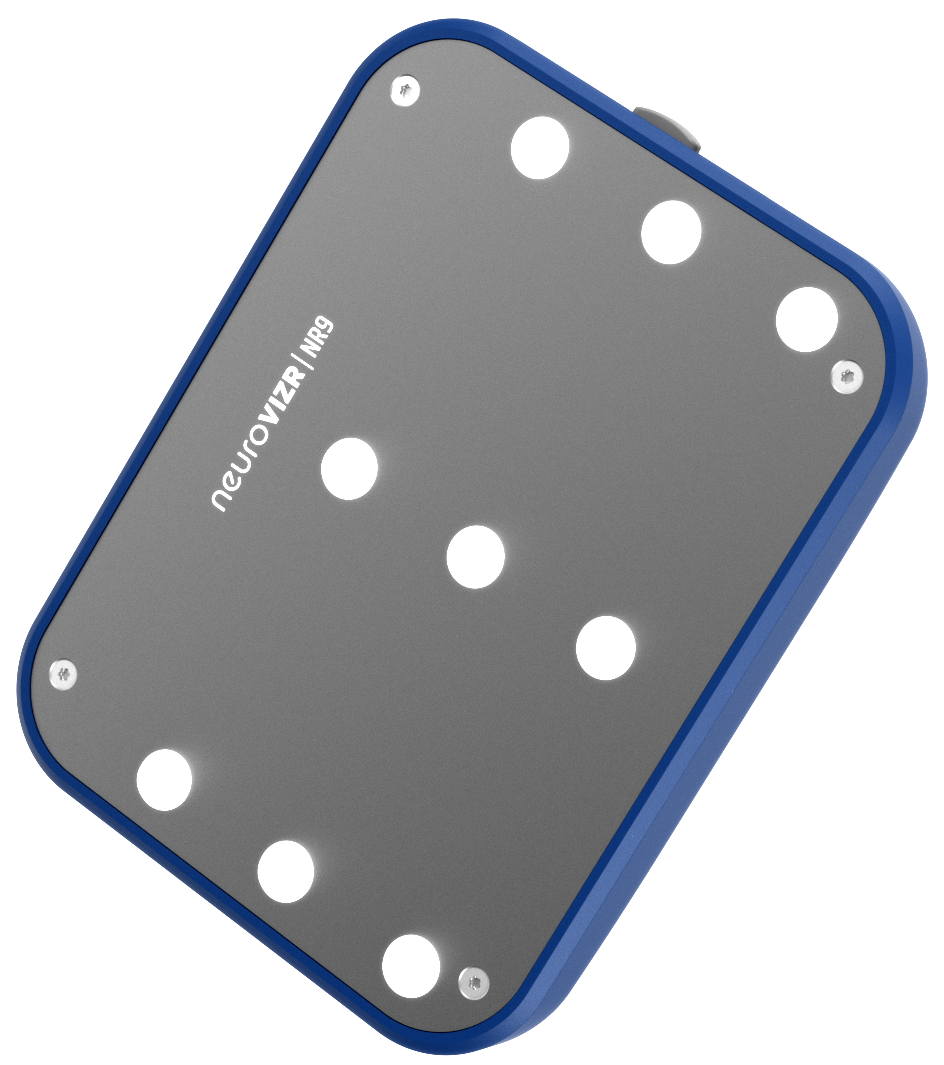
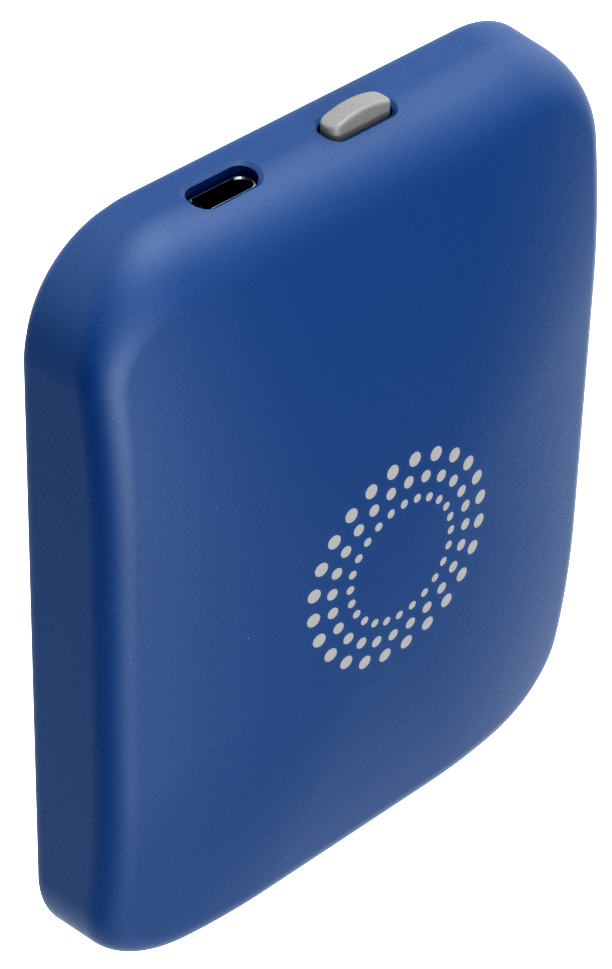
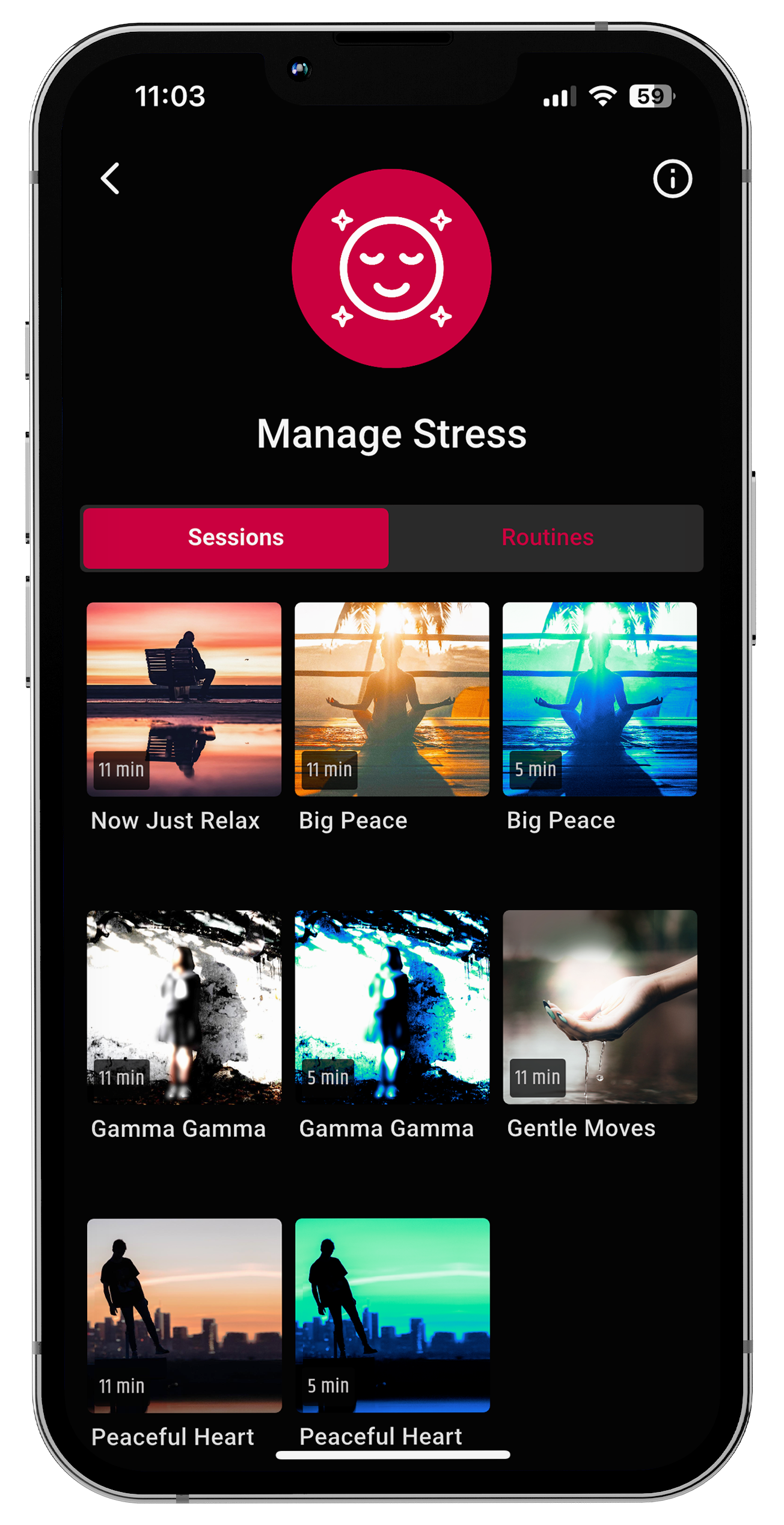
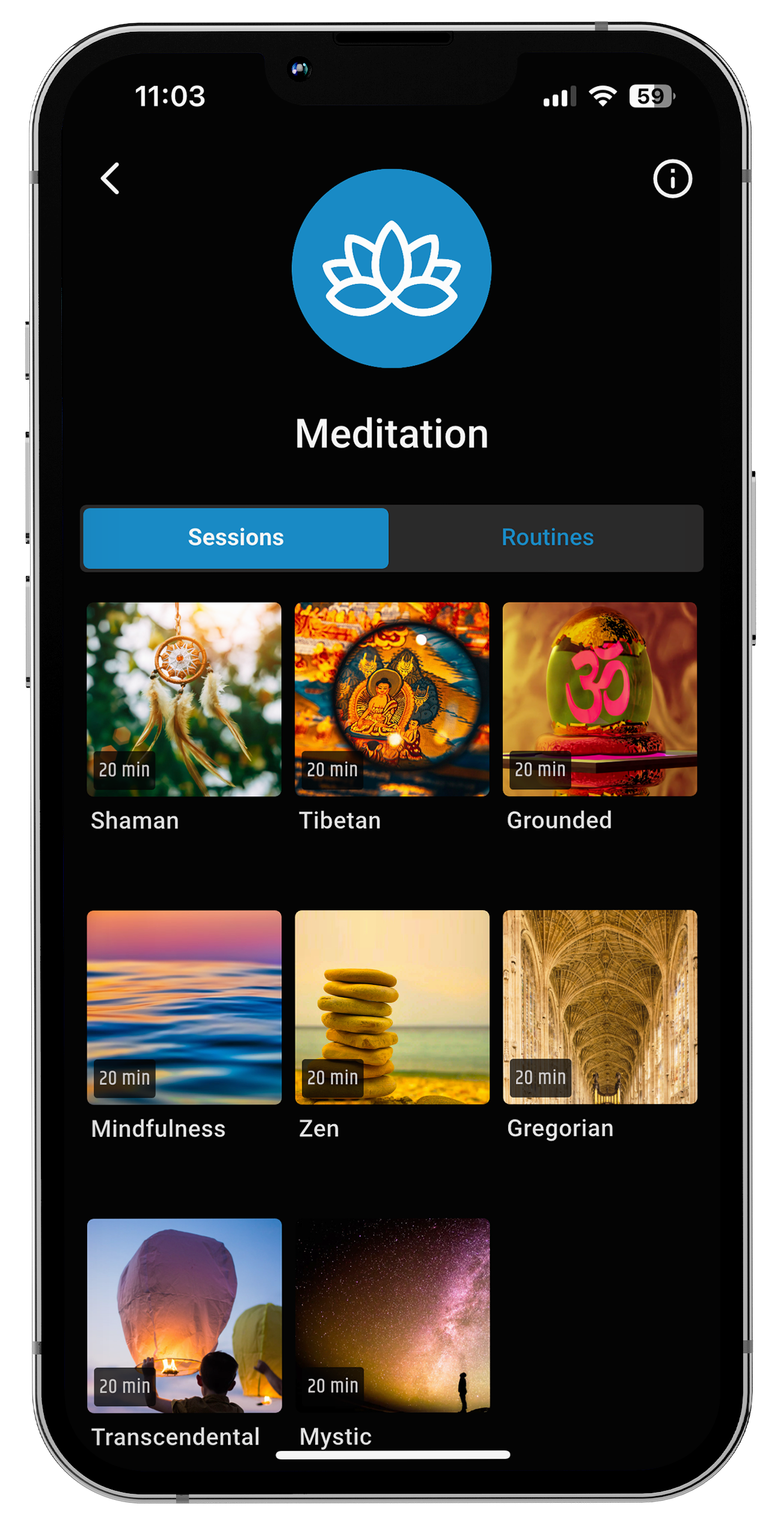
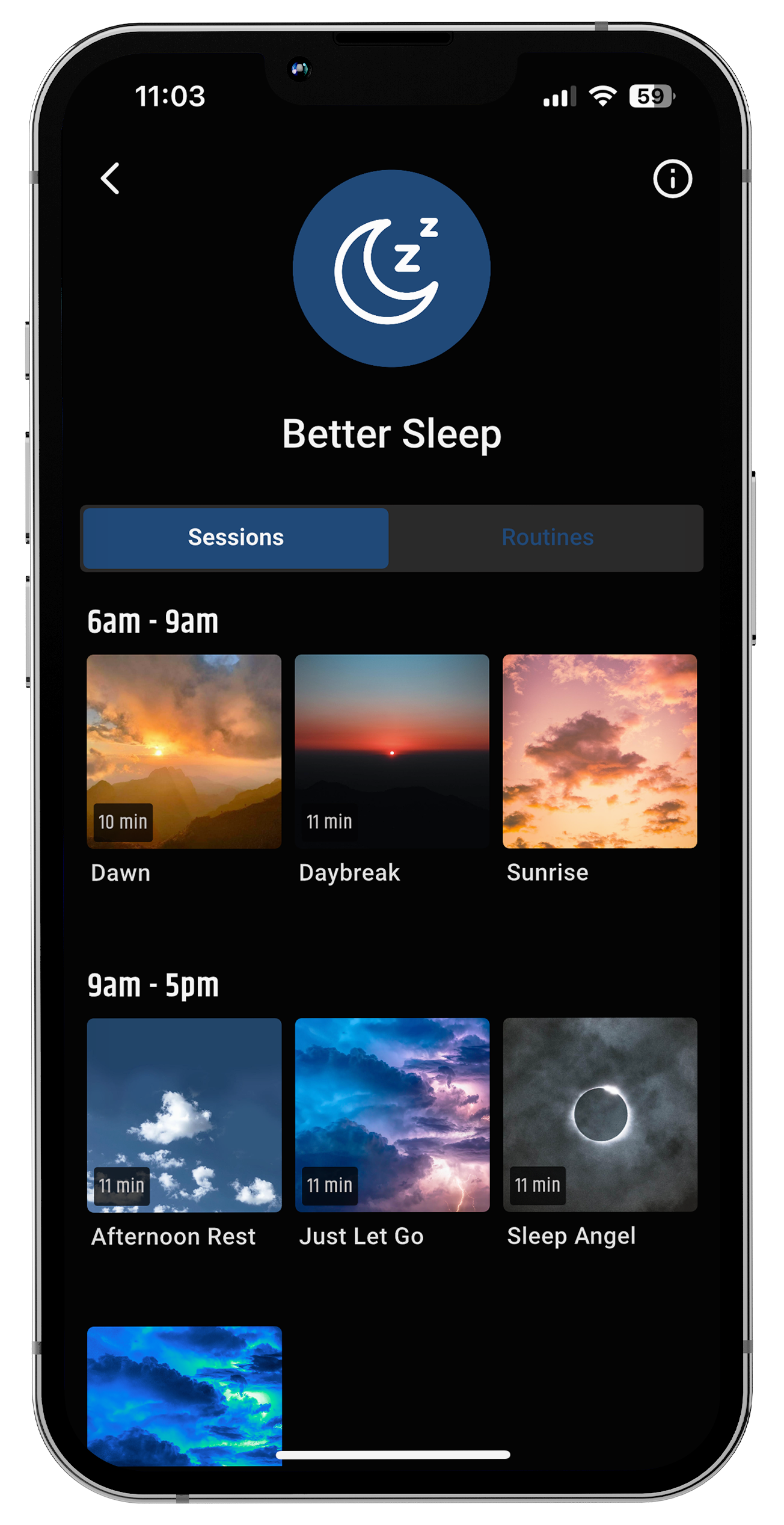
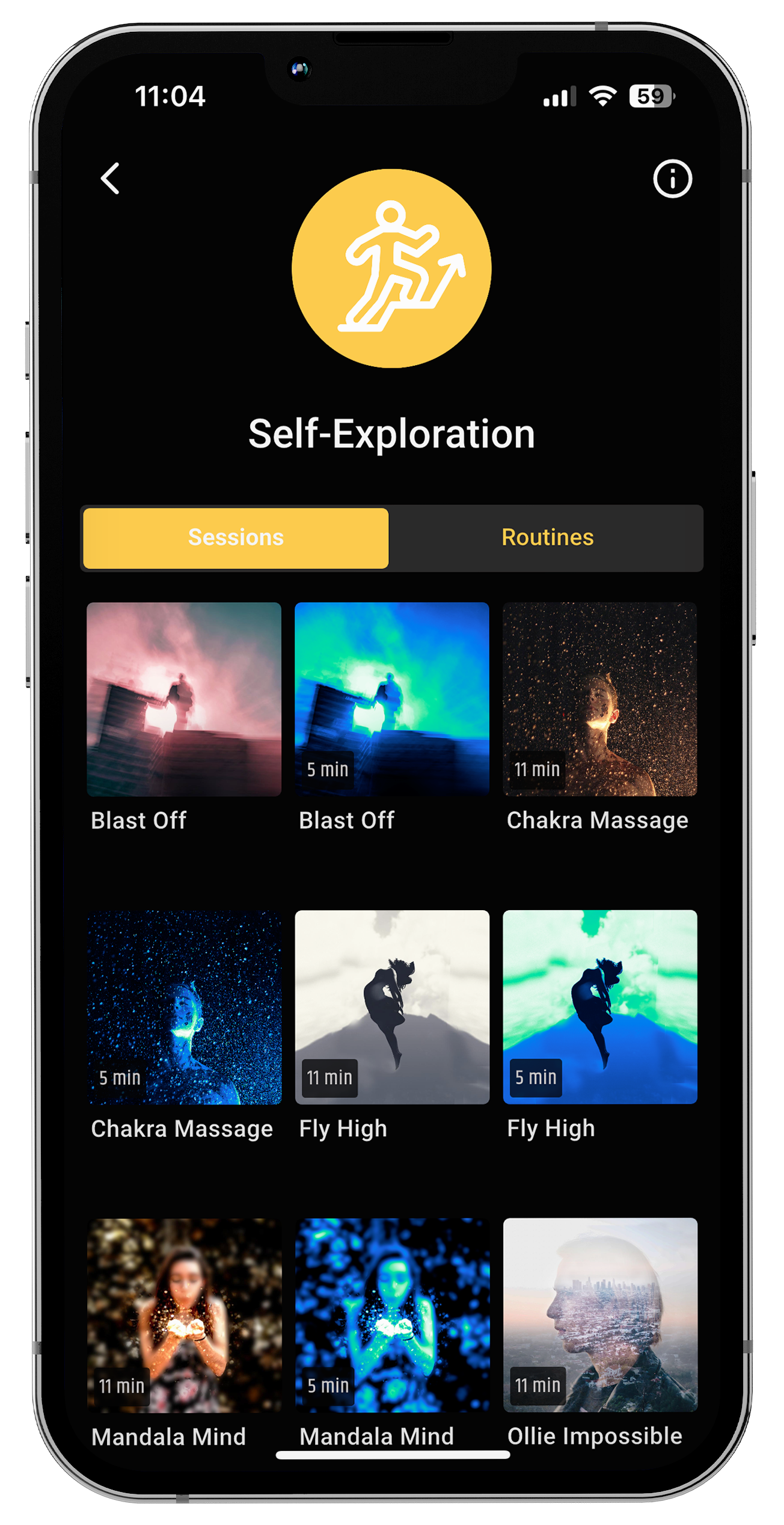
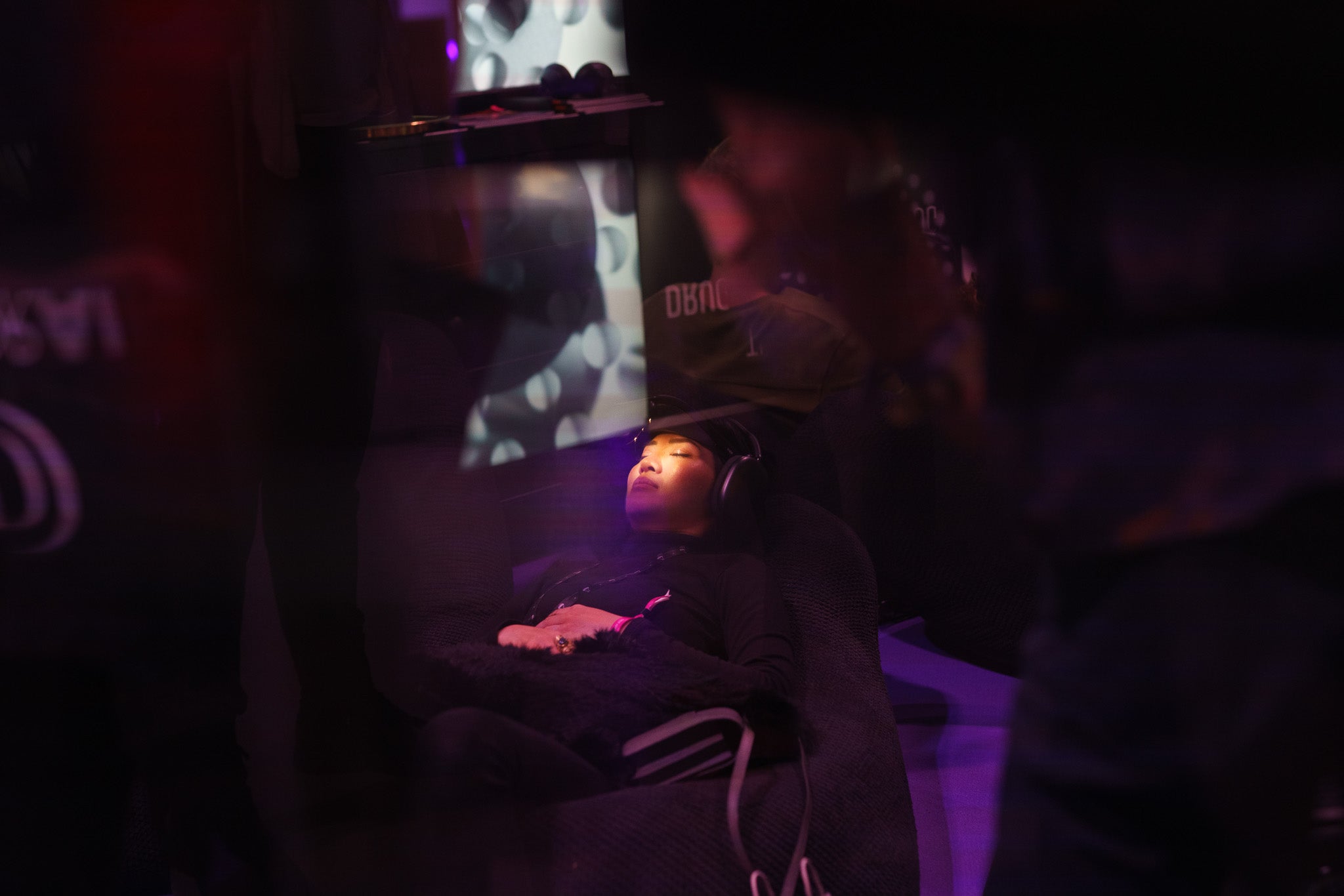
With the help of well-thought-out light and sound experiences, neuroVIZR helps the brain to discover peaceful, concentrated and creative states, without trying, diagnosing, or stressing the performance.
It is not to optimize at any cost.
It is becoming integrated to the brain assisting the brain to recollect how to control it.
Key Takeaways
Brain training is most effective in case it promotes neuroplasticity and the safety of the nervous system.
The light and sound sensorial devices are inherently compatible with the learning styles of the brain.
Consistency is better than force as a way of bringing sustainable cognitive change.
The very best tools make you feel less stressed, more relaxed, and more alive - not fixed.
A Gentle Reflection
And what becomes of you when you no longer strive to strain your brain...
and begin to provide it with the proper conditions to occupy, concentrate and adjust?
Not always the most effective training is hard work -
It's listening.
FAQ’s
What are brain training devices?
Brain training devices are tools designed to support cognitive and emotional regulation by working with the brain’s natural rhythms. Instead of forcing performance, they often use sensory input like light, sound, or feedback to help the brain access states such as calm focus, relaxation, or creative flow.
Do brain training devices really work?
Some do especially when they’re grounded in neuroscience and used consistently. Devices that support nervous system regulation and neuroplasticity tend to be more effective than those promising quick intelligence boosts or instant fixes. Results depend on how the device is designed, how it’s used, and how well it aligns with natural brain processes.
How do light and sound brain training devices work?
Light and sound devices work through a process often called neural entrainment, where the brain gently synchronises with rhythmic sensory input. This can encourage brainwave patterns linked to relaxation, focus, creativity, or pre-sleep calm without effort or strain.
Are brain training devices safe to use?
Most non-invasive brain training devices are considered safe for everyday use when designed responsibly and used as directed. It’s important to choose devices that explain their science clearly, avoid extreme claims, and prioritise nervous system comfort rather than stimulation overload.
Disclaimer
The information provided on this website and blog is intended for educational and informational purposes only. It is not meant to diagnose, treat, cure, or prevent any medical or psychological condition.
neuroVIZR products and content are designed to support general brain wellness, relaxation, focus, and self-regulation. They are not a substitute for professional medical advice, mental health care, diagnosis, or treatment.








Share:
Stress Relief for Adults: Devices That Help You Feel Safe, Not Forced to Relax