


Disclaimer
This content is for informational purposes only and does not constitute medical advice. The device mentioned is a wellness tool designed to support relaxation and sensory experiences. Individual experiences may vary. If you have ongoing or severe symptoms, consult a qualified healthcare professional.
When Your Mind Feels Quiet—but Not at Ease
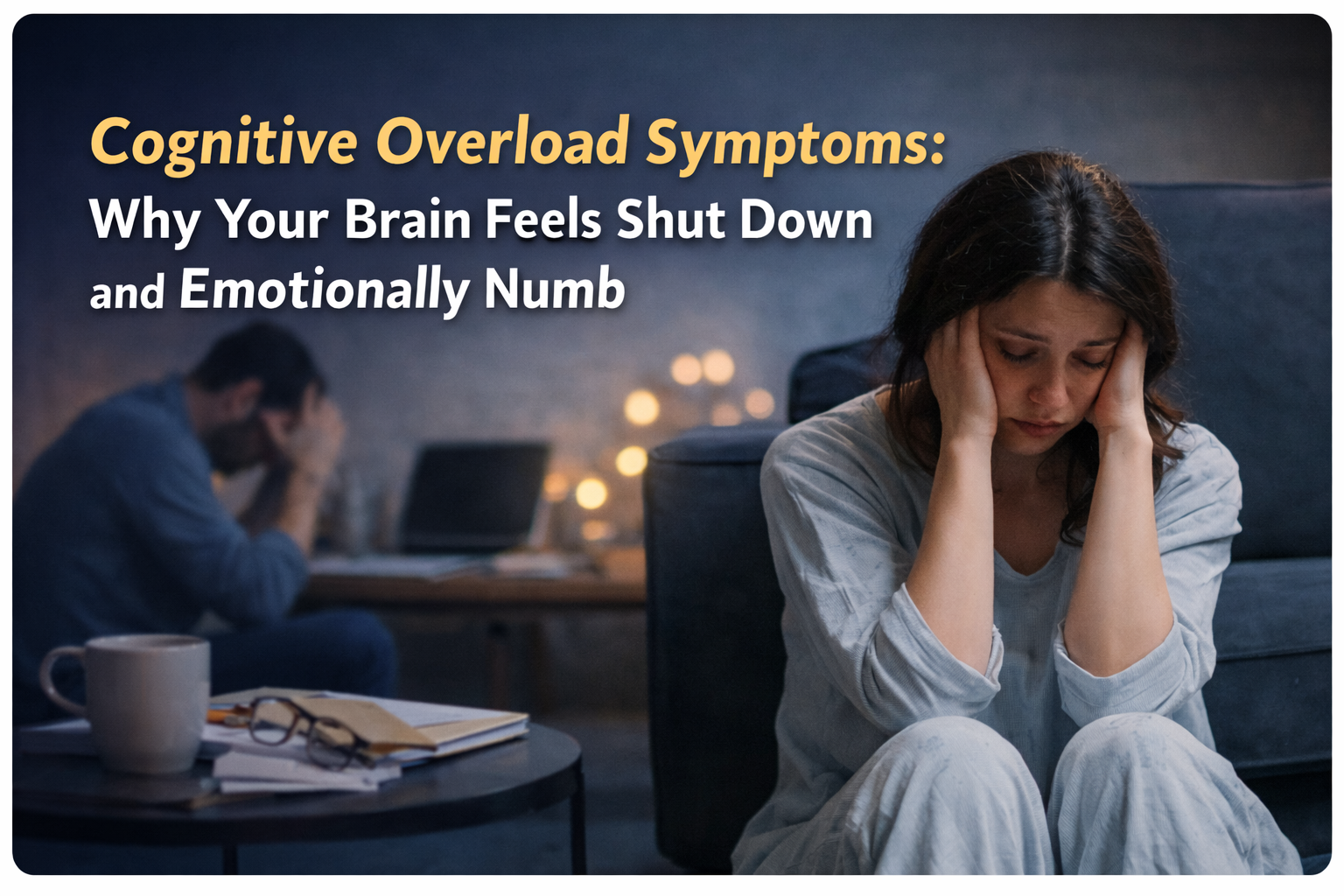
There are moments when your mind no longer feels busy it feels blank. Not calm or refreshed, but unusually muted. Thoughts may slow down, emotions can feel distant, and even small decisions may require extra effort.
Many people describe this as a “mental shutdown” or a sense of emotional numbness that appears after extended periods of stress, pressure, or constant stimulation.
This experience is more common than it seems. It is not a personal failure. In many cases, it reflects a system that has been handling more input than it can comfortably process.
Understanding these moments through a supportive and awareness-based lens can help shift your response from pushing harder to creating space for recovery.
What Cognitive Overload Can Feel Like
Cognitive overload does not always appear as visible stress or overwhelm. Sometimes, it shows up as disconnection or reduced engagement.
Common experiences include:
-
Mental fog or reduced clarity
-
Difficulty focusing on tasks
-
Feeling emotionally flat or distant
-
Lower motivation or creative energy
-
Slower thinking or decision-making
-
A sense of “hitting a wall” mentally
This response may seem like disengagement, but it is often the mind’s way of managing excessive input. When information, stimulation, or emotional demand builds up, the system may shift toward conserving energy.
This is a natural response not a weakness.
Why Your Mind May Feel “Shut Down”
When your daily environment includes constant information, multitasking, or ongoing pressure, your system may begin to simplify how it processes experiences.
Instead of staying highly active, it may:
-
Narrow focus
-
Reduce emotional intensity
-
Slow down cognitive processing
This can create the feeling of a “shutdown,” even though your mind is still active just operating in a more energy-conserving way.
The important takeaway is that this response is adaptive. It reflects a need for balance between input and recovery.
Emotional Numbness After Overload
Emotional numbness can feel confusing. Many people worry they are becoming detached or disconnected.
In reality, this state is often temporary. When emotional processing becomes overwhelming, the system may reduce intensity to create space.
This can happen in situations like:
-
High-pressure work environments
-
Constant digital exposure
-
Long periods without meaningful rest
-
Ongoing mental or emotional demands
Rather than forcing emotions to return, it can be more helpful to create conditions where your system feels comfortable expanding again.
Relaxation Is Not Just Mental It’s Sensory
A common misconception is that mental fatigue can be resolved by thinking differently. While mindset matters, relaxation often begins with sensory experiences and daily routines.
Your system responds to:
-
Rhythm
-
Predictability
-
Gentle sensory input
This is why practices involving light, sound, and breathing patterns are often used in relaxation routines. They provide structured, calming input that can help shift attention away from constant external stimulation.
How Light and Sound Support Relaxation
Rhythmic light and sound patterns can create immersive sensory environments that feel predictable and steady. This sense of consistency may help the mind settle and shift toward a calmer state.
These experiences can:
-
Provide a gentle focus point
-
Reduce scattered attention
-
Support moments of calm and stillness
-
Encourage relaxation routines
When paired with slow, guided breathing, these sensory elements can enhance the overall experience of unwinding.
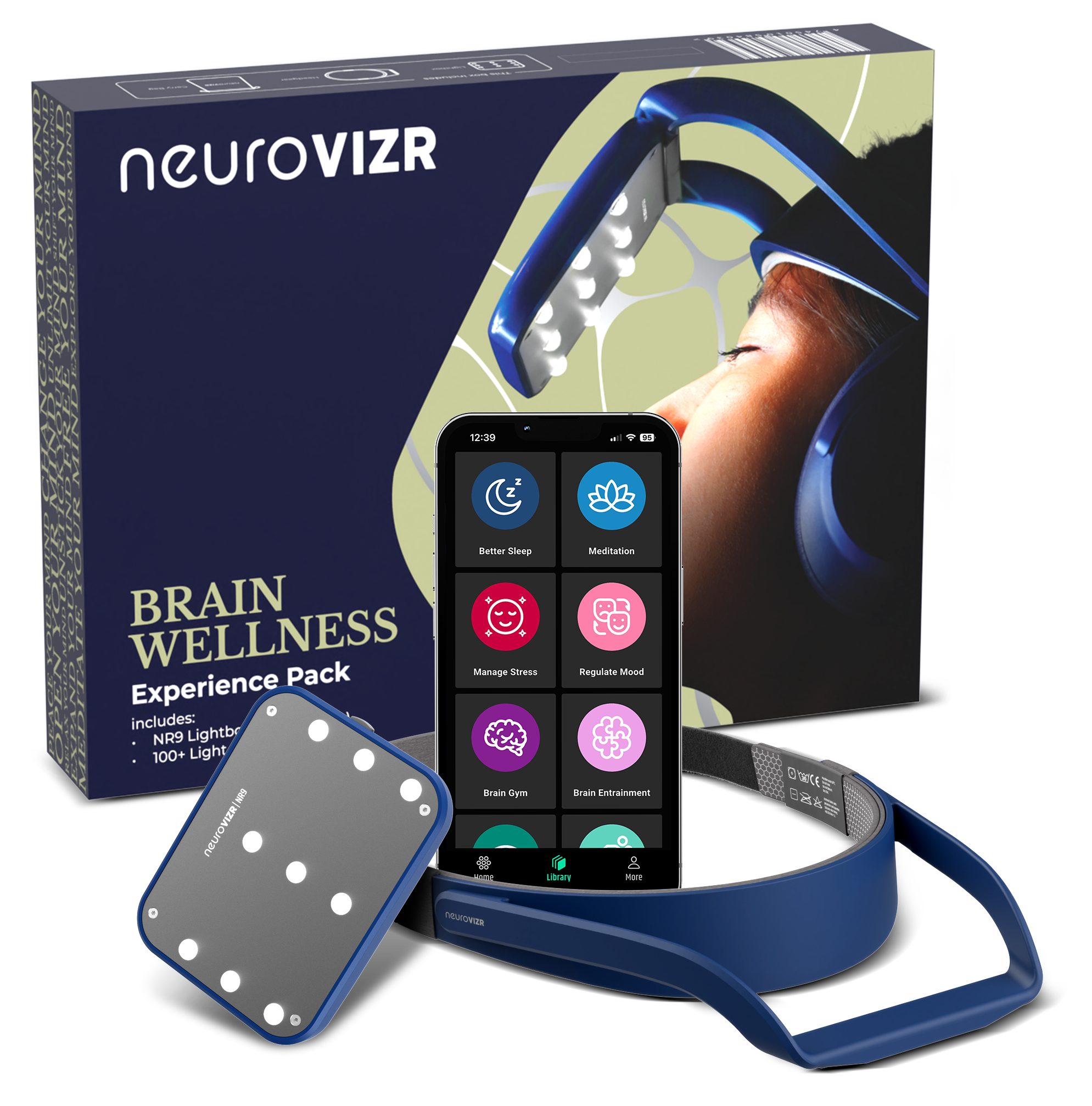
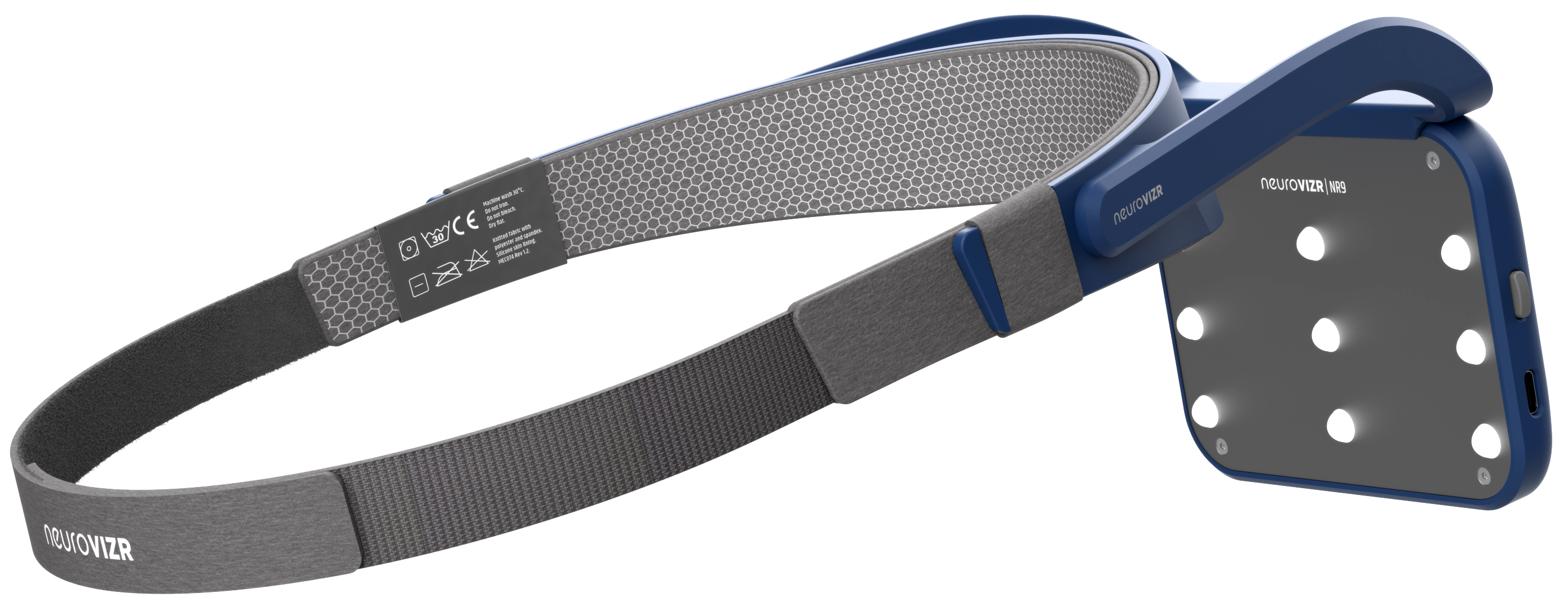
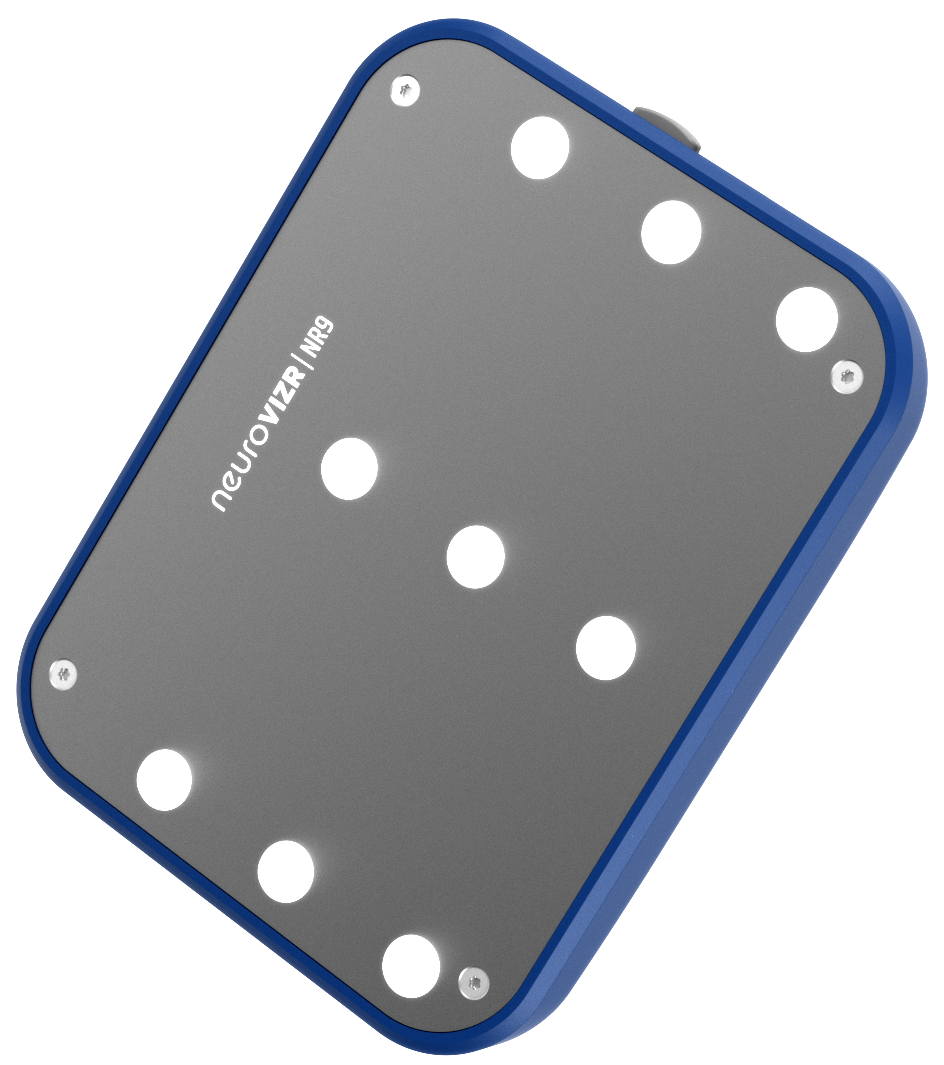
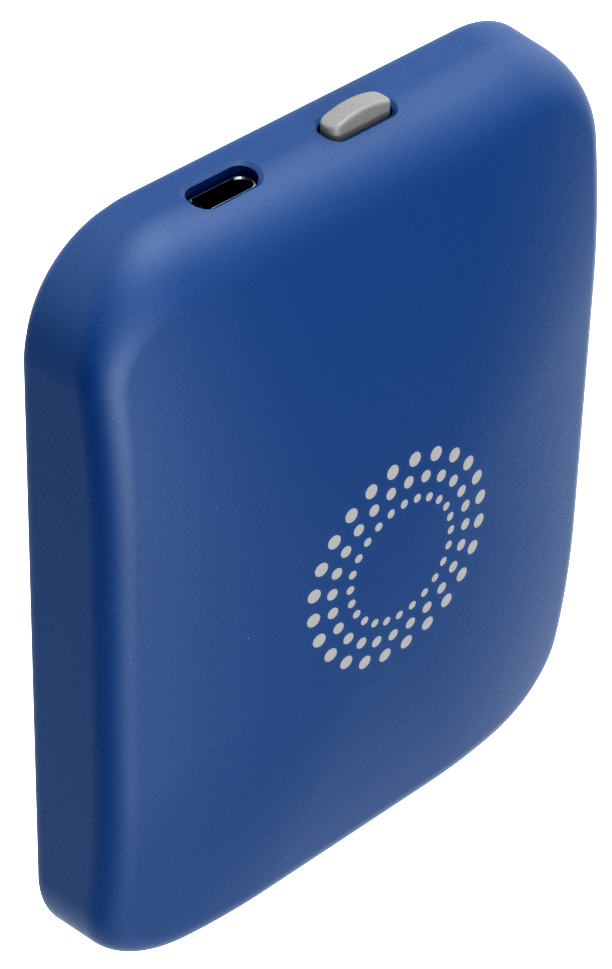
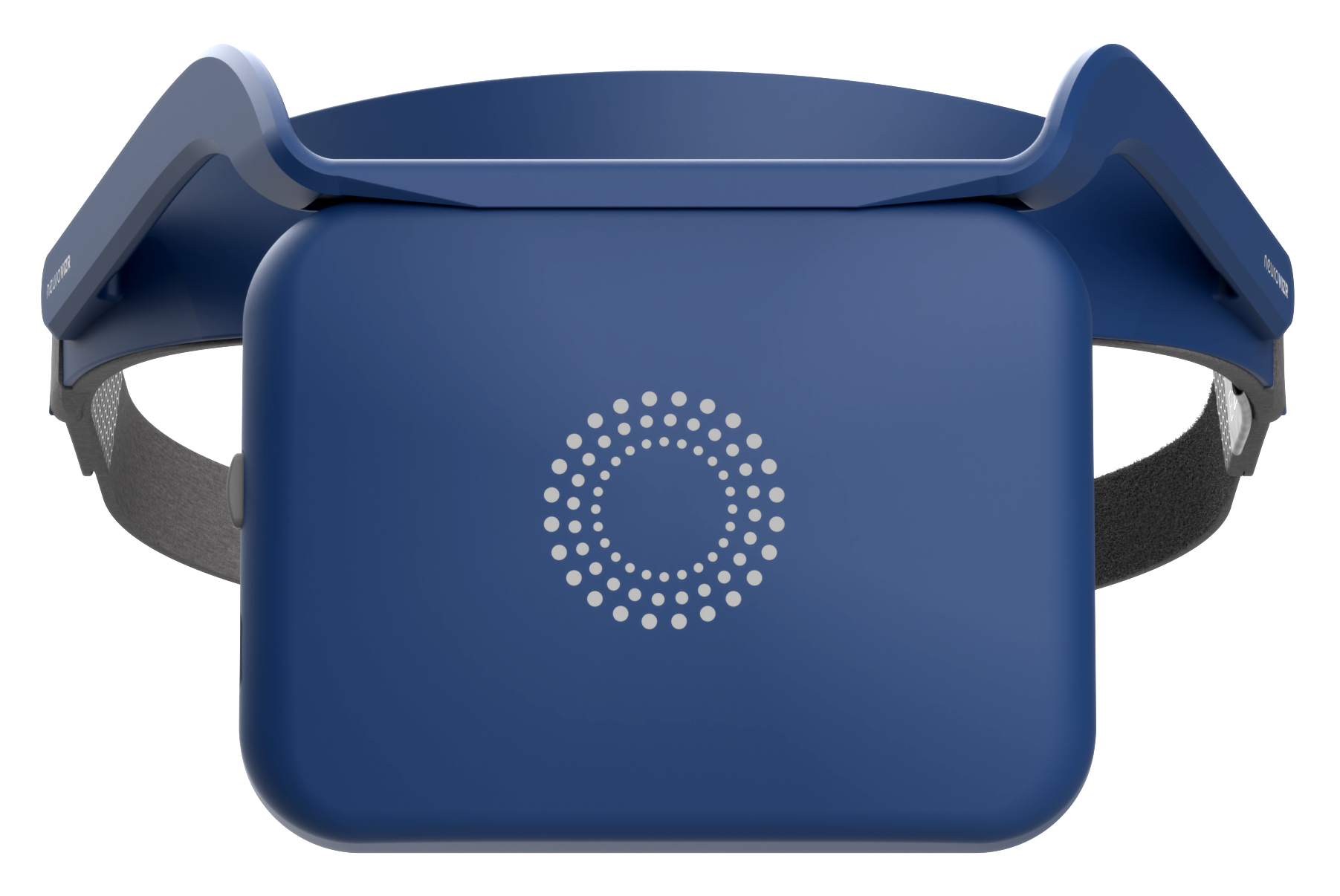
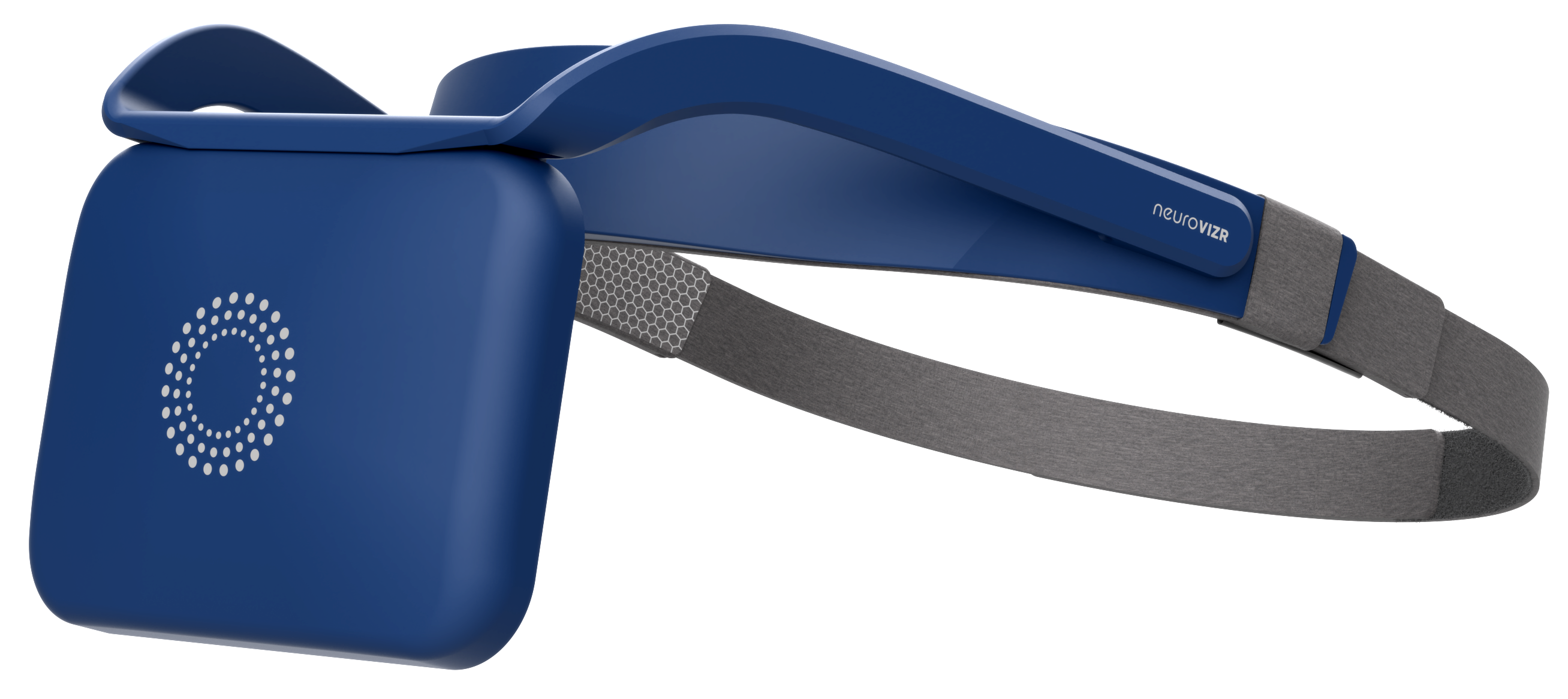
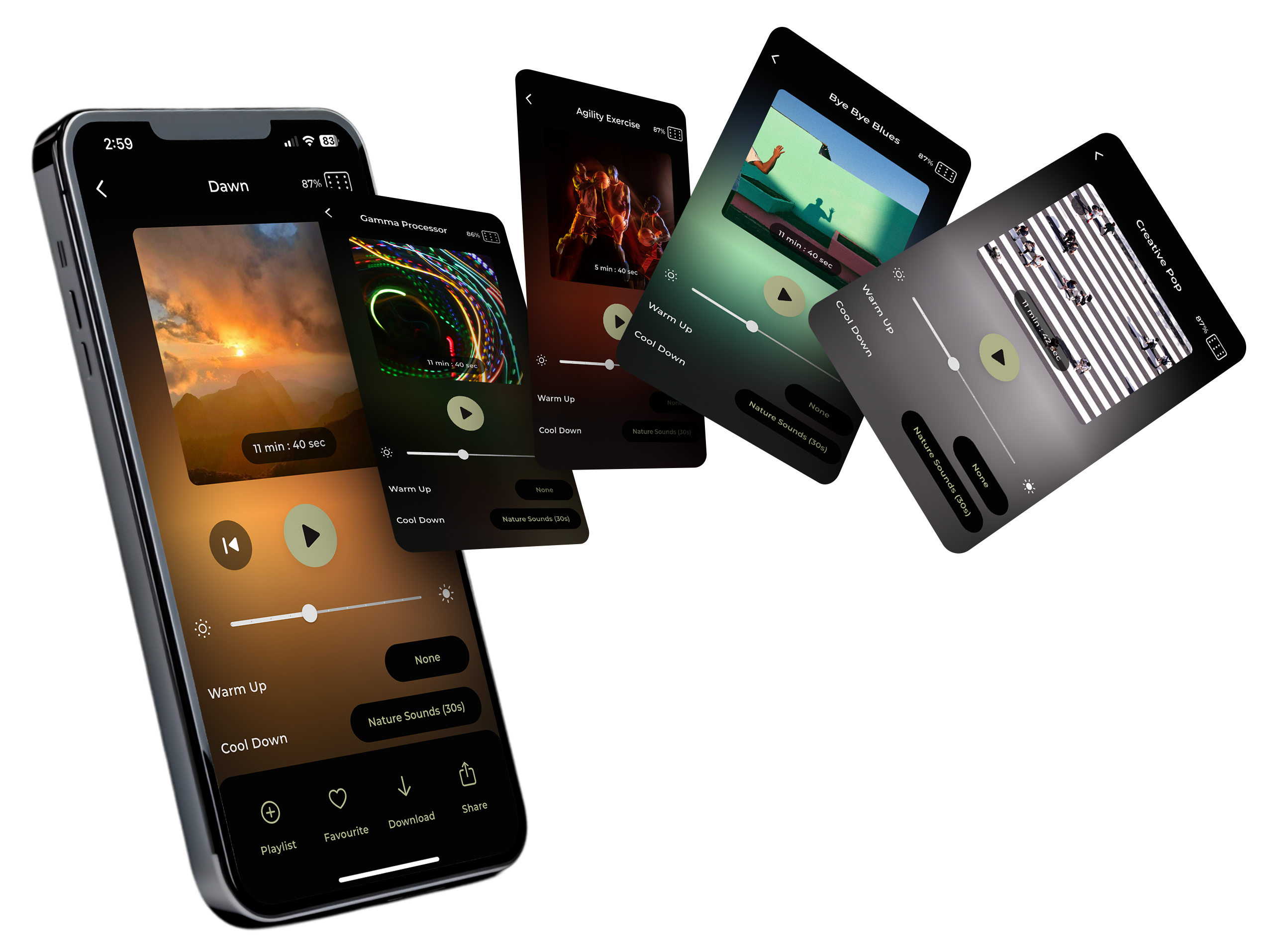
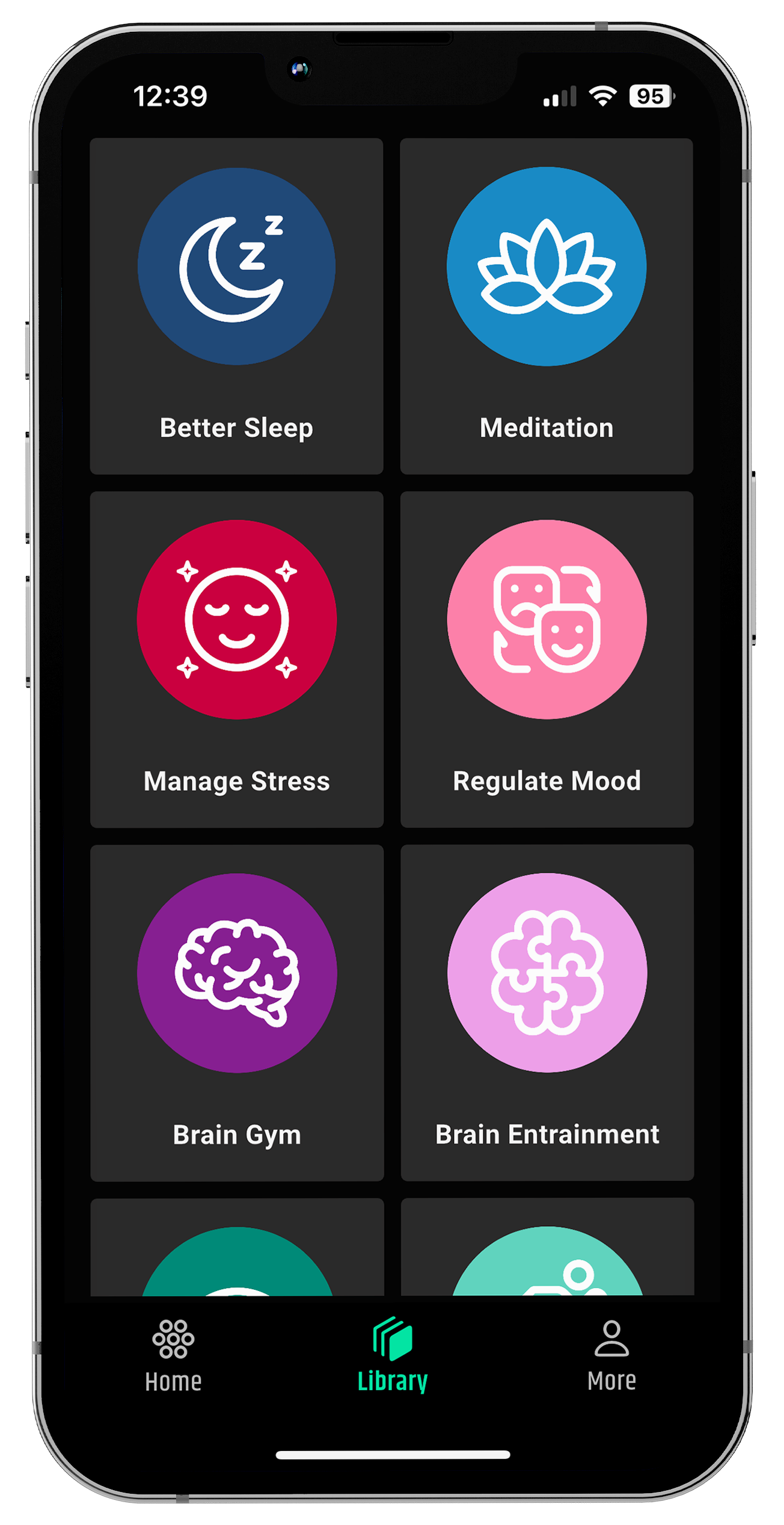
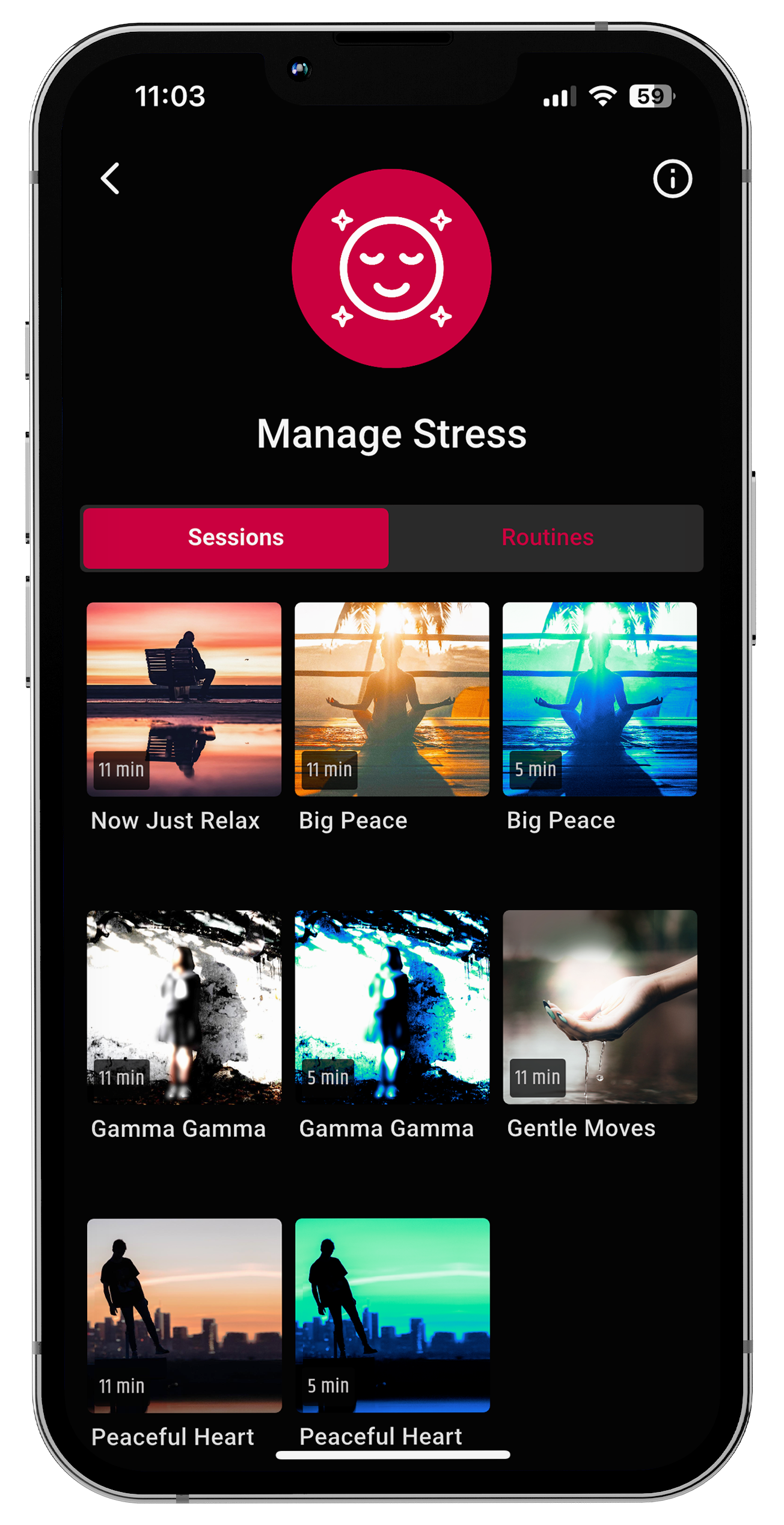
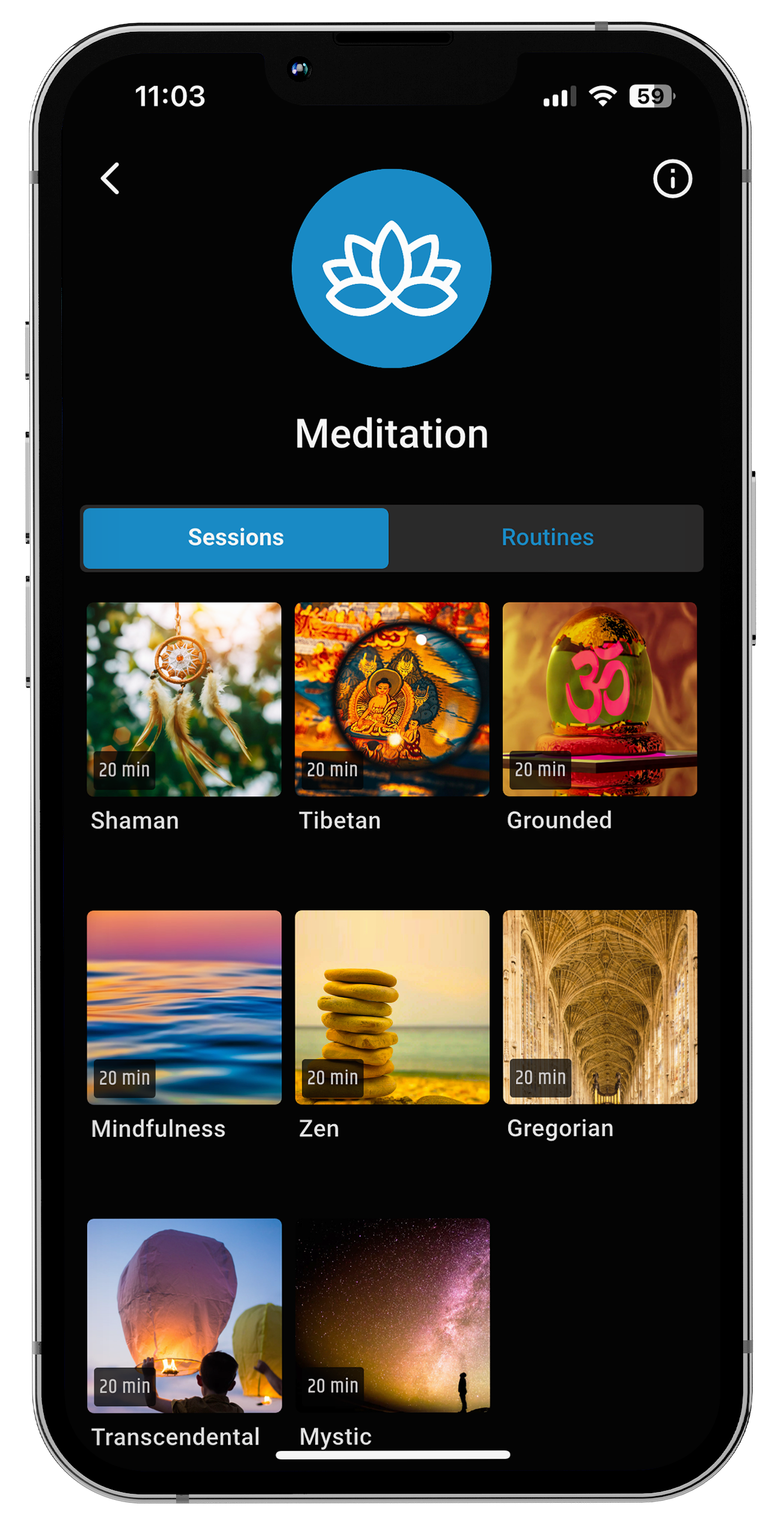
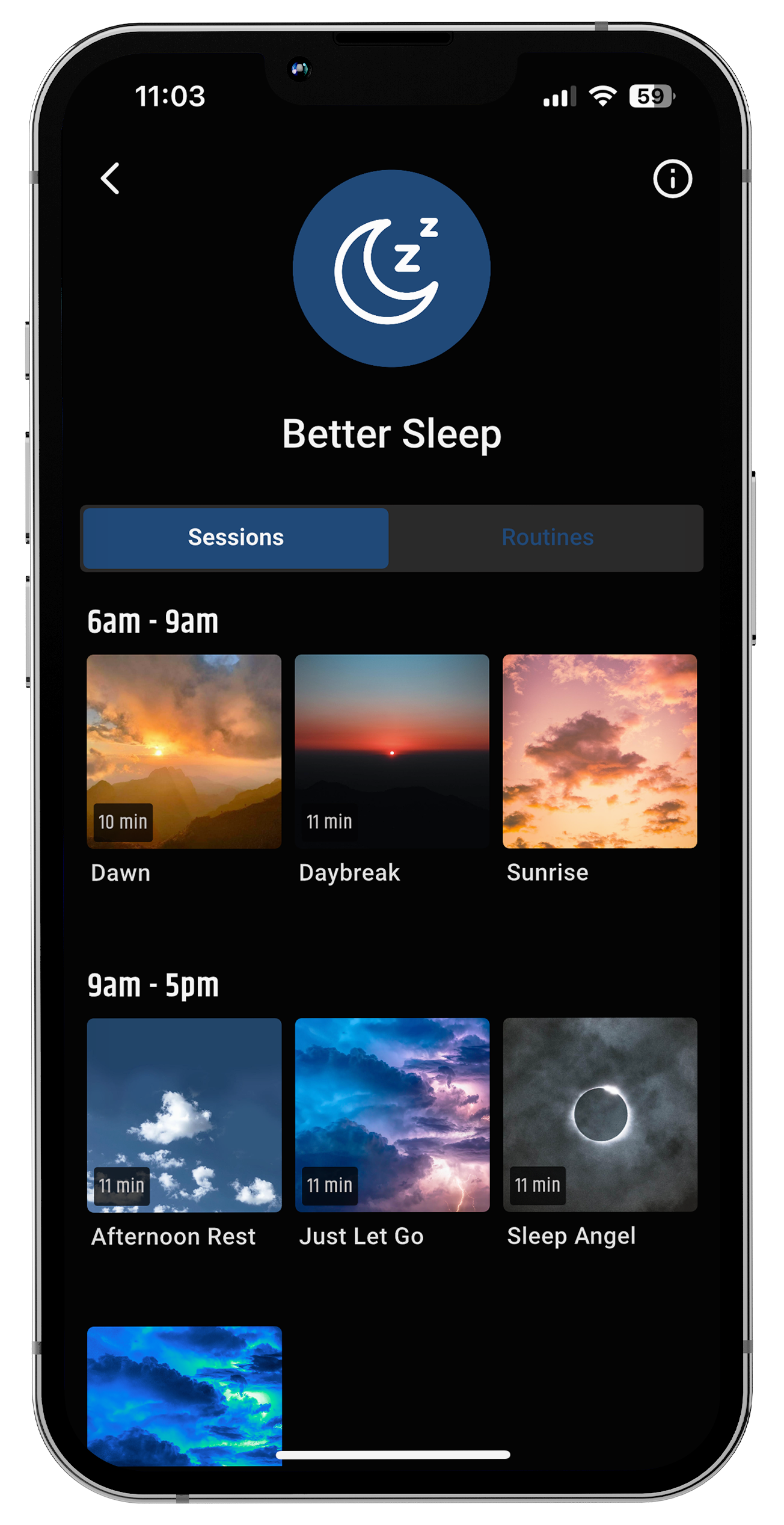
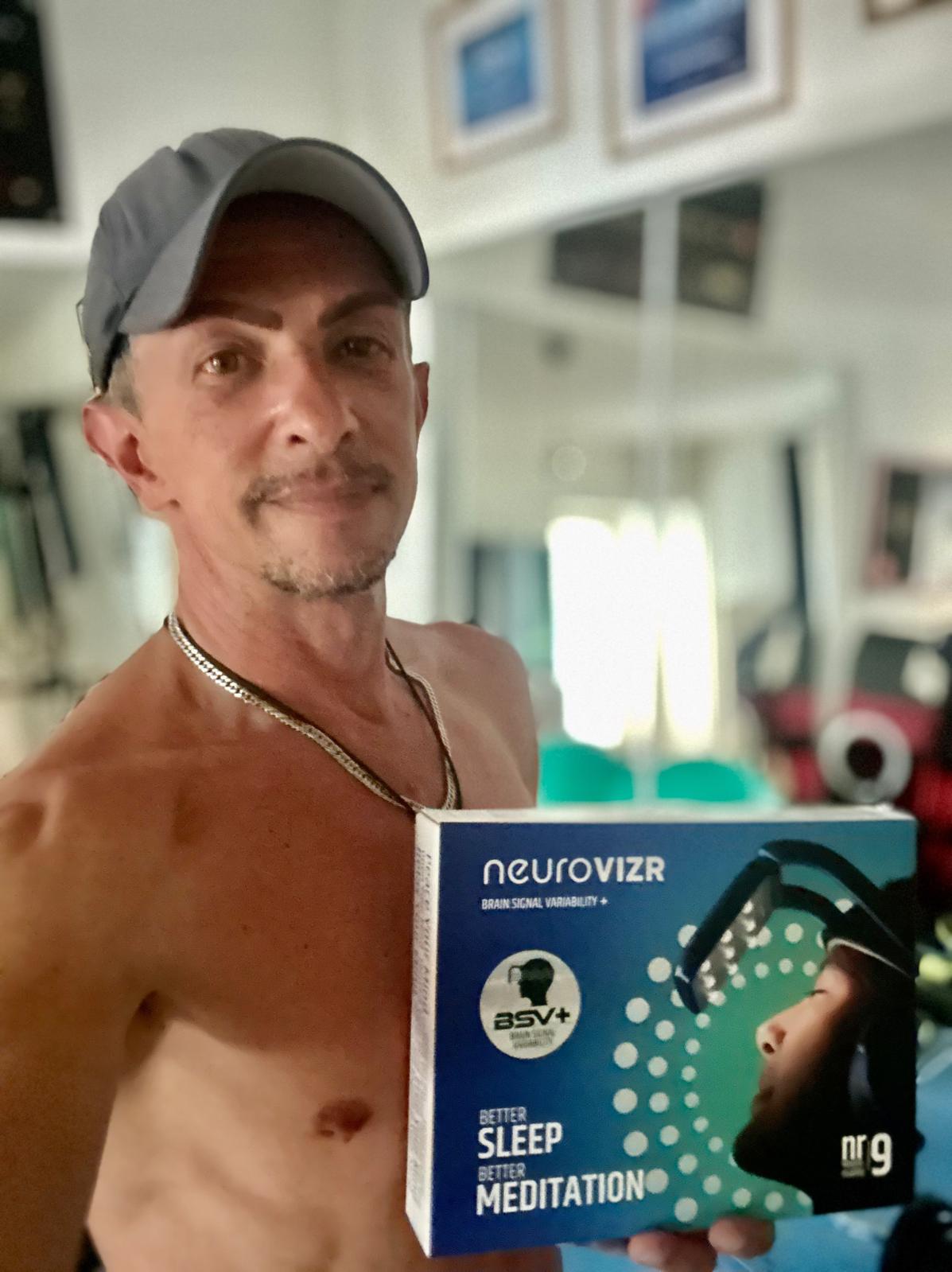
Devices that use structured light and sound patterns, such as neuroVIZR, are designed to create these immersive environments. They are intended as wellness tools that may help users step away from daily overstimulation and reconnect with moments of calm.
Cognitive Overload and Brain Fog
Cognitive overload and ongoing mental fog often appear together. Both can reflect a system that has not had enough opportunity to reset.
You may notice:
-
A lingering sense of mental haze
-
Difficulty staying present
-
Reduced clarity over time
These experiences are often connected to the balance between activity and recovery. When recovery is limited, the effects may build gradually.
Building a Simple Daily Relaxation Routine
Long-term improvement usually comes from small, consistent habits rather than occasional intense efforts.
You can begin with simple moments of pause throughout your day:
-
After work, to transition into rest
-
Before sleep, to unwind
-
Between tasks, to reset focus
Short, repeatable relaxation sessions especially those involving calming sensory input can help create a rhythm your system becomes familiar with over time.
Consistency is more important than intensity.
A More Supportive Approach to Mental Fatigue
It can be easy to feel like something needs to be “fixed.” However, approaching mental fatigue with pressure often adds more strain.
A more sustainable approach focuses on:
-
Awareness instead of judgment
-
Gentle routines instead of forced effort
-
Creating space instead of pushing through
The goal is not to remove all stress, but to build flexibility and the ability to move between activity and rest more smoothly.
Final Thoughts
Your mind is not failing, it is adapting.
Experiences like cognitive overload, emotional numbness, or mental slowdown can be signals that your system has been handling more than it can comfortably process.
By creating space for calm, rhythm, and simple sensory experiences, you can begin to shift toward a more balanced and sustainable daily rhythm.
Tools that offer structured light and sound experiences can be one way to support these moments not as a solution to everything, but as part of a broader relaxation routine that helps you reconnect with clarity and calm.
Frequently Asked Questions (FAQ)
What are common signs of cognitive overload?
Common signs include mental fog, low focus, reduced motivation, and feeling emotionally distant or drained.
Why does my mind feel blank after stress?
After extended stimulation or pressure, your system may shift into a lower-energy state to manage input. This can feel like mental quietness or reduced clarity.
Can relaxation routines help with mental fatigue?
Simple, consistent routines that include calming sensory experiences like rhythmic light and sound or guided breathing may support relaxation and help you reset.
Is emotional numbness permanent?
In many cases, emotional numbness is temporary and may reflect a need for rest and balance rather than a long-term condition.









Share:
Reset Your Nervous System Naturally: A Wellness Approach
Best Calming Devices & Stress Relief Gadgets for Deep Relaxation (2026 Buyer’s Guide)