


Disclaimer
This content is for informational purposes only and does not constitute medical advice. neuroVIZR is a wellness device designed to support relaxation, focus, and overall well-being. It is not intended to diagnose, treat, cure, or prevent any medical condition. Experiences may vary from person to person.
Have you ever felt like the world was spinning even though you were completely still? This sensation can feel confusing, especially when it appears during stressful or overwhelming moments.
Many people report experiencing dizziness or a spinning sensation during periods of emotional tension. While vertigo is often linked to physical causes, it can also be associated with stress and anxiety.
The good news is that understanding this connection can help you find simple ways to support your sense of balance and calm.
What Is Vertigo?
Vertigo is more than just feeling dizzy. It is often described as a sensation that you or your surroundings are moving when they are not.
This can make everyday activities feel uncomfortable, including:
-
Standing or walking
-
Turning your head
-
Sitting upright
Vertigo is commonly associated with the body’s balance system. However, in some cases, no clear physical cause is identified, and lifestyle or emotional factors may play a role.
Can Stress and Anxiety Be Linked to Vertigo?
Stress and anxiety can sometimes influence how the body perceives balance and movement.
During stressful situations, the body enters a heightened alert state. This may lead to:
-
Faster breathing patterns
-
Muscle tension
-
Increased awareness of bodily sensations
These responses can make normal sensations feel more intense, which may contribute to feelings of dizziness or imbalance.
In simple terms, when the mind feels overwhelmed, the body may respond in ways that affect your sense of stability.
Common Sensations People May Experience
When stress and anxiety are involved, people often describe:
-
A feeling of spinning or swaying
-
Lightheadedness
-
A sense of being off-balance
-
Difficulty focusing visually
-
Increased discomfort in busy or bright environments
These sensations may come and go, especially during emotionally intense periods.
Why Relaxation Matters
When the body is under constant pressure, it can become harder to return to a calm and balanced state. Creating moments of relaxation may help reduce this overload and support overall well-being.
Simple lifestyle practices can make a noticeable difference over time.
Ways to Support Calm and Balance
1. Gentle Breathing Practices
Slow breathing techniques can help create a sense of calm. For example:
-
Inhale slowly through the nose
-
Pause briefly
-
Exhale gently
This type of breathing can support relaxation and reduce feelings of overwhelm.
2. Mindfulness and Awareness
Mindfulness practices encourage you to focus on the present moment rather than future worries.
This may help:
-
Reduce mental overload
-
Improve focus
-
Create a sense of stability
3. Relaxation Routines
Building a daily routine that includes moments of calm can support overall balance.
Examples include:
-
Listening to calming audio
-
Taking short breaks during the day
-
Creating a quiet environment before sleep
4. Movement and Balance Exercises
Gentle movement or stretching can help you feel more grounded and aware of your body.
How neuroVIZR Fits Into a Relaxation Routine
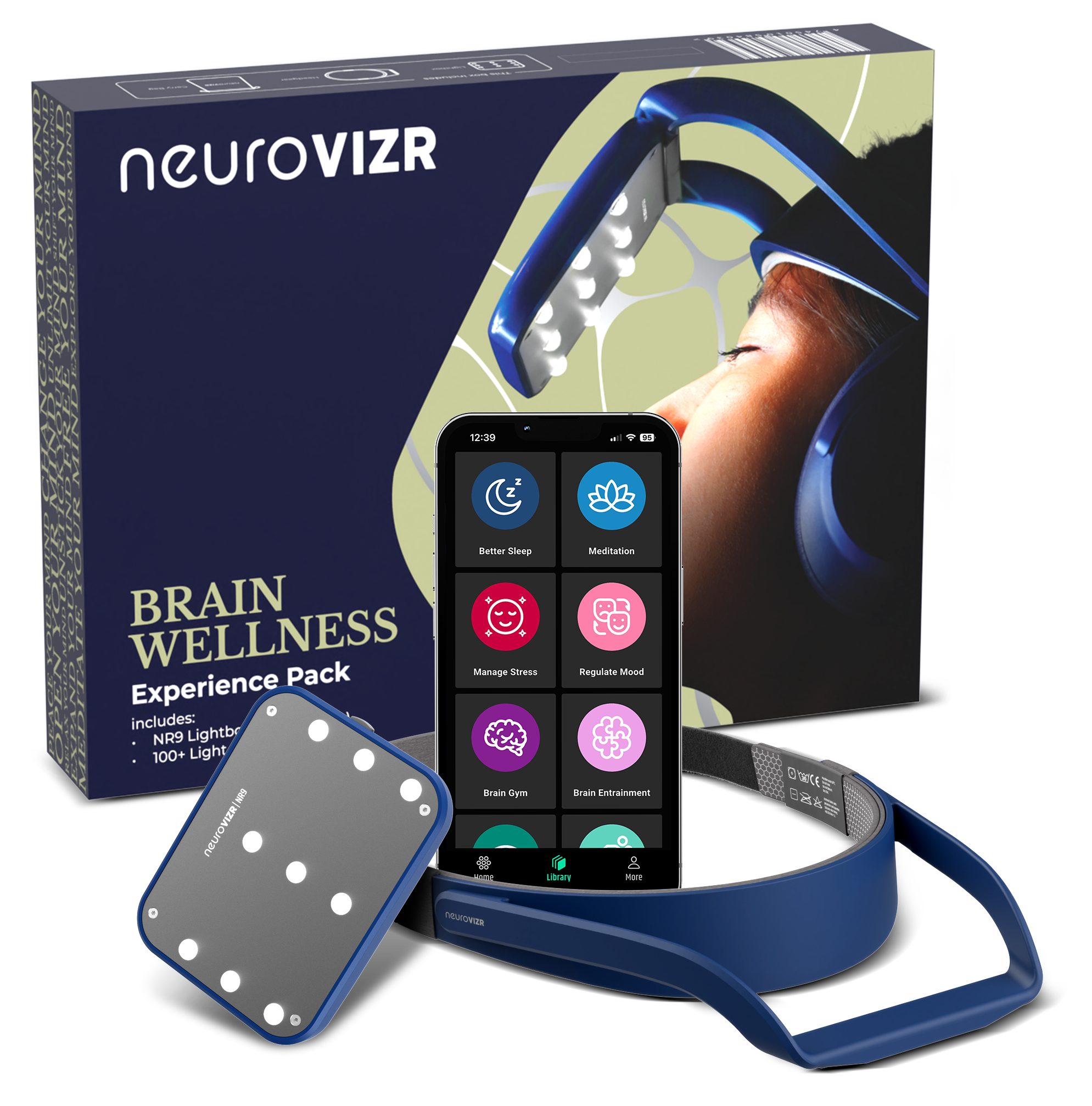
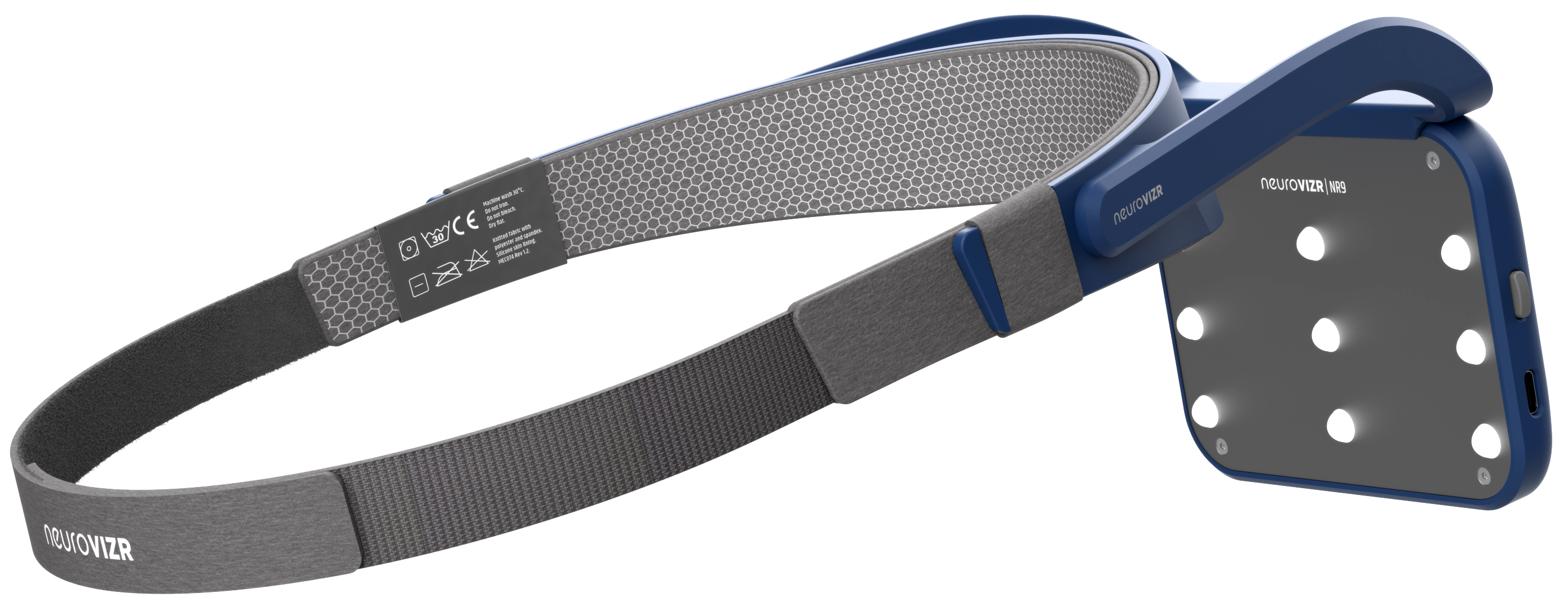
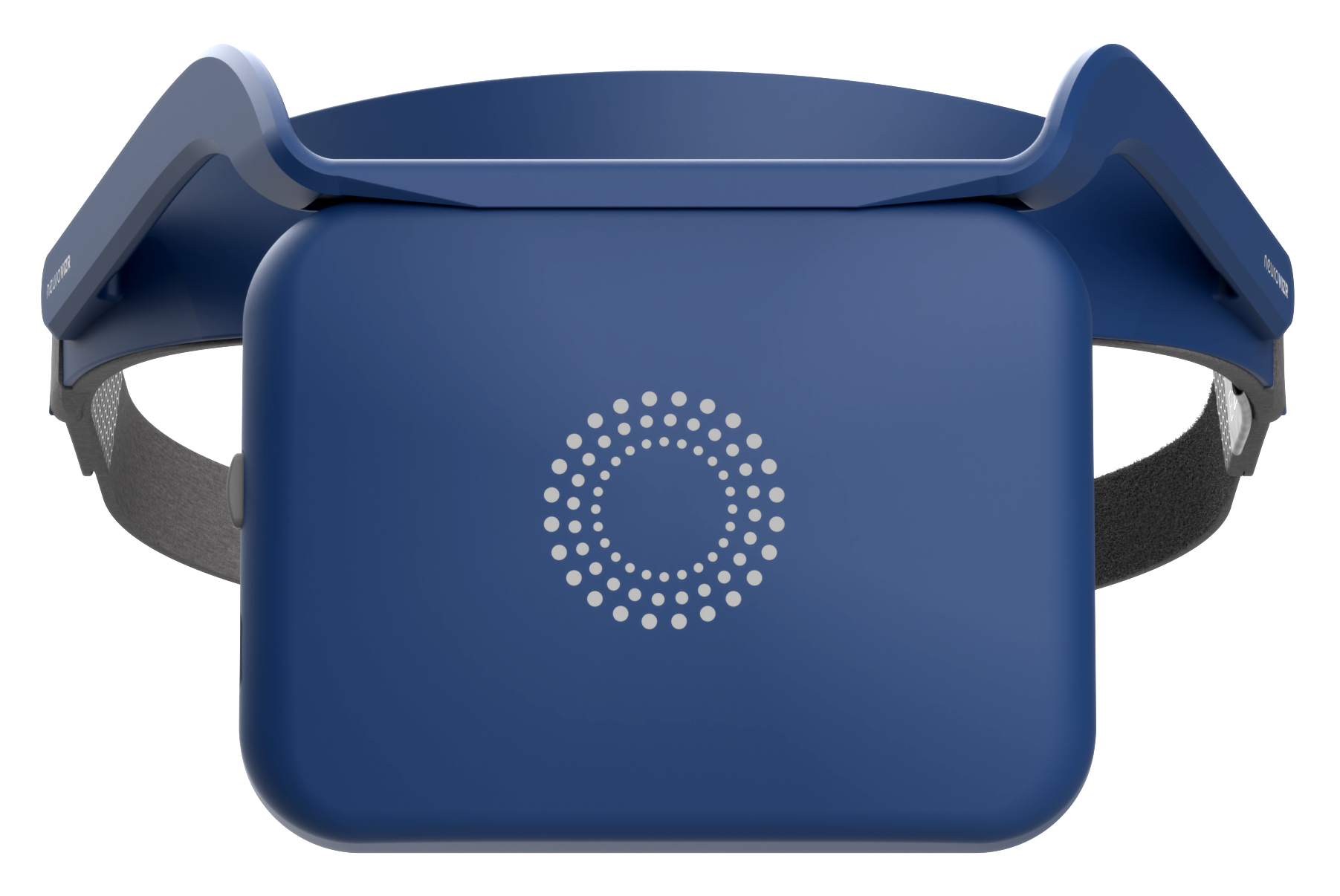
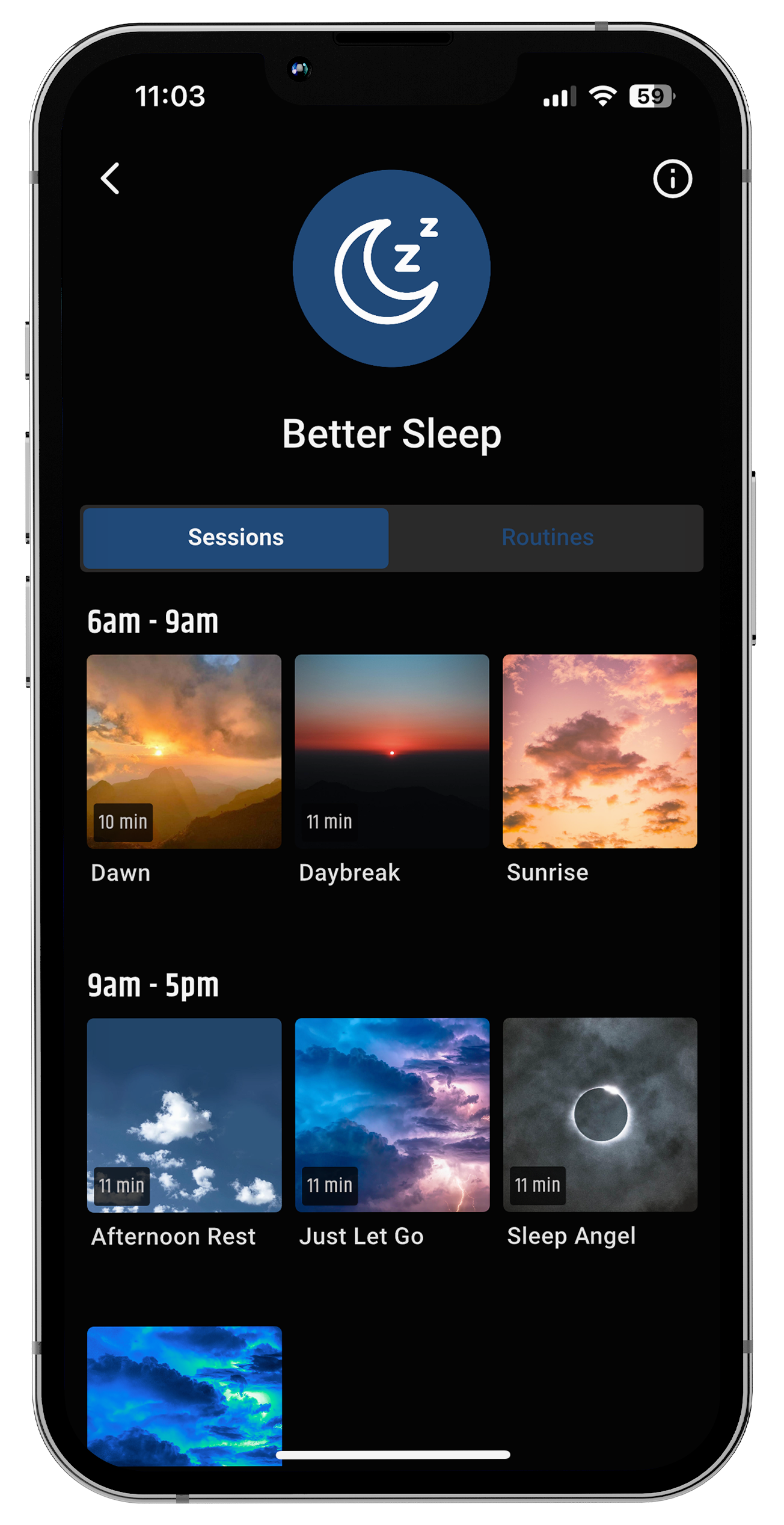
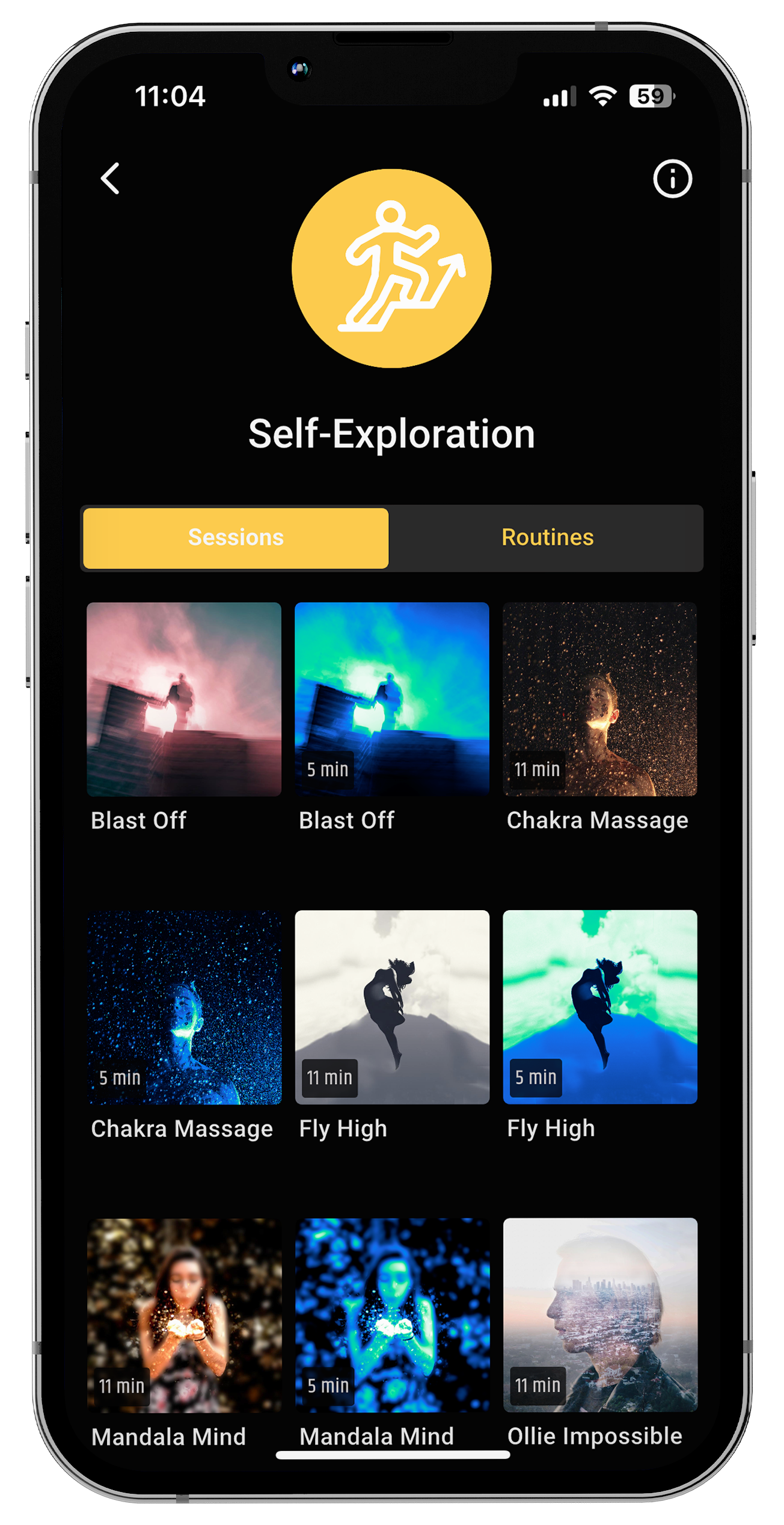
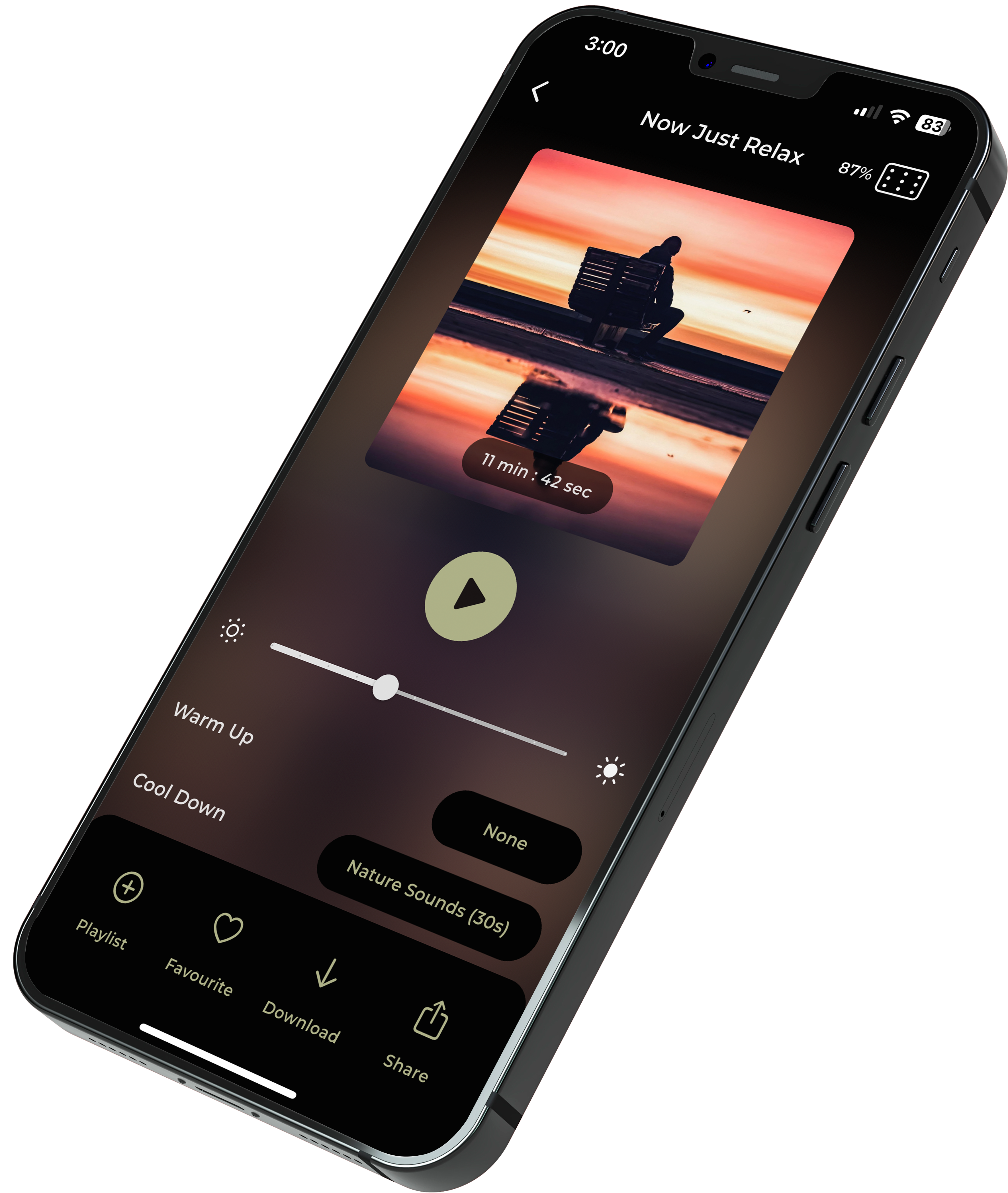
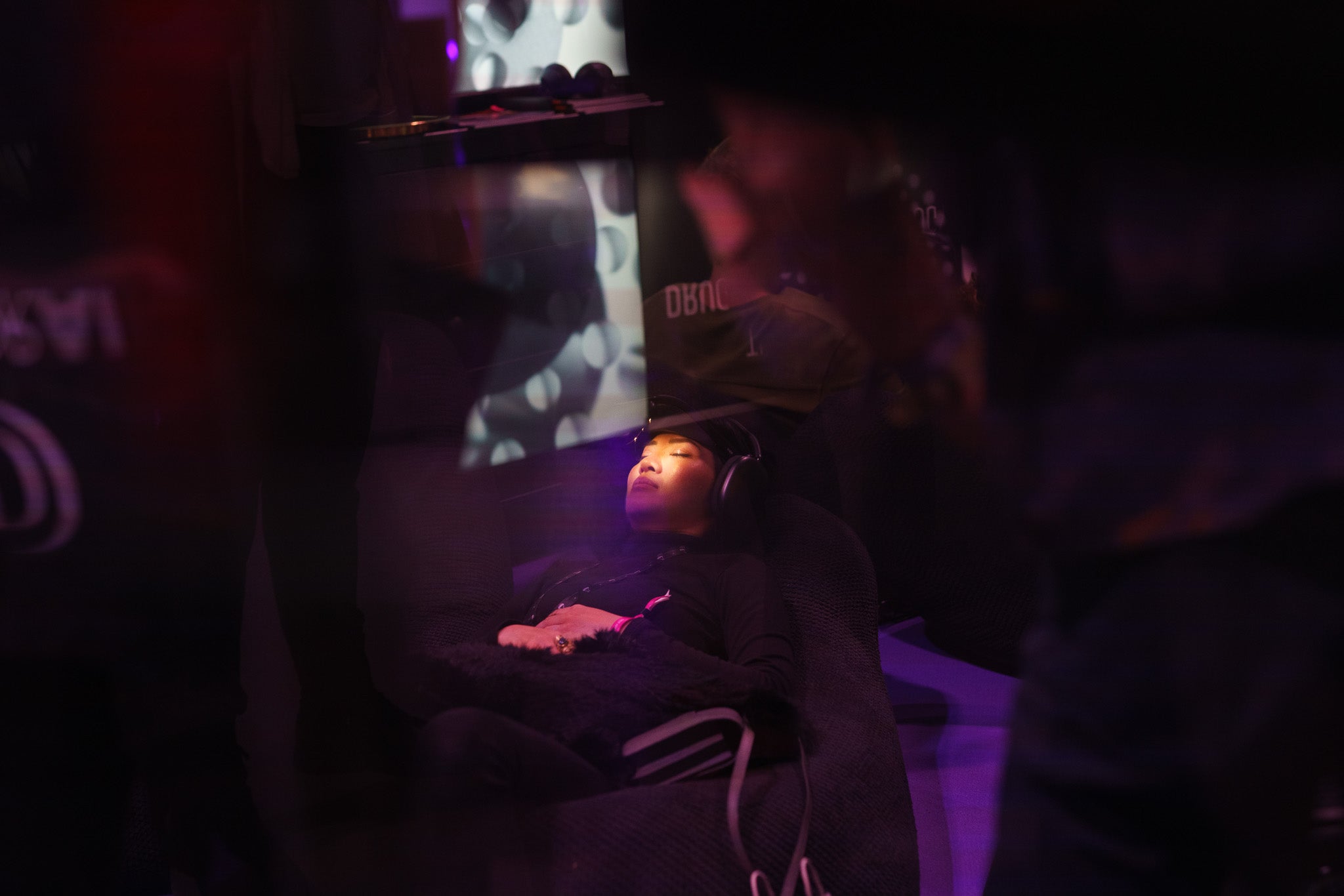
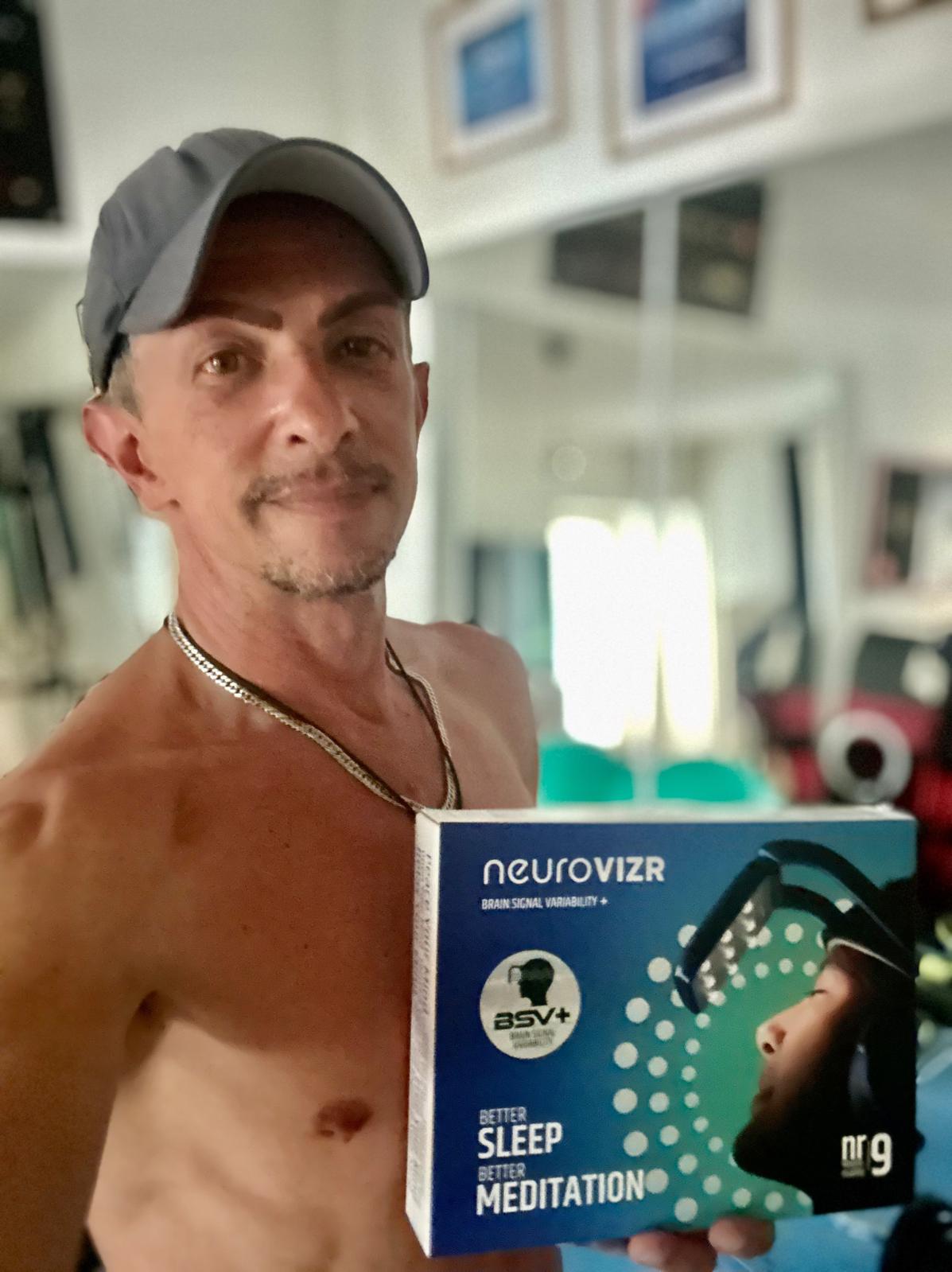
Devices like neuroVIZR use rhythmic light and sound patterns to create immersive sensory experiences.
These experiences are often associated with:
-
Moments of calm
-
Focused attention
-
Relaxation routines
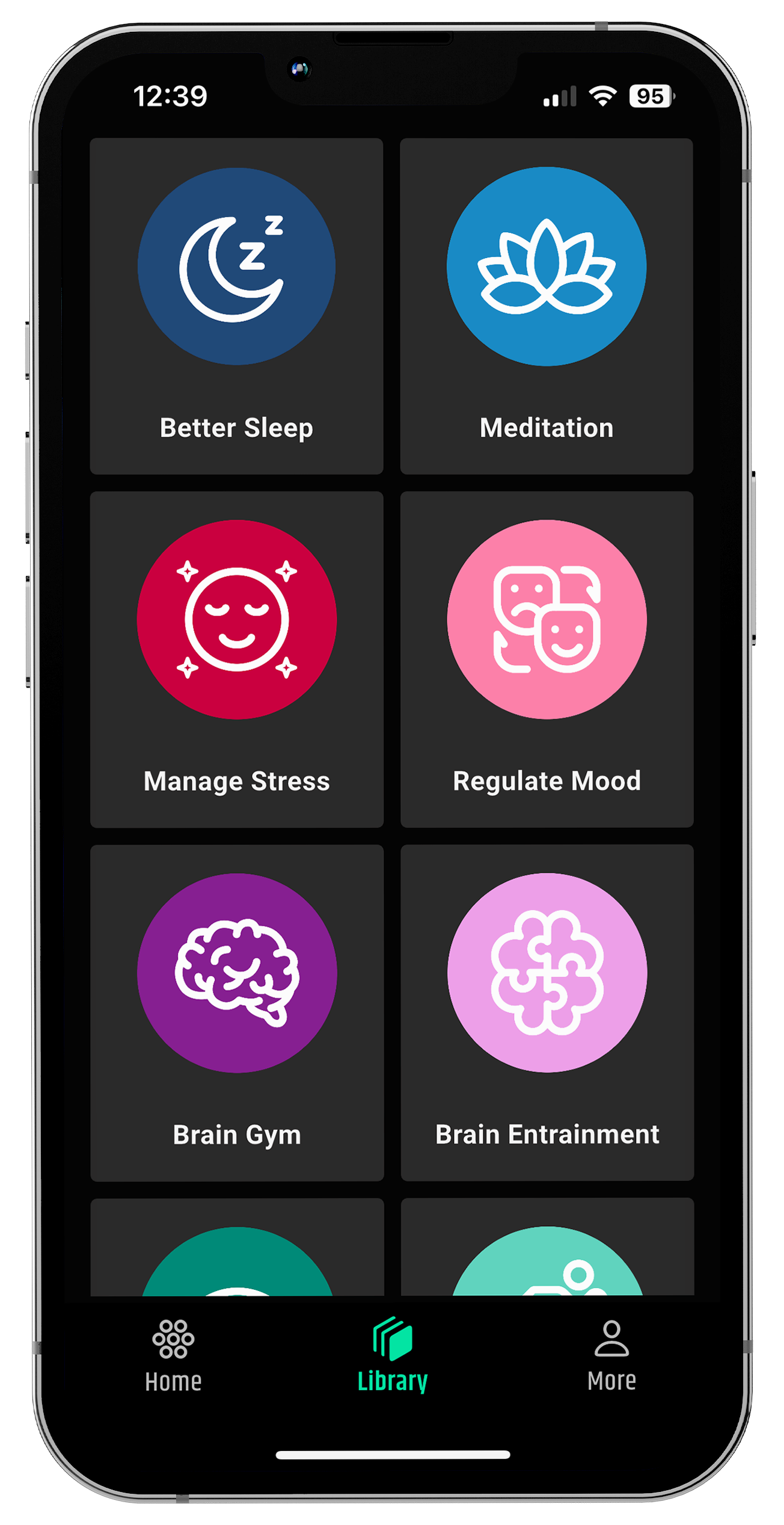
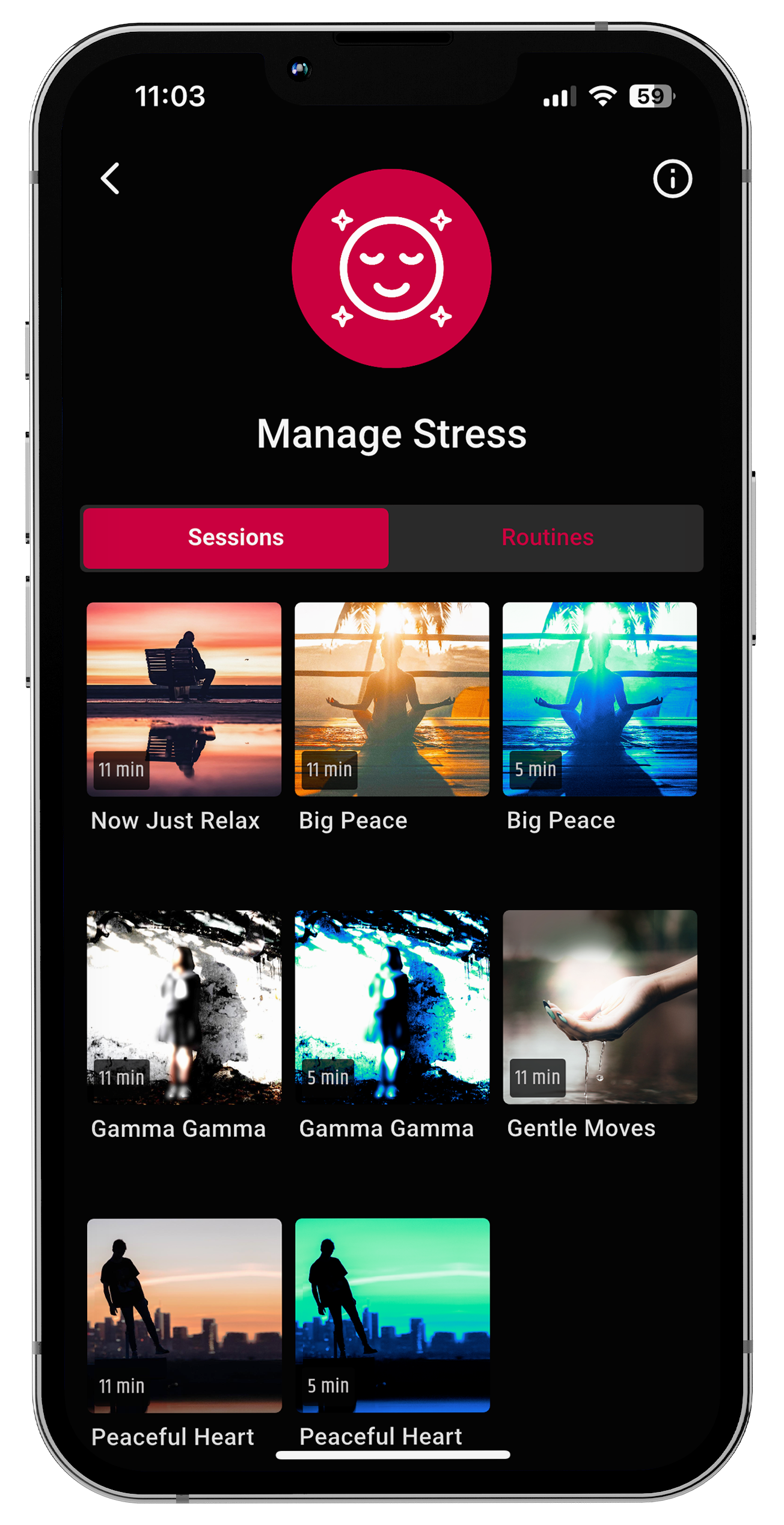
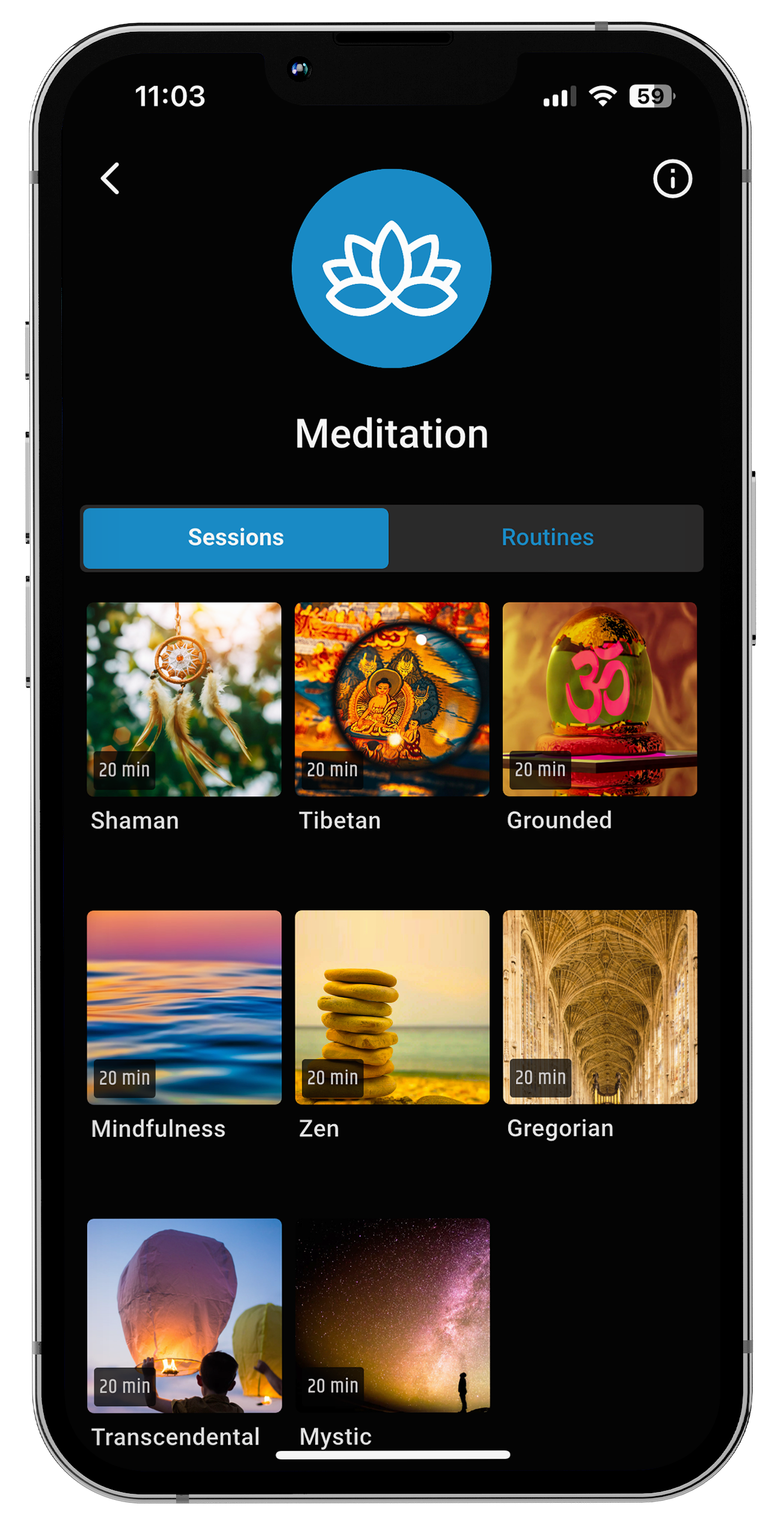
As a wellness tool, neuroVIZR is designed to help users step away from daily overstimulation and enjoy structured relaxation sessions.
Some users incorporate it into their routine to:
-
Unwind after a busy day
-
Support mindfulness practices
-
Create a consistent relaxation habit
It is important to remember that neuroVIZR is not a medical device but a tool intended to support general wellness and relaxation experiences.
Final Thoughts
Experiencing vertigo-like sensations during stressful periods can feel unsettling. However, it may simply reflect how closely the mind and body are connected.
By focusing on relaxation, mindfulness, and supportive daily routines, many people find it easier to manage these sensations and feel more balanced.
Creating small moments of calm each day can go a long way in supporting both mental and physical well-being.
Frequently Asked Questions (FAQ)
Can stress really make you feel dizzy?
Yes, stress may influence how your body processes sensations, which can sometimes lead to feelings of dizziness or imbalance.
Is vertigo always caused by a physical issue?
Not always. While physical causes exist, lifestyle and emotional factors can also play a role in how balance is experienced.
How can I reduce stress-related dizziness naturally?
Simple practices like breathing exercises, mindfulness, and relaxation routines may help support a sense of calm and balance.
Can relaxation tools support balance and calm?
Wellness tools that create calming environments or sensory experiences may help support relaxation as part of a daily routine.











Share:
Lexiscan Stress Test: What to Expect, Duration & Preparation
21 Powerful Affirmations for Anxiety to Support Calm and Balance