


Can Stress Cause Kidney Stones? Uncovering the Link Between Stress and Stone Formation
  • Written by Gourav Rathore

Can Stress Influence Kidney Stones? Understanding the Connection

Disclaimer

This content is for informational purposes only and does not constitute medical advice. neuroVIZR is a wellness device designed to support relaxation, focus, and overall well-being. It is not intended to diagnose, treat, cure, or prevent any medical condition. Individual experiences may vary.

In today’s fast-paced lifestyle, stress can affect daily habits such as sleep, hydration, and food choices. While kidney stones are a physical condition, lifestyle patterns influenced by stress may play a role in how they develop over time.

So, can stress influence kidney stones?
The answer is indirect  stress itself does not cause stones, but it may contribute to habits and routines that are commonly associated with their formation.

What Are Kidney Stones?

Kidney stones are solid deposits made of minerals and salts that can form when urine becomes highly concentrated.

Common types include:

  • Calcium stones (most common)

  • Uric acid stones

  • Struvite stones

  • Cystine stones (rare)

Common symptoms:

  • Discomfort in the lower back or side

  • Pain during urination

  • Changes in urine appearance

  • Nausea or uneasiness

How Stress May Influence Kidney Stone Risk

Stress does not directly create stones, but it can influence everyday habits that are linked to overall kidney wellness.

1. Reduced Hydration During Busy or Stressful Days

When people feel overwhelmed, they may forget to drink enough water.

  • Lower fluid intake can lead to more concentrated urine

  • Concentrated urine may increase the likelihood of mineral buildup

Staying hydrated is one of the most important lifestyle habits for kidney health.

2. Changes in Eating Patterns

Stress can sometimes influence food choices and eating routines.

People may:

  • Prefer processed or salty foods

  • Consume fewer fresh fruits and vegetables

  • Rely more on caffeine or packaged snacks

These patterns may be associated with conditions that support stone formation over time.

3. Disrupted Daily Rhythms

Stress can affect sleep quality and daily routines.

Irregular sleep and inconsistent habits may:

  • Affect overall body balance

  • Influence hydration and eating schedules

  • Reduce time for self-care and physical activity

4. Lifestyle Imbalance

Periods of stress are often linked with:

  • Reduced movement or physical activity

  • Increased screen time

  • Less focus on wellness routines

Over time, these patterns may contribute to conditions commonly associated with kidney stone risk.

What Does Research Suggest?

Some studies suggest that individuals experiencing higher levels of stress or emotional strain may also report a higher occurrence of kidney stones.

However, this connection is generally linked to lifestyle and behavioral patterns, rather than stress acting as a direct cause.

Supporting Relaxation and Daily Balance

Creating consistent relaxation routines may help support healthier daily habits.

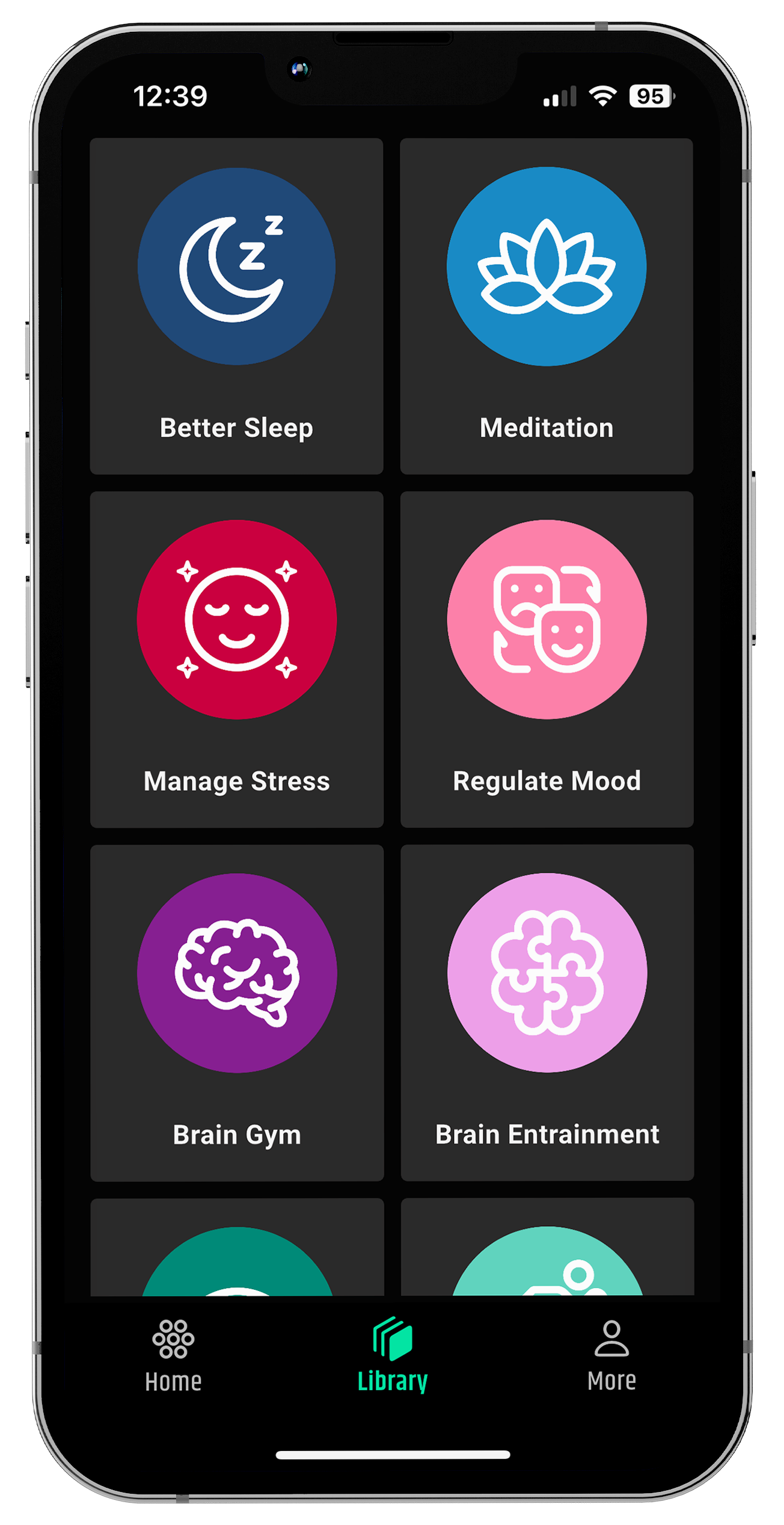
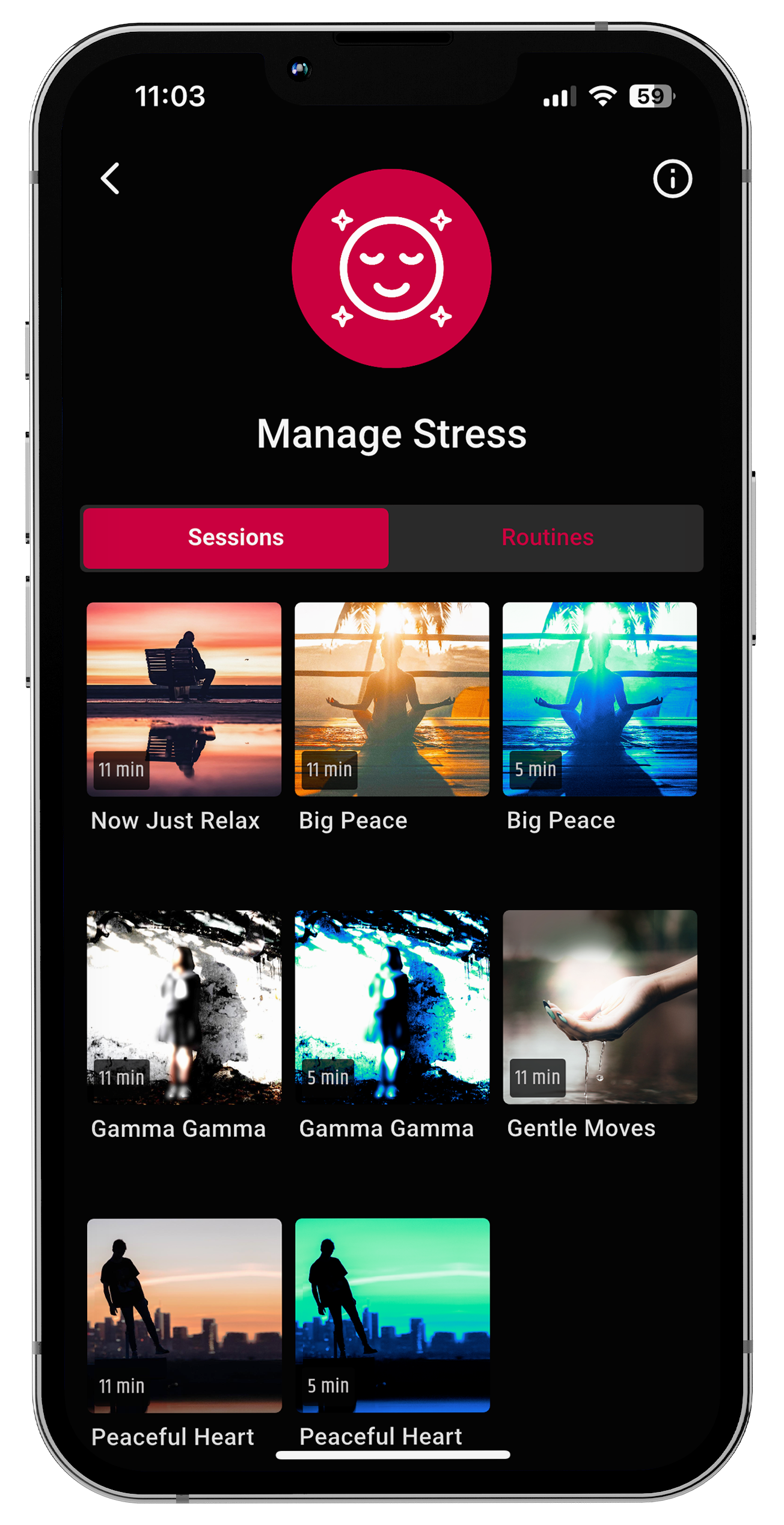
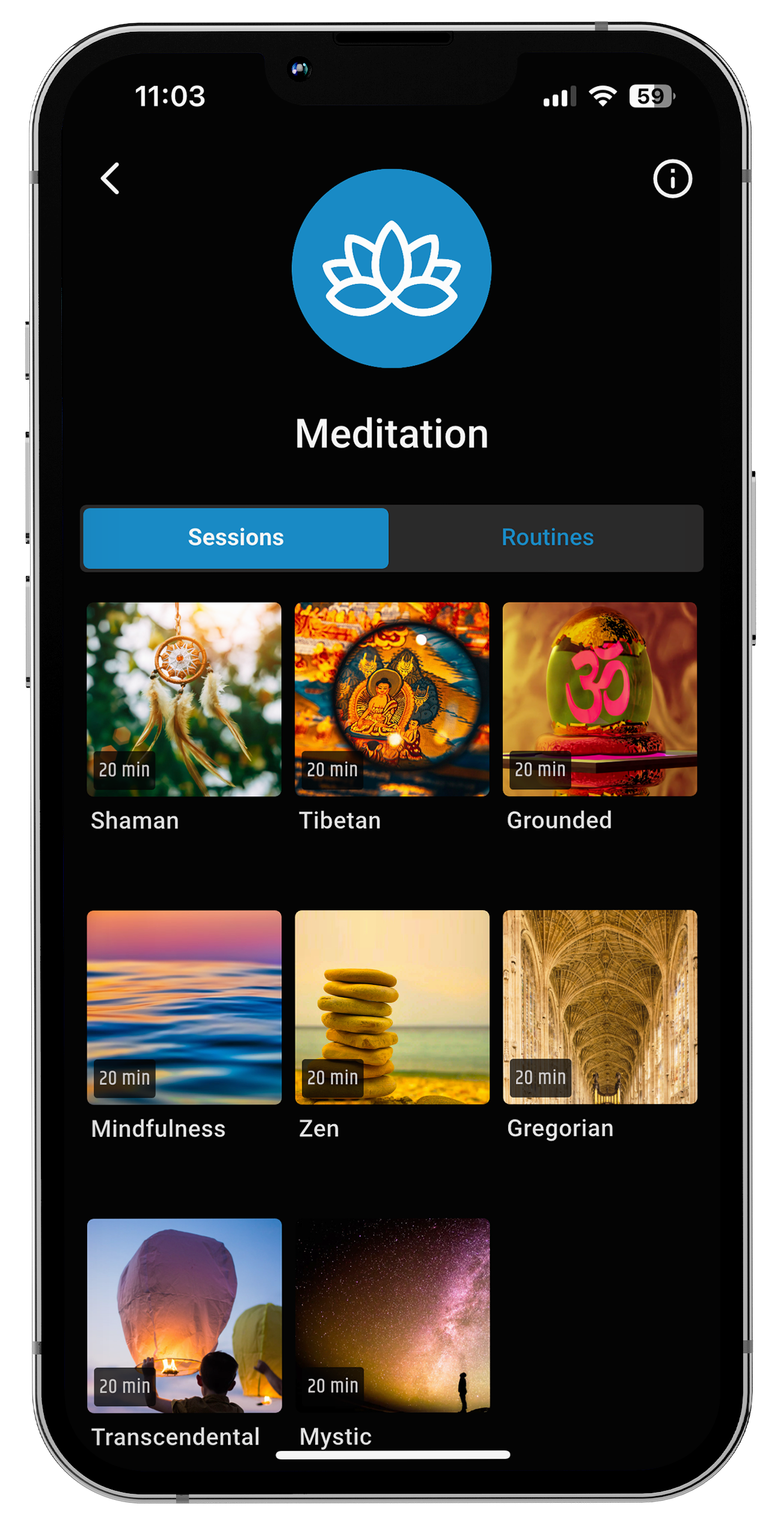
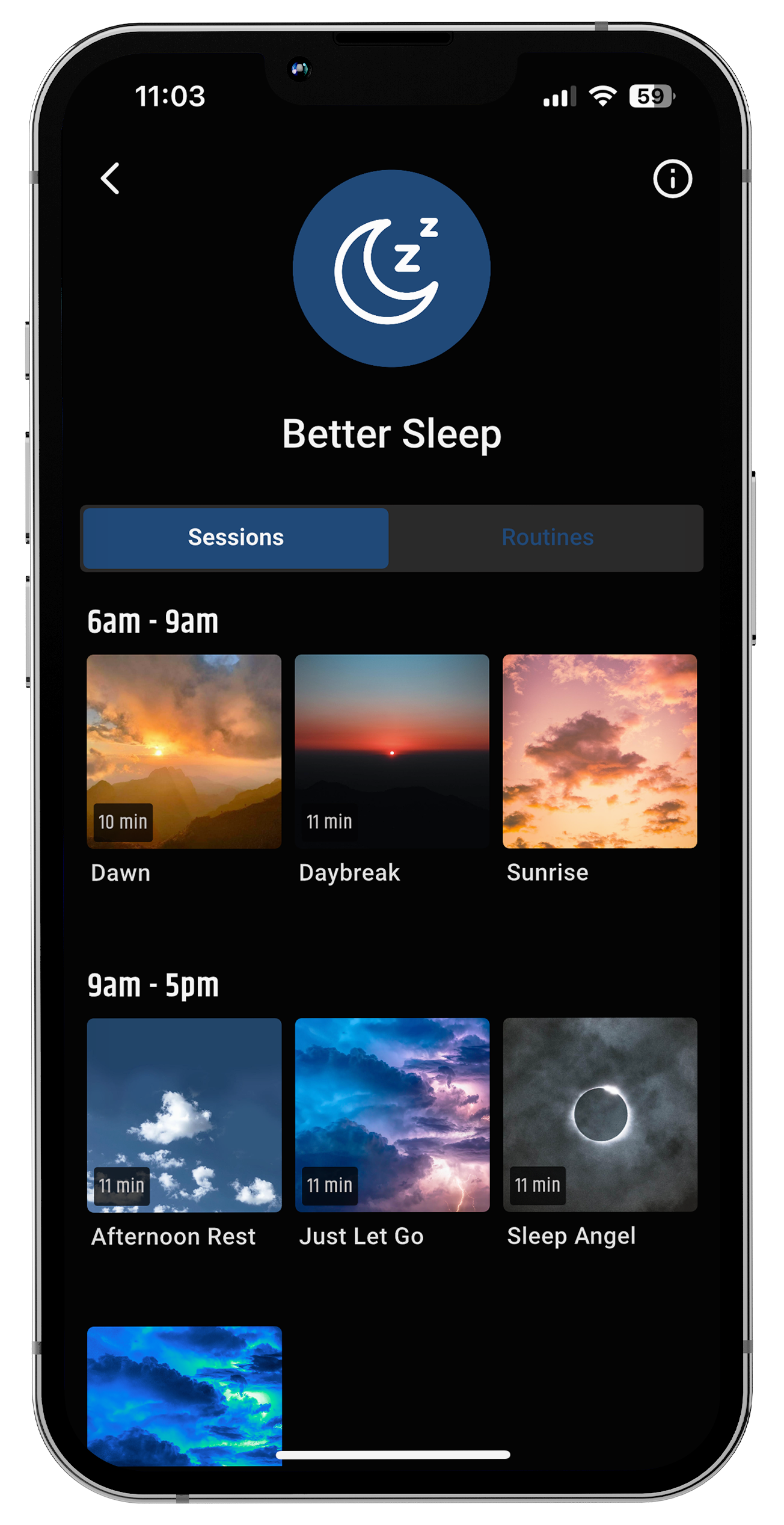
Devices that use structured light and sound patterns, such as neuroVIZR, create immersive sensory experiences often associated with relaxation and focused attention. They are designed as wellness tools that may help users step away from daily overstimulation and enjoy moments of calm.

Some individuals include such tools as part of their routine to:

  • Take short breaks during busy days

  • Create a calm environment

  • Support mindfulness or relaxation sessions

Simple Ways to Support Kidney Wellness

1. Stay Consistently Hydrated

  • Keep a water bottle nearby

  • Aim for light-colored urine as a general hydration indicator

2. Build Balanced Eating Habits

Focus on:

  • Fresh fruits and vegetables

  • Whole grains

  • Moderate salt intake

3. Create Relaxation Moments in Your Day

  • Short breaks away from screens

  • Mindfulness or breathing exercises

  • Calm, sensory-based relaxation routines

4. Maintain Regular Sleep Patterns

  • Go to bed at consistent times

  • Reduce screen exposure before sleep

  • Create a calm nighttime routine

5. Stay Physically Active

  • Light daily movement such as walking

  • Stretching or gentle exercise

Other Common Factors Associated with Kidney Stones

Kidney stones are influenced by multiple factors, including:

  • Low fluid intake

  • High sodium consumption

  • Diet patterns

  • Body weight and lifestyle habits

  • Family history

  • Certain health conditions

Understanding these factors can help in making more informed lifestyle choices.

Final Thoughts

Stress may not directly cause kidney stones, but it can influence daily routines that are linked to overall wellness.

By focusing on hydration, balanced habits, and moments of relaxation, individuals can support their overall well-being and maintain healthier daily patterns.

Small, consistent lifestyle adjustments can make a meaningful difference over time.

FAQ (AEO Optimized)

Can stress directly cause kidney stones?

Stress is not considered a direct cause, but it may influence habits like hydration, diet, and sleep, which are associated with kidney stone risk.

How can I support kidney health during stressful periods?

Focusing on hydration, balanced meals, regular sleep, and relaxation routines may help maintain overall wellness.

Can lifestyle changes reduce kidney stone risk?

Healthy habits such as drinking enough water, eating balanced meals, and maintaining consistent routines are commonly associated with reduced risk.

How can relaxation routines help daily wellness?

Relaxation practices may help create moments of calm, support better habits, and improve overall lifestyle balance.


Disclaimer

This content is for informational purposes only and does not constitute medical advice. neuroVIZR is a wellness device designed to support relaxation, focus, and overall well-being. It is not intended to diagnose, treat, cure, or prevent any medical condition. Individual experiences may vary.

In today’s fast-paced lifestyle, stress can affect daily habits such as sleep, hydration, and food choices. While kidney stones are a physical condition, lifestyle patterns influenced by stress may play a role in how they develop over time.

So, can stress influence kidney stones?
The answer is indirect  stress itself does not cause stones, but it may contribute to habits and routines that are commonly associated with their formation.

What Are Kidney Stones?

Kidney stones are solid deposits made of minerals and salts that can form when urine becomes highly concentrated.

Common types include:

  • Calcium stones (most common)

  • Uric acid stones

  • Struvite stones

  • Cystine stones (rare)

Common symptoms:

  • Discomfort in the lower back or side

  • Pain during urination

  • Changes in urine appearance

  • Nausea or uneasiness

How Stress May Influence Kidney Stone Risk

Stress does not directly create stones, but it can influence everyday habits that are linked to overall kidney wellness.

1. Reduced Hydration During Busy or Stressful Days

When people feel overwhelmed, they may forget to drink enough water.

  • Lower fluid intake can lead to more concentrated urine

  • Concentrated urine may increase the likelihood of mineral buildup

Staying hydrated is one of the most important lifestyle habits for kidney health.

2. Changes in Eating Patterns

Stress can sometimes influence food choices and eating routines.

People may:

  • Prefer processed or salty foods

  • Consume fewer fresh fruits and vegetables

  • Rely more on caffeine or packaged snacks

These patterns may be associated with conditions that support stone formation over time.

3. Disrupted Daily Rhythms

Stress can affect sleep quality and daily routines.

Irregular sleep and inconsistent habits may:

  • Affect overall body balance

  • Influence hydration and eating schedules

  • Reduce time for self-care and physical activity

4. Lifestyle Imbalance

Periods of stress are often linked with:

  • Reduced movement or physical activity

  • Increased screen time

  • Less focus on wellness routines

Over time, these patterns may contribute to conditions commonly associated with kidney stone risk.

What Does Research Suggest?

Some studies suggest that individuals experiencing higher levels of stress or emotional strain may also report a higher occurrence of kidney stones.

However, this connection is generally linked to lifestyle and behavioral patterns, rather than stress acting as a direct cause.

Supporting Relaxation and Daily Balance

Creating consistent relaxation routines may help support healthier daily habits.

Devices that use structured light and sound patterns, such as neuroVIZR, create immersive sensory experiences often associated with relaxation and focused attention. They are designed as wellness tools that may help users step away from daily overstimulation and enjoy moments of calm.

Some individuals include such tools as part of their routine to:

  • Take short breaks during busy days

  • Create a calm environment

  • Support mindfulness or relaxation sessions

Simple Ways to Support Kidney Wellness

1. Stay Consistently Hydrated

  • Keep a water bottle nearby

  • Aim for light-colored urine as a general hydration indicator

2. Build Balanced Eating Habits

Focus on:

  • Fresh fruits and vegetables

  • Whole grains

  • Moderate salt intake

3. Create Relaxation Moments in Your Day

  • Short breaks away from screens

  • Mindfulness or breathing exercises

  • Calm, sensory-based relaxation routines

4. Maintain Regular Sleep Patterns

  • Go to bed at consistent times

  • Reduce screen exposure before sleep

  • Create a calm nighttime routine

5. Stay Physically Active

  • Light daily movement such as walking

  • Stretching or gentle exercise

Other Common Factors Associated with Kidney Stones

Kidney stones are influenced by multiple factors, including:

  • Low fluid intake

  • High sodium consumption

  • Diet patterns

  • Body weight and lifestyle habits

  • Family history

  • Certain health conditions

Understanding these factors can help in making more informed lifestyle choices.

Final Thoughts

Stress may not directly cause kidney stones, but it can influence daily routines that are linked to overall wellness.

By focusing on hydration, balanced habits, and moments of relaxation, individuals can support their overall well-being and maintain healthier daily patterns.

Small, consistent lifestyle adjustments can make a meaningful difference over time.

FAQ (AEO Optimized)

Can stress directly cause kidney stones?

Stress is not considered a direct cause, but it may influence habits like hydration, diet, and sleep, which are associated with kidney stone risk.

How can I support kidney health during stressful periods?

Focusing on hydration, balanced meals, regular sleep, and relaxation routines may help maintain overall wellness.

Can lifestyle changes reduce kidney stone risk?

Healthy habits such as drinking enough water, eating balanced meals, and maintaining consistent routines are commonly associated with reduced risk.

How can relaxation routines help daily wellness?

Relaxation practices may help create moments of calm, support better habits, and improve overall lifestyle balance.

Enhance Your Mental Clarity With neuroVIZR