

Handling Anxiety in a Relationship: A Complete Guide
  • Written by Gourav Rathore

Handling Anxiety in a Relationship: A Complete Guide

Disclaimer

This content is for informational purposes only and does not constitute medical advice. neuroVIZR is a wellness device designed to support relaxation, focus, and overall well-being. It is not intended to diagnose, treat, cure, or prevent any condition. Experiences may vary from person to person.

Anxiety in a relationship can feel like a quiet, ongoing tension. One moment, everything feels stable and connected. Next, your thoughts may start racing questioning small details, overthinking conversations, or imagining worst-case scenarios.

If this feels familiar, you’re not alone. Relationship anxiety is something many people experience, even in strong and loving relationships. It doesn’t mean something is wrong with you or your relationship. Instead, it often reflects emotional patterns, past experiences, and how we respond to uncertainty.

The goal isn’t to eliminate these feelings completely. It’s about learning how to manage them, so they don’t take over your thoughts or affect your connection.

What Does Relationship Anxiety Look Like?

Relationship anxiety can show up in different ways, including:

  • Overthinking messages, tone, or small interactions

  • Wanting frequent reassurance from your partner

  • Feeling uneasy when communication slows down

  • Imagining negative outcomes without clear reasons

  • Difficulty relaxing due to constant worry

These patterns can create a cycle where temporary reassurance helps briefly, but the same concerns return again.

Why Does Relationship Anxiety Happen?

There are several reasons why these feelings may arise:

1. Attachment Patterns

Early life experiences can shape how we connect with others. Some people may feel more sensitive to changes in closeness or communication.

2. Past Experiences

Previous relationships or emotional challenges can influence how we interpret situations in the present.

3. Self-Confidence

When self-confidence feels low, it may lead to doubts about being valued or appreciated in a relationship.

4. Daily Stress

External pressures like work, finances, or lifestyle changes can affect emotional balance and increase sensitivity in relationships.

How to Manage Relationship Anxiety Within Yourself

1. Notice Your Thought Patterns

Start by observing your thoughts without reacting immediately.

You can say to yourself:

  • “I notice I’m overthinking this situation.”

  • “This is a moment of worry, not necessarily reality.”

This creates space between you and the thought.

2. Practice Calming Techniques

When your body feels tense or unsettled, simple practices can help restore a sense of calm:

  • Slow breathing (inhale gently, exhale longer)

  • Light movement like walking or stretching

  • Writing down thoughts to gain clarity

These techniques can help you feel more grounded before reacting.

3. Reframe Negative Thoughts

Instead of assuming the worst, pause and consider alternative perspectives:

  • What facts support this thought?

  • Is there another possible explanation?

  • Am I reacting to the present or past experiences?

This helps create a more balanced view.

4. Maintain Your Individual Identity

A healthy relationship includes space for personal growth.

  • Spend time on hobbies and interests

  • Stay connected with friends and family

  • Focus on personal goals

This can reduce the need for constant reassurance.

5. Build Relaxation Routines

Creating small daily habits can support emotional balance:

  • Mindfulness or quiet reflection

  • Gentle stretching or relaxation practices

  • Reducing screen time before sleep

  • Creating a calming environment with light and sound

Consistent routines can help you feel more steady over time.

How to Manage Relationship Anxiety Together

1. Communicate Openly

Share your thoughts in a calm and respectful way:

“Sometimes I feel unsure, and it helps when we talk about it.”

2. Ask for Clear Support

Instead of general reassurance, be specific:

“It helps me when I know your schedule in advance.”

3. Balance Support and Self-Awareness

It’s helpful to receive reassurance, but also important to build your own sense of calm.

4. Create Connection Habits

Simple shared routines can strengthen emotional connection:

  • Regular check-ins

  • Quality time together

  • Thoughtful messages during the day

Creating a Calm Environment for Yourself

Along with communication and self-awareness, your environment also plays a role in how you feel.

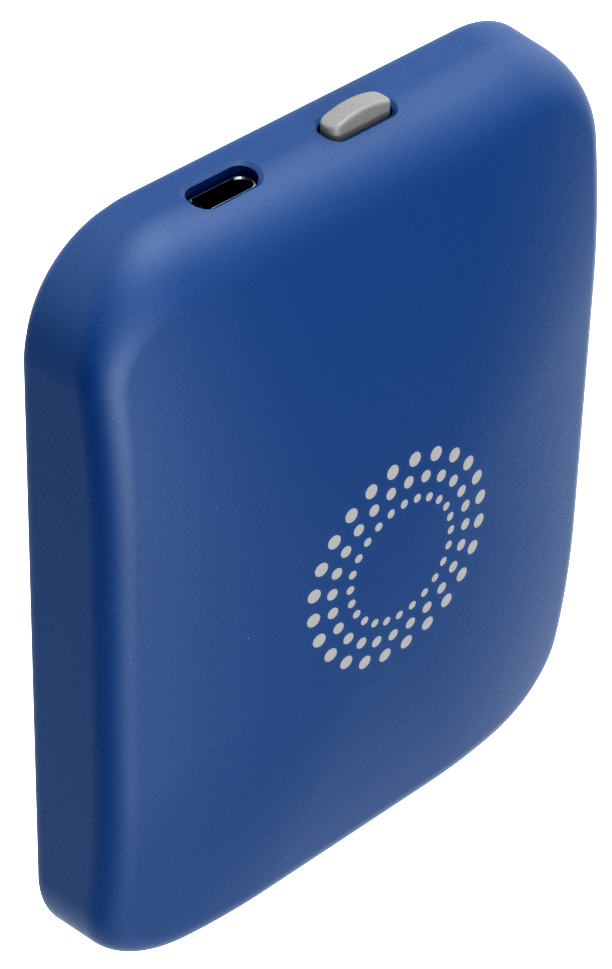
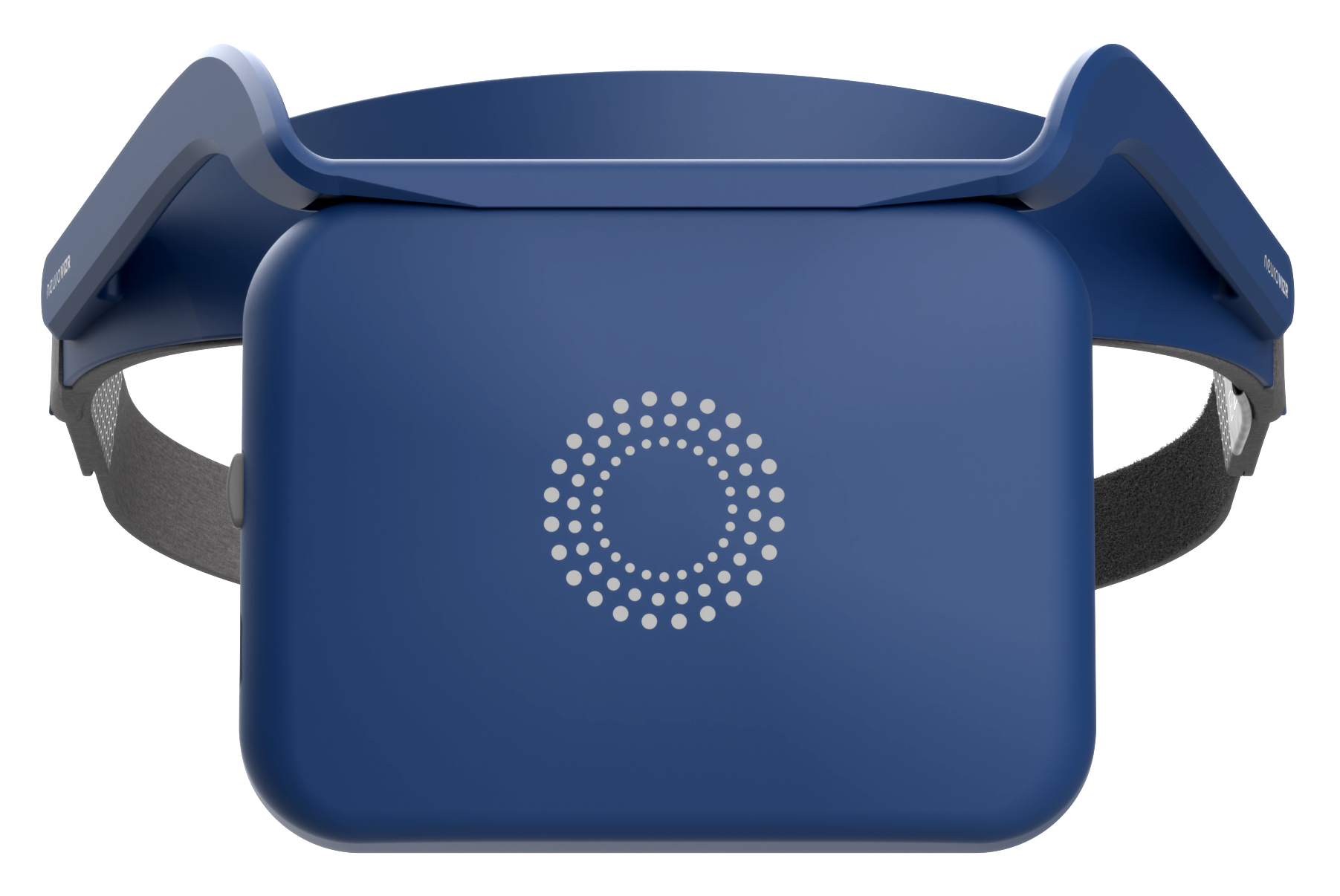
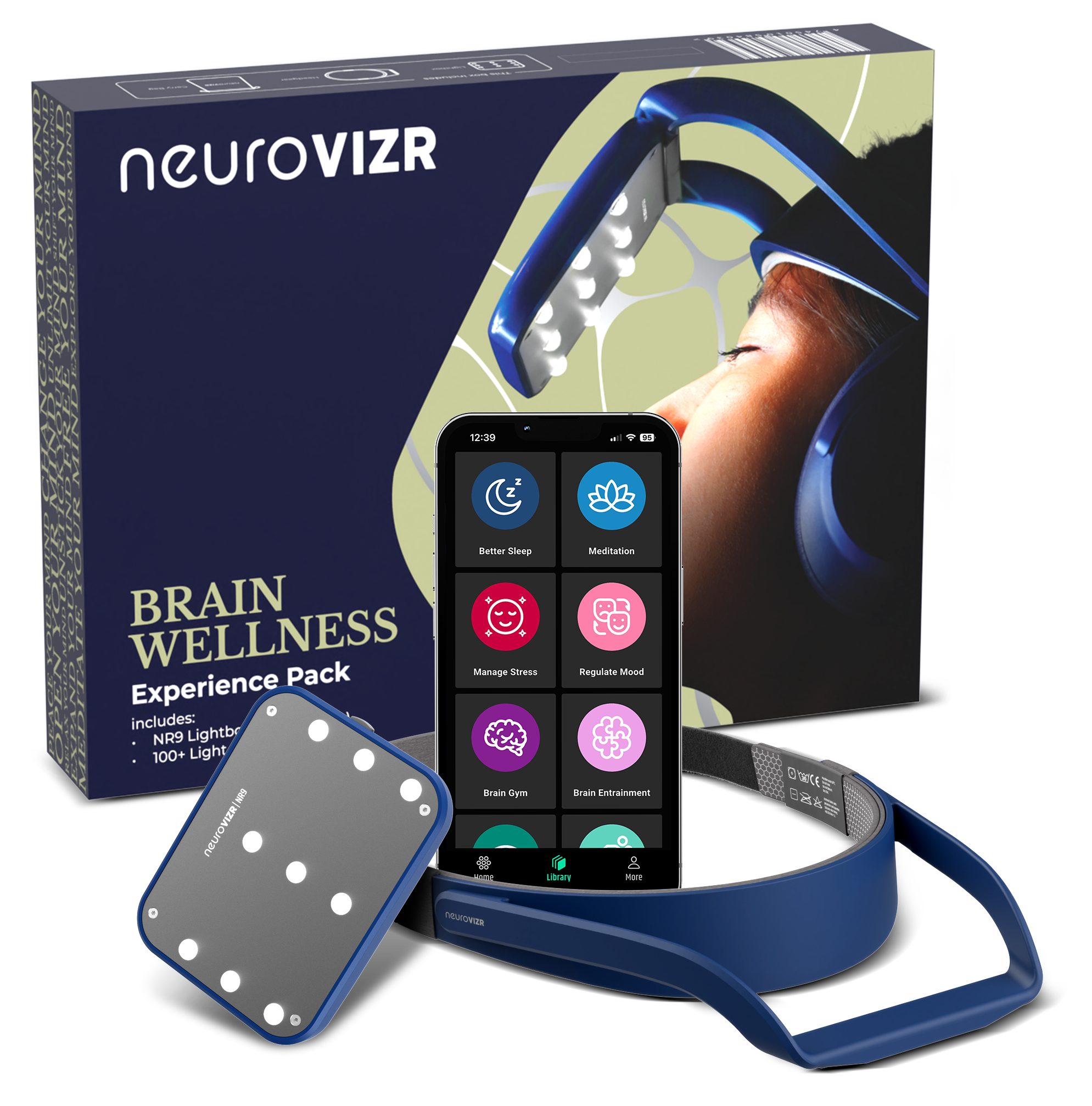
Some people explore sensory relaxation tools that use rhythmic light and sound patterns to create immersive experiences often associated with calm and focus. These wellness-focused approaches can be part of a broader relaxation routine, helping individuals step away from daily overstimulation and enjoy quiet moments.

Final Thoughts

Relationship anxiety is not a sign of failure, it's a signal to slow down and understand your inner experiences more deeply.

With the right balance of self-awareness, communication, and calming routines, it’s possible to build a relationship that feels more stable and supportive over time.

You don’t need to remove every worry. Instead, you can learn how to respond to it with clarity and calm, creating a stronger and more meaningful connection.

Frequently Asked Questions (FAQ)

Can relationship anxiety go away completely?

It may not disappear entirely, but it can become much easier to manage with awareness and consistent habits.

Is relationship anxiety normal?

Yes, many people experience it at different stages of a relationship.

How can I stop overthinking in a relationship?

Practicing awareness, calming techniques, and balanced thinking can help reduce overthinking over time.

Should I talk to my partner about my anxiety?

Open and respectful communication can strengthen understanding and support within the relationship.

Disclaimer

This content is for informational purposes only and does not constitute medical advice. neuroVIZR is a wellness device designed to support relaxation, focus, and overall well-being. It is not intended to diagnose, treat, cure, or prevent any condition. Experiences may vary from person to person.

Anxiety in a relationship can feel like a quiet, ongoing tension. One moment, everything feels stable and connected. Next, your thoughts may start racing questioning small details, overthinking conversations, or imagining worst-case scenarios.

If this feels familiar, you’re not alone. Relationship anxiety is something many people experience, even in strong and loving relationships. It doesn’t mean something is wrong with you or your relationship. Instead, it often reflects emotional patterns, past experiences, and how we respond to uncertainty.

The goal isn’t to eliminate these feelings completely. It’s about learning how to manage them, so they don’t take over your thoughts or affect your connection.

What Does Relationship Anxiety Look Like?

Relationship anxiety can show up in different ways, including:

  • Overthinking messages, tone, or small interactions

  • Wanting frequent reassurance from your partner

  • Feeling uneasy when communication slows down

  • Imagining negative outcomes without clear reasons

  • Difficulty relaxing due to constant worry

These patterns can create a cycle where temporary reassurance helps briefly, but the same concerns return again.

Why Does Relationship Anxiety Happen?

There are several reasons why these feelings may arise:

1. Attachment Patterns

Early life experiences can shape how we connect with others. Some people may feel more sensitive to changes in closeness or communication.

2. Past Experiences

Previous relationships or emotional challenges can influence how we interpret situations in the present.

3. Self-Confidence

When self-confidence feels low, it may lead to doubts about being valued or appreciated in a relationship.

4. Daily Stress

External pressures like work, finances, or lifestyle changes can affect emotional balance and increase sensitivity in relationships.

How to Manage Relationship Anxiety Within Yourself

1. Notice Your Thought Patterns

Start by observing your thoughts without reacting immediately.

You can say to yourself:

  • “I notice I’m overthinking this situation.”

  • “This is a moment of worry, not necessarily reality.”

This creates space between you and the thought.

2. Practice Calming Techniques

When your body feels tense or unsettled, simple practices can help restore a sense of calm:

  • Slow breathing (inhale gently, exhale longer)

  • Light movement like walking or stretching

  • Writing down thoughts to gain clarity

These techniques can help you feel more grounded before reacting.

3. Reframe Negative Thoughts

Instead of assuming the worst, pause and consider alternative perspectives:

  • What facts support this thought?

  • Is there another possible explanation?

  • Am I reacting to the present or past experiences?

This helps create a more balanced view.

4. Maintain Your Individual Identity

A healthy relationship includes space for personal growth.

  • Spend time on hobbies and interests

  • Stay connected with friends and family

  • Focus on personal goals

This can reduce the need for constant reassurance.

5. Build Relaxation Routines

Creating small daily habits can support emotional balance:

  • Mindfulness or quiet reflection

  • Gentle stretching or relaxation practices

  • Reducing screen time before sleep

  • Creating a calming environment with light and sound

Consistent routines can help you feel more steady over time.

How to Manage Relationship Anxiety Together

1. Communicate Openly

Share your thoughts in a calm and respectful way:

“Sometimes I feel unsure, and it helps when we talk about it.”

2. Ask for Clear Support

Instead of general reassurance, be specific:

“It helps me when I know your schedule in advance.”

3. Balance Support and Self-Awareness

It’s helpful to receive reassurance, but also important to build your own sense of calm.

4. Create Connection Habits

Simple shared routines can strengthen emotional connection:

  • Regular check-ins

  • Quality time together

  • Thoughtful messages during the day

Creating a Calm Environment for Yourself

Along with communication and self-awareness, your environment also plays a role in how you feel.

Some people explore sensory relaxation tools that use rhythmic light and sound patterns to create immersive experiences often associated with calm and focus. These wellness-focused approaches can be part of a broader relaxation routine, helping individuals step away from daily overstimulation and enjoy quiet moments.

Final Thoughts

Relationship anxiety is not a sign of failure, it's a signal to slow down and understand your inner experiences more deeply.

With the right balance of self-awareness, communication, and calming routines, it’s possible to build a relationship that feels more stable and supportive over time.

You don’t need to remove every worry. Instead, you can learn how to respond to it with clarity and calm, creating a stronger and more meaningful connection.

Frequently Asked Questions (FAQ)

Can relationship anxiety go away completely?

It may not disappear entirely, but it can become much easier to manage with awareness and consistent habits.

Is relationship anxiety normal?

Yes, many people experience it at different stages of a relationship.

How can I stop overthinking in a relationship?

Practicing awareness, calming techniques, and balanced thinking can help reduce overthinking over time.

Should I talk to my partner about my anxiety?

Open and respectful communication can strengthen understanding and support within the relationship.

Enhance Your Mental Clarity With neuroVIZR