

How to Get Rid of Caffeine Jitters Fast: Natural Calming Tips
  • Written by Gourav Rathore

How to Get Rid of Caffeine Jitters Fast: Natural Calming Tips

Disclaimer

neuroVIZR is a wellness device created to support relaxation, focus, and overall mental wellness. It is not a medical device and is not intended to diagnose, treat, cure, or prevent any condition. Not suitable for individuals with epilepsy. Experiences may vary.

Caffeine often feels like a daily essential  helping you stay alert during early mornings and busy schedules.

But sometimes, too much caffeine can leave you feeling restless, shaky, and overwhelmed. If your energy suddenly feels uncomfortable instead of productive, you may be experiencing caffeine jitters.

The good news? There are simple, natural ways to help your body return to a calmer state.

What Are Caffeine Jitters?

Caffeine jitters are the uncomfortable sensations that can happen after consuming more caffeine than your body can comfortably handle.

This may include feelings of restlessness, shakiness, or heightened alertness that becomes difficult to manage. Everyone responds differently, but it’s often a sign that your body is temporarily overstimulated.

Common Signs of Caffeine Jitters

You might notice one or more of the following:

  • Shaky hands or general restlessness

  • Feeling uneasy or overly alert

  • Faster-than-usual heartbeat

  • Difficulty relaxing or sleeping

  • Lightheadedness or mild discomfort

  • Upset stomach

  • Increased sweating

  • Irritability or difficulty focusing

These sensations are usually temporary and tend to ease as your body processes caffeine.

How to Get Rid of Caffeine Jitters Fast

While caffeine naturally wears off over time, these simple strategies may help you feel more balanced sooner:

1. Stop Further Caffeine Intake

Avoid consuming additional caffeine from coffee, tea, energy drinks, or chocolate. This gives your body space to gradually return to its normal rhythm.

2. Stay Hydrated

Drinking water can help you feel more refreshed and balanced. Sip water slowly over time to support overall comfort.

3. Eat Something Nourishing

Having a light meal or snack can help you feel more grounded. Foods with fiber, protein, or healthy fats  such as fruits, nuts, or whole grains  are good options.

4. Try Gentle Movement

Light physical activity like walking or stretching can help release restlessness and promote a more relaxed state.

Avoid intense workouts if you already feel overstimulated  gentle movement works best.

5. Practice Deep Breathing

Slow, steady breathing can help bring your body into a calmer rhythm.

Try this simple technique:

  • Inhale slowly through your nose

  • Hold briefly

  • Exhale gently through your mouth

Repeat for a few minutes until you feel more at ease.

6. Create a Calm Environment

Taking a short break in a quiet, low-light space can help reduce sensory overload and support relaxation.

7. Enjoy Caffeine-Free Herbal Drinks

Herbal teas like chamomile or peppermint can be a soothing option when you want something warm without added stimulation.

8. Use Sensory Relaxation Tools

Some people find it helpful to use wellness tools that create immersive sensory experiences.

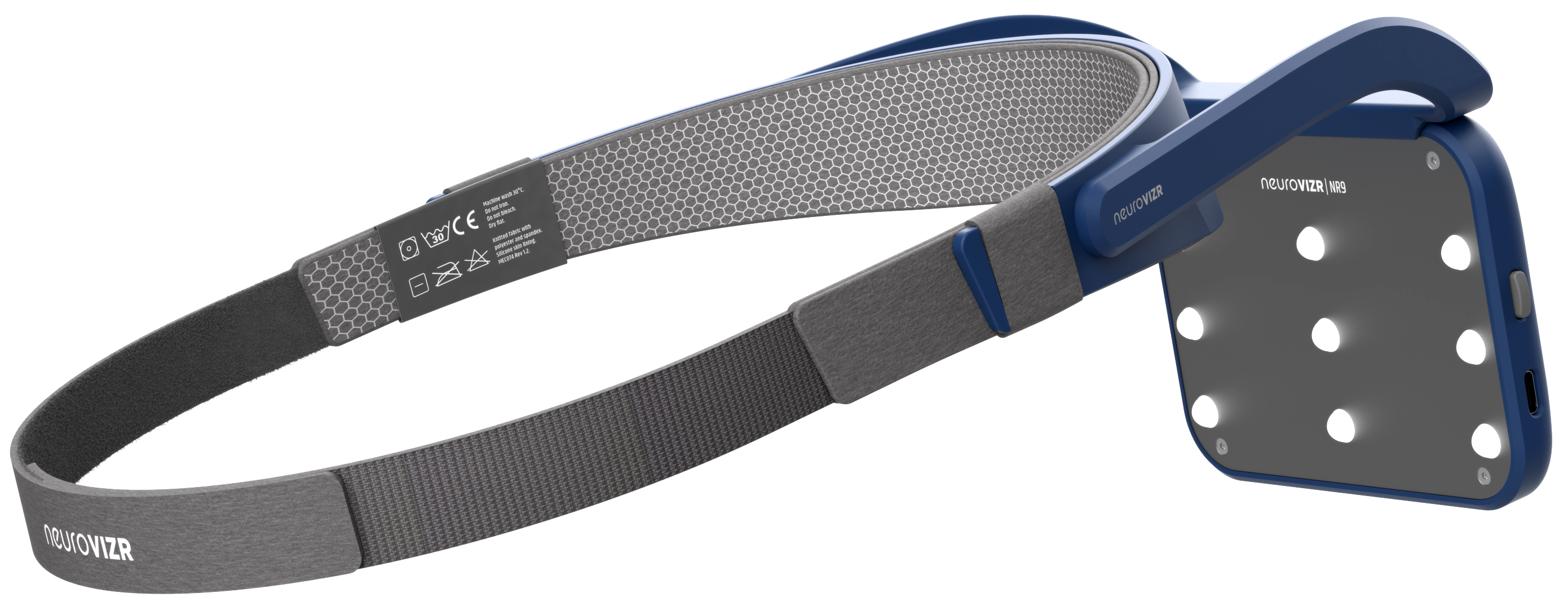
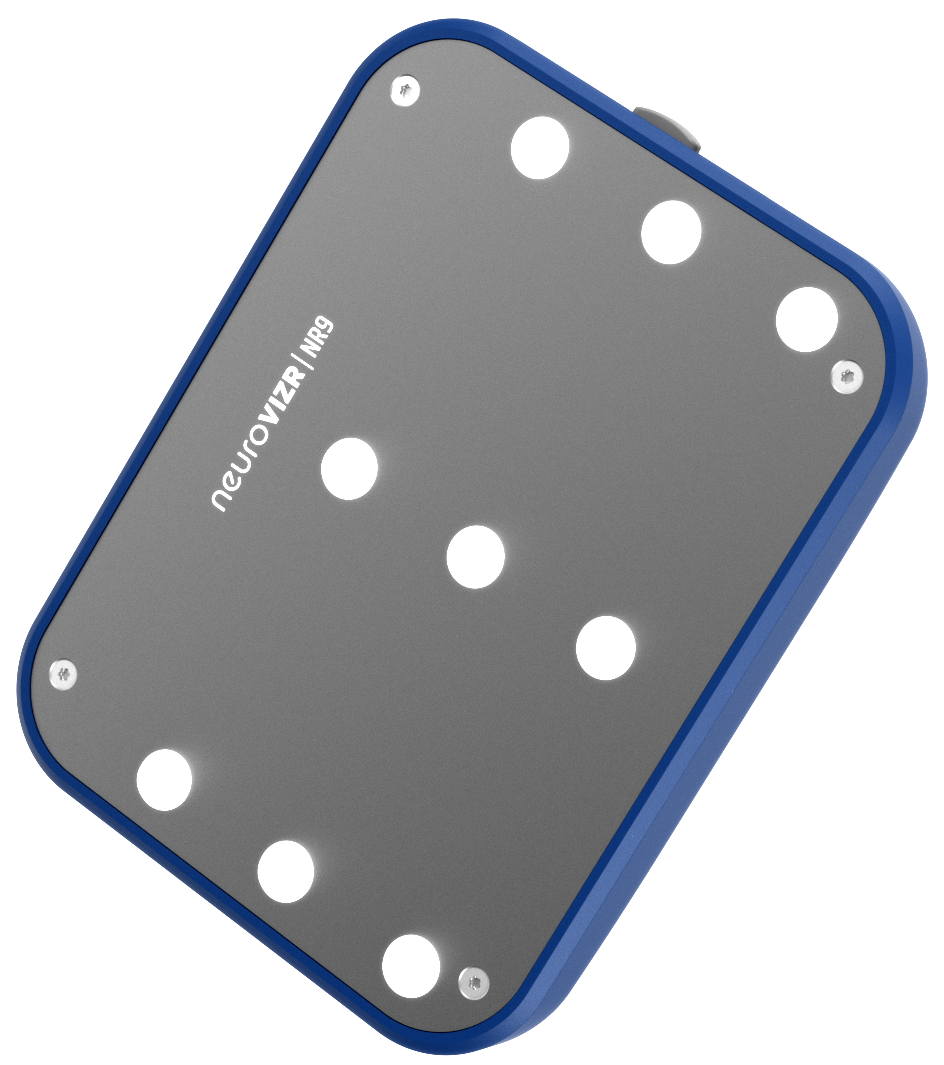
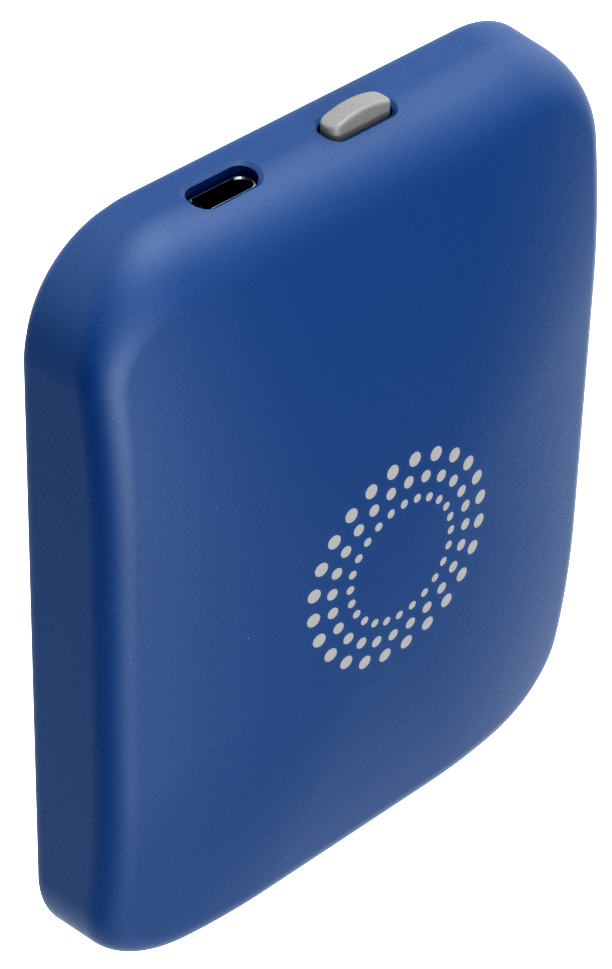
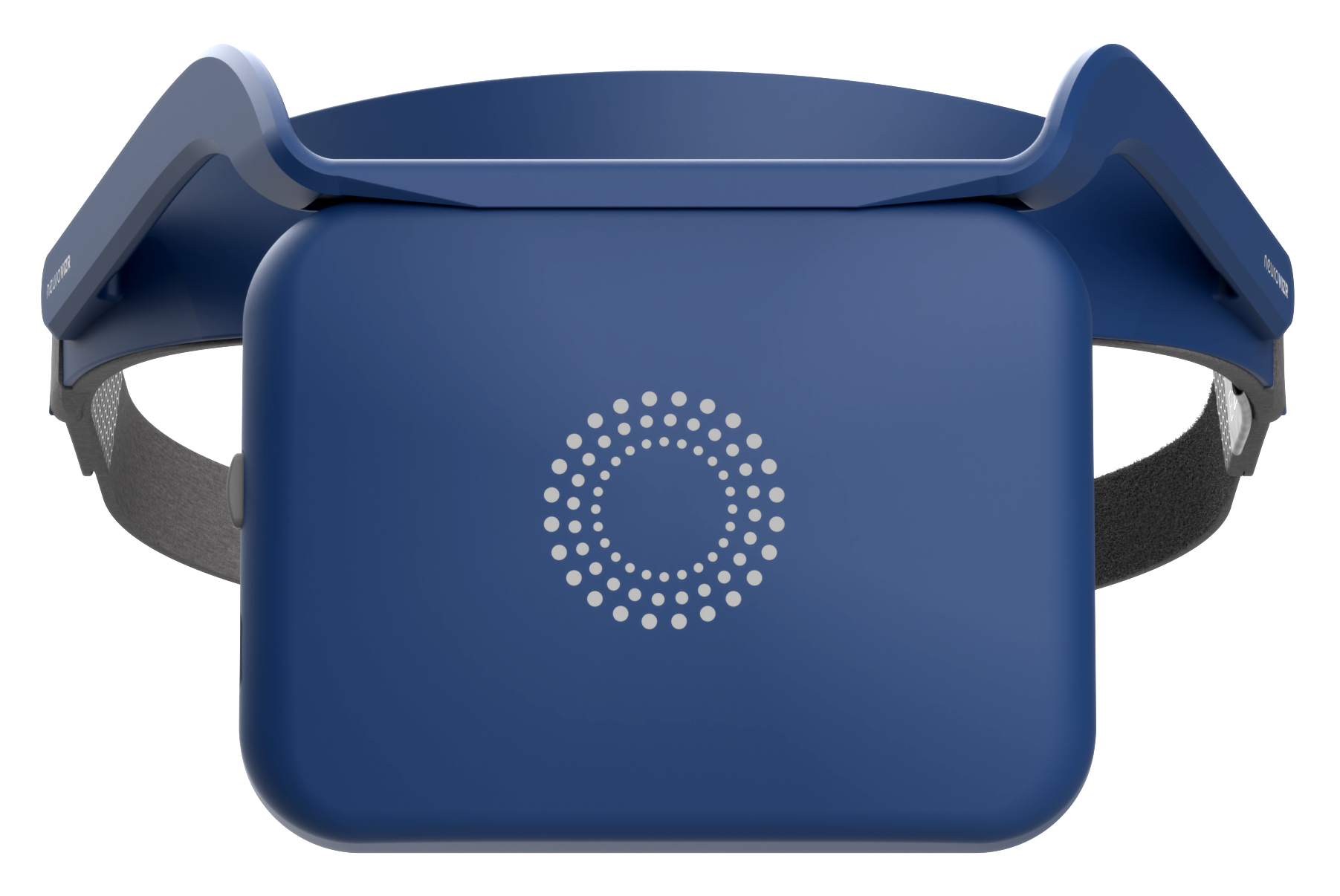
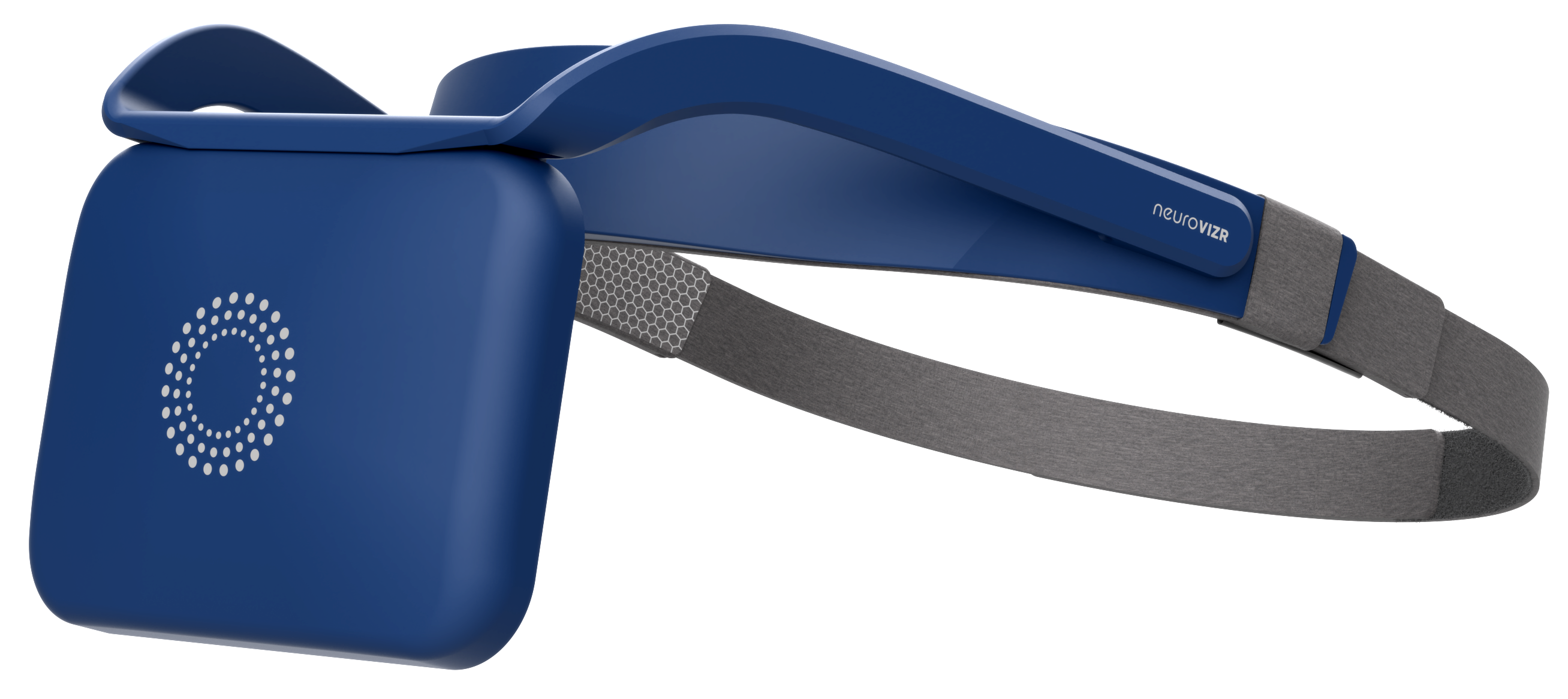
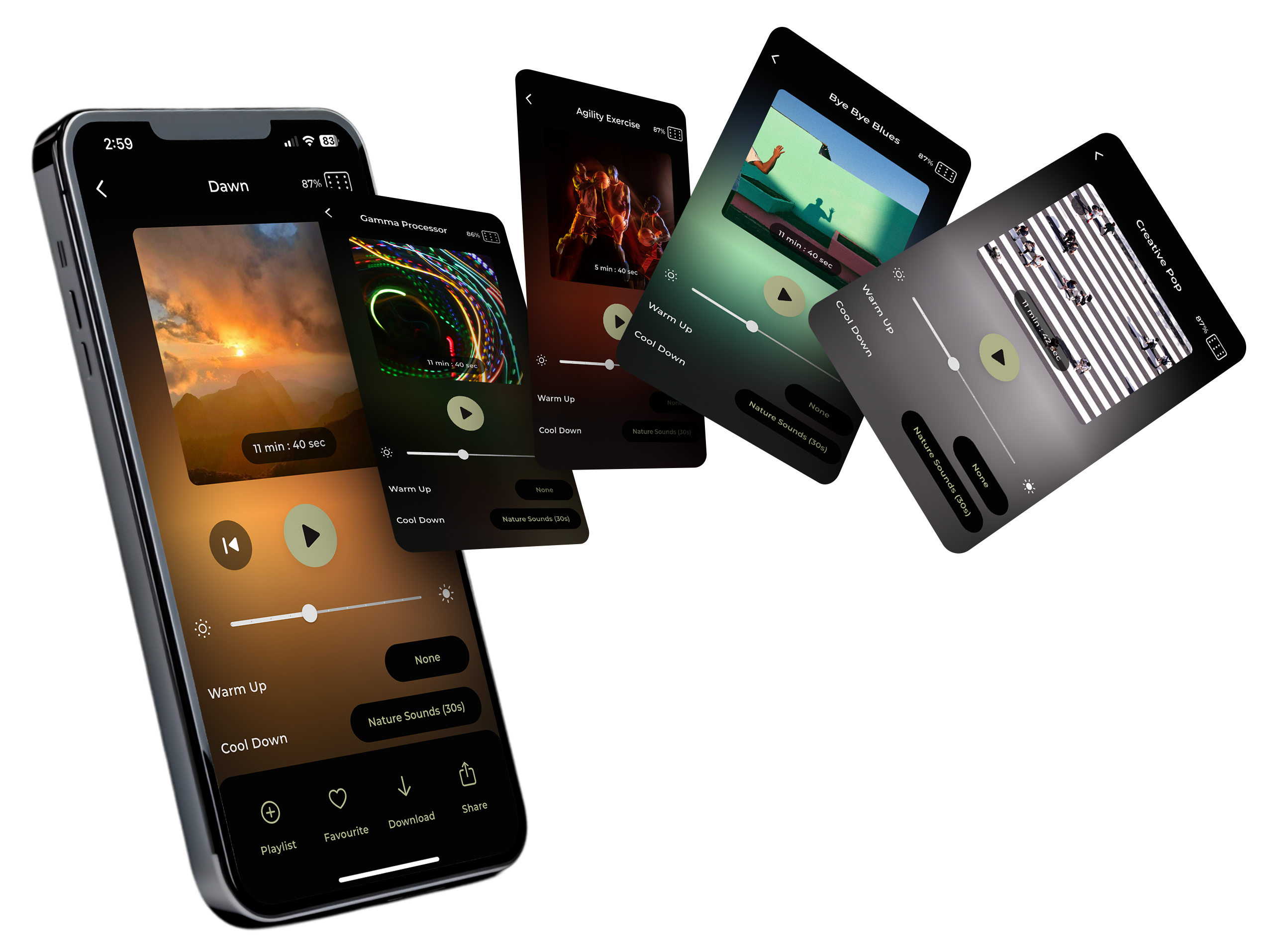
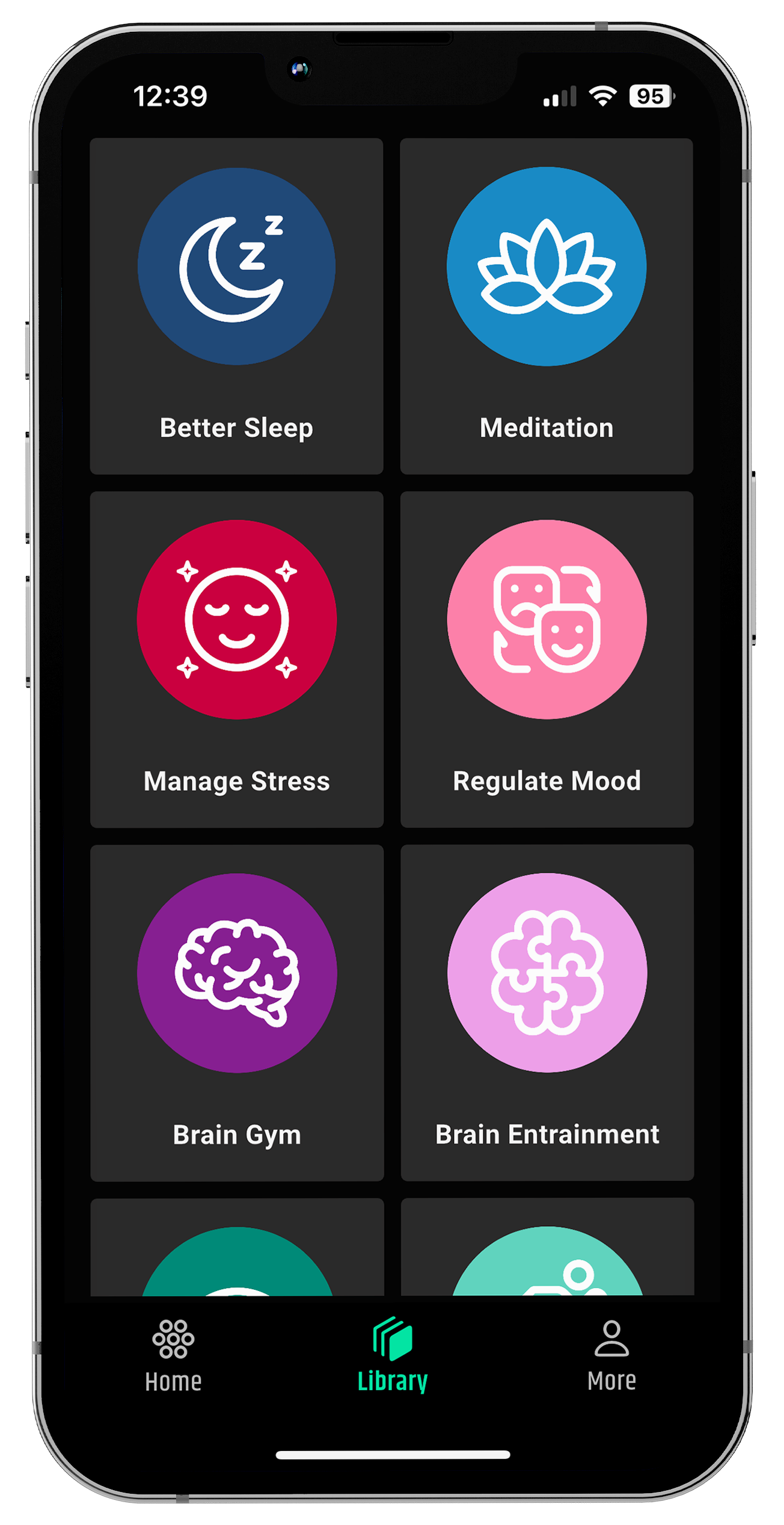
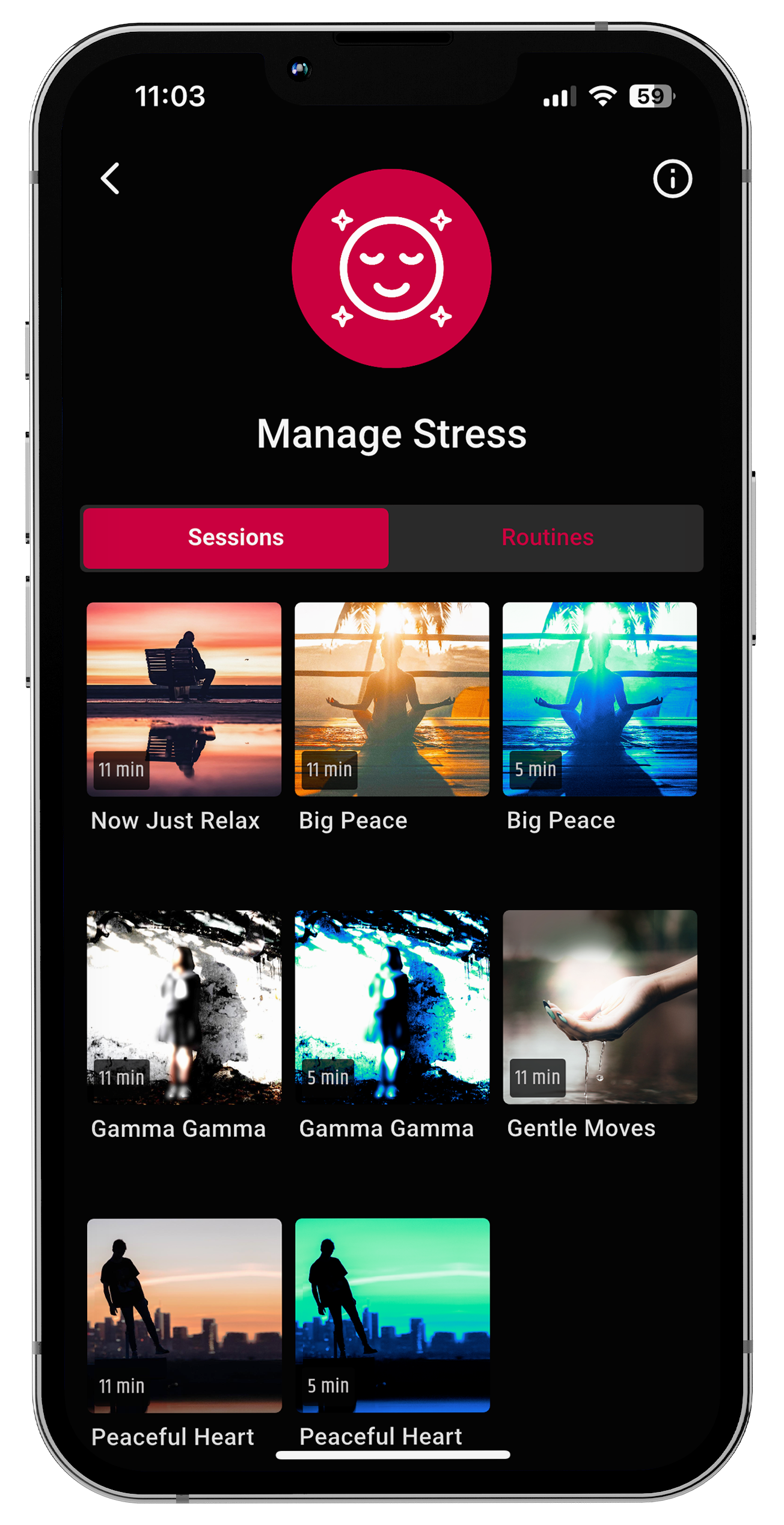
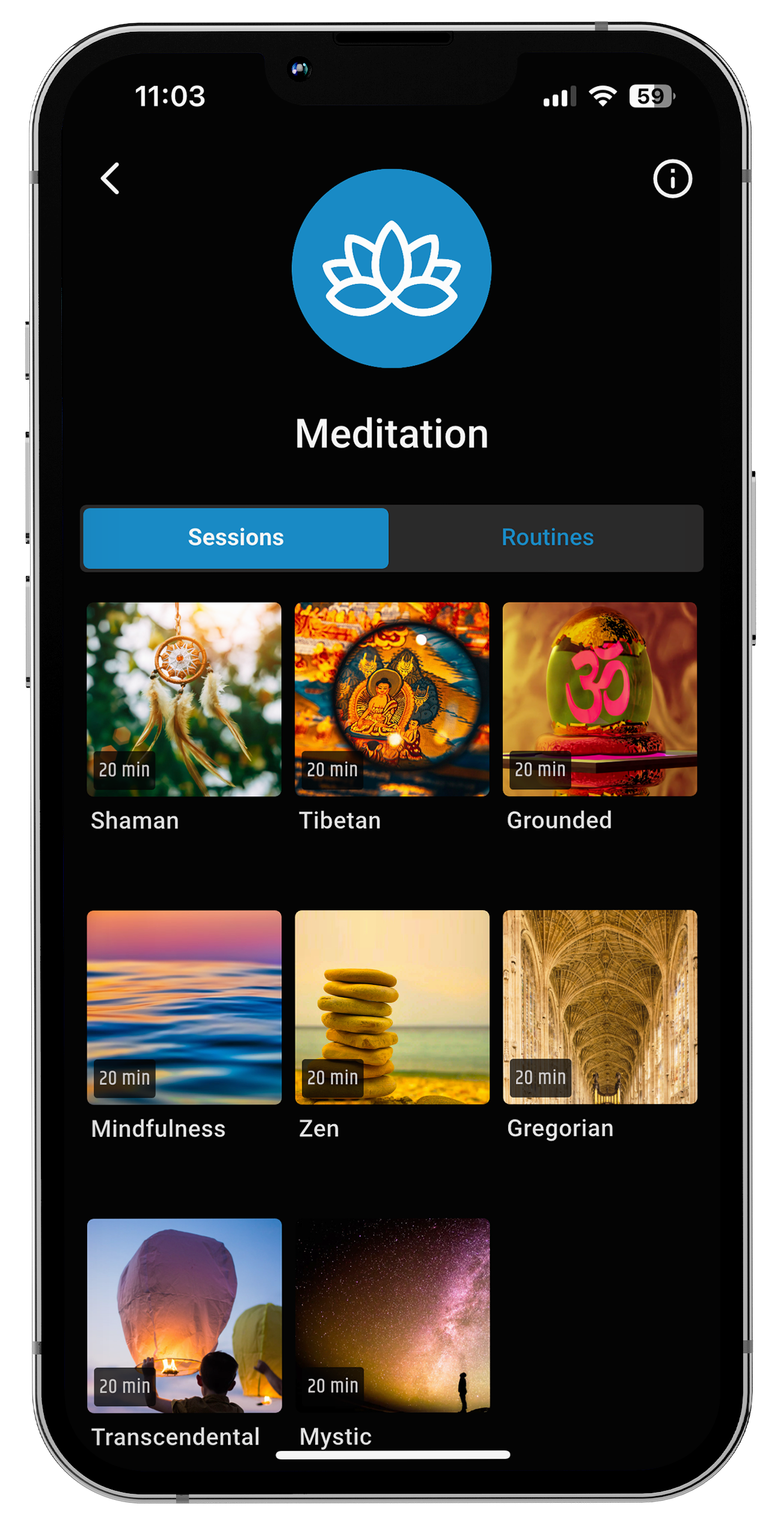
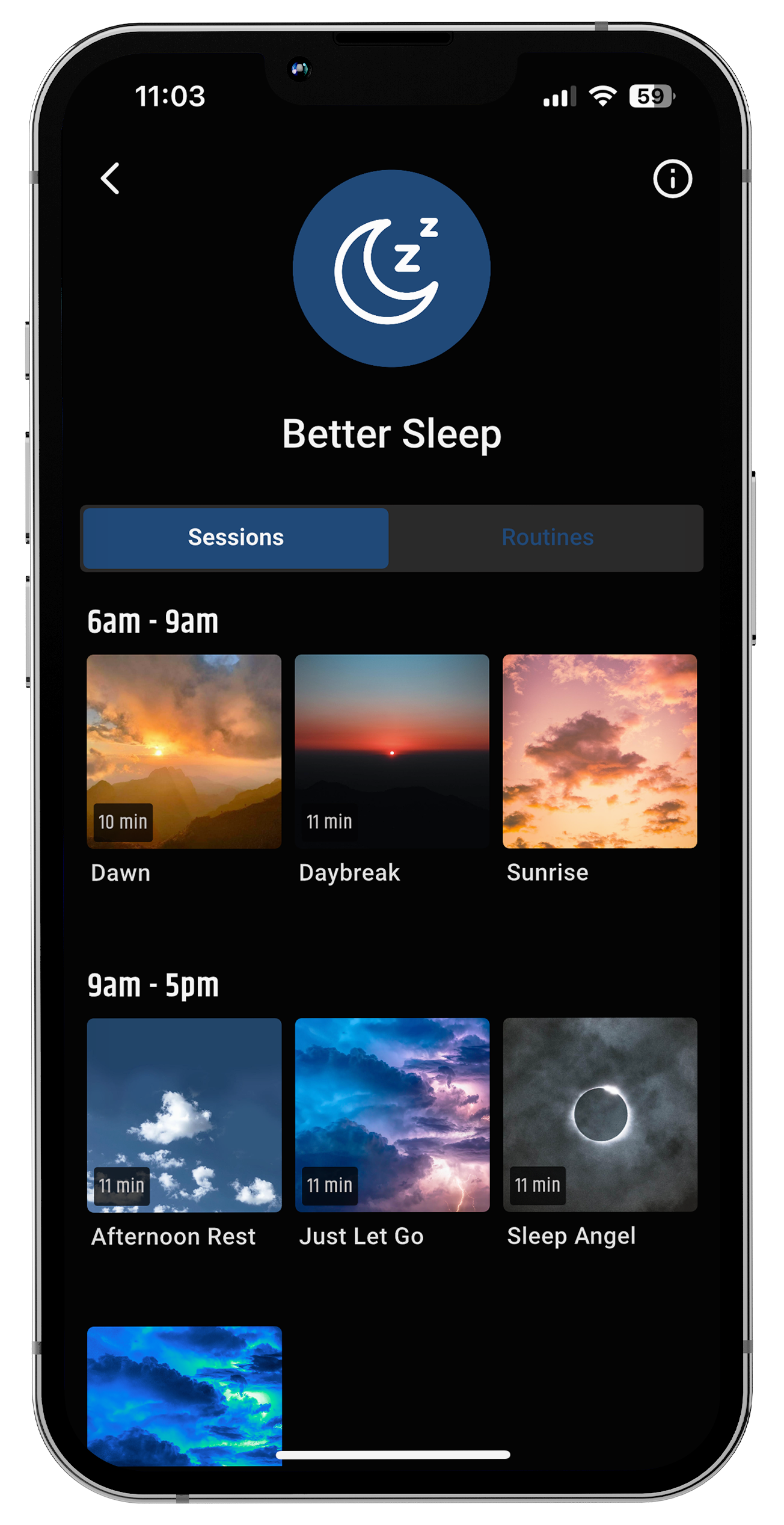
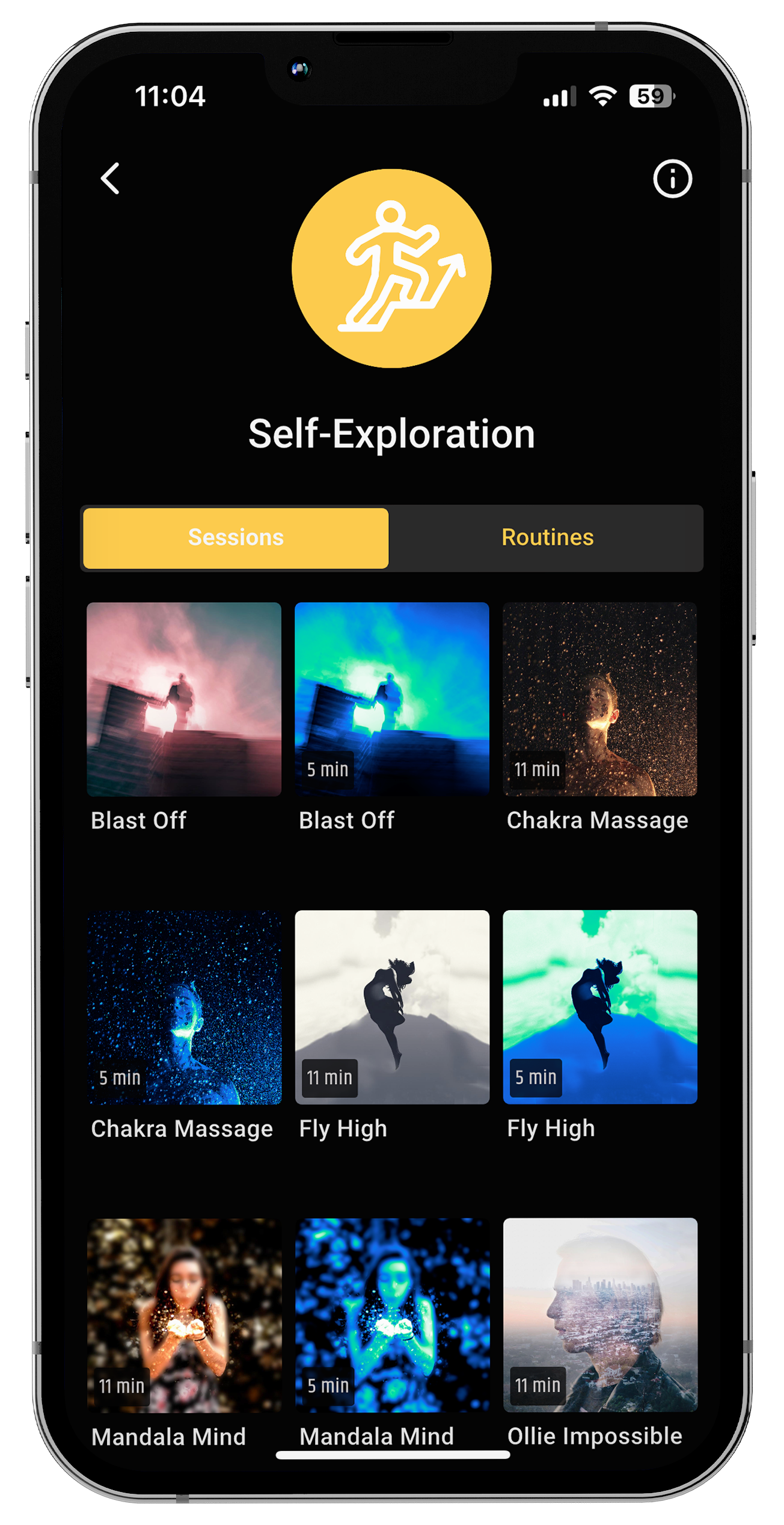
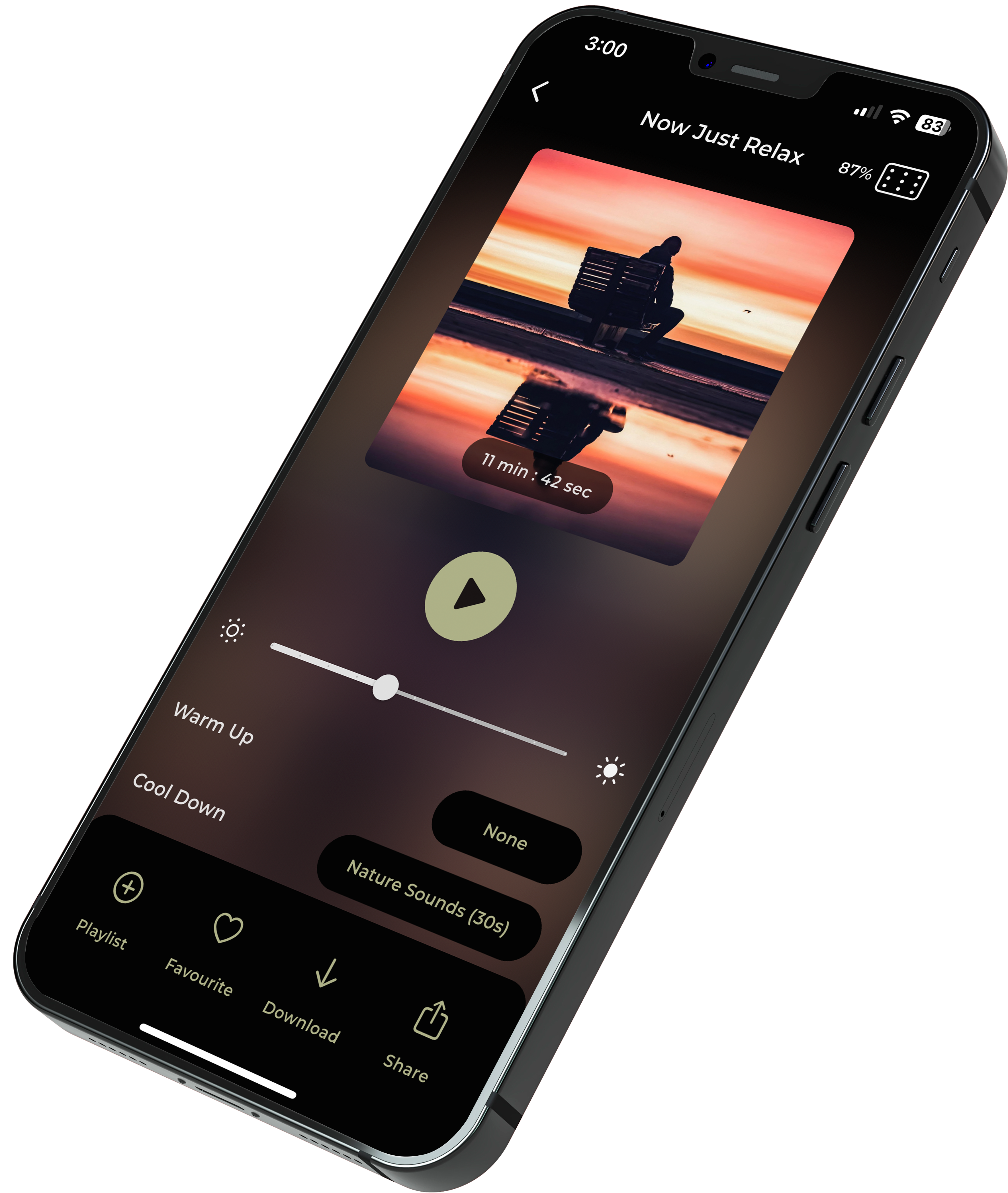
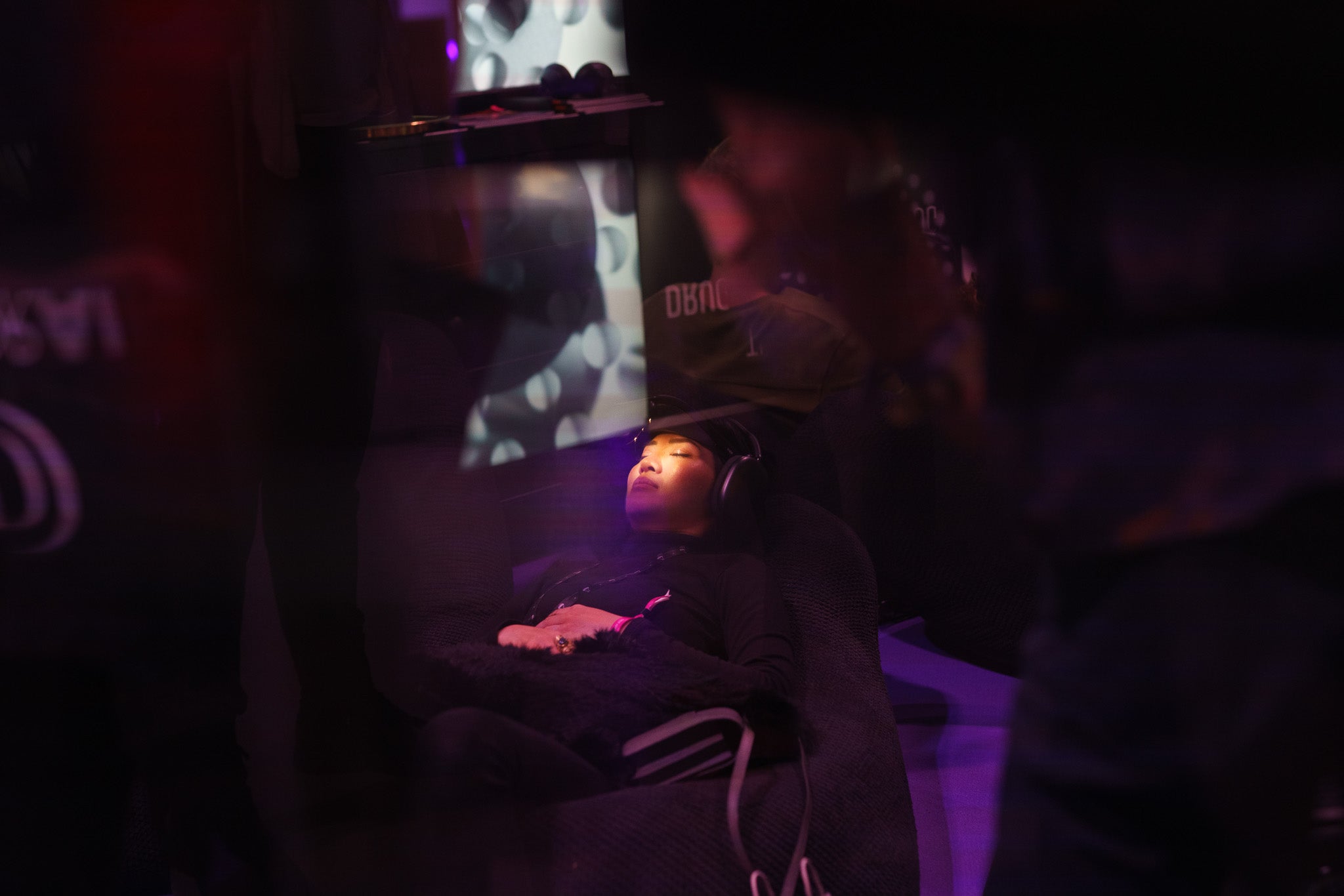
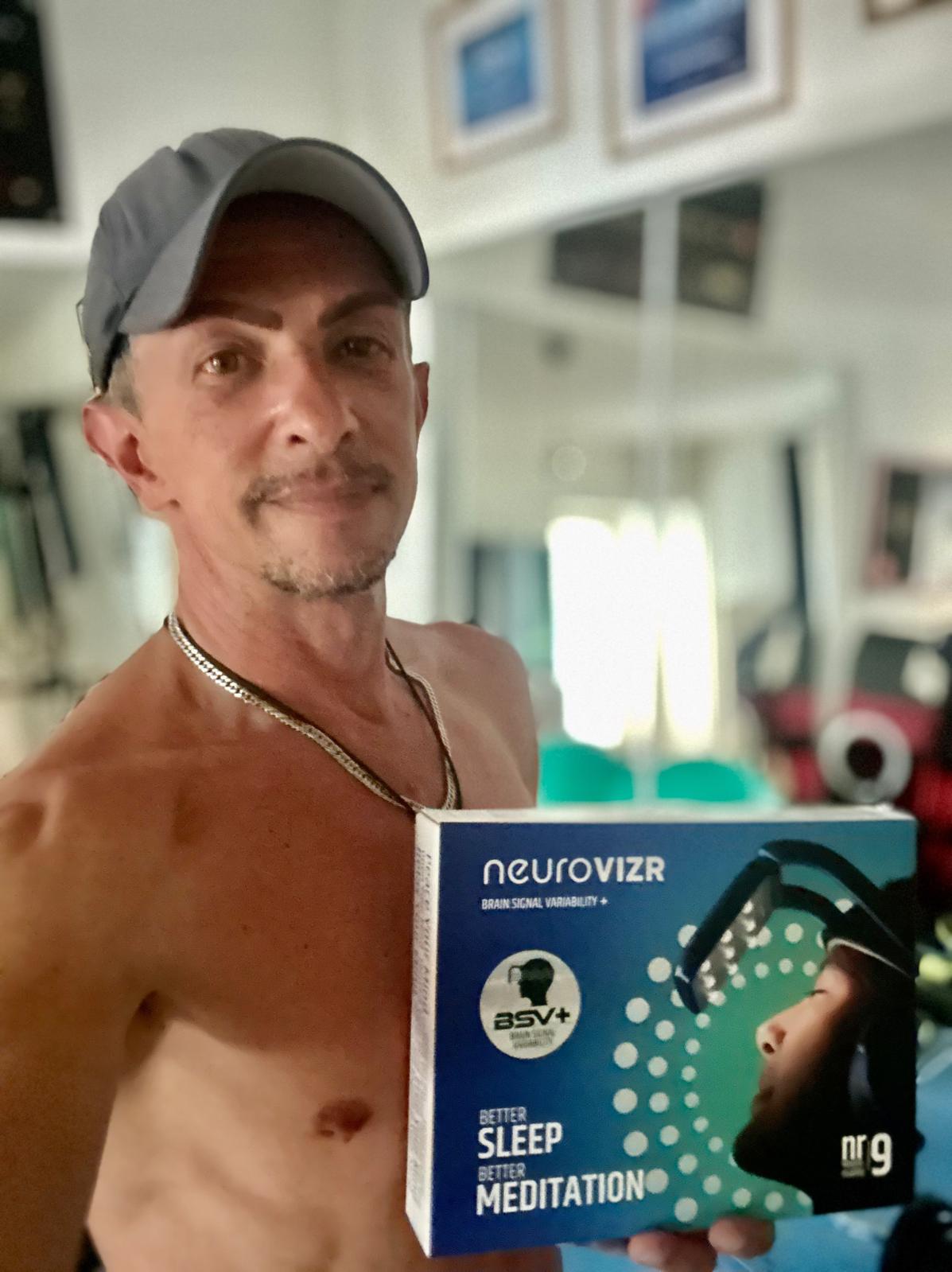
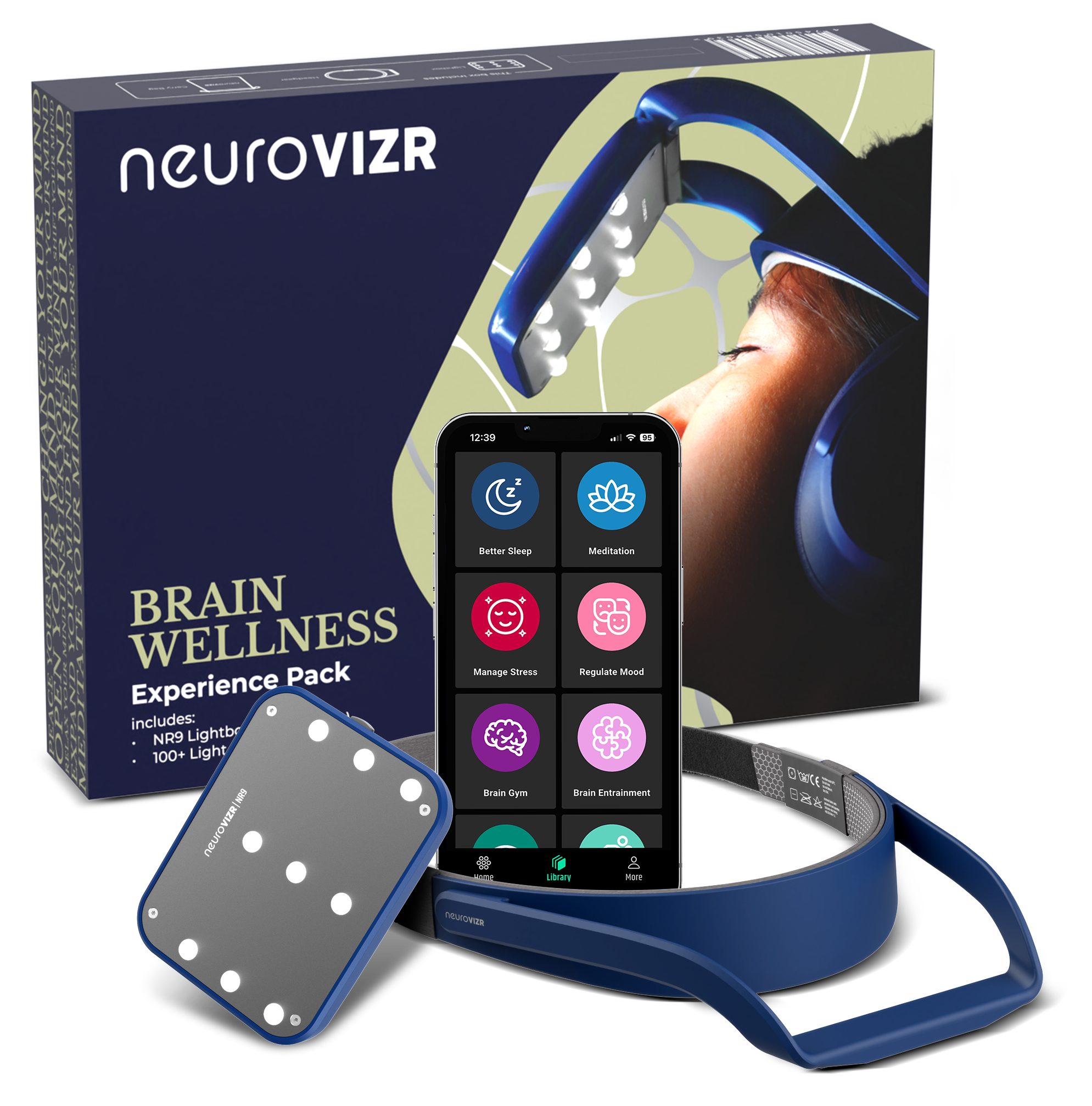
Devices that use rhythmic light and sound patterns, such as neuroVIZR, are designed to create calming environments that may help you unwind and step away from daily overstimulation. These experiences can be a helpful addition to relaxation routines.

How Long Do Caffeine Jitters Last?

The effects of caffeine can vary from person to person. In many cases, sensations begin to ease within a few hours, though some people may notice effects lasting longer depending on sensitivity and intake.

Giving your body time, along with supportive habits, is key to feeling better.

Ease the Rush and Find Your Balance

Caffeine can be helpful in moderation, but too much can sometimes feel overwhelming.

Simple steps like staying hydrated, moving gently, and taking time to relax can help restore a sense of balance.

For those who often experience mental overload  whether from caffeine or a busy lifestyle building a consistent relaxation routine can make a meaningful difference. Tools that support calming sensory experiences, like neuroVIZR, can be part of that routine, helping you create moments of calm whenever you need them.

Frequently Asked Questions (FAQs)

How can I calm caffeine jitters quickly?

You can try drinking water, eating something light, practicing deep breathing, and resting in a calm environment to help your body settle.

Can caffeine jitters go away on their own?

Yes, they are usually temporary and tend to ease as your body processes caffeine over time.

Is it better to sleep or stay active during jitters?

Gentle movement like walking can help, but resting in a calm space may also support relaxation. Choose what feels most comfortable for your body.

Can relaxation routines help with caffeine overstimulation?

Yes, calming activities such as breathing exercises, quiet time, or sensory relaxation experiences may help you feel more balanced.

Disclaimer

neuroVIZR is a wellness device created to support relaxation, focus, and overall mental wellness. It is not a medical device and is not intended to diagnose, treat, cure, or prevent any condition. Not suitable for individuals with epilepsy. Experiences may vary.

Caffeine often feels like a daily essential  helping you stay alert during early mornings and busy schedules.

But sometimes, too much caffeine can leave you feeling restless, shaky, and overwhelmed. If your energy suddenly feels uncomfortable instead of productive, you may be experiencing caffeine jitters.

The good news? There are simple, natural ways to help your body return to a calmer state.

What Are Caffeine Jitters?

Caffeine jitters are the uncomfortable sensations that can happen after consuming more caffeine than your body can comfortably handle.

This may include feelings of restlessness, shakiness, or heightened alertness that becomes difficult to manage. Everyone responds differently, but it’s often a sign that your body is temporarily overstimulated.

Common Signs of Caffeine Jitters

You might notice one or more of the following:

  • Shaky hands or general restlessness

  • Feeling uneasy or overly alert

  • Faster-than-usual heartbeat

  • Difficulty relaxing or sleeping

  • Lightheadedness or mild discomfort

  • Upset stomach

  • Increased sweating

  • Irritability or difficulty focusing

These sensations are usually temporary and tend to ease as your body processes caffeine.

How to Get Rid of Caffeine Jitters Fast

While caffeine naturally wears off over time, these simple strategies may help you feel more balanced sooner:

1. Stop Further Caffeine Intake

Avoid consuming additional caffeine from coffee, tea, energy drinks, or chocolate. This gives your body space to gradually return to its normal rhythm.

2. Stay Hydrated

Drinking water can help you feel more refreshed and balanced. Sip water slowly over time to support overall comfort.

3. Eat Something Nourishing

Having a light meal or snack can help you feel more grounded. Foods with fiber, protein, or healthy fats  such as fruits, nuts, or whole grains  are good options.

4. Try Gentle Movement

Light physical activity like walking or stretching can help release restlessness and promote a more relaxed state.

Avoid intense workouts if you already feel overstimulated  gentle movement works best.

5. Practice Deep Breathing

Slow, steady breathing can help bring your body into a calmer rhythm.

Try this simple technique:

  • Inhale slowly through your nose

  • Hold briefly

  • Exhale gently through your mouth

Repeat for a few minutes until you feel more at ease.

6. Create a Calm Environment

Taking a short break in a quiet, low-light space can help reduce sensory overload and support relaxation.

7. Enjoy Caffeine-Free Herbal Drinks

Herbal teas like chamomile or peppermint can be a soothing option when you want something warm without added stimulation.

8. Use Sensory Relaxation Tools

Some people find it helpful to use wellness tools that create immersive sensory experiences.

Devices that use rhythmic light and sound patterns, such as neuroVIZR, are designed to create calming environments that may help you unwind and step away from daily overstimulation. These experiences can be a helpful addition to relaxation routines.

How Long Do Caffeine Jitters Last?

The effects of caffeine can vary from person to person. In many cases, sensations begin to ease within a few hours, though some people may notice effects lasting longer depending on sensitivity and intake.

Giving your body time, along with supportive habits, is key to feeling better.

Ease the Rush and Find Your Balance

Caffeine can be helpful in moderation, but too much can sometimes feel overwhelming.

Simple steps like staying hydrated, moving gently, and taking time to relax can help restore a sense of balance.

For those who often experience mental overload  whether from caffeine or a busy lifestyle building a consistent relaxation routine can make a meaningful difference. Tools that support calming sensory experiences, like neuroVIZR, can be part of that routine, helping you create moments of calm whenever you need them.

Frequently Asked Questions (FAQs)

How can I calm caffeine jitters quickly?

You can try drinking water, eating something light, practicing deep breathing, and resting in a calm environment to help your body settle.

Can caffeine jitters go away on their own?

Yes, they are usually temporary and tend to ease as your body processes caffeine over time.

Is it better to sleep or stay active during jitters?

Gentle movement like walking can help, but resting in a calm space may also support relaxation. Choose what feels most comfortable for your body.

Can relaxation routines help with caffeine overstimulation?

Yes, calming activities such as breathing exercises, quiet time, or sensory relaxation experiences may help you feel more balanced.

Enhance Your Mental Clarity With neuroVIZR