

How to Regulate Nervous System Naturally: 8 Science-Backed Tips
  • Written by Gourav Rathore

How to Support Relaxation Naturally: 8 Simple Ways

Disclaimer

This content is for informational purposes only and does not constitute medical advice. neuroVIZR is a wellness device designed to support relaxation, focus, and overall well-being. It is not intended to diagnose, treat, cure, or prevent any medical condition. Individual experiences may vary.

Stress is a part of everyday life but staying in a constant state of overwhelm doesn’t have to be.

Whether you’re dealing with a busy schedule, mental fatigue, or emotional pressure, building simple daily habits can help you feel more balanced, calm, and present.

In this guide, we’ll explore 8 practical and natural ways to support relaxation, combining timeless techniques with modern sensory tools like neuroVIZR.

Understanding Your Body’s Natural Response to Stress

Your body is constantly responding to your environment, thoughts, and daily habits.

Sometimes you may feel:

  • Restless or overstimulated

  • Mentally drained

  • Low on focus or clarity

These experiences are common in fast-paced lifestyles. The goal is not to eliminate stress completely, but to create regular moments of calm and reset throughout your day.

8 Simple Ways to Support Relaxation Naturally

1. Breathe with Intention

Your breath is one of the easiest ways to create a sense of calm.

Try a simple breathing rhythm:

  • Inhale for 4 seconds

  • Hold for 4 seconds

  • Exhale for 4 seconds

  • Pause for 4 seconds

Repeating this for a few minutes may help you feel more grounded and centered, especially during busy moments.

2. Add Gentle, Rhythmic Movement

Movement can help shift your energy and create a calming rhythm.

You can try:

  • Walking

  • Stretching

  • Yoga

  • Light dancing

Even 15–20 minutes a day can help you feel more relaxed and refreshed.

3. Spend Time in Natural Environments

Nature offers a simple way to slow down and reset.

Consider:

  • Sitting in sunlight

  • Walking in a park

  • Spending quiet time outdoors

These small moments can help you disconnect from daily noise and reconnect with a calmer state of mind.

4. Be Mindful of What You Consume

Your daily habits, including food and drinks, can influence how you feel.

To support a balanced routine:

  • Stay hydrated

  • Choose whole, nourishing foods

  • Limit excessive caffeine or sugar

Small adjustments can make a noticeable difference in your overall energy and mood.

5. Prioritize Rest and Sleep Routines

Quality rest plays a key role in how you feel throughout the day.

Helpful habits include:

  • Keeping a consistent sleep schedule

  • Reducing screen time before bed

  • Creating a calm nighttime routine

A restful environment can support deeper relaxation and better recovery.

6. Explore Sensory Light & Sound Experiences

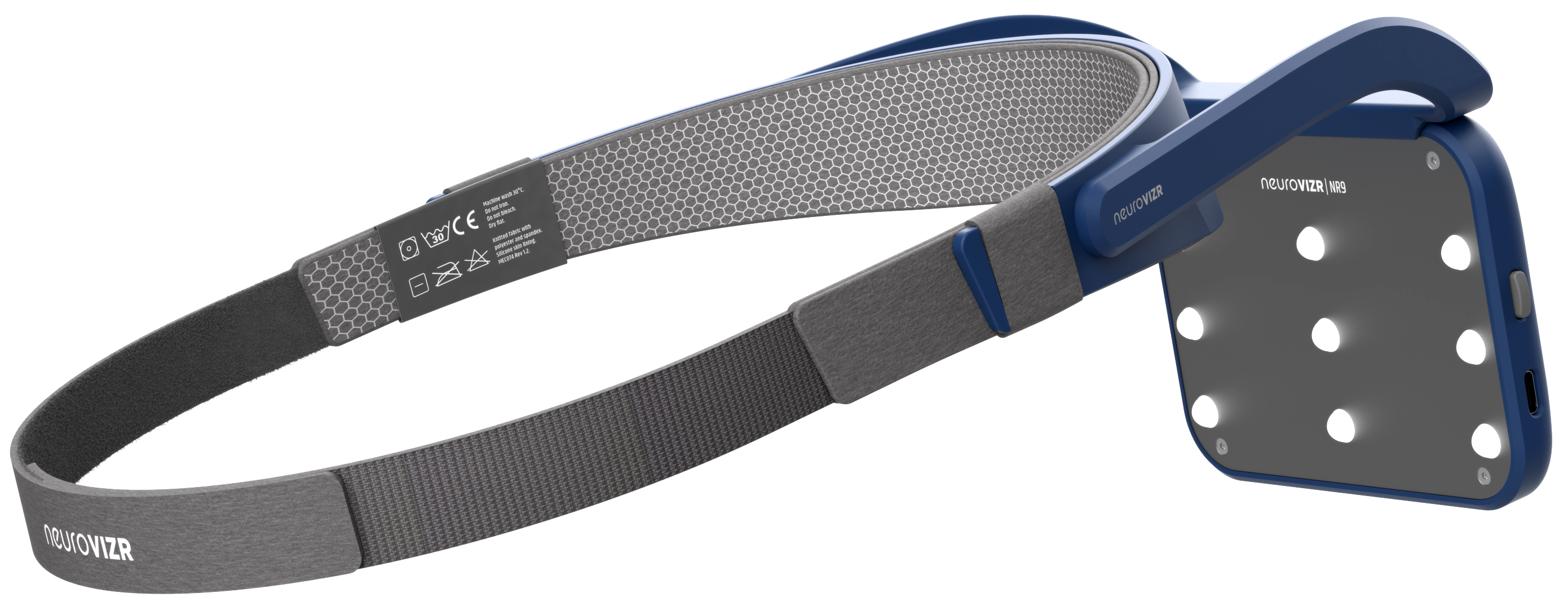
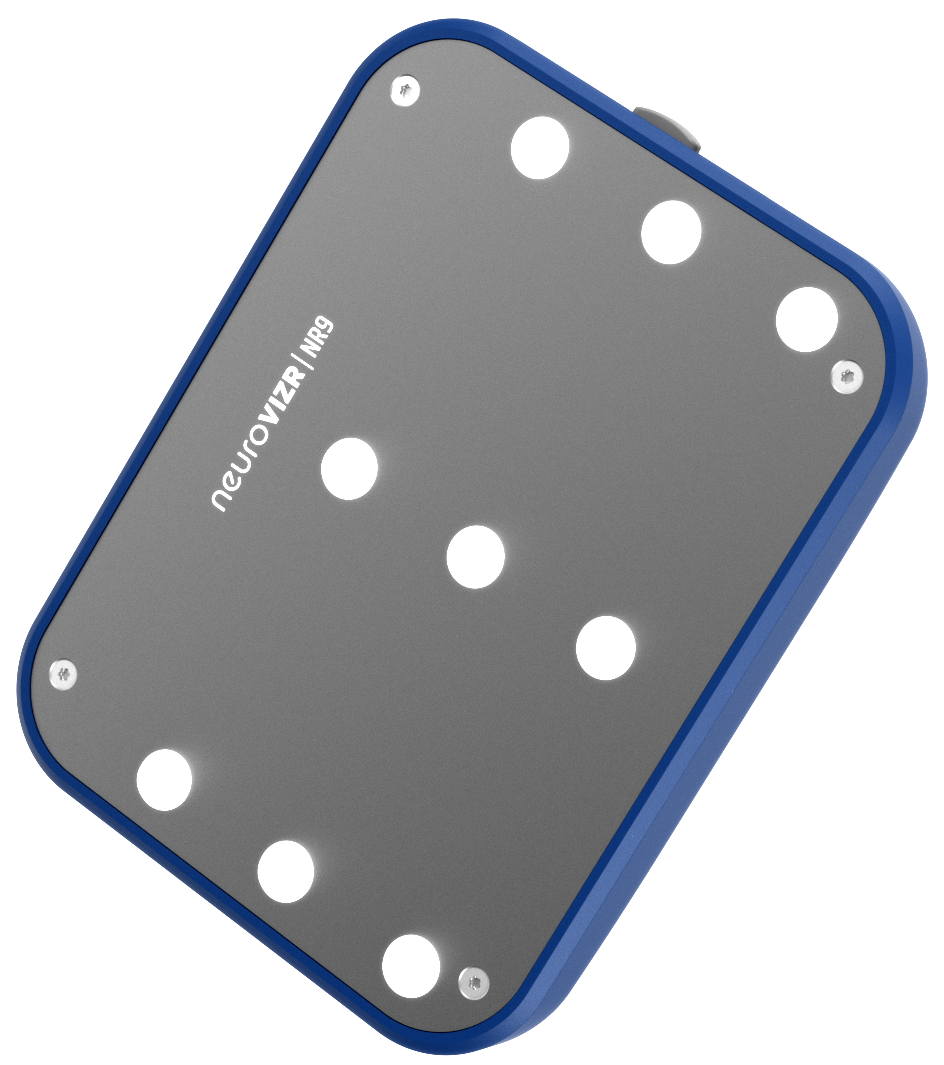
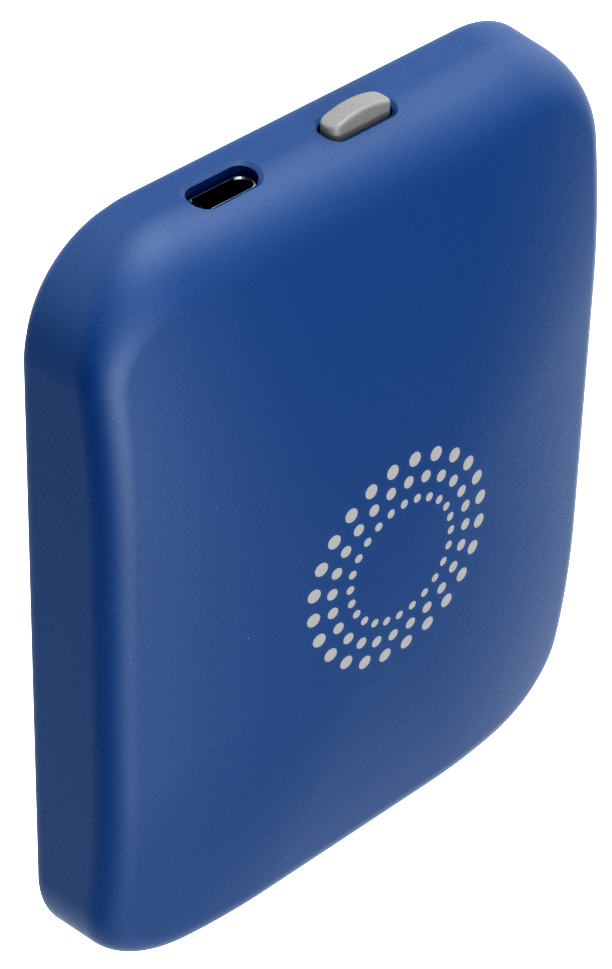
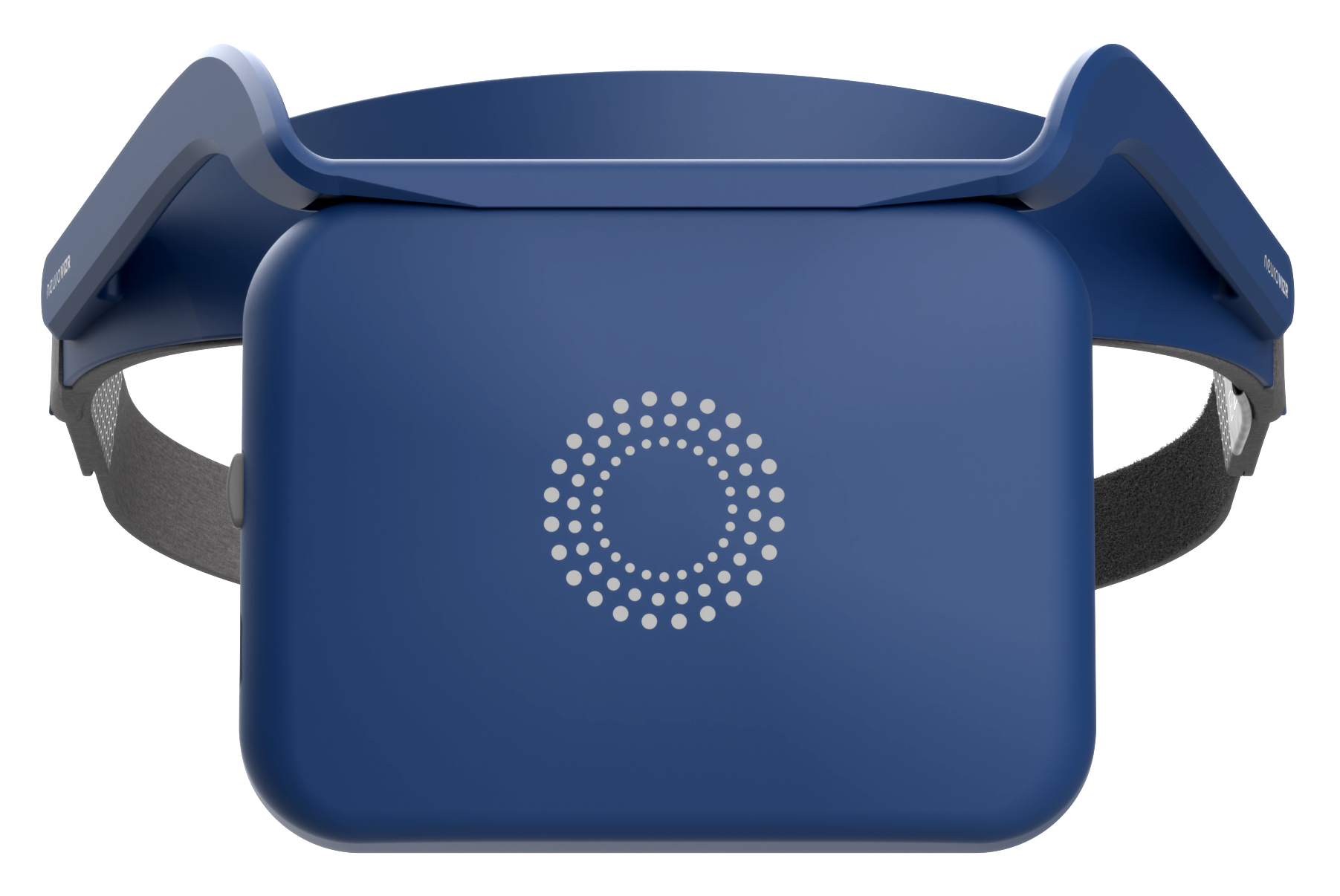
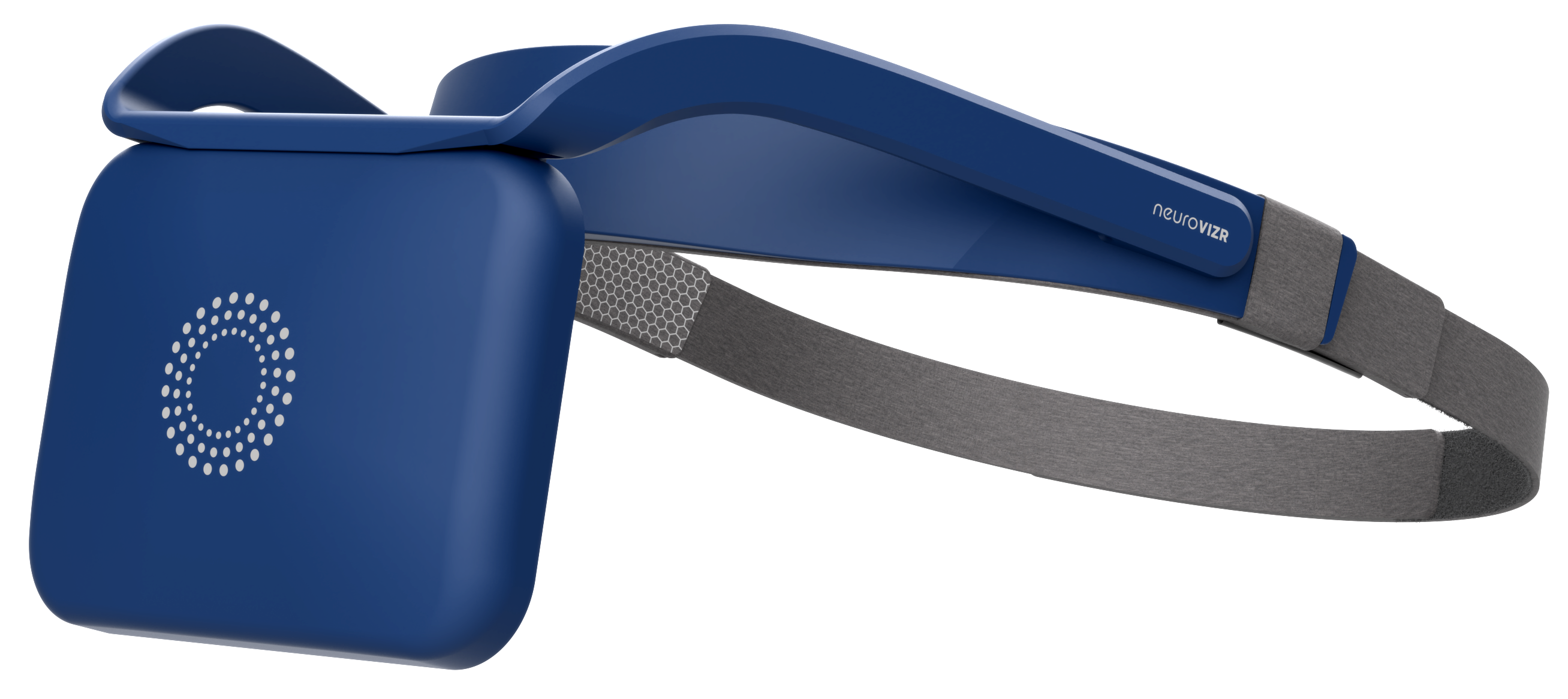
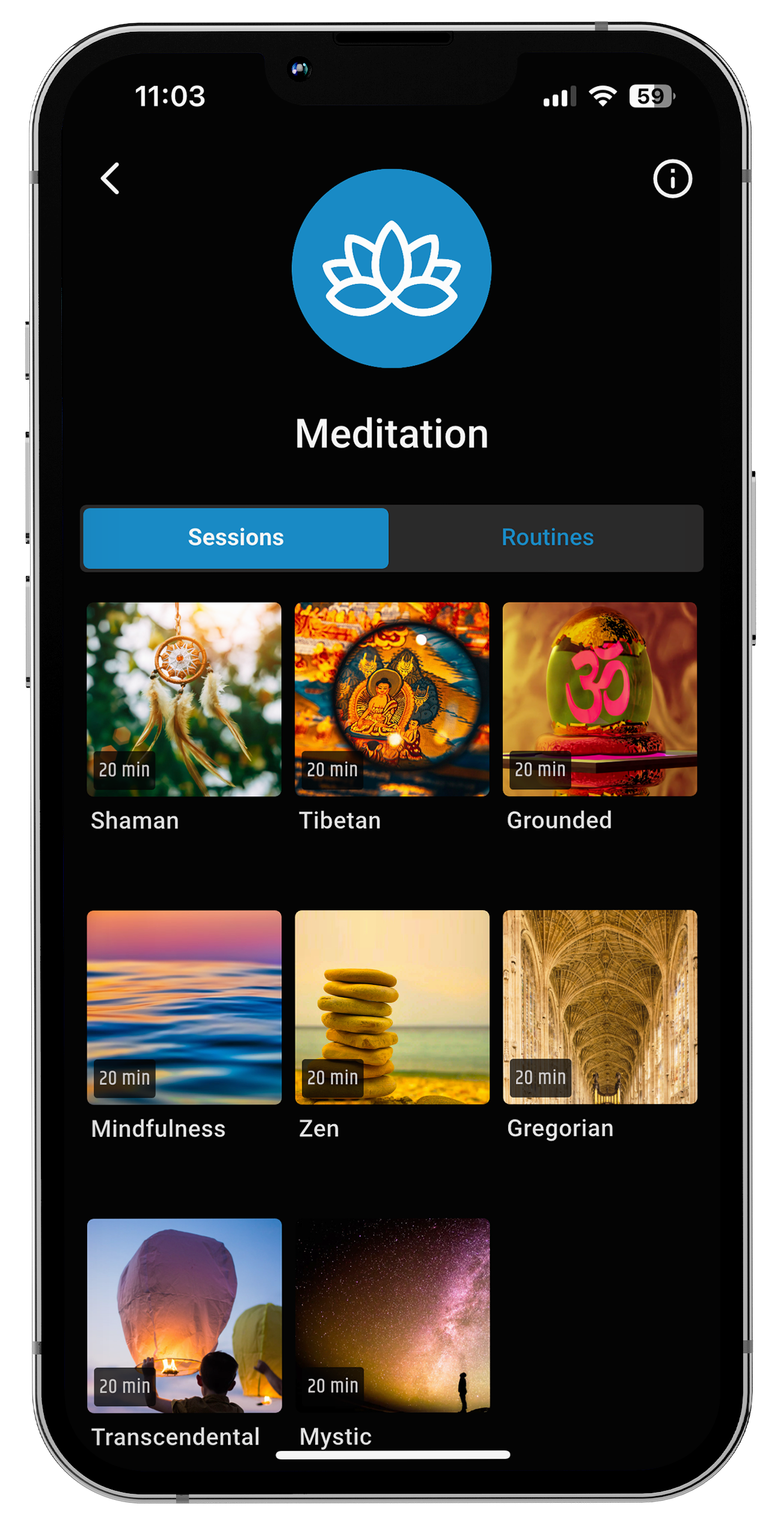
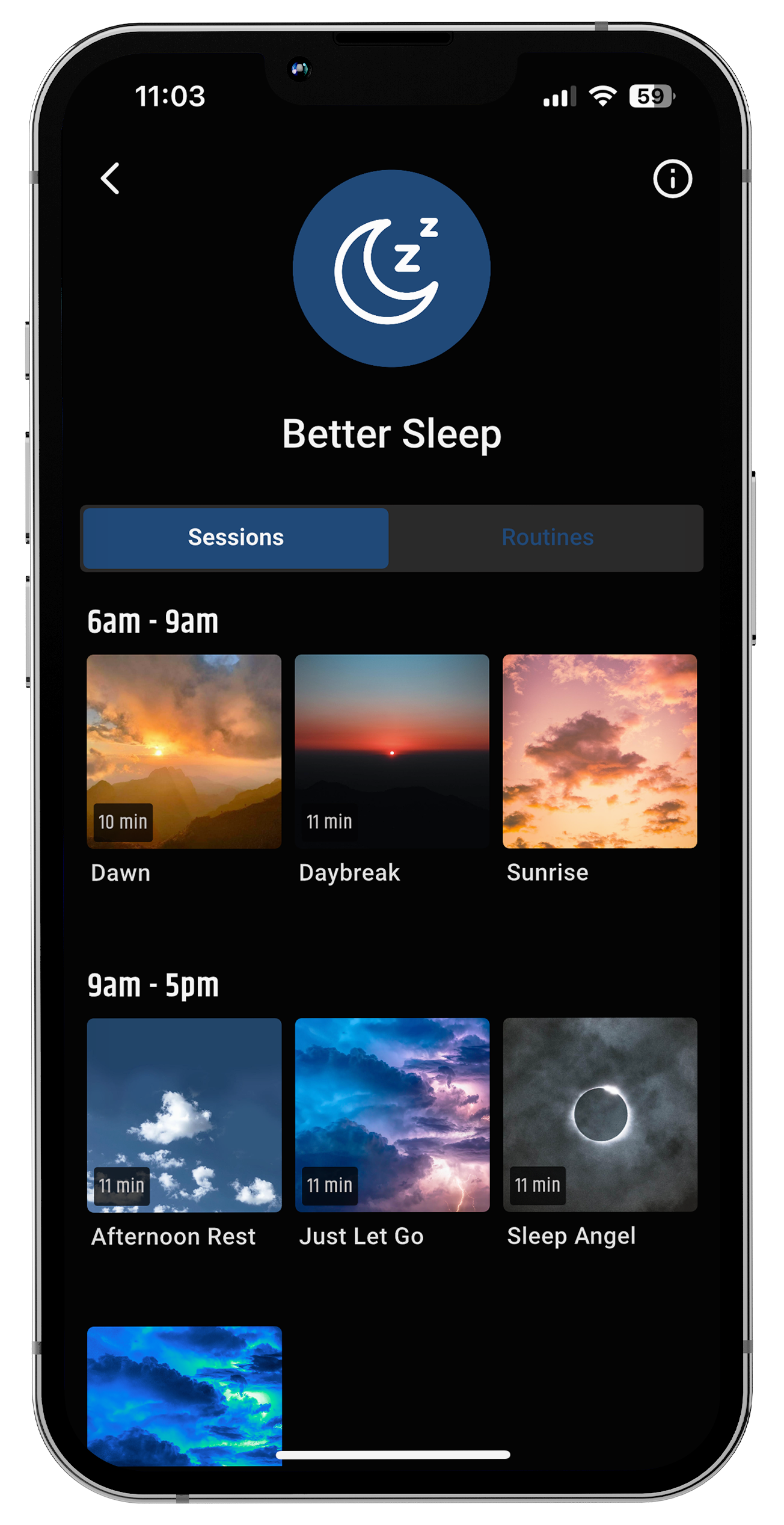
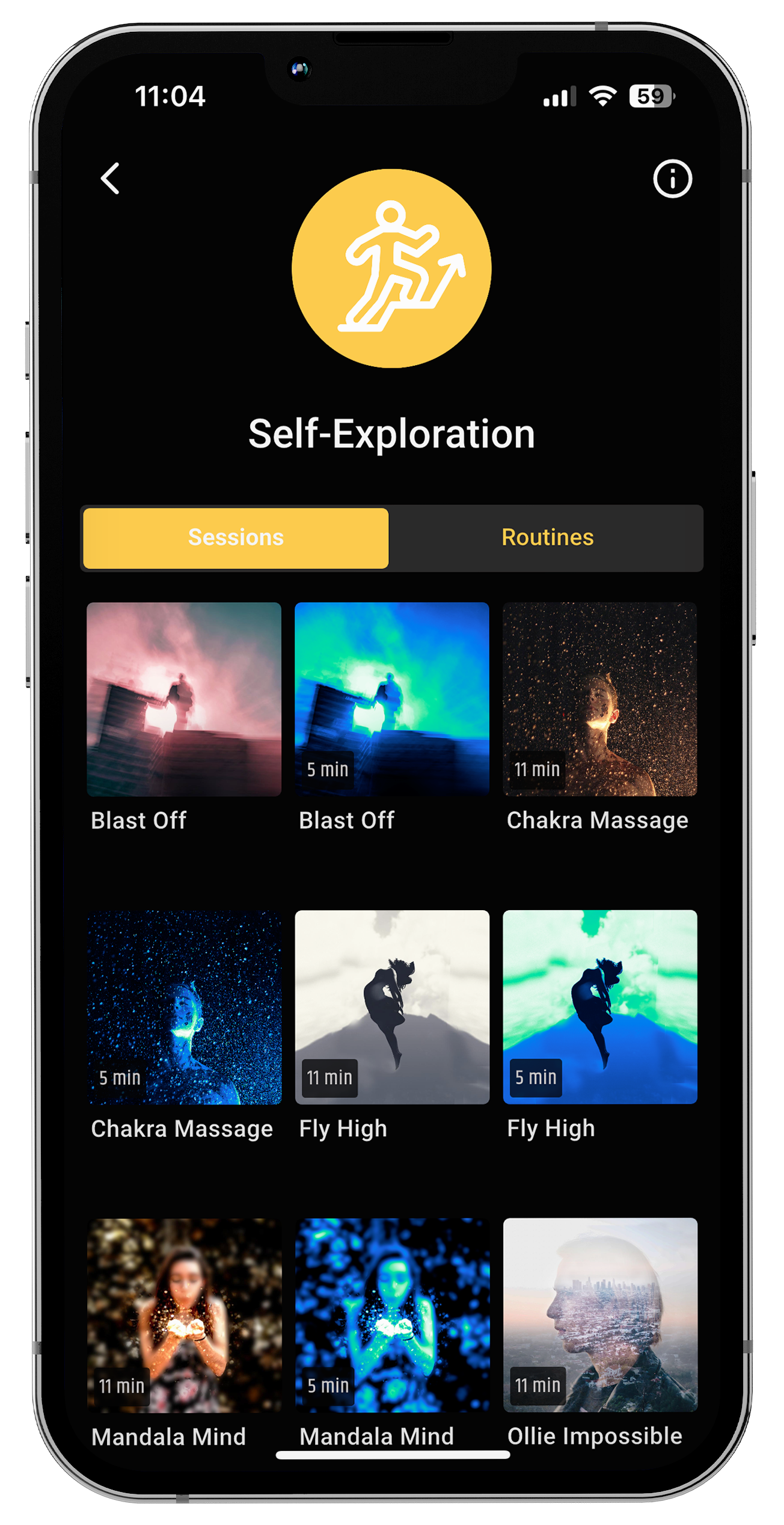
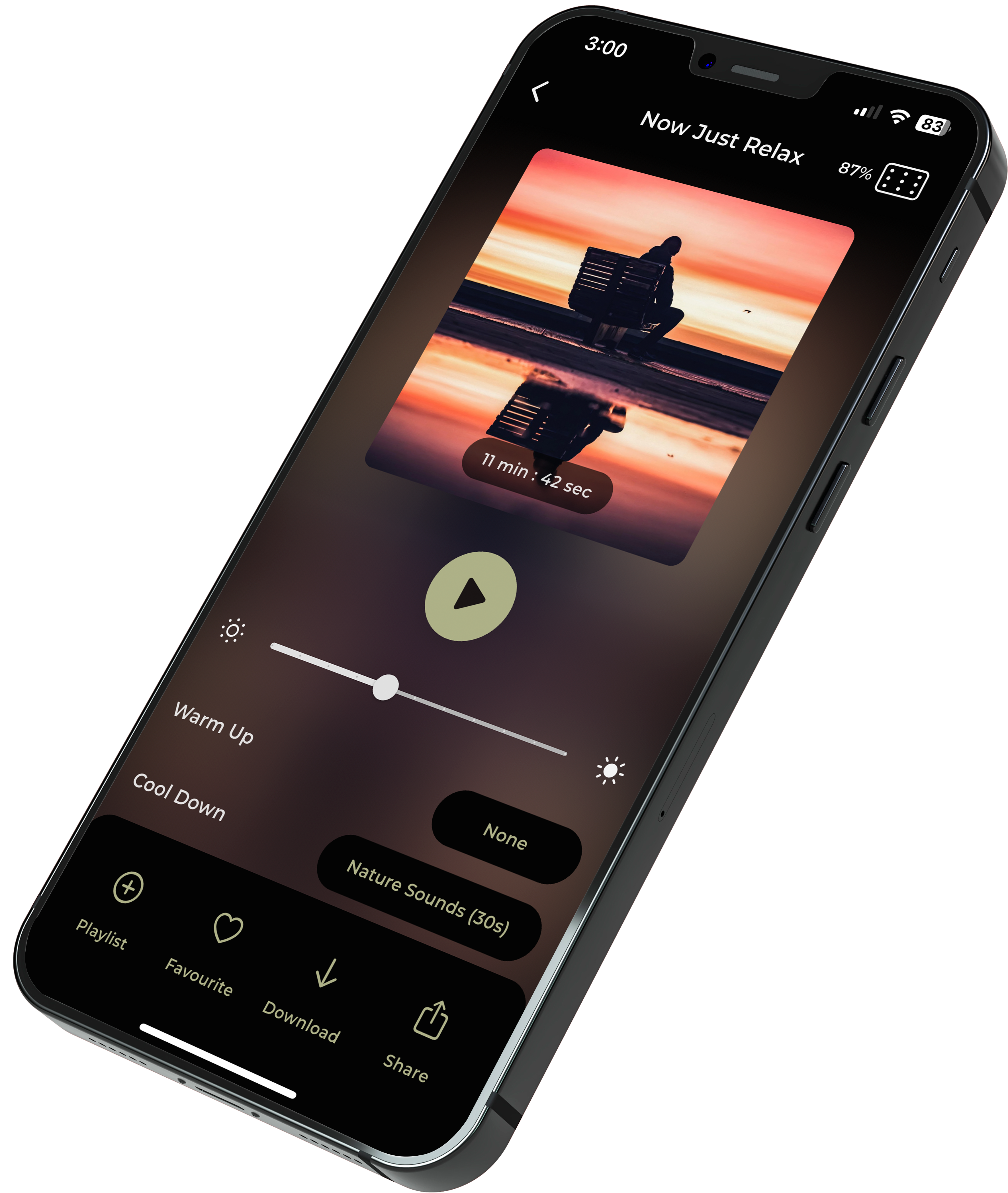
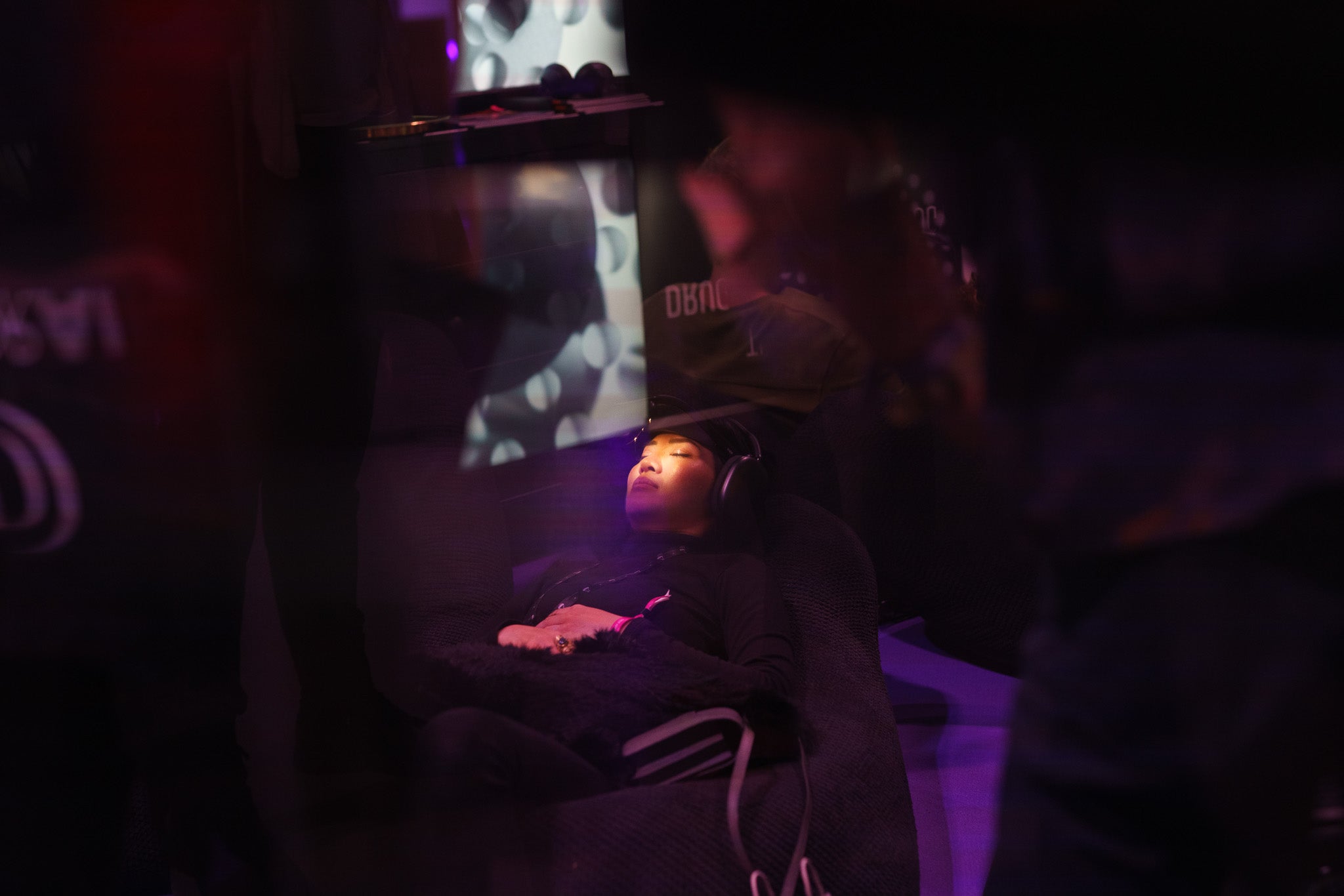
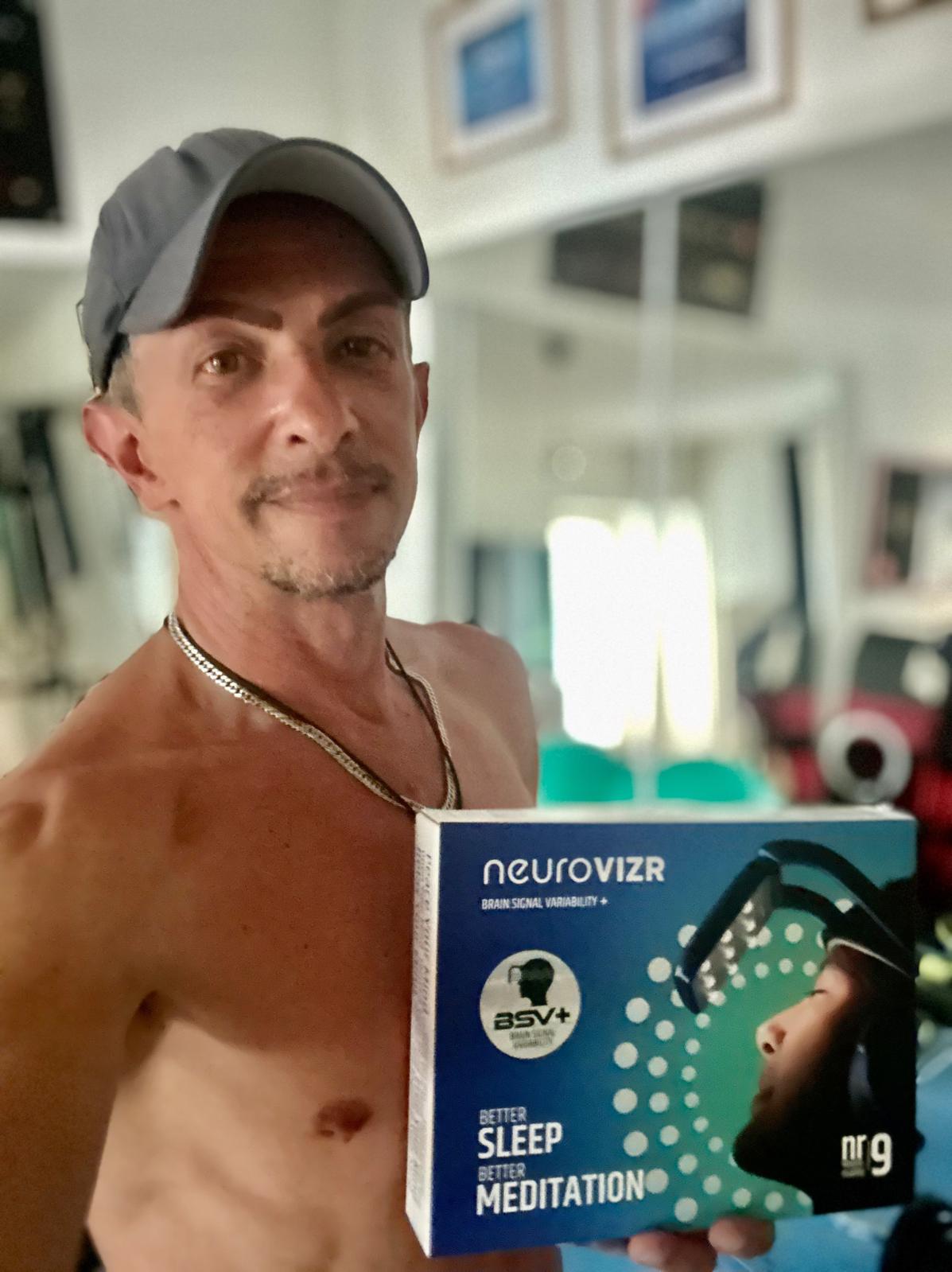
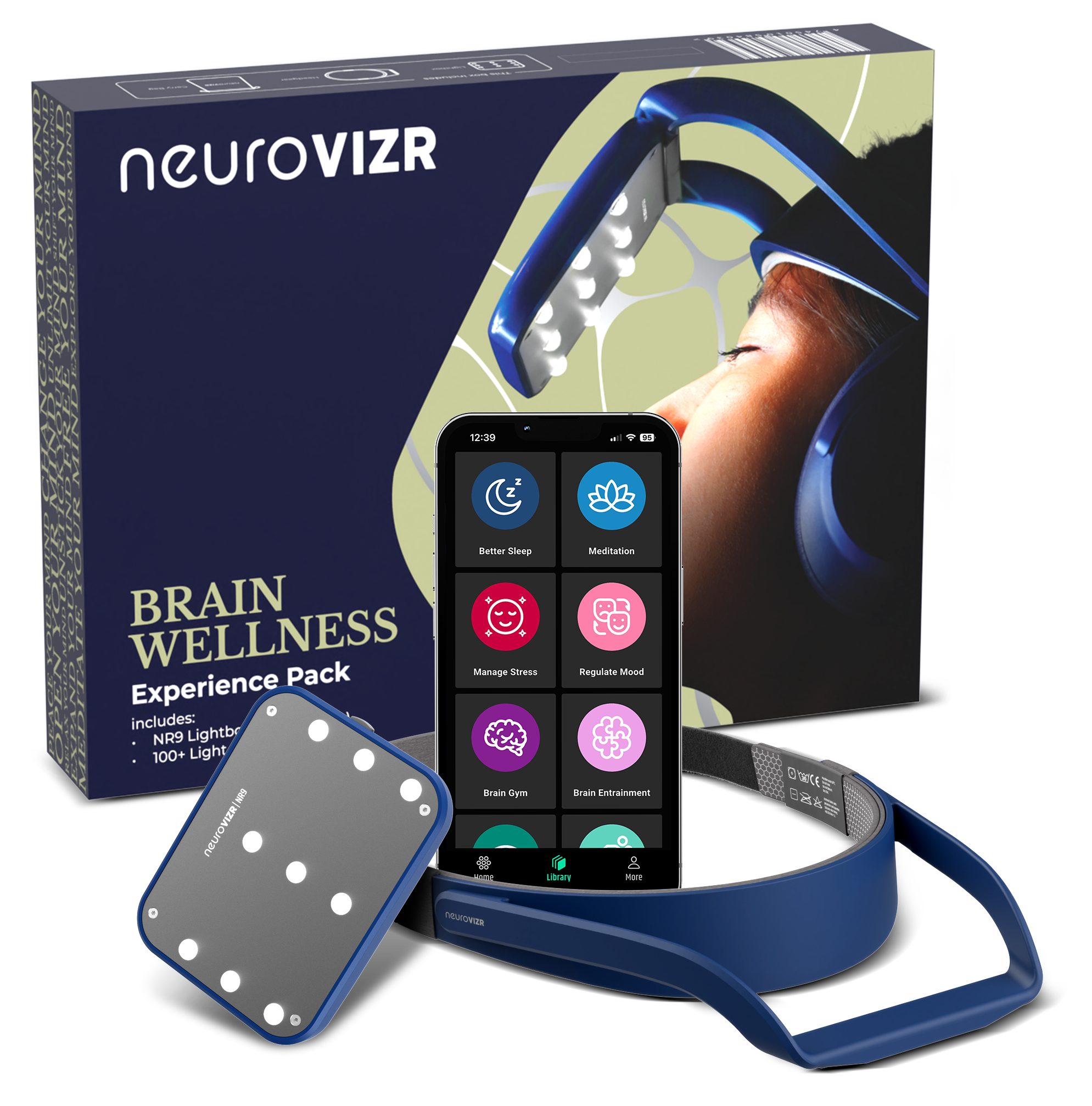
Modern wellness tools like neuroVIZR offer a new way to unwind.

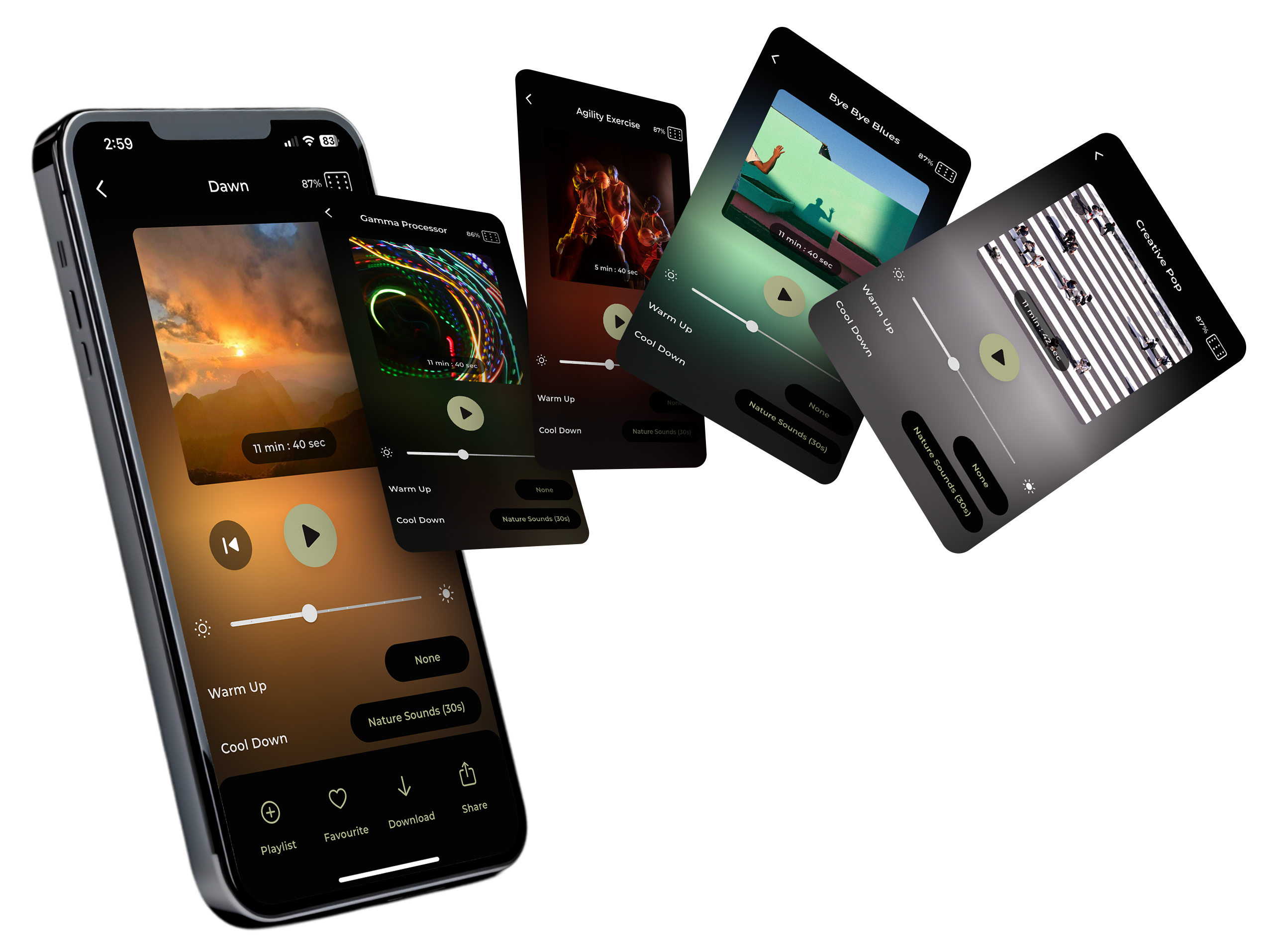
Devices that use rhythmic light and sound patterns, such as neuroVIZR, create immersive sensory experiences often associated with relaxation and focused attention.

These tools are designed to:

  • Help you step away from daily overstimulation

  • Create moments of calm

  • Support mindfulness and relaxation routines

They can be especially helpful if you find it difficult to switch off or relax through traditional methods.

7. Try Contrast Showers

Alternating between warm and cool water during a shower can feel refreshing and energizing.

You can start with:

  • Warm water for a few minutes

  • Followed by 20–30 seconds of cool water

This simple practice may help you feel more alert and balanced.

8. Stay Connected and Create Positive Moments

Human connection plays an important role in how we feel.

Simple actions like:

  • Talking to a friend

  • Spending time with loved ones

  • Engaging in meaningful conversations

can help create a sense of comfort and emotional balance.

Creating a Daily Relaxation Routine

You don’t need to do everything at once.

Start small:

  • Choose 1–2 habits

  • Practice them daily

  • Build consistency over time

Over time, these small steps can support a more relaxed and balanced lifestyle.

Final Thoughts

Supporting relaxation doesn’t have to be complicated.

By combining simple daily habits with modern sensory tools like neuroVIZR, you can create moments of calm, improve focus, and feel more balanced throughout your day.

Start small, stay consistent, and build a routine that works for you.

Frequently Asked Questions (FAQ)

How can I feel more relaxed naturally?

Simple habits like mindful breathing, gentle movement, and spending time in calming environments may help support relaxation in daily life.

Do sensory light and sound tools help with relaxation?

Sensory tools that use rhythmic light and sound patterns can create immersive experiences often associated with calm and focused attention.

How long does it take to feel more balanced?

It varies from person to person. Some people notice changes quickly, while others benefit from consistent daily routines over time.

Can I combine multiple relaxation techniques?

Yes, combining different approaches like movement, breathing, and sensory experiences can help create a more personalized routine.

Disclaimer

This content is for informational purposes only and does not constitute medical advice. neuroVIZR is a wellness device designed to support relaxation, focus, and overall well-being. It is not intended to diagnose, treat, cure, or prevent any medical condition. Individual experiences may vary.

Stress is a part of everyday life but staying in a constant state of overwhelm doesn’t have to be.

Whether you’re dealing with a busy schedule, mental fatigue, or emotional pressure, building simple daily habits can help you feel more balanced, calm, and present.

In this guide, we’ll explore 8 practical and natural ways to support relaxation, combining timeless techniques with modern sensory tools like neuroVIZR.

Understanding Your Body’s Natural Response to Stress

Your body is constantly responding to your environment, thoughts, and daily habits.

Sometimes you may feel:

  • Restless or overstimulated

  • Mentally drained

  • Low on focus or clarity

These experiences are common in fast-paced lifestyles. The goal is not to eliminate stress completely, but to create regular moments of calm and reset throughout your day.

8 Simple Ways to Support Relaxation Naturally

1. Breathe with Intention

Your breath is one of the easiest ways to create a sense of calm.

Try a simple breathing rhythm:

  • Inhale for 4 seconds

  • Hold for 4 seconds

  • Exhale for 4 seconds

  • Pause for 4 seconds

Repeating this for a few minutes may help you feel more grounded and centered, especially during busy moments.

2. Add Gentle, Rhythmic Movement

Movement can help shift your energy and create a calming rhythm.

You can try:

  • Walking

  • Stretching

  • Yoga

  • Light dancing

Even 15–20 minutes a day can help you feel more relaxed and refreshed.

3. Spend Time in Natural Environments

Nature offers a simple way to slow down and reset.

Consider:

  • Sitting in sunlight

  • Walking in a park

  • Spending quiet time outdoors

These small moments can help you disconnect from daily noise and reconnect with a calmer state of mind.

4. Be Mindful of What You Consume

Your daily habits, including food and drinks, can influence how you feel.

To support a balanced routine:

  • Stay hydrated

  • Choose whole, nourishing foods

  • Limit excessive caffeine or sugar

Small adjustments can make a noticeable difference in your overall energy and mood.

5. Prioritize Rest and Sleep Routines

Quality rest plays a key role in how you feel throughout the day.

Helpful habits include:

  • Keeping a consistent sleep schedule

  • Reducing screen time before bed

  • Creating a calm nighttime routine

A restful environment can support deeper relaxation and better recovery.

6. Explore Sensory Light & Sound Experiences

Modern wellness tools like neuroVIZR offer a new way to unwind.

Devices that use rhythmic light and sound patterns, such as neuroVIZR, create immersive sensory experiences often associated with relaxation and focused attention.

These tools are designed to:

  • Help you step away from daily overstimulation

  • Create moments of calm

  • Support mindfulness and relaxation routines

They can be especially helpful if you find it difficult to switch off or relax through traditional methods.

7. Try Contrast Showers

Alternating between warm and cool water during a shower can feel refreshing and energizing.

You can start with:

  • Warm water for a few minutes

  • Followed by 20–30 seconds of cool water

This simple practice may help you feel more alert and balanced.

8. Stay Connected and Create Positive Moments

Human connection plays an important role in how we feel.

Simple actions like:

  • Talking to a friend

  • Spending time with loved ones

  • Engaging in meaningful conversations

can help create a sense of comfort and emotional balance.

Creating a Daily Relaxation Routine

You don’t need to do everything at once.

Start small:

  • Choose 1–2 habits

  • Practice them daily

  • Build consistency over time

Over time, these small steps can support a more relaxed and balanced lifestyle.

Final Thoughts

Supporting relaxation doesn’t have to be complicated.

By combining simple daily habits with modern sensory tools like neuroVIZR, you can create moments of calm, improve focus, and feel more balanced throughout your day.

Start small, stay consistent, and build a routine that works for you.

Frequently Asked Questions (FAQ)

How can I feel more relaxed naturally?

Simple habits like mindful breathing, gentle movement, and spending time in calming environments may help support relaxation in daily life.

Do sensory light and sound tools help with relaxation?

Sensory tools that use rhythmic light and sound patterns can create immersive experiences often associated with calm and focused attention.

How long does it take to feel more balanced?

It varies from person to person. Some people notice changes quickly, while others benefit from consistent daily routines over time.

Can I combine multiple relaxation techniques?

Yes, combining different approaches like movement, breathing, and sensory experiences can help create a more personalized routine.

Enhance Your Mental Clarity With neuroVIZR