
Disclaimer
This content is for informational purposes only and does not constitute medical advice.
Most HR teams already support employee wellbeing through fitness perks, healthy snacks, and wellness sessions. But in today’s fast-paced work environment, another factor plays a major role in performance: daily mental clarity, focus, and relaxation.
- If your team feels busy but distracted,
- If decision-making seems slower than usual,
- If energy drops during the day,
- It may be time to rethink how workplace routines support focus and calm.
Why Focus and Mental Clarity Matter at Work
Employees are expected to solve problems, collaborate, and stay productive throughout the day. However, modern work environments often create constant distractions and mental overload.
Here are some common challenges teams face:
Mental Fatigue Builds Quickly
Long hours of continuous work without proper breaks can make it harder to stay focused and productive.
Constant Distractions Reduce Deep Work
Frequent notifications and multitasking can interrupt attention and make it difficult to stay engaged with important tasks.
High-Pressure Environments Impact Focus
Busy schedules and tight deadlines can make it harder for employees to stay calm and think clearly.
Rest and Recovery Are Often Overlooked
Without enough time to recharge, employees may find it difficult to maintain consistent performance throughout the day.
A New Approach: Sensory-Based Relaxation Tools
Modern workplaces are now exploring sensory light and sound experiences as part of daily wellness routines.
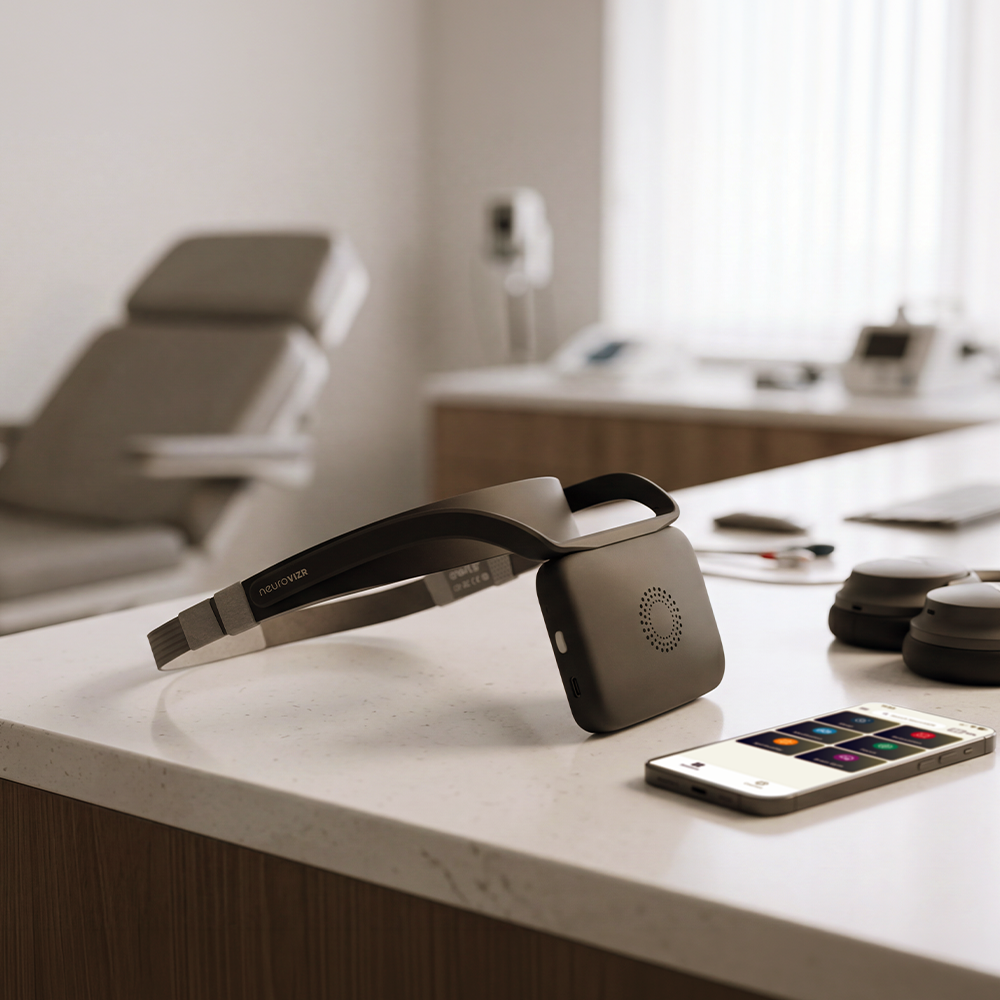
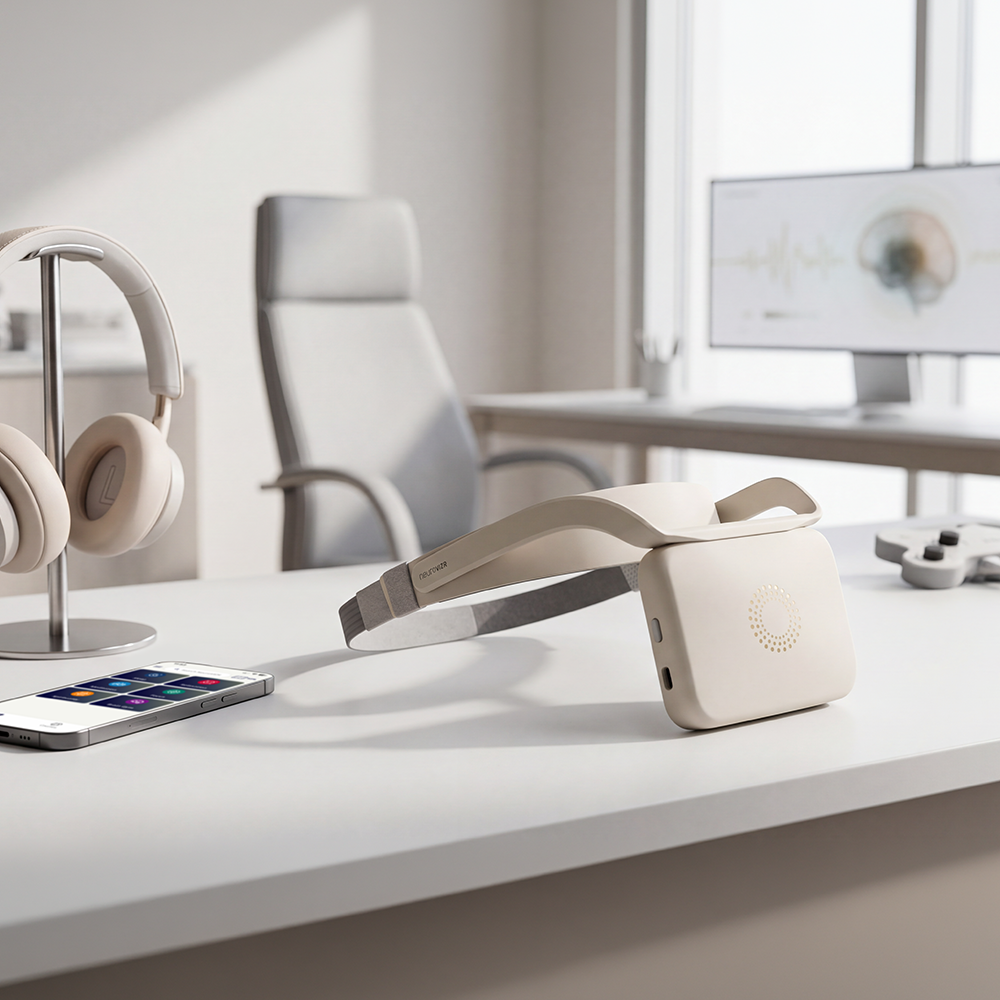
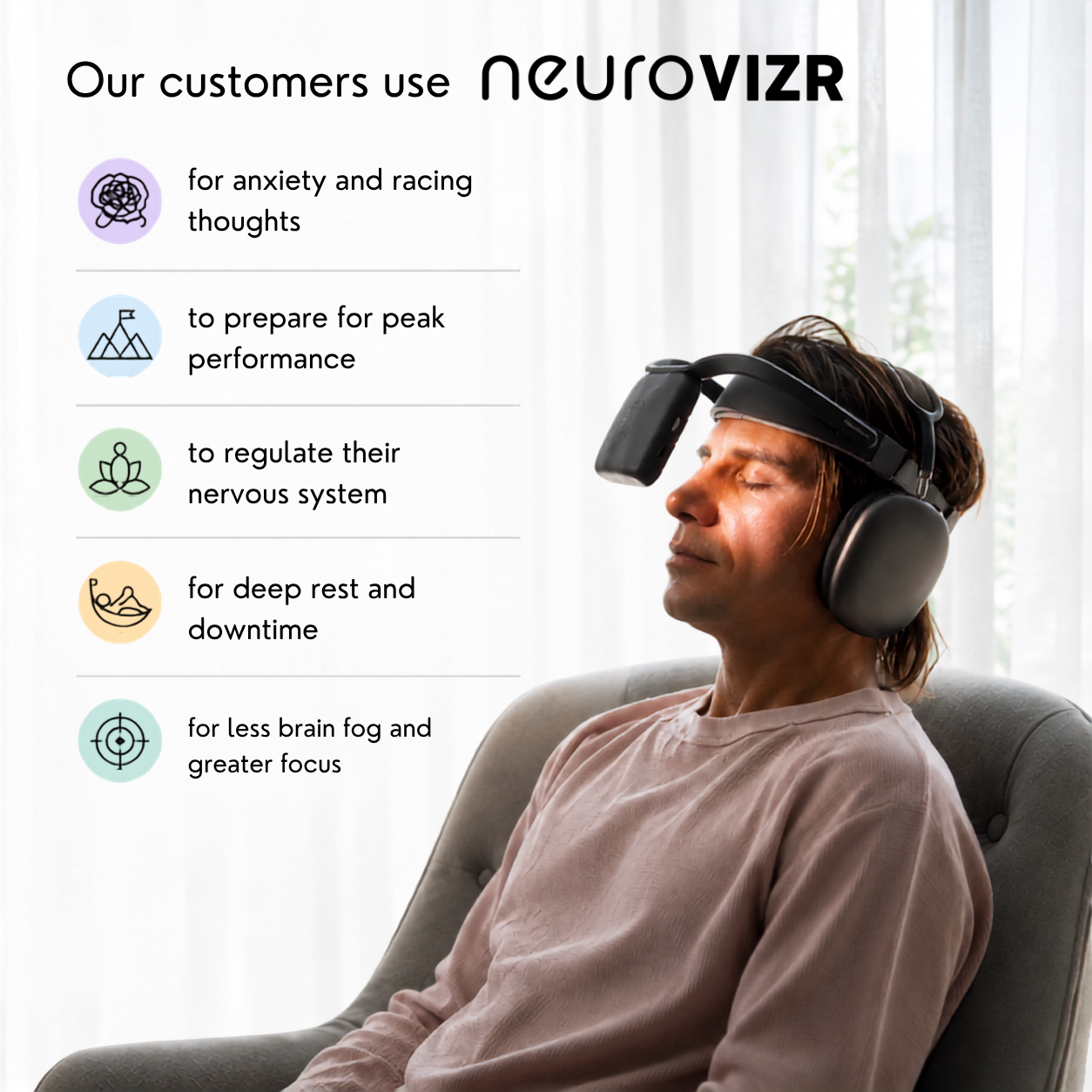
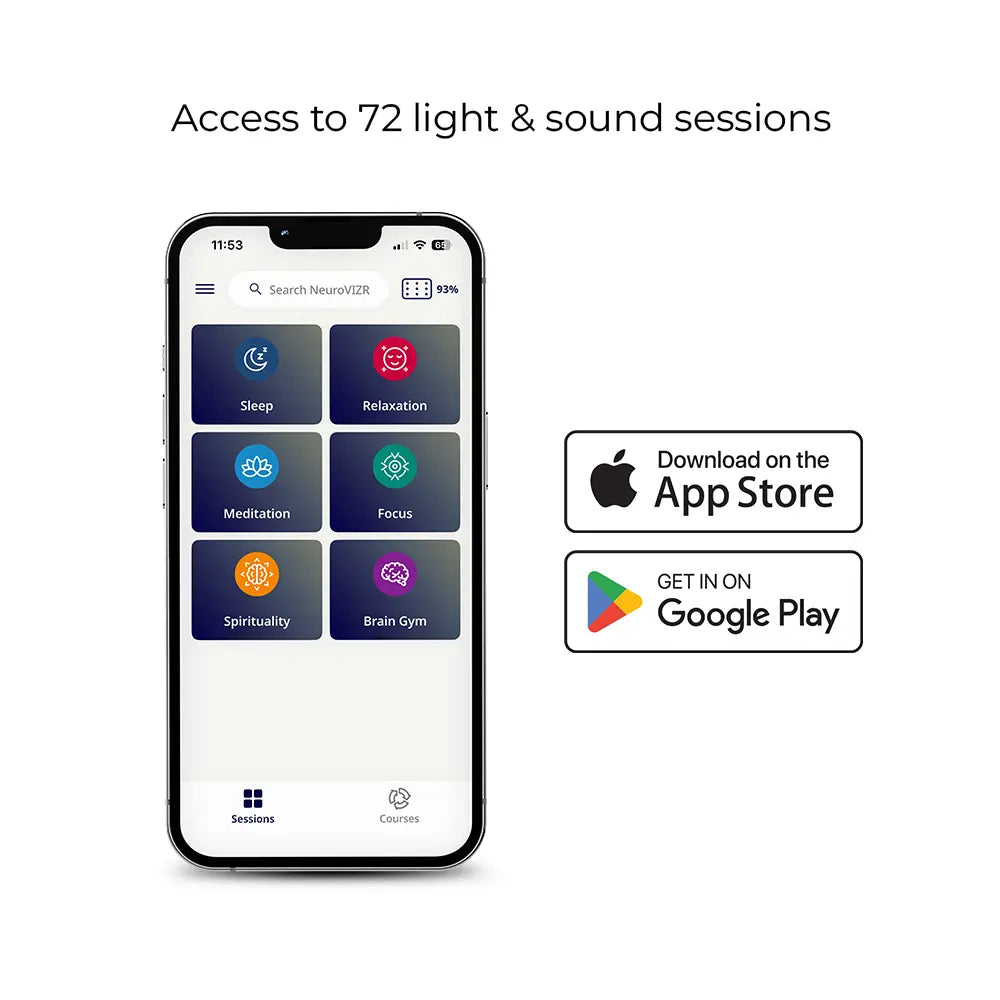
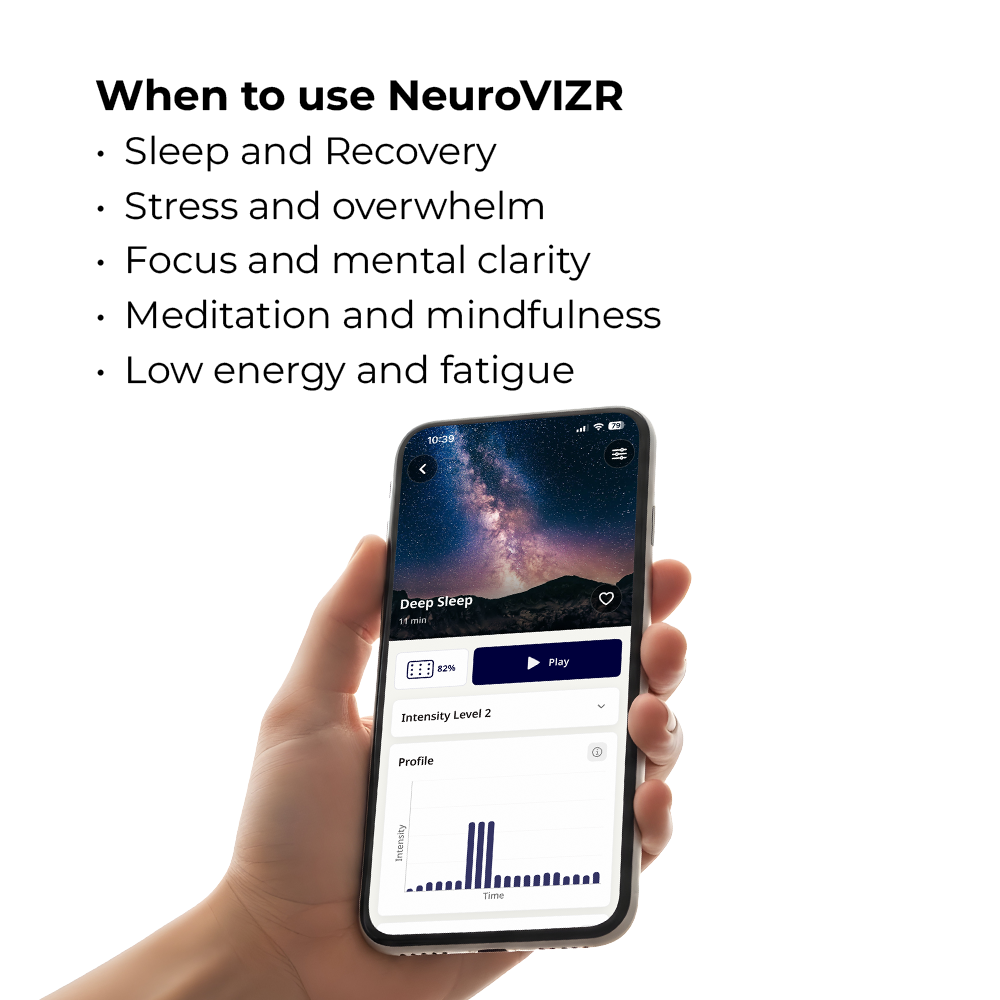
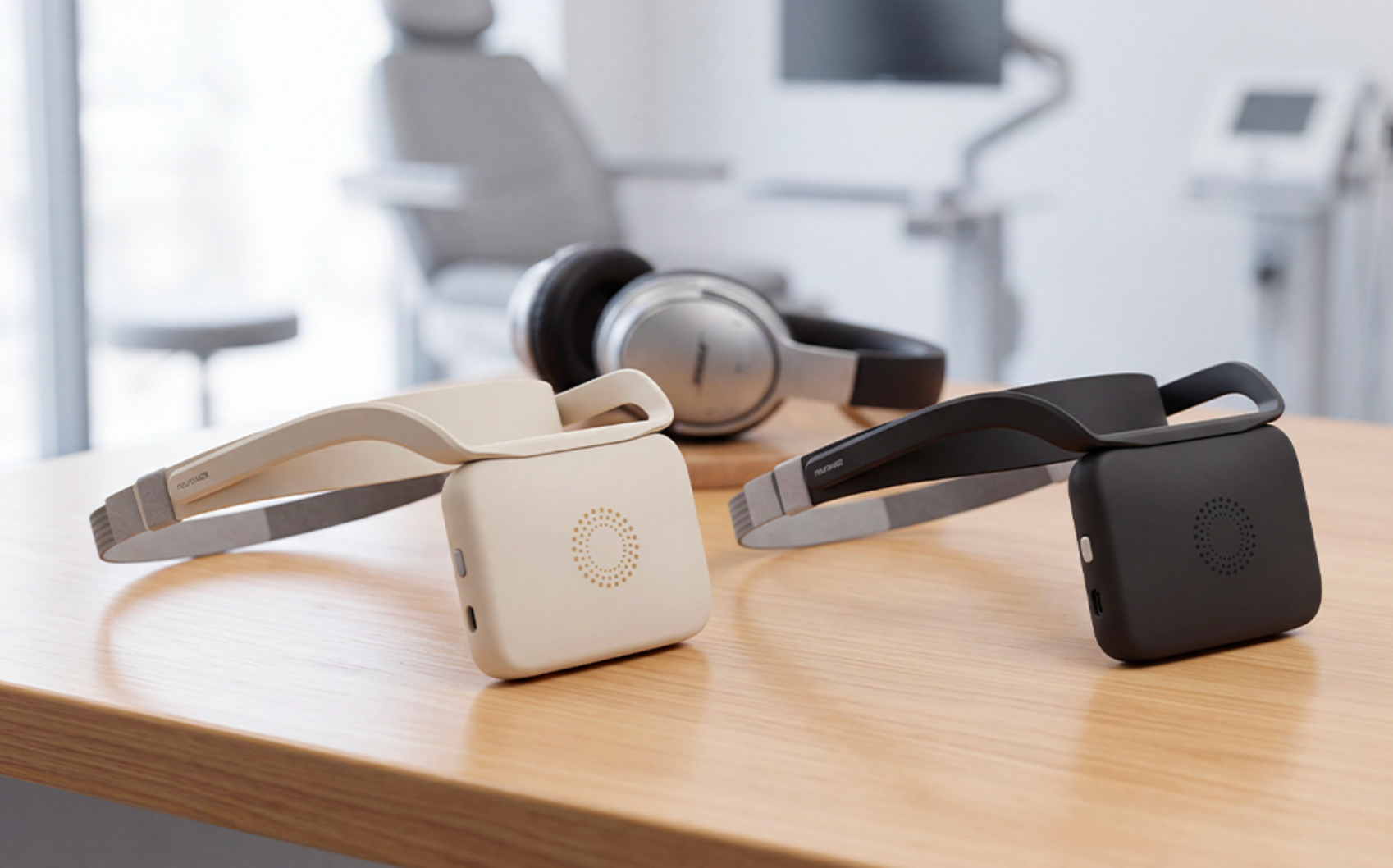
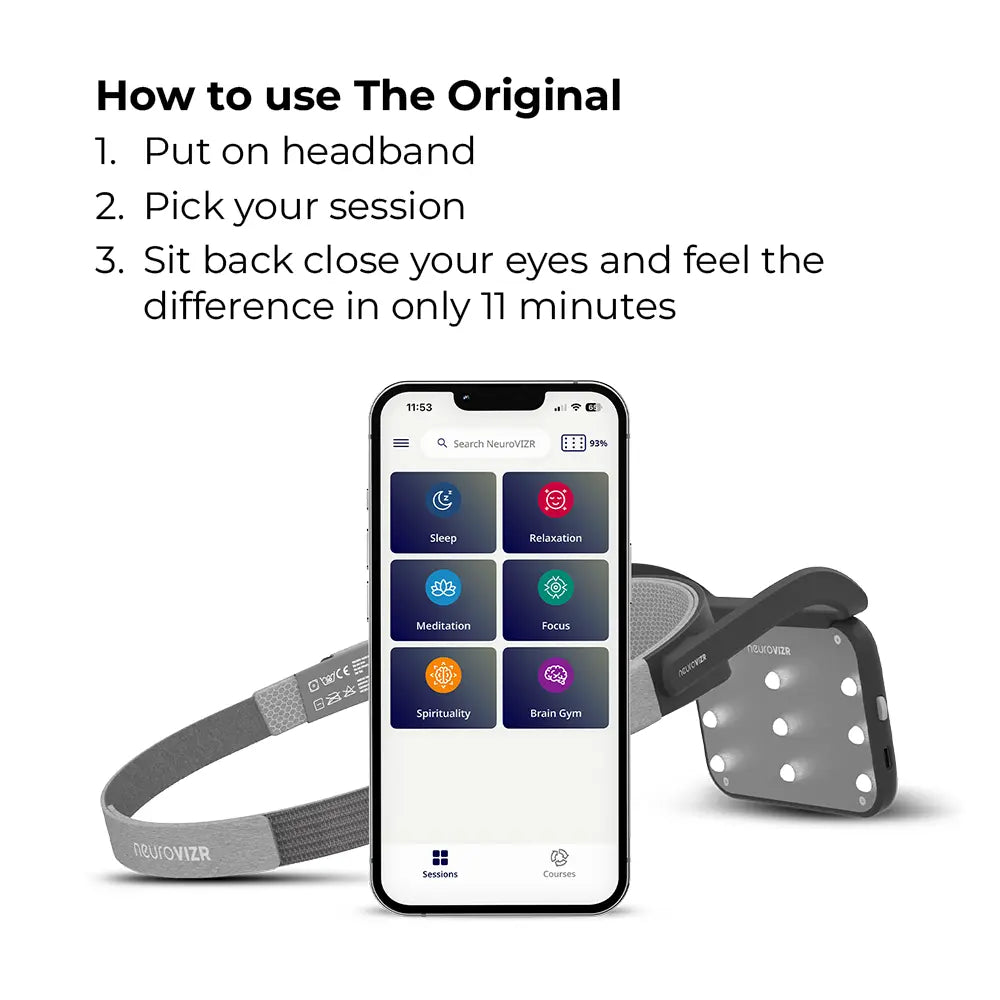
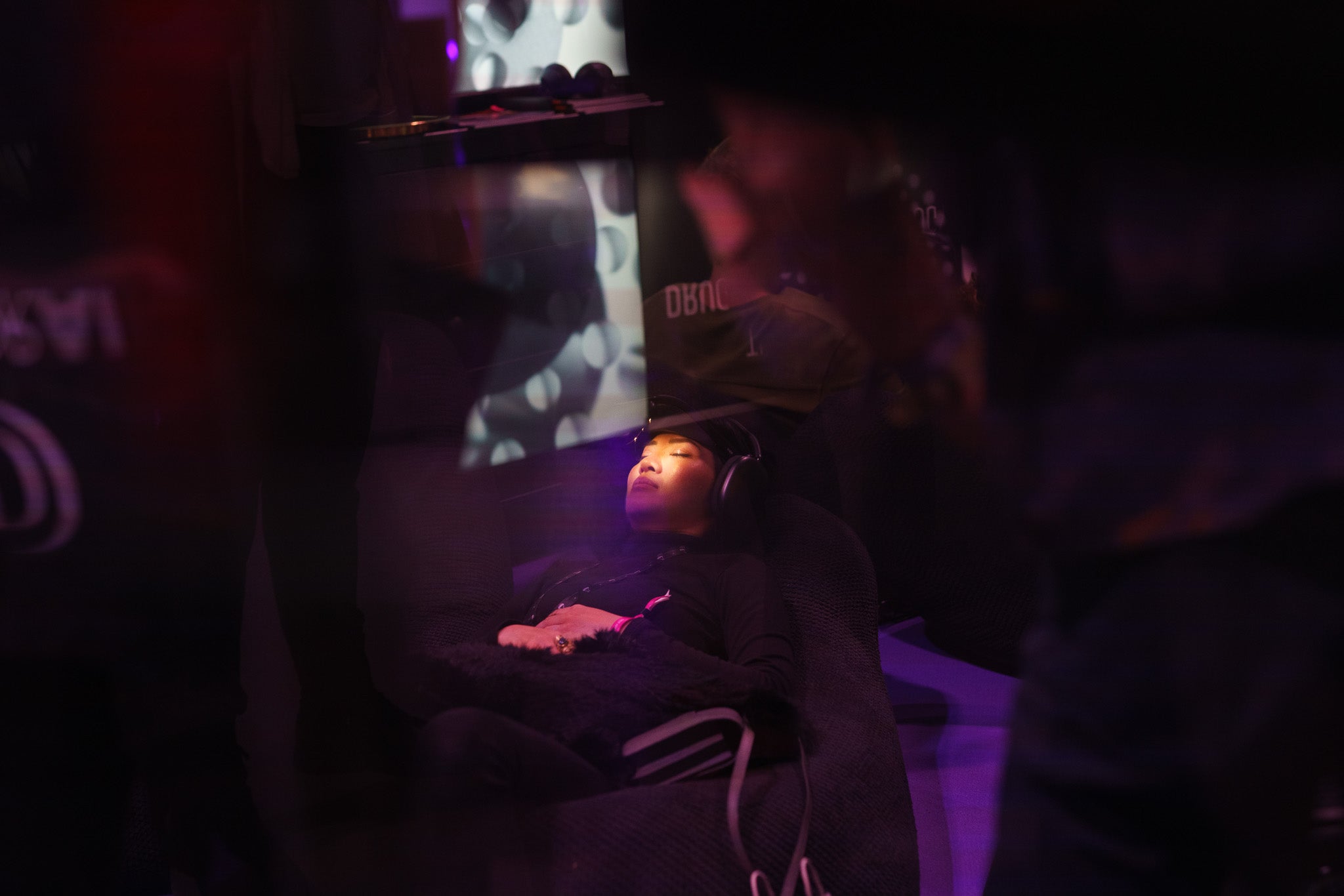
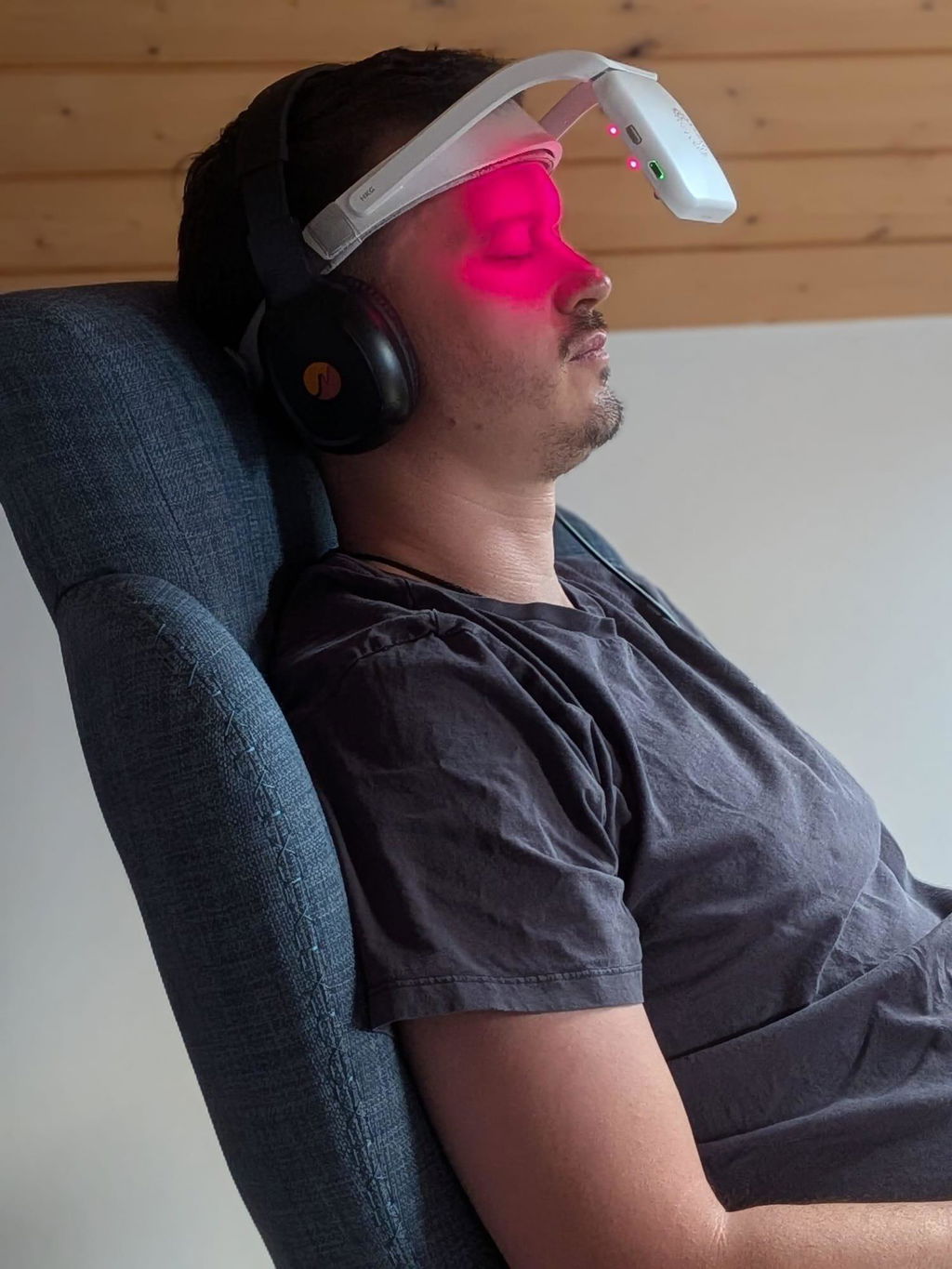
Devices that use rhythmic light and sound patterns, such as neuroVIZR, create immersive sensory environments often associated with relaxation and focused attention. These tools are designed to help individuals step away from daily overstimulation and enjoy moments of calm.
Short sessions can easily fit into a busy schedule, making them a practical addition to workplace routines.
How These Tools Support Workplace Routines
Helps Create Moments of Calm
Short sessions may support relaxation and help employees reset during busy workdays.
Encourages Focused Work Sessions
Taking intentional breaks can help employees return to tasks with better clarity and attention.
Supports Daily Wellness Habits
Incorporating short relaxation routines into the workday can promote consistency and balance.
Helps Reduce Mental Overload
Stepping away from constant input allows employees to feel more refreshed and ready to continue their work.
Practical Ways HR Teams Can Use Relaxation Tools
HR teams can integrate these tools into everyday workflows in simple ways:
Before Important Meetings
Short sessions can help employees feel more prepared and focused before presentations or discussions.
During Breaks Between Tasks
Quick relaxation routines between work blocks can help maintain steady performance throughout the day.
As Part of Leadership Development
Leaders can benefit from structured moments of calm to stay composed and focused in high-responsibility roles.
For Hybrid and Remote Teams
In distributed work environments, shared wellness routines can help teams stay balanced and aligned.
Building a Culture of Focus and Balance
A productive workplace is not just about working harder it’s about working with clarity, consistency, and balance.
By introducing simple tools and routines that support relaxation and focus, HR teams can help create an environment where employees feel more engaged and better equipped to handle daily challenges.
Final Thoughts
Workplace wellbeing is evolving beyond traditional perks. Supporting focus, relaxation, and daily mental clarity is becoming an essential part of modern work culture.
By integrating simple, accessible tools into daily routines, organizations can help employees stay balanced, productive, and engaged throughout the workday.
Frequently Asked Questions (FAQ)
How can light and sound experiences support relaxation?
Structured light and sound patterns create immersive sensory environments that may help individuals relax and take a break from daily distractions.
Are these tools difficult to use at work?
No, most tools are designed for short sessions and can easily fit into regular work routines.
Can relaxation routines improve workplace productivity?
Consistent breaks and relaxation moments can help employees return to tasks with improved focus and clarity.
How often should employees use these tools?
Usage depends on individual preferences, but short sessions during breaks or before important tasks are commonly used.





Share:
Brain Health for Leaders: Because PowerPoint Can’t Save You
Mental Health vs. Brain Health: What HR Often Gets Wrong