
Disclaimer
neuroVIZR is a wellness device created to promote relaxation, focus, and overall wellness. It is not a medical device and is not intended to diagnose, treat, cure, or prevent any medical condition. Individual experiences may vary.
Building a strong team goes beyond hiring and retention. What truly supports long-term performance is how employees experience focus, balance, and daily wellbeing.
Many organizations invest in mindfulness apps, webinars, and awareness programs. Yet challenges like fatigue, disengagement, and low energy can still persist.
This raises important questions:
-
What is the difference between mental health and brain health?
-
Why do some wellbeing programs feel short-term?
-
Is there a more practical way to support employees daily?
Understanding this difference can help HR teams rethink how workplace wellbeing is approached.
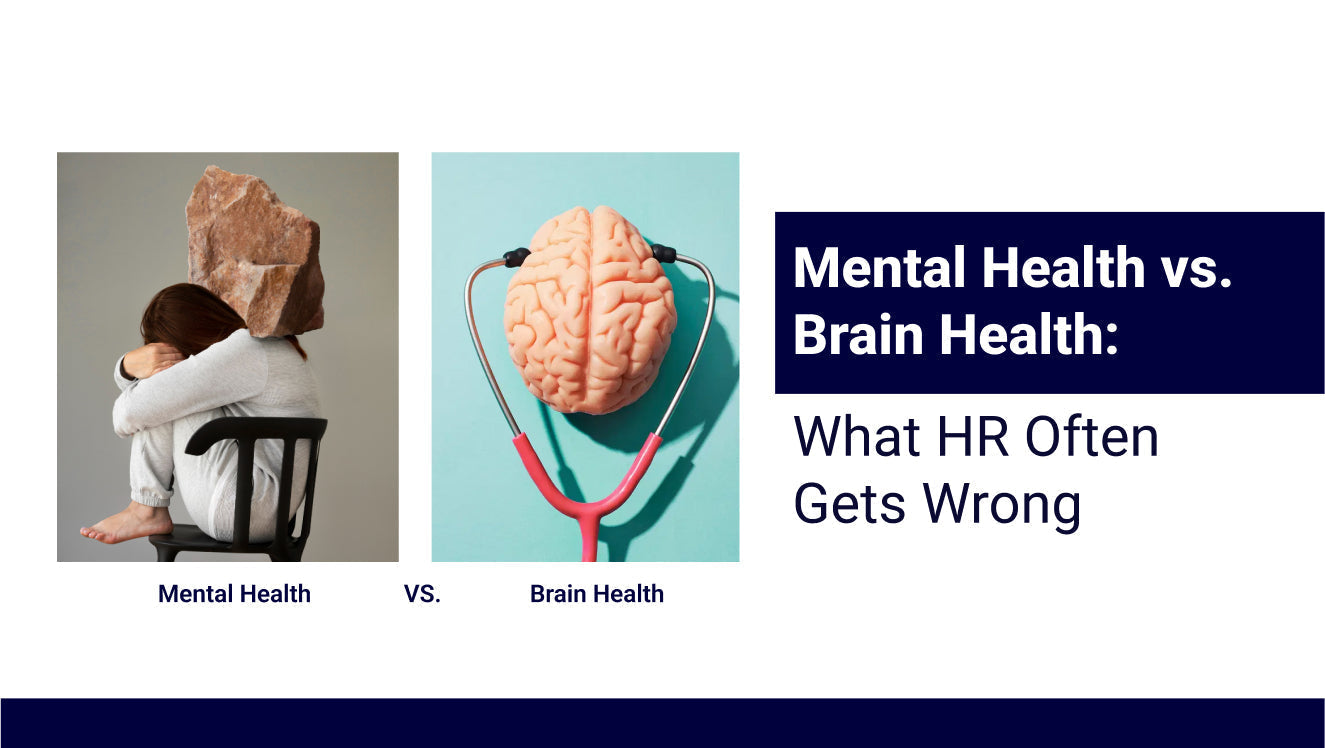
Mental Health vs. Brain Health: Understanding the Difference
Mental health and brain health are closely connected, but they are not the same.
-
Mental health relates to thoughts, emotions, and behaviors
-
Brain health relates to how we experience focus, clarity, and adaptability in daily life
Another way to understand this:
-
Mental health focuses on how people feel and respond
-
Brain health focuses on how people experience clarity, calm, and focus in real time
Employees may appear fine on the surface—meeting deadlines and attending meetings—but still feel mentally drained or unfocused during the day.
This is where many workplace programs fall short. They often focus on awareness and conversation but may not always support daily reset moments and structured relaxation routines.
Why Daily Reset and Relaxation Matter
In fast-paced work environments, constant stimulation can make it difficult to switch off and recharge.
Short, structured breaks can help employees:
-
Step away from constant screen time
-
Create moments of calm during busy schedules
-
Return to tasks with improved clarity and focus
Wellbeing is not only about understanding stress—it’s also about creating practical moments of reset throughout the day.
A Sensory Approach to Workplace Wellbeing
Some modern wellness tools focus on sensory experiences using rhythmic light and sound patterns.
These tools are designed to:
-
Create immersive relaxation sessions
-
Support mindfulness and focus routines
-
Help employees take short, structured breaks
Instead of asking employees to “find time to relax,” these approaches aim to make relaxation simple, guided, and accessible.
neuroVIZR: A New Kind of Wellness Experience
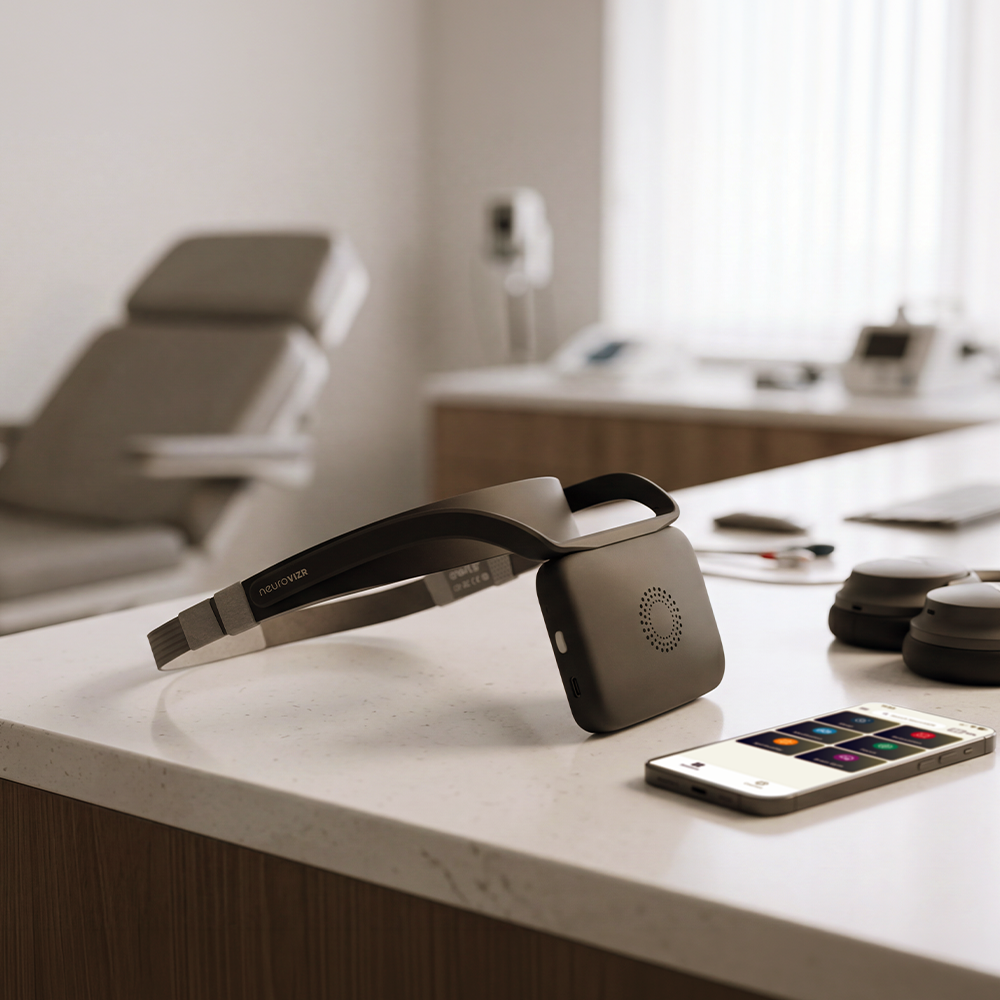
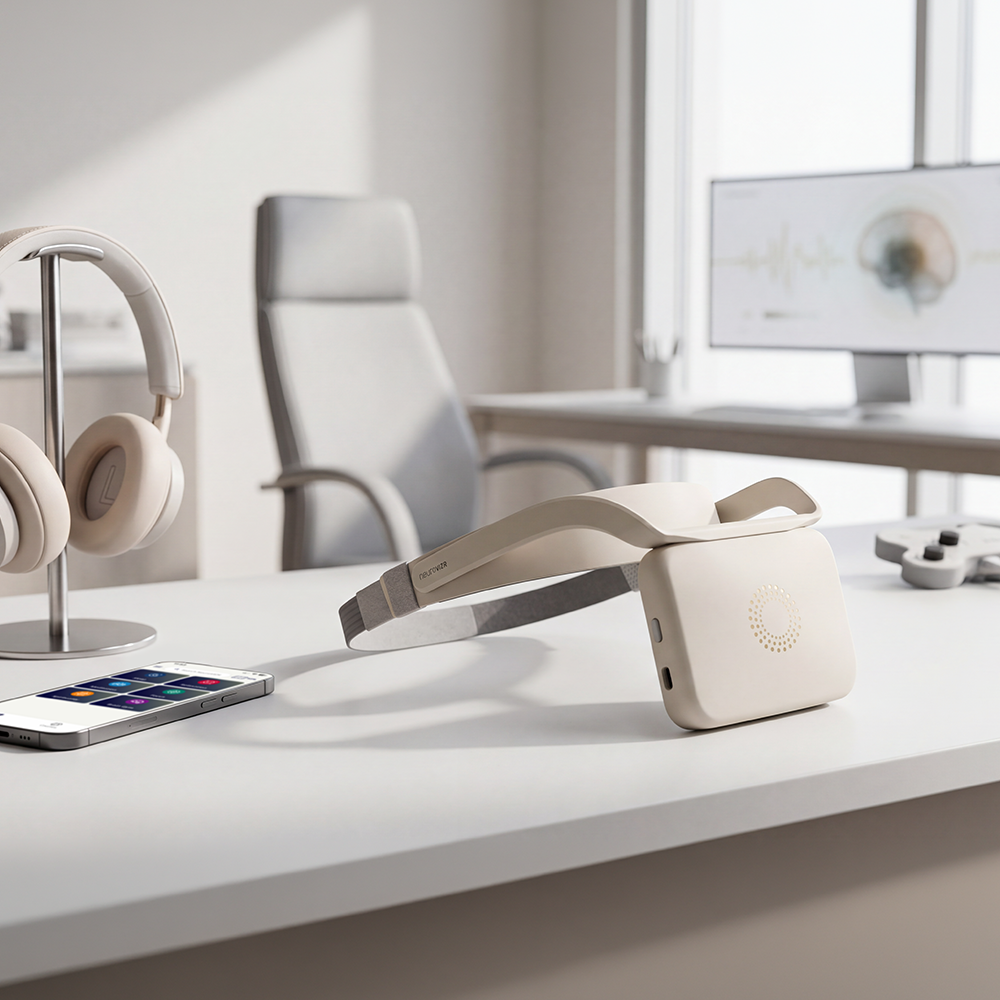
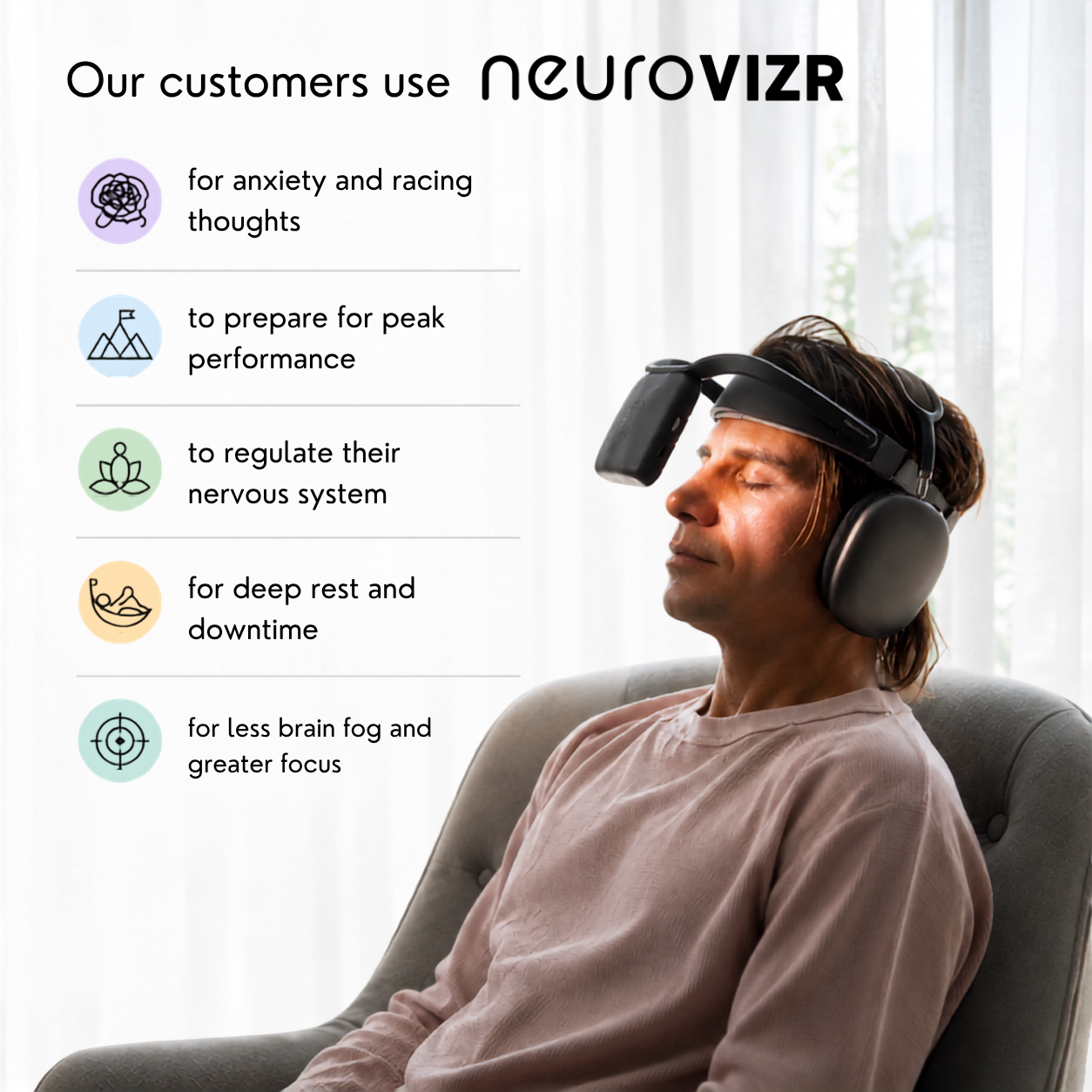
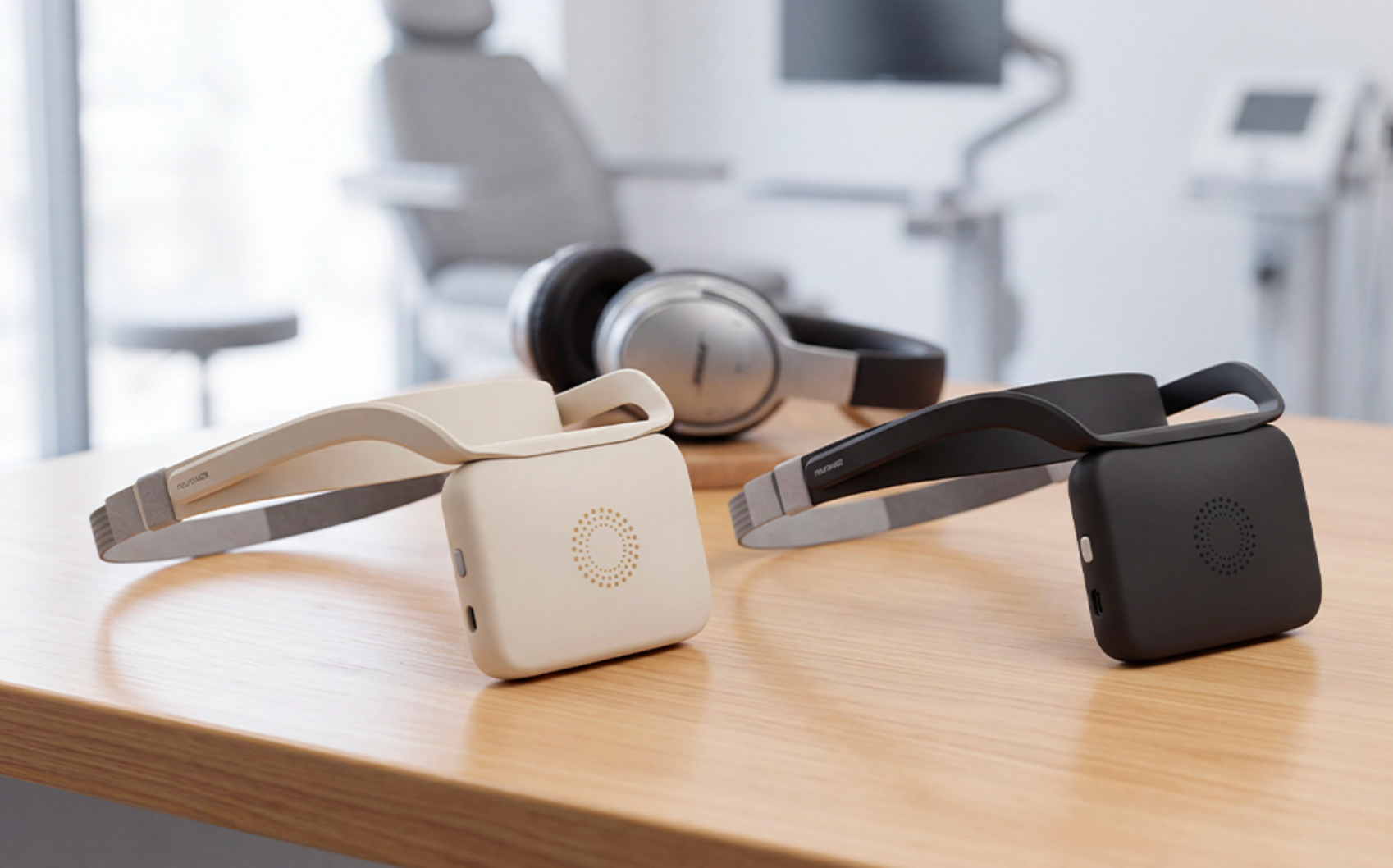
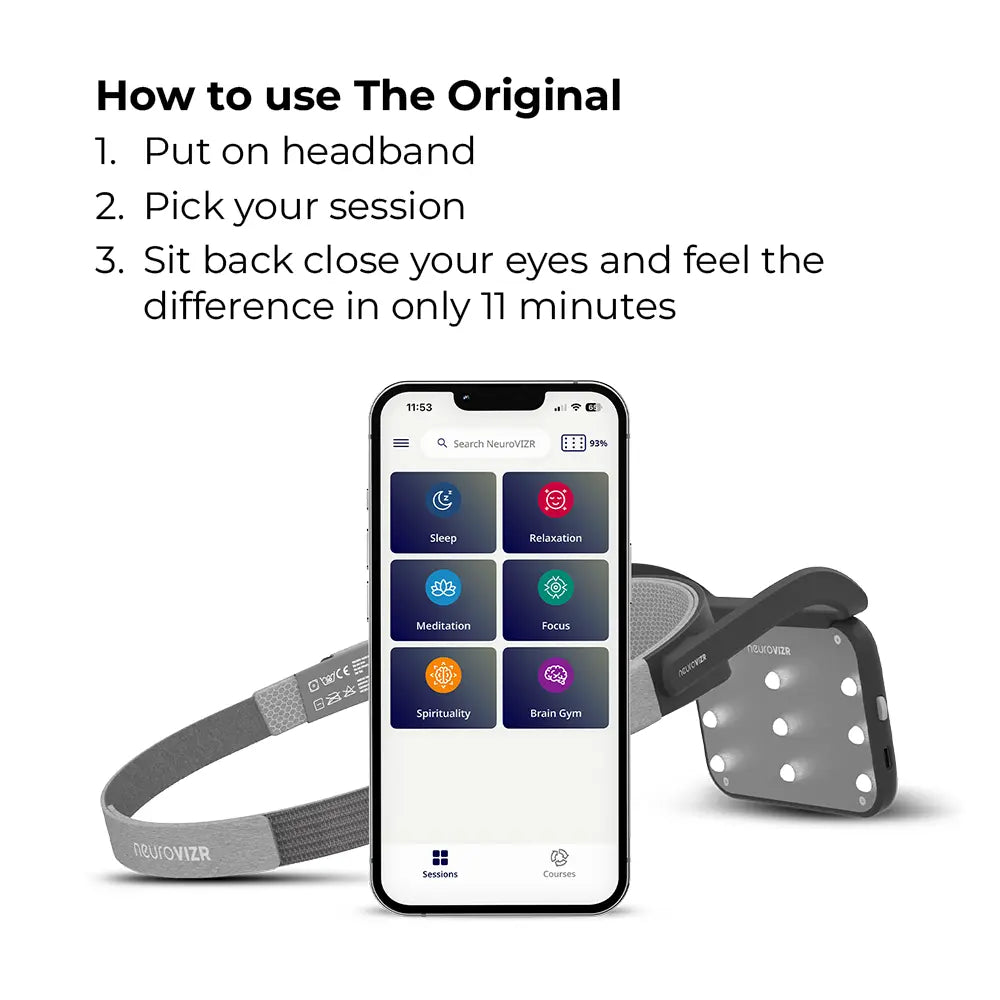
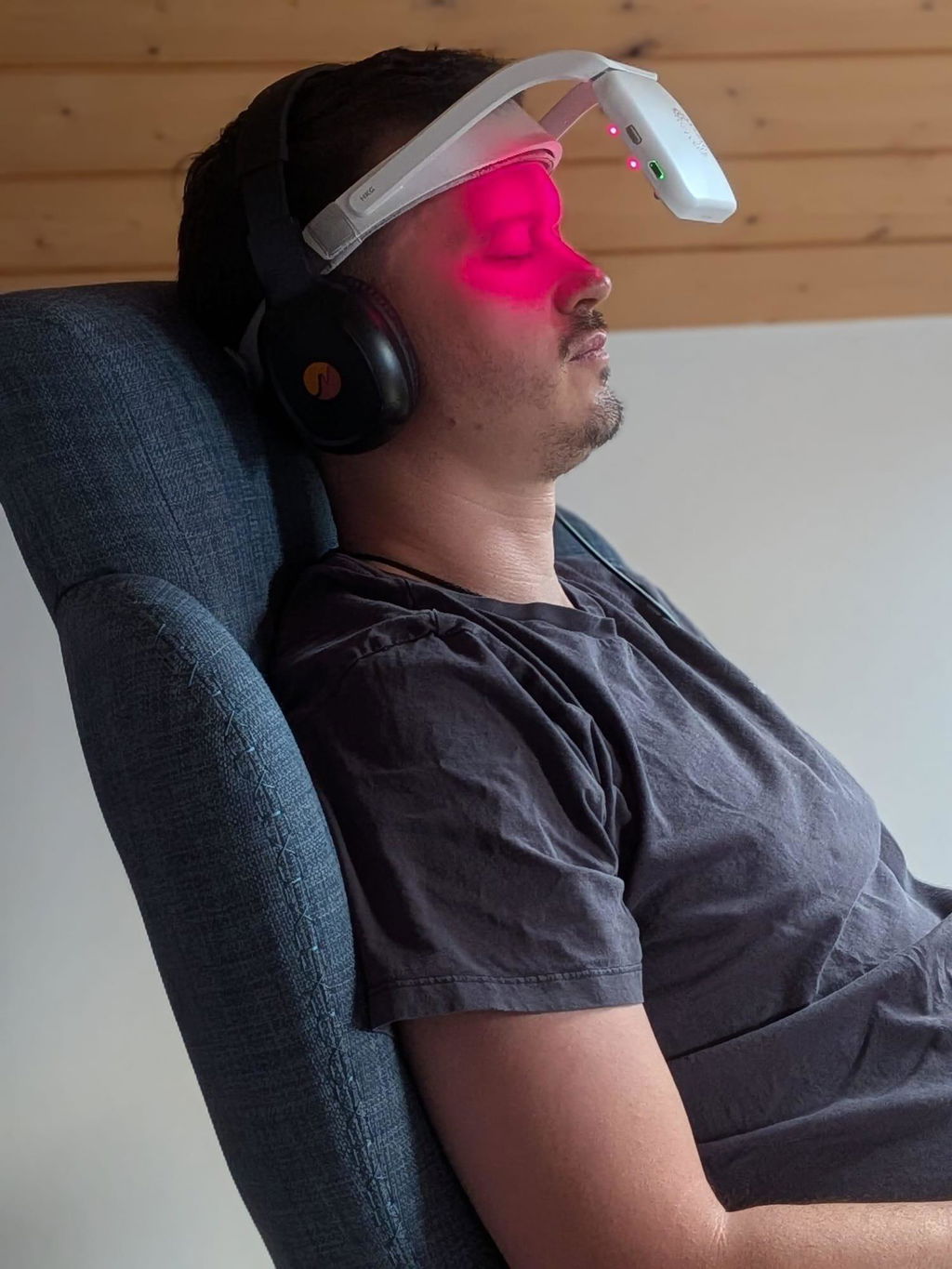
neuroVIZR is a wearable wellness device designed to offer sensory light and sound experiences through guided sessions.
It provides:
-
Short sessions (around 10–20 minutes)
-
Structured relaxation and focus routines
-
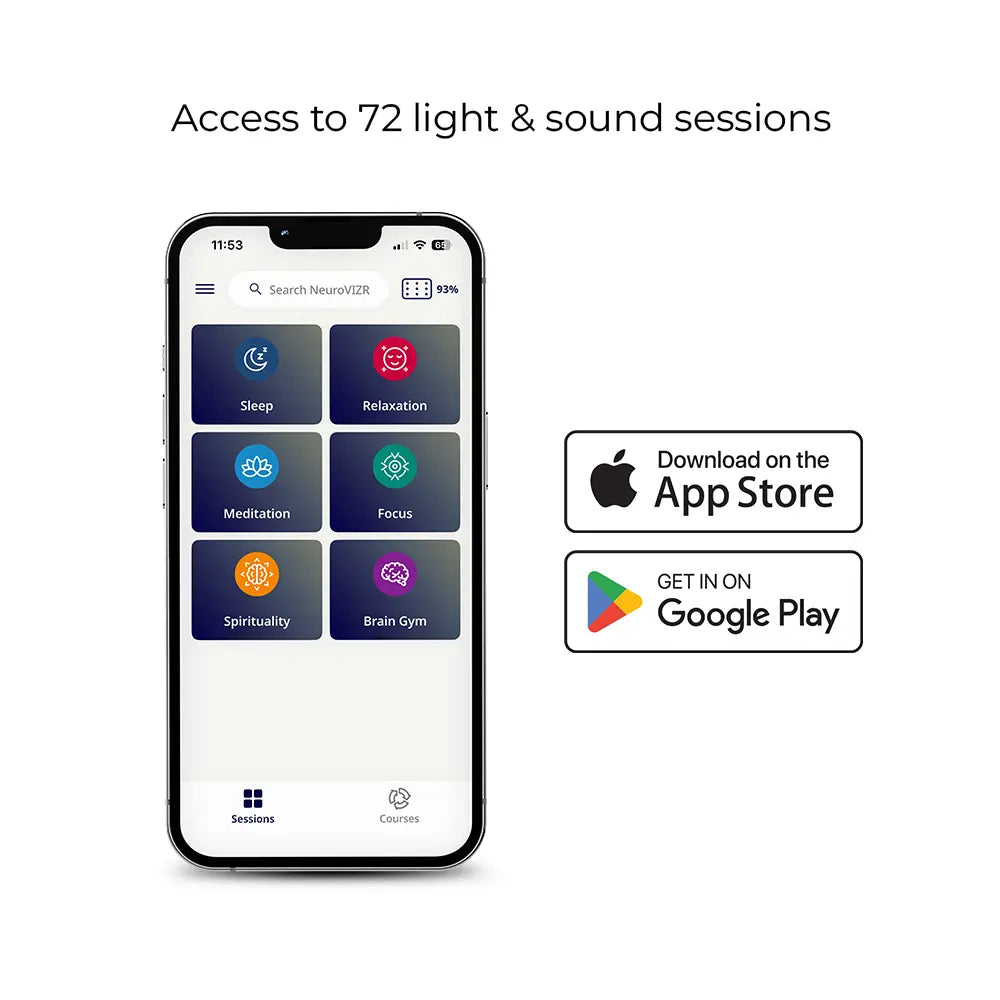
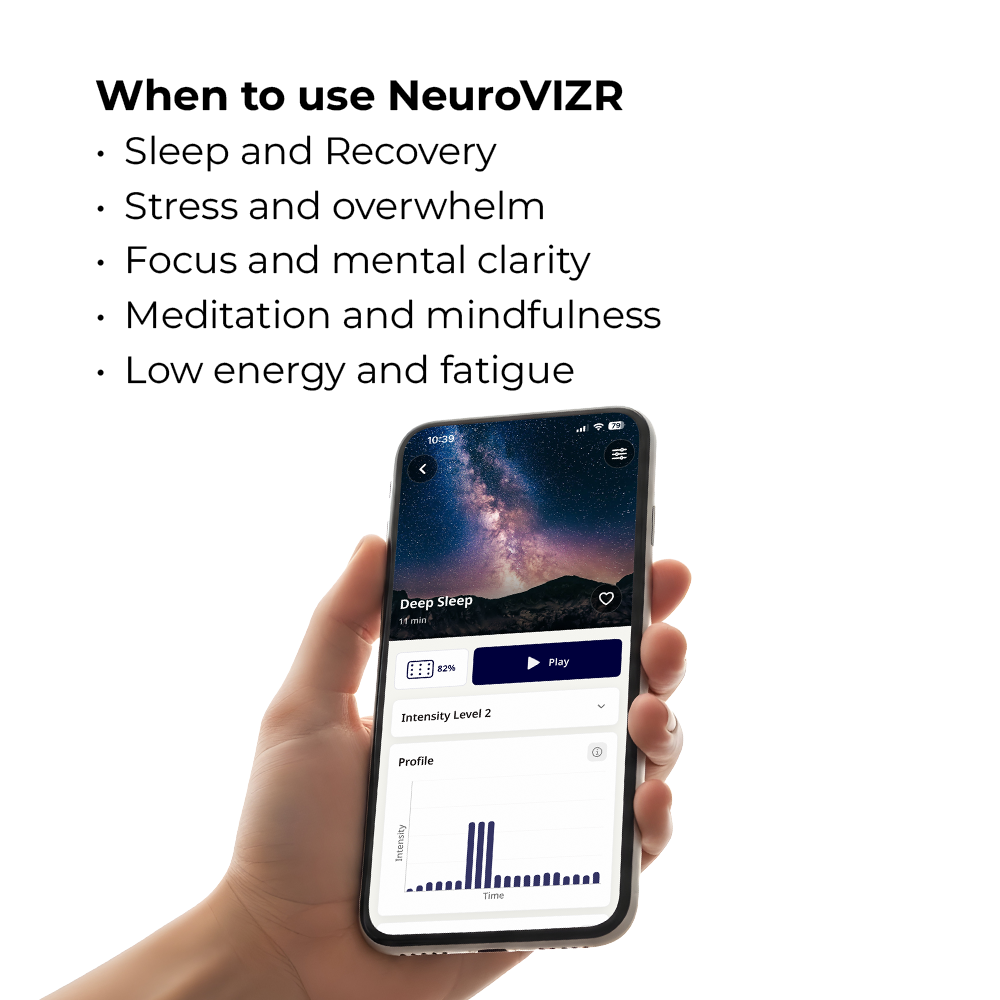
A library of sessions for different daily needs
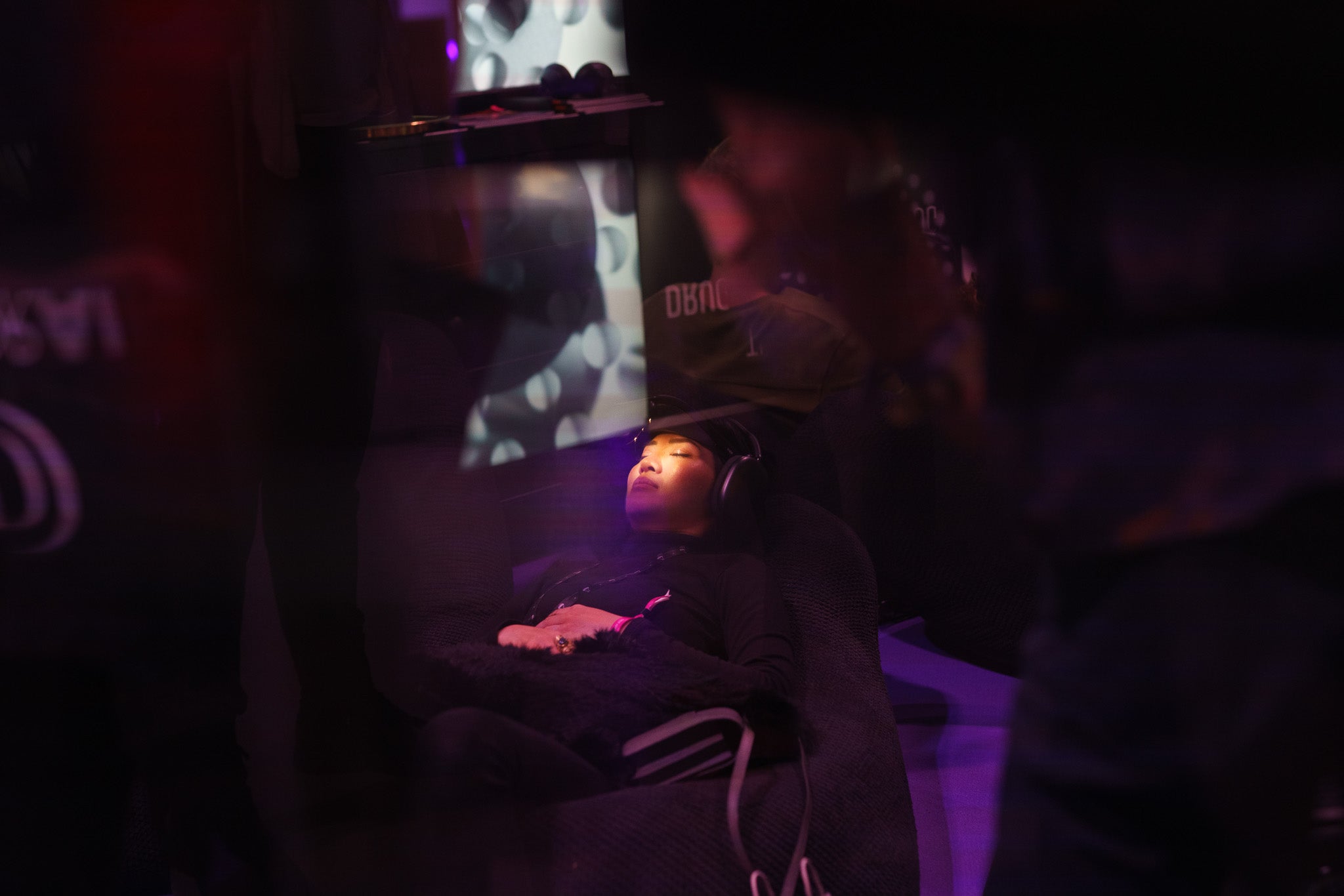
These sessions use rhythmic light and sound patterns to create immersive environments often associated with calm and focused attention.
This makes it easier for employees to step away from daily distractions and return to work with renewed clarity.
Rethinking HR Strategy: From Awareness to Experience
Many companies already offer:
-
Mindfulness apps
-
Wellness webinars
-
Awareness campaigns
These are valuable, but they often rely on employees to take initiative on their own.
A more practical approach includes:
-
Dedicated relaxation spaces
-
Short guided sessions during the workday
-
Tools that support consistent wellness routines
This shift helps make wellbeing part of the daily workflow, not just an occasional activity.
Why This Shift Matters
When employees have access to simple, structured relaxation tools:
-
They can take meaningful breaks without disrupting their schedule
-
They may feel more refreshed during the workday
-
Workplace wellbeing becomes more consistent and accessible
Instead of only talking about wellbeing, organizations can create environments that support it in practice.
Final Thoughts
Workplace wellbeing is evolving. While awareness and conversations remain important, many organizations are now exploring ways to make relaxation and focus part of everyday work routines.
By supporting employees with simple, structured experiences, companies can help create a more balanced and productive work environment.
Frequently Asked Questions (FAQ)
What is the difference between mental health and brain health?
Mental health focuses on emotions and behaviors, while brain health relates to how people experience clarity, focus, and adaptability in daily life.
Why do workplace wellbeing programs sometimes feel ineffective?
Many programs focus on awareness but may not include structured, practical ways for employees to relax and reset during the day.
How can employees build better daily relaxation routines?
Simple habits such as short breaks, mindfulness sessions, and guided sensory experiences can help create consistent moments of calm.
What are sensory wellness tools?
They are tools that use elements like light and sound patterns to create immersive environments designed for relaxation and focus.
How can HR teams improve employee wellbeing strategies?
By combining awareness programs with practical tools and routines that employees can easily integrate into their daily schedules.





Share:
Workplace Focus & Relaxation: How HR Can Support Daily Performance
Employee Wellbeing: Beyond Yoga and Fruit Baskets