

Looking for a Way to Truly Unwind?
If you're searching for calming devices or stress-relieving gadgets, you're probably looking for something that genuinely helps you relax, switch off, or improve your daily wind-down routine.
Modern life can feel constantly "on." Whether it's a busy work schedule, digital overload, or difficulty slowing down at night, many people are now exploring simple tools that support moments of calm.
The good news? Today's calming devices are designed to fit into real life—offering practical, sensory-based relaxation experiences rather than complicated routines.
This guide explores the best types of calming devices, what to look for, and how to choose one that fits your lifestyle.
Wellness note: This article provides general wellness information and is not medical advice. neuroVIZR is a wellness device and is not intended to diagnose, treat, cure or prevent any medical condition. Individual experiences may vary.
What Makes a Calming Device Effective?
Not all stress relief gadgets are the same. The most helpful ones tend to share these qualities:
1. They Support Relaxation Experiences
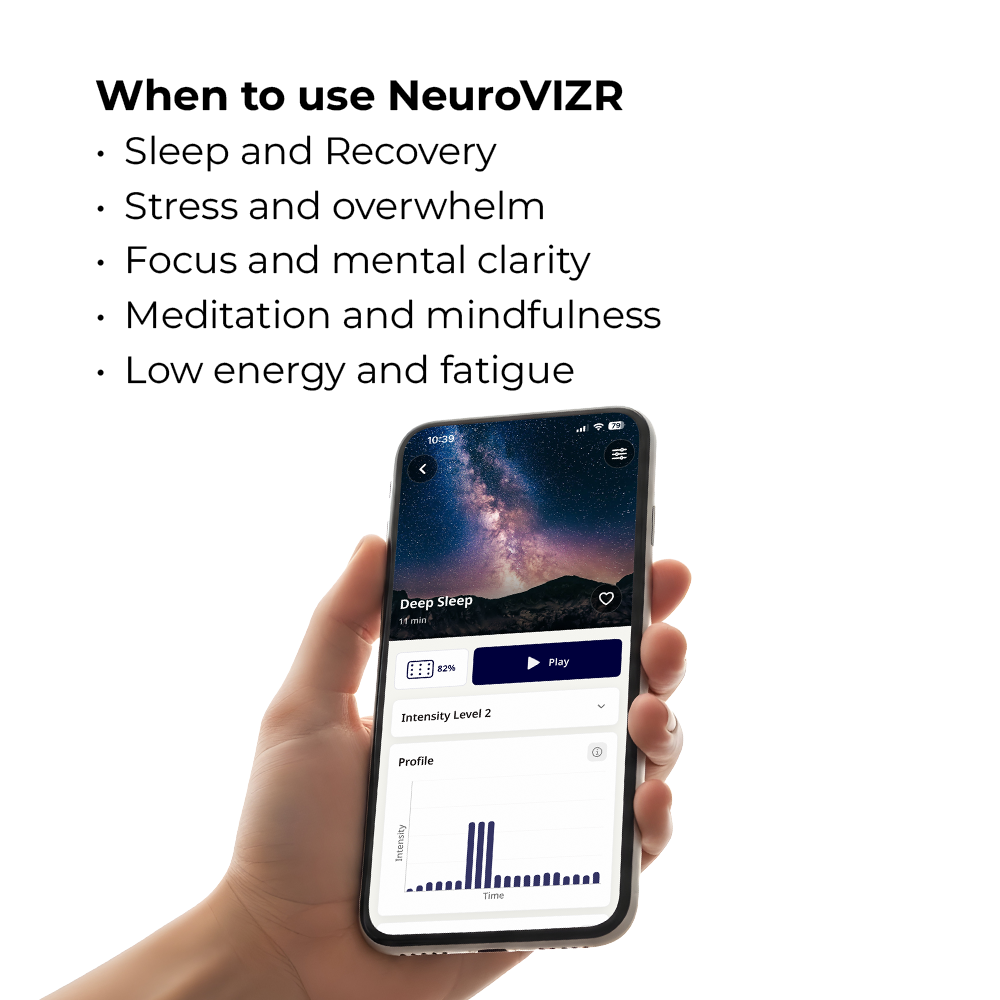
Effective devices often use rhythmic light, sound, or gentle patterns to create immersive sensory environments associated with calm and focus.
2. They Are Easy to Use
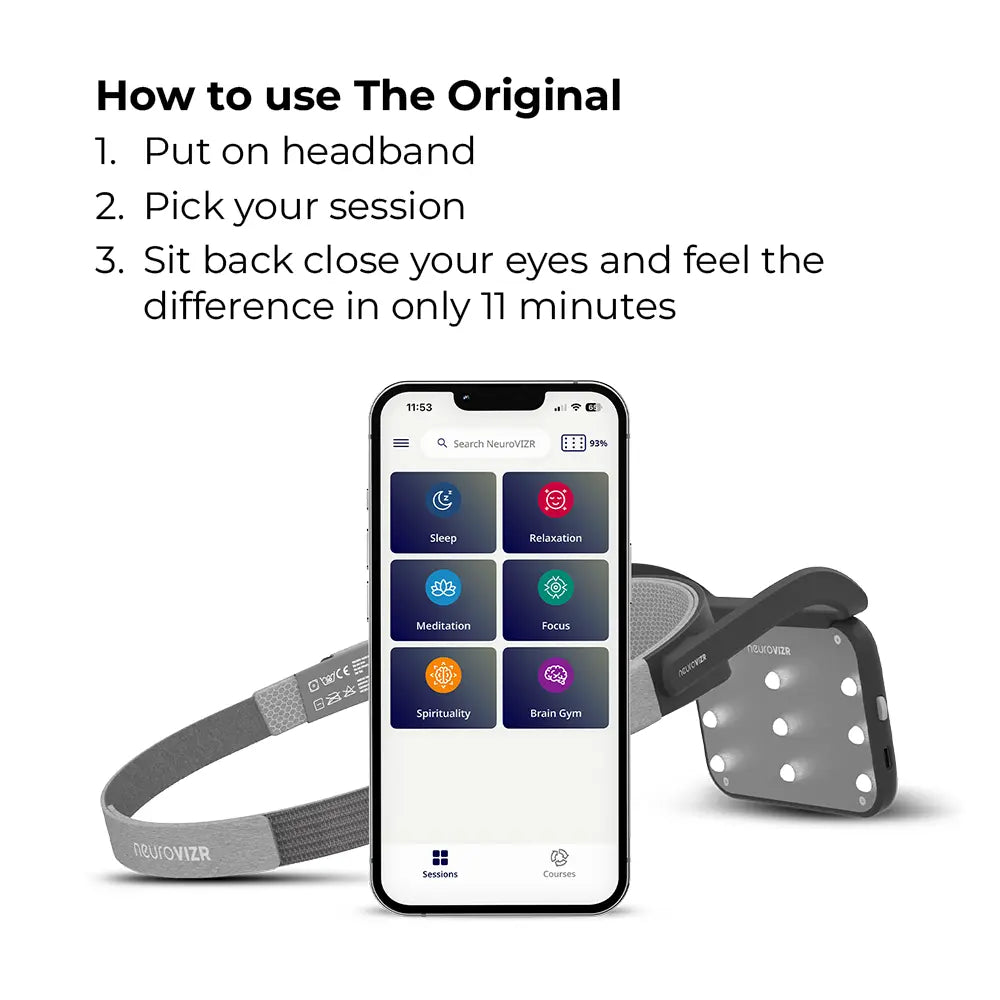
Consistency matters. Devices that are simple, intuitive, and require minimal effort are more likely to become part of your daily routine.
3. They Fit Into Real Life
The best calming tools work around your schedule—whether it's a short break during the day or a wind-down session before sleep.
Top Types of Stress Relief Gadgets to Consider
1. Light & Sound Relaxation Devices
Best for: Deep relaxation, mindfulness sessions, mental reset, evening wind-down
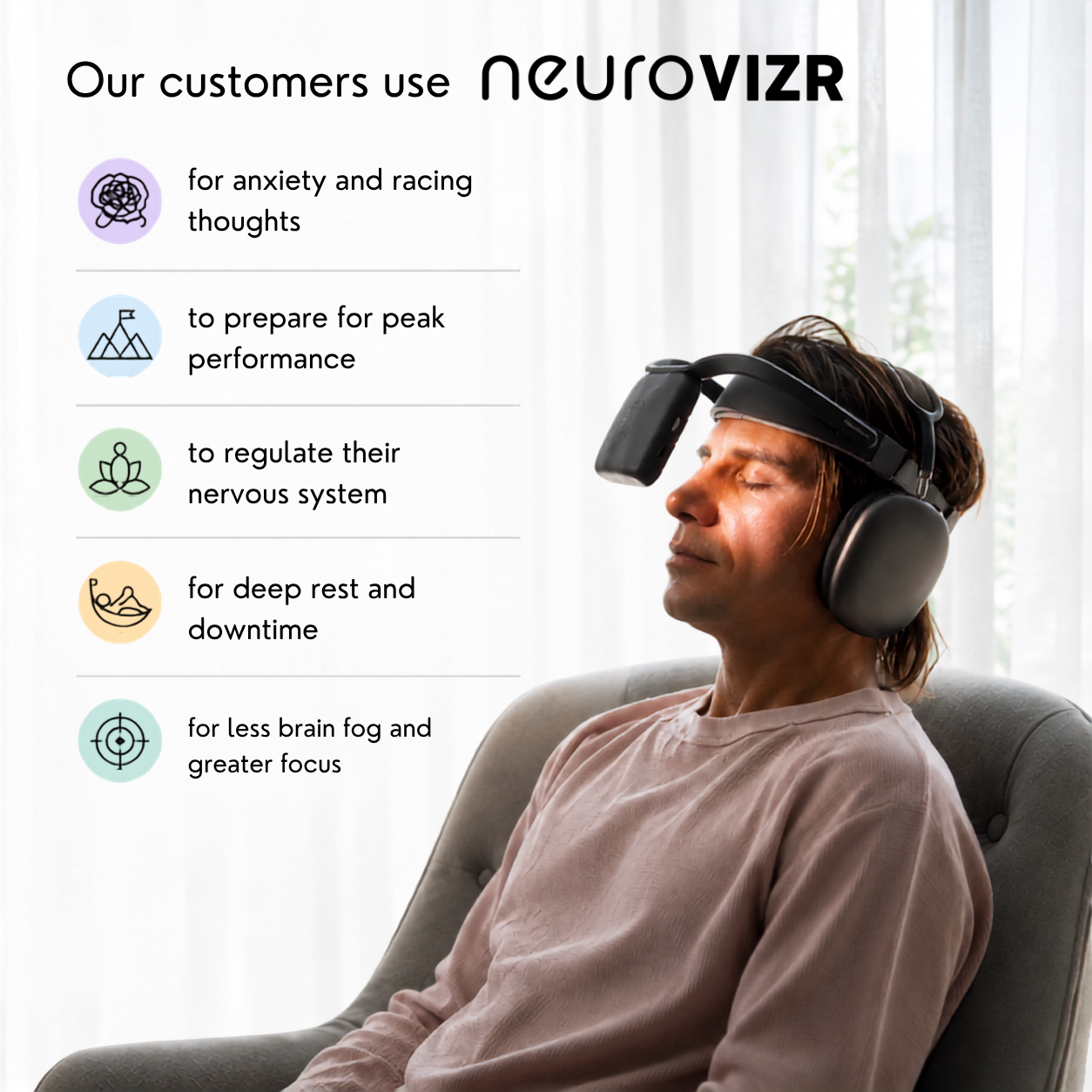
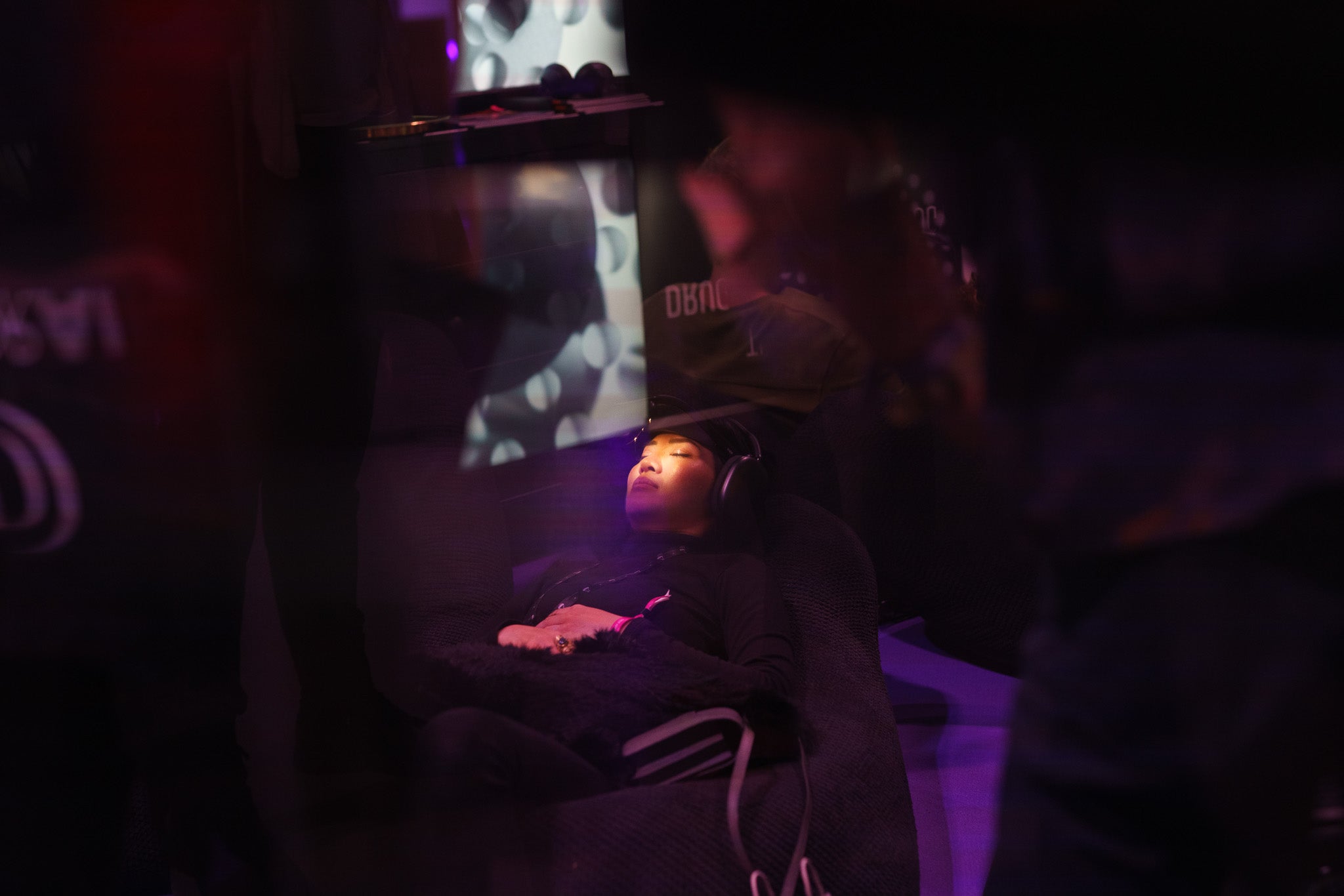
These devices use structured light and sound patterns to create immersive sensory experiences. They're especially useful for people who find it difficult to switch off or sit still for traditional meditation.
Why people choose them:
- Hands-free relaxation sessions
- Short, guided experiences
- Easy to integrate into daily routines
Good fit if you:
- Feel mentally overstimulated
- Prefer guided relaxation experiences
- Want a modern tool for unwinding
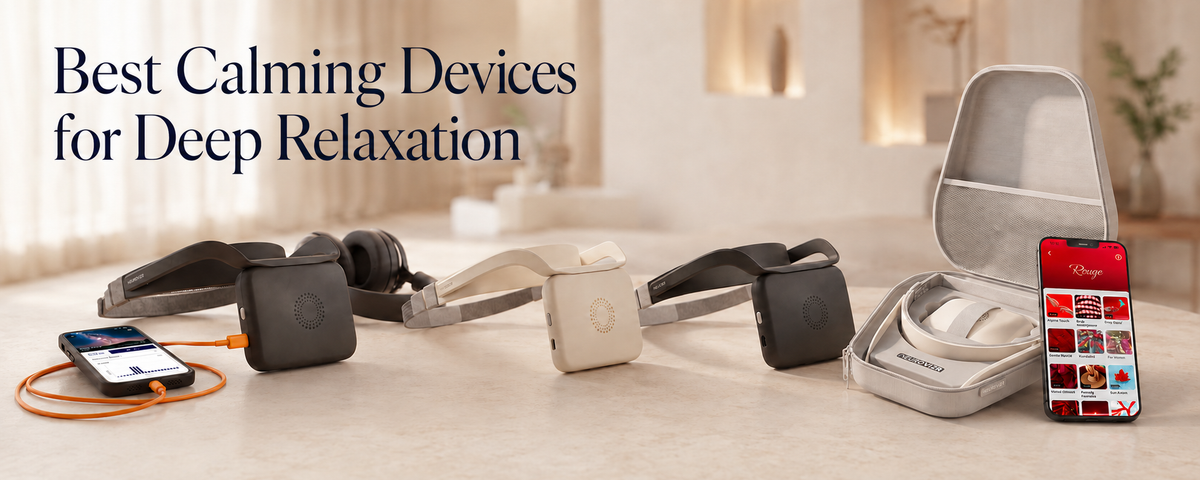
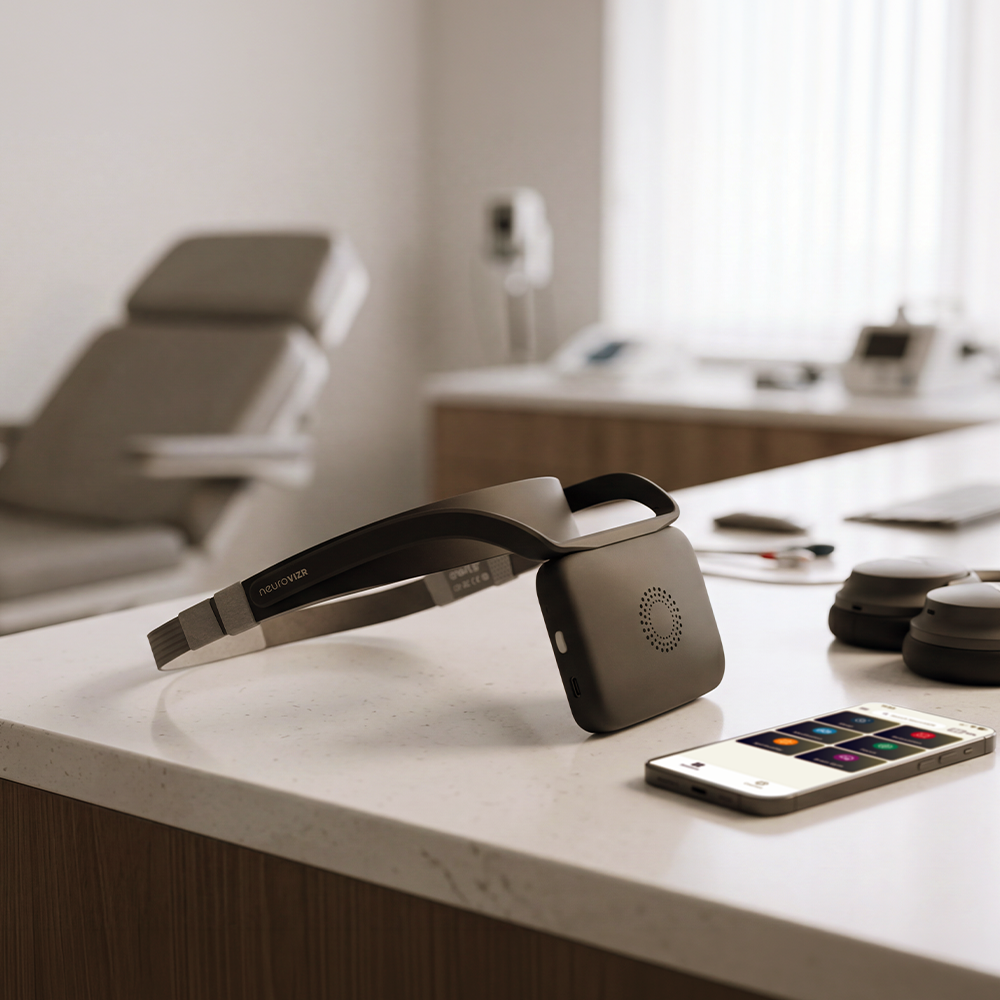
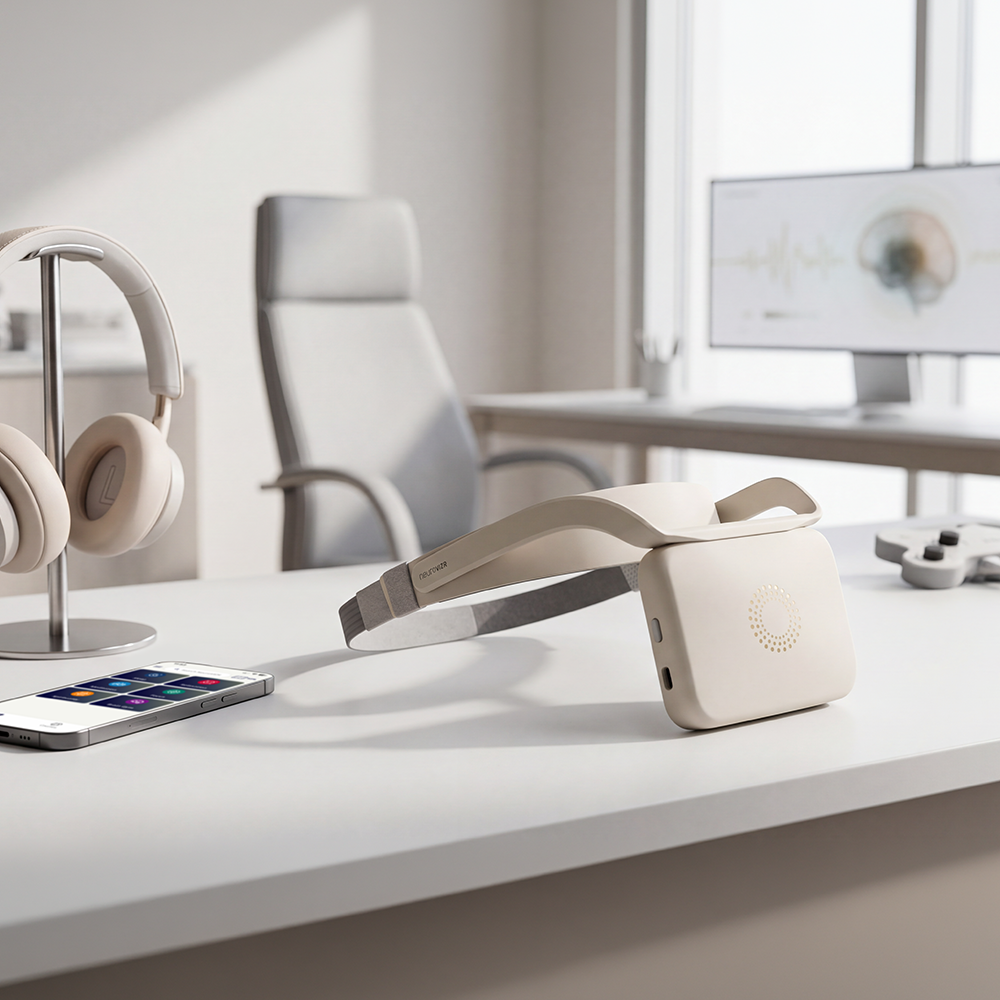
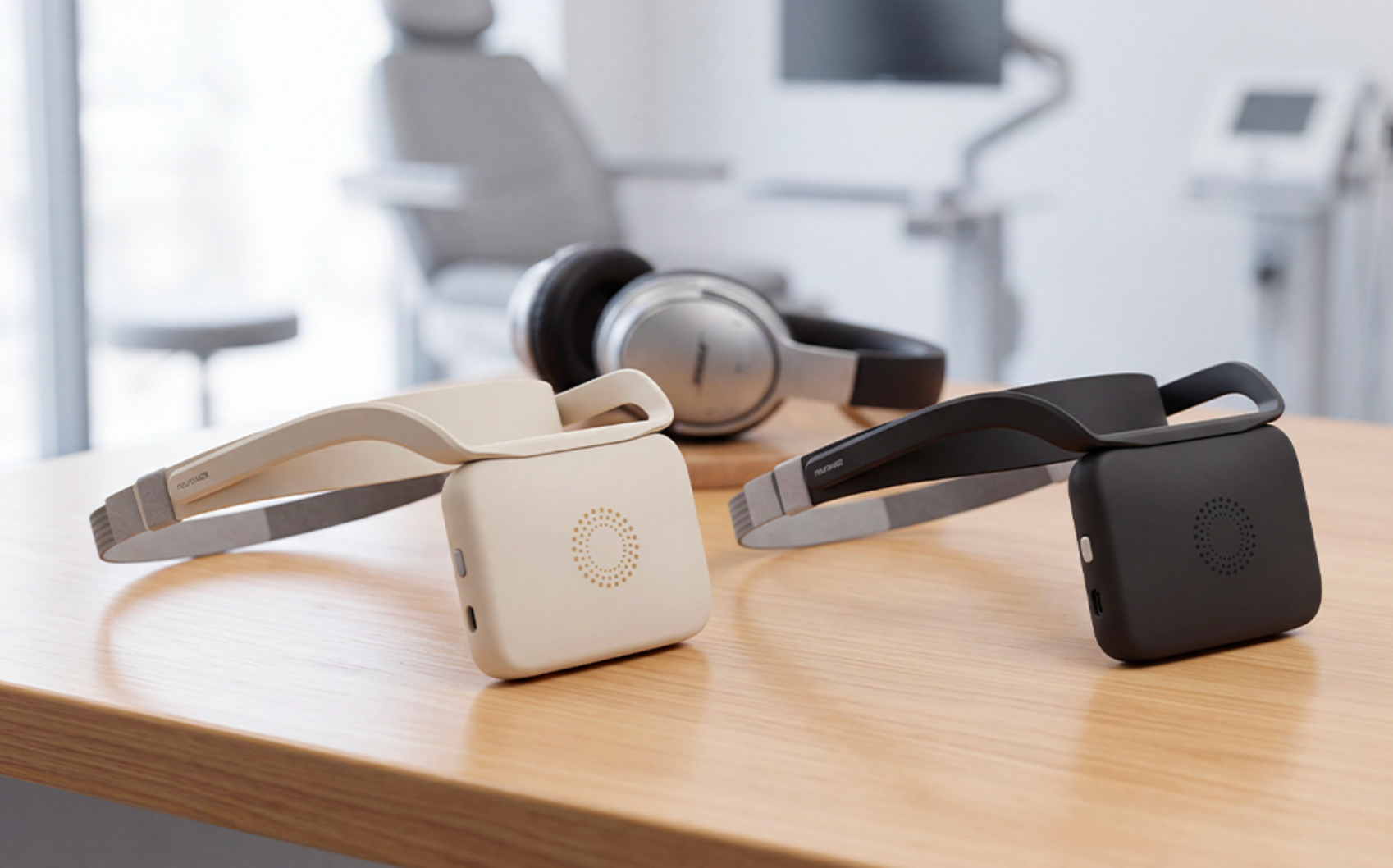
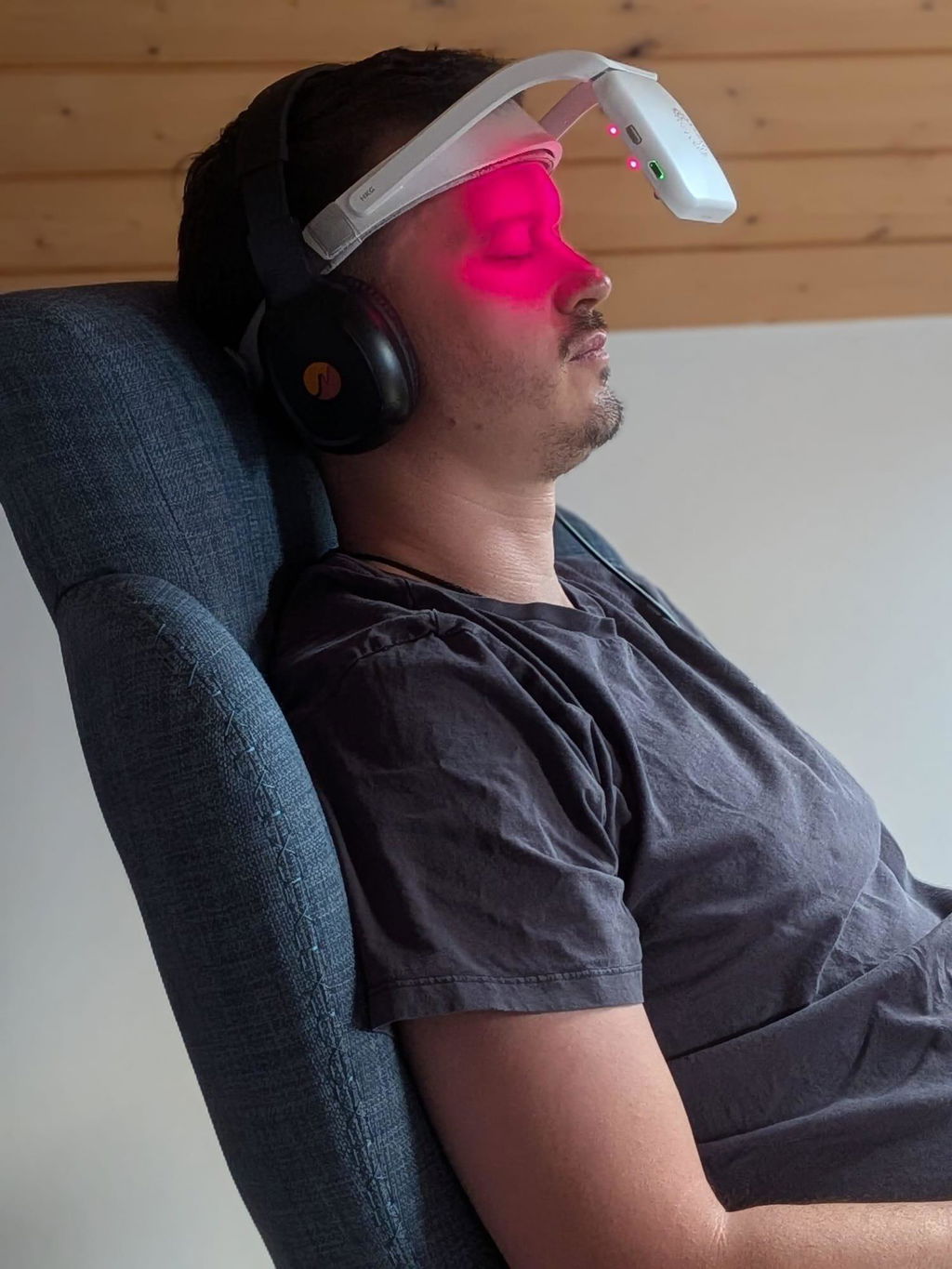
👉 Explore the neuroVIZR range: neuroVIZR LITE, neuroVIZR ORIGINAL, neuroVIZR ROUGE.
2. Rhythm-Based Relaxation Devices
Best for: Everyday stress, calming breaks, on-the-go use
These devices use gentle rhythm or breathing guidance to help create moments of calm throughout the day.
Why people choose them:
- Quick and simple to use
- Portable and discreet
- Helpful during busy or high-pressure moments
Good fit if you:
- Experience frequent tension
- Want something easy to use anywhere
- Need short relaxation breaks during the day
3. Sleep-Focused Calming Devices
Best for: Bedtime routines, improving sleep environments, night-time relaxation
These tools support consistent wind-down rituals using soundscapes, light cues, or guided sessions.
Why people choose them:
- Help create a structured evening routine
- Encourage a smoother transition to rest
- Support better sleep habits
Good fit if you:
- Struggle to switch off at night
- Want to build a calming bedtime routine
- Prefer gentle, guided relaxation before sleep
💤 The neuroVIZR ORIGINAL and neuroVIZR ROUGE both include sleep-focused programs as part of their session library.
neuroVIZR: Our Pick for Best Light & Sound Calming Device
If you're comparing devices and want one tool that covers relaxation, focus, and sleep—neuroVIZR is worth a close look. Here's how the range compares:
neuroVIZR LITE
6 selected sessions · 9 white LEDs · Cable-powered
Best for an affordable and uncomplicated introduction to light & sound relaxation.
View neuroVIZR LITE →neuroVIZR ORIGINAL
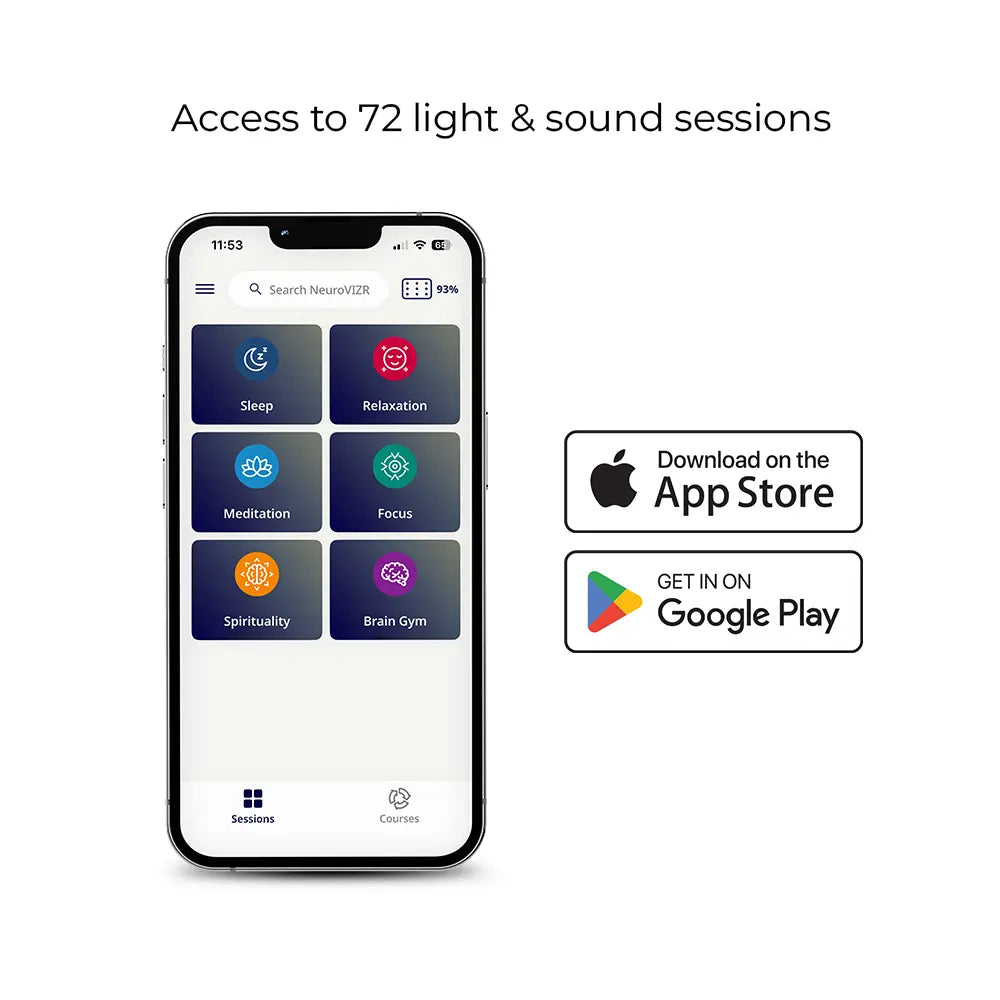
72 sessions · 9 white LEDs · Rechargeable battery & offline use
Best for versatile everyday use—relaxation, focus, and sleep in one device.
View neuroVIZR ORIGINAL →neuroVIZR ROUGE
9 red LEDs · Rechargeable battery · Exclusive ROUGE Experiences & Luxury Case
Best for a gentler red-light experience and the premium option in the range.
View neuroVIZR ROUGE →See the full neuroVIZR comparison →
What to Look for When Choosing a Calming Device
If you're considering a calming device, focus on features that support long-term use:
1. Ease of Use
Choose something simple and intuitive. Devices like neuroVIZR are designed for short, guided sessions that fit into everyday life.
2. Structured Programs
Look for devices that offer clear session types, such as relaxation, focus, or wind-down routines.
3. Comfortable Sensory Experience
Light and sound should feel gentle and supportive, not overwhelming.
4. Routine Compatibility
The best device is one that naturally fits into your lifestyle—whether during a break, after work, or before sleep.
Great Gifts for Relaxation: What to Consider
If you're buying a calming device as a gift, neuroVIZR offers options at every level:
- neuroVIZR LITE — The accessible gift. Simple to use, easy to get started with, and a genuine introduction to light & sound relaxation.
- neuroVIZR ORIGINAL — The versatile all-rounder. With 72 sessions covering relaxation, focus and sleep, it offers flexibility across relaxation, focus and sleep routines.
- neuroVIZR ROUGE — The premium gift. A gentler red-light experience, a Luxury Case, and exclusive ROUGE Experiences for someone who deserves the best.
A well-chosen device simply says: "Take a moment for yourself."
Why Calming Devices Are Becoming More Popular
More people are exploring stress relief gadgets because:
- Daily life feels more fast-paced and demanding
- Mental overload is common
- Traditional relaxation methods don't suit everyone
- People want practical tools, not just advice
Calming devices help bridge the gap between wanting to relax and actually taking time to do it.
Final Thoughts
No device replaces rest, balance, or meaningful downtime. However, the right calming device may support your daily routine by creating consistent moments of calm and focus.
If you're exploring stress relief gadgets or looking for a thoughtful gift, choose something that feels simple, supportive, and easy to return to.
Relaxation isn't something you force—it's something you allow space for.
Ready to find your calm?
Explore the full neuroVIZR range and find the device that fits your lifestyle.
Compare all neuroVIZR modelsFAQs
Q: Do calming devices really help with stress?
Many calming devices are designed to create sensory experiences associated with relaxation, which may help support calm moments when used regularly.
Q: Are stress relief devices good gifts?
Yes, they can be thoughtful gifts for relaxation, especially for people with busy schedules who may benefit from simple ways to unwind. The neuroVIZR ROUGE is a popular premium choice, while the neuroVIZR LITE offers an accessible starting point.
Q: What is the best calming device for daily use?
The best option depends on your preference. The neuroVIZR ORIGINAL covers relaxation, focus and sleep in one device, making it a versatile choice for everyday use.
Q: How often should you use a calming device?
Most devices are designed for short, regular sessions, making them easy to include in daily routines such as breaks or evening wind-down time.
Q: Who should not use neuroVIZR?
neuroVIZR is intended for adults aged 18 and over. It is not suitable for individuals with photosensitive epilepsy or a history of seizures. If you are uncertain whether light-based experiences are appropriate for you, consult a qualified healthcare professional before use.





Share:
Reset Your Nervous System Naturally: A Wellness Approach
Cognitive Overload Symptoms: Why Your Mind Feels Shut Down and Emotionally Numb