

Disclaimer
This content is for informational purposes only and does not constitute medical advice. Always consult a qualified healthcare professional before making changes to your wellness routine.
Modern Life and Your Nervous System
Everyday life can leave your nervous system feeling overworked. Constant notifications, deadlines, emotional stress, poor sleep, and information overload can make your mind and body feel tense, fatigued, or restless.
You don’t have to feel this way. Using wellness-focused methods, you can create moments of calm and support your body’s natural balance.
Understanding Your Nervous System
Your nervous system has two main states:
1. Alert Mode (Fight or Flight)
This state prepares your body to handle challenges by increasing focus and energy. Short-term activation is normal, but prolonged alertness can be draining.
2. Relaxation Mode (Rest and Recover)
This state helps your body calm down, recharge, and restore balance. A healthy system shifts smoothly between alert and relaxed states.
Signs You May Need a Reset
If you notice several of these signs, your body may benefit from relaxation routines:
-
Persistent restlessness or irritability
-
Difficulty concentrating or brain fog
-
Trouble sleeping
-
Muscle tension or headaches
-
Digestive discomfort
-
Feeling emotionally overwhelmed
Wellness Techniques to Support Nervous System Balance
Here are experience-focused methods to help your body feel calmer and more resilient:
1. Mindful Breathing
Slow, controlled breathing can create moments of calm and help your body feel safe. Try:
-
Inhale for 4 seconds
-
Exhale for 6 seconds
-
Repeat for 3–5 minutes
Longer exhales encourage relaxation and mindfulness.
2. Gentle Cold Exposure
Brief exposure to cooler temperatures can encourage adaptability and focus:
-
30–60 seconds of cool water at the end of a shower
-
Splashing cool water on your face
-
Outdoor walks in mild temperatures
Start small and gradually explore these sensory experiences.
3. Movement and Mobility
Physical movement releases stored tension and supports calmness:
-
Slow yoga or mobility exercises
-
Walking in nature
-
Light stretching
-
Gentle rhythmic movements
These activities signal safety to the body and mind.
4. Improve Sleep Habits
Sleep supports the nervous system naturally. Consider:
-
Consistent sleep and wake times
-
Avoiding screens 60 minutes before bed
-
Reducing caffeine in the afternoon
-
Keeping your room cool and dark
Even small adjustments can improve overall relaxation.
5. Limit Digital Overstimulation
Reducing screen time helps your nervous system reset:
-
Schedule notification-free blocks
-
Avoid endless scrolling at night
-
Replace nighttime scrolling with reading
6. Grounding Practices
Simple techniques can create moments of calm:
-
Noticing five things around you
-
Gentle humming or chanting
-
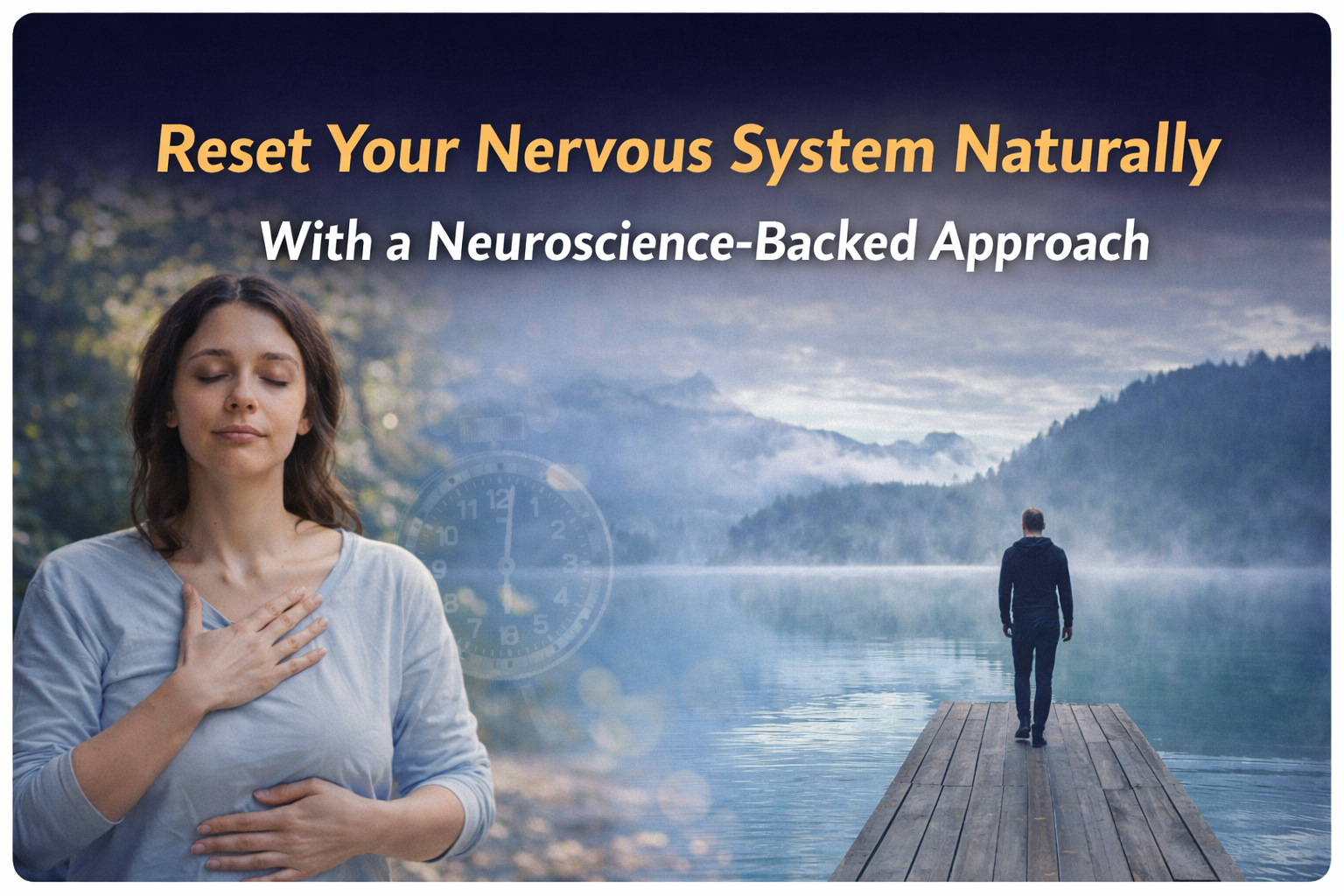
Placing one hand on your chest and one on your abdomen
-
Light self-hug or applying gentle pressure
A Beginner-Friendly 7-Day Reset Routine
Daily:
-
5 minutes slow breathing
-
10-minute outdoor walk
-
Maintain consistent sleep schedule
3x per week:
-
Cold exposure
-
Light mobility session
Digital Rule:
-
No phone 30 minutes after waking or before bed
Small, consistent practices can create meaningful changes over time.
How Long Does It Take to Feel a Change?
There’s no overnight reset. Some people feel calmer within days, while deeper balance develops over weeks of consistent practice. The brain responds to repeated experiences, allowing natural adaptation over time.
When to Seek Additional Support
If you experience:
-
Intense anxiety or panic
-
Trauma-related symptoms
-
Persistent depression
-
Physical symptoms without clear cause
It’s recommended to consult a licensed therapist or healthcare professional. Wellness routines are supportive, but professional guidance may be necessary for deeper concerns.
Final Thoughts
Resetting your nervous system naturally is about building resilience, not eliminating stress entirely. Using breath, movement, sleep, digital boundaries, and grounding exercises, you can create experiences that support calm and stability.
Start small, stay consistent, and let your wellness practices guide you toward a more balanced state.
FAQ
Q1: Can this routine replace medical treatment?
A: No. These wellness methods support relaxation and balance but do not replace professional medical or psychological care.
Q2: How long should I practice each technique?
A: Even short daily sessions (3–10 minutes) can help. Consistency over time is more effective than duration.
Q3: Are cold exposure and mobility exercises safe for everyone?
A: Most people can benefit, but always start gradually and consult a professional if you have health concerns.
Q4: Can technology-based devices like neuroVIZR help?
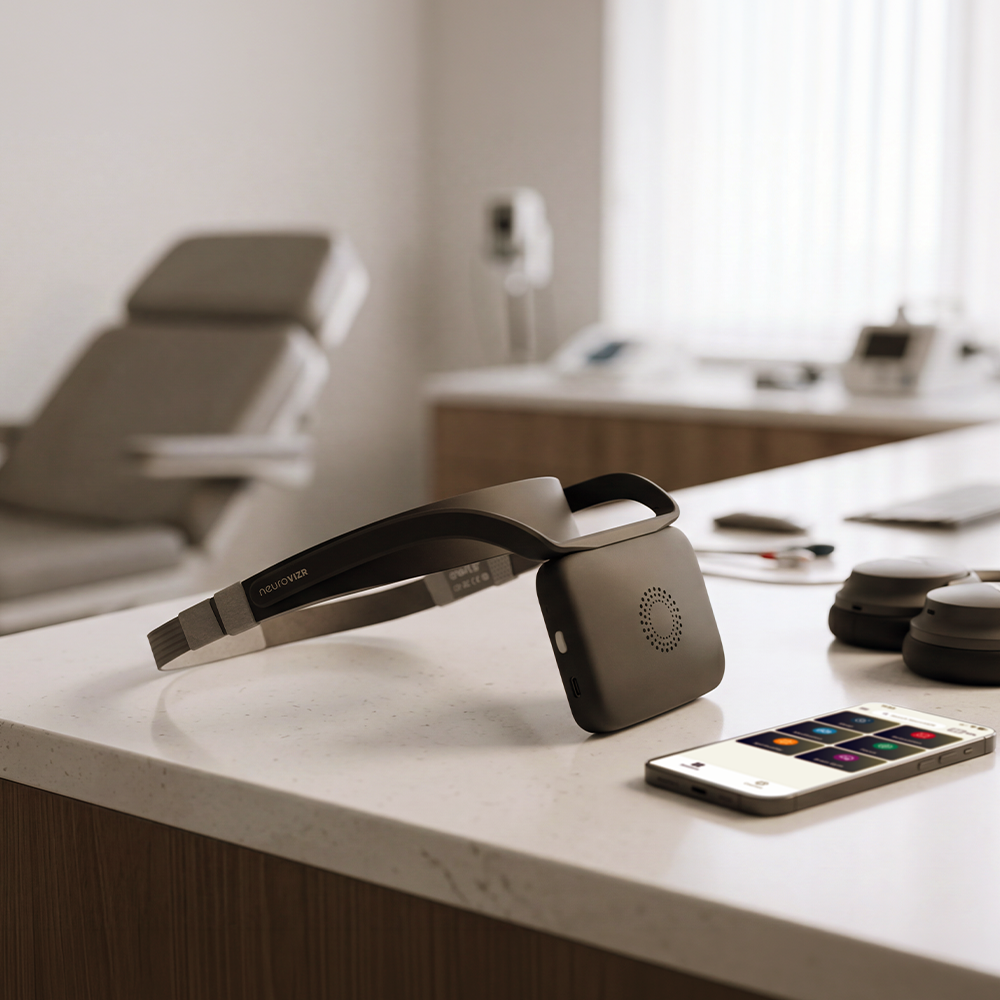
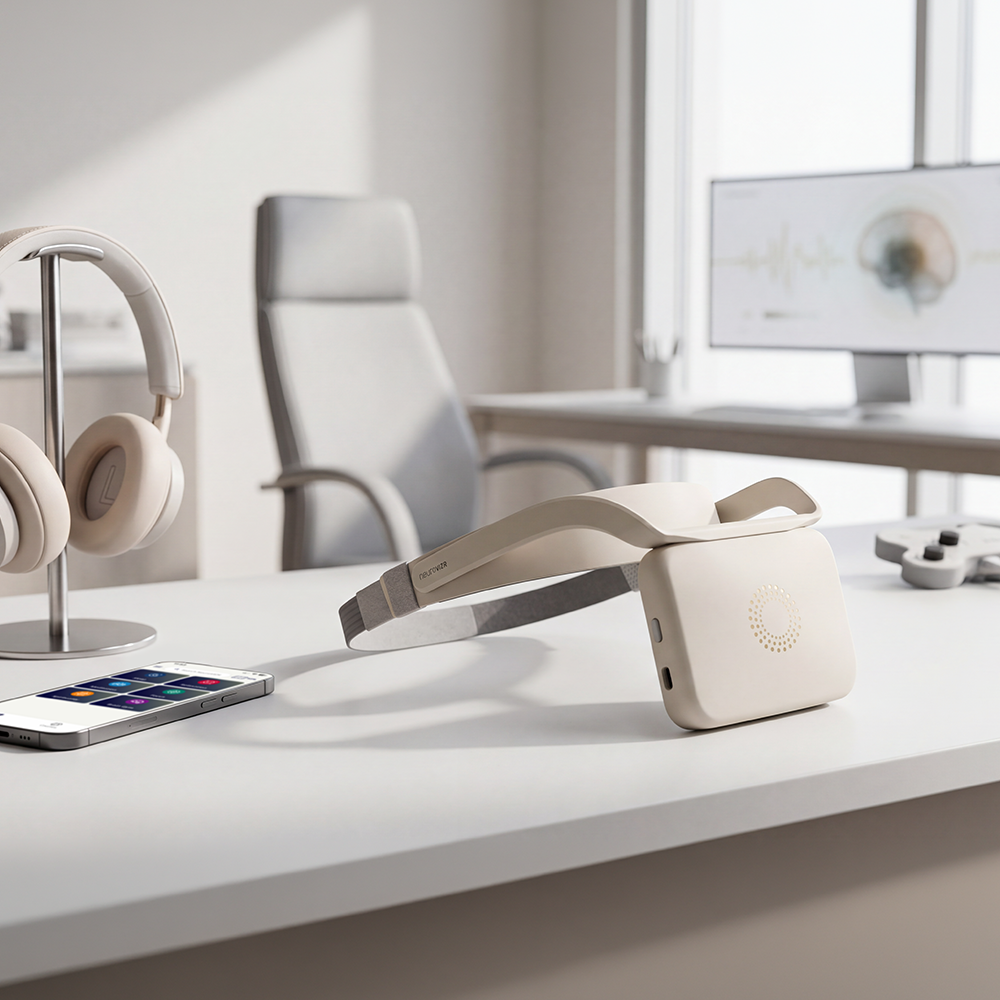
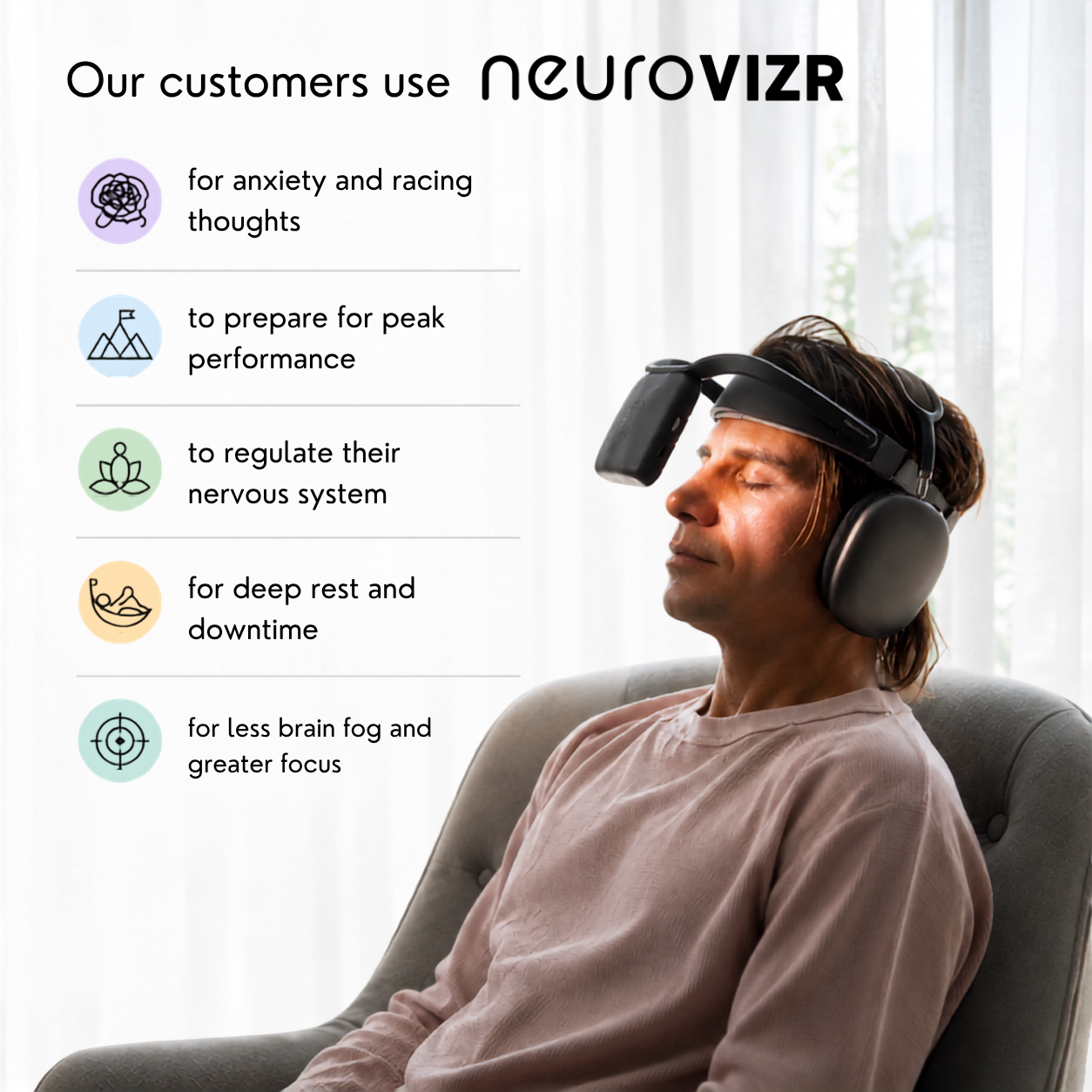
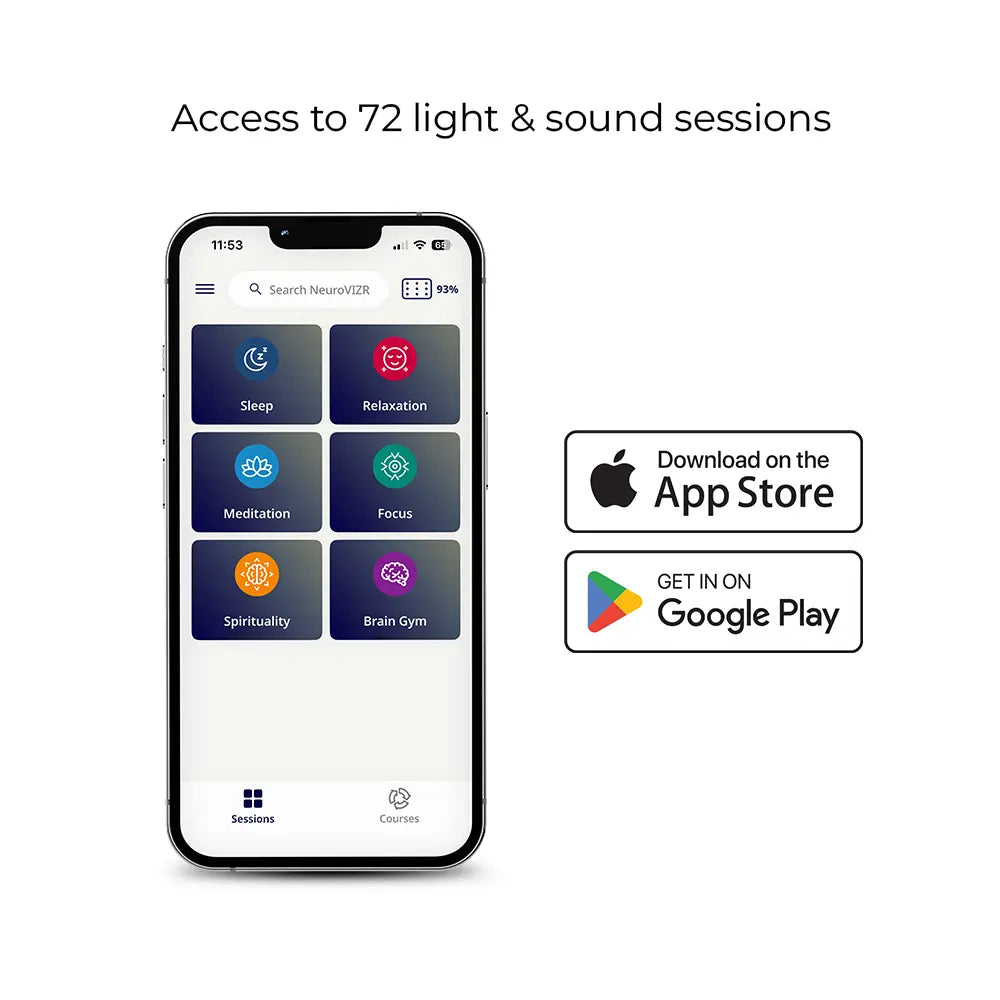
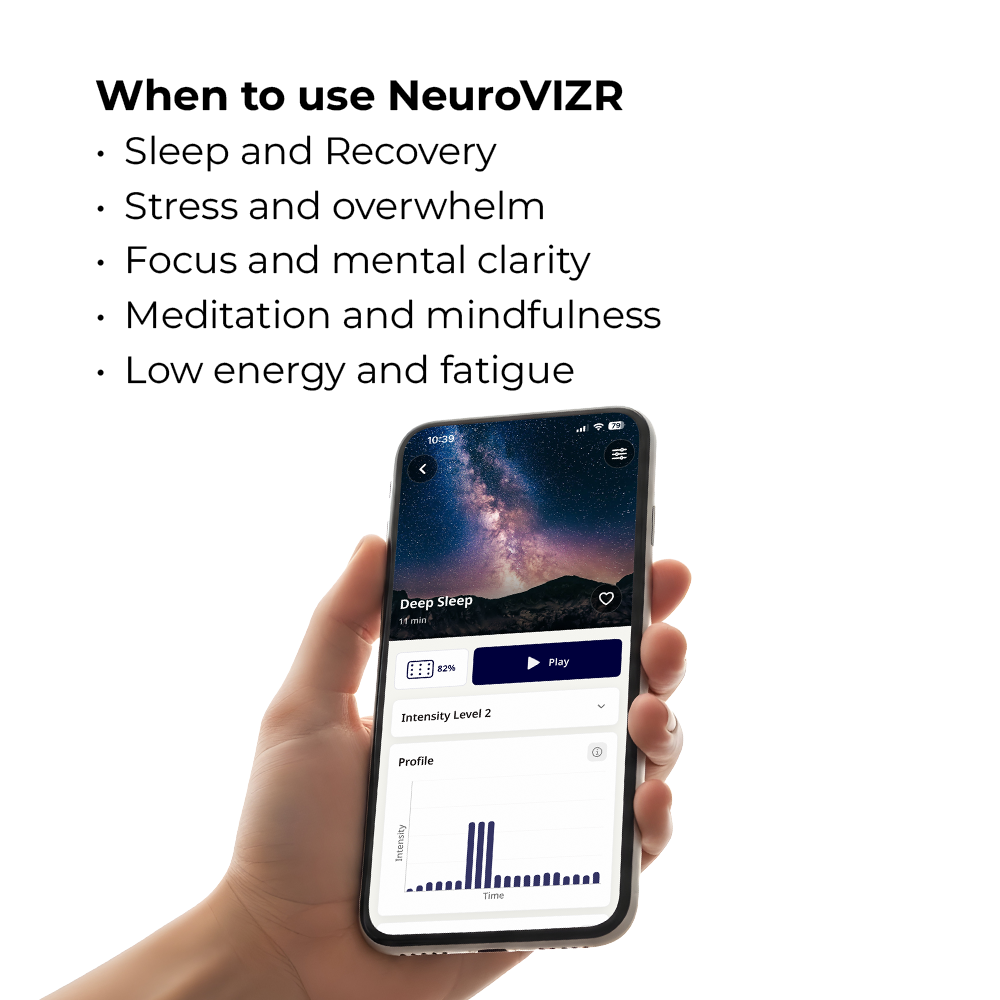
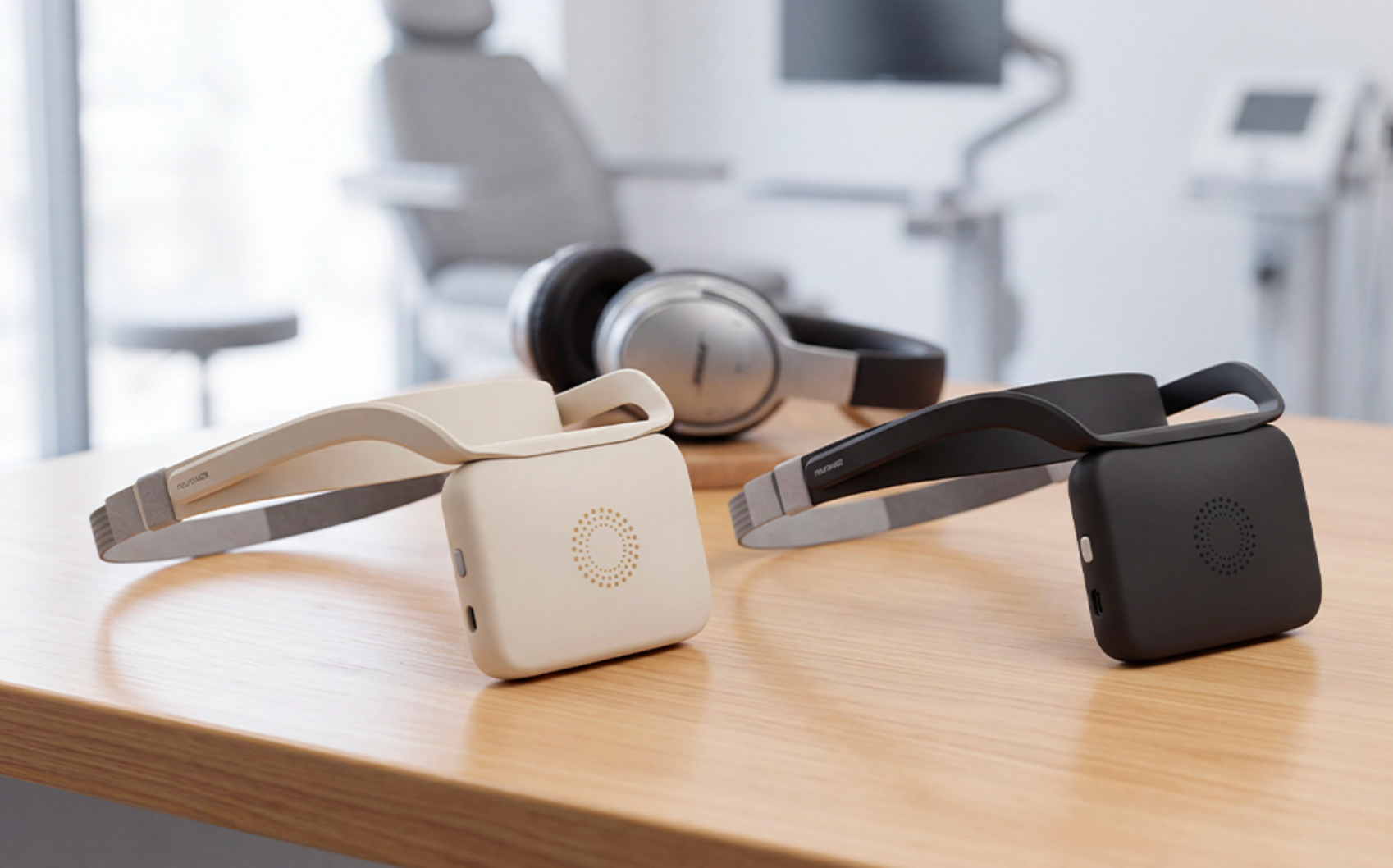
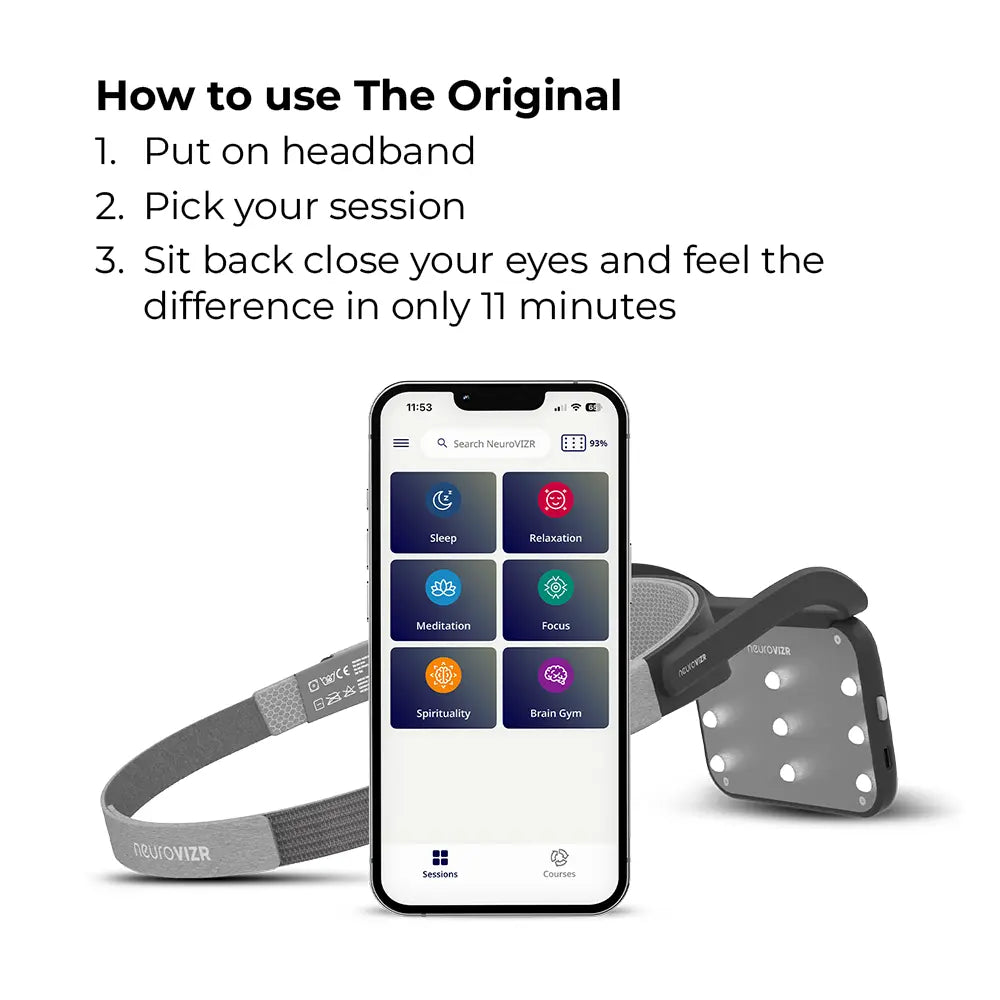
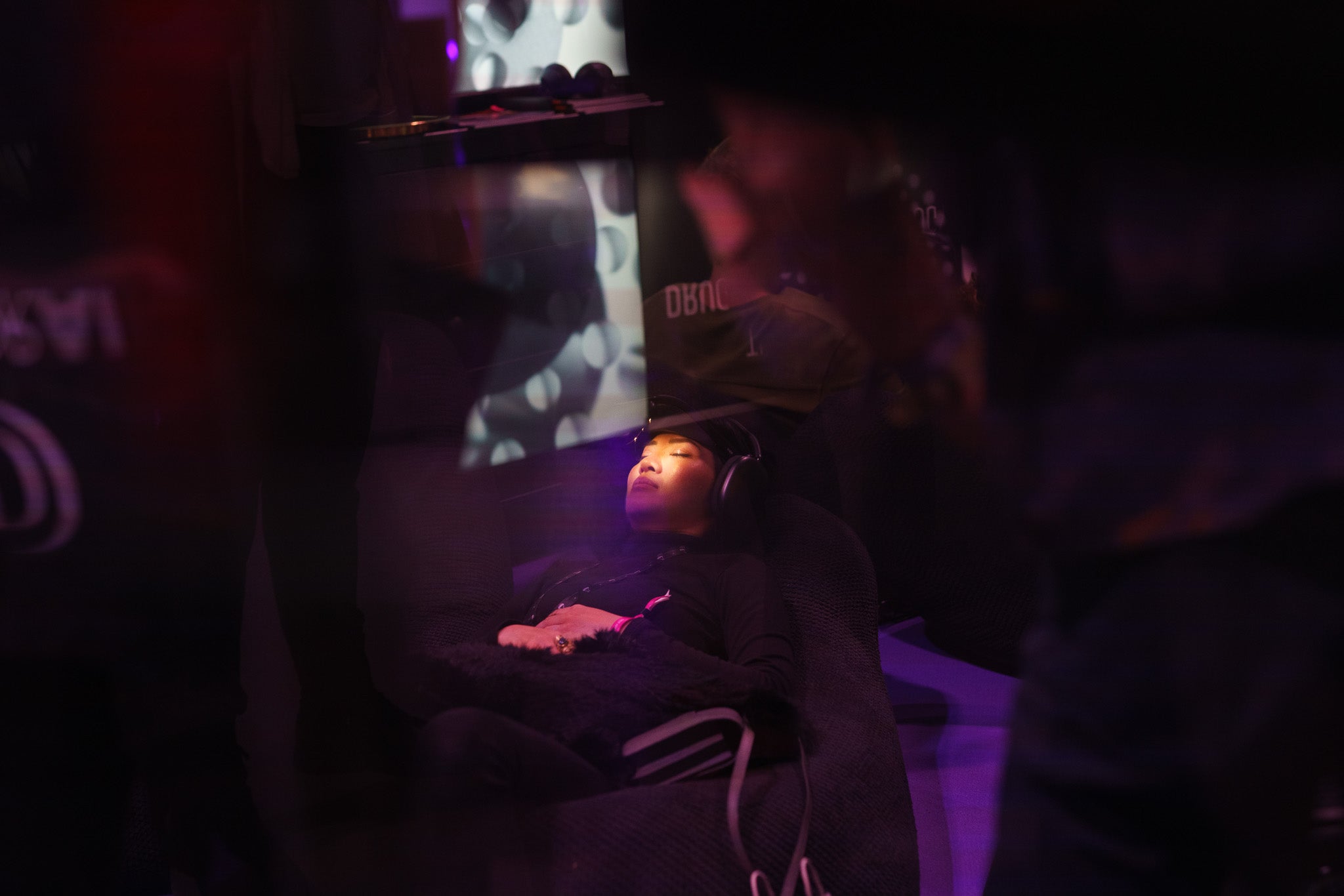
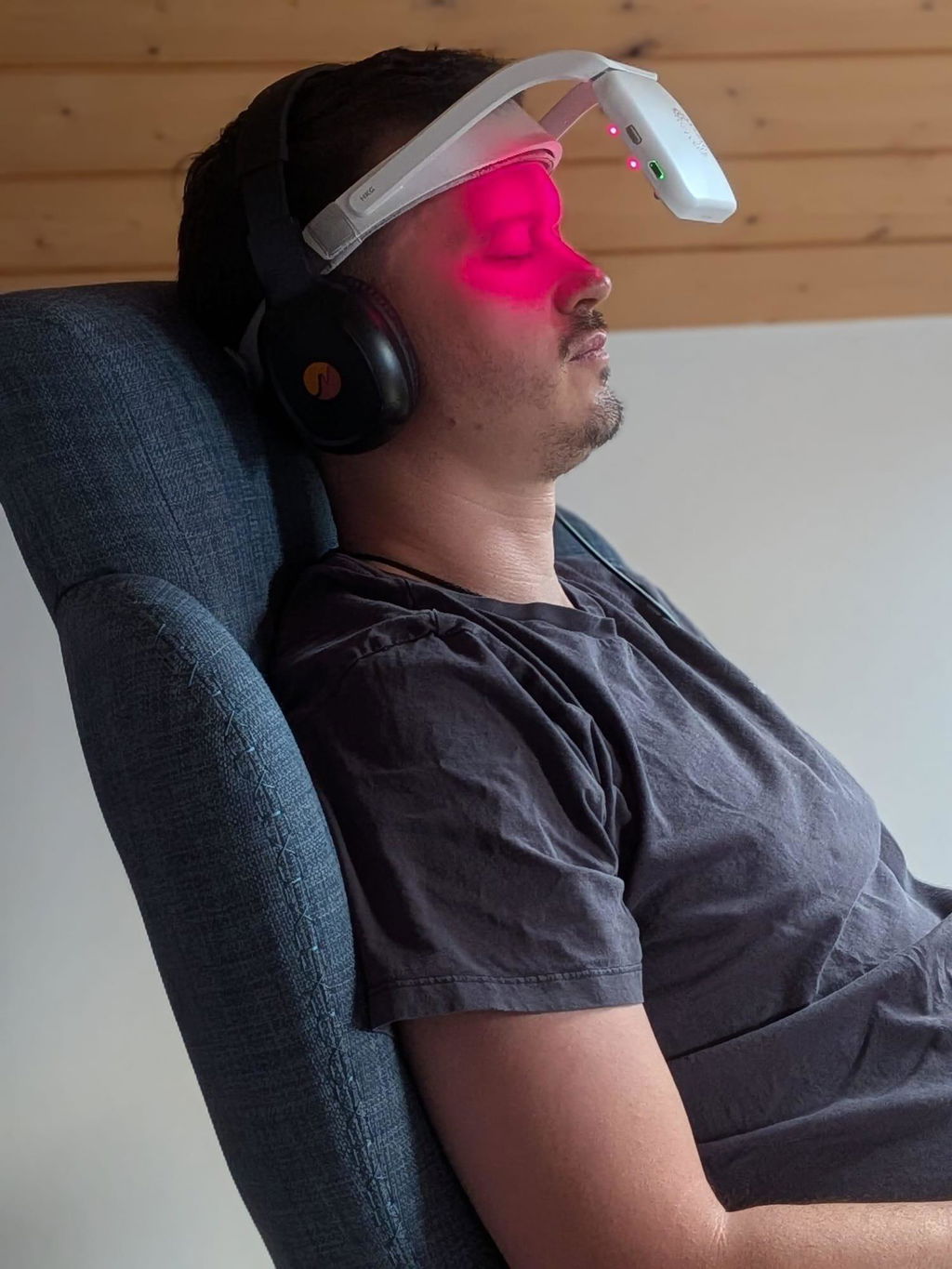
A: Devices that use light and sound patterns can create immersive sensory experiences often associated with relaxation and focus. They are designed as wellness tools to support moments of calm.





Share:
Need to Calm Your Nervous System Fast? Here’s What Actually Works
Best Calming Devices & Stress Relief Gadgets for Deep Relaxation (2026 Buyer’s Guide)