

Disclaimer
This content is for educational and informational purposes only and is not medical advice. neuroVIZR is a wellness device and is not designed to diagnose, treat, cure, or prevent any medical condition. Individual experiences may vary. If you experience persistent anxiety, panic symptoms, depression, or other medical concerns, consult a qualified healthcare professional before beginning any new wellness practice.
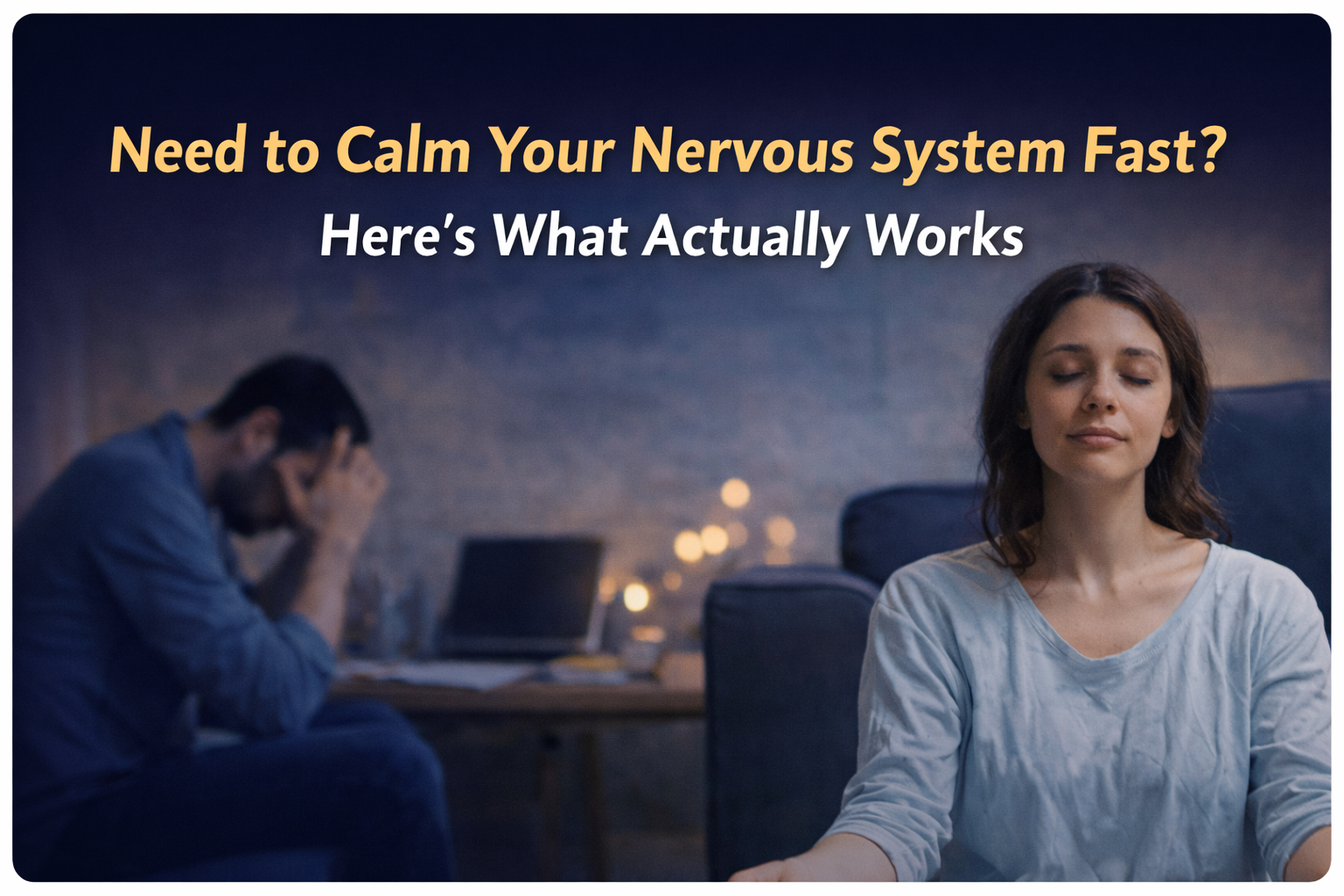
There are moments when stress doesn’t just feel uncomfortable it can feel overwhelming. Your heart races, your chest feels tight, and your thoughts won’t slow down. You might feel wired, restless, or even emotionally flat.
In these moments, you don’t need a long lecture on mindfulness you need relief. Fast.
This blog explores practical, wellness-focused strategies to create moments of calm and support your nervous system, plus how structured tools like neuroVIZR can provide deeper support for ongoing balance.
Why Your Nervous System Can Feel Overloaded
The nervous system has two main modes:
-
Sympathetic – active, alert, “fight or flight”
-
Parasympathetic – calm, restorative, “rest and digest”
Short bursts of stress are natural and protective. But modern life often keeps the body in high alert with constant emails, overstimulation, poor sleep, and ongoing worries. Over time, your brain may interpret everyday stress as a threat, leaving you:
-
Racing or intrusive thoughts
-
Tight shoulders, jaw, or chest
-
Difficulty focusing
-
Mood fluctuations or emotional detachment
-
Fatigue despite rest
This is not a sign of weakness it’s your nervous system responding to overload.
Common Strategies (And Why They Sometimes Fall Short)
Many people turn to:
-
Deep breathing
-
Meditation
-
Positive affirmations
-
Distraction
-
Supplements
These techniques can support relaxation, but if your body is already in high alert, your survival response may override your logical thinking. That’s why sometimes your mind feels calm but your body doesn’t follow.
Practical Ways to Support Calm Quickly
1. Strategic Breathing
Breathing can create an immediate sense of calm if done mindfully. Try the physiological sigh:
-
Inhale deeply through your nose
-
Take a second, short inhale
-
Slowly exhale through your mouth
-
Repeat 5–10 times
This method can help your nervous system shift toward a more relaxed state, creating a sense of relief in just a few minutes.
2. Cold Sensory Input
Splashing cold water on your face or using a cold compress activates the body’s natural calming response. Simple, fast, and effective for acute moments of stress.
3. Grounding Through the Senses
Bringing awareness back to your senses can reduce mental overload:
-
Name 5 things you see
-
Name 4 things you feel
-
Name 3 things you hear
-
Name 2 things you smell
-
Name 1 thing you taste
This method shifts focus away from stress and into the present moment.
4. Gentle Physical Movement
Short bursts of movement, like a quick walk or 30 jumping jacks, can help release tension and support overall nervous system balance. Even small physical actions signal the body that it’s safe to move out of stress mode.
When Quick Techniques Aren’t Enough
Sometimes, temporary relief isn’t sufficient. Chronic stress can create patterns in the brain that make the nervous system reactive by default. In these cases, additional support is helpful.
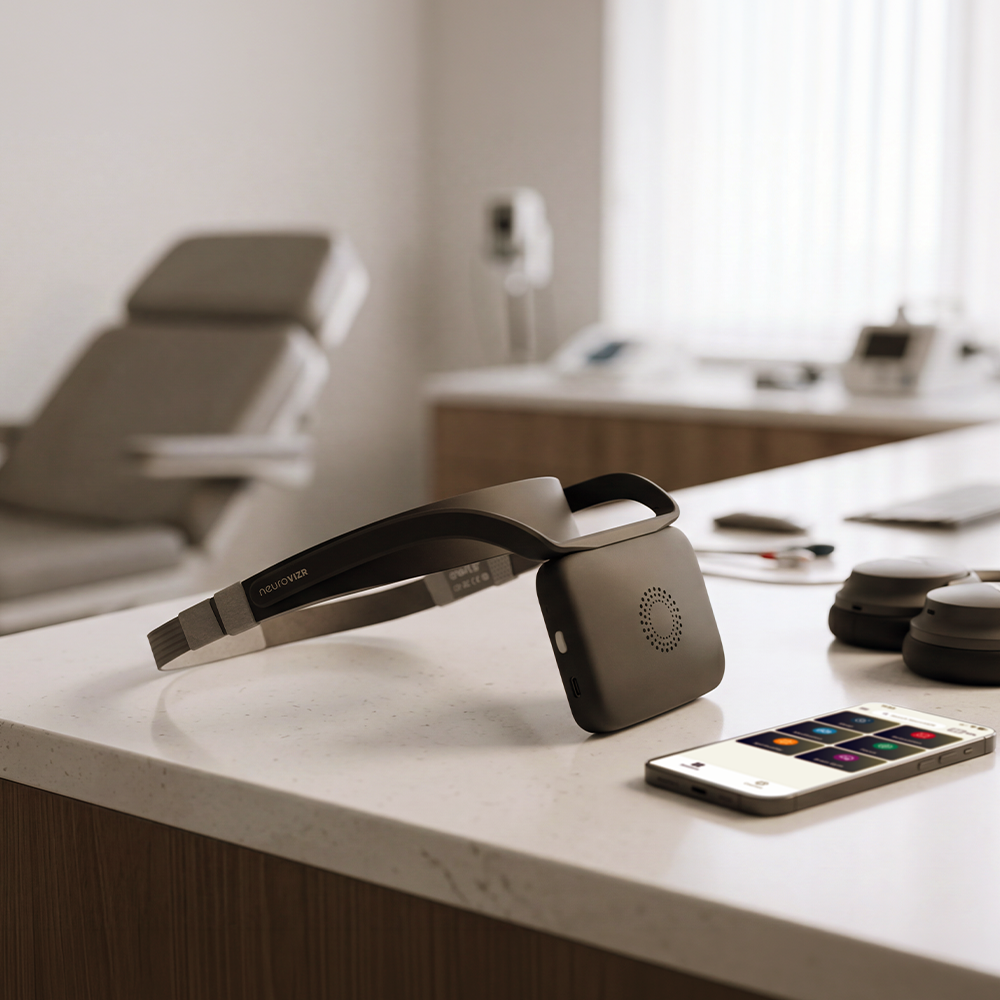
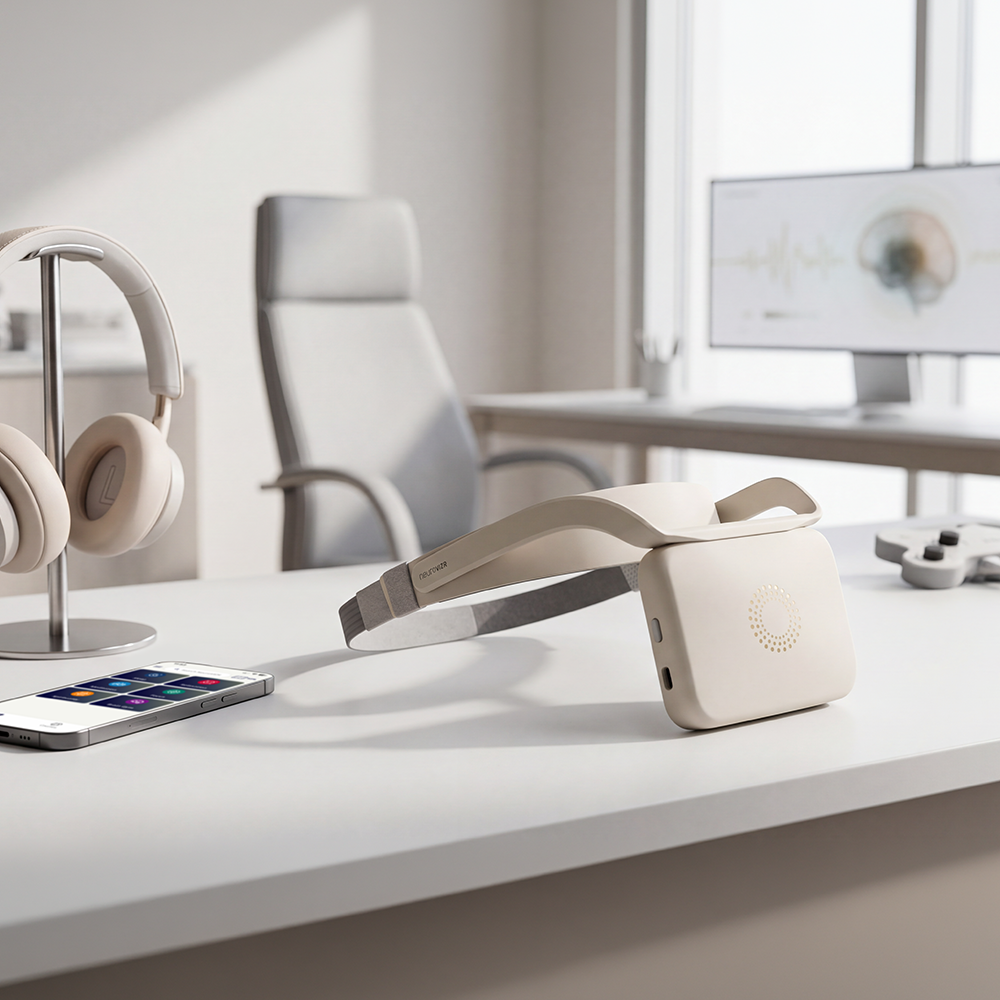
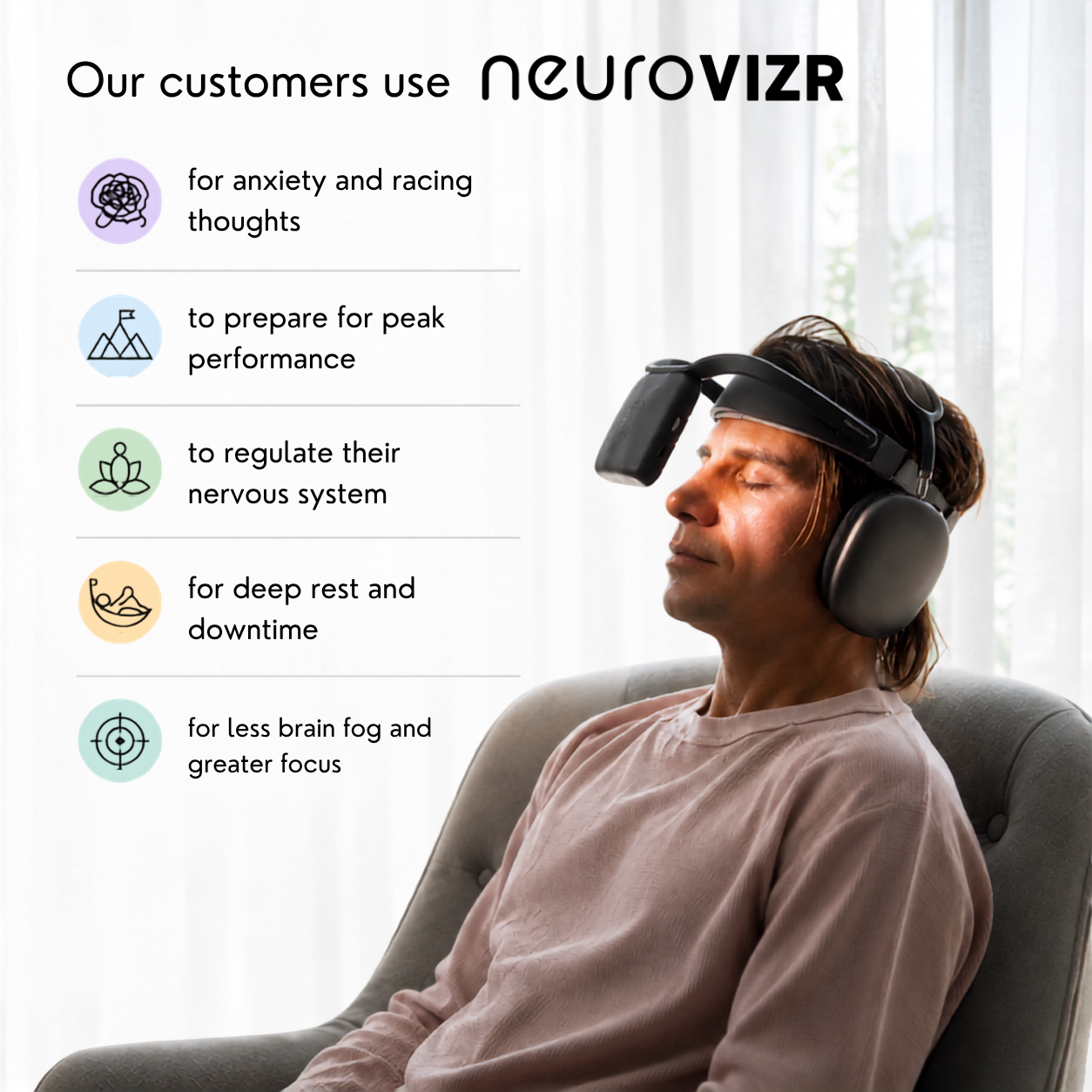
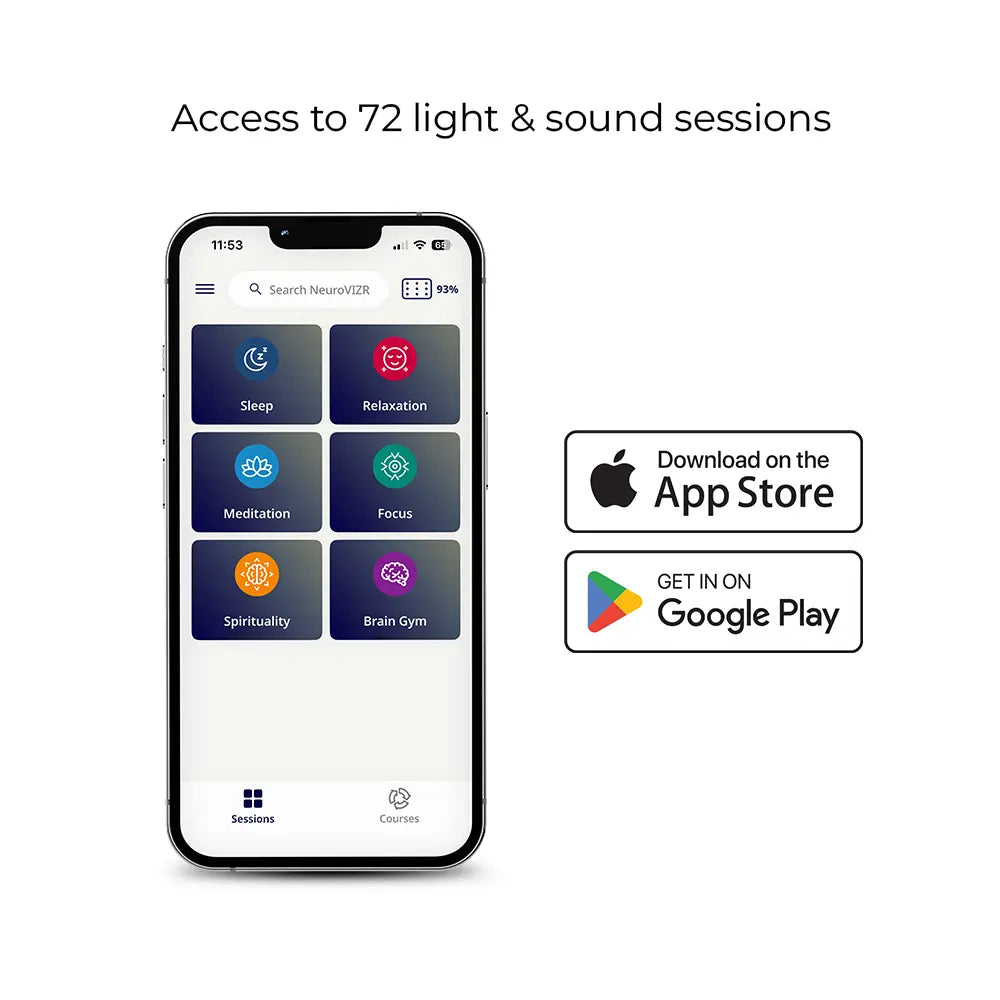
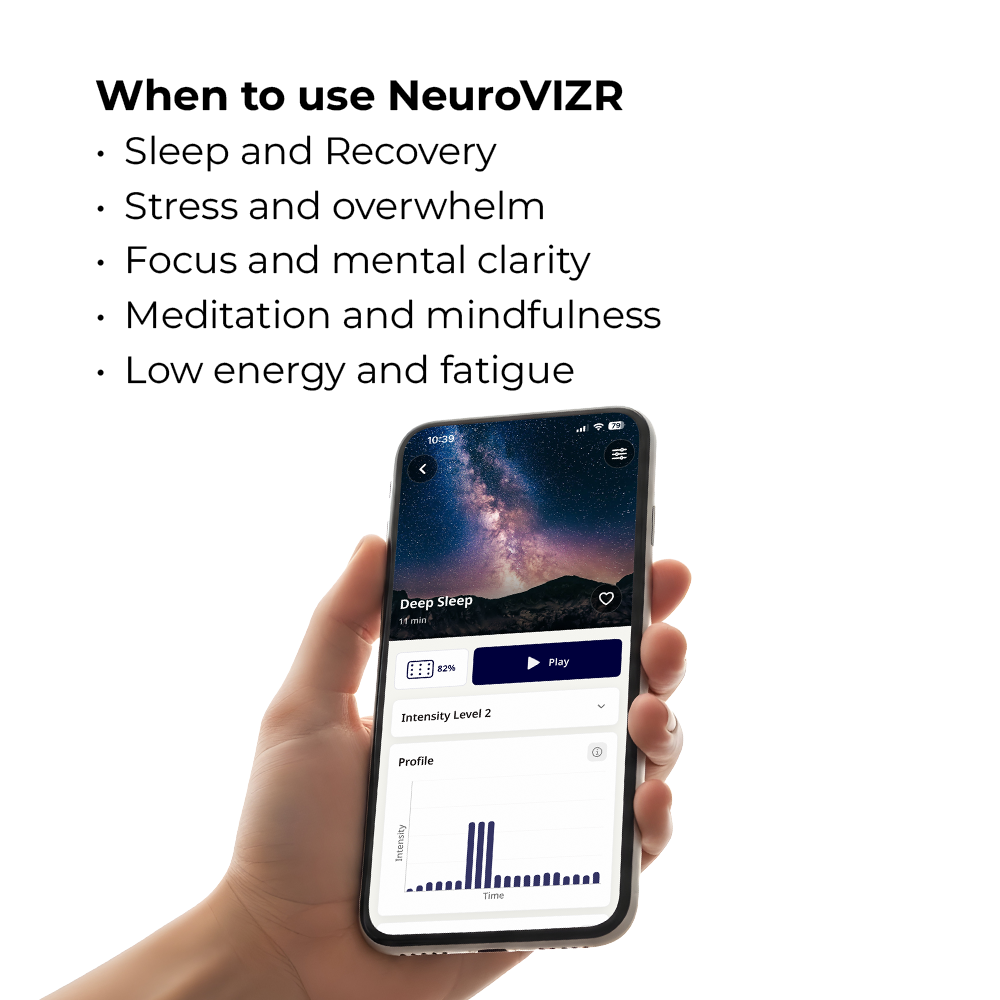
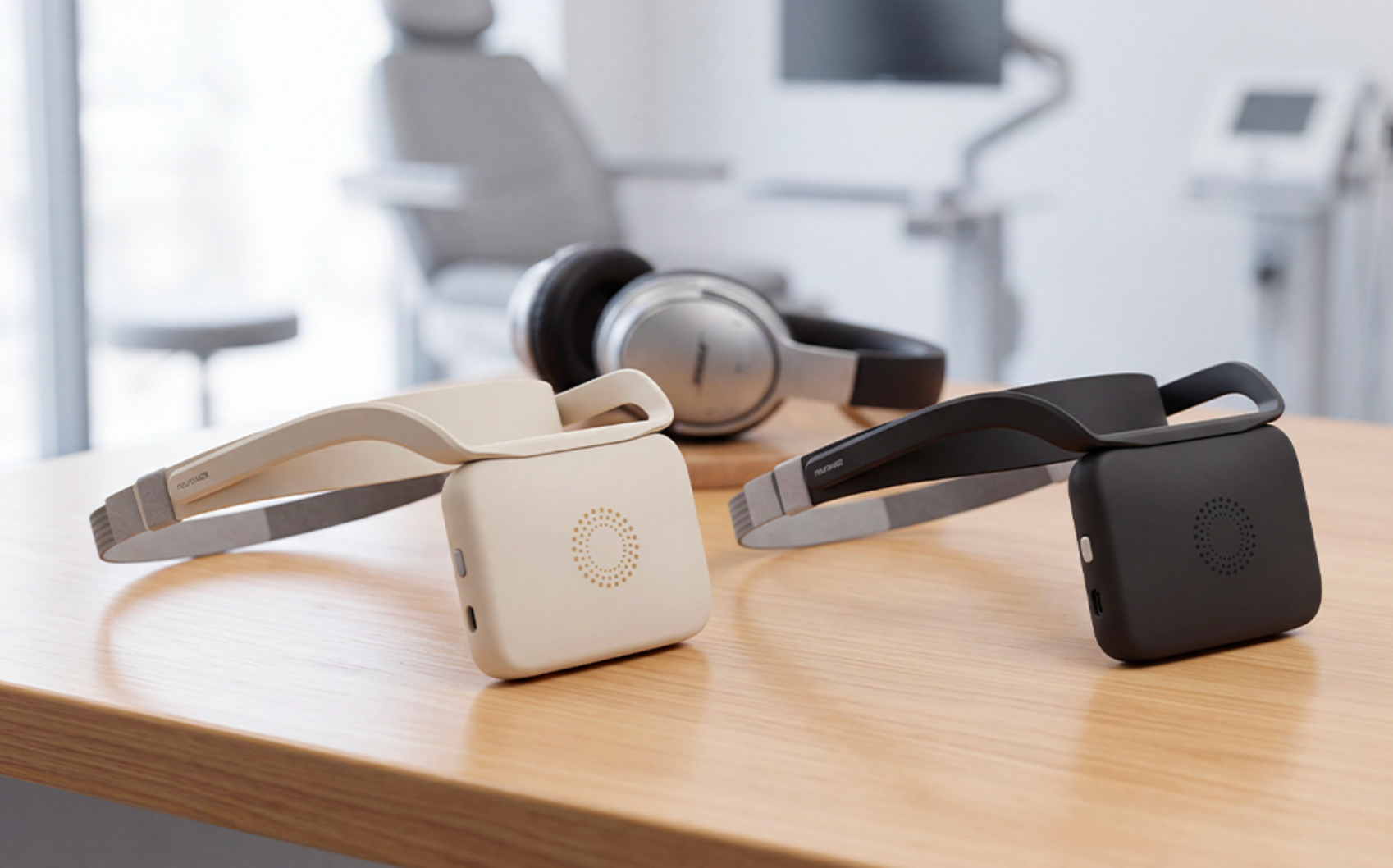
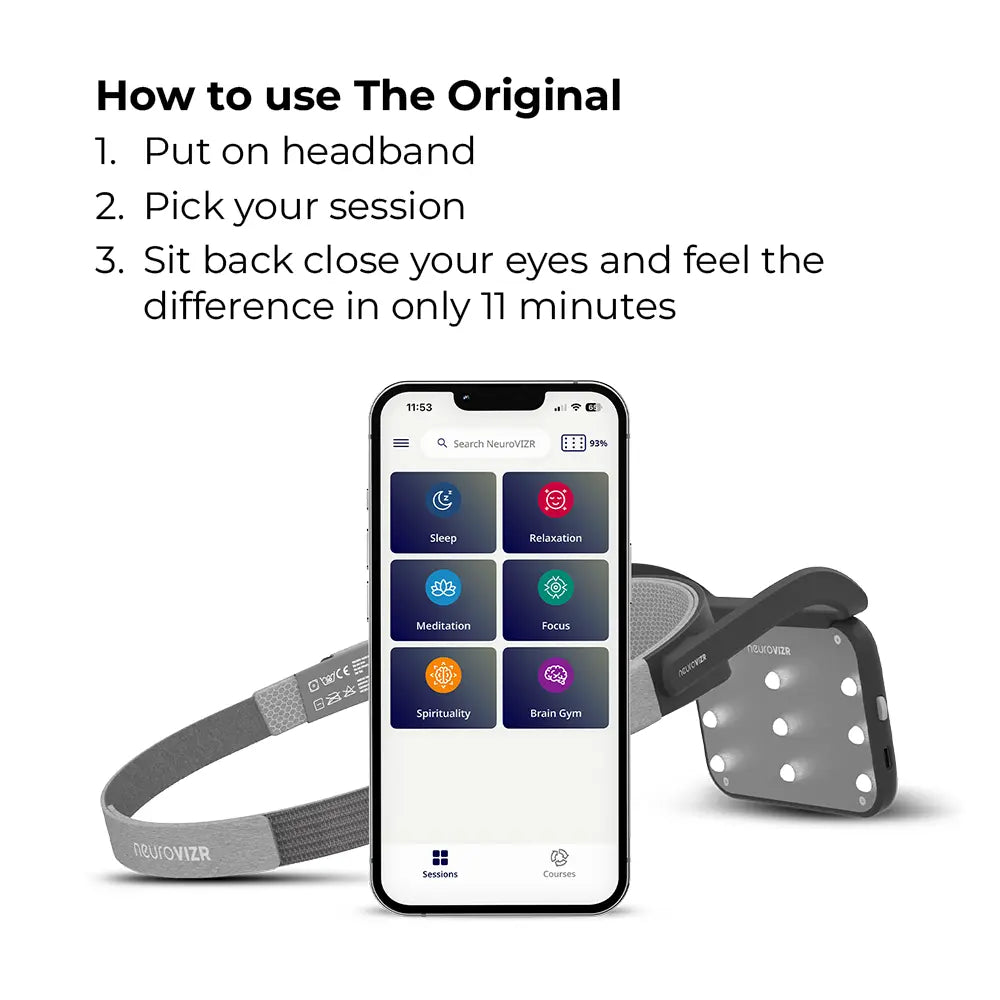
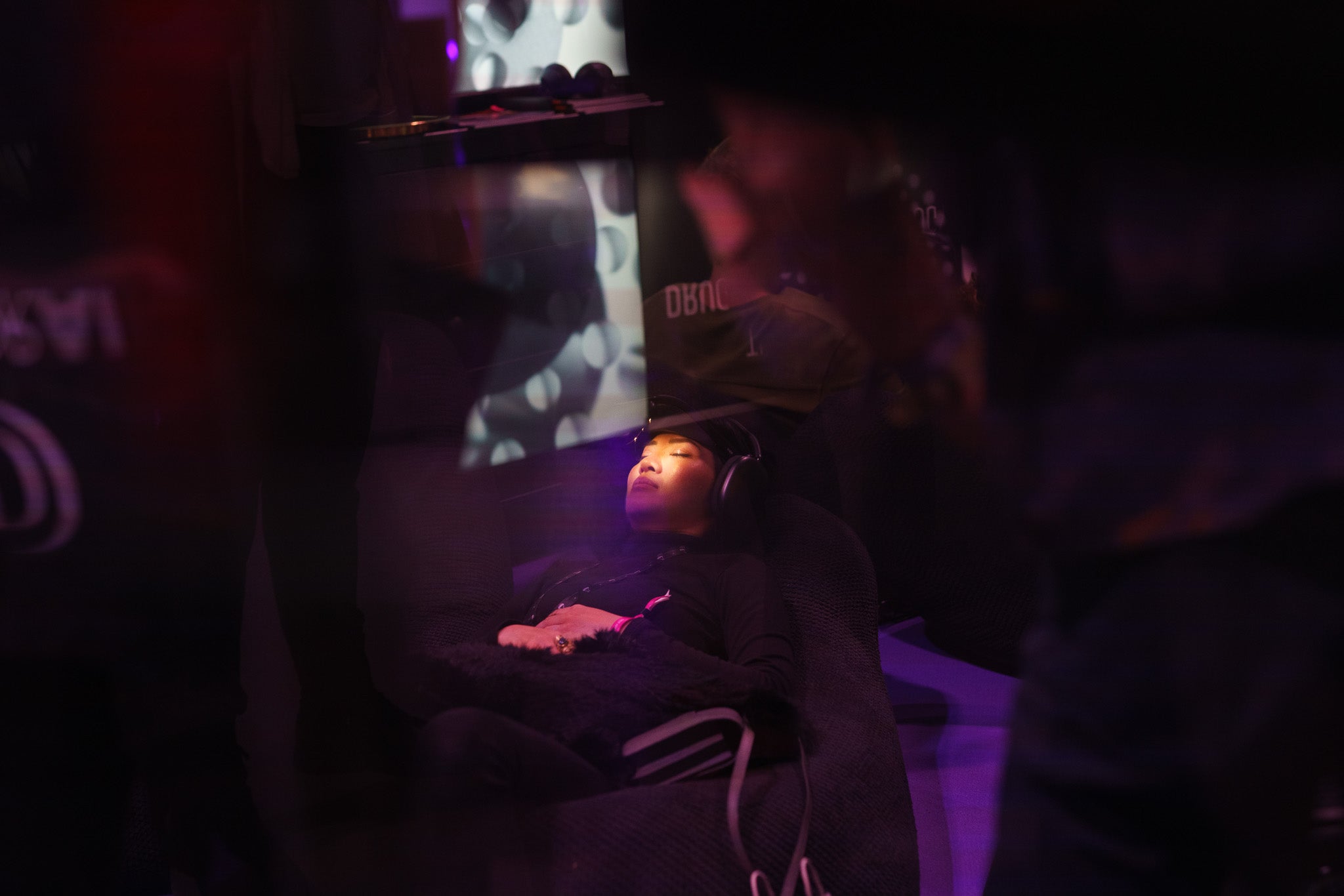
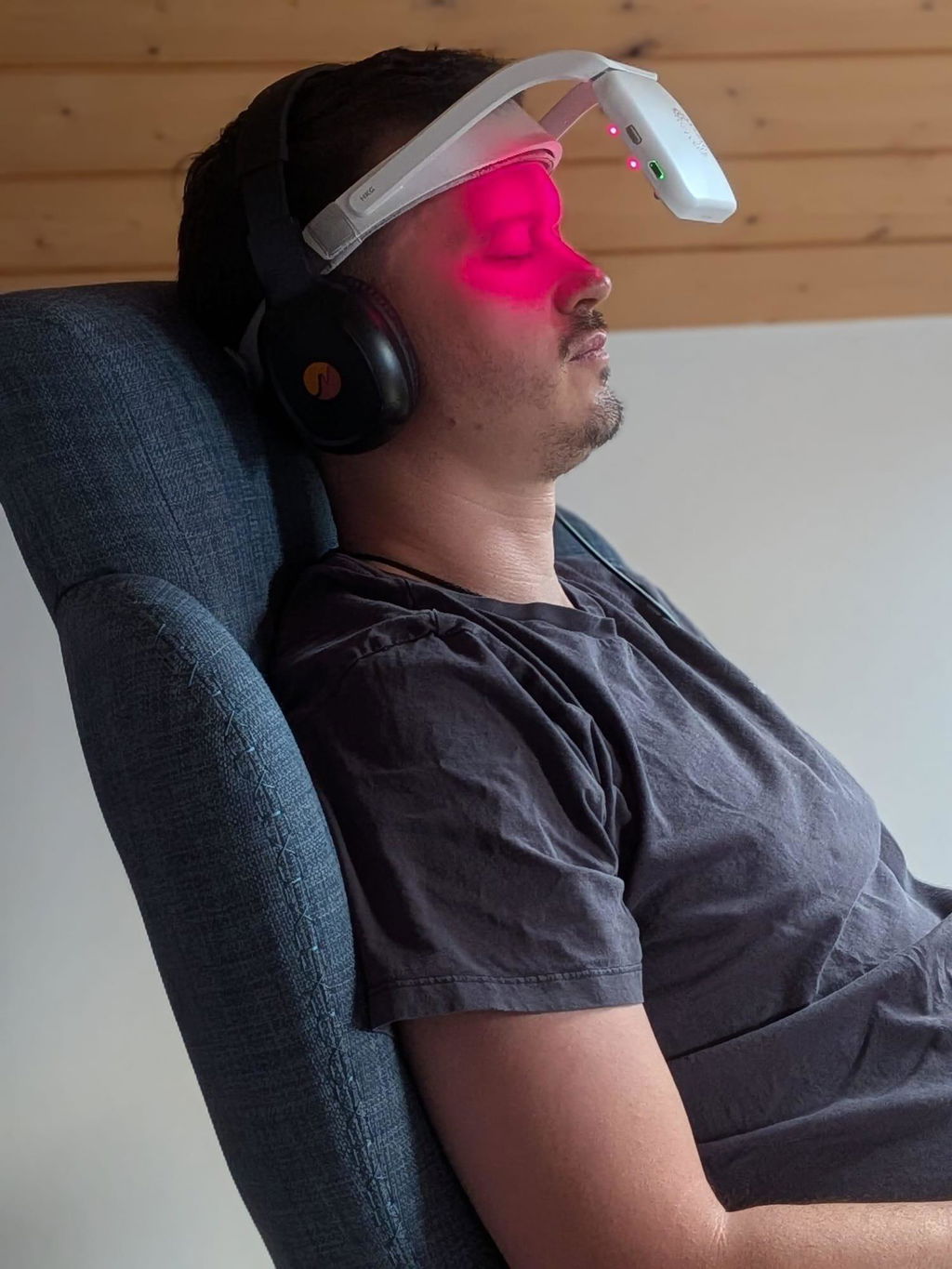
Structured brain support, like using neuroVIZR, provides immersive sensory experiences designed to help the brain and body step away from constant overstimulation and encourage moments of calm.
Signs You May Benefit from Deeper Support
-
Persistent anxiety without clear triggers
-
Difficulty “switching off” thoughts at night
-
Emotional flatness or detachment
-
Stress feels constant, not situational
-
Brain fog or mental fatigue
-
Feeling drained after small stressors
If these signs resonate, your nervous system may need more consistent regulation, not just quick fixes.
The Difference Between Fast Relief and Lasting Regulation
-
Fast relief: Techniques like breathing, grounding, or cold input calm immediate stress spikes
-
Lasting regulation: Structured sensory experiences and wellness practices can reduce how often stress spikes occur
Think of it as: You can put out fires, but you also need to address why the alarm keeps ringing.
Final Thoughts
Feeling wired, overwhelmed, or emotionally detached isn’t a personal failure. It’s your nervous system signaling that it needs support.
Use fast techniques for immediate relief, but consider wellness-focused brain support for longer-term calm and balance. When your brain feels safe, your body naturally follows, bringing clarity, calm, and resilience back into daily life.
FAQ: Quick Answers About Nervous System Support
Q: Can I use breathing exercises every day?
A: Yes! Strategic breathing can be a supportive part of daily relaxation routines.
Q: Is cold exposure safe for everyone?
A: Generally yes, but start gradually and avoid if you have specific medical conditions consult a professional if unsure.
Q: What makes neuroVIZR different from typical relaxation tools?
A: It provides immersive sensory experiences designed to support balance and reduce overstimulation, complementing daily wellness routines.





Share:
Reset Your Nervous System Naturally: A Wellness Approach
Best Calming Devices & Stress Relief Gadgets for Deep Relaxation (2026 Buyer’s Guide)