

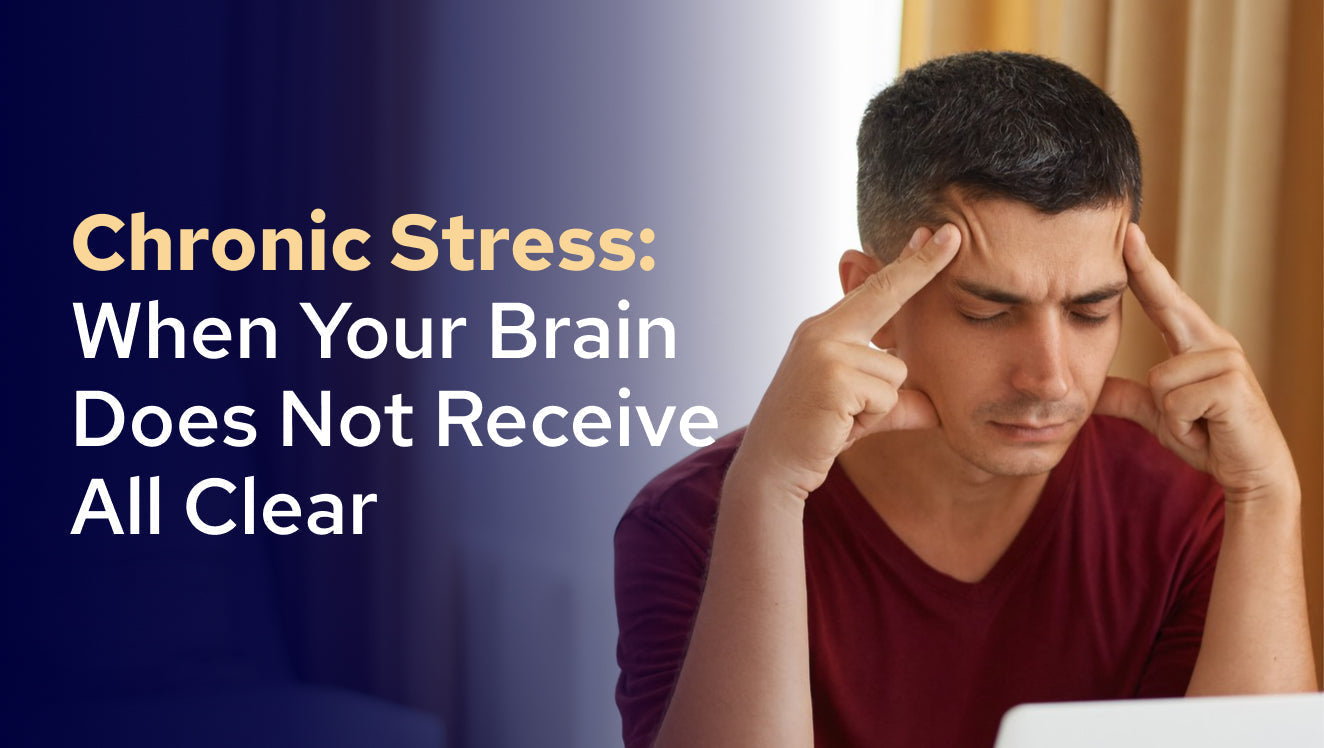
Short bursts of stress are normal. Chronic stress is different: when the pressure never really switches off, your mind and body stay in a low-grade "alert" mode that's hard to shake.
What chronic stress feels like
- A constant sense of being "on" or unable to relax
- Poor sleep and daytime fatigue
- Tension, irritability or brain fog
- Difficulty switching off, even with free time
Why it matters
When stress stays high for long periods, it can affect sleep, energy, focus and mood. Supporting your system to return to calm is the goal, not eliminating stress entirely.
7 ways to help your system unwind
1. Protect your sleep
Consistent sleep is the strongest reset for a stressed system.
2. Breathe with a long exhale
Slow breathing signals safety to the nervous system.
3. Move daily
Gentle movement discharges built-up tension.
4. Set micro-boundaries
Short screen and work breaks stop stress from stacking.
5. Get daylight
Morning light steadies your rhythm and mood.
6. Connect
Time with people you trust calms the system.
7. Build a wind-down ritual
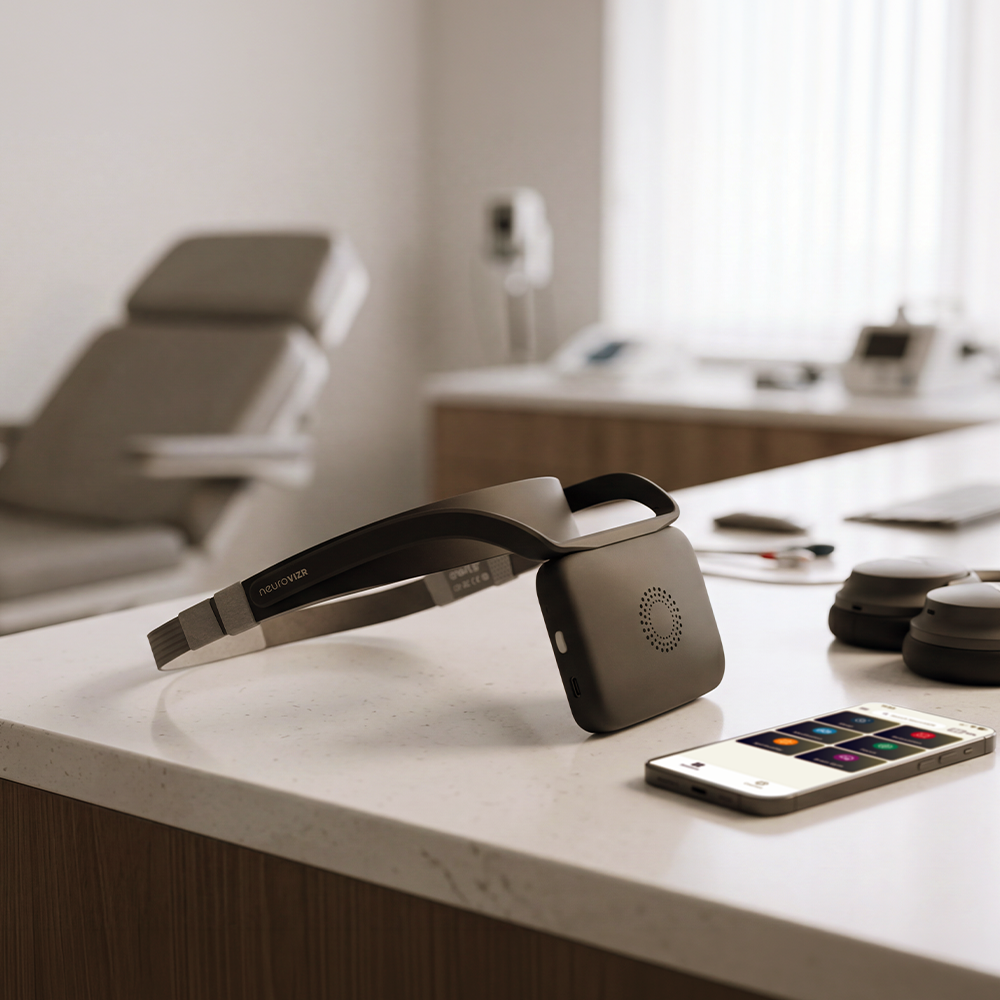
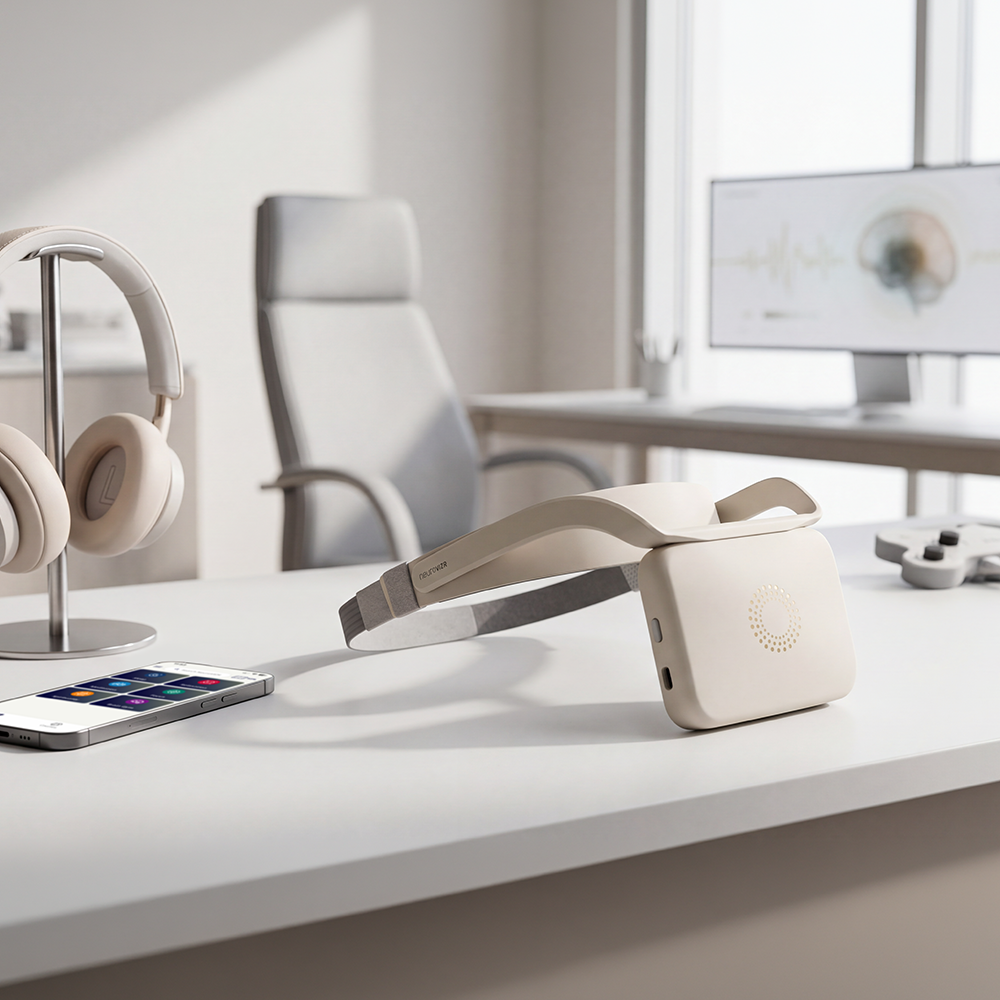
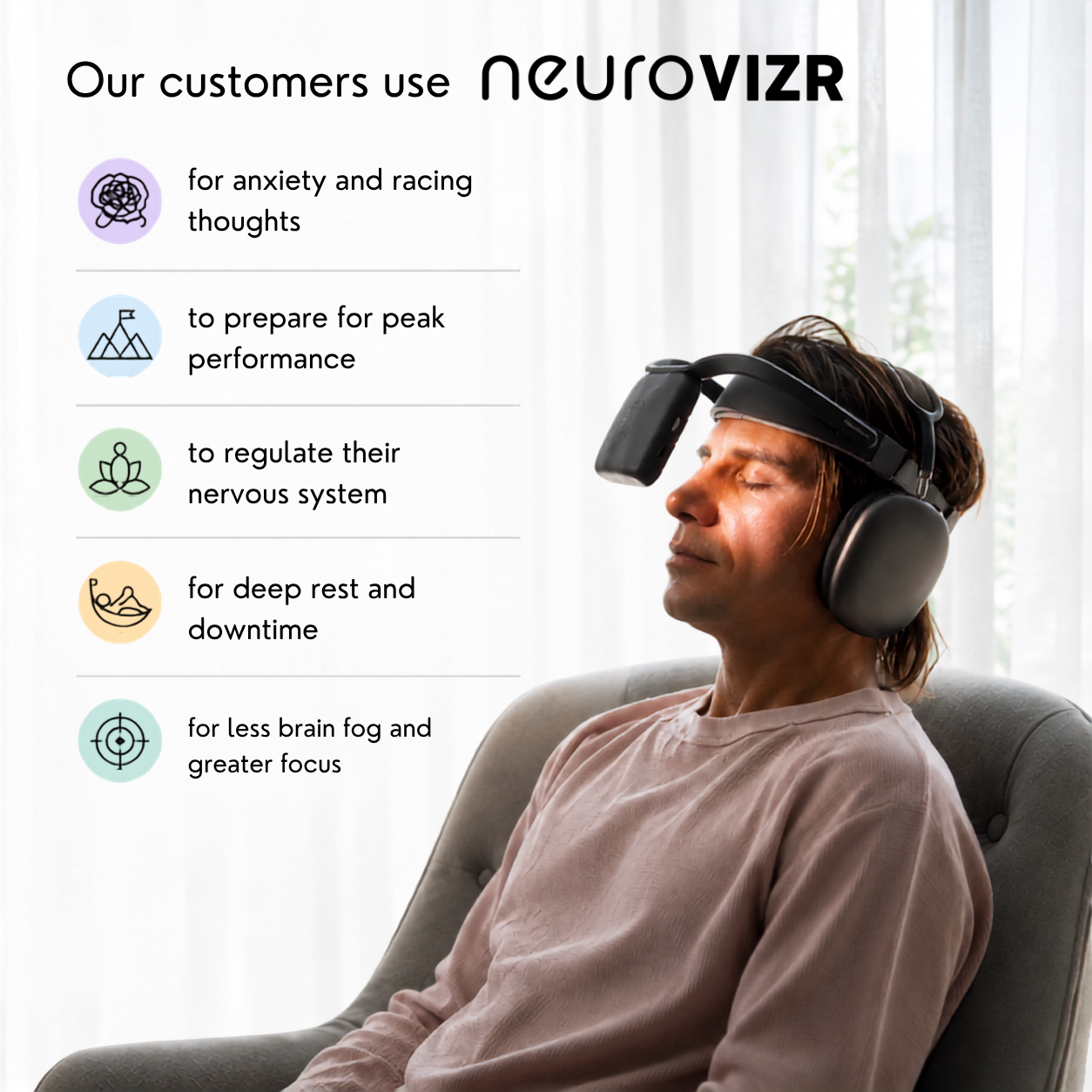
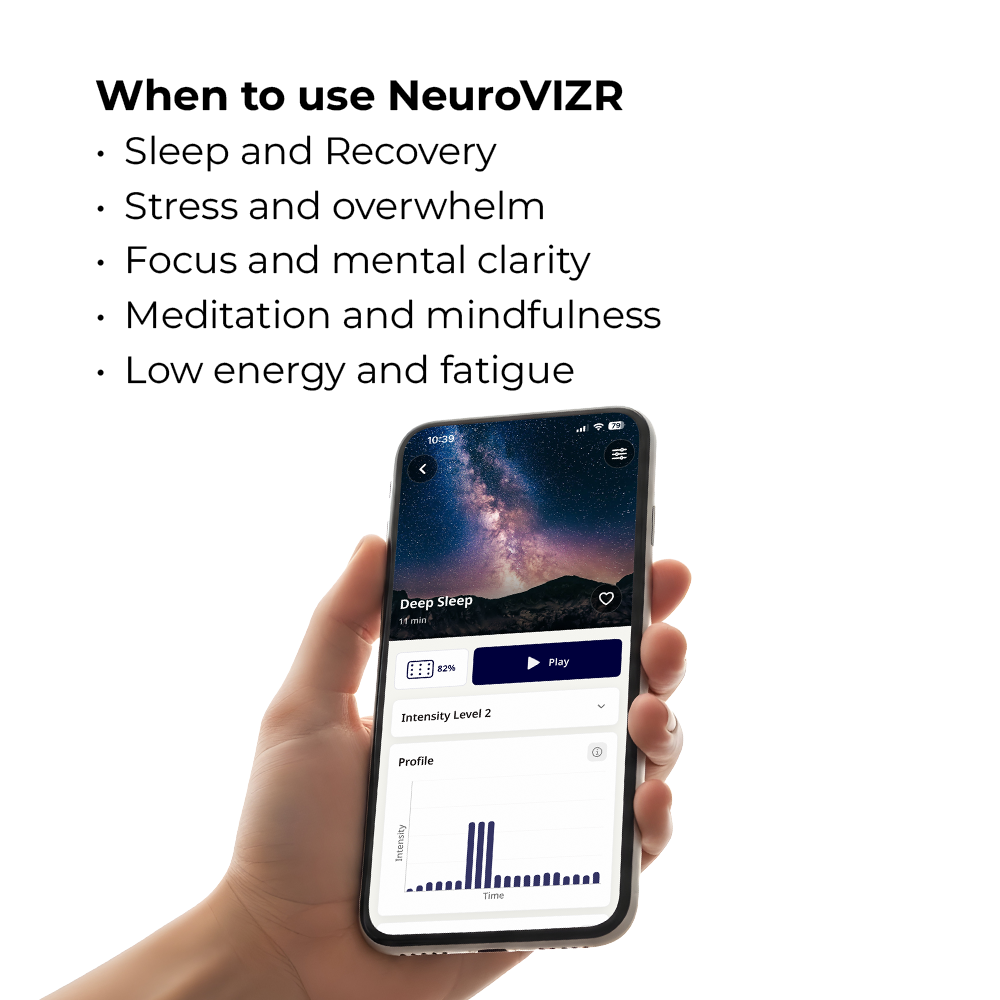
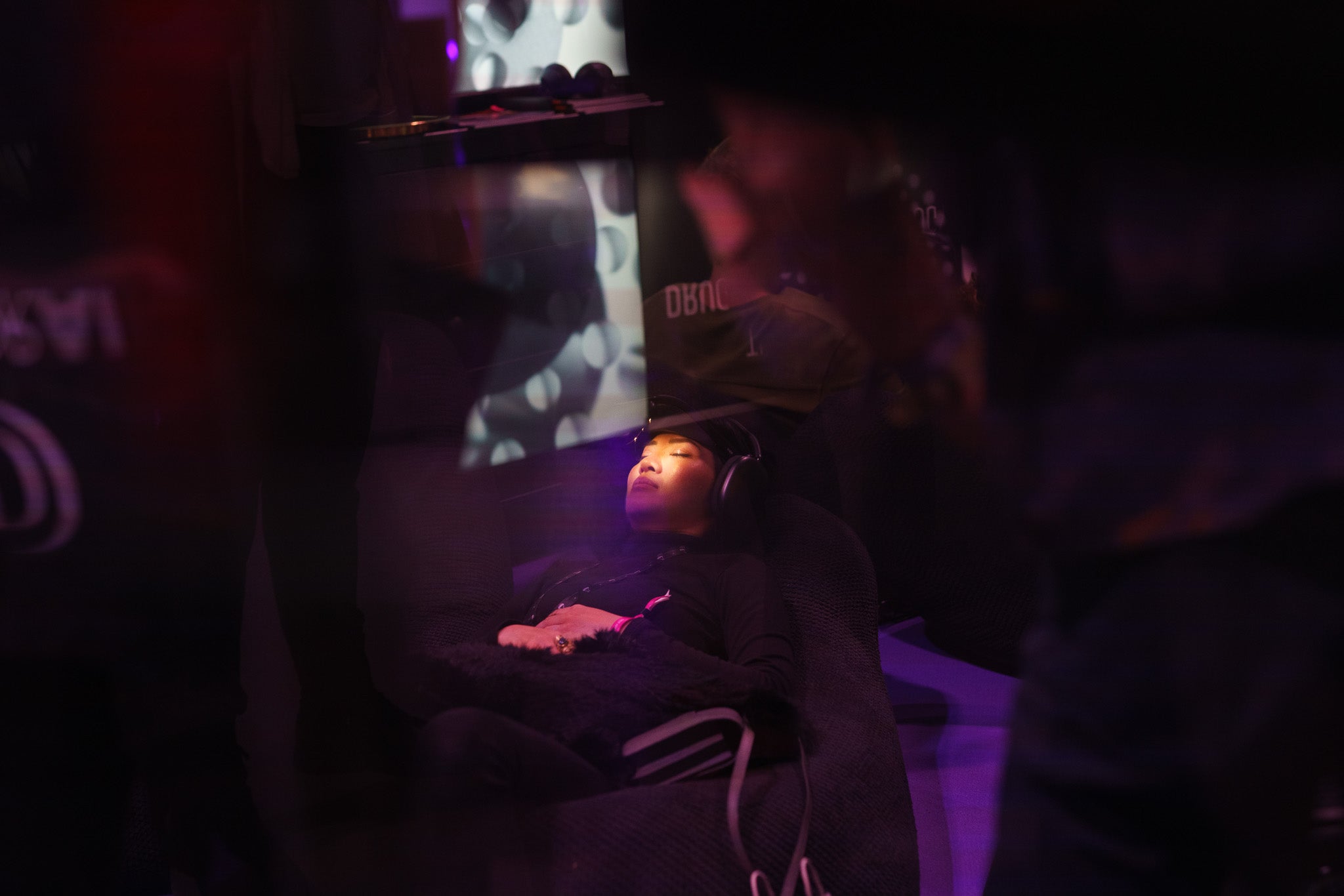
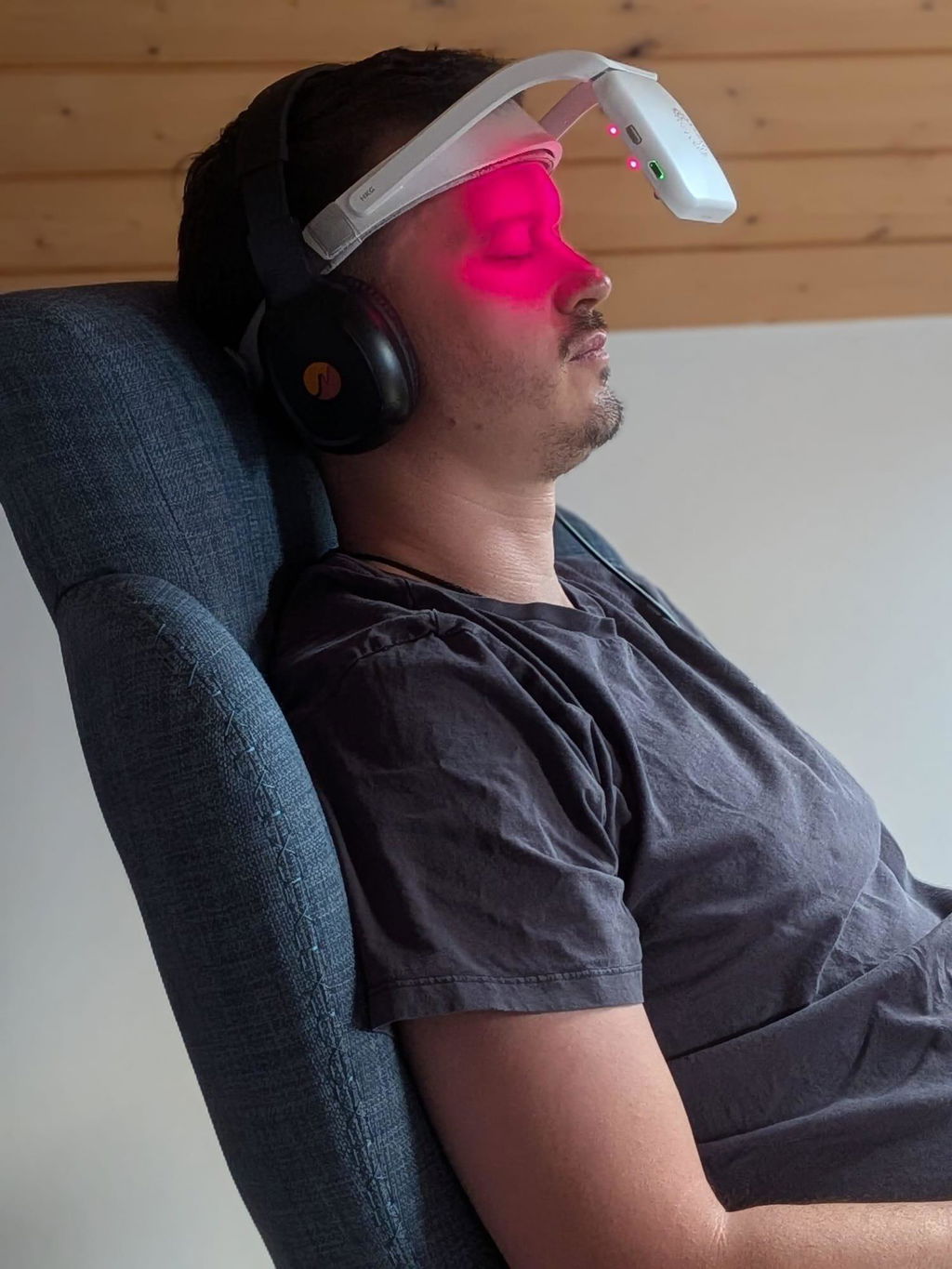
Structured light-and-sound routines with a wellness device like neuroVIZR help create a reliable "off switch" at the end of the day.
When to reach out
If stress feels overwhelming or persistent, a qualified professional can help.
FAQ
How do I calm chronic stress naturally?
Consistent sleep, daily movement, daylight and slow breathing are the most reliable levers.
Why can't I relax even when I have time?
A system stuck in "alert" needs repeated calming signals, routines matter more than one-off rest.








Share:
Can Stress and Anxiety Cause Dizziness?
PMDD: Understanding the Cycle and Finding Calm