

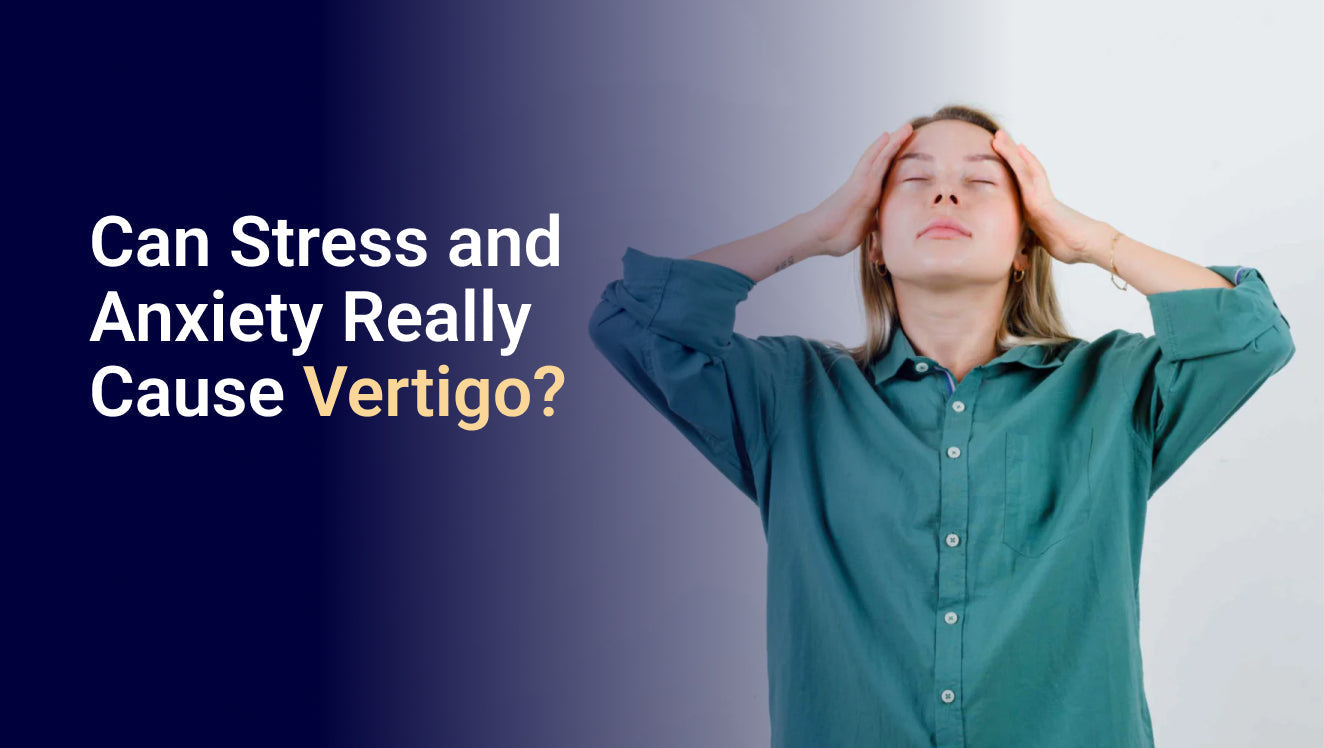
Feeling dizzy or "off balance" when stressed is more common than many think. Dizziness has many causes, but ongoing stress and anxiety can absolutely contribute to that unsteady feeling.
How stress can lead to dizziness
When you're anxious, breathing gets faster and shallower, muscles tense, and your balance system can feel thrown off. That mix can create light-headedness or a floaty, swaying sensation, even when nothing is physically wrong.
What it can feel like
- Light-headedness or a "floaty" head
- A swaying, off-balance sensation
- Dizziness alongside racing thoughts or a pounding heart
- Symptoms that ease as you calm down
5 ways to steady yourself
1. Slow your breathing
Breathe in for 4, out for 6, a longer exhale settles the nervous system.
2. Ground through your senses
Name 5 things you see, 4 you hear, 3 you can touch.
3. Sit and steady
Sit down, plant your feet, focus on a fixed point until it passes.
4. Hydrate and eat regularly
Low fluids or skipped meals make dizziness worse.
5. Build calm routines
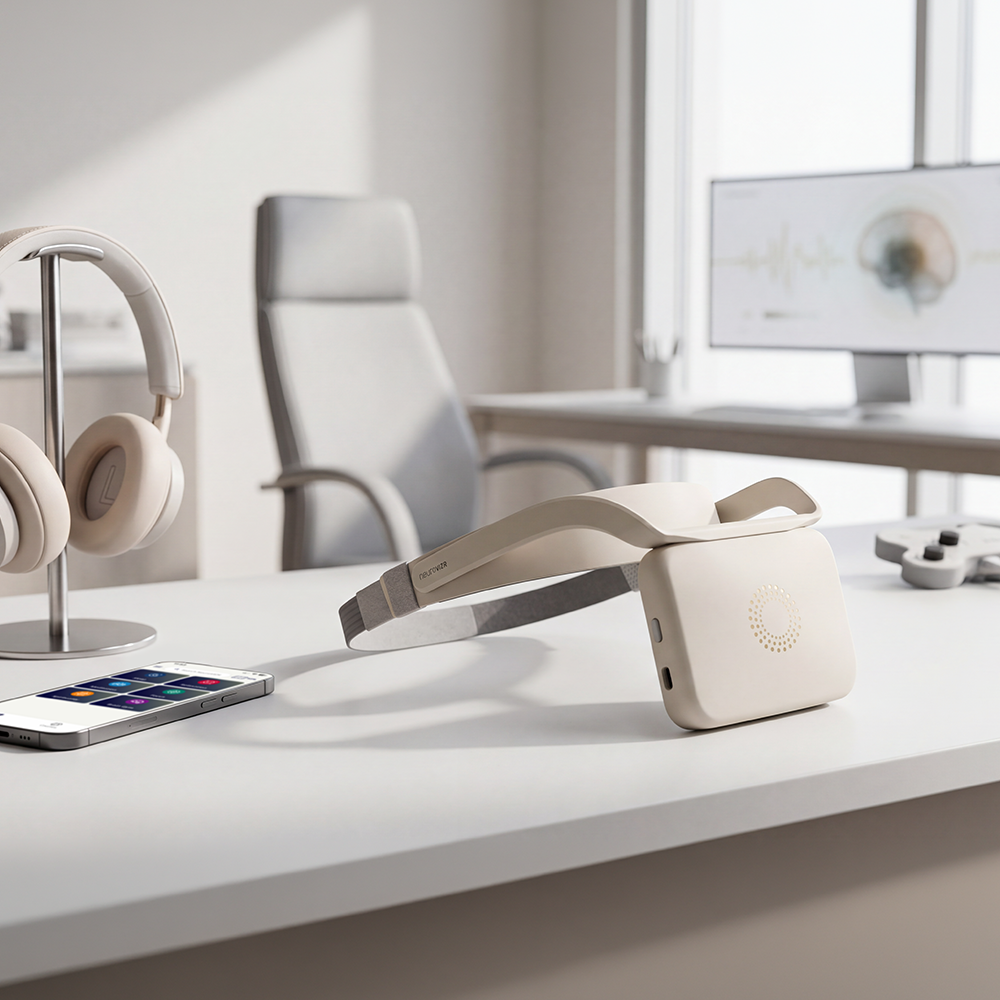
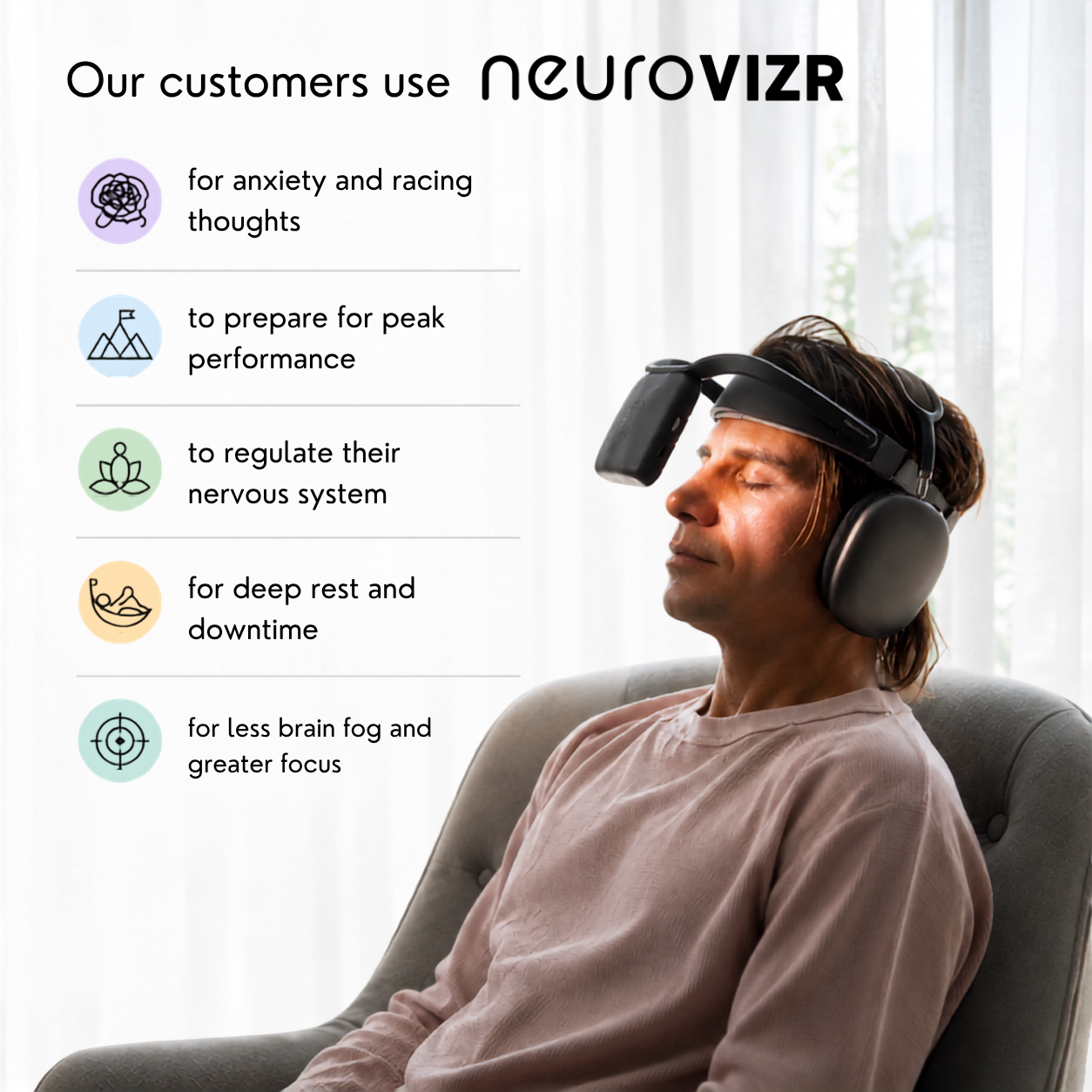
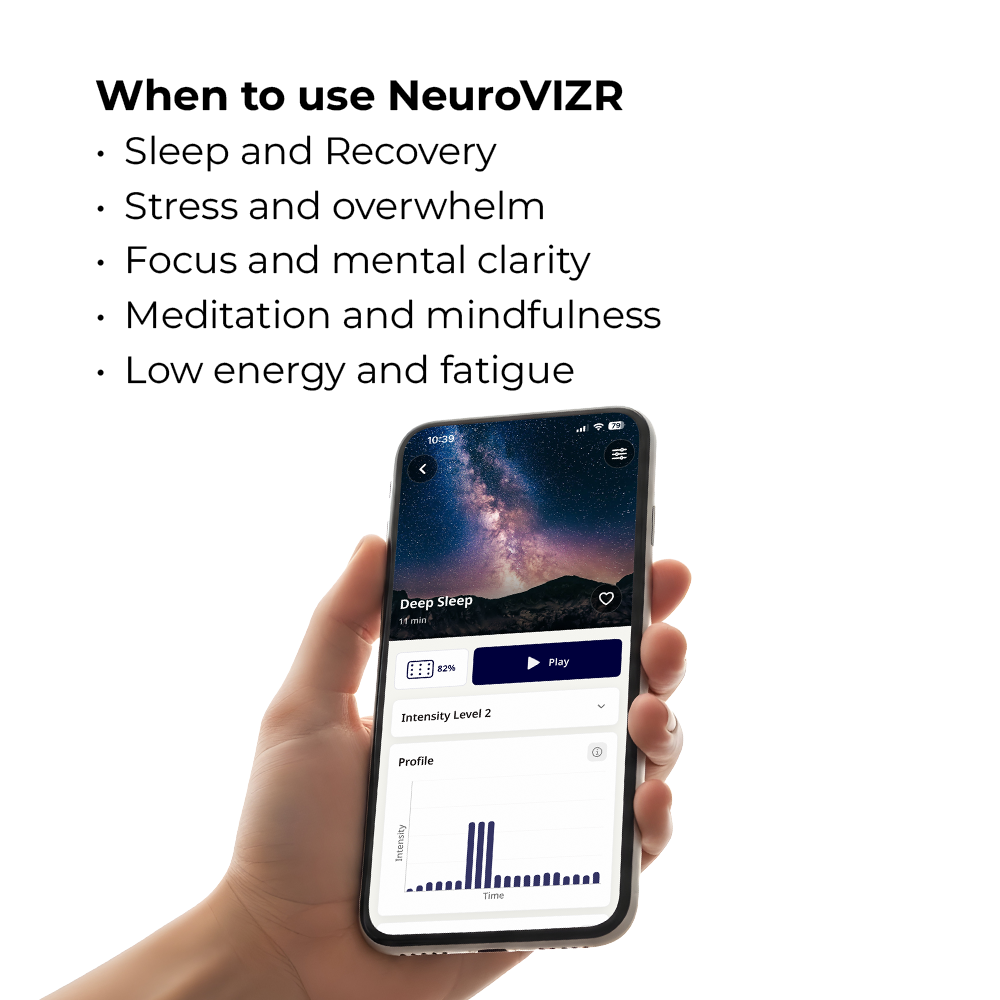
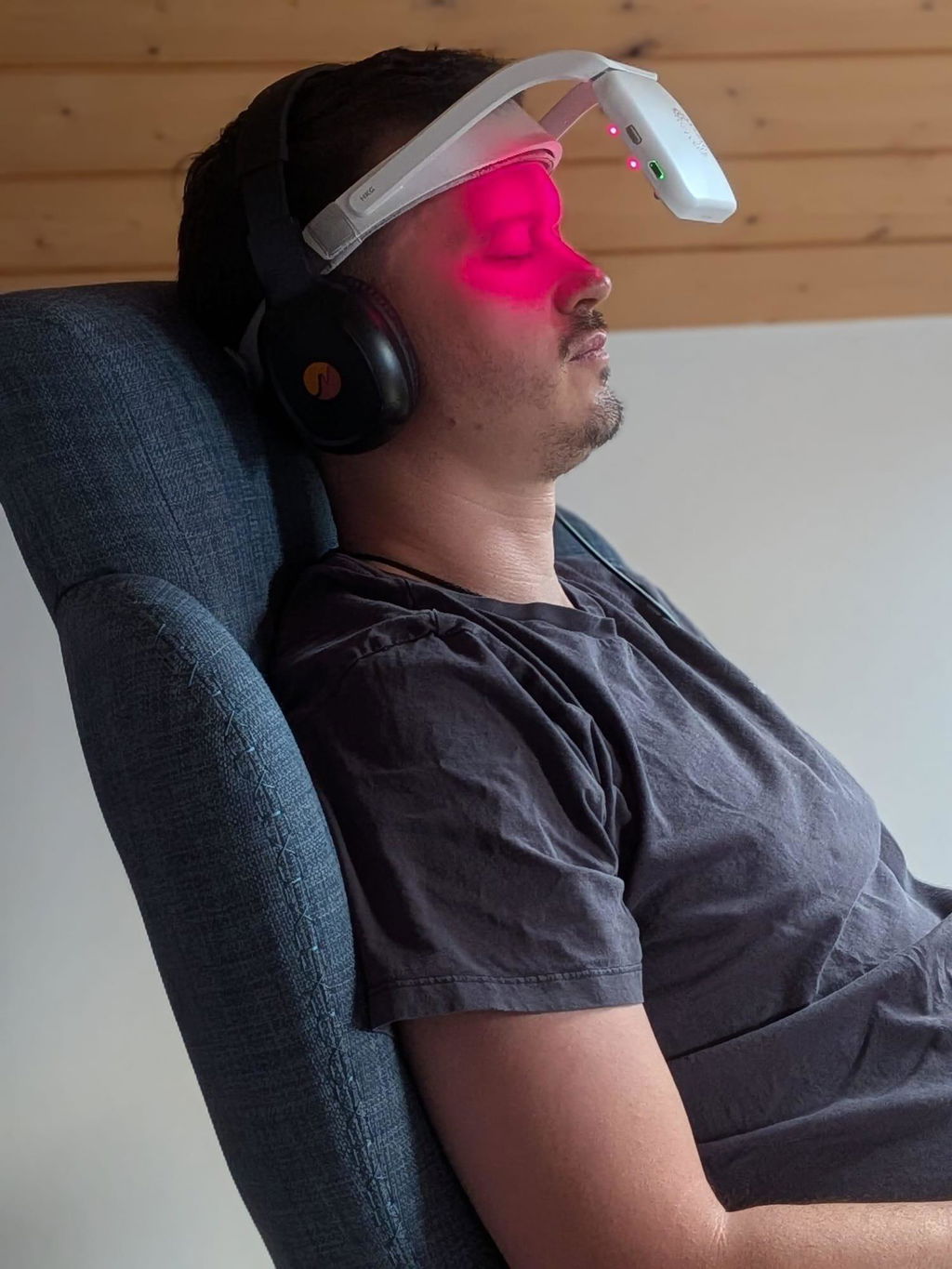
Regular relaxation, including light-and-sound wind-down routines with a wellness device like neuroVIZR, can lower the baseline tension that feeds dizzy spells.
When to see a professional
Dizziness can have physical causes too. If it's frequent, severe or comes with other symptoms, get it checked.
FAQ
Can anxiety really cause dizziness?
Yes, it changes breathing and tension in ways that can create light-headedness.
How do I stop stress dizziness fast?
Slow breathing with a long exhale, grounding and sitting down usually help within minutes.










Share:
How to Regulate Your Nervous System Naturally: 9 Calming Ways
Chronic Stress: Signs, Effects and How to Unwind