

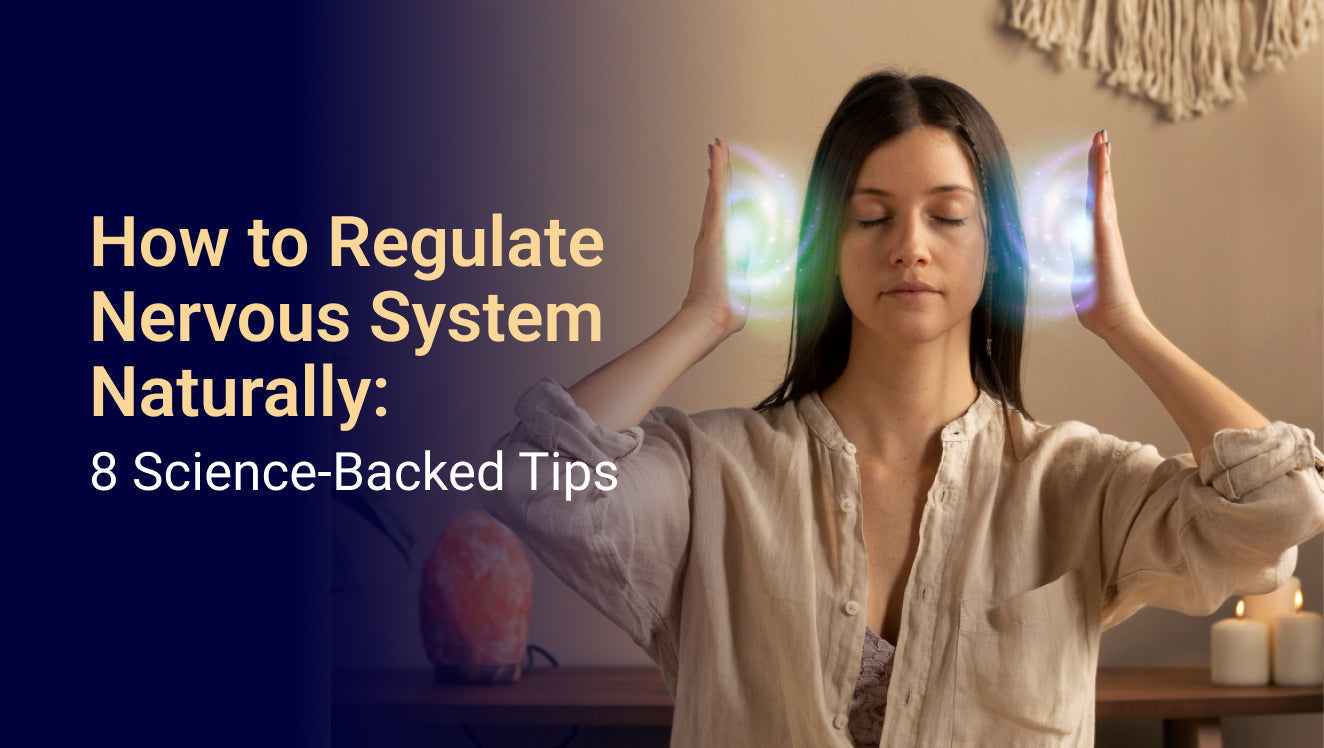
Your nervous system decides how you react to stress, and how quickly you settle afterwards. If you often feel tense, "wired," or struggle to switch off in the evening, that's frequently a sign of an overstimulated nervous system.
The good news: you can help your nervous system return to calm with simple, everyday routines. Below are nine natural ways to regulate your nervous system, plus a 3-minute routine for acute moments.
What does "regulating your nervous system" mean?
Your autonomic nervous system has two modes: the sympathetic branch (tension, "fight or flight") and the parasympathetic branch (rest and recovery). Regulating doesn't mean switching off stress, it means helping your body shift back into rest mode after tension.
Signs of an overstimulated nervous system
- Inner restlessness or a feeling of being constantly "switched on"
- Difficulty winding down or falling asleep
- Irritability, trouble concentrating, shallow breathing
- Persistent tension in the body
9 natural ways to calm your nervous system
1. Exhale longer than you inhale
A longer exhale gently activates the parasympathetic branch. Try 4-7-8 breathing: inhale for 4 seconds, hold for 7, exhale slowly for 8.
2. Activate the vagus nerve
Humming, soft gargling or splashing cool water on your face can stimulate the vagus nerve, the body's main "relaxation nerve."
3. Movement and shaking it out
Gently shaking your arms and legs, or taking a short walk, helps release built-up tension (a form of somatic regulation).
4. Grounding in nature
Daylight and time outdoors support a balanced daily rhythm and a calmer baseline.
5. A steady sleep rhythm
Consistent bed and wake times give your nervous system something reliable to settle into.
6. Dose stimulation and caffeine mindfully
Less caffeine in the afternoon and deliberate screen breaks reduce overstimulation.
7. Mindfulness and meditation
Even a few minutes of focused attention can encourage the rest state.
8. Light and sound routines
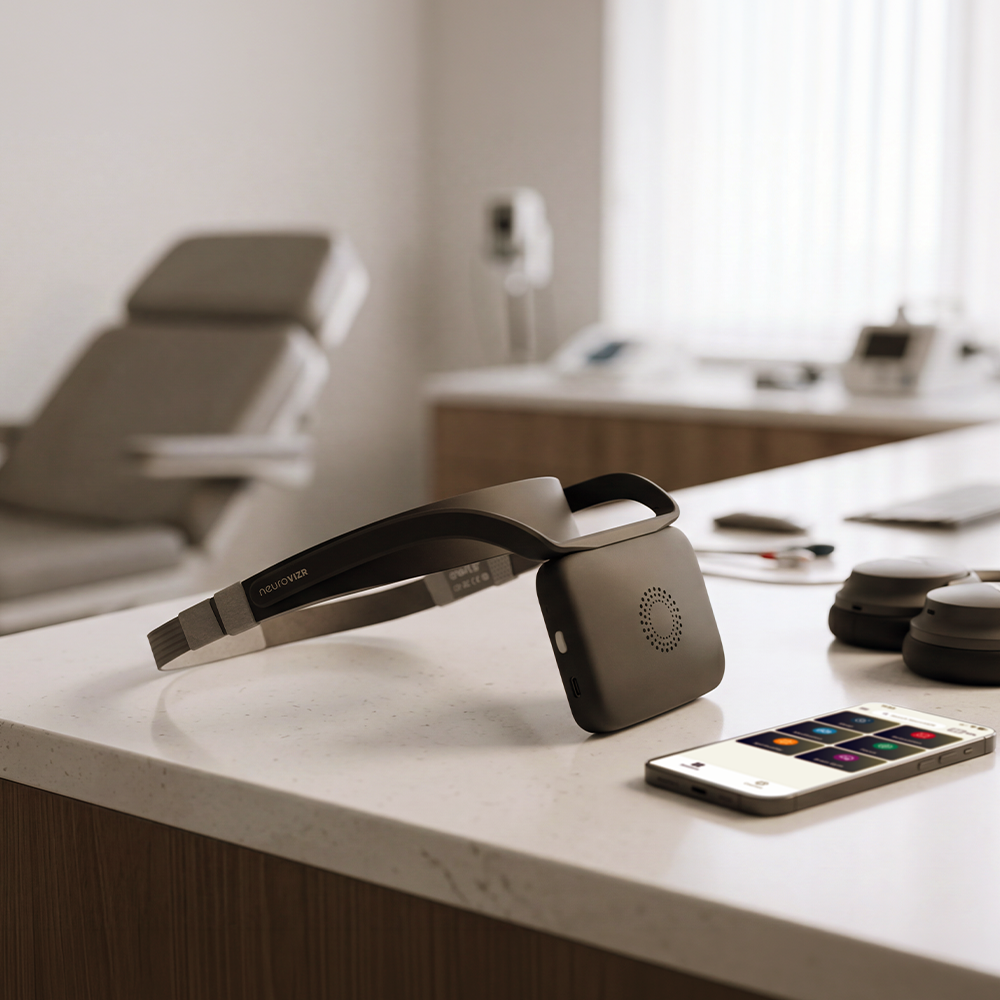
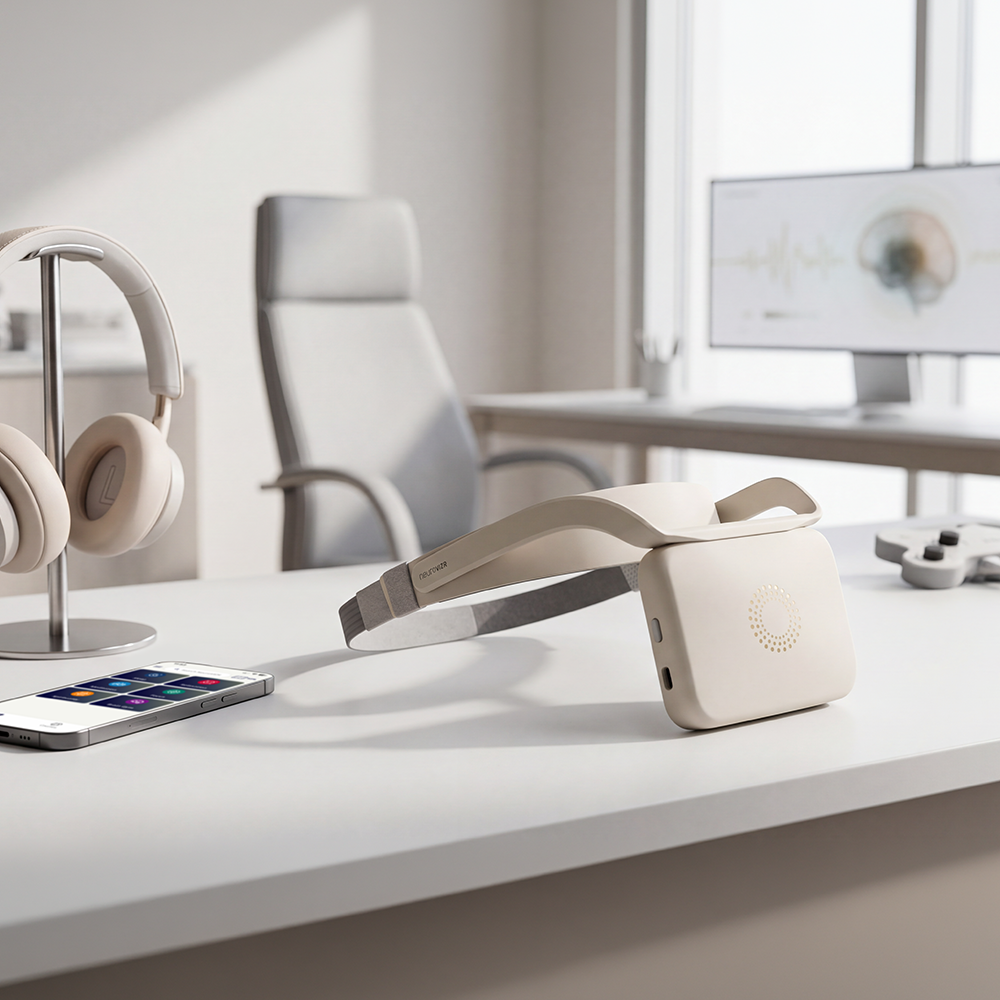
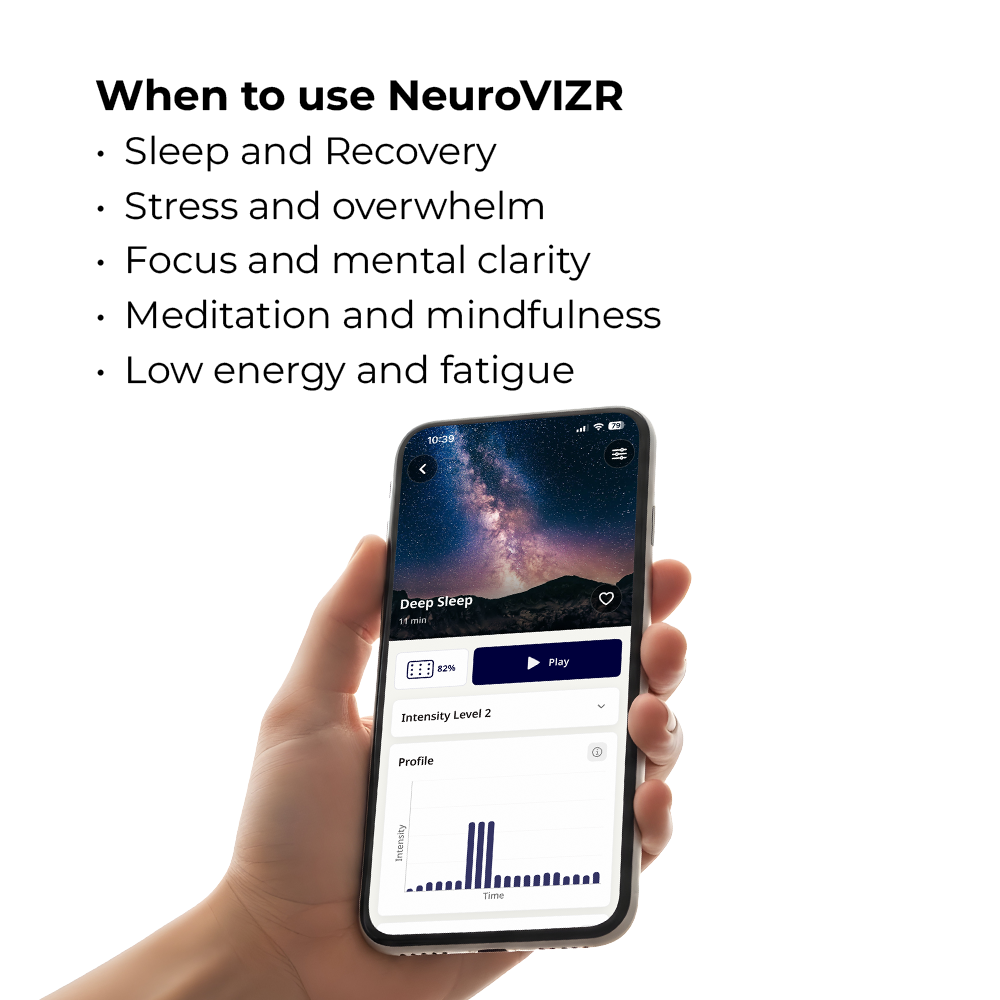
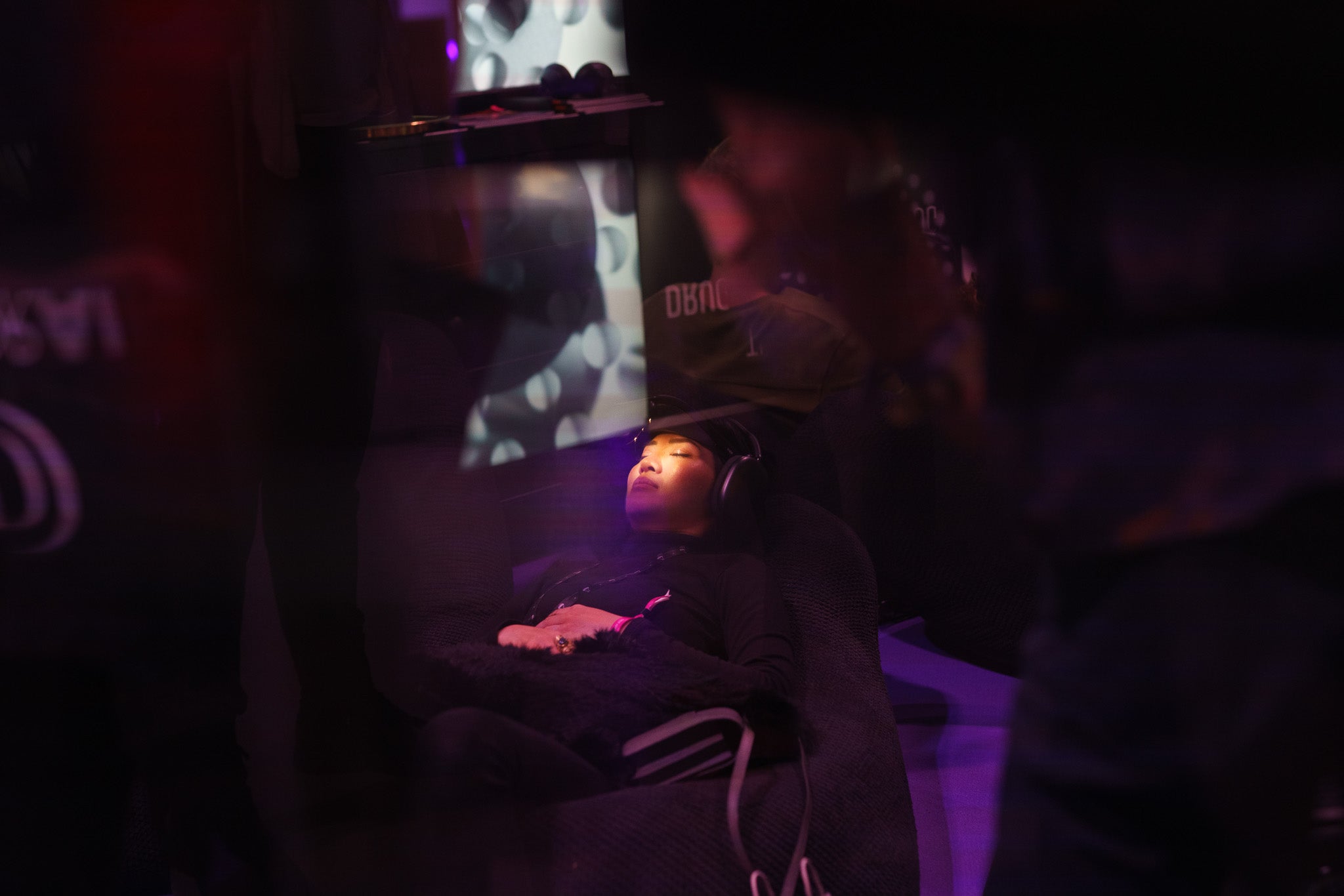
Structured light and sound cues, for example with a wellness device like neuroVIZR, create an immersive setting that many people experience as calming. They work best as part of a regular wind-down routine.
9. Social connection
A conversation with people you trust has a settling effect on the nervous system.
Calm your nervous system fast: a 3-minute routine
- Sit comfortably and take three slow belly breaths.
- Hum softly for 30 seconds (vagus nerve).
- For one minute, exhale for twice as long as you inhale.
How sensory tools can support relaxation
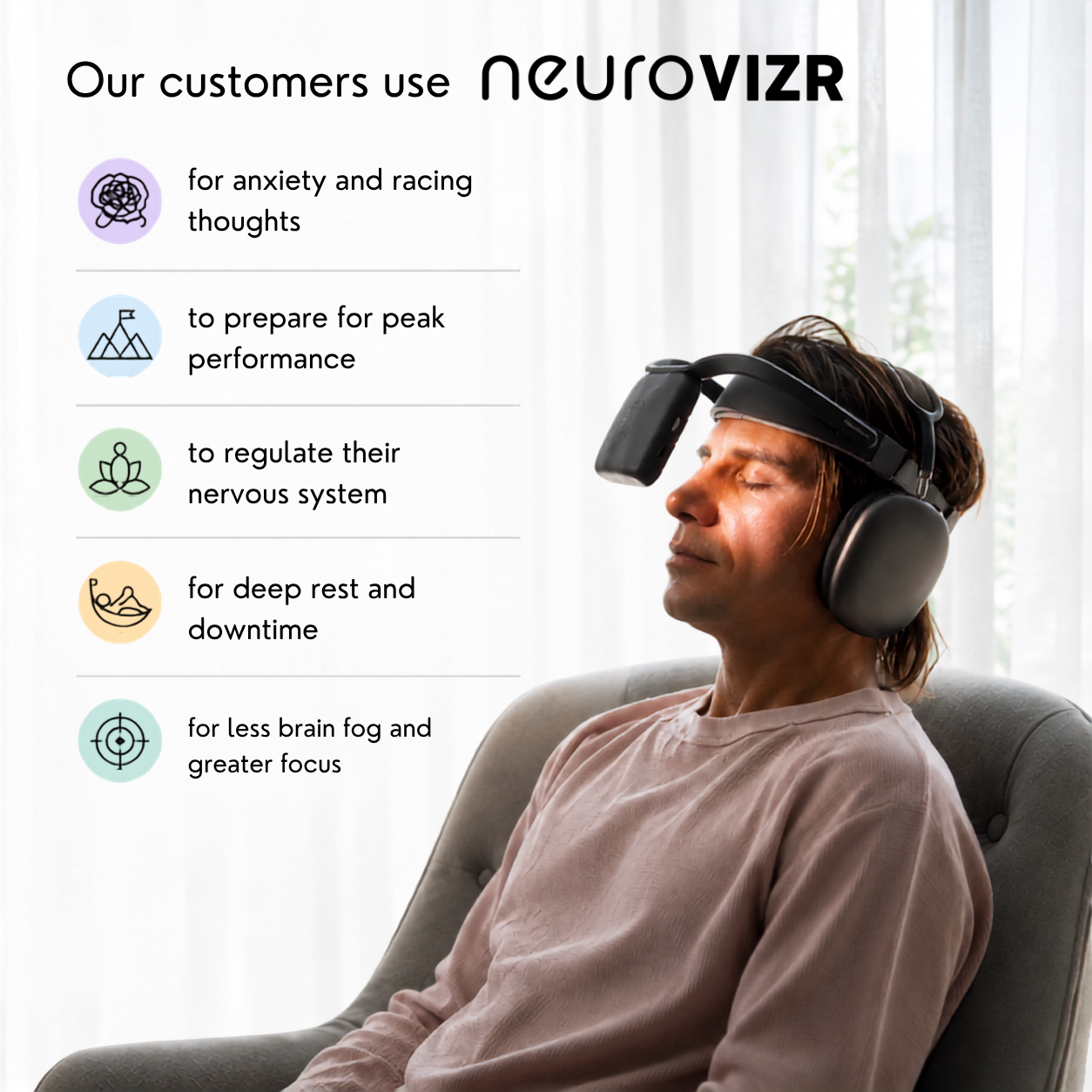
Devices that use structured light and sound patterns, such as neuroVIZR, are designed to encourage moments of calm and focused attention. They are meant as part of a broader wellbeing routine, not as a replacement for professional support.
Frequently asked questions
How can I calm my nervous system quickly?
A longer exhale and soft humming can help you shift into rest mode within a few minutes.
Which exercises help regulate the nervous system?
Breathing exercises, gentle shaking, walks and mindfulness are among the most accessible methods.
What calms an overstimulated nervous system in the evening?
Fewer stimuli, dimmed light, steady routines and slow breathing all support winding down.






Share:
How to Lower Cortisol Naturally: 10 Science-Backed Ways
Can Stress and Anxiety Cause Dizziness?