


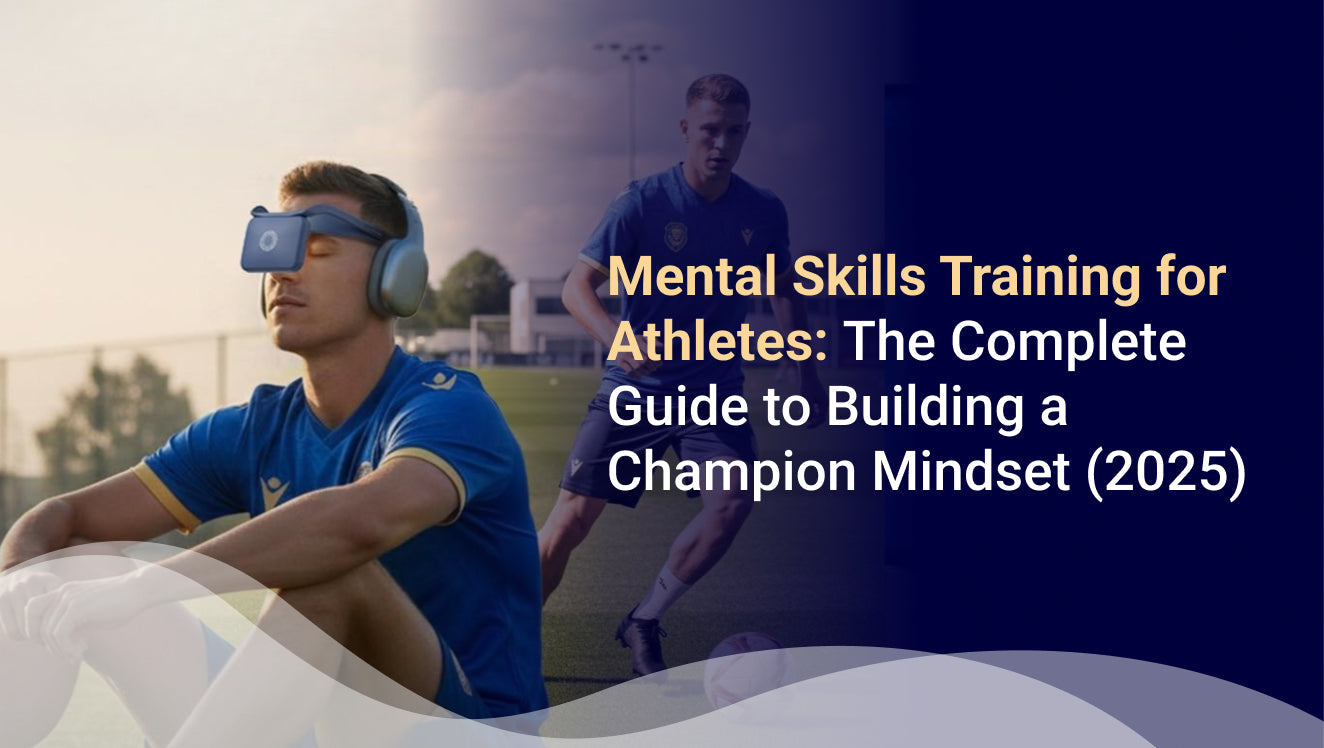
You don’t have to be an Olympian, a national champion, or someone with walls full of medals to benefit from mental skills training for athletes.
Some of the most committed and successful athletes are everyday people:
-
an 11-year-old figure skater still learning the basics,
-
a high-school golfer chasing consistency,
-
a 42-year-old marathon runner preparing for her first race,
-
or a weightlifter who quietly holds world records.
What they have in common isn’t talent or age it’s mindset.
Their sport matters to them. They want to grow, improve, and push their limits, even inside the realities of work, studies, finances, injuries, or family life.
And this is where mental training in sports becomes essential.
Physical conditioning builds the body.
Mental conditioning builds the athlete.
Most people train their sport skill strength, technique, endurance but rarely train their mind, even though the mind determines:
-
how you handle pressure,
-
whether you bounce back after a mistake,
-
how consistent your performance becomes,
-
and whether you break down or breakthrough in competition.
Modern sports psychology is crystal clear:
The strongest athletes are the ones who master their mind, not just their muscles.
The good news?
Mental skills are trainable, measurable, and improvable exactly like any sport skill.
In this blog, you’ll learn the nine foundational mental skills used in sports psychology and how they apply across training, competition, and everyday life.
Key Takeaways
-
Mental training in sports is just as important as physical conditioning and often what separates great athletes from good ones.
-
Every athlete, from beginners to Olympians, can train mental skills the same way they train strength, speed, or technique.
-
Nine core mental skills consistently appear across high-performing athletes: attitude, motivation, goals, people skills, self-talk, imagery, anxiety regulation, emotional control, and concentration.
-
Mental skills training enhances confidence, consistency, resilience, and performance under pressure.
New neuroscience-backed tools (like neuroVIZR) can support mind-training by helping athletes regulate brain states, focus, and emotional stability.
What Is Mental Skills Training for Athletes?
Mental skills training is the structured process of improving specific psychological abilities that directly impact performance.
It includes skills like:
-
mindset
-
focus
-
emotional control
-
confidence
-
stress management
-
imagery and visualisation
-
goal setting
-
internal dialogue
Most high-performing athletes train these intentionally. Most struggling athletes ignore them completely.
Why Mental Training in Sports Matters
Ask any elite coach what separates top athletes from the rest.
They’ll mention some combination of:
-
confidence
-
resilience
-
focus
-
emotional control
-
consistency under pressure
These are all mental skills not physical ones.
Mental skills training gives athletes:
-
More control over their thoughts
-
Stable confidence even under stress
-
Better decision-making in fast moments
-
Emotional resilience after setbacks
-
Sharper focus during crucial plays
When your mind is trained, your body performs what it already knows.
Also read - brainwave entrainment technology
The 9 Core Mental Skills Every Athlete Needs
Below is a modernised, expanded version of the classic nine-skill framework used in sports psychology.
1. Attitude: Your Foundation Mindset
Successful athletes realise that attitude is a choice.
They understand that perspective shapes performance.
A strong athletic attitude includes:
-
Viewing training as opportunity, not obligation
-
Accepting mistakes as part of growth
-
Balancing sport with the rest of life
-
Chasing excellence, not perfection
Athletes with a trained attitude show up consistently even on tough days.
2. Motivation: The Engine Behind Every Goal
Motivation isn’t about hype or discipline. It’s about meaning.
Athletes with strong motivation:
-
Know why they train
-
Push through difficult phases
-
Focus on long-term rewards
-
See value in the process, not just outcomes
Intrinsic motivation competing with yourself is far stronger than external validation.
3. Goals & Commitment: Your GPS for Progress
High-performing athletes set goals that are:
-
realistic
-
measurable
-
specific
-
time-bound
But goal setting alone isn’t enough commitment is the true driver.
Elite athletes break goals into micro-habits and show up for them daily.
4. People Skills: Because Sport Is Never Truly Solo
Even in individual sports, athletes rely on:
-
coaches
-
teammates
-
family
-
mentors
-
training partners
People skills include communication, collaboration, conflict management, and emotional awareness.
Athletes who feel supported perform better, recover faster, and stay motivated longer.
5. Self-Talk: Your Inner Coach (or Inner Critic)
Self-talk is one of the fastest ways to change performance.
Successful athletes use inner dialogue to:
-
maintain confidence
-
reset after mistakes
-
stay calm under pressure
-
regulate emotions
-
encourage effort
Negative self-talk destroys performance faster than physical fatigue.
6. Mental Imagery: Training the Brain Before the Body
Imagery is one of the most proven performance tools.
Athletes use it to:
-
rehearse movements
-
build confidence
-
prepare for competition
-
correct mistakes
-
visualise success
Your brain fires similar neural pathways during imagery as it does during real performance.
7. Managing Anxiety: Turning Nerves Into Fuel
Nerves are normal, even helpful.
The key is regulating them.
Athletes trained in anxiety management can:
-
stay calm during chaos
-
reduce overthinking
-
keep decisions sharp
-
maintain physical relaxation
This is often the difference between choking and rising.
8. Emotional Control: Using Feelings Instead of Fighting Them
Sport triggers intense emotions: excitement, frustration, anger, disappointment.
Successful athletes:
-
accept emotions instead of suppressing them
-
convert emotion into energy
-
maintain stability during highs & lows
Emotional maturity is rare and extremely powerful.
9. Concentration: Focus on the Right Thing at the Right Time
Focus determines consistency.
Athletes with well-developed concentration can:
-
block out distractions
-
stay in the present moment
-
reset attention after mistakes
-
maintain awareness without tension
This is the skill most athletes try to “force,” when it can actually be trained.
Where Mental Skills Are Used: The Three-Phase Pyramid
Mental skills show up in three stages of an athlete’s performance journey.
Level I — Long-Term Development
Daily habits, consistency, motivation, attitude, and goal-setting.
Level II — Pre-Performance Preparation
Routines, imagery, mental warm-ups, activation strategies.
Level III — In-The-Moment Performance
Focus, emotional control, confidence, pressure decision-making.
Every higher level builds on the one below it.
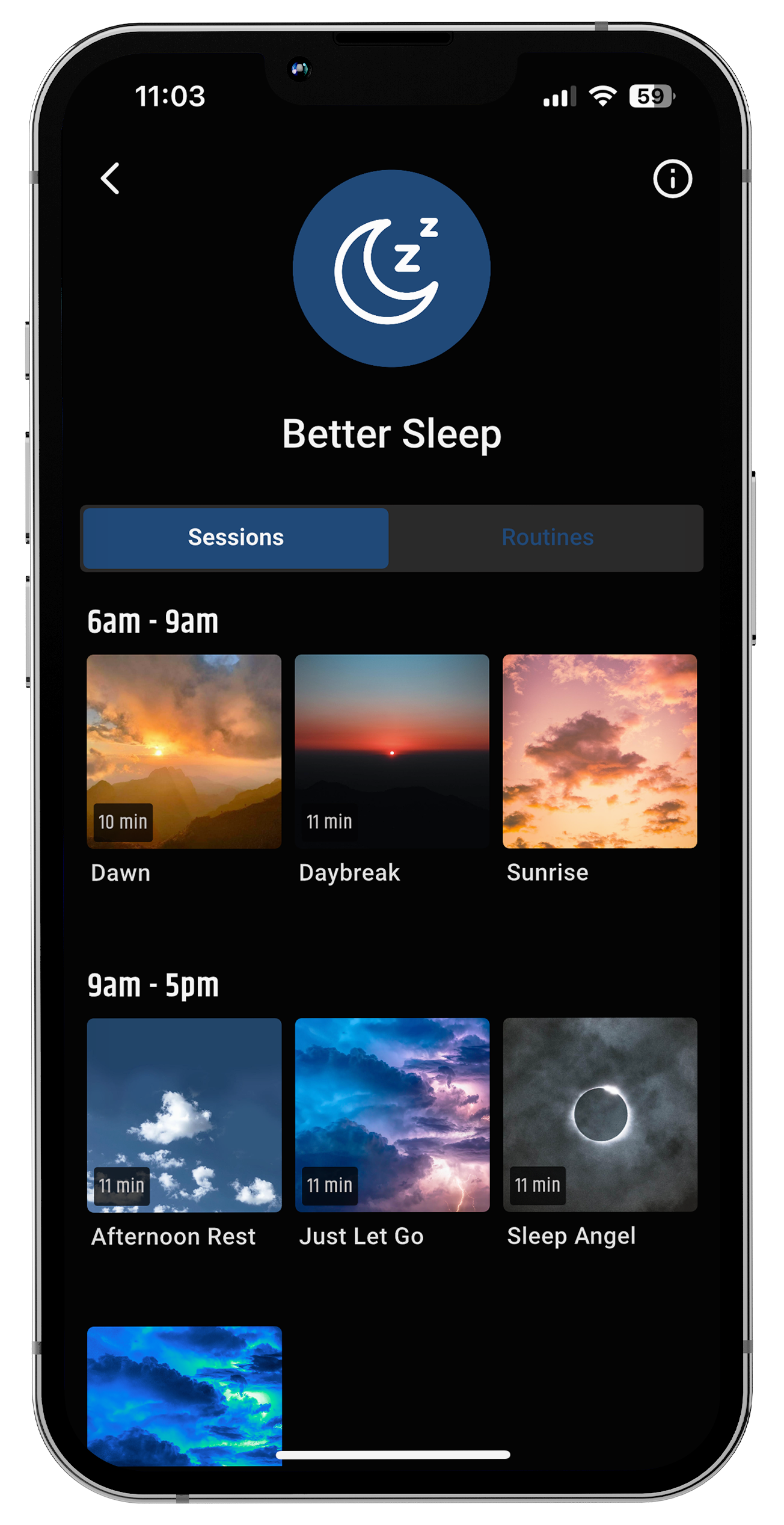
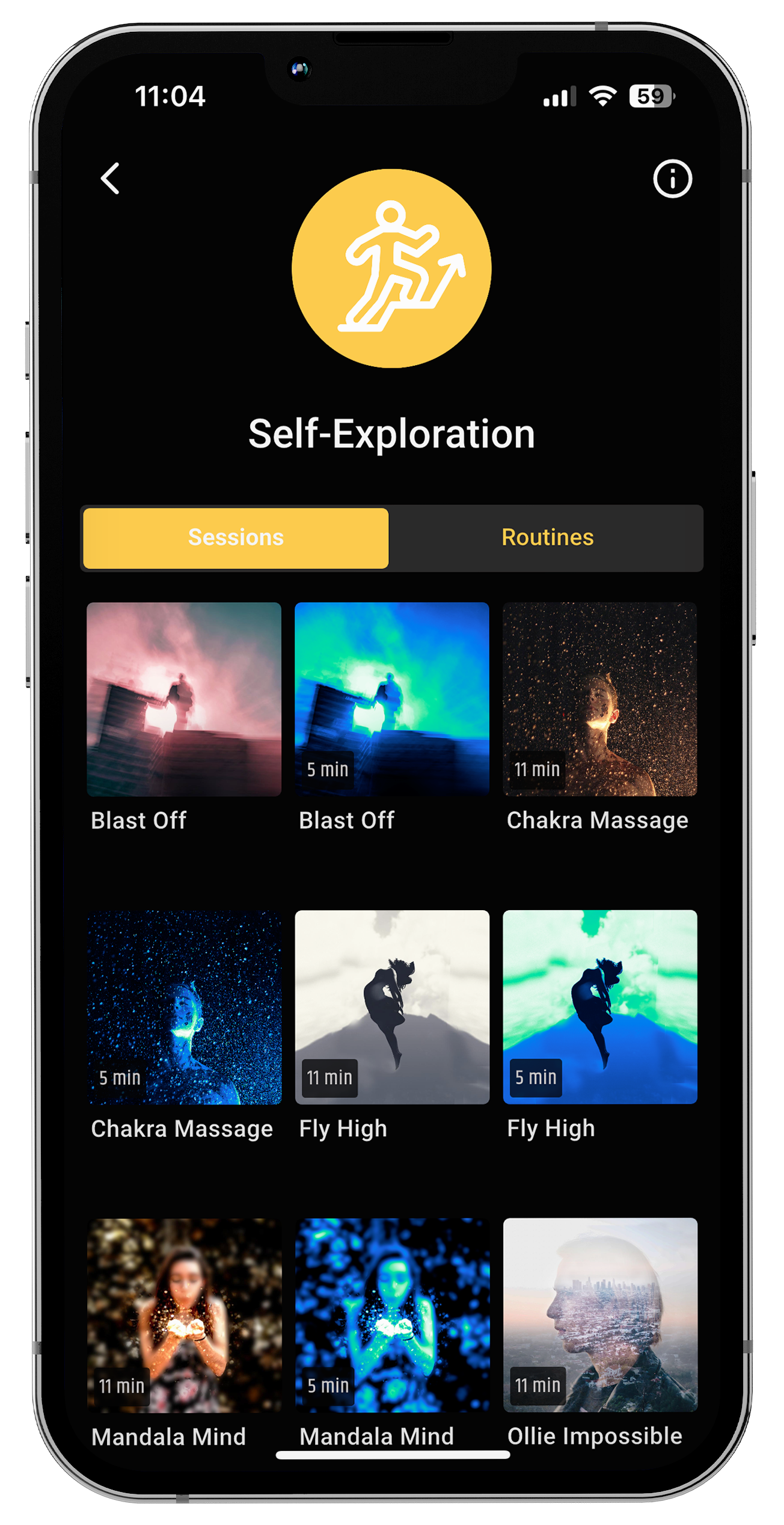
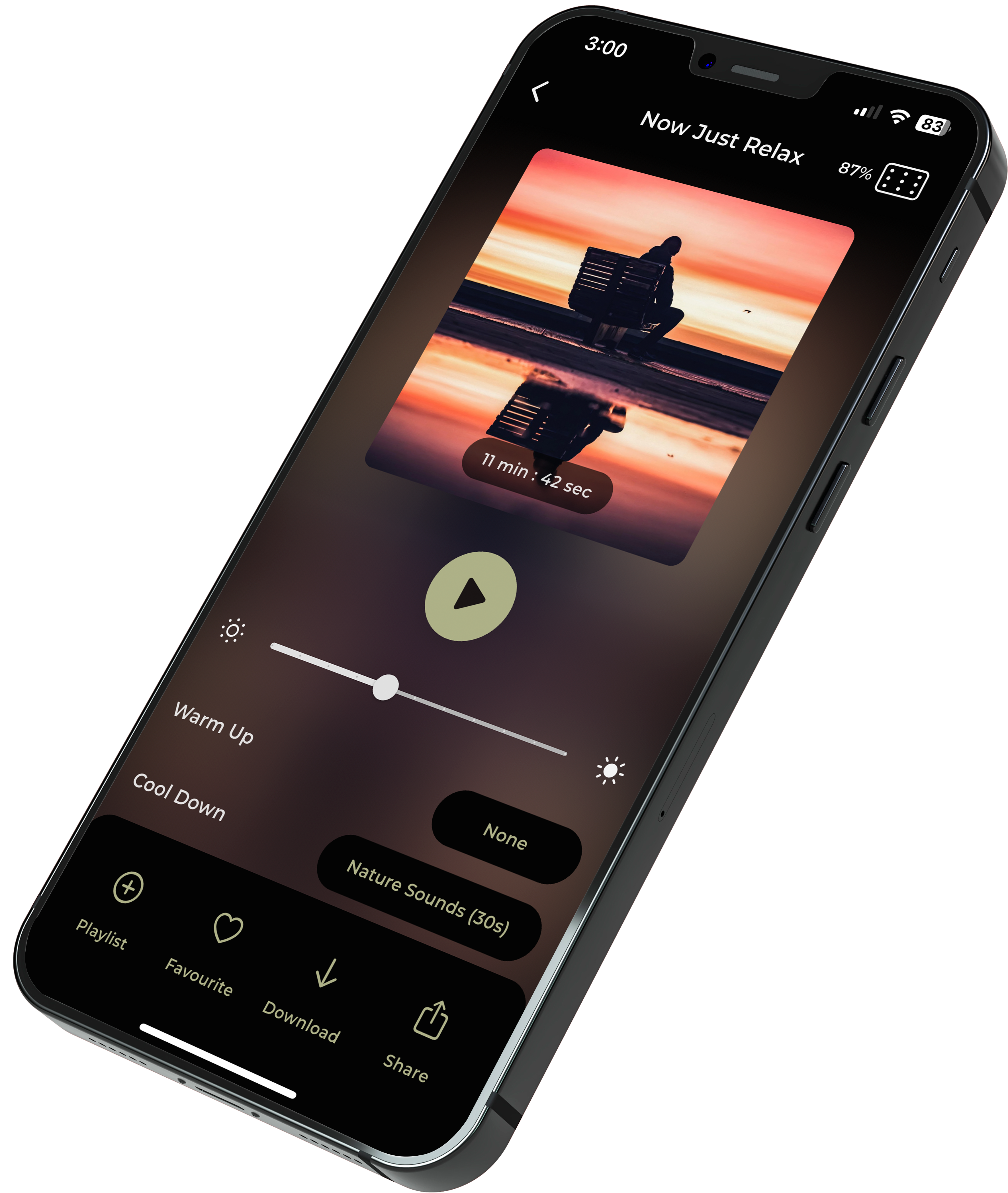
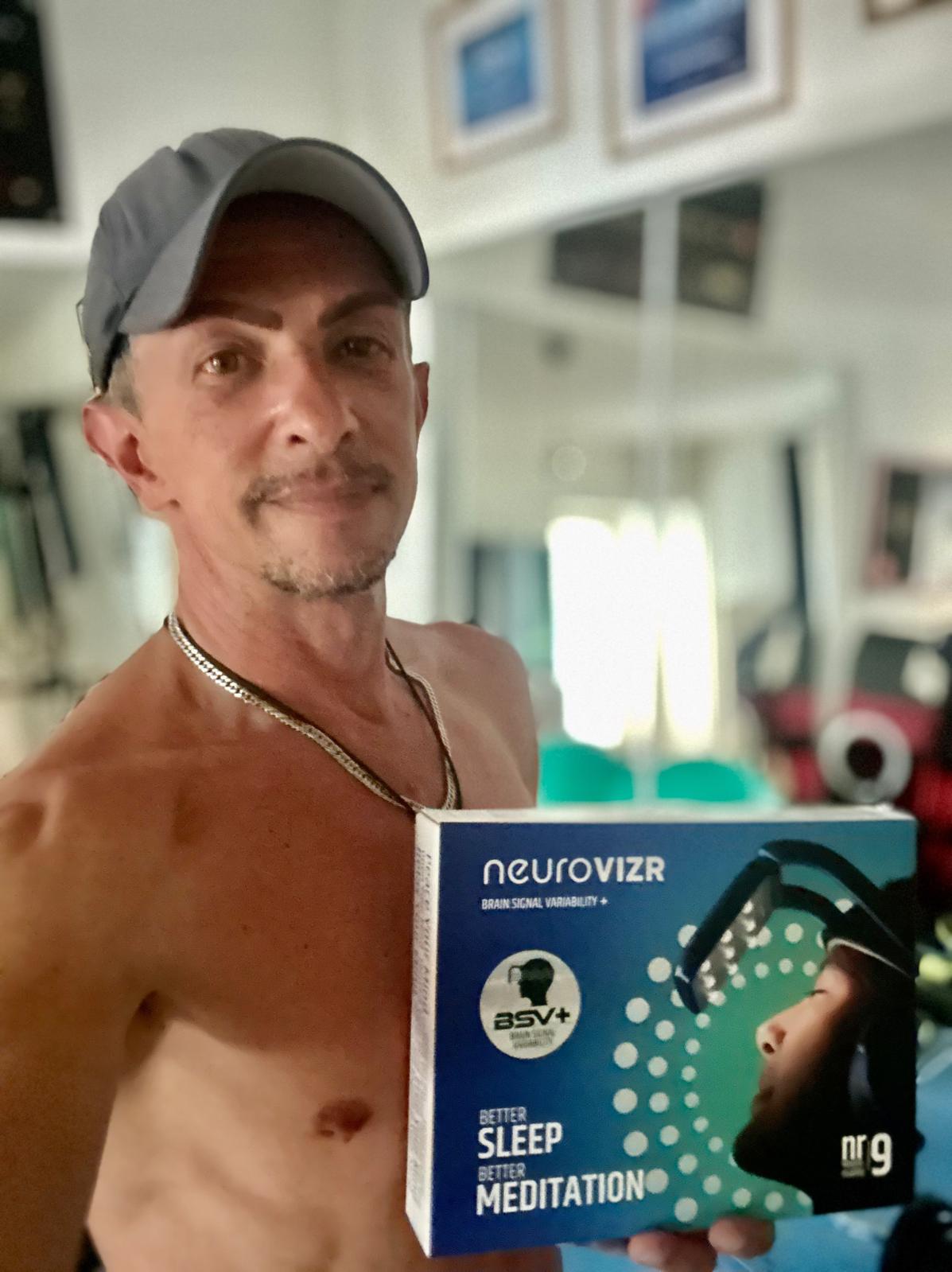
How neuroVIZR Supports Mental Training for Athletes?
 Athletes today have access to neuroscience-backed tools that can accelerate mental training.
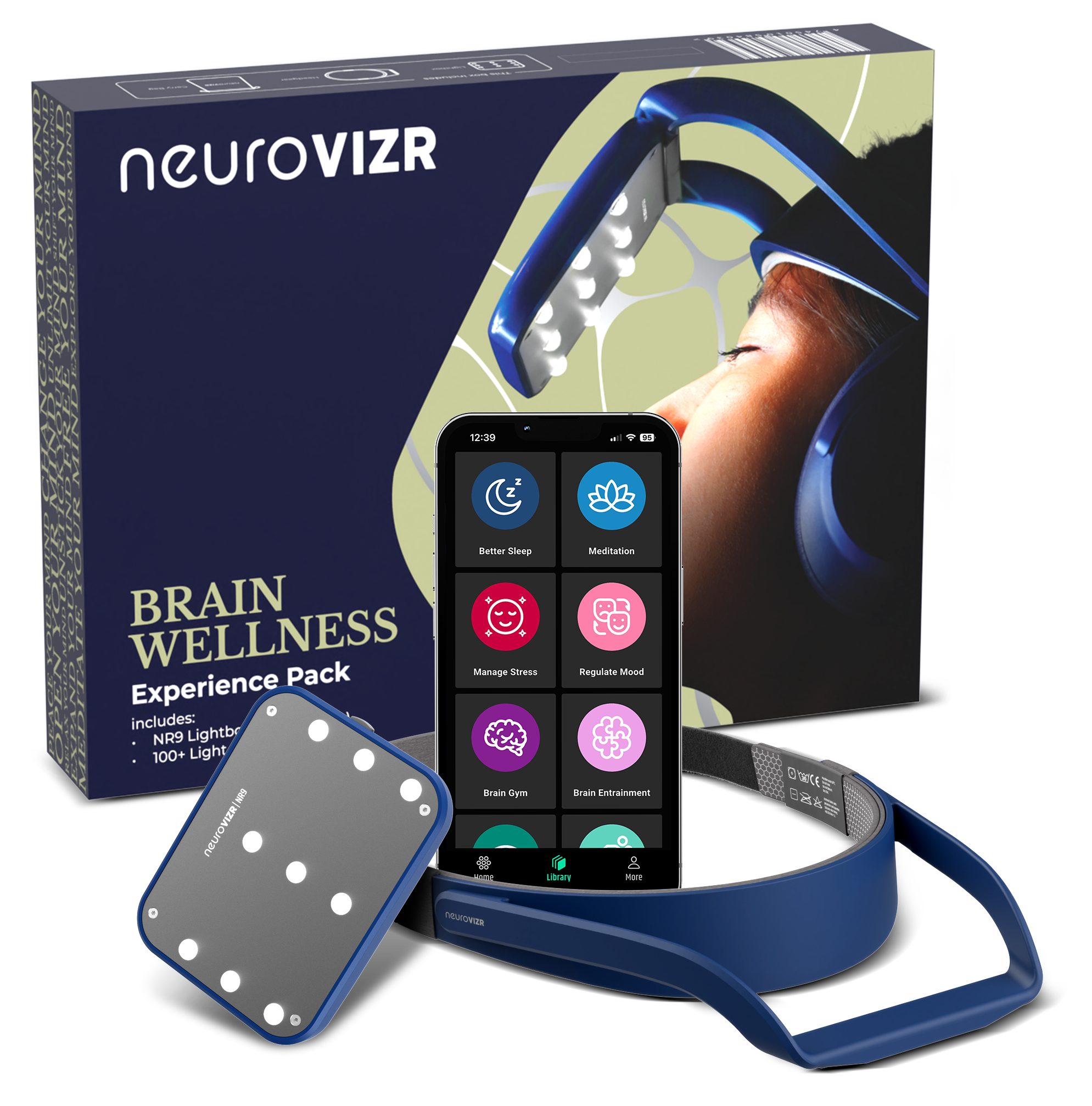
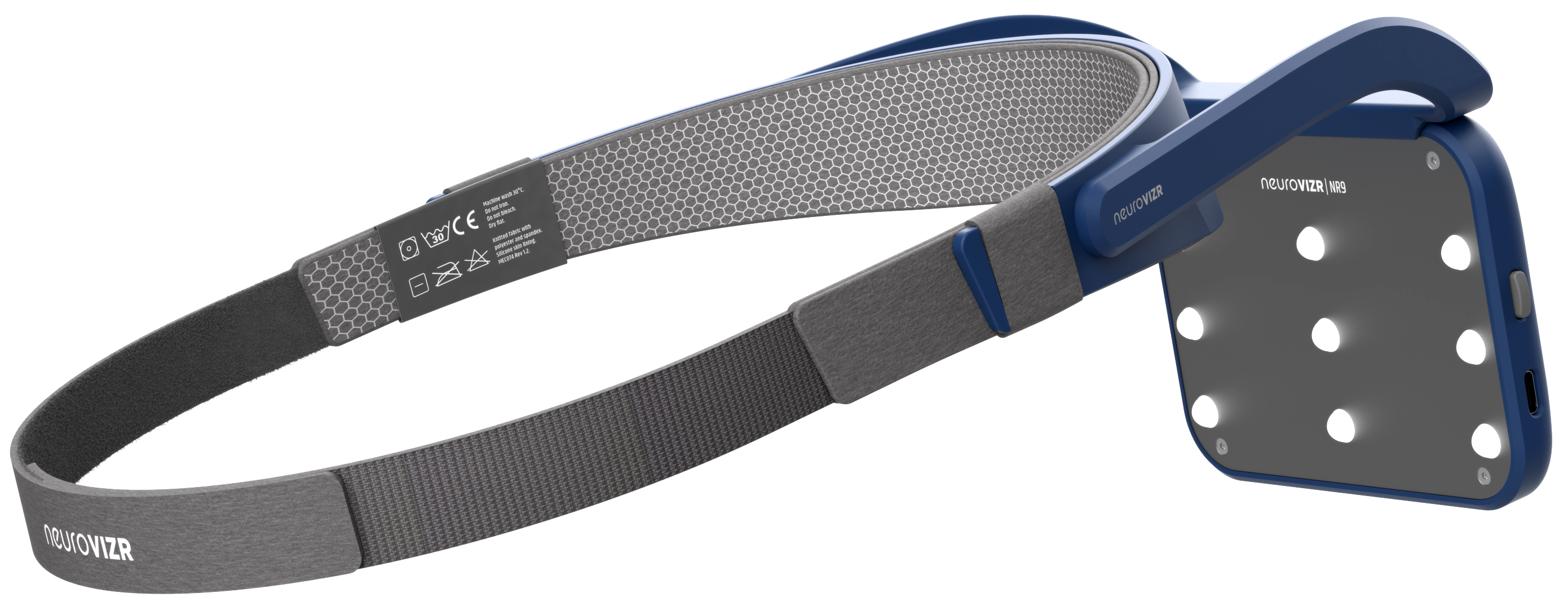
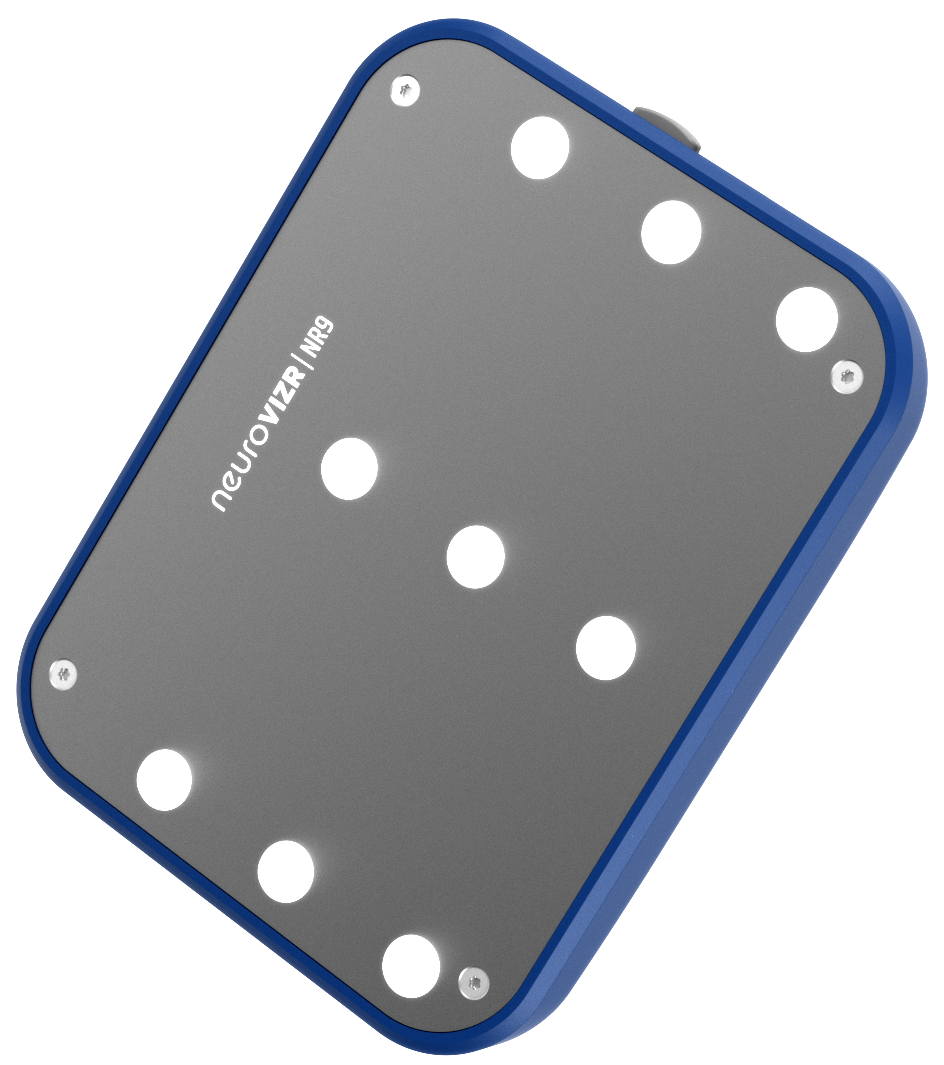
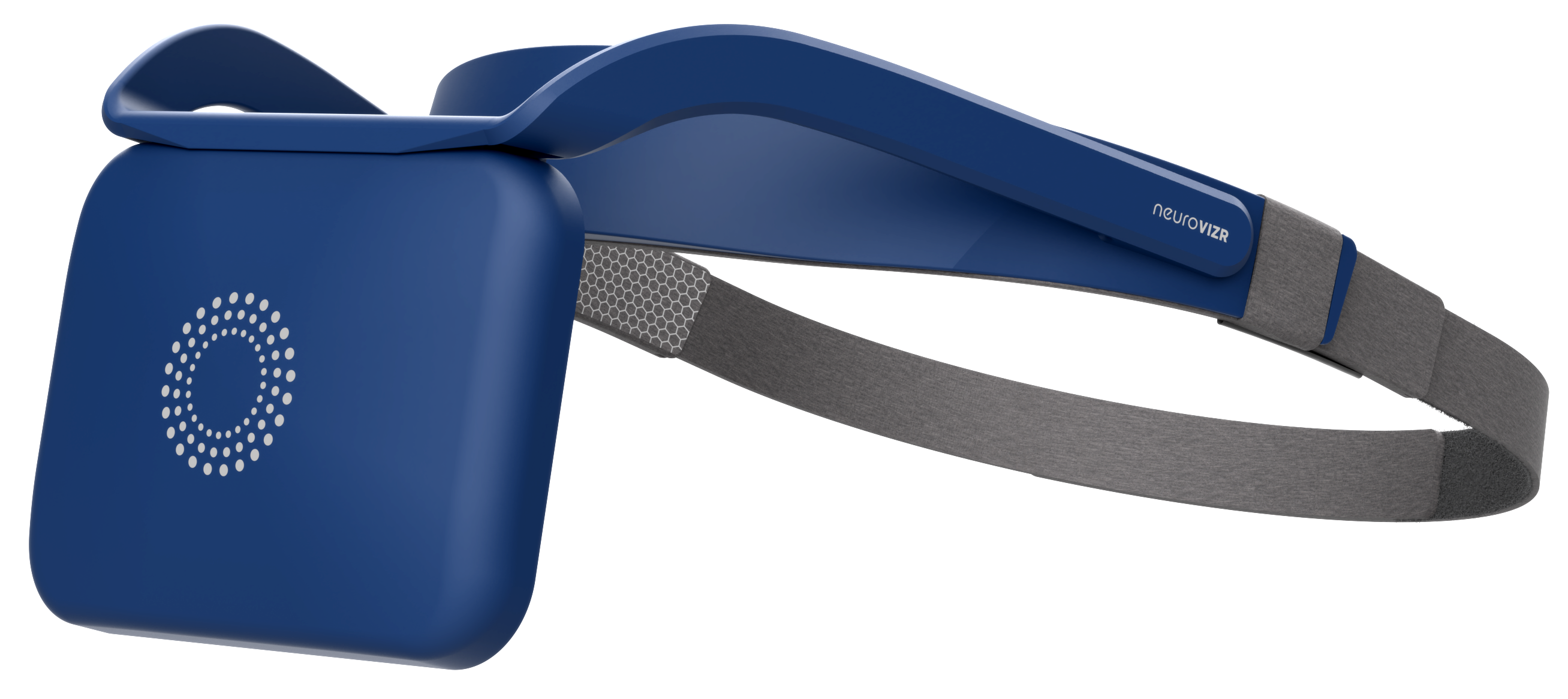
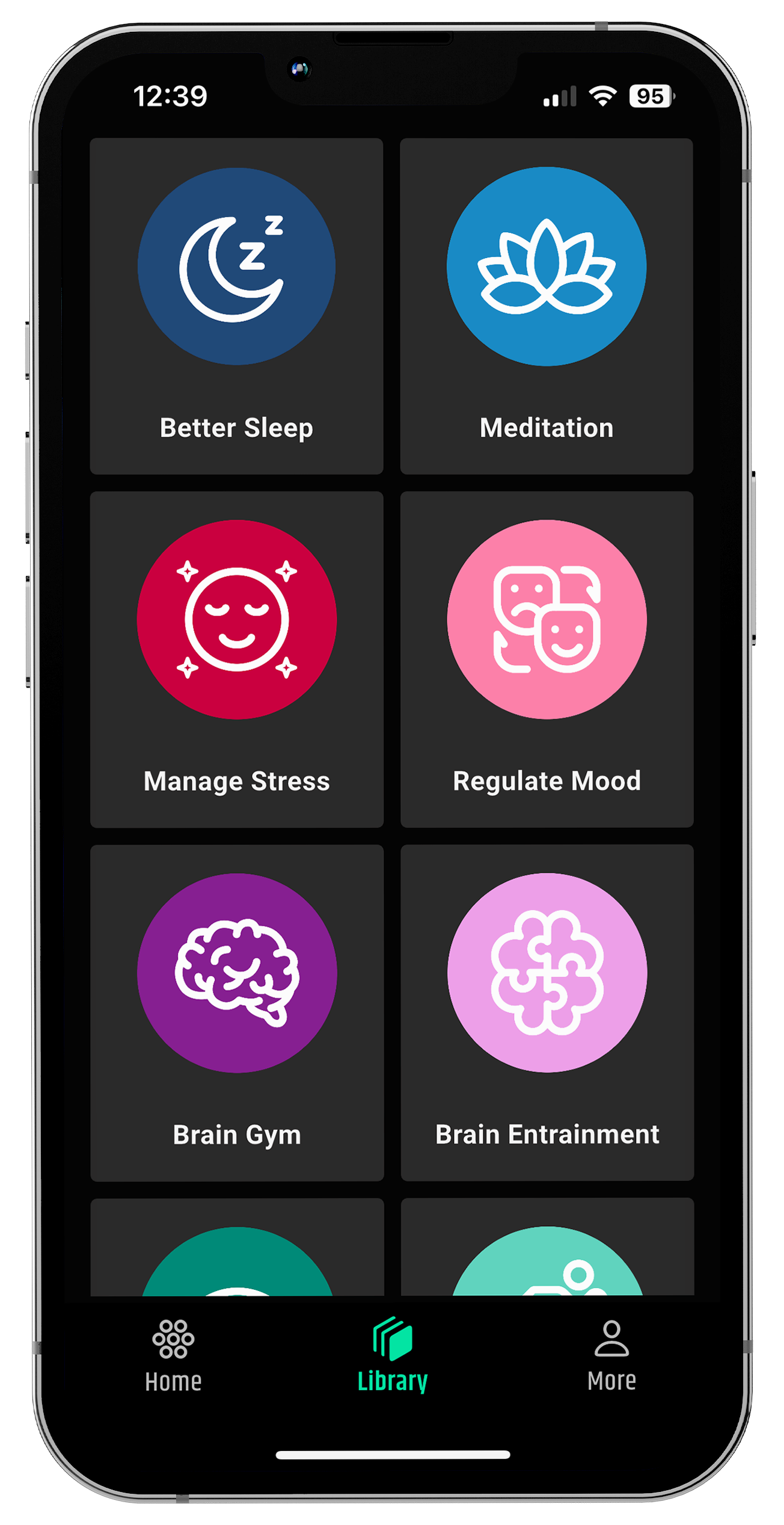
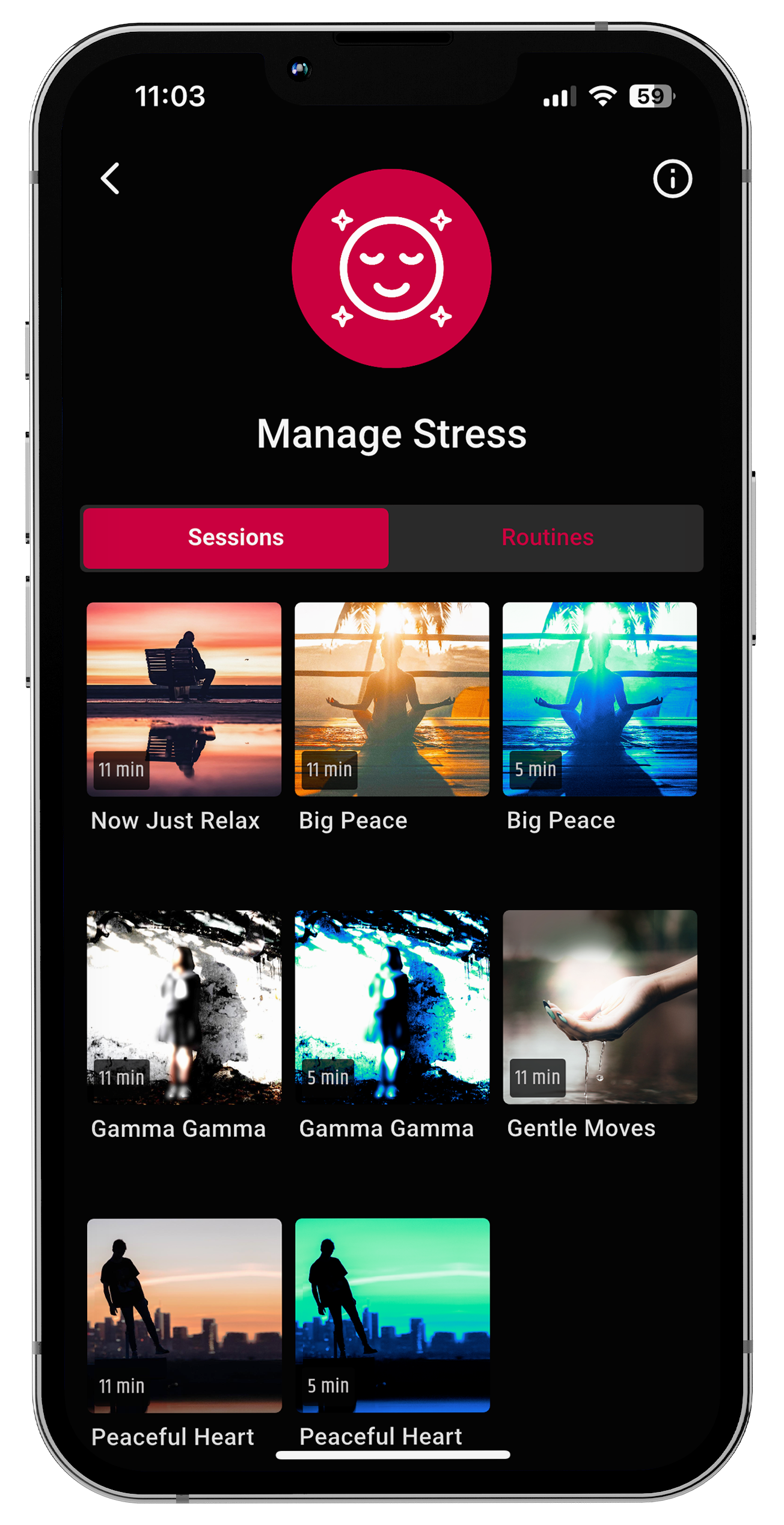
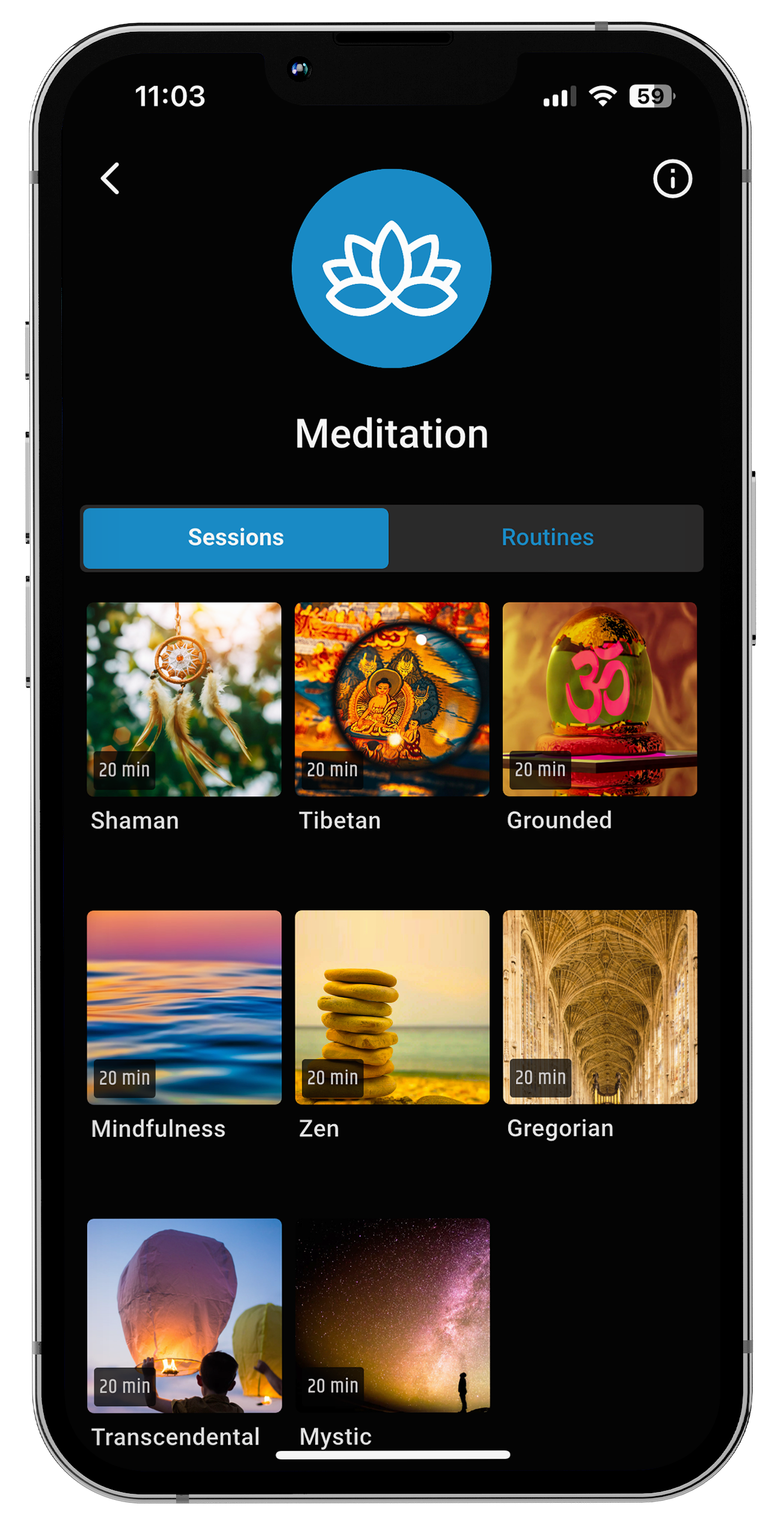
neuroVIZR is one such tool, a multisensory neurosensory experience designed to help the brain enter states of deep focus, calm, and emotional regulation.
This matters because:
-
Focus improves when brainwaves stabilise
-
Anxiety reduces when the nervous system resets
-
Imagery becomes stronger when the mind is calm
-
Recovery is faster when the brain exits stress states
Athletes use neuroVIZR to support:
-
mental warm-ups
-
pre-competition focus
-
emotional regulation
-
post-training recovery
-
deep relaxation & mental reset
It’s not a substitute for mental training it’s an enhancement tool that helps the brain adopt the right state more easily.
Applying Mental Skills Beyond Sports
These mental skills apply everywhere:
-
job interviews
-
exams
-
creative performances
-
leadership
-
public speaking
-
high-stress careers like medicine, military, aviation
Any situation involving preparation, pressure, and performance benefits from these skills.
Athletes who develop mental strength often become mentally strong people on and off the field.
Final Thoughts: Becoming a Mentally Trained Athlete
Being a “successful” athlete isn’t about medals or titles.
It’s about:
-
growth
-
commitment
-
self-belief
-
resilience
-
and the courage to keep showing up
Mental skills training gives athletes the emotional, cognitive, and psychological tools they need to perform at their best consistently, sustainably, and confidently.
If you want to train your body, train your mind.
If you want to transform your performance, transform your psychology.











Share:
Why Brain Health Should Be the Next Priority for Insurers and Employers
Mental Toughness for Young Athletes