

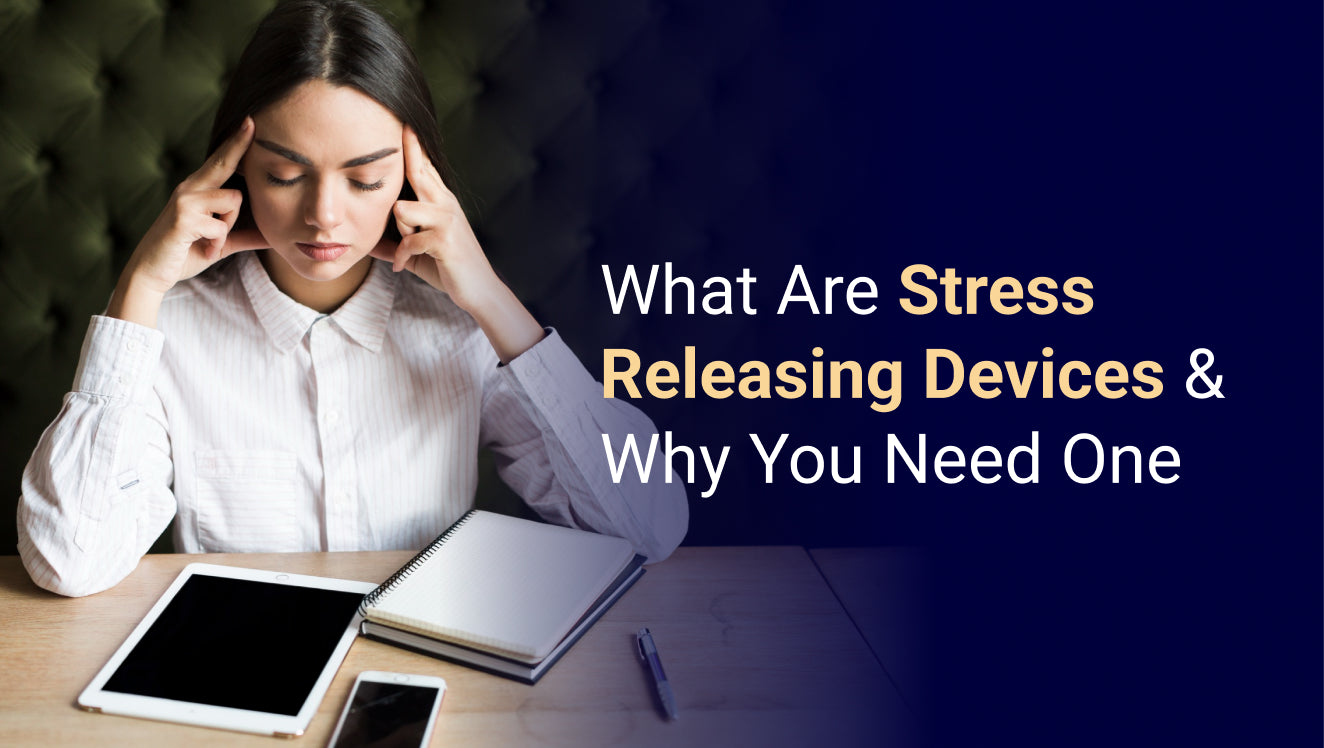
Stress has become one of those things we quietly live with. Between work pressure, constant screen time, irregular sleep, and never-ending responsibilities, the mind rarely gets a true pause. Even during moments of rest, thoughts keep running, and the body stays tense. Over time, this constant state of alertness starts affecting focus, mood, energy levels, and overall health. What makes stress more challenging is that it often feels normal until it does not.
This article explains what stress-releasing devices are, how they work, the signs you need one, and why they are becoming essential for managing everyday stress.

What Are Stress-Relieving Devices?
Stress-relieving devices are tools designed to help the body and mind shift from a stressed state to a relaxed one. They work by influencing the nervous system, brain activity, breathing patterns, or sensory responses to reduce mental and physical tension.
These devices come in different forms, such as wearable tools, handheld gadgets, or brain-based wellness devices. Some focus on calming the mind, while others help release physical tension or improve sleep quality. The goal is simple. Help the body move out of constant fight-or-flight mode and return to a state of balance.
Unlike medications, stress-relieving devices are non-invasive and easy to use. They do not force relaxation but gently guide the body toward it. Over time, regular use can improve emotional stability, focus, sleep, and overall well-being.
Read more - how to get more deep sleep
How Stress Reduction Devices Work
Stress reduction devices work by supporting the body’s natural relaxation mechanisms instead of overriding them. Below are the key ways they function.
-
They regulate the nervous system
Most stress devices focus on calming the sympathetic nervous system, which controls stress responses. By activating the parasympathetic system, they help slow the heart rate, relax muscles, and create a sense of calm. -
They influence brain activity
Some advanced devices use light, sound, or frequency-based stimulation to guide brainwaves into calmer patterns. This helps reduce racing thoughts, mental fatigue, and emotional overload. -
They improve breathing patterns
Stress often causes shallow and rapid breathing. Certain devices encourage slow, rhythmic breathing, which signals the brain that the body is safe and relaxed. -
They reduce cortisol levels
Chronic stress increases cortisol, the stress hormone. Regular use of stress reduction devices can help lower cortisol levels, leading to improved mood and energy. -
They enhance sensory grounding
Tactile, visual, or auditory feedback helps bring attention back to the present moment. This grounding effect reduces anxiety and overthinking. -
They support better sleep cycles
By calming the nervous system before bedtime, these devices help improve sleep onset and sleep quality, which further reduces daily stress levels. -
They work without conscious effort
One major benefit is that users do not need to actively focus or learn complex techniques. The device does most of the work, making it easier to stay consistent.
Over time, these effects compound. The body learns how to relax faster and stay balanced longer.
Signs You Need a Stress Releasing Device
Stress often hides in plain sight. Many people assume feeling tired or irritated is normal, but these are often signals from the body asking for support. Below are key signs that indicate you may benefit from a stress-releasing device.
-
You feel mentally exhausted even after resting
If sleep does not leave you refreshed and your mind feels foggy throughout the day, it may be a sign of chronic stress. -
You struggle to switch off your thoughts
Constant thinking, worrying, or replaying conversations is a clear sign that your nervous system is overstimulated. -
You feel overwhelmed by small tasks
When simple responsibilities feel heavy or emotionally draining, stress is likely affecting your mental capacity. -
You experience frequent headaches or muscle tension
Stress often manifests physically through tight shoulders, neck pain, jaw clenching, or recurring headaches. -
Your sleep quality has declined
Difficulty falling asleep, waking up tired, or feeling restless at night are strong indicators of stress imbalance. -
You feel irritable or emotionally reactive
Snapping easily, feeling impatient, or experiencing mood swings can be linked to prolonged stress. -
You rely heavily on caffeine or sugar
Using stimulants to push through the day often signals fatigue caused by stress rather than lack of motivation. -
You feel disconnected or numb
Stress does not always look like anxiety. Emotional numbness or lack of interest can also be signs of overload. -
Your focus and productivity have dropped
Difficulty concentrating or staying engaged at work is often linked to mental fatigue caused by stress. -
You experience unexplained fatigue
Even without heavy physical activity, stress can drain energy levels significantly. -
Your body feels tense even during downtime
If relaxation feels forced and your body remains tight, it is a sign your nervous system needs help resetting. -
You feel anxious without a clear reason
Persistent uneasiness or restlessness often indicates underlying stress patterns.
Recognizing these signs early can prevent long-term burnout. Stress-releasing devices help interrupt this cycle and support recovery.
The Best Stress-Releasing Device
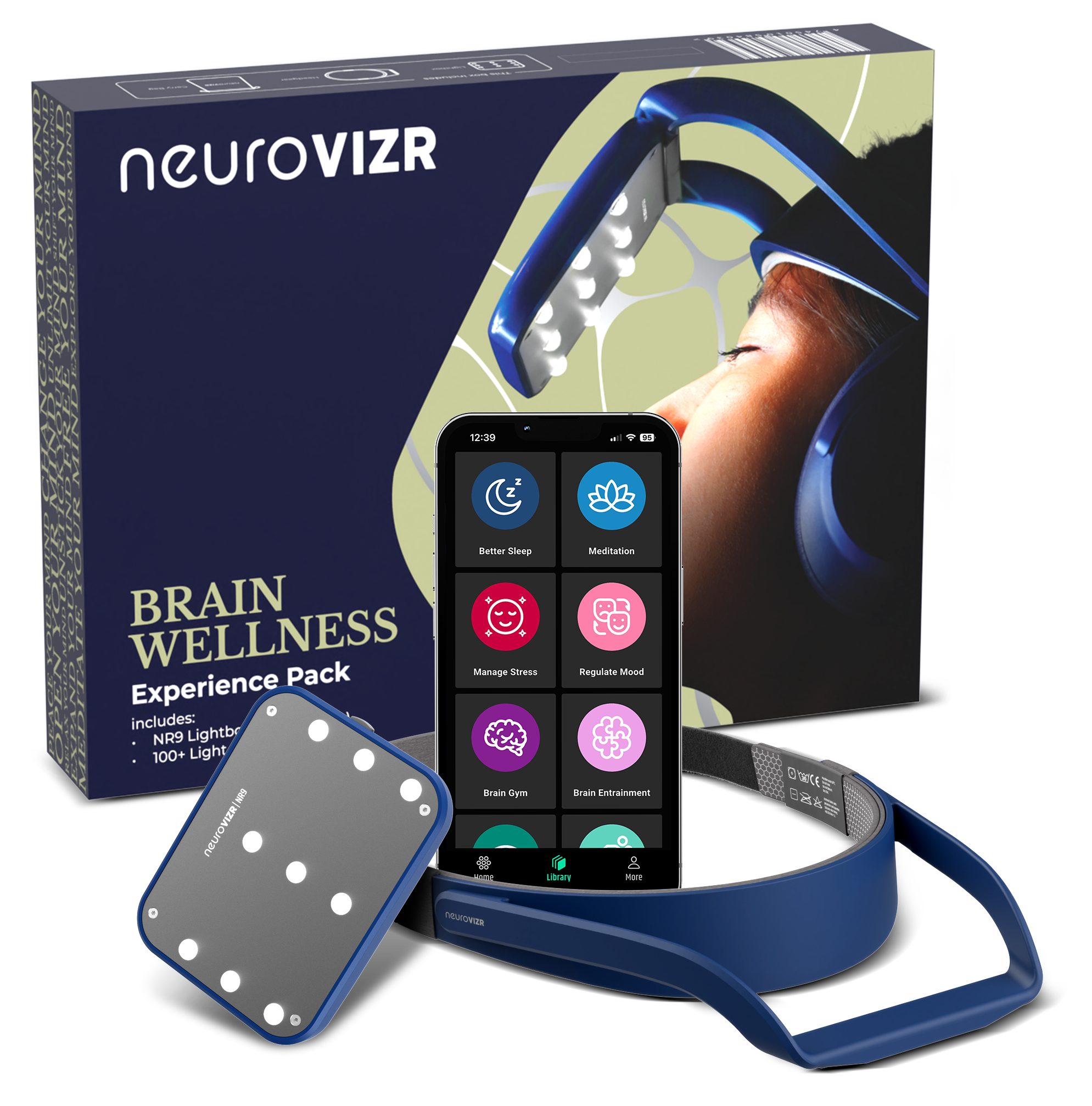
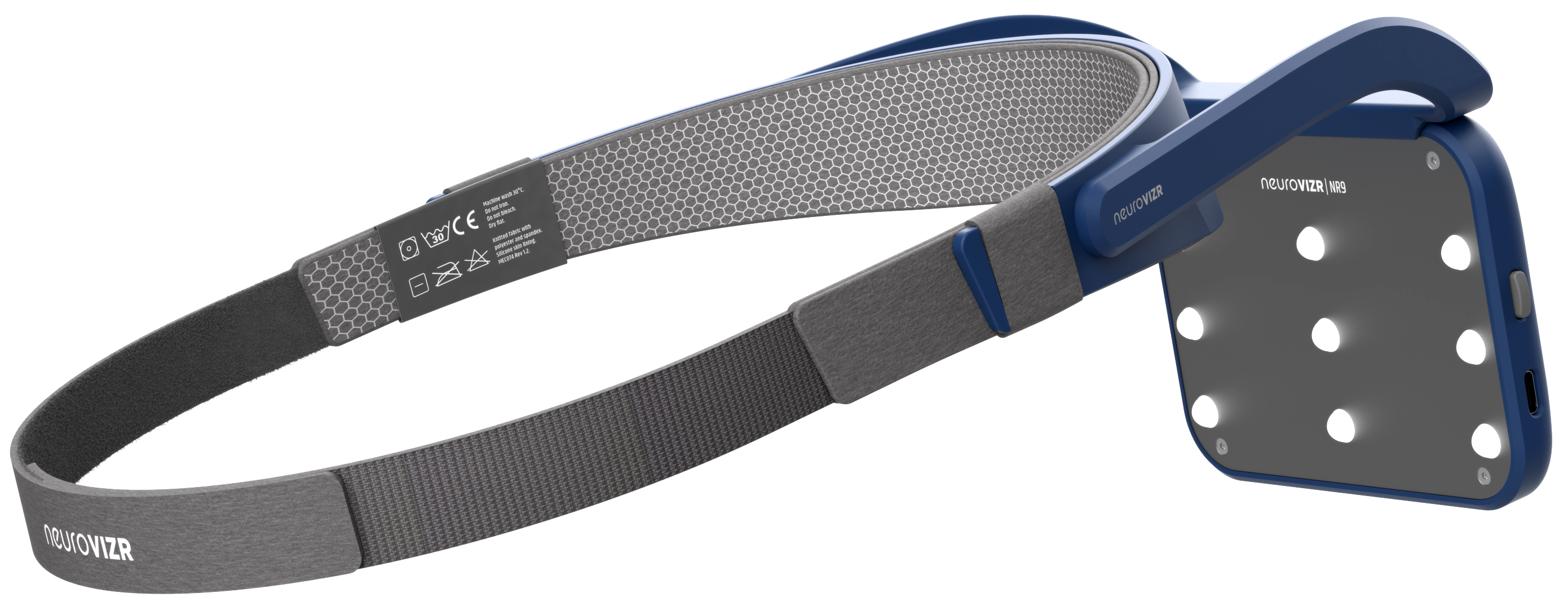
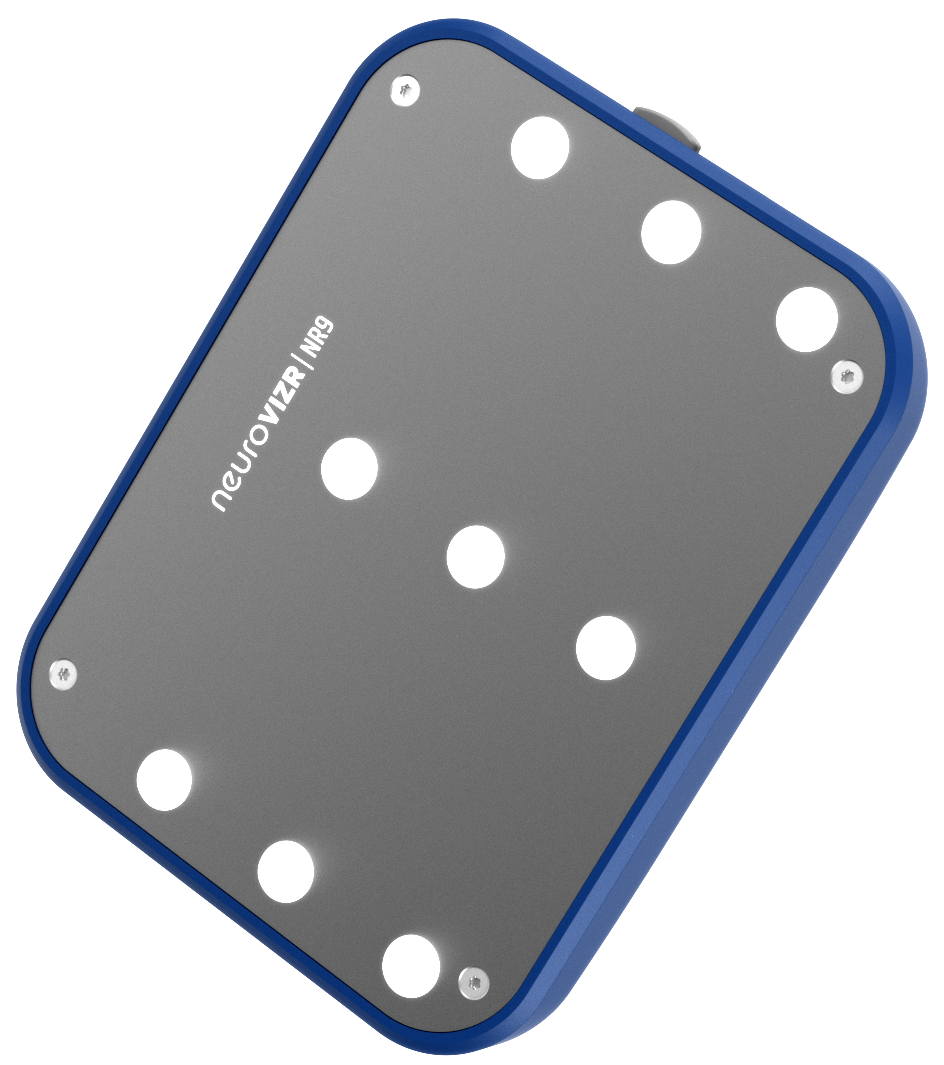
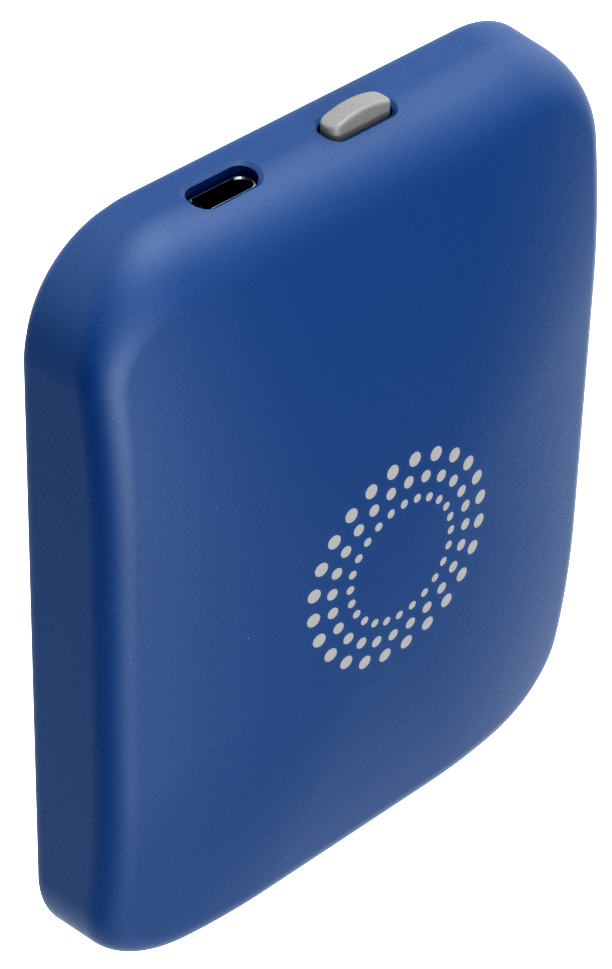
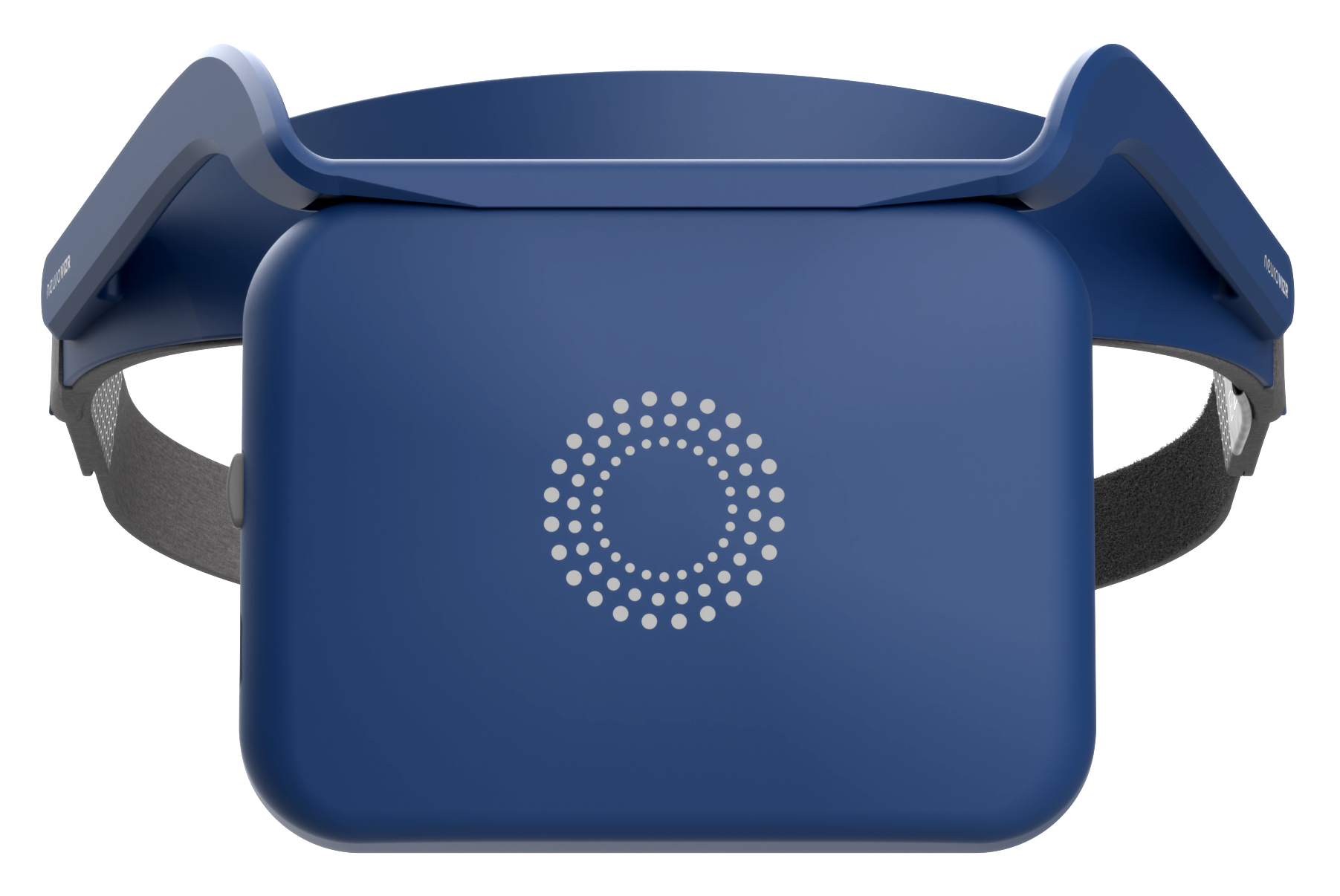
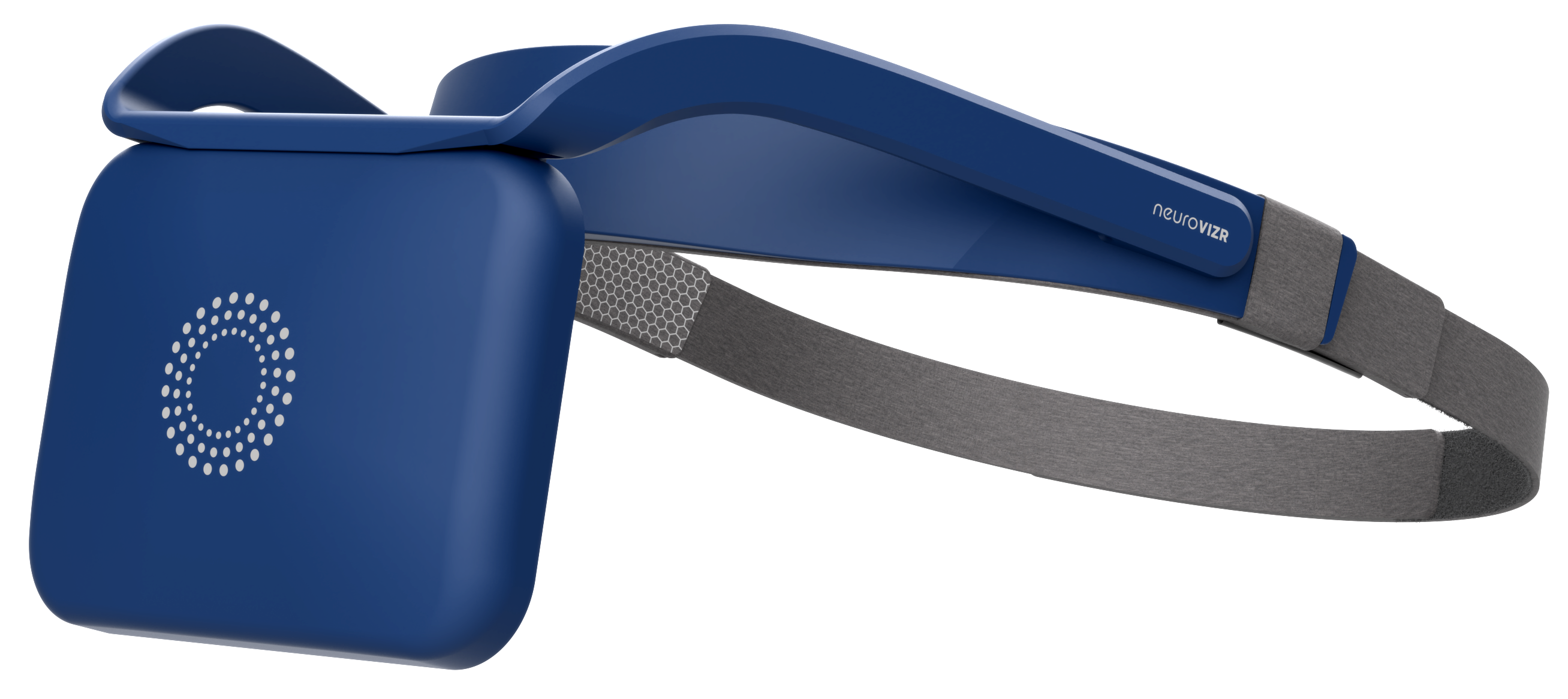
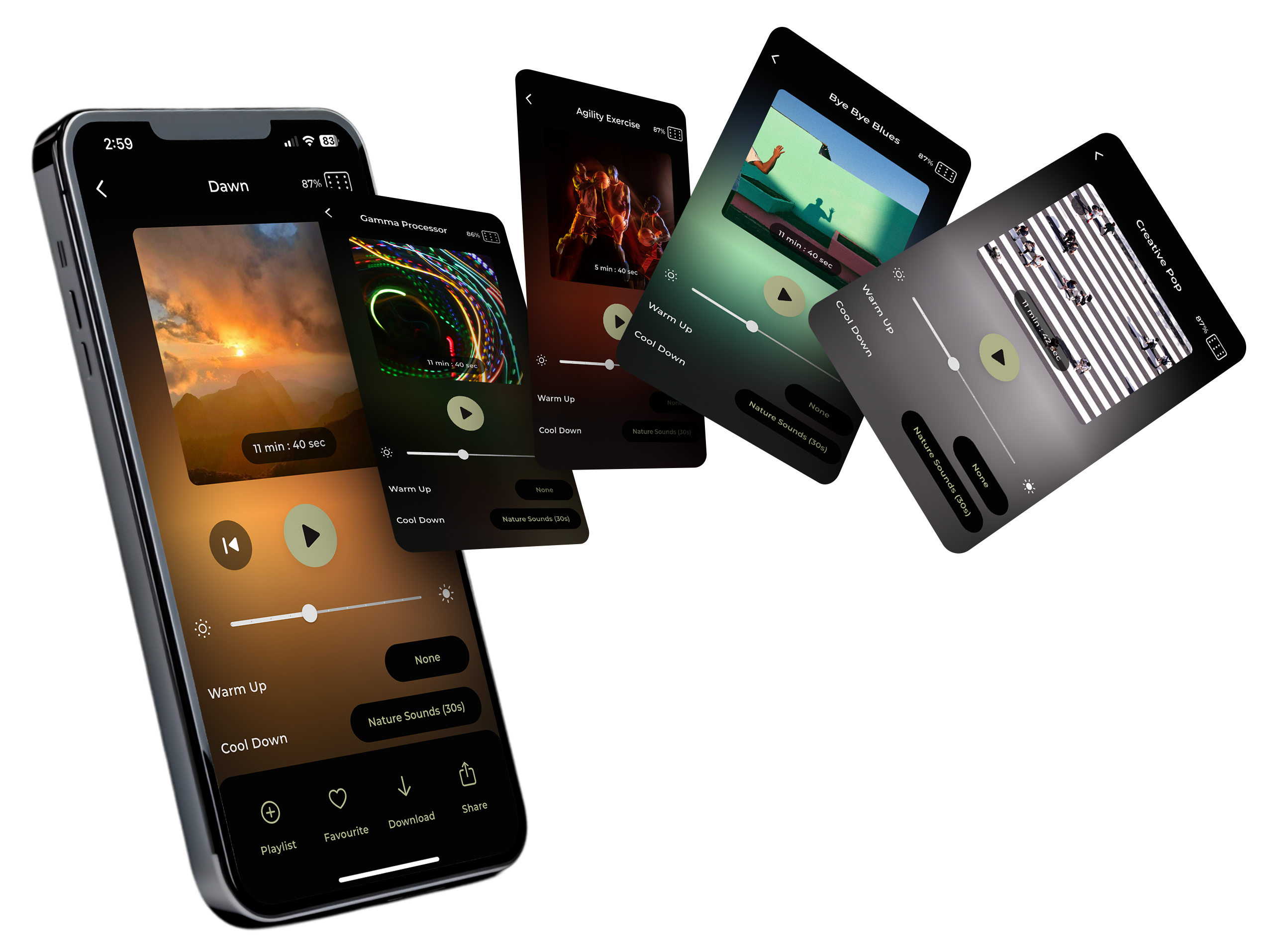
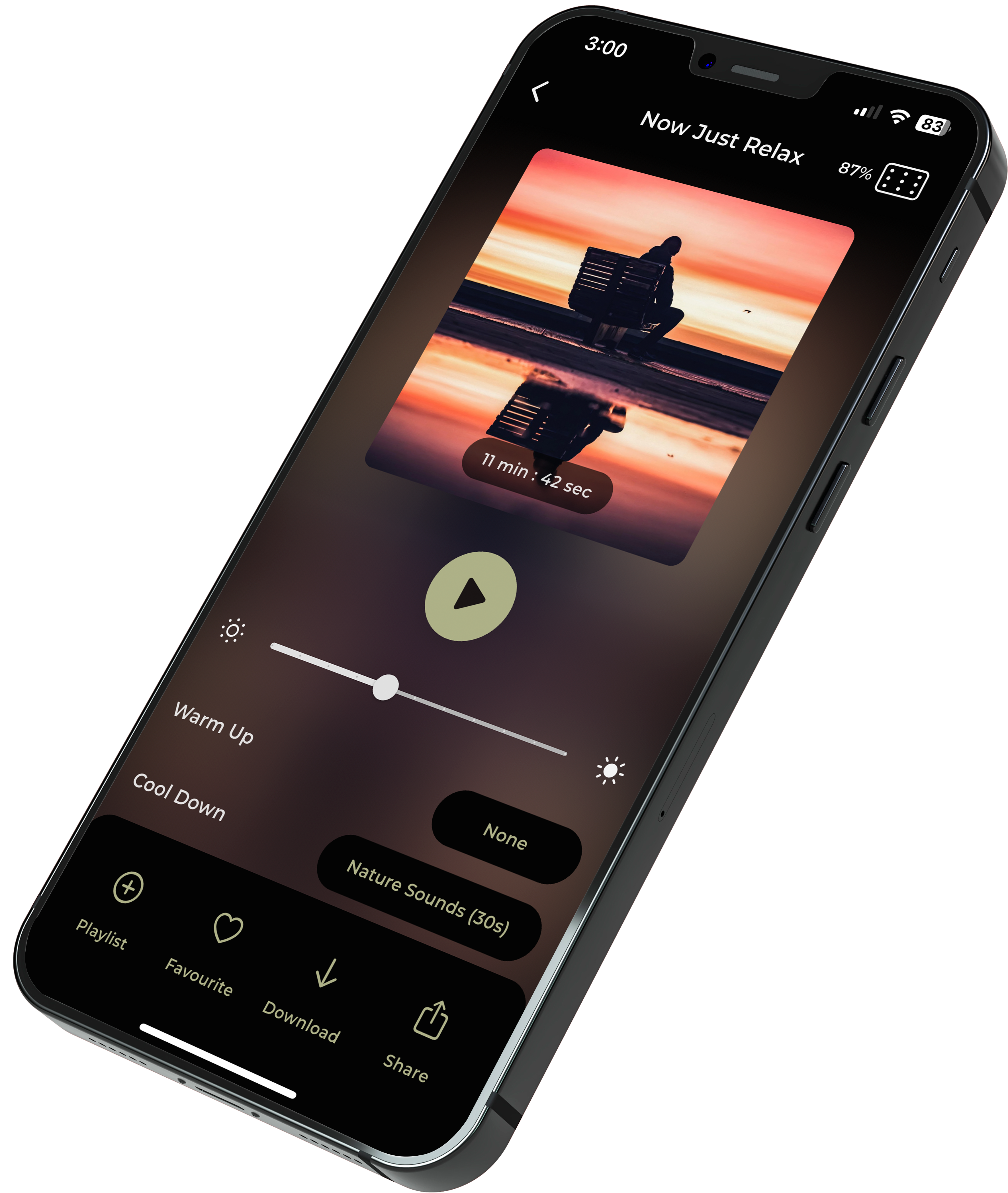
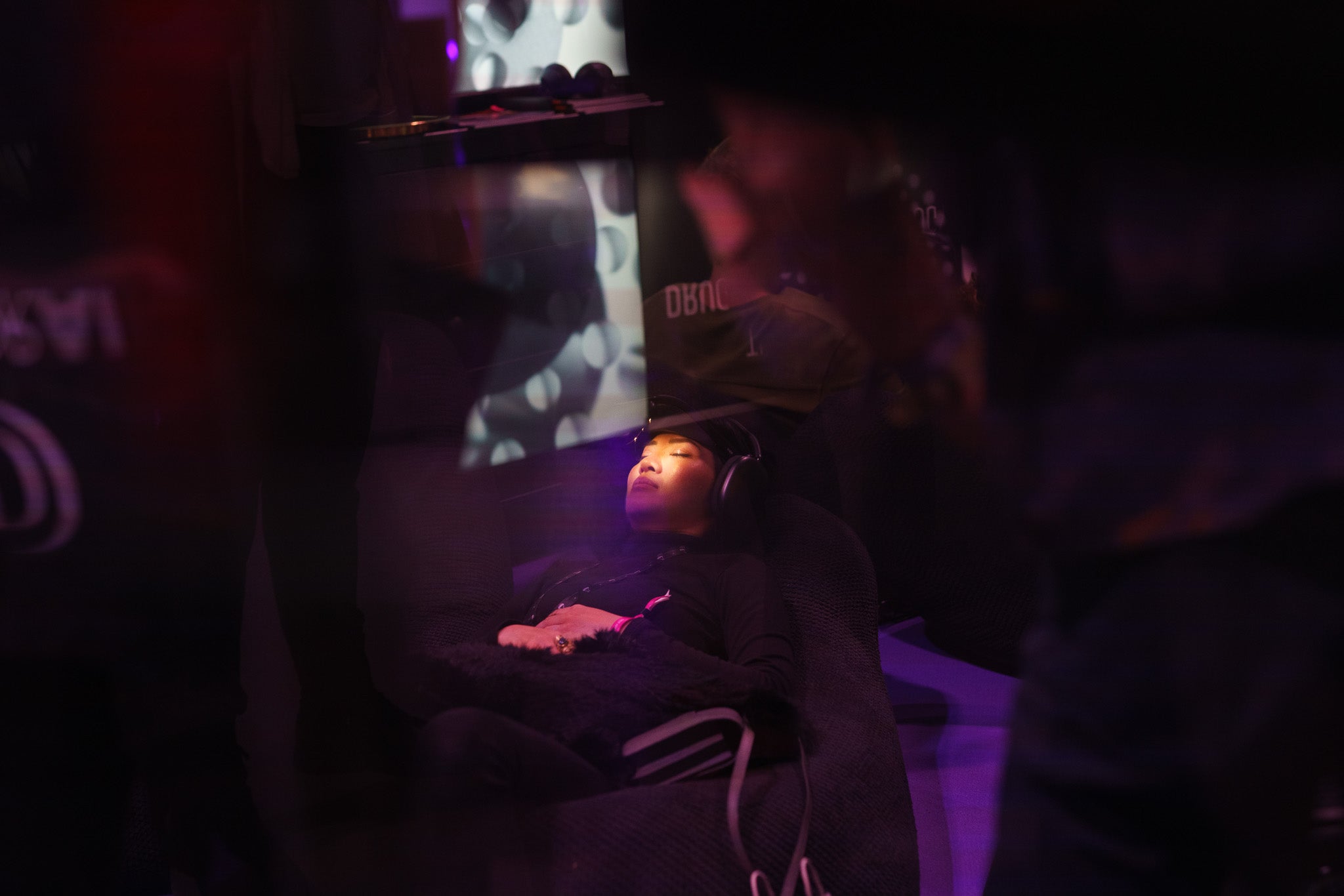
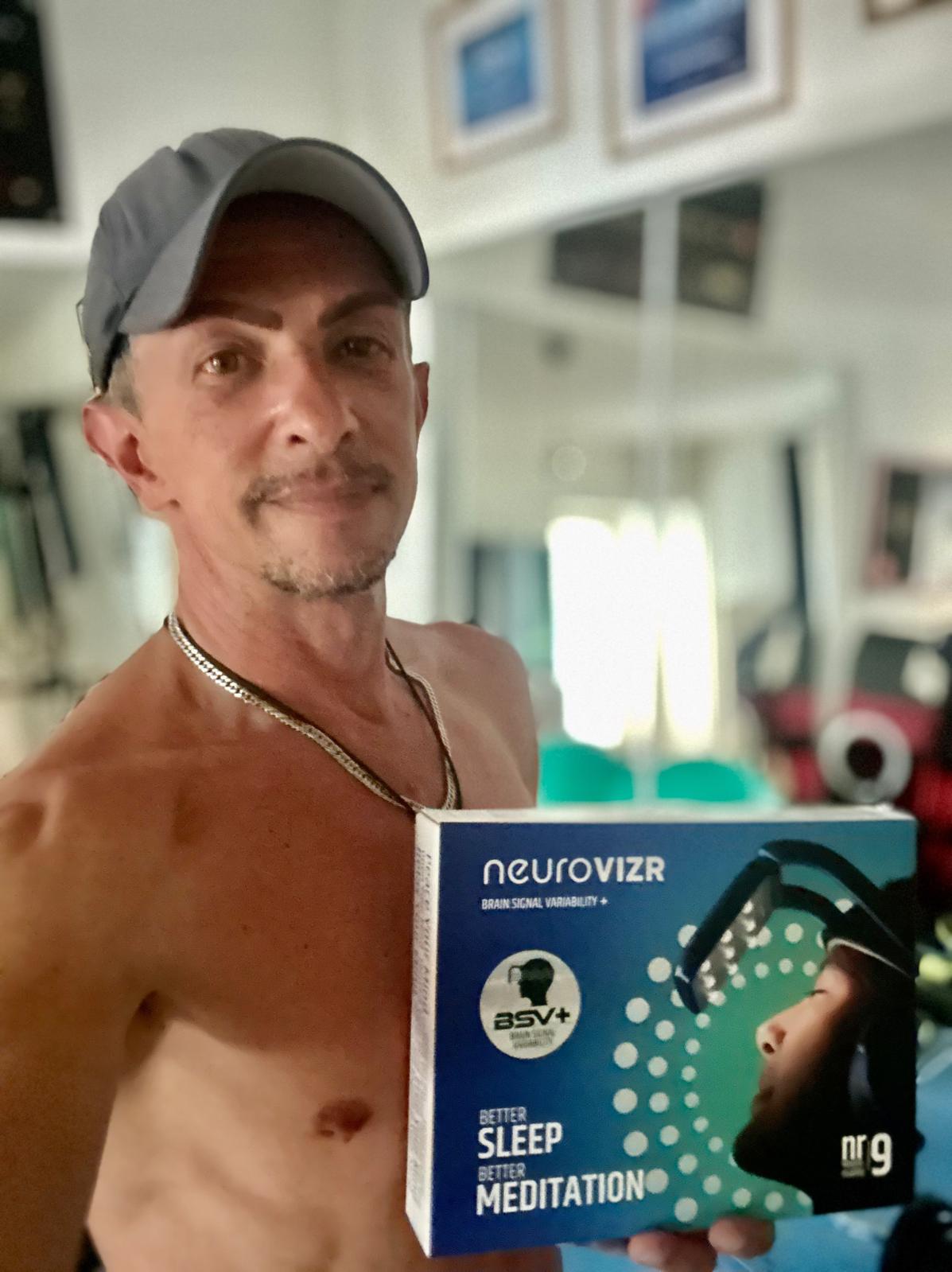
Among modern stress-releasing solutions, neuroVIZR stands out as a science-backed brain wellness device designed to support deep relaxation and mental balance. It works by gently guiding brain activity into calmer states using rhythmic light and sound stimulation.
neuroVIZR does not require effort, training, or active meditation. Users simply relax while the device helps the brain shift out of stress mode. Regular sessions can support better sleep, improved focus, emotional stability, and reduced anxiety.
What makes neuroVIZR effective is its ability to work directly with the brain rather than just the symptoms of stress. It supports long-term nervous system regulation, making it a powerful tool for anyone dealing with chronic mental or emotional strain.
Final Thoughts
Stress is no longer something that shows up once in a while. For many people, it has become part of everyday life. And pretending it is not there does not make it go away. It just shows up in other ways, like low energy, poor focus, disrupted sleep, or constant exhaustion.
Stress-releasing devices offer a simple and realistic way to support both your mind and body without demanding extra effort from you. They help your system slow down, regain balance, and build resilience over time, making relaxation feel possible again.
Choosing to manage stress is not a sign of weakness. It is a sign of self-awareness. When your body signals that it needs support, paying attention early can change everything.
FAQS
What is the purpose of stress relieving?
The purpose of stress relieving is to help the mind and body relax, reset, and return to a balanced state. It reduces mental overload, eases physical tension, and supports better focus, sleep, and emotional well-being.
Why do we need to relieve stress?
We need to relieve stress because long-term stress affects health, productivity, mood, and energy levels. When stress is left unmanaged, it can lead to burnout, poor sleep, anxiety, and reduced quality of life.
Do anxiety relief devices work?
Yes, anxiety relief devices can work when used consistently. They support the nervous system by calming stress responses, helping the body feel safer and more relaxed without medication or intense effort.
How do stress relief gadgets work?
Stress relief gadgets work by calming the nervous system, guiding breathing, or influencing brain activity through sensory feedback like light, sound, or vibration. This helps the body shift out of stress mode and into a relaxed state naturally.








Share:
Brain Training Devices: Do They Really Work for Focus, Calm, and Cognitive Health?
Neurofeedback Devices: How the Brain Learns to Regulate Itself