

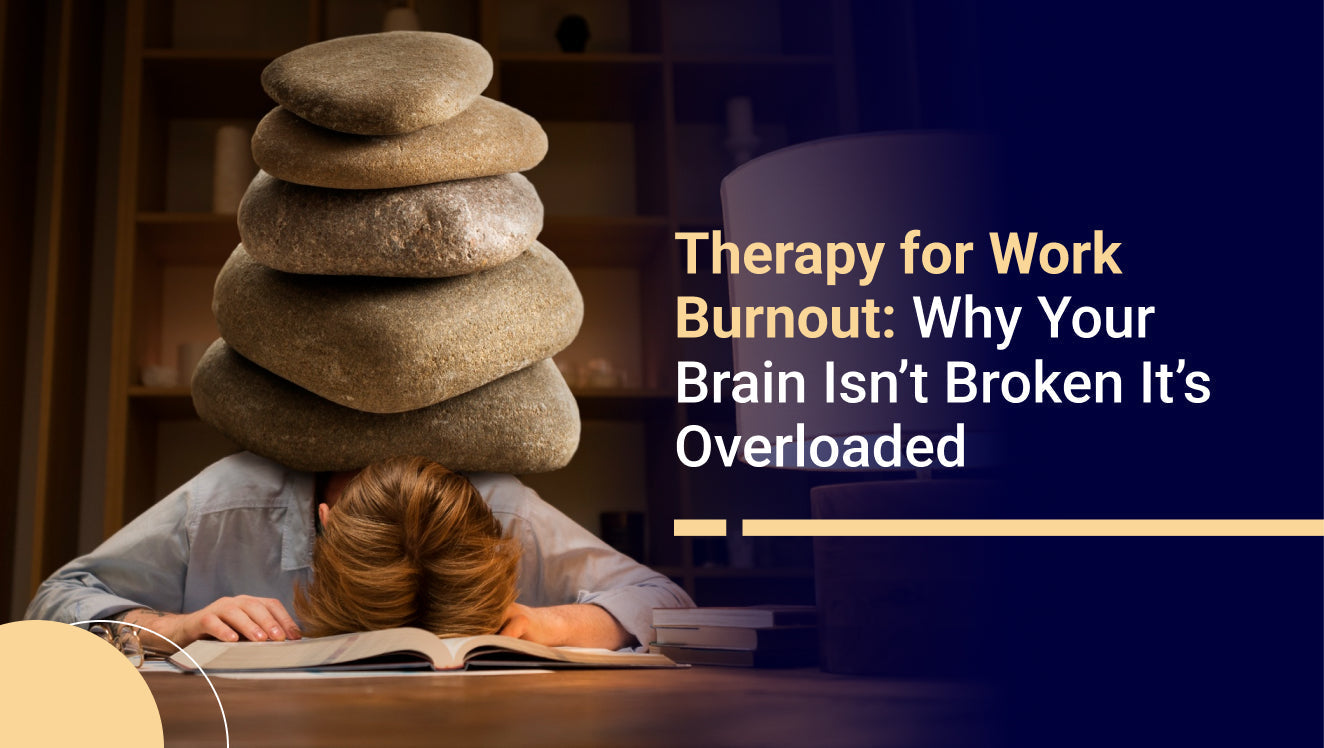
Therapy for Work Burnout: Why Your Brain Isn’t BrokenIt’s Overloaded
  • Written by Gourav Rathore

Therapy for Work Burnout: Why Your Brain Isn’t BrokenIt’s Overloaded

Work burnout doesn’t usually arrive as a dramatic breakdown. It shows up quietly as mental fatigue that sleep doesn’t fix, emotional numbness, irritability, or a constant sense of “I can’t switch off.”

Many people turn to therapy for work burnout hoping to “fix motivation” or “manage stress better.”
But from a neuroscience perspective and very much aligned with neuroVIZR’s approach, burnout isn’t a mindset failure.
It’s a nervous system stuck in survival mode.

What Burnout Really Is (From a Brain Perspective)

Chronic work stress repeatedly activates the brain’s threat-response circuits especially the amygdala and stress hormone pathways.
Over time, this leads to:

  • Reduced access to creativity and problem-solving

  • Emotional flattening or overwhelm

  • Difficulty resting, even when you stop working

  • A body that stays “on” long after the workday ends

This is why traditional productivity advice often fails.
You’re not lacking discipline, your brain hasn’t had the signal that it’s safe to recover.

Read more -  zen koan examples

How Therapy Helps And Where It Sometimes Falls Short

Therapy for work burnout can be deeply valuable.
It helps you:

  • Name emotional patterns

  • Understand boundaries and beliefs

  • Process pressure, perfectionism, or people-pleasing

But many high-functioning professionals notice something important:

That’s because insight alone doesn’t always regulate the nervous system. Burnout lives below language, in brain rhythms, sensory processing, and autonomic balance.

The Missing Piece: Nervous System Regulation

This is where neuroscience-based regulation becomes essential.

When the brain spends too long in high alert:

  • The prefrontal cortex (focus, clarity) goes offline

  • The body forgets how to downshift into rest

  • Recovery requires sensory and neural input, not more thinking

Healing burnout isn’t about forcing calm.
It’s about helping the brain remember balance.

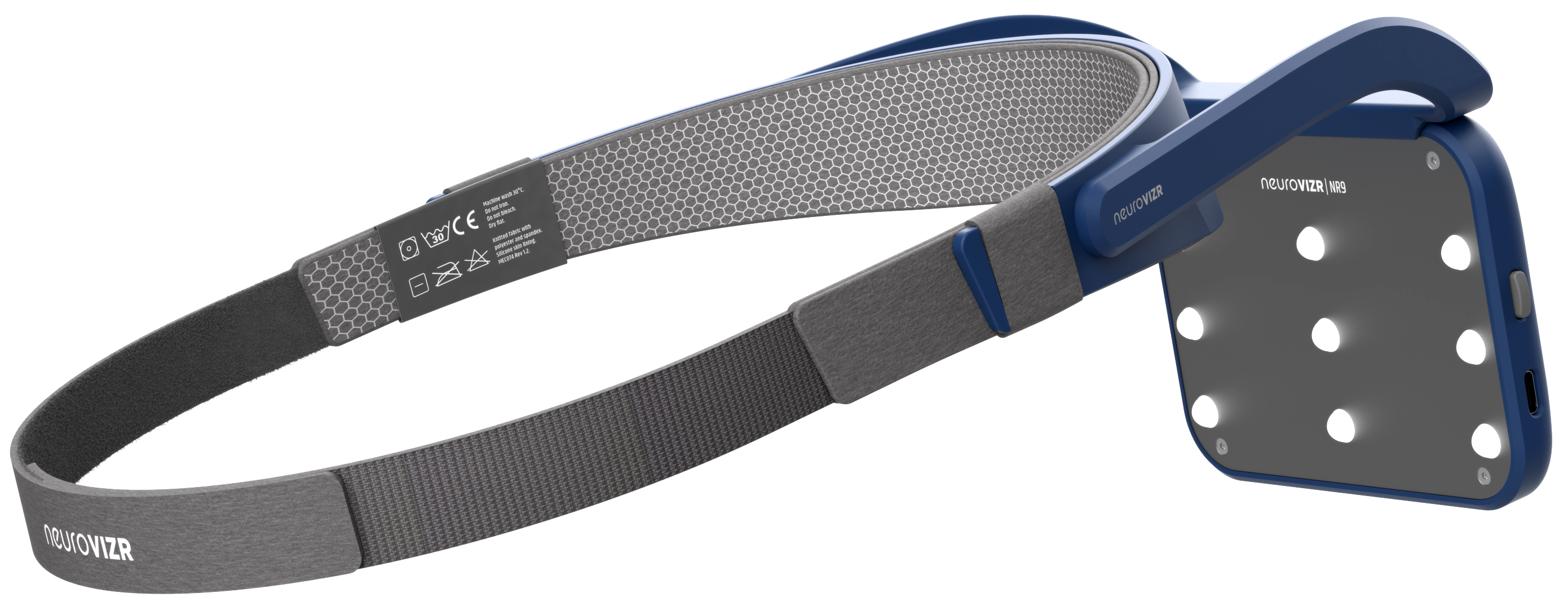
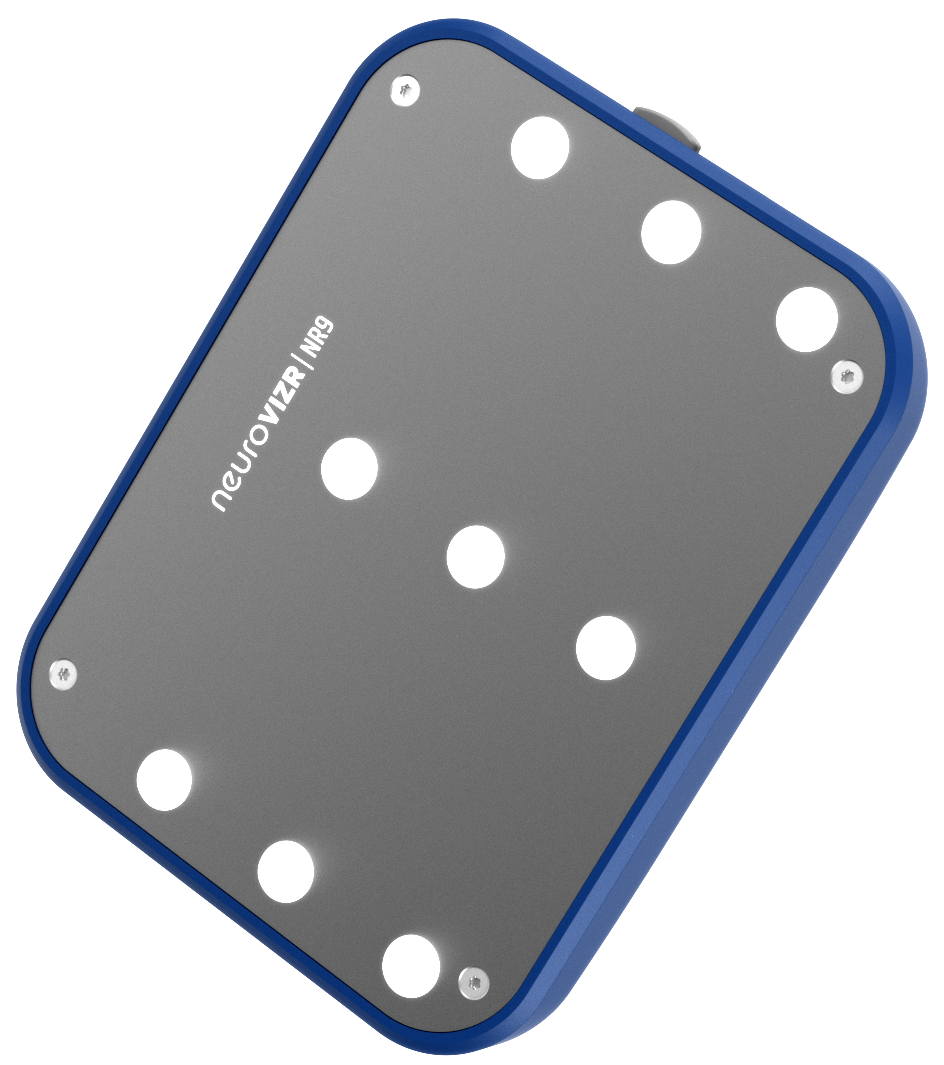
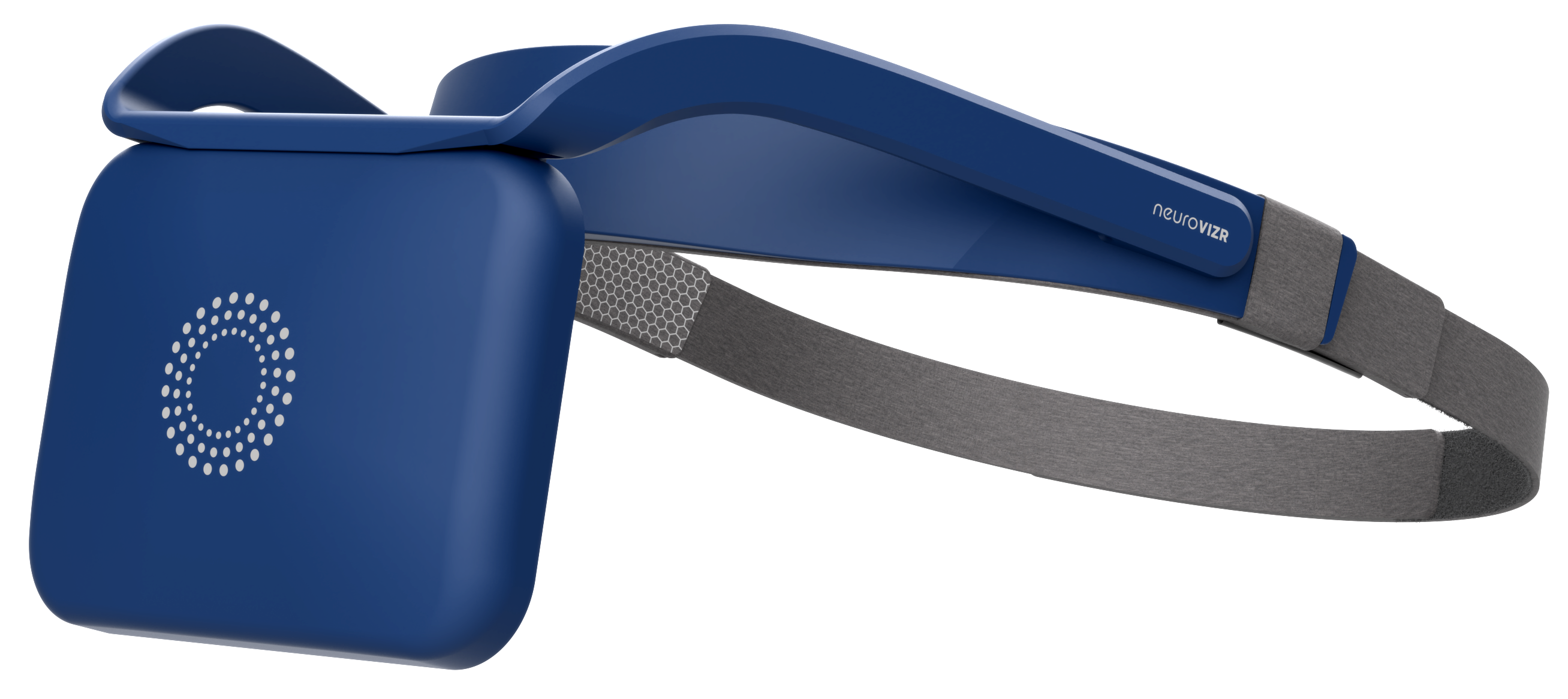
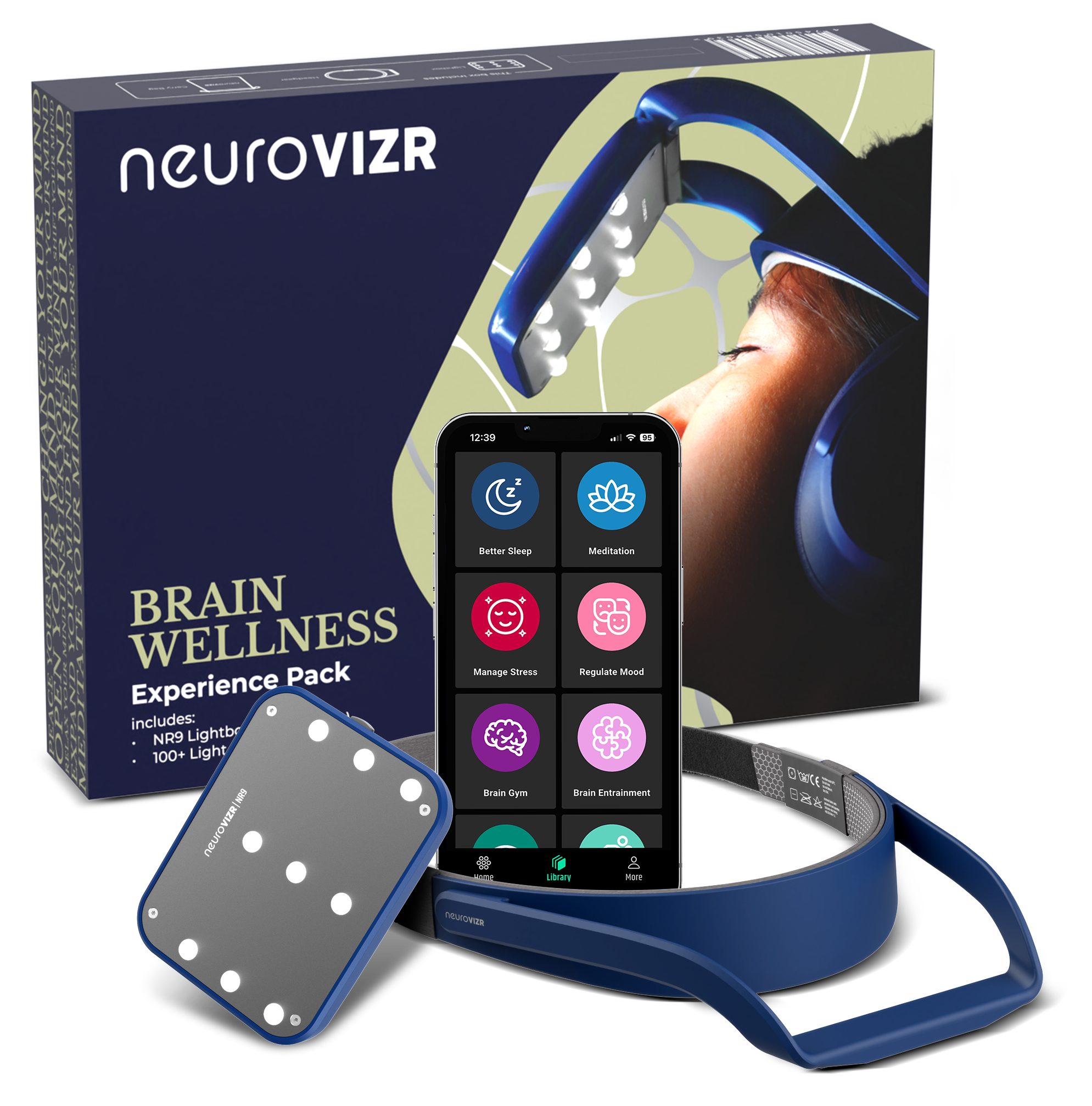
How neuroVIZR Relates to Burnout Recovery

neuroVIZR is built around a simple guiding principle:

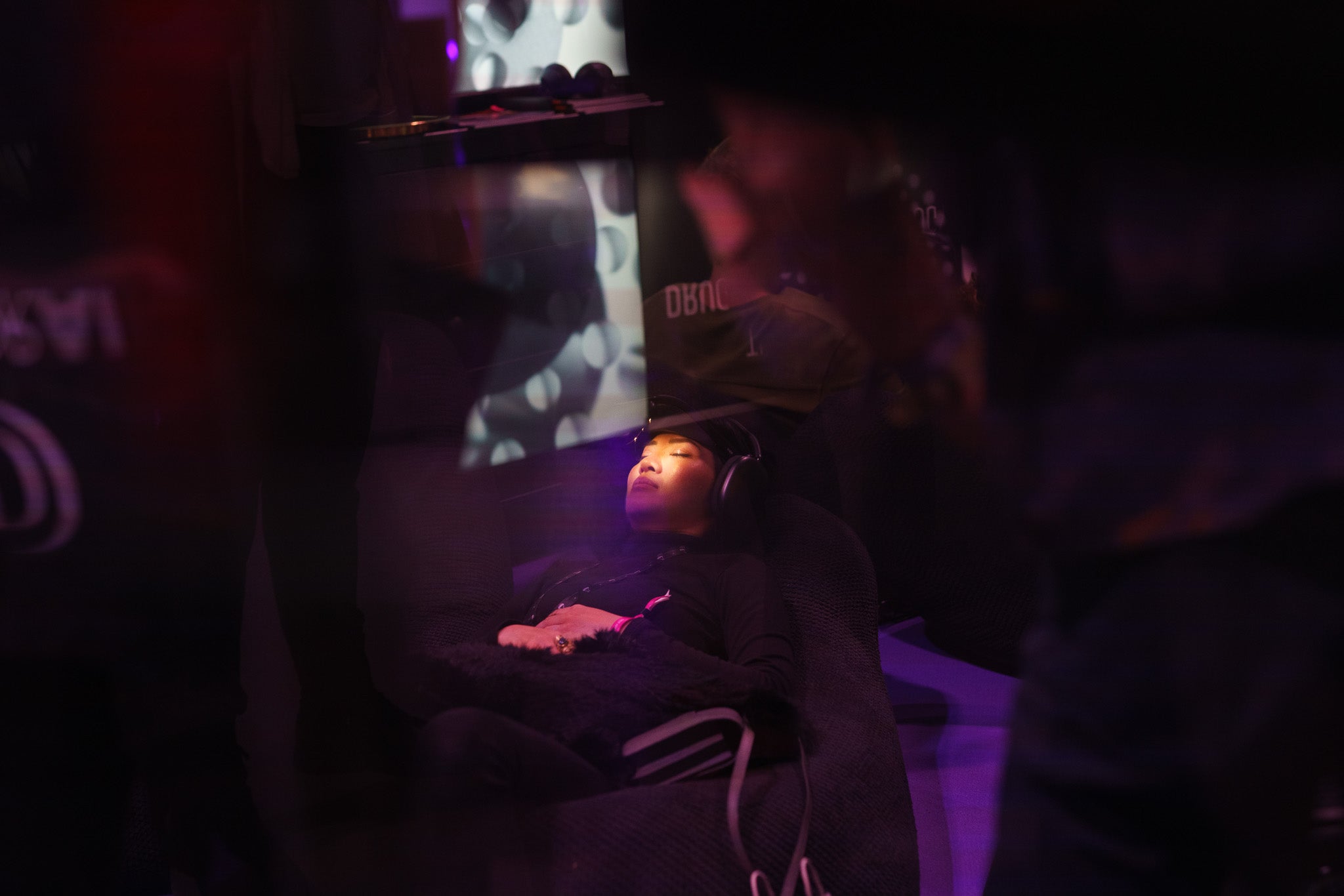
The brain naturally responds to gentle, rhythmic light and sound patterns, especially when the environment supports calm, consistency, and ease.

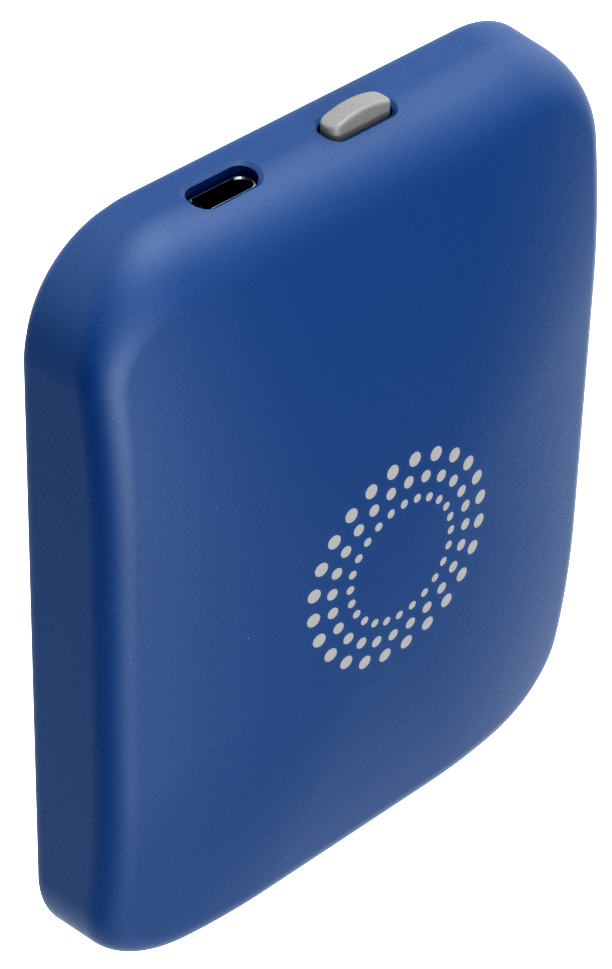
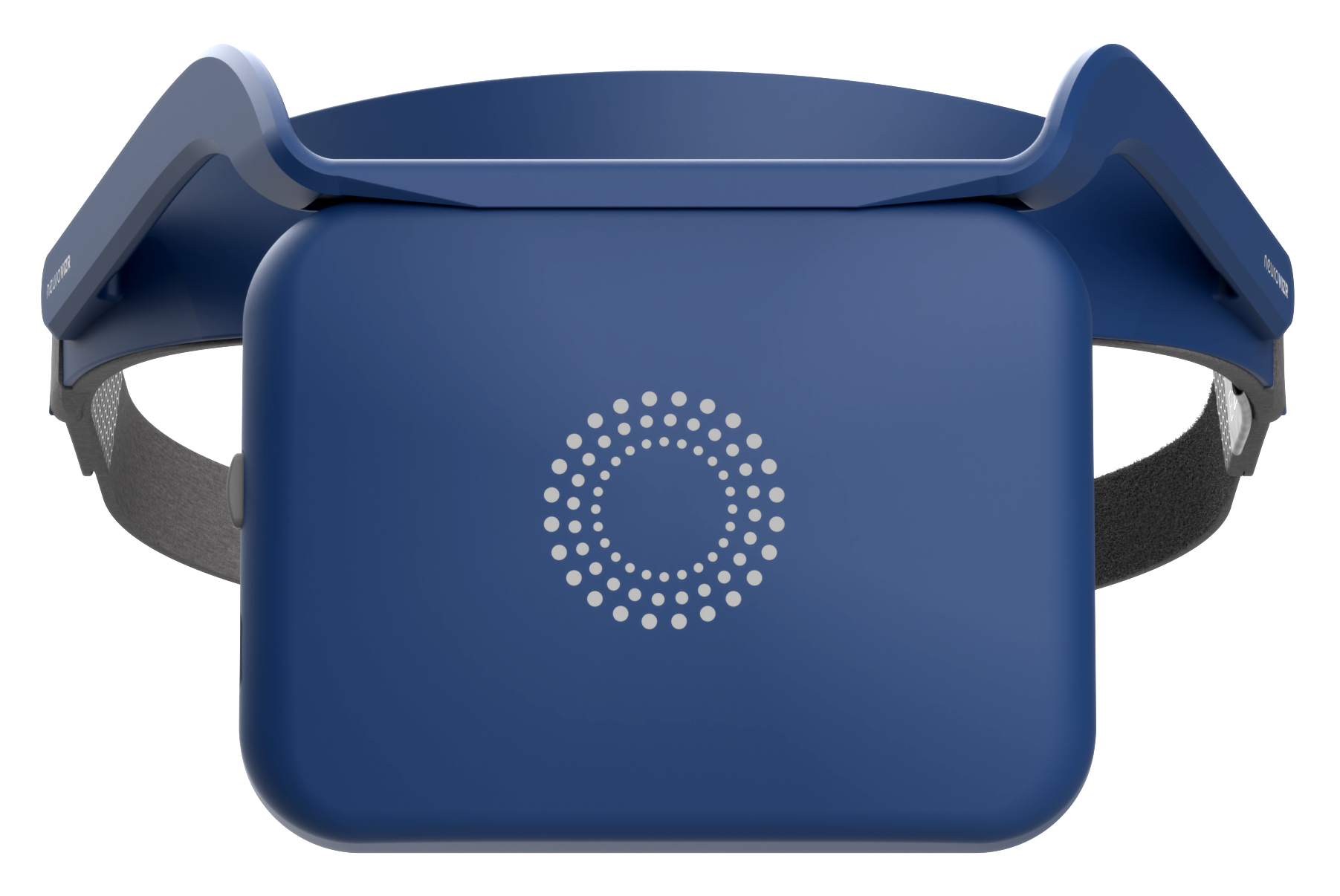
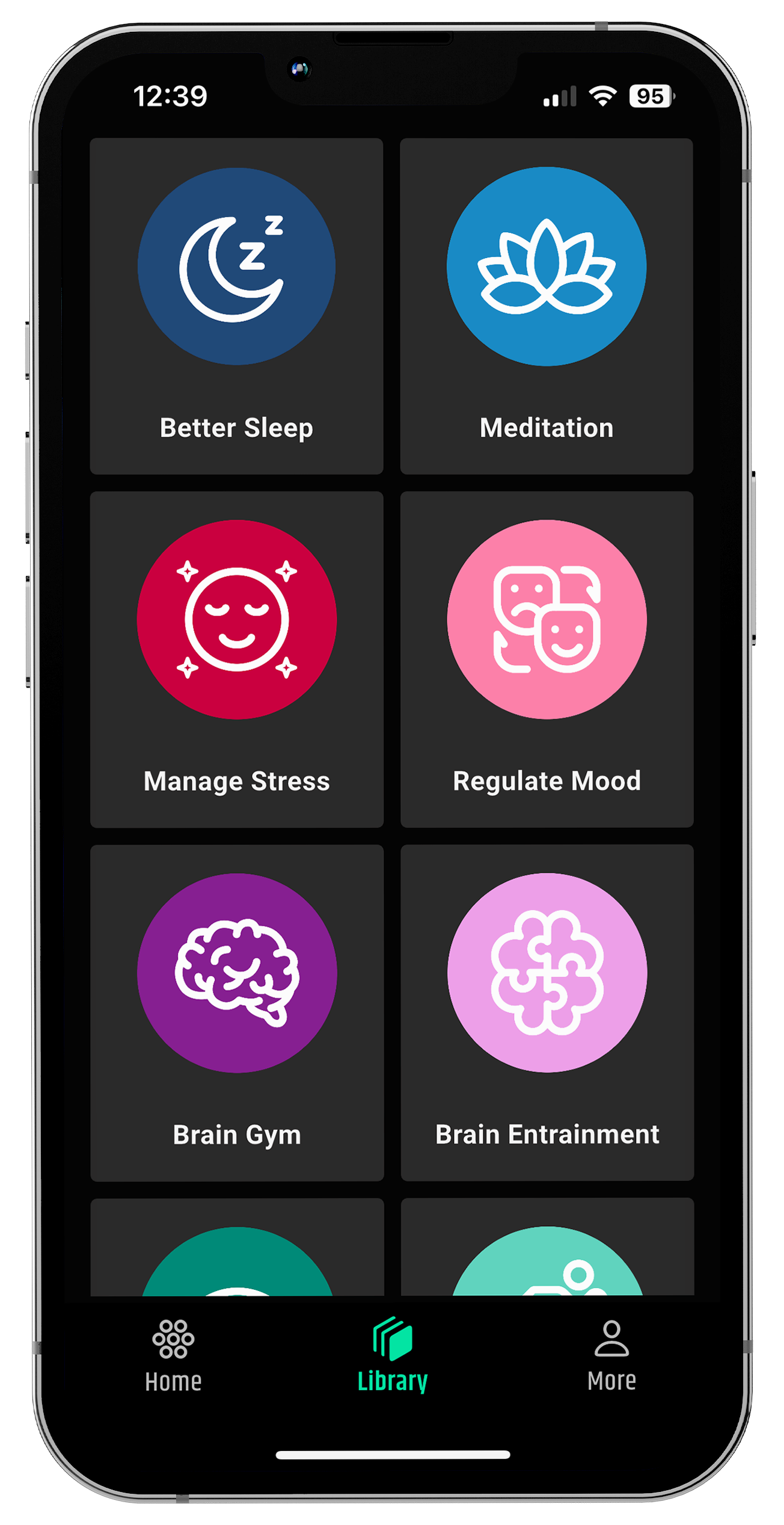
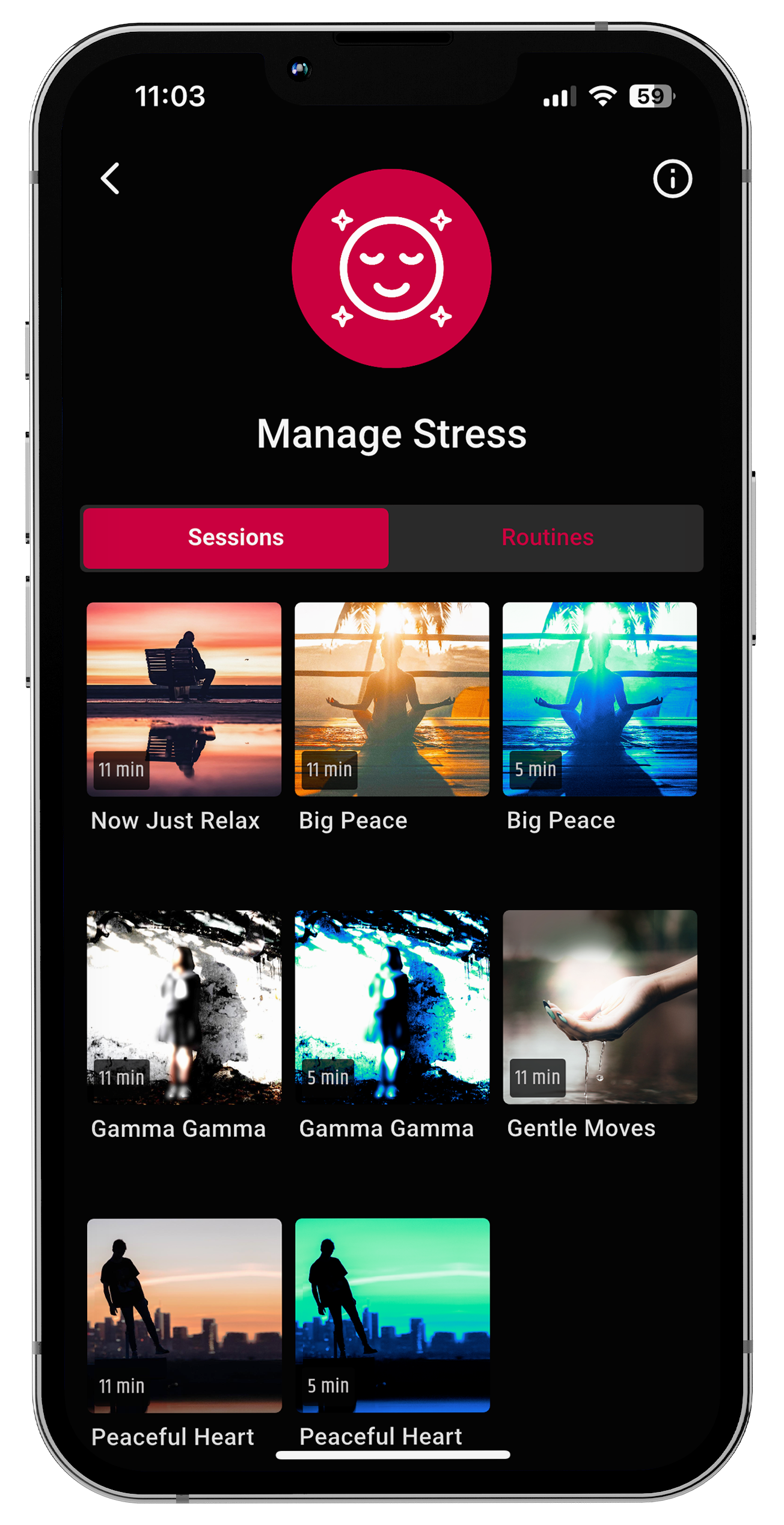
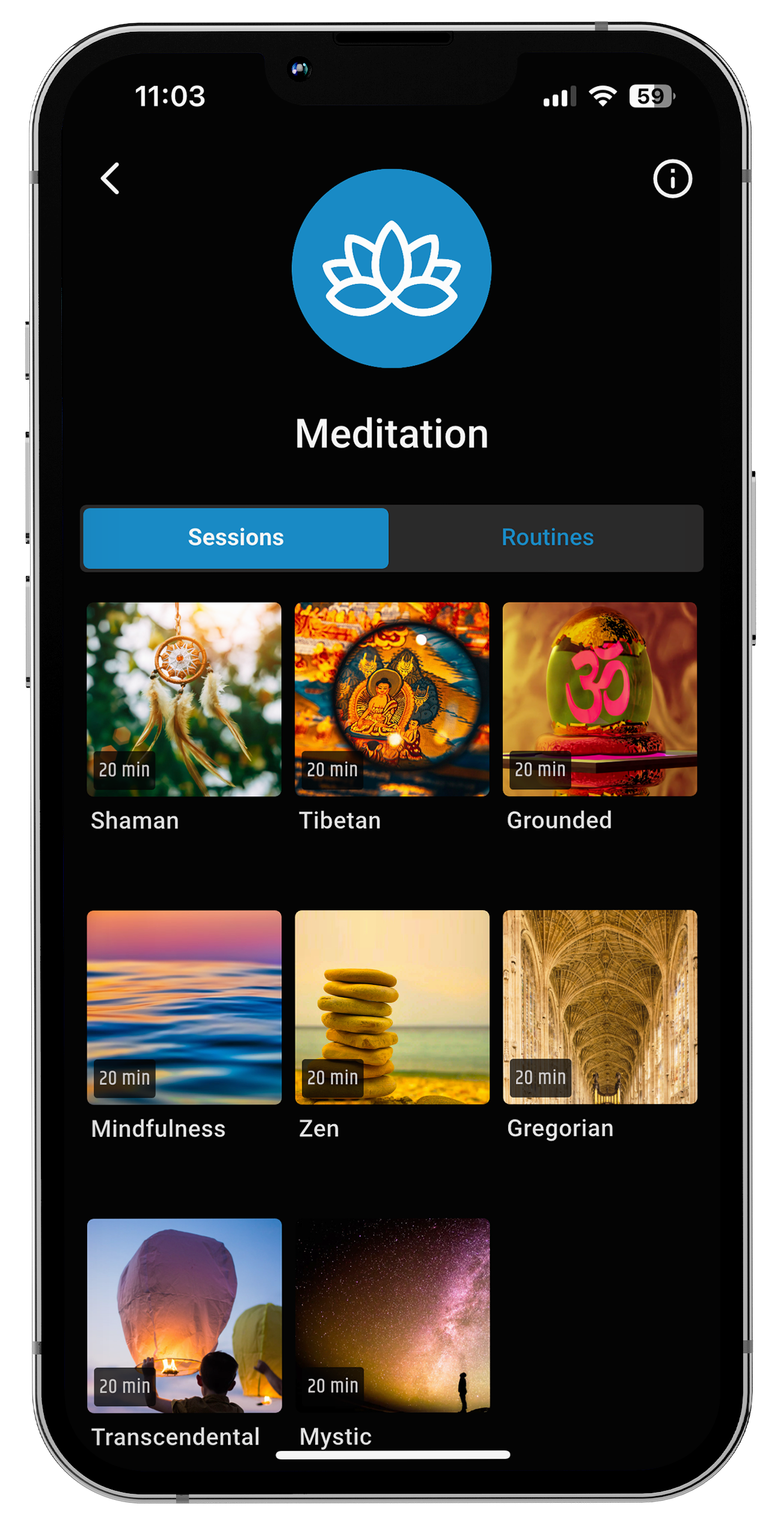
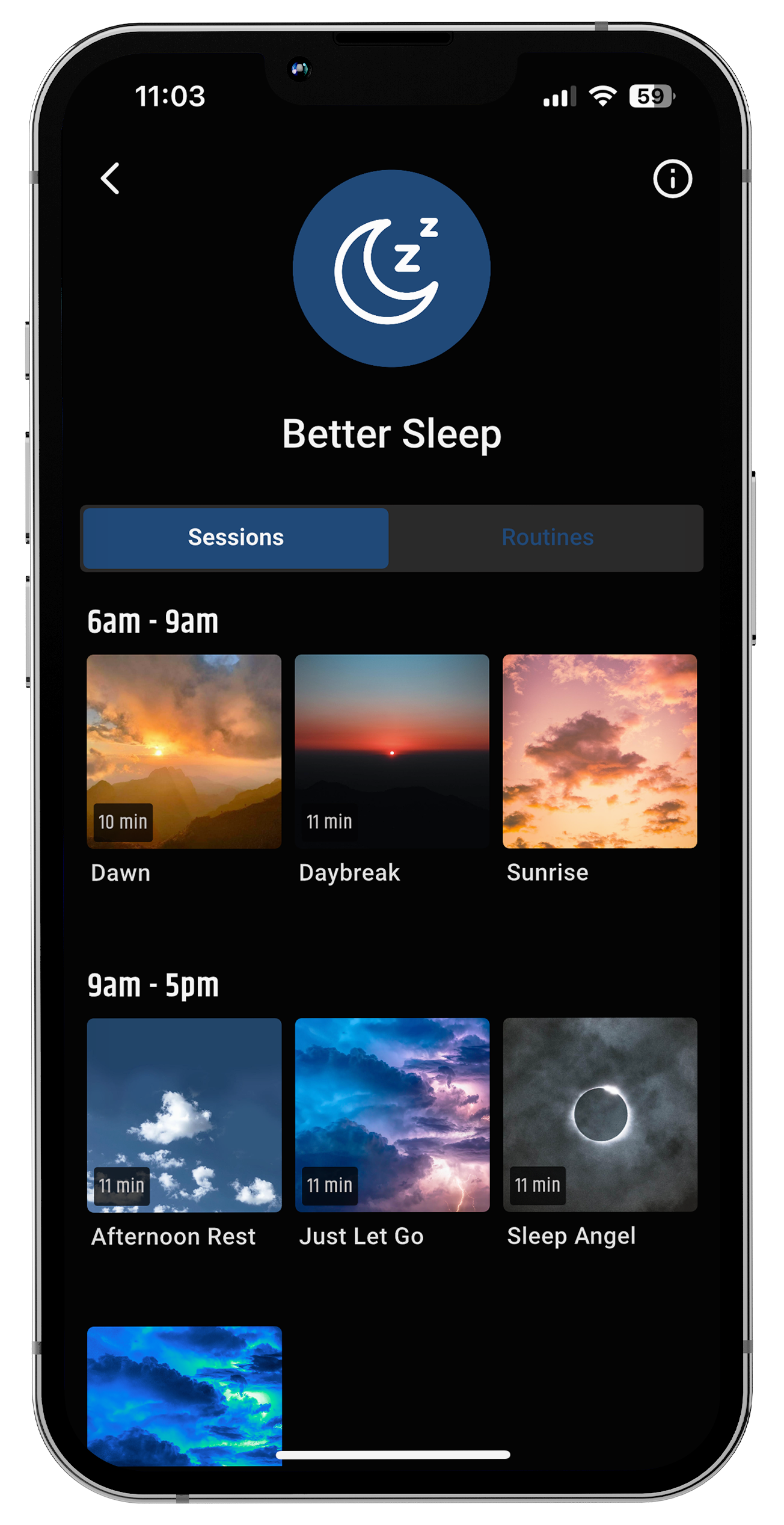
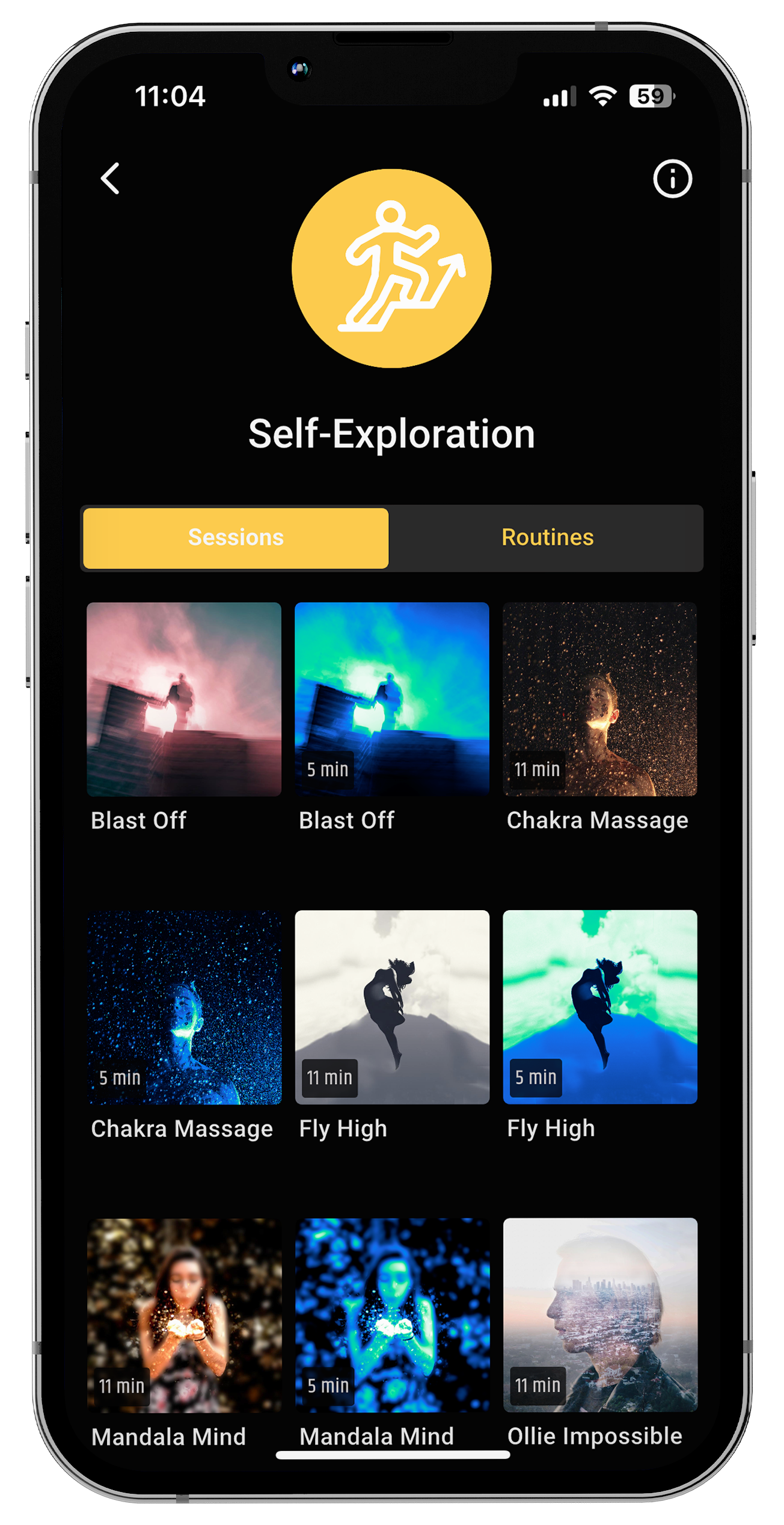
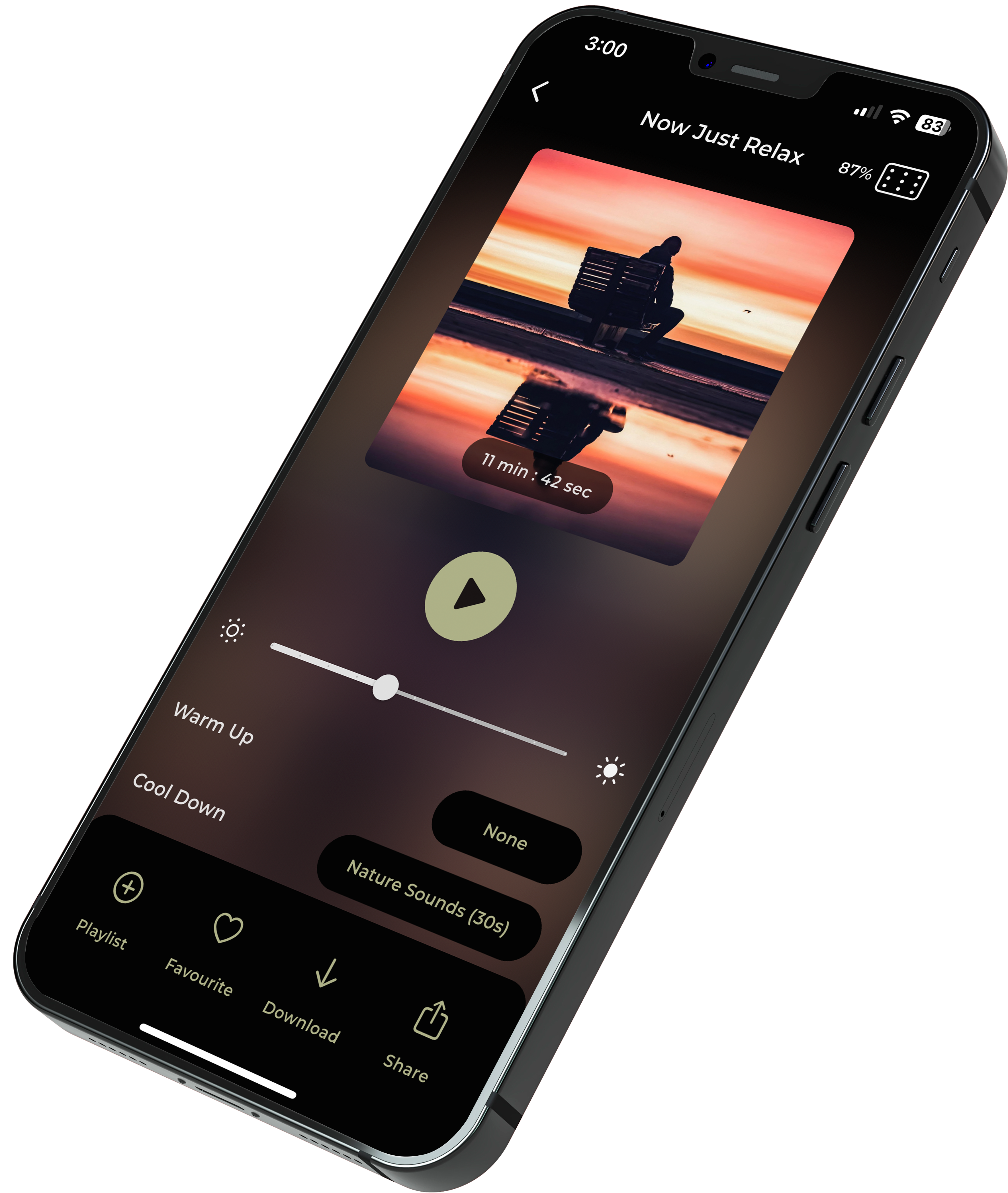
Rather than attempting to train, fix, or push the brain, neuroVIZR is designed as a wellness experience that people may use as part of their personal routine — much like meditation, breathwork, or quiet sensory time.

In this context, neuroVIZR can be experienced as a way to support:

  • Moments of nervous system settling

  • A sense of mental spaciousness or clarity

  • Easier transitions from overstimulation toward a more integrated state

Importantly, neuroVIZR is not therapy and does not replace professional mental health support.

Conclusion

Work burnout is not a personal failure, it's often a sign of prolonged demand without enough space to reset. While therapy can offer understanding, language, and emotional insight, recovery also depends on creating moments where the mind and senses are allowed to slow down, without effort or expectation.

There is no single path through burnout. For many people, support comes from a combination of reflection, rest, boundaries, and wellness practices that feel sustainable in daily life. Tools like NeuroVIZR are not treatments, but may be explored as part of a broader self-care routine offering a quiet, sensory experience that invites pause rather than pressure.

Ultimately, burnout recovery is less about doing more, and more about learning how to give the brain and body what they’ve been missing: space, rhythm, and permission to rest.

FAQ’s

What type of therapy is best for burnout?

There is no single “best” therapy for burnout, as it depends on the individual and the root causes of their stress. Many people explore approaches that focus on stress management, emotional awareness, boundaries, and nervous system regulation. The most important factor is working with a qualified professional and choosing a therapeutic style that feels supportive, practical, and sustainable for your situation.

How can burnout at work be addressed?

Addressing burnout at work often involves a combination of changes rather than a quick fix. This may include reassessing workload and expectations, creating clearer boundaries between work and rest, prioritising recovery time, and building daily practices that support mental and sensory rest. For some, professional support or wellness tools can help create space for reflection and recalibration alongside practical workplace adjustments.

What is the 42% rule for burnout?

The “42% rule” is often referenced in discussions about burnout to highlight how a significant portion of burnout-related stress can be linked to workplace factors rather than individual resilience alone. It’s used to remind individuals and organisations that burnout is not just a personal issue, but also a systemic one influenced by workload, culture, and expectations.

Content Reference 

  • World Health Organization

  • American Psychological Association

  • National Institute of Mental Health

  • Harvard Medical School

  • Frontiers in Neuroscience

Disclaimer

This content is for educational and informational purposes only and is not intended as medical advice, diagnosis, or treatment. neuroVIZR is a wellness device and does not provide therapy or medical care. If you are experiencing burnout, mental health concerns, or persistent distress, please seek guidance from a qualified healthcare or mental health professional.

 

Work burnout doesn’t usually arrive as a dramatic breakdown. It shows up quietly as mental fatigue that sleep doesn’t fix, emotional numbness, irritability, or a constant sense of “I can’t switch off.”

Many people turn to therapy for work burnout hoping to “fix motivation” or “manage stress better.”
But from a neuroscience perspective and very much aligned with neuroVIZR’s approach, burnout isn’t a mindset failure.
It’s a nervous system stuck in survival mode.

What Burnout Really Is (From a Brain Perspective)

Chronic work stress repeatedly activates the brain’s threat-response circuits especially the amygdala and stress hormone pathways.
Over time, this leads to:

  • Reduced access to creativity and problem-solving

  • Emotional flattening or overwhelm

  • Difficulty resting, even when you stop working

  • A body that stays “on” long after the workday ends

This is why traditional productivity advice often fails.
You’re not lacking discipline, your brain hasn’t had the signal that it’s safe to recover.

Read more -  zen koan examples

How Therapy Helps And Where It Sometimes Falls Short

Therapy for work burnout can be deeply valuable.
It helps you:

  • Name emotional patterns

  • Understand boundaries and beliefs

  • Process pressure, perfectionism, or people-pleasing

But many high-functioning professionals notice something important:

That’s because insight alone doesn’t always regulate the nervous system. Burnout lives below language, in brain rhythms, sensory processing, and autonomic balance.

The Missing Piece: Nervous System Regulation

This is where neuroscience-based regulation becomes essential.

When the brain spends too long in high alert:

  • The prefrontal cortex (focus, clarity) goes offline

  • The body forgets how to downshift into rest

  • Recovery requires sensory and neural input, not more thinking

Healing burnout isn’t about forcing calm.
It’s about helping the brain remember balance.

How neuroVIZR Relates to Burnout Recovery

neuroVIZR is built around a simple guiding principle:

The brain naturally responds to gentle, rhythmic light and sound patterns, especially when the environment supports calm, consistency, and ease.

Rather than attempting to train, fix, or push the brain, neuroVIZR is designed as a wellness experience that people may use as part of their personal routine — much like meditation, breathwork, or quiet sensory time.

In this context, neuroVIZR can be experienced as a way to support:

  • Moments of nervous system settling

  • A sense of mental spaciousness or clarity

  • Easier transitions from overstimulation toward a more integrated state

Importantly, neuroVIZR is not therapy and does not replace professional mental health support.

Conclusion

Work burnout is not a personal failure, it's often a sign of prolonged demand without enough space to reset. While therapy can offer understanding, language, and emotional insight, recovery also depends on creating moments where the mind and senses are allowed to slow down, without effort or expectation.

There is no single path through burnout. For many people, support comes from a combination of reflection, rest, boundaries, and wellness practices that feel sustainable in daily life. Tools like NeuroVIZR are not treatments, but may be explored as part of a broader self-care routine offering a quiet, sensory experience that invites pause rather than pressure.

Ultimately, burnout recovery is less about doing more, and more about learning how to give the brain and body what they’ve been missing: space, rhythm, and permission to rest.

FAQ’s

What type of therapy is best for burnout?

There is no single “best” therapy for burnout, as it depends on the individual and the root causes of their stress. Many people explore approaches that focus on stress management, emotional awareness, boundaries, and nervous system regulation. The most important factor is working with a qualified professional and choosing a therapeutic style that feels supportive, practical, and sustainable for your situation.

How can burnout at work be addressed?

Addressing burnout at work often involves a combination of changes rather than a quick fix. This may include reassessing workload and expectations, creating clearer boundaries between work and rest, prioritising recovery time, and building daily practices that support mental and sensory rest. For some, professional support or wellness tools can help create space for reflection and recalibration alongside practical workplace adjustments.

What is the 42% rule for burnout?

The “42% rule” is often referenced in discussions about burnout to highlight how a significant portion of burnout-related stress can be linked to workplace factors rather than individual resilience alone. It’s used to remind individuals and organisations that burnout is not just a personal issue, but also a systemic one influenced by workload, culture, and expectations.

Content Reference 

  • World Health Organization

  • American Psychological Association

  • National Institute of Mental Health

  • Harvard Medical School

  • Frontiers in Neuroscience

Disclaimer

This content is for educational and informational purposes only and is not intended as medical advice, diagnosis, or treatment. neuroVIZR is a wellness device and does not provide therapy or medical care. If you are experiencing burnout, mental health concerns, or persistent distress, please seek guidance from a qualified healthcare or mental health professional.


Enhance Your Mental Clarity With neuroVIZR