



Whenever individuals are seeking a relaxing gadget, they are seldom after a gadget by itself.
They are seeking an escape of the nervous system, which is constantly on, in spite of the surface appearance of well-being.
Racing thoughts.
A tight chest.
Problem sleeping or switching off.
Feeling that the body is awake when the mind desires to relax.
It is not a failure or lack of discipline on a personal level.
It is a very common nervous system which has not received the signals of safety on a regular basis.
A relaxing appliance, when intelligently developed, does not impose relaxation. Rather, it assists the brain to go back to a normal state - one where it has become possible to be calm.
Why Calm Can’t Be Forced
The major task of the brain is not peacefulness but survival.
Once the nervous system perceives danger or real danger the brain switches to protective responses, such as, fight, flight, or freeze. Self-talk in these states, in terms of saying, relax, hardly works. The rational mind is not able to take a backseat because the body thinks it must be on the alert.
This is one of the reasons why most human beings are irritated by conventional methods of relaxation. The issue isn’t motivation. It’s biology.
Several predictable, rhythmic, and non-threatening sensory inputs to the brain, which convey a signal of safety at the nervous-system level, result in the emergence of calm.
That is where relaxing tools may be helpful.

How Calming Devices Support Mental Calm
A true calming device doesn’t sedate the brain or distract it from stress.
Instead, it works with how the brain naturally regulates itself.
The nervous system responds strongly to:
-
Rhythm
-
Repetition
-
Gentle sensory cues
When these elements are present, the brain begins to shift out of high-alert patterns and toward more stable, regulated brainwave states.
This process is closely related to brainwave entrainment, a neuroscience-backed concept that explains how the brain can synchronize with external rhythmic stimuli like light or sound. When used carefully, this technology can help guide the brain toward states associated with relaxation, focus, or rest without forcing a response.
A deeper explanation of how this process works is explored through brainwave entrainment technology, which helps clarify why rhythm and consistency matter more than intensity when it comes to calming the nervous system.
The Difference between Calming and Numbing.
All calming devices are not regulated.
There are tools which lessen pain by:
-
Blocking sensation
-
Developing a short-term distraction.
-
Excessive stimulation of pleasure centers.
As much as they seem useful at the time, they do not train the nervous system to go back to a relaxed state by itself.
On the other hand, regulation assists the brain:
-
Recognize safety
-
Settle gradually
-
Build resilience over time
Good soothing devices facilitate this learning and not short-cut it.
This difference is particularly crucial when one is examining the modern devices of stress relief, most of which differ significantly in their relation to the brainwave patterns and states of their nervous systems.
How Light and Sound Support the Nervous System
The brain responds intensively to stimuli of the senses, especially light and sound.
Light rhythms can alter the way a brain processes any visual information which can be reduced to gentle rhythmic patterns and structured sound frequencies can help to maintain steady brainwave frequencies. Put together in a prudent way, these elements can provide the brain with something that it perceives as being safe and predictable.
Instead of forcing the nervous system to calm, being in this mode enables the brain to relax into it.
During the course of time, habitual exposure to controlled sensory stimulation is able to aid neuroplasticity - the brain ability to acquire new patterns of reaction. Calm ceases to be something you pursue and gets encoded in your system.
How Psychological Safety Transforms Brain Function
As the nervous system comes out of the state of permanent alertness:
-
Breathing is more profound and slow.
-
Muscular tension reduces
-
Emotional responsiveness is easy.
-
The process of paying attention and being clear enhances automatically.
Howevleer, most importantly, individuals start to have confidence in their internal cues once again.
Rather than asking, What is the matter with me?
It becomes, What is it that my nervous system is in need of at this moment?
This change in itself can be severely controlling.
Using a Calming Device as a Complement to Daily Wellness
A relaxing device is most effective when perceived to be a supportive device, rather than a solution.
It is not a substitute for rest, limits or emotional awareness.
It complements them.
-
A relaxing device can:
-
Minimize the settlement effort.
-
Recovery of chronic stress.
-
Assist to restore internal security.
When used on a regular basis and purposefully, it becomes an element of a bigger relationship with the nervous system - one of listening but not control.
Calm Begins With Self-Compassion
Calm is not a personality.
It’s a physiological state.
Calm is a natural result of the safety of the brain. When it does not then nothing can be produced by will power.
The knowledge of this alters the ways we relate to our self-selves, particularly when we are overwhelmed.
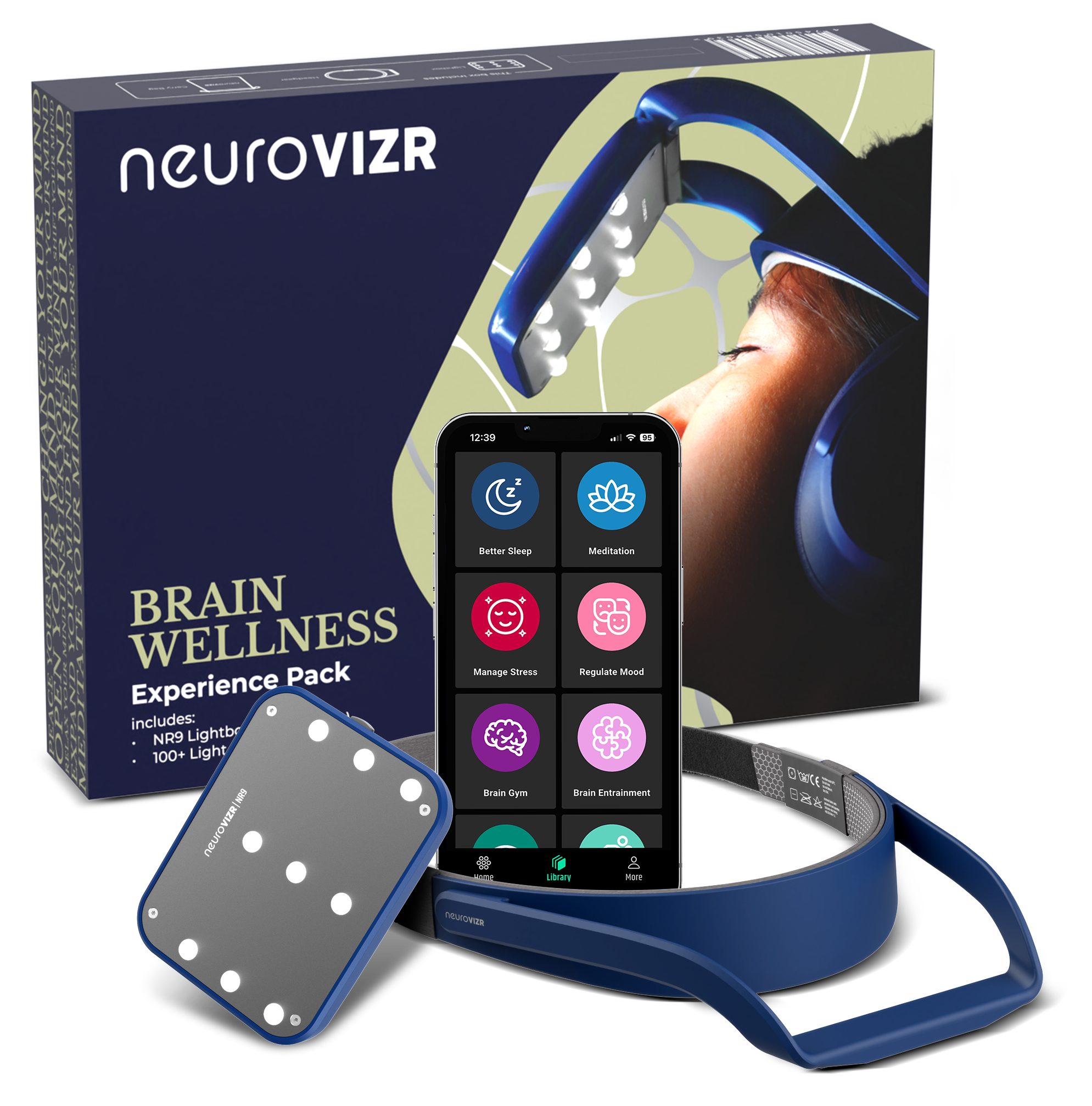
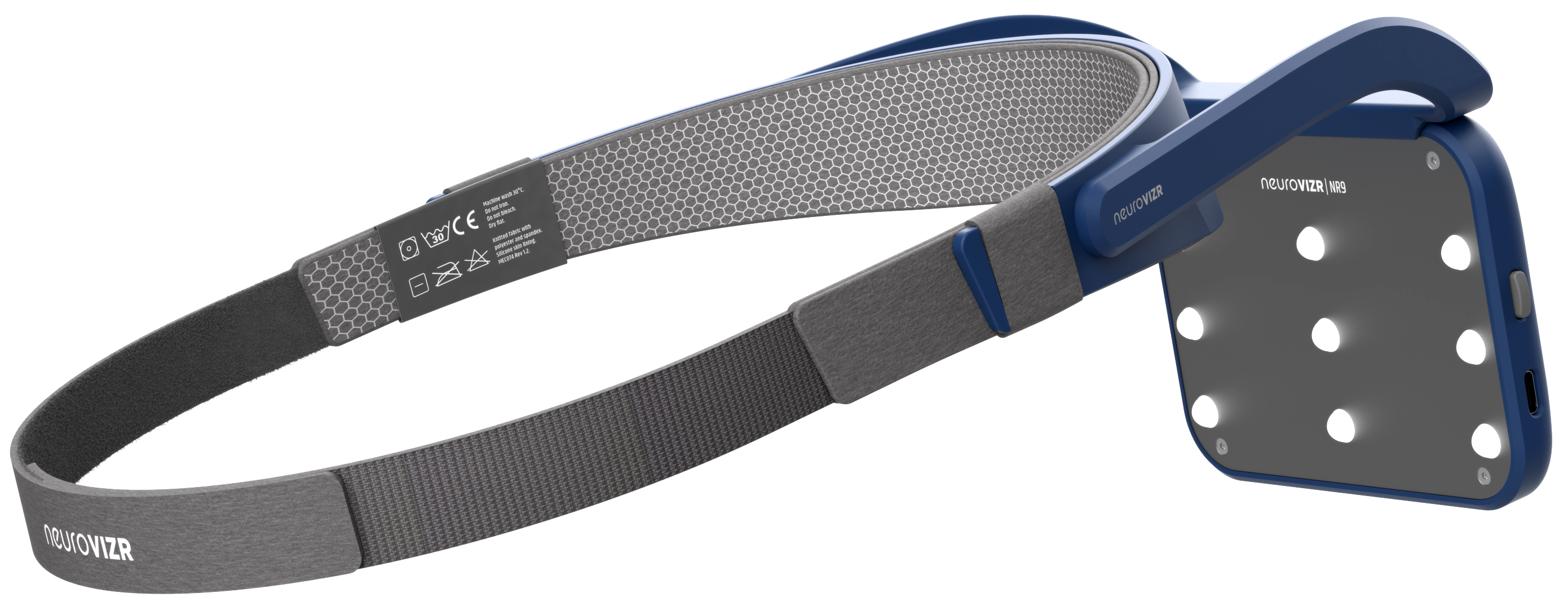
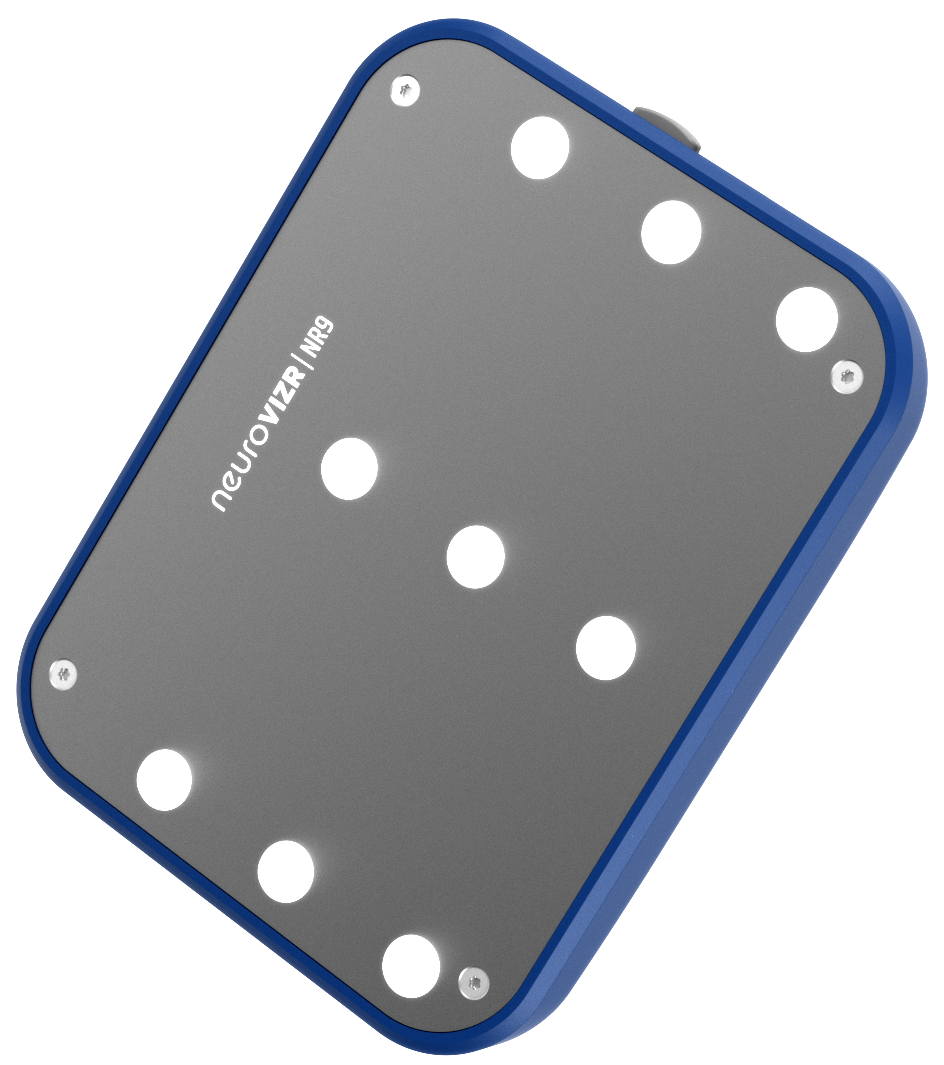
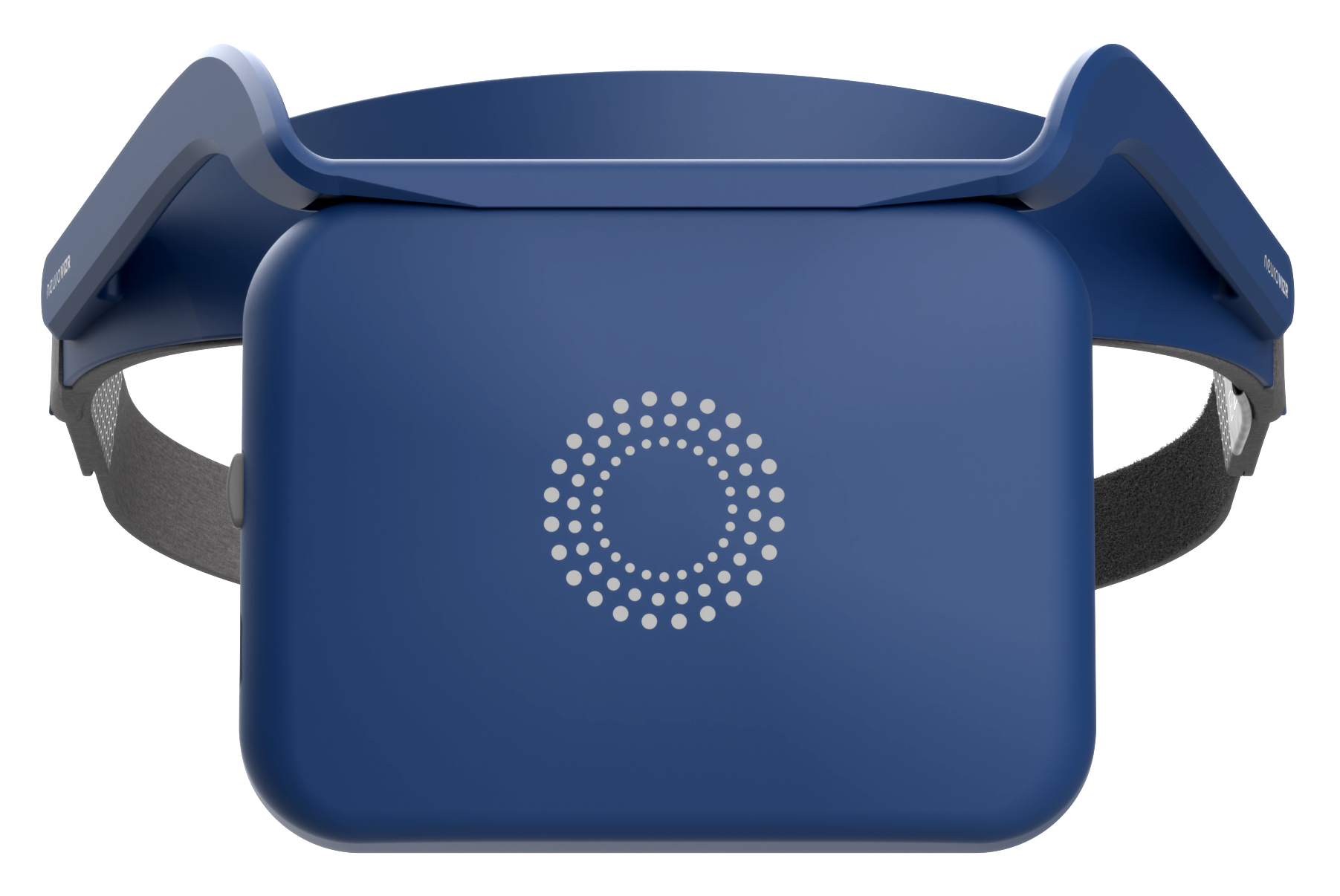
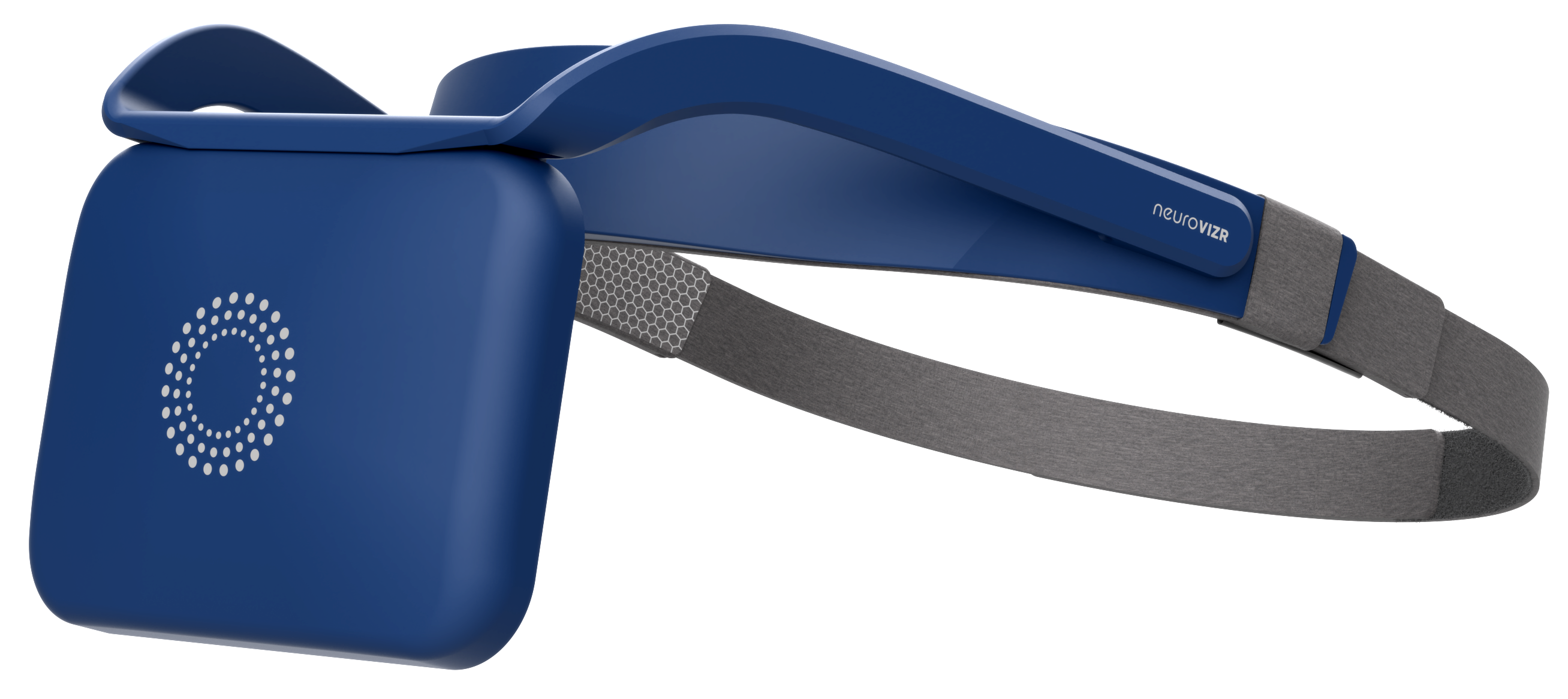
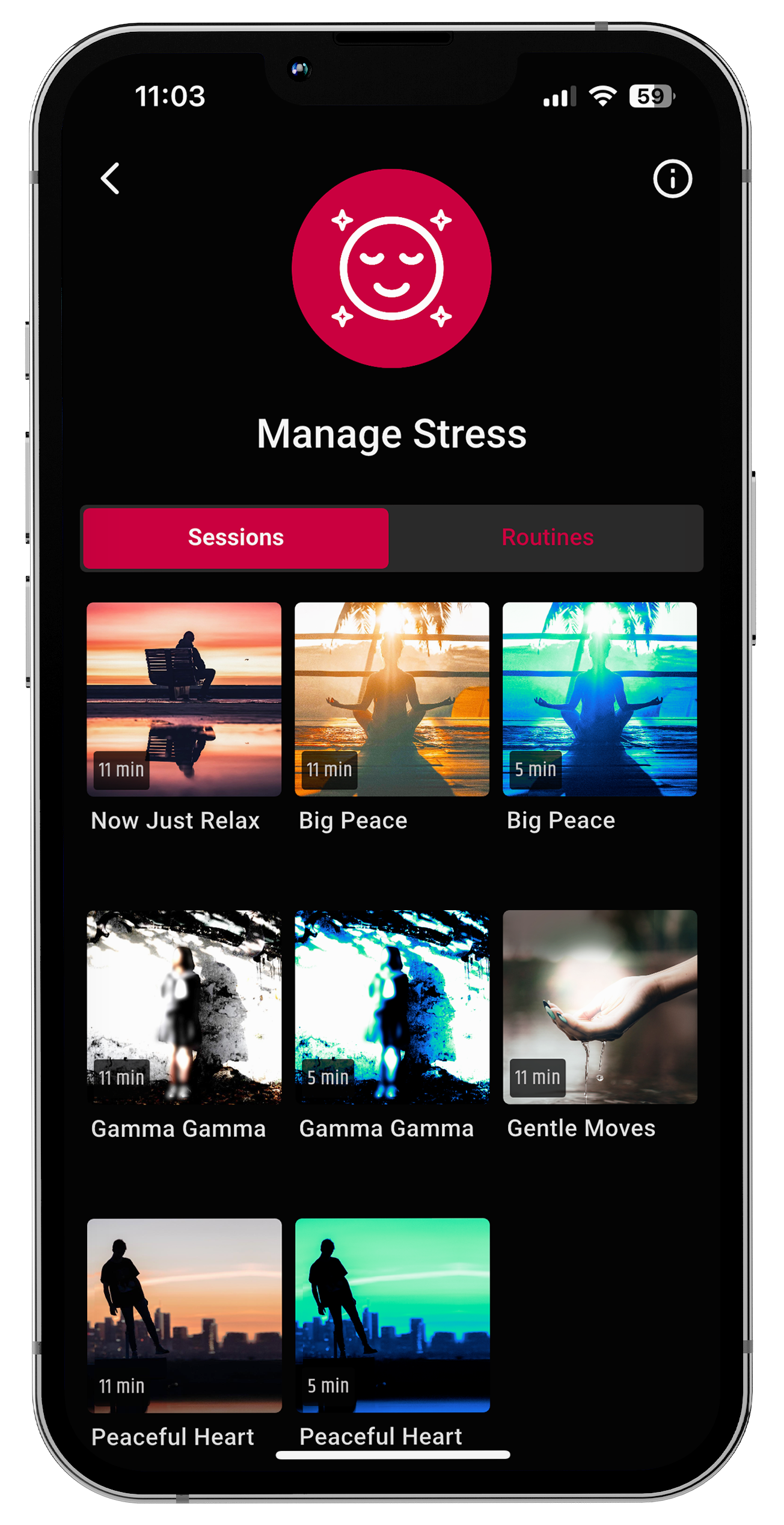
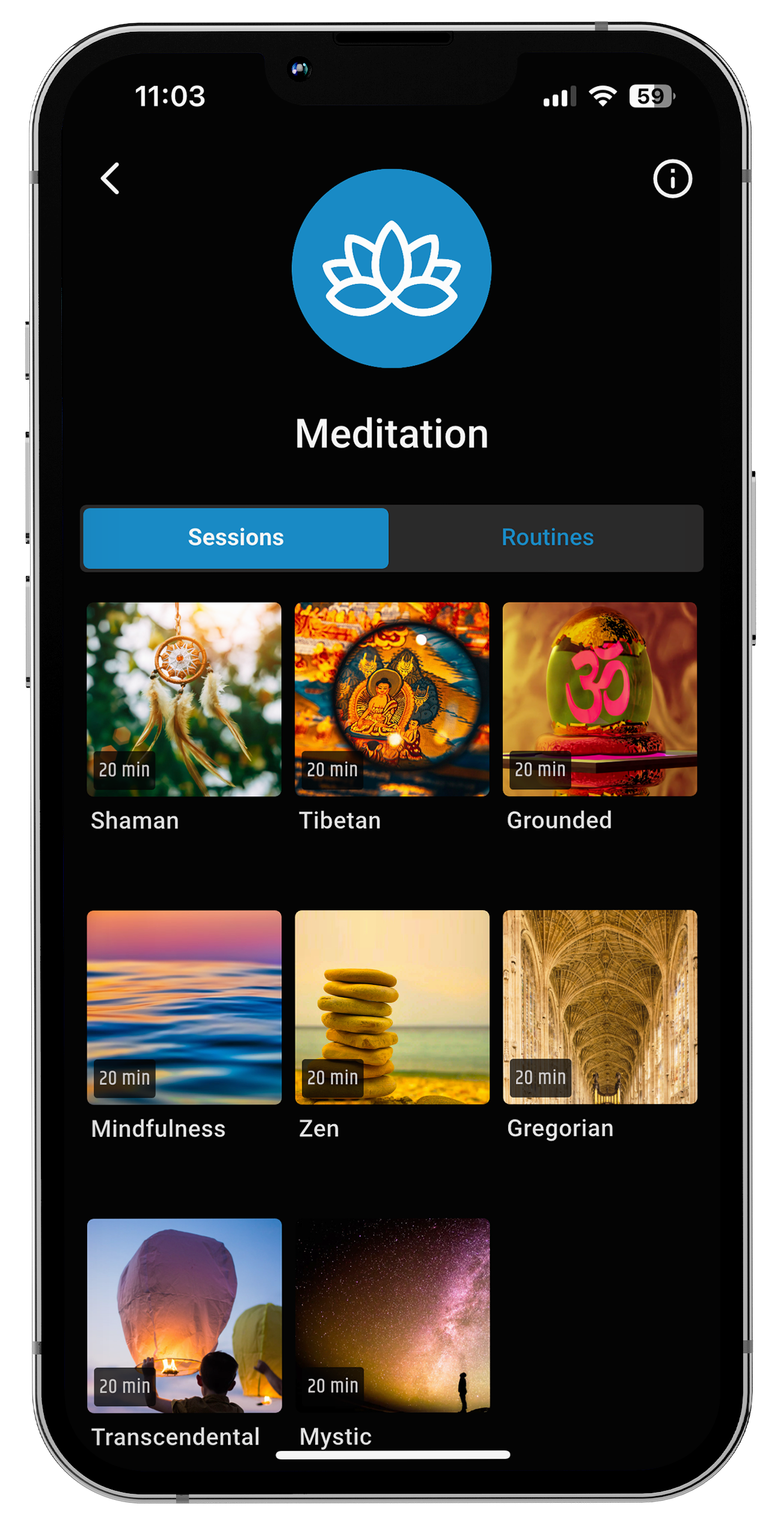
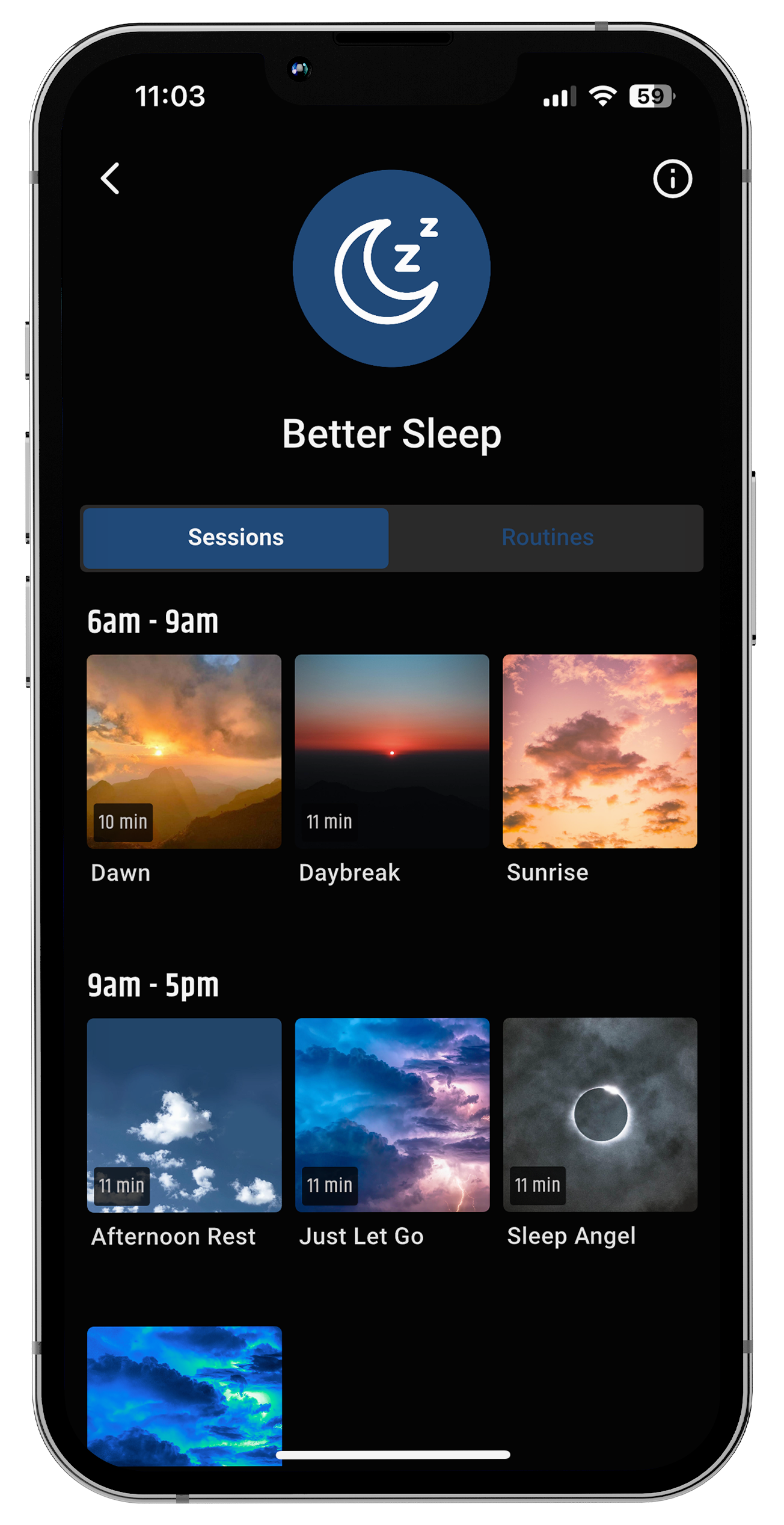
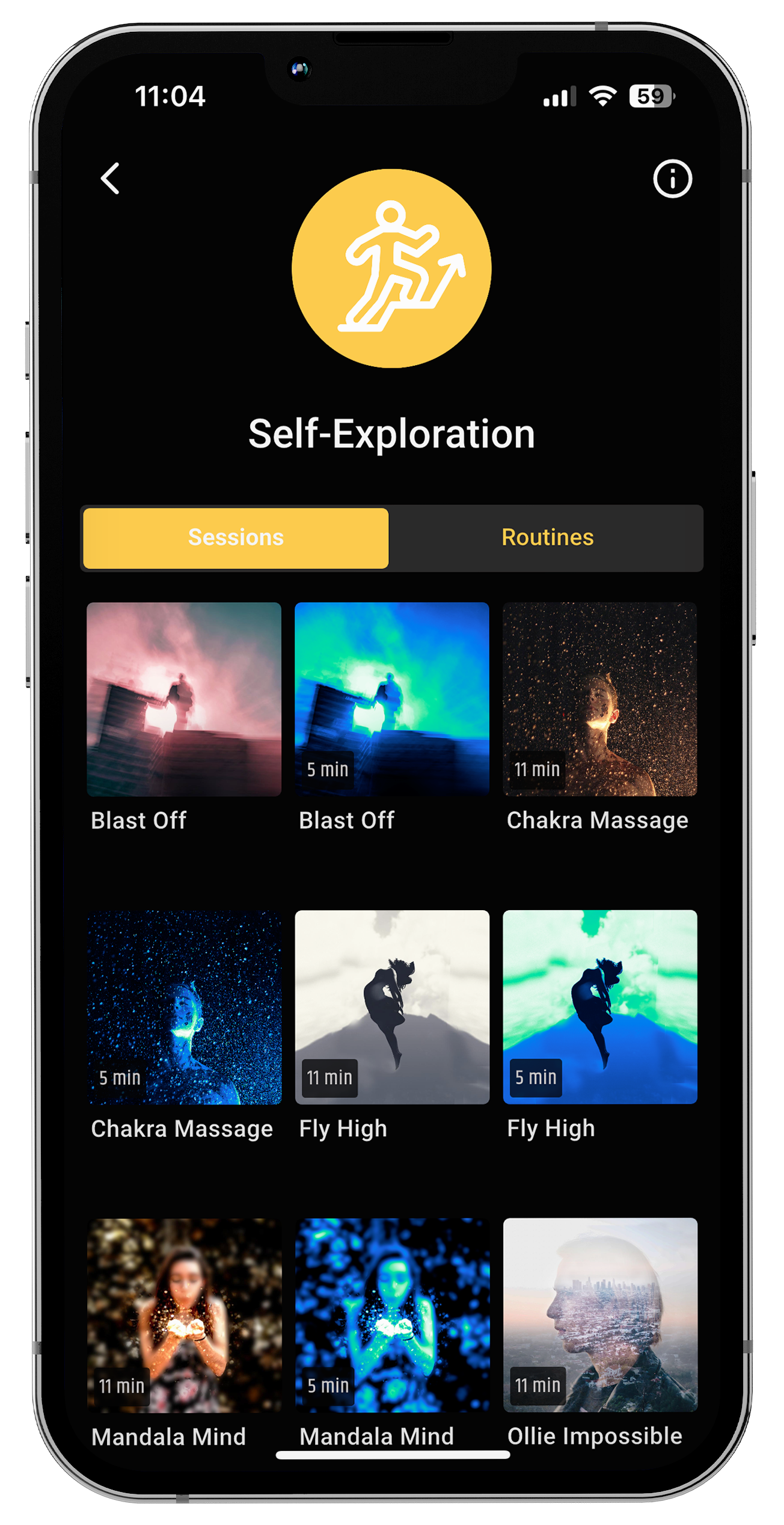
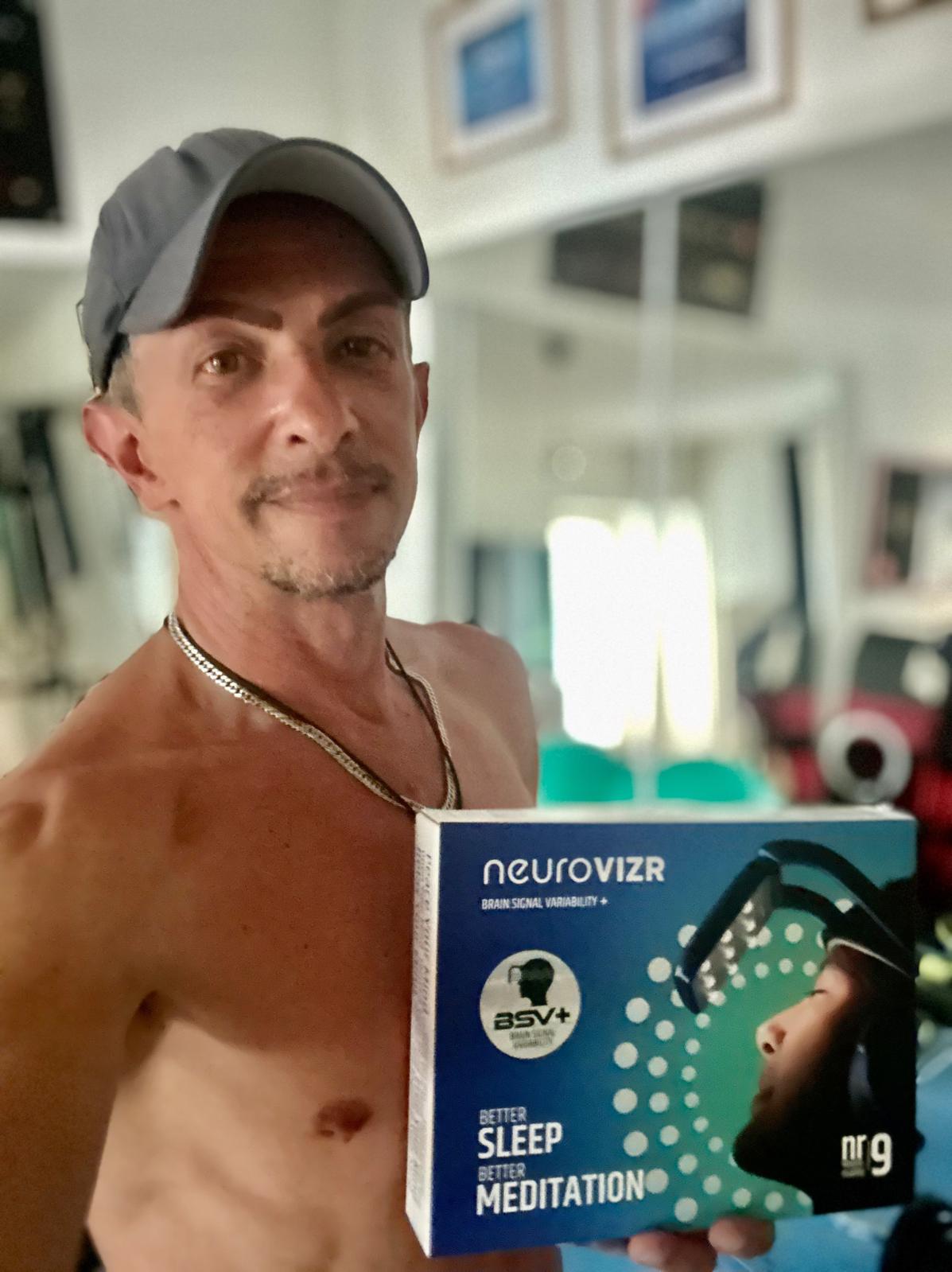
At neuroVIZR, it is not a matter of inserting the brain into calm, but of creating the conditions in which calm would arise. Using light and sound experiences via neuroscience, the aim is to make the nervous system feel that it is being supported, that it is understood and able to regulate once more.
FAQs
What is a calming device?
A calming device is a tool designed to support nervous system regulation by providing predictable sensory input, such as light, sound, or vibration, helping the brain shift out of constant alertness and into a calmer state.
Do calming devices actually work for stress and anxiety?
Calming devices can be supportive for stress and anxiety when they work with the nervous system rather than trying to suppress symptoms. Their effectiveness depends on how well they align with natural brain and sensory processing.
How does a calming device affect the brain?
Many calming devices influence brain activity through rhythm and repetition, which can help the brain move toward more regulated brainwave patterns associated with relaxation, focus, or rest.
Is a calming device the same as medication?
No. A calming device does not alter brain chemistry like medication. Instead, it offers sensory signals that help the nervous system feel safe enough to settle naturally.
Disclaimer
This content is for educational purposes only and is not intended to replace medical advice, diagnosis, or treatment.








Share:
Low Emotional Intelligence Symptoms: 10 Warning Signs to Watch For
Sleep Better Tonight: 3 Food Tweaks That Calm Your Mind