
Haftungsausschluss
neuroVIZR ist ein Wellness-Gerät, das zur Förderung von Entspannung, Konzentration und allgemeinem Wohlbefinden des Gehirns entwickelt wurde. Es ist kein medizinisches Gerät, stellt keine Diagnosen und ist nicht zur Behandlung, Heilung oder Vorbeugung von Krankheiten bestimmt. Das Gerät ist nicht für Personen mit Epilepsie geeignet. Erfahrungen und Ergebnisse können von Person zu Person variieren.
Kämpfen Sie mit schlechter Schlafqualität?
Wenn Sie alles von Melatonin bis Meditation ausprobiert haben, aber immer noch unerholt aufwachen, liegt das eigentliche Problem möglicherweise nicht an Ihren Gewohnheiten.
Es könnten Ihre Gehirnwellen sein.
Immer mehr Menschen suchen nach Antworten mit Fragen wie:
-
Wie beeinflussen Gehirnwellen die Schlafqualität?
-
Was ist der Zusammenhang zwischen Theta- und Delta-Schlaf?
-
Kann Gehirnwellen-Entrainment Schlafstörungen wirklich verbessern?
Diese Fragen verdeutlichen eine tiefere Wahrheit: Die elektrischen Rhythmen Ihres Gehirns bestimmen, wie gut Sie schlafen.
In diesem Blog werden wir die Wissenschaft hinter Gehirnwellen und Schlafqualität untersuchen und wie Lichttherapie für Gehirnwellen-Schlaftraining, wie sie von neuroVIZR angeboten wird, Ihnen helfen kann, Ihr Gehirn auf besseren Schlaf natürlich zu trainieren.
Was sind Gehirnwellen und warum sind sie wichtig für den Schlaf?
Gehirnwellen sind Muster elektrischer Aktivität in Ihrem Gehirn. Verschiedene Wellenfrequenzen sind mit verschiedenen mentalen und physischen Zuständen verbunden. Hier ist eine Aufschlüsselung:
|
Gehirnwelle |
Frequenz |
Zustand |
|
Beta |
13–30 Hz |
Wach, aufmerksam, aktives Denken (Stressmodus) |
|
Alpha |
8–12 Hz |
Ruhig, meditativ, bereit zum Schlafen |
|
Theta |
4–8 Hz |
Leichter Schlaf, Träumen, tiefe Entspannung |
|
Delta |
0,5–4 Hz |
Tiefschlaf, vollständige Körpererholung |
Für einen qualitativ hochwertigen Schlaf muss Ihr Gehirn auf natürliche Weise durch diese Zustände übergehen, insbesondere in den Theta- und Delta-Schlaf, die für die mentale und physische Erholung verantwortlich sind.
Wie Gehirnrhythmen Schlaflosigkeit beeinflussen
Das moderne Leben hält uns im Hochfrequenz-Beta-Modus gefangen – gedanklich rastlos, überreizt und ängstlich. Das macht es dem Gehirn schwer, zur Ruhe zu kommen und in Alpha-, Theta- oder Delta-Zustände überzugehen.
Das ist der Grund, warum:
-
Sie sich müde fühlen, aber nicht einschlafen können
-
Sie nachts mehrmals aufwachen
-
Sie 8 Stunden schlafen, sich aber immer noch erschöpft fühlen
Das Verständnis, wie Gehirnrhythmen Schlaflosigkeit beeinflussen, ist entscheidend, um diesen Kreislauf zu durchbrechen.
Was ist Gehirnwellen-Entrainment?
Gehirnwellen-Entrainment ist eine Technik, bei der das Gehirn mit externen rhythmischen Reizen wie pulsierenden Lichtern oder Schallfrequenzen synchronisiert wird. Dies kann Ihr Gehirn sanft aus überaktiven Zuständen in entspanntere Frequenzen führen.
Dies ist die Grundlage für das Gehirnwellen-Schlaftraining, und die Lichttherapie ist eine der effektivsten, medikamentenfreien Methoden, dies zu tun.
Lichttherapie für Gehirnwellen-Schlaftraining mit neuroVIZR
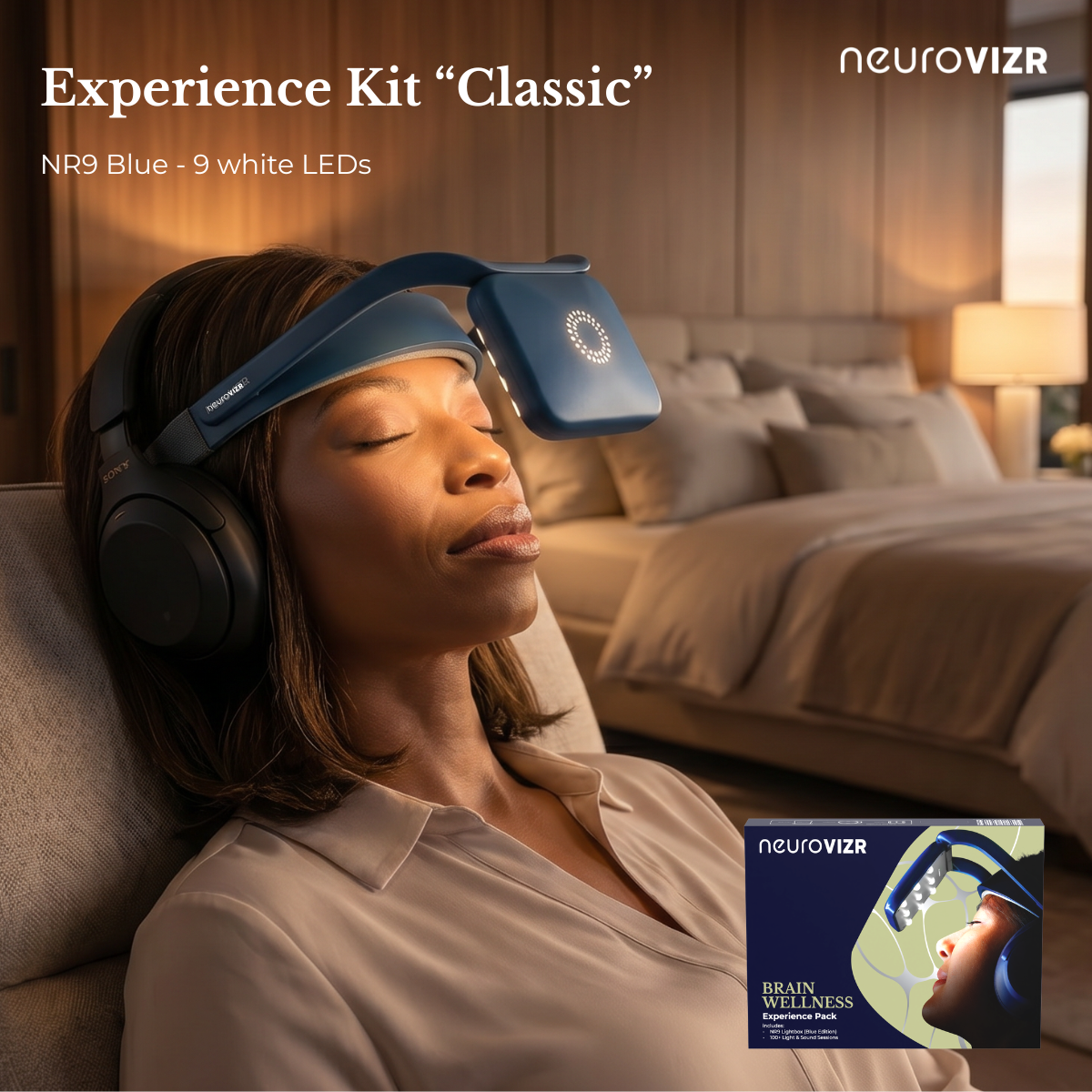
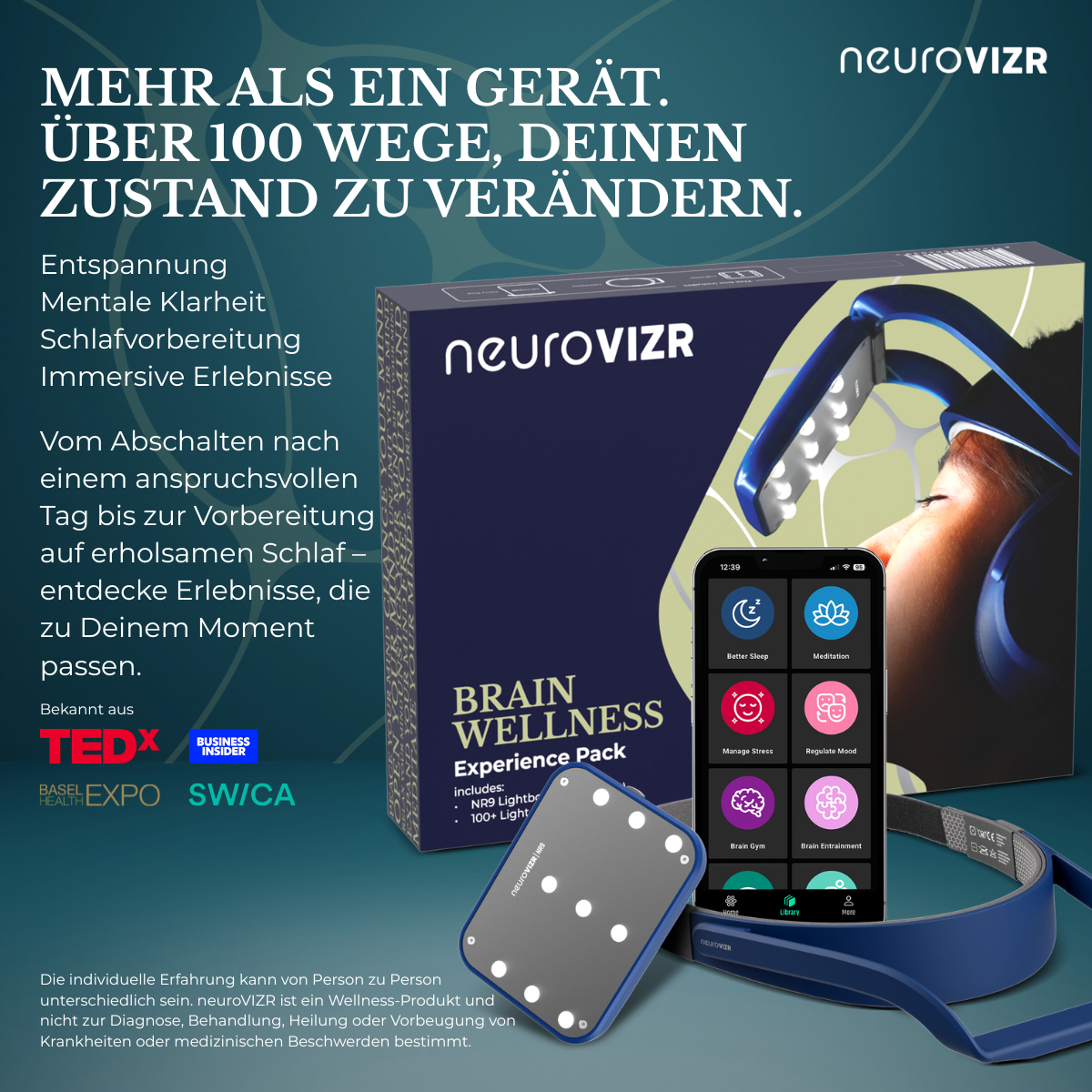
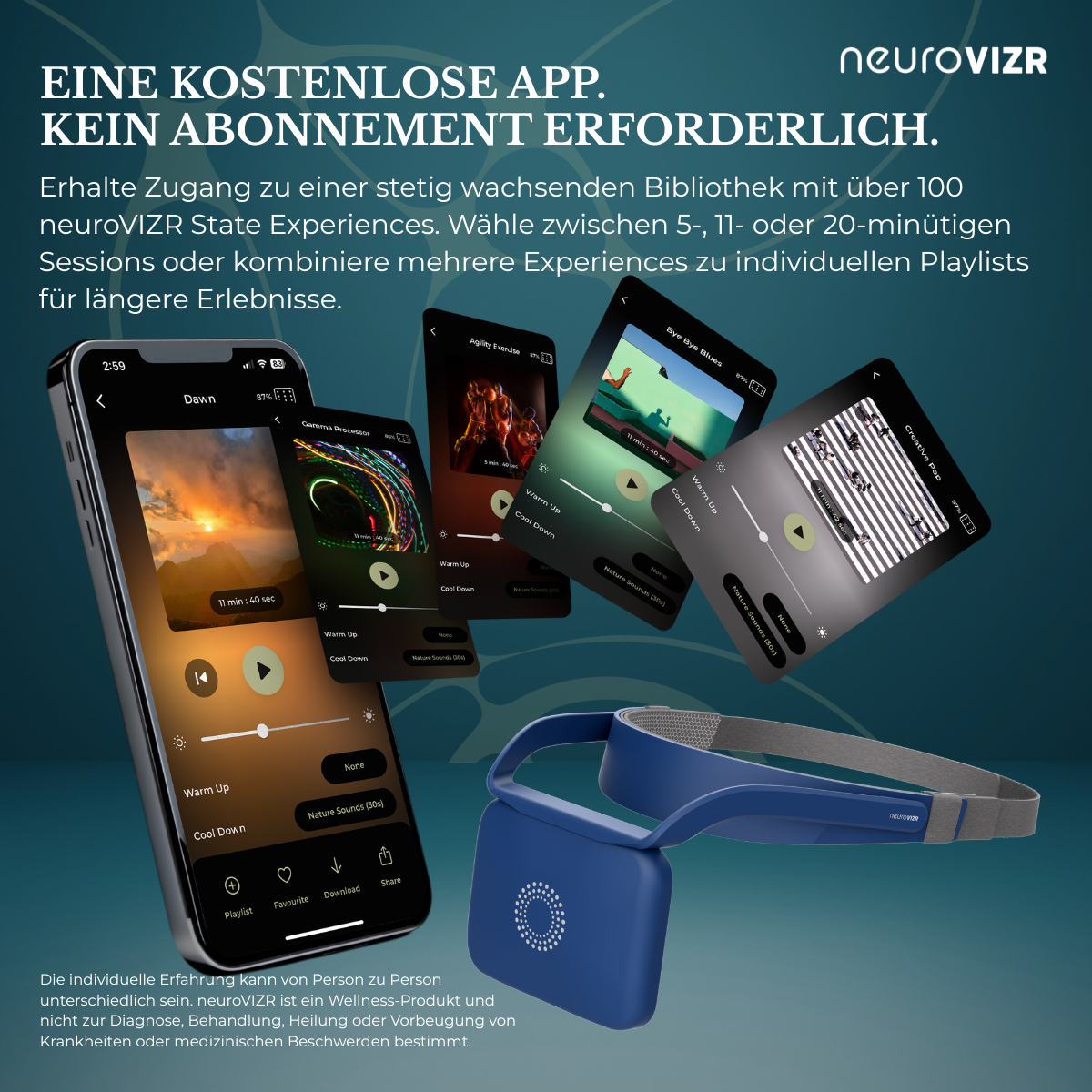
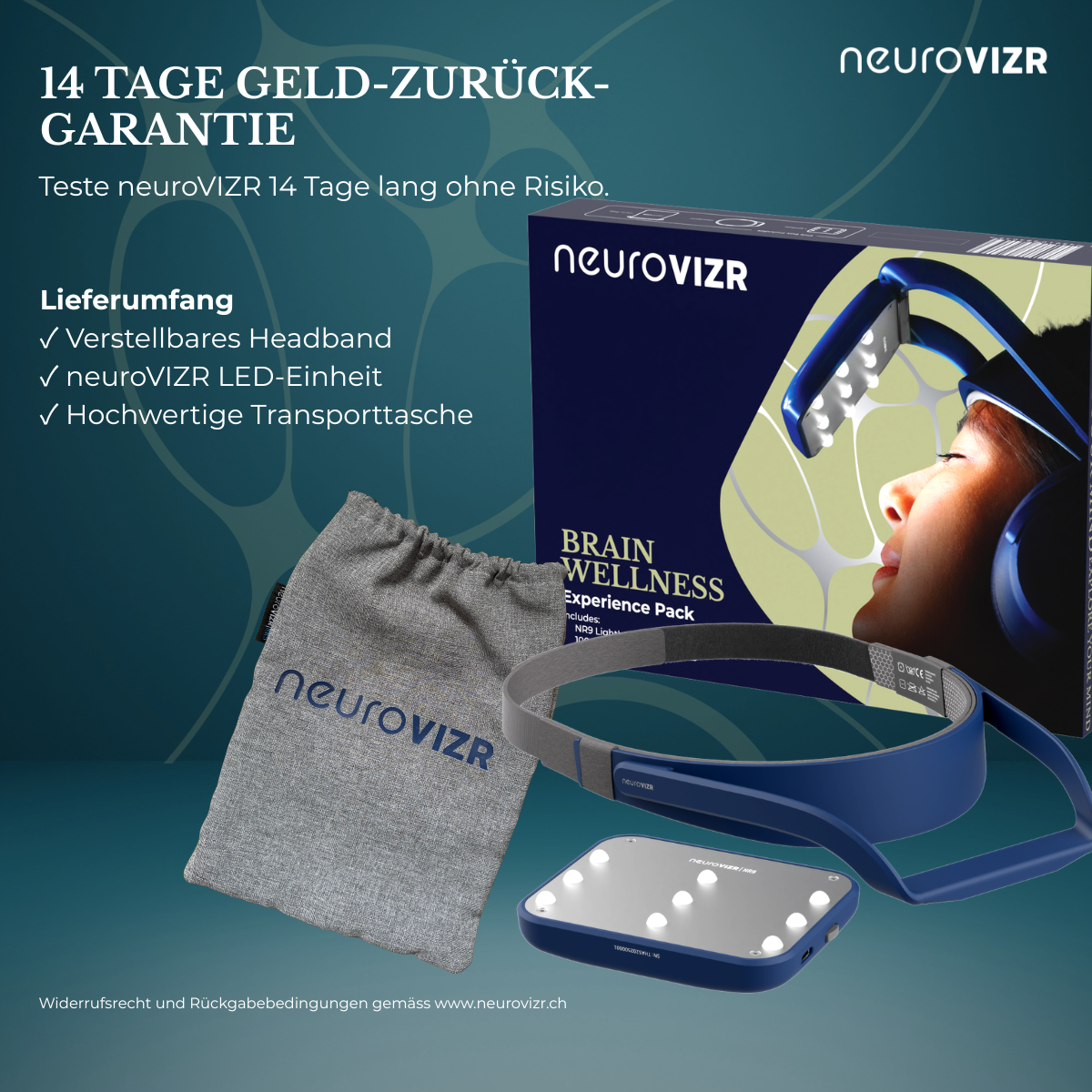
Die neuroVIZR Gehirntrainings-App ist ein tragbares Gerät der nächsten Generation, das Licht- und Schallstimulation nutzt, um Ihr Gehirn durch die ideale Schlaf-Übergangskurve zu führen:
-
Beginn im Beta-Zustand – wach oder ängstlich
-
Abstieg in den Alpha-Zustand – ruhig und entspannt
-
Übergang in den Theta-Zustand – schläfrig, erholsam
-
Eintauchen in den Delta-Zustand – tiefer, heilsamer Schlaf
Diese 11-minütigen Sitzungen nutzen flackerndes LED-Licht und Umgebungsgeräusche, um das Entrainment für besseren Schlaf zu fördern.
Mit der Zeit lernt Ihr Gehirn, diesem Muster auf natürliche Weise zu folgen, ohne Melatonin oder verschreibungspflichtige Schlafmittel zu benötigen.
Die Neurowissenschaften unterstützen Gehirnwellen-basiertes Schlaftraining
Hier erfahren Sie, was die Wissenschaft über Lichttherapie und Entrainment zur Verbesserung des Schlafs sagt:
Theta-Entrainment verbessert das Einschlafen
Theta-Aktivität hilft, den Geist zu beruhigen, übermäßiges Denken zu reduzieren und den Übergang in den NREM-Schlaf zu erleichtern.
(PMC, 2020)
8 Hz Licht verstärkt Alpha und Theta
Lichtbasiertes Entrainment bei Alpha-Frequenzen (8–10 Hz) verbessert die Ruhe vor dem Schlaf und fördert die Theta-Wellenaktivität.
(Neural Dynamics of Stroboscopic Stimulation, 2021)
Größere Gehirnwellenflexibilität = Besserer Schlaf
Die Fähigkeit des Gehirns, zwischen Wellenzuständen zu wechseln, sagt die Schlaftiefe und Erholung voraus.
(Garrett et al., 2013)
Echte Menschen. Echte Ergebnisse.
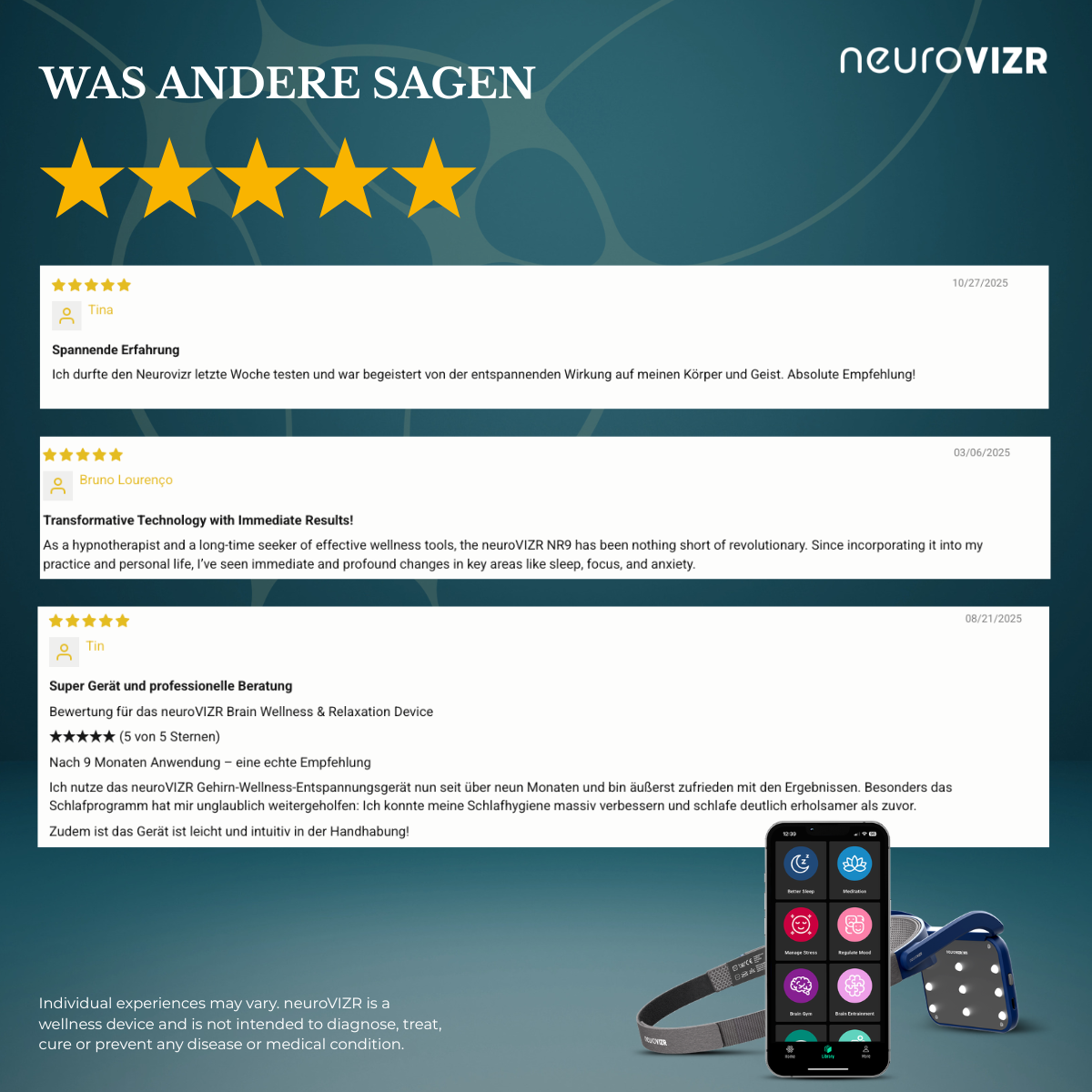
„Ich begann neuroVIZR vor dem Schlafengehen zu verwenden und bemerkte innerhalb einer Woche einen tieferen, ununterbrochenen Schlaf.“
„Ich benutze es während des nächtlichen Aufwachens, es setzt meinen Geist zurück und ich schlafe innerhalb von Minuten wieder ein.“
„Ich kämpfe seit Jahren mit Schlaflosigkeit. Das Entrainment mit neuroVIZR war ein Wendepunkt.“
Hauptvorteile der Verwendung von neuroVIZR für den Schlaf
Natürliche, nicht-invasive Unterstützung für den Schlaf
Verbessert Ihre Fähigkeit, Theta- und Delta-Schlaf
zu erreichenReduziert nächtliche Angst und Gedankenkreisen
Programmiert Ihr Gehirn für gesunde Schlafrhythmen neu
Verbessert die Gesamtgehirnwellen und Schlafqualität
Die Zukunft des Schlafes ist Gehirntraining
Guter Schlaf geht über die bloße Einhaltung grundlegender Schlafhygiene hinaus – es geht darum, zu verstehen, was in Ihrem Gehirn vor sich geht.
Die Zukunft des Schlafes liegt im Gehirntraining, nicht in der Sedierung. Anstatt Ihren Geist zu betäuben, hilft Ihnen das Gehirnwellen-Entrainment dabei:
-
Die Fähigkeit Ihres Gehirns zur Erholung aktiv umzugestalten
-
Die natürlichen Schlafrhythmen Ihres Körpers wiederzuerlangen
-
Langfristige Widerstandsfähigkeit gegen Schlaflosigkeit aufzubauen
Häufig gestellte Fragen
F: Wie lange dauert es, bis sich mit neuroVIZR Schlafverbesserungen zeigen?
A: Einige Benutzer bemerken innerhalb weniger Tage einen besseren Schlaf. Bei anderen führen 2–3 Wochen konsequenter Anwendung zu den besten Ergebnissen.
F: Kann Lichttherapie wirklich bei Schlaflosigkeit helfen?
A: Ja. Studien zeigen, dass Lichttherapie für Gehirnwellen-Schlaftraining ein gültiger Ansatz zur Linderung von Schlaflosigkeit ist, indem sie die Gehirnrhythmen zurücksetzt.
F: Ist Entrainment sicher?
A: Ja, wenn es mit Geräten wie neuroVIZR durchgeführt wird, die speziell für Wellness entwickelt wurden. Es wird nicht für Personen mit photosensitiver Epilepsie empfohlen.
Trainieren Sie Ihr Gehirn für besseren Schlaf – natürlich
Jagen Sie dem Schlaf nicht mit Pillen oder weißem Rauschen hinterher. Trainieren Sie stattdessen Ihr Gehirn, in Theta- und Delta-Zustände zu wechseln, wo echte Schlafqualität entsteht.
neuroVIZR bietet eine leistungsstarke, wissenschaftlich fundierte Methode, um tiefe, konstante und erholsame Ruhe zu erleben – ohne Nebenwirkungen.
Verbessern Sie Ihren Schlaf mit Gehirnwellen-Entrainment → Jetzt einkaufen





Teilen:
Warum fühlt sich Schlaf so gut an?
Migräne: Verbesserte Schlafgewohnheiten zur Linderung und für eine bessere Körperhaltung